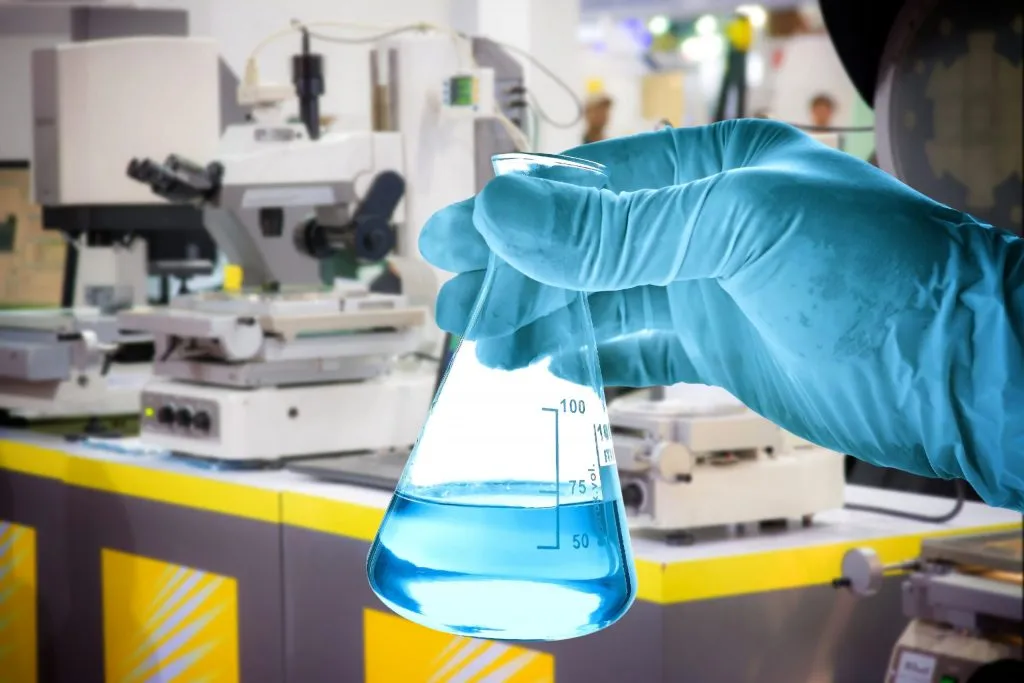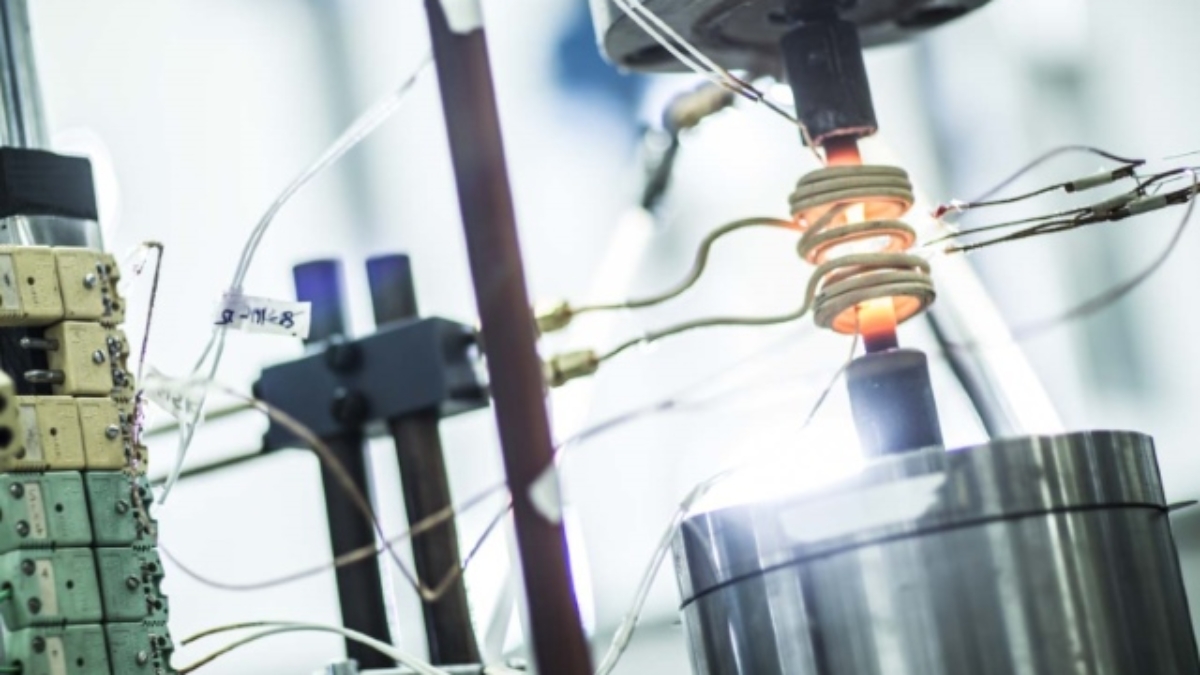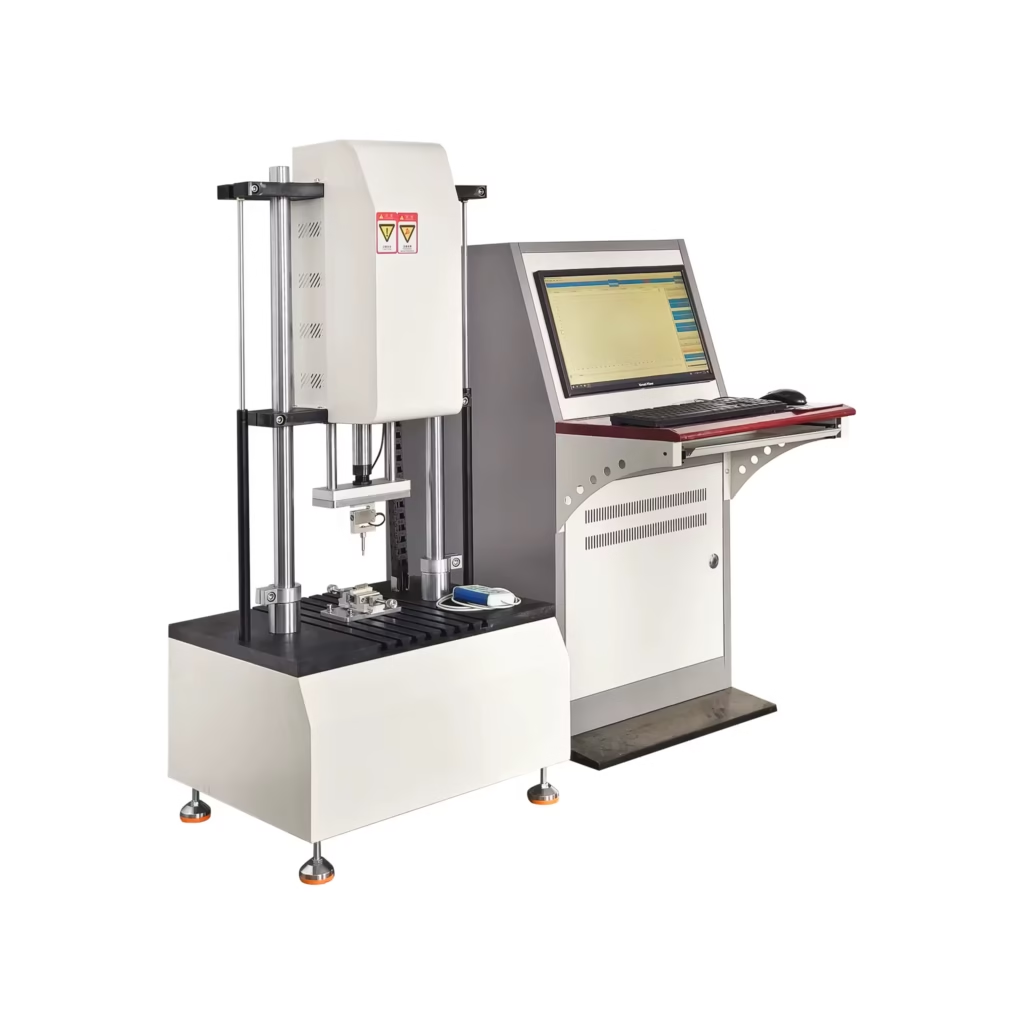
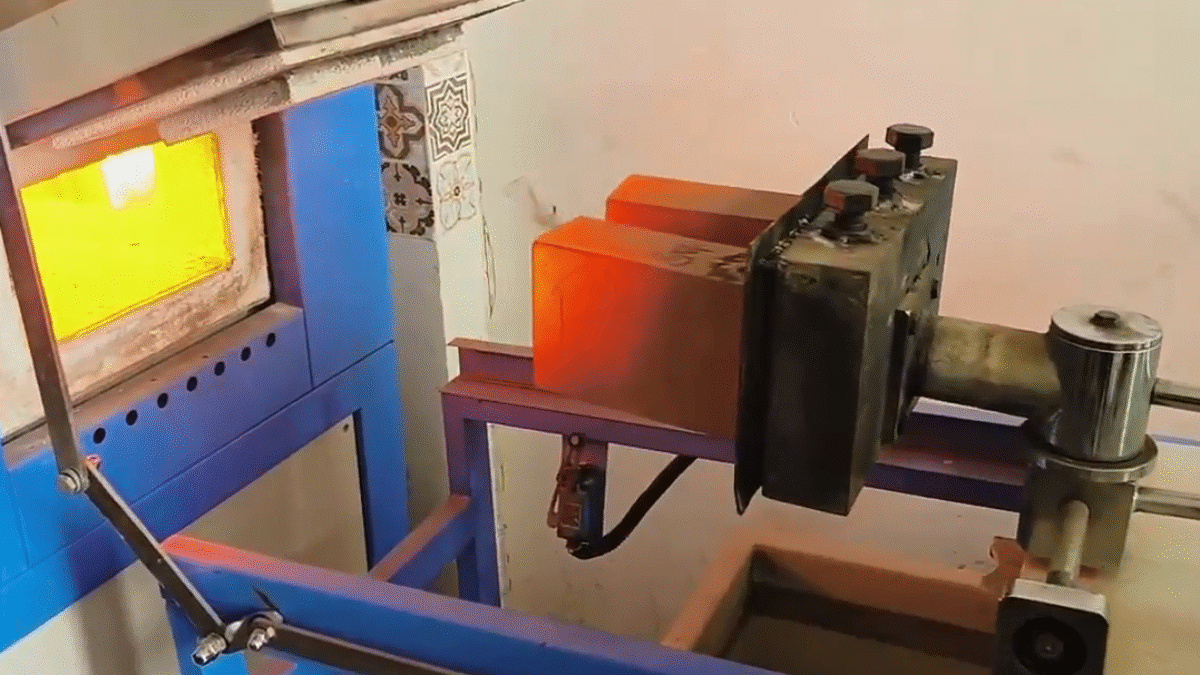
Thermal Shock Testing Services in India | Kiyo R&D Lab

Thermal Shock Testing Services in India – Kiyo R&D Lab

Thermal Shock Testing Services in chennai– Kiyo R&D Lab

Introduction: Why Thermal Shock Testing Matters

In today’s fast-paced industries, products are expected to perform reliably under a wide range of environmental conditions. From electronics and automotive parts to medical devices and consumer products, components are often subjected to sudden temperature changes during manufacturing, transportation, or real-world use.

These rapid temperature fluctuations can cause stress, cracks, warping, or even complete failure of materials. To ensure durability, manufacturers rely on thermal shock testing — a critical process that simulates extreme temperature variations to assess product performance.

That’s where Thermal Shock Testing Services in India – Kiyo R&D Lab comes in. Known for precision, compliance, and reliability, Kiyo R&D Lab provides advanced testing solutions to help industries validate their products for global markets.
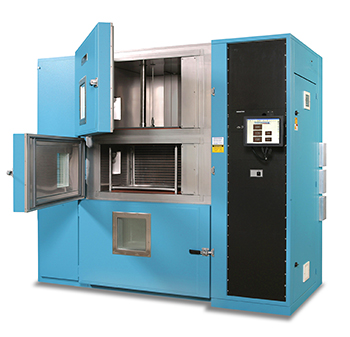

Thermal Shock Testing Services in India | Kiyo R&D Lab

What Is Thermal Shock Testing?

Thermal shock testing is an accelerated environmental test that exposes materials or products to alternating hot and cold temperatures in rapid succession.

This test is designed to simulate real-world scenarios such as:

  • A device moving from an air-conditioned environment to a hot outdoor setting.
  • Aerospace or automotive components experiencing altitude and weather variations.
  • Electronics facing sudden heat build-up during operation followed by cooling.

Key Objectives of Thermal Shock Testing:

  • Evaluate structural integrity of materials.
  • Identify potential cracks, fractures, or warping caused by thermal stress.
  • Ensure reliability and long-term durability under extreme conditions.
  • Meet regulatory and customer specifications for performance and safety.

By exposing products to extreme environments, manufacturers can prevent costly product failures before they reach customers.


Why Thermal Shock Testing Is Important for Manufacturers

Thermal shock testing isn’t just another box to check. It plays a vital role in ensuring product safety, quality, and market readiness.

1. Identifying Weak Points Early

Rapid temperature changes can reveal hidden weaknesses in materials, coatings, joints, or adhesives. Detecting these early helps manufacturers improve product design and materials before mass production.

2. Enhancing Product Reliability

Thermal fatigue is a leading cause of premature product failure in many industries. Testing ensures that products maintain their shape, strength, and performance even in harsh environments.

3. Meeting Global Standards

Many industries — especially electronics, defense, aerospace, and automotive — have strict standards for thermal shock performance (such as MIL-STD, IEC, and ASTM). Passing thermal shock tests ensures regulatory compliance and boosts customer confidence.

4. Reducing Warranty Claims & Failures

Preventing failures at the testing stage reduces warranty claims, recalls, and reputation risks later.

5. Building Brand Trust

Customers value products that can withstand real-world conditions. Thermal shock testing is a mark of quality and trust.


Thermal Shock Testing Services in India – Why Choose Kiyo R&D Lab

When companies search for Thermal Shock Testing Services in India, Kiyo R&D Lab stands out as a trusted partner for precision testing.

Here’s what makes Kiyo R&D Lab a preferred choice:

🌡️ 1. Advanced Testing Infrastructure

Kiyo R&D Lab is equipped with state-of-the-art thermal shock chambers that can replicate extreme temperature cycles accurately and consistently. The lab can test a wide range of products — from small electronics to large components.

🧪 2. Compliance with International Standards

All thermal shock tests at Kiyo are performed as per MIL-STD, IEC, ASTM, and relevant industry-specific standards. This ensures that the results are accepted globally by customers and regulatory bodies.

👨‍🔬 3. Expert Technicians and Engineers

Kiyo’s experienced team understands material behavior, failure modes, and compliance requirements. Their expertise ensures accurate test execution and insightful reporting.

4. Fast Turnaround Time

Kiyo R&D Lab offers efficient scheduling and quick reporting without compromising on quality — helping manufacturers stay on track with tight deadlines.

📄 5. Clear and Detailed Test Reports

Every test comes with a comprehensive report including:

  • Temperature cycle parameters
  • Duration and test conditions
  • Observed behavior and failures
  • Photographs (if applicable)
  • Recommendations (optional)

This data-driven approach helps manufacturers make informed decisions quickly.


Industries That Rely on Thermal Shock Testing

Thermal shock testing is critical in several industries where products face extreme or unpredictable environments. Kiyo R&D Lab proudly serves:

  • 🧭 Aerospace & Defense – For ensuring performance at varying altitudes and climates.
  • 🚗 Automotive & Transportation – For parts exposed to engine heat and outdoor temperatures.
  • 💻 Electronics & Semiconductors – For PCB boards, sensors, and electronic components.
  • 🏭 Industrial Equipment & Machinery – For equipment used in harsh field conditions.
  • 🩺 Medical Devices – For products that must function reliably in varied environments.
  • 🌿 Renewable Energy & Power Systems – For equipment exposed to temperature fluctuations.

The Thermal Shock Testing Process at Kiyo R&D Lab

To ensure accuracy, Kiyo R&D Lab follows a systematic testing process:

  1. Sample Preparation & Inspection
    Samples are inspected for any visible defects and measured for baseline readings.
  2. Chamber Programming
    The thermal shock chamber is programmed to alternate between high and low temperature zones within seconds or minutes.
  3. Thermal Cycling
    The sample is exposed to multiple rapid temperature transitions for a set number of cycles.
  4. Failure Detection & Monitoring
    Any cracks, fractures, or failures are carefully recorded throughout the test.
  5. Post-Test Analysis & Reporting
    Engineers analyze results, compare them with standards, and provide a detailed report with insights and recommendations.

Benefits of Partnering with Kiyo R&D Lab

Partnering with Kiyo R&D Lab for Thermal Shock Testing Services in India offers multiple advantages:

  • Certified testing as per global standards
  • Accurate and repeatable results
  • Faster turnaround time
  • PAN-India service coverage
  • Expert guidance and clear documentation
  • Support for R&D and product validation

Kiyo R&D Lab doesn’t just provide data — it provides confidence to move forward with your product.


Applications of Thermal Shock Testing

  • Electronic components like PCBs, sensors, connectors
  • Automotive and aerospace parts
  • Packaging materials
  • Ceramic and glass components
  • Medical equipment housings
  • Industrial instruments and enclosures

Whether it’s a high-tech electronic chip or a robust industrial part, thermal shock testing ensures it’s built to last.

Conclusion: Building Products That Stand the Test of Time

In today’s competitive market, durability and reliability are what set great products apart from the rest. Thermal shock testing is more than just a technical requirement — it’s a commitment to quality.

Thermal Shock Testing Services in India – Kiyo R&D Lab gives manufacturers the edge they need to confidently deliver products that perform in the toughest conditions. With advanced equipment, expert staff, and global standard compliance, Kiyo helps businesses innovate without fear of failure.

🧪 Whether you’re testing electronics, automotive parts, or industrial components, partner with Kiyo R&D Lab for precision, speed, and reliability.


Reliable Lab Testing Services in India | Kiyo R&D Lab

Reliable Lab Testing Services in India – Kiyo R&D Lab

Reliable Lab Testing Services in chennai – Kiyo R&D Lab

Introduction: Trust Begins with Accurate Testing

In today’s fast-evolving industries — from packaging and plastics to pharmaceuticals, chemicals, and electronics — product quality isn’t just important, it’s non-negotiable. A small defect or deviation in quality can lead to big consequences like product recalls, compliance issues, or customer dissatisfaction.

This is where reliable, accredited, and transparent testing services play a vital role. When businesses need accurate and fast results, they turn to trusted partners who understand both technical excellence and industry requirements.

Reliable Lab Testing Services in India – Kiyo R&D Lab is one such name known for delivering high-precision testing, certification support, and strong technical reporting that helps companies meet national and international standards. Whether you’re validating raw materials, verifying finished goods, or ensuring regulatory compliance, Kiyo R&D Lab provides the confidence your business needs.


Reliable Lab Testing Services in India | Kiyo R&D Lab

Why Reliable Lab Testing Matters

Testing isn’t just about getting numbers on a report — it’s about ensuring trust, consistency, and safety. In competitive markets, reliable lab results give businesses a strong foundation to make decisions and stay ahead.

1. Quality Assurance at Every Step

Lab testing verifies that every product meets the required physical, chemical, or mechanical standards before it reaches the market. Whether it’s raw materials, intermediates, or final products, accurate testing ensures quality is never compromised.

2. Compliance with Global Standards

Different industries are governed by strict national and international regulations. Reliable testing ensures compliance with ASTM, ISO, BIS, IEC, or customer-specific standards. This not only builds market credibility but also protects brands from regulatory issues.

3. Cost and Risk Reduction

Identifying product flaws early prevents expensive rework, product failures, and recalls. A small investment in testing can save a company from massive losses down the line.

4. Customer Trust and Brand Value

When customers know your products undergo thorough and reliable testing, their trust in your brand grows. Consistency in quality builds loyalty and a stronger market reputation.


Kiyo R&D Lab: Your Trusted Partner in Reliable Testing

When companies search for Reliable Lab Testing Services in India, they look for accuracy, transparency, and speed. That’s exactly what Kiyo R&D Lab offers.

With a modern infrastructure, advanced instruments, and highly trained experts, Kiyo provides end-to-end testing solutions tailored to each industry’s needs.

1. Advanced Infrastructure

The laboratory is equipped with cutting-edge instruments for physical, chemical, and mechanical property evaluation. From packaging materials to complex composites, Kiyo R&D Lab offers precise measurements that meet the highest technical standards.

2. Expertise Across Industries

Kiyo’s team brings years of experience across multiple sectors, including:

  • Plastics and polymers
  • Packaging and films
  • Electronics and ESD protection
  • Automotive and components
  • Food contact materials
  • Environmental and regulatory testing

This multi-disciplinary capability allows clients to find all testing needs under one roof.

3. Speed, Accuracy, and Transparency

Every project is handled with a commitment to delivering on time, with high accuracy, and with clear, actionable reports. Clients receive data they can trust — not just numbers, but interpretation and compliance insight.

4. Certified and Standard-Compliant Methods

All tests are performed using globally recognized methods such as ASTM, ISO, BIS, IEC, and more. This ensures that your results are not only accurate but also globally acceptable for audits, certifications, and exports.


Types of Lab Testing Services Offered

Kiyo R&D Lab provides a comprehensive range of reliable testing services to help manufacturers, exporters, importers, and R&D teams validate their materials and products.

1. Mechanical and Physical Testing

  • Tensile and elongation testing
  • Dart impact and puncture resistance
  • Peel and seal strength
  • Tear resistance
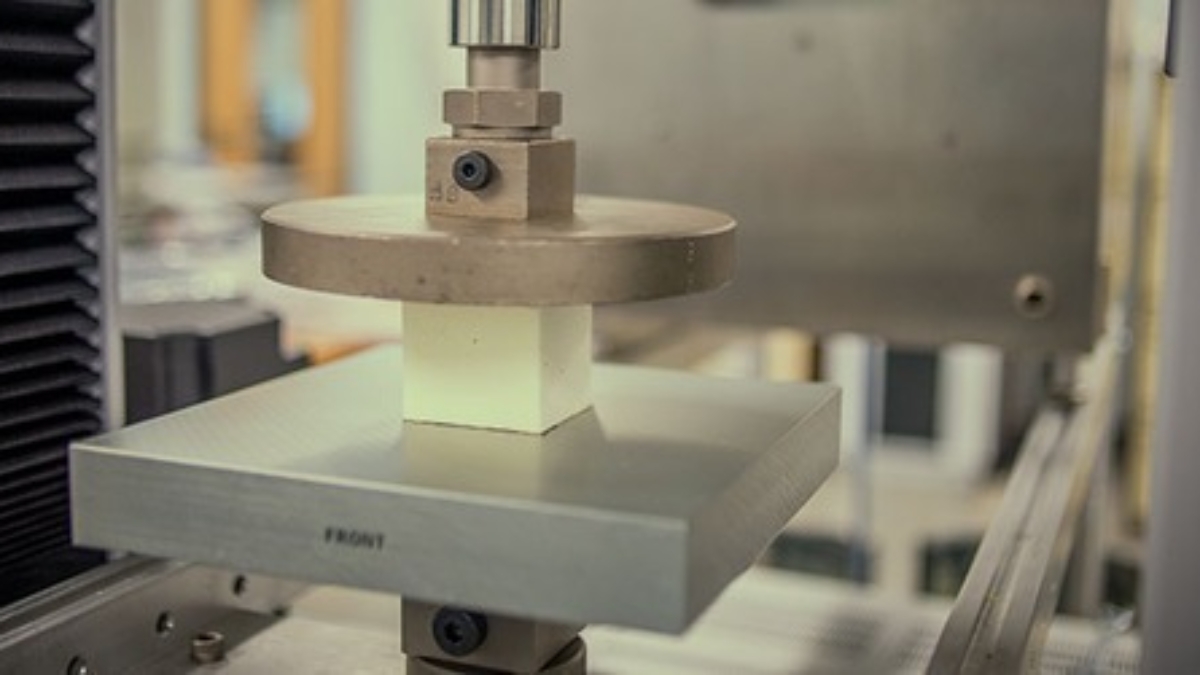
  • Drop and compression tests

2. Electrical and ESD Testing

  • Surface resistivity and resistance testing
  • Conductivity and charge decay testing
  • Environmental simulation tests for electronic components

3. Chemical Analysis

  • Composition and purity testing
  • Contaminant analysis
  • Additive and pigment identification
  • Leachability and migration studies

4. Environmental and Durability Testing

  • Accelerated aging
  • Weathering resistance
  • Water absorption
  • Humidity and temperature cycling

5. Regulatory and Compliance Testing

  • BIS, ASTM, ISO, and IEC method compliance
  • RoHS and REACH related testing support
  • Packaging compliance for FMCG, pharma, and export markets

Industries That Rely on Kiyo R&D Lab

Reliable lab testing isn’t limited to a single sector — it’s a backbone for multiple industries. Kiyo R&D Lab proudly serves:

  • 🏭 Manufacturing & Engineering – Ensuring raw material quality and component integrity
  • 🧪 Packaging & FMCG – Verifying product safety, durability, and shelf life
  • 🚗 Automotive & Electronics – Electrical property testing, ESD compliance, and material reliability
  • 🩺 Pharma & Healthcare – Ensuring packaging safety and material performance
  • 🌿 Environmental & Agriculture – Compliance and quality monitoring

By catering to such a broad range of industries, Kiyo R&D Lab has built a trusted reputation for reliable testing in India.


The Kiyo R&D Lab Testing Process

The lab follows a clear and transparent process designed to deliver accurate, repeatable, and traceable results:

  1. Sample Intake & Documentation
    • Each sample is recorded, labeled, and logged into a secure system with all relevant details.
  2. Method Selection & Standard Matching
    • Testing methods are selected based on product type, customer requirements, and applicable standards.
  3. Testing & Measurement
    • Using calibrated instruments, tests are carried out under controlled conditions.
  4. Analysis & Interpretation
    • Expert analysts review the data and ensure results meet quality benchmarks.
  5. Final Report Delivery
    • Clients receive a detailed test report with results, standard references, and any additional technical insights.

✅ This structured process ensures accuracy, compliance, and accountability at every step.


Why Choose Kiyo R&D Lab for Reliable Testing

  • Certified & Accredited Testing Facility
  • Quick Turnaround & Competitive Pricing
  • Accurate & Traceable Results
  • Experienced Technical Experts
  • PAN India Service Coverage

When it comes to Reliable Lab Testing Services in India – Kiyo R&D Lab, you’re not just choosing a lab; you’re choosing a partner in quality.


Reliable Lab Testing Services in India | Kiyo R&D Lab

Conclusion: Quality That Builds Trust

In today’s fast-moving industries, reliable testing is the foundation of quality assurance and brand reputation. Partnering with the right testing lab can make the difference between a product that succeeds and one that fails.

Reliable Lab Testing Services in India – Kiyo R&D Lab offers a combination of technical excellence, speed, and integrity. With advanced infrastructure, standard-compliant methods, and expert support, Kiyo R&D Lab empowers businesses to make confident decisions and meet global quality benchmarks.

If you’re looking for trusted and efficient lab testing services in India, it’s time to partner with Kiyo R&D Lab — where accuracy meets reliability.

Accurate Chemical Analysis Testing Services in India | Kiyo R&D Lab

Accurate Chemical Analysis Testing Services in India | Kiyo R&D Lab

Accurate Chemical Analysis Testing Services in chennai | Kiyo R&D Lab

Introduction: The Science Behind Every Great Product

In today’s fast-paced industrial landscape, quality isn’t optional — it’s essential. Whether you’re in pharmaceuticals, food processing, manufacturing, or consumer goods, understanding the chemical composition of raw materials and finished products is crucial. Even the slightest impurity can affect product performance, safety, or regulatory compliance.

That’s where Chemical Analysis Testing Services in India – Kiyo R&D Lab come in. With advanced instrumentation, expert chemists, and globally recognized methods, Kiyo R&D Lab helps businesses analyze, validate, and certify their products with precision and trust.


Accurate Chemical Analysis Testing Services in India | Kiyo R&D Lab
researcher holding tube samples in the chemical lab / scientist working with samples in the research laboratory

Why Chemical Analysis Matters for Modern Industries

Chemical analysis plays a vital role in ensuring product quality, safety, and compliance. By identifying the components, concentrations, and impurities in a sample, companies can make informed decisions about sourcing, production, and quality control.

Key Benefits of Chemical Analysis:

  • Quality assurance: Verify that materials meet required specifications.
  • 🧪 Regulatory compliance: Satisfy national and international quality standards.
  • 🧼 Safety & reliability: Detect harmful contaminants or inconsistencies.
  • 💼 Market trust: Certified reports build customer and partner confidence.
  • 💰 Cost efficiency: Prevent expensive product recalls or rejections.

Whether it’s water, polymers, metals, coatings, food, pharmaceuticals, or packaging, accurate chemical analysis gives companies the data they need to move forward with confidence.


Kiyo R&D Lab: Trusted Chemical Testing Partner in India

Kiyo R&D Lab stands out as one of the leading laboratories in India for chemical analysis. Known for accuracy, speed, and reliability, the lab supports businesses of all sizes — from startups to multinational companies — with tailored testing services.

1. Advanced Analytical Instruments

Kiyo R&D Lab is equipped with cutting-edge instruments such as:

  • ICP-OES & AAS for trace metal analysis
  • GC-MS & HPLC for organic compound identification
  • FTIR & UV-Vis for material characterization
  • Titration, gravimetric, and wet chemistry setups for classical analysis

2. Expert Chemists and Analysts

Their team of highly qualified chemists and lab analysts follows ISO, ASTM, BIS, and international testing protocols to ensure precision and repeatability.

3. Fast and Transparent Reporting

Clients receive clear, easy-to-understand test reports with complete data, method references, and interpretations. No confusing jargon — just reliable results.

4. Compliance and Certification

Testing at Kiyo R&D Lab helps clients meet:

  • BIS, ASTM, and ISO standards
  • REACH and RoHS compliance
  • Indian regulatory body requirements (e.g., FSSAI, CPCB, NABL guidelines)

Types of Chemical Analysis Testing Offered

Kiyo R&D Lab provides a wide range of chemical analysis solutions across multiple sectors:

Elemental and Composition Analysis

Determining the exact elemental makeup of metals, alloys, plastics, and composites. Ideal for manufacturing, automotive, and construction industries.

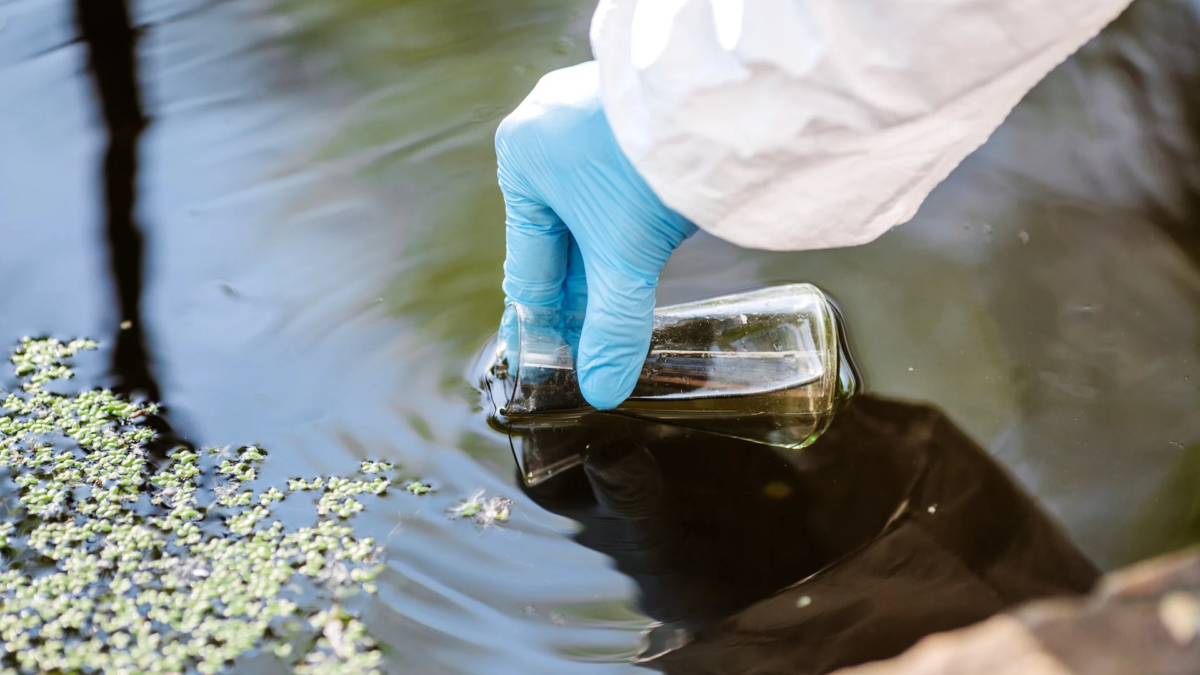
Water and Environmental Testing

Testing for physical, chemical, and toxicological parameters in water and effluents to comply with environmental regulations.

Food and Beverage Analysis

Ensuring quality, nutritional labeling accuracy, and contaminant detection in processed food, beverages, and raw materials.

Pharmaceutical and Cosmetic Testing

Verification of purity, composition, and shelf-life stability of drug and cosmetic formulations.

Polymer, Plastic, and Paint Testing

Analyzing additives, stabilizers, pigments, and chemical structure to ensure durability, safety, and regulatory compliance.

Contaminant and Residue Testing

Detection of trace contaminants such as heavy metals, pesticides, or solvents — critical for export and safety certifications.


Industries That Rely on Chemical Analysis Testing Services

Chemical analysis is relevant to nearly every sector. Here are some of the key industries served by Kiyo R&D Lab:

  • 🏭 Manufacturing & Engineering: Material quality verification and failure analysis
  • 🧴 Pharmaceutical & Healthcare: Regulatory compliance and quality assurance
  • 🧃 Food & Beverage: Nutritional testing and safety validation
  • 🌿 Environmental & Waste Management: Pollution control and water quality testing
  • 🧪 Chemical & Petrochemical: Feedstock purity and process optimization
  • 🧰 Automotive & Electronics: Component quality and RoHS compliance

The Testing Process at Kiyo R&D Lab

The lab follows a scientific, step-by-step testing process designed for accuracy and consistency:

  1. Sample Collection & Documentation – Samples are logged with full traceability.
  2. Method Selection – Appropriate test methods are chosen based on standards and client needs.
  3. Sample Preparation & Analysis – Advanced instruments and certified techniques are used.
  4. Quality Checks & Validation – Every test goes through internal QA to ensure accuracy.
  5. Report Generation & Review – Clients receive detailed reports with clear results and interpretations.
  6. Guidance & Support – The team offers consultation on next steps, compliance, or improvements.

Why Choose Kiyo R&D Lab for Chemical Testing

Partnering with Chemical Analysis Testing Services in India – Kiyo R&D Lab offers several advantages:

  • ✔️ Accurate, certified results recognized globally.
  • Quick turnaround times without compromising quality.
  • 🧠 Expert consultation for better understanding and application of results.
  • 🧾 Comprehensive documentation for audits, certifications, and client requirements.
  • 🌐 PAN-India service coverage, supporting industries nationwide.

Kiyo R&D Lab isn’t just a testing provider — it’s a quality partner committed to helping businesses meet and exceed their standards.


Accurate Chemical Analysis Testing Services in India | Kiyo R&D Lab

Conclusion: Quality Begins with Clarity

In a world where product quality can make or break a business, chemical analysis testing provides the clarity, data, and confidence needed to grow responsibly. Whether you manufacture, distribute, or regulate, partnering with a trusted lab ensures that your materials and products meet the highest standards.

Chemical Analysis Testing Services in India – Kiyo R&D Lab combine cutting-edge technology, expert analysis, and a customer-centric approach to deliver results you can rely on. From regulatory compliance to innovation support, they help industries build safer, stronger, and better products.

👉 Contact Kiyo R&D Lab today to learn how their chemical testing expertise can support your business success.

Engineering Endurance: Reliable Fatigue Testing Lab Services in India – Kiyo R&D Lab

Reliable Fatigue Testing Lab Services in India – Kiyo R&D Lab

Reliable Fatigue Testing Lab Services in chennai – Kiyo R&D Lab

The Hidden Battle: Why Fatigue Testing Services in India – Kiyo R&D Lab Are the Key to Product Endurance

Imagine a critical component—a connecting rod in a diesel engine, a crucial bolt in a railway track, or a bracket holding an LED screen on a moving vehicle. It looks perfectly fine, yet after months of constant operation, it suddenly snaps. The culprit is not a single, massive force, but the accumulation of damage from millions of tiny, repeated stress cycles. This insidious process is known as Fatigue.

Fatigue is the single leading cause of failure in engineered structures and components worldwide. It’s the slow, progressive wear that happens when materials are subjected to cyclic loading (repeated bending, pulling, or twisting). For manufacturers in India—especially those supplying high-stakes sectors like automotive, aerospace, and defense—ignoring fatigue means risking catastrophic failure, costly recalls, and reputation damage.

That’s why reliable, NABL-accredited fatigue testing services in india – Kiyo R&D Lab are an indispensable partner. We provide the scientific evidence needed to predict a product’s true lifespan, ensuring your components are designed not just for strength, but for enduring reliability.


What Exactly is Fatigue Testing?

Fatigue testing is the laboratory process of determining how long a material or component will survive when subjected to repetitive, fluctuating forces that mimic its real-world operational life.

Think of it as putting a part through several years of its intended use—a million stress cycles or more—in a compressed timeframe (often days or weeks). The entire point of the test is to understand how the material behaves at stress levels far below its ultimate tensile strength.

The Problem: Static vs. Cyclic Failure

  • Static Strength: Measures the highest single load a part can withstand before it breaks. (Easy to measure.)
  • Fatigue Strength: Measures the maximum load a part can withstand for a specified number of cycles (e.g., 10 million cycles). This strength is typically less than half the static strength.

If an engineer only tests for static strength, the product may fail in the field prematurely because the design didn’t account for the slow growth of micro-cracks under repeated stress.


Why Fatigue Testing Services in India are Critical Today

The demand for rigorous fatigue testing services in india is accelerating due to several modern engineering realities:

  1. Safety & Reliability: In critical applications (like power plant components or vehicle suspensions), fatigue failure is a safety issue. Certified fatigue data is a mandatory requirement for regulatory compliance (e.g., ISO, ASTM).
  2. Lightweighting Trend: Modern manufacturing (especially in EVs and aerospace) relies on lightweight, high-performance materials (advanced polymers, composites, high-strength alloys). These materials require specialized fatigue characterization to ensure their reduced weight doesn’t compromise lifespan.
  3. Warranty Cost Mitigation: Fatigue failures are a major source of warranty claims. Investing in precise testing minimizes long-term financial risk and protects brand reputation.
  4. Lifespan Prediction: Fatigue testing allows manufacturers to generate an S-N curve (Stress vs. Number of Cycles to Failure), which is the fundamental tool used to predict a component’s real-world operational lifespan.

Key Fatigue Test Methods at Kiyo R&D Lab

Kiyo R&D Lab utilizes specialized, high-capacity electromechanical systems to simulate various real-world stresses. When you choose fatigue testing lab services in india – Kiyo R&D Lab, you gain access to internationally standardized test types:

1. Axial (Tension-Compression) Fatigue

  • What it does: The most common and direct test, subjecting the specimen to alternating pushing and pulling forces along its axis. This simulates components like engine mounts, hydraulic cylinders, and load-bearing links.
  • The Result: Provides accurate stress-life data for parts that experience constant start-stop, push-pull motion.

2. Flexural/Bending Fatigue

  • What it does: Applies repetitive bending stress to materials (beams, plastics, brackets). This mimics components that are designed to flex repeatedly without breaking, such as electrical wiring connections or certain types of springs.
  • The Result: Essential for verifying the durability of materials in applications where movement causes stress on outer surface layers.

3. Rotational Bending Fatigue

  • What it does: Designed specifically for rotating machinery (axles, shafts, drive trains). As the part rotates under load, every point on its circumference cycles from tension to compression repeatedly.
  • The Result: This test is vital for ensuring the longevity and preventing catastrophic failure in rotating components, a major concern in heavy machinery.

4. Low Cycle Fatigue (LCF) vs. High Cycle Fatigue (HCF)

  • LCF: Tests conducted at very high loads over a relatively small number of cycles (often below 10,000 cycles). Relevant for high-stress events like emergency brakes or power plant startup sequences.
  • HCF: Tests conducted at lower loads over millions or billions of cycles. Relevant for components expected to run continuously for years (the endurance limit).

The Kiyo R&D Lab Advantage in Fatigue Testing

Choosing a partner for fatigue testing lab services in india requires certified expertise, as the accuracy of the result relies entirely on precise load control and measurement over millions of data points.

1. NABL / ISO 17025 Accreditation: Unquestionable Authority

Kiyo R&D Lab is NABL-accredited (ISO/IEC 17025). This is the highest assurance of quality, guaranteeing that our load measurement, cycle counting, and reporting methods are traceable, reproducible, and accepted by regulatory bodies and global OEMs worldwide.

2. State-of-the-Art Infrastructure

We utilize modern, electromechanical testing frames designed for high-frequency, high-precision cycling. This infrastructure is non-negotiable for generating reliable S-N curves, which form the basis of all modern endurance analysis.

3. Consultative Failure Analysis

When a component fails, our job isn’t done. Our expert engineers and metallurgists analyze the fracture surface to determine the root cause, crack initiation site, and propagation speed. This Failure Analysis and Consultation guides your design team to the most effective solution, saving iterative development time and cost.

4. Integrated Testing Solutions

We understand that fatigue often interacts with other factors like corrosion and temperature. Kiyo R&D Lab offers integrated services, allowing clients to test fatigue alongside thermal aging or material characterization under one roof.


Engineering Endurance: Reliable Fatigue Testing Lab Services in India – Kiyo R&D Lab

Conclusion: Make Endurance Your Guarantee

In the competitive global market, static strength is just the beginning. The true measure of quality is endurance. Relying on untested materials for cyclic applications is a gamble that eventually leads to critical failures and reputational harm.

By partnering with fatigue testing lab services in india – Kiyo R&D Lab, you make a strategic investment in verified durability. You gain the assurance that your products will not just survive initial pressures, but will withstand the entire, stressful duration of their working life.

Ready to determine the true lifespan of your critical components? Contact Kiyo R&D Lab today to schedule your comprehensive fatigue testing.

Mastering the Insulator: Di-Electric Constant Testing Services in India – Kiyo R&D Lab

Di-Electric Constant Testing Services in India – Kiyo R&D Lab

Di-Electric Constant Testing Services in chennai – Kiyo R&D Lab

Seeing the Invisible Charge: Why Di-Electric Constant Testing Services in India – Kiyo R&D Lab are Essential

In the world of high-speed electronics, telecommunications, and power systems, nothing is more critical than the performance of insulating materials. These materials—often polymers, ceramics, or specialized fluids—aren’t just passive barriers against electricity; they are active components that influence how signals travel, how much energy is stored, and ultimately, how safe and efficient a device is.

The key property that governs this behavior is the Di-Electric Constant (also known as relative permittivity). If this value is wrong, or if it shifts due to temperature or humidity, your circuit boards will fail, your cables will leak power, and your high-frequency signals will distort.

For manufacturers in India competing in the global electronics and electrical markets, relying on accurate Di-Electric constant testing services in india – Kiyo R&D Lab is absolutely non-negotiable. We provide the precise electrical characterization needed to secure compliance, guarantee performance, and drive the next generation of high-speed technology.


Mastering the Insulator: Di-Electric Constant Testing Services in India – Kiyo R&D Lab

What Exactly is the Di-Electric Constant?

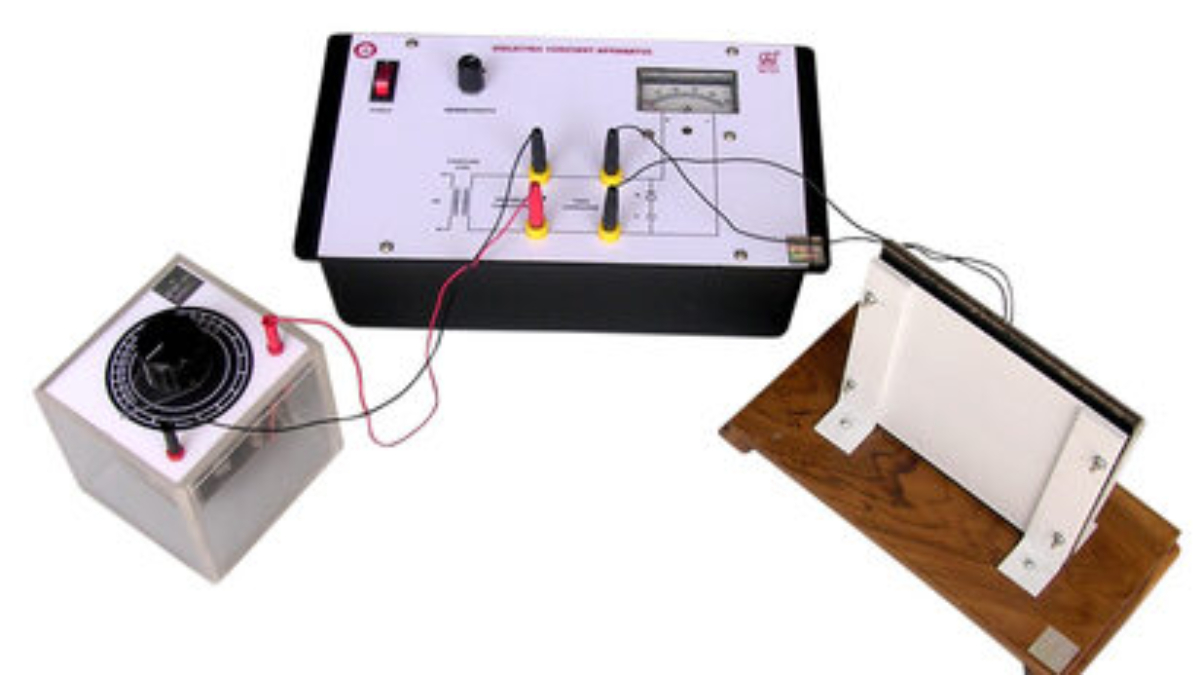
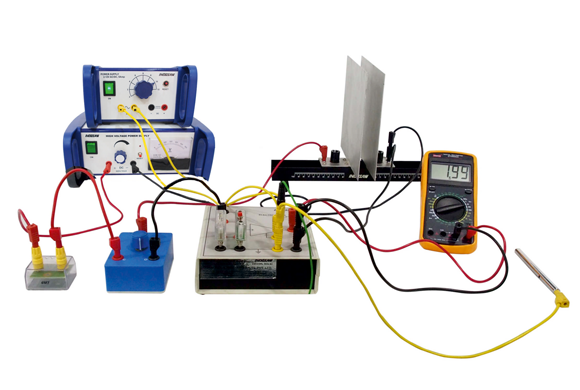
The Di-Electric Constant ($\epsilon_r$) is a fundamental electrical property of an insulating material.

Think of it this way: when an electrical field is applied, all materials resist the flow of current. But a dielectric material has the ability to store electrical energy by polarizing its internal molecular structure.

The Di-Electric Constant is simply the ratio of electrical energy a material can store compared to a vacuum.

  • Low Dielectric Constant (e.g., PTFE, air): These materials are excellent insulators and are crucial for minimizing signal loss and preventing cross-talk in high-speed circuit boards (PCBs) and cable jackets.
  • High Dielectric Constant (e.g., Ceramics): These materials are needed to maximize energy storage in components like capacitors, allowing them to be smaller and more powerful.

If the measured dielectric constant of a component deviates even slightly from the design specification, the entire device—from a 5G antenna to an automotive sensor—will malfunction.


The Critical Data: Why Dielectric Testing Matters

Dielectric constant testing is far more complex than a simple conductivity check. It provides critical, application-specific data that must be measured precisely under controlled environmental conditions.

1. Guaranteeing Signal Integrity (High Frequency)

In modern computing and telecommunications, signals travel at high frequencies. A material with the wrong dielectric constant slows down the signal propagation speed, causing delays, impedance mismatch, and data corruption. Accurate measurement ensures high-frequency signals are clean and fast.

2. Ensuring Component Function (Capacitors)

The capacitance (energy storage capacity) of a capacitor is directly proportional to the dielectric constant of the material sandwiched between its plates. High-precision measurement ensures the capacitor stores exactly the right amount of charge, vital for power regulation in electronics.

3. Validating Insulating Safety (Electrical Systems)

While dielectric strength (breakdown voltage) is often tested separately, the dielectric constant provides insight into the efficiency and potential for power loss within the insulating material. A fluctuating constant indicates material instability.

4. Environmental Dependency

Unlike basic properties, the dielectric constant is highly sensitive to external factors, demanding sophisticated testing:

  • Frequency: The constant often decreases as the operating frequency increases. Testing must be done across the material’s operational frequency range.
  • Temperature: For polar polymers (like Nylon), the constant can increase significantly with temperature, making Di-Electric constant testing services in India crucial given the region’s heat.
  • Moisture/Humidity: Water absorption by the material drastically increases the dielectric constant, leading to device failure in humid climates.

Key Test Methods at Kiyo R&D Lab

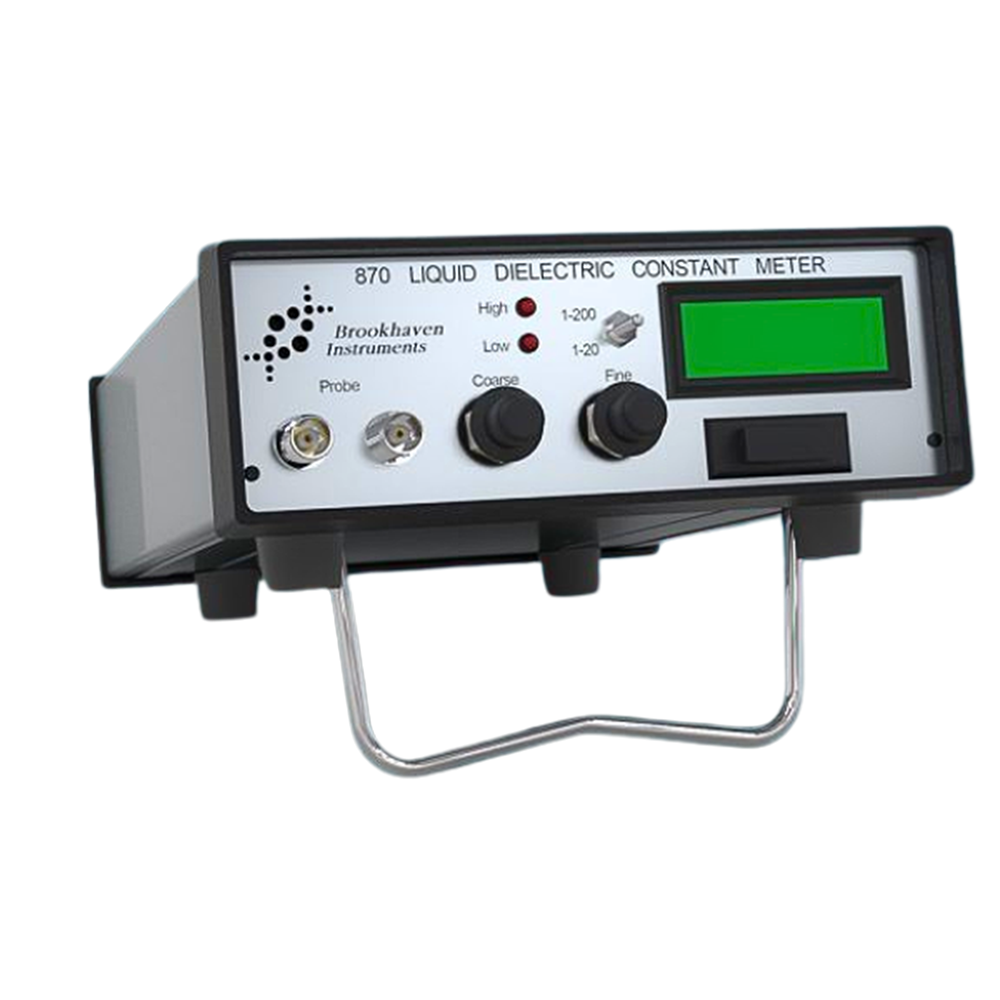
To provide actionable and reliable data, Kiyo R&D Lab uses highly advanced instrumentation, ensuring accurate measurement across varying conditions, typically adhering to standards like ASTM D150 and IEC 62631.

1. Parallel Plate Capacitance Method

  • What it does: The material sample (usually a plaque) is precisely positioned between two metallic electrodes. The system measures the capacitance of the parallel plates first with the material, and then with air (or vacuum).
  • The Result: The ratio of these two measurements yields the exact dielectric constant ($\epsilon_r$) of the material at the tested frequency.

2. Frequency and Temperature Sweeps

  • What it does: The material is tested while the temperature is ramped up (e.g., from room temperature to 250°C) or while the signal frequency is varied (e.g., from 10 Hz to 10 MHz).
  • The Result: This provides a performance map, showing how the dielectric constant shifts across the material’s intended operational envelope, identifying dangerous instability points.

The Kiyo R&D Lab Advantage for Electrical Testing

For industries in India requiring precise electrical characterization—from the aerospace sector to mass consumer electronics—Kiyo R&D Lab offers unparalleled reliability:

1. NABL / ISO 17025 Accreditation: Absolute Trust

Our lab operates under the highest international standard of quality management (NABL/ISO 17025). This ensures that our measurement protocols, equipment calibration, and data traceability are globally accepted, giving your products a decisive edge in international markets.

2. Specialized Polymer and Electrical Expertise

We specialize in polymer materials. Our experts understand how polymer purity, filler content, and moisture absorption directly influence the dielectric constant, allowing us to provide consultative analysis that links electrical performance back to material chemistry.

3. Integrated Cross-Disciplinary Testing

Kiyo R&D Lab can easily integrate dielectric testing with Thermal Stability Analysis (TGA/DSC) to determine the thermal limits of the insulator, and Environmental Testing to check stability under high humidity, providing a complete performance profile.

4. Compliance and Safety Focus

We ensure your materials meet the insulating properties required by national and international safety regulations, minimizing the risk of electrical shorts, fire hazards, and liability issues in the final product.


Conclusion: Certify Your Electrical Integrity

In the era of 5G, electric vehicles, and compact electronics, the performance of dielectric materials is the bottleneck to innovation. Guessing the Di-Electric Constant of your insulator is an unacceptable risk that leads to signal failure, device malfunction, and safety hazards.

By choosing Di-Electric constant testing services in india – Kiyo R&D Lab, you secure verifiable scientific proof that your materials are electrically sound, thermally stable, and ready to power the next generation of technology.

Ready to ensure your insulators won’t fail? Contact Kiyo R&D Lab today to schedule your dielectric property testing.

Engineered to Endure: Why Kiyo R&D Lab is the Premier Plastic Testing Laboratory Services in India

Plastic Testing Laboratory Services in India

Plastic Testing Laboratory Services in chennai

Engineered to Endure: Why Kiyo R&D Lab is the Premier Plastic Testing Laboratory Services in India

Plastics are the invisible backbone of modern life. They make our cars lighter, our electronics safer, and our packaging more efficient. But plastics are complex—they are not a single, simple material. They are customized composites whose performance hinges entirely on their precise formulation and structural integrity. If a plastic housing cracks under vibration, or a polymer seal fails under heat, the problem traces back to a fundamental flaw that was missed in the testing phase.

For every engineer, manufacturer, and designer working with polymers in India, ensuring the quality, compliance, and longevity of these materials is non-negotiable. That’s why having a reliable, NABL-accredited partner is essential. Kiyo R&D Lab is the premier plastic testing laboratory services in India, offering comprehensive, integrated testing solutions designed to eliminate guesswork and guarantee your product’s endurance against real-world demands.


Engineered to Endure: Why Kiyo R&D Lab is the Premier Plastic Testing Laboratory Services in India

The Complex World of Polymers: Why Testing is Crucial

Plastics and polymers are highly sensitive to their environment, their processing method, and their additive content. A plastic component might be perfectly strong when first molded, but can rapidly degrade due to external factors.

The Consequences of Untested Plastics:

  • Safety Hazards: Failure in electrical insulation, fuel lines, or medical device casings.
  • Warranty Claims: Plastics failing prematurely due to UV damage, heat, or fatigue.
  • Reputational Damage: Products melting, breaking, or discoloring, leading to rapid loss of consumer trust.
  • Non-Compliance: Inability to secure mandatory certifications (like BIS for the Indian market or CE for export) due to unverified material properties.

To ensure your material delivers its promised performance, you need a holistic testing approach—a core offering of plastic testing laboratory services in India.


The Four Pillars of Testing at Kiyo R&D Lab

What distinguishes Kiyo R&D Lab as a top-tier plastic testing laboratory services in India is our ability to characterize polymers across mechanical, thermal, chemical, and compositional dimensions under one roof.

Pillar 1: Mechanical Properties (Strength and Durability)

We verify the physical integrity of your plastics under various loads:

  • Tensile Strength & Elongation: Measures the force required to stretch the material before it breaks, and how far it stretches. Critical for films, fibers, and structural parts.
  • Impact Resistance: Determines the material’s toughness—its ability to absorb a sudden blow without shattering (e.g., Izod and Charpy tests). Essential for protective casings and automotive bumpers.
  • Flexural Testing: Measures the material’s bending stiffness and resistance to deformation under flexural stress.
  • Fatigue & Creep Testing: The ultimate durability tests, simulating years of repeated stress (fatigue) and long-term deformation under constant load (creep).

Pillar 2: Thermal Analysis (Heat and Stability)

We determine the material’s operational limits under high temperatures:

  • TGA (Thermogravimetric Analysis): Measures weight loss during heating. Used to determine the precise percentage of polymer content, inorganic fillers (like glass fiber or carbon black), moisture, and volatile additives. Crucial for quality control and reverse engineering.
  • DSC (Differential Scanning Calorimetry): Identifies critical thermal transition points like melting temperature (Tm​) and Glass Transition Temperature (Tg​). This data is essential for setting safe processing temperatures during manufacturing.
  • HDT/VSP (Heat Deflection/Vicat Softening Temperature): Measures the temperature at which the plastic softens under a specific load, defining the maximum service temperature for structural applications.

Pillar 3: Chemical & Environmental Resistance

We test how your material reacts to external environmental stressors:

  • Chemical Resistance Testing: Exposing plastics to oils, fuels, coolants, acids, and common cleaning agents to prevent swelling, cracking, and Environmental Stress Cracking (ESC).
  • Flammability Testing: Essential safety tests (e.g., UL 94 standards) to measure how plastics burn, confirming compliance for electronics and automotive interiors.
  • Weatherability & UV Aging: Simulating years of outdoor exposure (sunlight, humidity, rain) in accelerated chambers to predict how plastics will hold their color, strength, and structural integrity.

Pillar 4: Analytical Characterization

We identify the material itself using spectroscopy:

  • FTIR (Fourier-Transform Infrared Spectroscopy): Quickly identifies the polymer type (e.g., PVC vs. ABS) and detects the presence of contaminants or unknown material mixes.

Why Kiyo R&D Lab is the Trusted Partner in India

When dealing with the complexity of polymers, mere competence is not enough; you need verified authority and comprehensive support. Kiyo R&D Lab delivers this confidence:

1. NABL / ISO 17025 Accreditation: Global Standard

Kiyo R&D Lab is NABL-accredited (ISO/IEC 17025). This is the highest assurance of technical competence and quality management. When you receive reports from our plastic testing laboratory services in India, you are receiving data that is traceable, reproducible, and accepted by regulators and international clients globally.

2. Expert Material Scientists and Failure Analysis

Our team consists of specialized material chemists and engineers who focus solely on polymers and related materials. We don’t just run the test and send a number; we provide consultative failure analysis, helping you understand why a material failed (e.g., incorrect filler loading, wrong processing temperature) and guiding you toward the optimal corrective action.

3. Integrated, Efficient Testing Solutions

Our ability to perform mechanical, thermal, and chemical testing under one accredited roof allows for seamless integration. This saves clients time and logistics costs, supporting agile research and rapid quality control checks essential for industries like the thriving Indian automotive and electronics sectors.


Engineered to Endure: Why Kiyo R&D Lab is the Premier Plastic Testing Laboratory Services in India

Conclusion: Eliminate Risk. Guarantee Polymer Performance.

In an industry reliant on material integrity, investing in expert testing is the smart move that protects your brand and your customers. Relying on supplier datasheets without independent verification is a massive business risk.

By partnering with Kiyo R&D Lab—the leading plastic testing laboratory services in India—you gain verifiable proof that your materials are consistently formulated, structurally sound, and engineered to endure the full spectrum of operational demands.

Ready to ensure your plastics are engineered to endur? Contact Kiyo R&D Lab today to discuss your polymer testing requirements.

Your Quality Assurance Partner: Why Kiyo R&D Lab is the Leading Product Testing Lab in India

Product Testing Lab in India

Product Testing Lab in chennai

our Quality Assurance Partner: Why Kiyo R&D Lab is the Leading Product Testing Lab in India

When you launch a new product—be it an EV component, a sophisticated consumer appliance, or a simple plastic enclosure—you aren’t just selling a device; you are selling a promise. A promise of safety, durability, and reliability. If that product fails unexpectedly in the field, the cost isn’t just a replacement fee; it’s a damaged brand reputation, costly recalls, and lost future revenue.

In India’s competitive and rapidly expanding manufacturing ecosystem, that promise must be backed by science. That’s where the meticulous precision of a world-class testing facility becomes absolutely indispensable. If you are looking for comprehensive, NABL-accredited solutions, Kiyo R&D Lab is the premier product testing lab in India, built to ensure your components meet and exceed the toughest global standards.


Your Quality Assurance Partner: Why Kiyo R&D Lab is the Leading Product Testing Lab in India

What Exactly is Product Testing, and Why Does it Matter Now More Than Ever?

Product testing is the rigorous process of subjecting a finished item, material, or component to simulated real-world stresses to verify its performance, safety, and compliance before it hits the market. It answers the fundamental question: Will this product survive its intended environment for its intended lifespan?

The need for high-quality product testing lab in India has surged due to several key factors:

  1. Global Supply Chain Demands: Indian manufacturers are increasingly supplying critical components to international OEMs (Original Equipment Manufacturers). This requires strict adherence to international standards like ASTM, ISO, and IEC.
  2. Climate Extremes: Products must endure India’s unique environmental challenges—high humidity, extreme heat, heavy dust, and monsoon conditions.
  3. Consumer Expectations: Modern consumers demand longevity. A product that fails prematurely, especially electronics or automotive parts, receives immediate negative feedback, often magnified by social media.
  4. Regulatory Compliance: Certification bodies (BIS, CE, etc.) mandate specific safety and durability tests before products can legally be sold.

The Kiyo R&D Lab Difference: Integrated Testing Solutions

What sets Kiyo R&D Lab apart as a leading product testing lab in India is our ability to provide integrated characterization. We don’t just run one test; we offer a holistic view of your material, ensuring all critical failure modes are addressed.

Pillar 1: Mechanical Durability (Testing the Body)

This testing focuses on how your material handles physical stress and cyclic wear.

  • Fatigue Testing: The ultimate test of lifespan. We subject components to millions of repeated load cycles to predict exactly when and how they will fail due to cumulative wear—the number one cause of structural failure in engineering.
  • Tensile & Impact Testing: Measuring a material’s fundamental strength (the force required to stretch or break it) and its toughness (its ability to absorb a sudden blow without shattering). Essential for plastic enclosures and metal brackets.
  • Creep Resistance Testing: Measuring how materials (especially plastics and metals) slowly deform or “stretch” over a very long time under constant load, often at high temperatures—crucial for power plant or engine components.
  • Scratch & Abrasion Testing: Verifying the aesthetic longevity of coatings and surfaces on consumer goods, optics, and automotive interiors.

Pillar 2: Thermal & Environmental Resilience (Testing the Environment)

This testing ensures your product can withstand the demanding climates it will encounter.

  • Environmental Chambers: Simulating extreme conditions like rapid temperature cycling (thermal shock), high humidity, and prolonged high heat to test electronic seals and polymer stability.
  • Corrosion Resistance Testing: Using advanced chambers for Salt Spray Testing (ASTM B117) and Cyclic Corrosion Testing (CCT) to predict how long metal components and their protective coatings will survive in coastal or polluted environments.
  • Thermal Stability Analysis (TGA/DSC): Analyzing the polymer from a fundamental level to determine its exact composition (filler percentage, moisture) and its maximum operational temperature before thermal degradation begins.

Why Manufacturers Trust Kiyo R&D Lab

Choosing a product testing lab in India requires trust, precision, and demonstrable competence. Kiyo R&D Lab provides all three through its operational foundation:

1. NABL / ISO 17025 Accreditation: Global Confidence

Kiyo R&D Lab is NABL (National Accreditation Board for Testing and Calibration Laboratories) accredited. This is the gold standard for testing laboratories, guaranteeing that our procedures, equipment calibration, and final reports are rigorously checked, traceable, and accepted globally. Your report from Kiyo is instantly credible, simplifying export and regulatory compliance.

2. Expert Consultation, Not Just Data

We employ seasoned specialists—material scientists, metallurgists, and polymer chemists—who understand the root causes of material failure. We don’t just hand you a pass/fail number; we provide Failure Analysis and Consultation, explaining why a component failed and guiding your design team toward the optimal material or processing solution.

3. Efficiency and Agility

We understand that time to market is vital. Kiyo R&D Lab is structured to offer efficient turnaround times without ever compromising the precision required by our accreditation. This agile service model supports fast-paced R&D cycles.

4. Tailored Solutions for Indian Industry

Kiyo R&D Lab is ideally positioned to serve India’s unique industrial needs, from testing high-wear agricultural machinery components to verifying the extreme temperature resistance required by domestic space and defense projects. We align testing protocols with both Indian and international standards (BIS, ASTM, ISO).


Your Quality Assurance Partner: Why Kiyo R&D Lab is the Leading Product Testing Lab in India

Conclusion: Mitigate Risk. Guarantee Quality.

In today’s market, quality is not optional; it’s the price of entry. Relying on guesswork for durability will eventually lead to product failure and brand erosion.

By partnering with Kiyo R&D Lab, you secure more than just a test report; you gain a commitment to structural integrity, functional reliability, and customer confidence. Make the strategic investment in science today, and ensure your product’s success tomorrow.

Ready to certify your product’s endurance? Contact Kiyo R&D Lab, the trusted product testing lab in India, to schedule your full qualification testing.

Environmental Testing Laboratory Services India – Kiyo R&D Lab

Environmental Testing Laboratory Services India

Environmental Testing Laboratory Services chennai

Survive the Extremes: Why Environmental Testing Laboratory Services India – Kiyo R&D Lab are Your Product’s Lifeline

Think about the journey your product takes. A smartphone designed in Bengaluru might end up battling the heat of the Rajasthan desert, the extreme humidity of the Kerala coast, or the relentless vibration of a cargo truck traversing mountain roads. Your product is not static; it lives in a constantly changing, often hostile environment.

If a component fails because a plastic casing cracked in the cold, or an electronic seal allowed moisture in during the monsoon, it doesn’t just mean a warranty claim—it means a damaged reputation, lost market access, and ultimately, a failed product.

This is why rigorous Environmental testing laboratory services india – Kiyo R&D Lab are an absolutely critical investment. We don’t just check for quality under perfect lab conditions; we simulate a lifetime of environmental abuse in a matter of weeks, ensuring your products are truly fit for the complex, diverse climate of India and the global market.


What Exactly is Environmental Testing?

Environmental testing, often called climatic or reliability testing, is the process of exposing materials, components, or entire products to extreme, controlled conditions that mimic the worst-case scenarios of their operational lifespan.

It’s about accelerating the aging process to proactively identify design flaws and material weaknesses before they cost you millions in recalls or field failures.

The Two Core Goals:

  1. Reliability (Aging): By cycling products through temperature and humidity extremes, we force the material to age rapidly, allowing us to predict its actual lifespan (e.g., Will this plastic seal last 5 years?).
  2. Compliance (Market Access): Many national (BIS) and international (IEC, MIL-STD) standards mandate environmental testing to prove safety and fitness for use, especially in critical sectors like automotive, aerospace, and defense.

The Elements We Master: Key Tests at Kiyo R&D Lab

At Kiyo R&D Lab, we utilize advanced, precisely controlled environmental chambers to simulate the planet’s most aggressive conditions, ensuring your product is globally viable.

1. Climatic Testing (Temperature and Humidity)

India’s climate varies drastically, often putting stress on seals, batteries, and electronic circuit boards.

  • Steady-State Testing: Maintaining constant, extreme conditions (e.g., 85°C at 85% Relative Humidity) for extended periods to check for long-term material degradation and moisture penetration.
  • Temperature Cycling: Rapidly alternating the product between extreme hot and cold temperatures (e.g., -40°C to +85°C). This simulates the thermal shock of moving a device from a cold warehouse to a hot car, testing solder joints and material bonds for cracks and fatigue.
  • Thermal Shock: The most aggressive test, involving the near-instantaneous transfer of a product between two extreme temperature zones. This stresses components like glass, ceramic, and solder joints to find catastrophic failures quickly.

2. Corrosion Testing (Salt Spray and Cyclic Corrosion)

Essential for any product containing metal, especially in India’s coastal and industrial zones.

  • Salt Spray (ASTM B117): Exposing components to a dense fog of neutral salt solution at an elevated temperature. This quickly verifies the integrity and protection level of coatings, paints, and platings (like zinc or chrome).
  • Cyclic Corrosion Testing (CCT): A more realistic test that cycles the product through periods of salt fog, high humidity, and dry-off phases. This mimics automotive environments (road salt, pollution) far better than static salt spray.

3. Ingress Protection (IP) Testing (Dust and Water)

Crucial for electronics, outdoor equipment, and devices used in industrial settings.

  • IP Dust Testing: Placing the product in a chamber with circulating fine dust (e.g., talcum powder) to test how well its seals protect the internal electronics from solid particle infiltration (IP5X, IP6X).
  • IP Water Testing: Subjecting the product to controlled water exposure, ranging from light dripping to powerful jets, ensuring the enclosure prevents moisture damage (IPX5, IPX6, etc.).

Industry Applications: Why This Testing is Critical in India

The robust nature of Environmental testing laboratory services india – Kiyo R&D Lab caters directly to sectors where component failure is costly or dangerous:

  • Automotive: Testing battery packs, ECUs (Engine Control Units), sensors, and interior plastics for resilience against engine heat, road vibration, and extreme temperature fluctuations.
  • Electronics & Telecom: Ensuring circuit boards, outdoor antennas, mobile phone components, and charging systems maintain functionality and integrity in high heat and monsoon humidity.
  • Consumer Goods: Validating the durability of outdoor lights, remote controls, appliances, and waterproof wearables to meet consumer expectations for longevity.
  • Aerospace & Defense: Testing materials and components against military standards (e.g., MIL-STD) for extreme altitude, temperature shock, and humidity.

Why Choose Kiyo R&D Lab for Environmental Testing?

When you choose Environmental testing laboratory services india – Kiyo R&D Lab, you are investing in accurate, actionable data that drives product improvement and market confidence.

1. NABL / ISO 17025 Accreditation

Our lab operates under the rigorous standards of NABL/ISO 17025. This accreditation assures you that our chambers are precisely calibrated, our procedures follow global protocols (IEC, ASTM, ISO), and your test reports are defensible and internationally accepted.

2. State-of-the-Art Facilities

We maintain advanced, large-capacity climatic and environmental chambers capable of performing combined testing (e.g., temperature and humidity simultaneously). This infrastructure provides the simulation complexity required by modern international standards.

3. Expert and Consultative Partnership

Our experienced engineers don’t just run tests; they help you interpret the results. We assist in choosing the correct standards for your target market and provide crucial insights into why a failure occurred (root cause analysis), guiding you quickly back to an optimized design.

4. Comprehensive Testing Under One Roof

Beyond environmental extremes, Kiyo R&D Lab offers full services in mechanical, chemical, and material characterization. This provides a holistic view of your product, confirming not just if it survives the heat, but if it maintains its strength after the heat.


Conclusion: Guaranteeing Performance Across Any Climate

In a market defined by global sourcing and demanding consumers, reliability is the ultimate differentiator. Ignoring the environmental stressors a product will face is a massive risk.

By partnering with Environmental testing laboratory services india – Kiyo R&D Lab, you gain the assurance that your products are not only compliant with regulations but are genuinely robust enough to withstand the full fury of the real world—from the highest humidity to the harshest temperatures. Invest in verifiable durability today.

Ready to certify your product’s reliability? Contact Kiyo R&D Lab to discuss your environmental testing requirements.

Battling the Rust: Why Salt Spray Testing Services in India – Kiyo R&D Lab are Essential

Salt Spray Testing Services in India

Salt Spray Testing Services in chennai

Battling the Rust: Why Salt Spray Testing Services in India – Kiyo R&D Lab are Essential

The air in India, particularly along its vast coastline and industrial corridors, is beautiful but brutal. It’s filled with moisture, humidity, and microscopic salt particles—a constant cocktail that spells danger for metal components. Corrosion, or rust, is more than just an aesthetic issue; it’s a silent, relentless enemy that compromises structural integrity, shortens product lifespan, and costs industries billions in replacements and downtime.

For any manufacturer committed to quality, especially those exporting globally, predicting how a protective coating will fare in harsh environments is non-negotiable. That’s where the accelerated, verifiable power of Salt Spray Testing comes in. If you are looking for reliable salt spray testing services in india – kiyo R&D Lab provides the critical data you need to ensure your products stand up to the corrosive elements, year after year.


Salt Spray Testing Services in India – Kiyo R&D Lab

What Exactly is Salt Spray (Fog) Testing?

Since waiting five years for a critical component to rust naturally isn’t practical for product development, engineers rely on acceleration. Salt Spray Testing (SST), often conducted under the globally recognized standard ASTM B117, is the oldest and most widely used method for accelerated corrosion testing.

SST takes the worst elements of a harsh coastal environment—high humidity, moderate heat, and concentrated salt—and intensifies them within a controlled chamber.

The test measures the effectiveness and integrity of protective finishes, such as paints, plating (like zinc or chrome), and coatings. It’s a crucial “Go/No-Go” benchmark for quality control in material batches and coating application processes.

Why This Test is Critical for the Indian Market

India’s environment is diverse, but salt and humidity are pervasive challenges:

  • Coastal Exposure: Products used in cities like Mumbai, Chennai, and Kolkata are directly exposed to saline air that rapidly accelerates corrosion.
  • Monsoon Humidity: The high moisture content during the monsoon season creates ideal conditions for oxidation and rust formation, even far inland.
  • Global Compliance: Products manufactured in India for export (e.g., automotive parts, fasteners) must meet the stringent corrosion resistance standards set by international clients.

The Procedure: What Happens Inside the Kiyo R&D Lab Chamber

When you submit samples for salt spray testing services in india – kiyo R&D Lab, they enter a highly controlled environment designed for precision and reproducibility. The process strictly follows international protocols:

  1. Sample Preparation: Samples (metal parts, coated panels, or complex assemblies) are cleaned and prepared according to the specific standard, ensuring no external contamination interferes with the results.
  2. Chamber Setup: The samples are placed inside the testing chamber, often suspended or angled according to the standard (e.g., 15-20 degrees from the vertical).
  3. Continuous Fog: A fine mist, or “fog,” of a neutral salt solution (typically 5% sodium chloride by weight) is continuously sprayed into the chamber. This electrolyte acts as a powerful catalyst for the corrosion process.
  4. Temperature Control: The chamber is maintained at a precise, elevated temperature (usually 35°C, or 95°F) throughout the test duration.
  5. Duration & Monitoring: The test runs for a specified number of hours (e.g., 24, 48, 96, 500, or 1000 hours). Samples are checked periodically for signs of failure, such as the appearance of white corrosion (on zinc) or red rust (on steel).

The final result is measured by the time to failure and the extent of corrosion, usually rated visually or measured against a comparative standard.


Salt Spray vs. Real Life: The Need for Cyclic Testing

While standard SST is excellent for quality control and comparative checks between batches, modern industries often require a more realistic environmental test. Standard salt fog is constant, but nature is cyclical (wet/dry, hot/cold).

  • The Limitation: Constant salt fog (SST) sometimes fails to accurately predict corrosion in environments like urban pollution or automotive road spray, which involve cycles of moisture, drying, and temperature change.
  • The Solution (CCT): Kiyo R&D Lab also offers advanced Cyclic Corrosion Testing (CCT). CCT involves alternating cycles of salt spray, high humidity, and dry-off periods. This mimics real-world conditions like those experienced by automotive components, providing a far more accurate prediction of product lifespan.

By offering both specialized salt spray testing services in india and advanced CCT, Kiyo R&D Lab ensures clients receive the most relevant and predictive data for their specific application.


Why Choose Kiyo R&D Lab for Corrosion Testing?

When product durability and safety are at stake, you need confidence in your test results. Kiyo R&D Lab offers distinct advantages for businesses operating in India:

1. NABL / ISO 17025 Accreditation

Our operation is certified under the stringent guidelines of NABL (National Accreditation Board for Testing and Calibration Laboratories) and ISO/IEC 17025. This means our chambers are meticulously calibrated, and our procedures adhere to global standards. When you receive a report from Kiyo, the data is defensible, reliable, and internationally recognized.

2. State-of-the-Art Chambers

We maintain large-capacity, modern corrosion chambers capable of running both ASTM B117 (Standard Salt Spray) and the more complex Cyclic Corrosion Tests. Our technology ensures consistency and reproducibility, which is vital for comparing materials and batches over time.

3. Expert Consultative Support

Corrosion is complex. Our expert engineers don’t just provide a number; they offer insightful analysis. We help you choose the right test standard for your product, interpret the failure mode (e.g., pitting vs. edge corrosion), and recommend potential material or coating adjustments based on the results.


Salt Spray Testing Services in India – Kiyo R&D Lab

Conclusion: Guaranteeing Your Product’s Durability

In a demanding and often humid environment like India, corrosion resistance is the ultimate test of product quality. Investing in precise salt spray testing services in india – kiyo R&D Lab eliminates guesswork, mitigates risk, and guarantees that your protective coatings and materials will hold up against the elements. Whether you are aiming for domestic market longevity or global export compliance, securing accurate corrosion data is your first line of defense against costly failure.

Ready to ensure your products survive the coastal challenge? Contact Kiyo R&D Lab to schedule your corrosion testing today!

Mitigating Risk: Essential Corrosion Resistance Testing Services in India in Kiyo R&D Lab for Global Compliance (Focuses directly on business benefit and compliance.)

Corrosion Resistance Testing Services in India

Corrosion Resistance Testing Services in chennai

The Silent Killer: Why Corrosion Resistance Testing Services in India in Kiyo R&D Lab are Critical for Product Longevity

Imagine the heart of a machine—a critical bolt, a welded joint, or a protective coating—slowly being eaten away by an invisible enemy. This enemy is corrosion, the natural process that degrades metal back into its oxide form. It’s a silent, relentless force that causes more than aesthetic damage; it results in catastrophic structural failures, massive economic losses, and major safety hazards across every industry.

For manufacturers in India, who operate in climates ranging from coastal humidity to inland industrial pollution, ensuring material resilience is non-negotiable. That’s why access to precise, reliable corrosion resistance testing services in india in kiyo R&D lab is an essential part of the quality assurance process. Kiyo R&D Lab offers the scientific expertise and advanced chambers necessary to predict how long your product will survive the environment.


Mitigating Risk: Essential Corrosion Resistance Testing Services in India in Kiyo R&D Lab for Global Compliance

The Hidden Enemy: The True Cost of Corrosion

The economic impact of corrosion is staggering. Globally, it’s estimated that corrosion-related costs consume several percentage points of a country’s Gross Domestic Product (GDP). In India, where infrastructure development is booming and automotive production is high, preventing corrosion is paramount for three main reasons:

  • Safety: In industries like aerospace, construction, and oil and gas, corroded components lead directly to structural failure, pipeline leaks, and potential loss of life.
  • Economic Loss: Corrosion forces companies to spend huge amounts of money on premature replacement of parts, unexpected maintenance, and downtime. A simple coating failure can lead to the replacement of an entire structural assembly.
  • Reputation & Warranty: For consumer and automotive products, corrosion is a leading cause of warranty claims. A visible rust spot drastically degrades consumer trust and product value within months.

To protect your investments and your brand, you need expert testing that proves your materials can withstand years of environmental attack.


The Science of Corrosion Testing: Simulating a Lifetime in Days

Since waiting years for a component to rust naturally isn’t feasible, corrosion testing relies on accelerated environmental simulation. This means placing the material in a chamber where conditions (like humidity, temperature, and salt concentration) are intensified to speed up the corrosion process.

What Corrosion Testing Measures:

  • Protective Coating Integrity: The test determines how long a paint, plating (e.g., chrome, zinc), or powder coating will maintain its barrier function before the underlying metal is exposed and corrosion begins.
  • Material Suitability: It helps compare different alloys (like stainless steel variants) or surface treatments to see which offers superior resilience in a specific environment.
  • Failure Mode: It identifies where and how corrosion starts—whether it’s at an edge, a scratch, or a weak point in the coating—allowing engineers to refine the design.

Key Forms of Corrosion Tested:

  • General Rusting: Uniform surface deterioration (most common on steel).
  • Pitting Corrosion: Highly localized, deep holes that can cause catastrophic failure without much visible surface damage.
  • Galvanic Corrosion: Occurs when two dissimilar metals are in contact in an electrolyte (like saltwater), causing one metal to corrode faster than the other.

Key Test Methods at Kiyo R&D Lab

At Kiyo R&D Lab, we utilize advanced, precisely controlled environmental chambers to conduct testing according to major international standards (ASTM, ISO, etc.). When you seek corrosion resistance testing services in india in kiyo R&D lab, you are getting verifiable results from standardized procedures:

1. Salt Spray (Fog) Testing (ASTM B117)

This is the most common and widely recognized method for evaluating protective coatings.

  • What it does: Samples are placed in a closed chamber and continuously exposed to a fine, dense fog of salt (sodium chloride) solution at an elevated temperature (typically 35°C).
  • The Result: The test measures the time (in hours) the coating can withstand the salt fog before signs of corrosion (red rust on steel, white corrosion on zinc) appear. This provides a crucial benchmark for quality control.

2. Cyclical Corrosion Testing (CCT)

Recognized as a more realistic simulation of natural environments than constant salt spray.

  • What it does: The sample undergoes automated cycles of different conditions, typically involving salt fog exposure, high humidity/condensation, and dry-off periods. This mimics the fluctuating conditions (like automotive road exposure) that accelerate natural corrosion.
  • The Result: CCT tests are excellent for predicting actual performance longevity and validating coatings used in severe outdoor applications.

3. Humidity Testing (ASTM D2247)

Crucial for electronic components and materials sensitive to moisture infiltration.

  • What it does: Samples are subjected to high humidity (often 95% RH or higher) at a controlled, elevated temperature for long periods.
  • The Result: Measures the material’s resistance to moisture penetration and its tendency to swell, blister, or suffer electrical failure due to condensation.

Industry Applications Driving Demand in India

As manufacturing quality rises, the demand for certified corrosion resistance testing services in india in kiyo R&D lab spans across critical sectors:

  • Automotive: Testing painted body panels, fasteners, brake components, and exhaust systems to meet OEM durability standards in high-salt coastal and heavily polluted urban environments.
  • Marine & Coastal Infrastructure: Verifying coatings and alloys used in port equipment, offshore structures, and materials exposed to saltwater spray.
  • Electronics & Telecom: Testing enclosures, connectors, and PCB coatings that must operate reliably in India’s high-humidity climates.
  • Construction & Architecture: Evaluating the protective finishes on structural steel, aluminum window frames, and exterior cladding.

Why Choose Kiyo R&D Lab for Corrosion Testing?

Partnering with Kiyo R&D Lab ensures that your corrosion data is reliable, accurate, and actionable:

1. NABL / ISO 17025 Certified Precision

Our lab operates under the stringent guidelines of NABL/ISO 17025. This accreditation means our corrosion chambers are meticulously calibrated, our procedures are globally standardized (ASTM, ISO, DIN), and your test reports are defensible worldwide.

2. State-of-the-Art Chambers

We maintain large-capacity, fully automated environmental and salt fog chambers capable of running complex cyclical profiles (CCT) necessary for modern standards. This ensures consistency and reproducibility across all test batches.

3. Consultative Approach and Expert Analysis

Corrosion failure is complex. Our expert engineers don’t just send you a pass/fail result. We help analyze the failure mode, provide photographic documentation, and consult with you on potential material or coating solutions, optimizing your product development cycle.


Mitigating Risk: Essential Corrosion Resistance Testing Services in India in Kiyo R&D Lab for Global Compliance

Conclusion: Mitigate Risk, Guarantee Longevity

Corrosion is the single largest threat to the durability and lifespan of manufactured goods. Choosing to invest in accurate corrosion resistance testing services in india in kiyo R&D lab is choosing to mitigate risk, satisfy global compliance requirements, and guarantee that the promise of quality you make to your customers holds true, year after year.

Don’t let the silent killer destroy your reputation. Partner with Kiyo R&D Lab today to build products that withstand the harshest environments.

Ready to protect your products? Contact Kiyo R&D Lab to schedule your corrosion and environmental testing.