Tensile Strength Tester Lab Services in Chennai – Kiyo R&D Lab

Tensile Strength Tester Lab Services in Chennai – Kiyo R&D Lab

Tensile Strength Tester Lab Services in Chennai

Why Tensile Strength Testing Matters for Product Quality

Product reliability starts with understanding the mechanical strength of the materials used in manufacturing. Whether a component is made of plastic, rubber, metal or composite material, it must withstand the forces encountered during handling, installation and actual service conditions.

A material that appears strong may fail unexpectedly if its tensile properties are not properly evaluated. This is why manufacturers depend on Tensile Strength Tester Lab Services in Chennai – Kiyo R&D Lab to obtain accurate and reliable material performance data.

Tensile testing helps determine how a material behaves when subjected to pulling forces. It provides valuable information regarding strength, elongation, flexibility and mechanical performance. These results help manufacturers validate product quality, compare materials and ensure compliance with customer specifications.

Tensile Strength Tester Lab Services in Chennai – Kiyo R&D Lab

Tensile Strength Tester Lab Services in Chennai for Material Performance Evaluation

Manufacturers often require tensile testing support during product development, supplier approval, production quality control and customer complaint investigations. Testing helps confirm whether a material can perform safely under expected loading conditions.

Tensile Strength Tester Lab Services in Chennai support material qualification, product validation, supplier approval, design verification, quality control, failure investigation, research and development, and customer compliance requirements.

At Kiyo R&D Lab, tensile testing helps industries understand whether a material can withstand expected service loads without excessive deformation or failure. The results provide confidence that products will perform as intended under real-world conditions.

Understanding Tensile Strength Testing and Its Industrial Importance

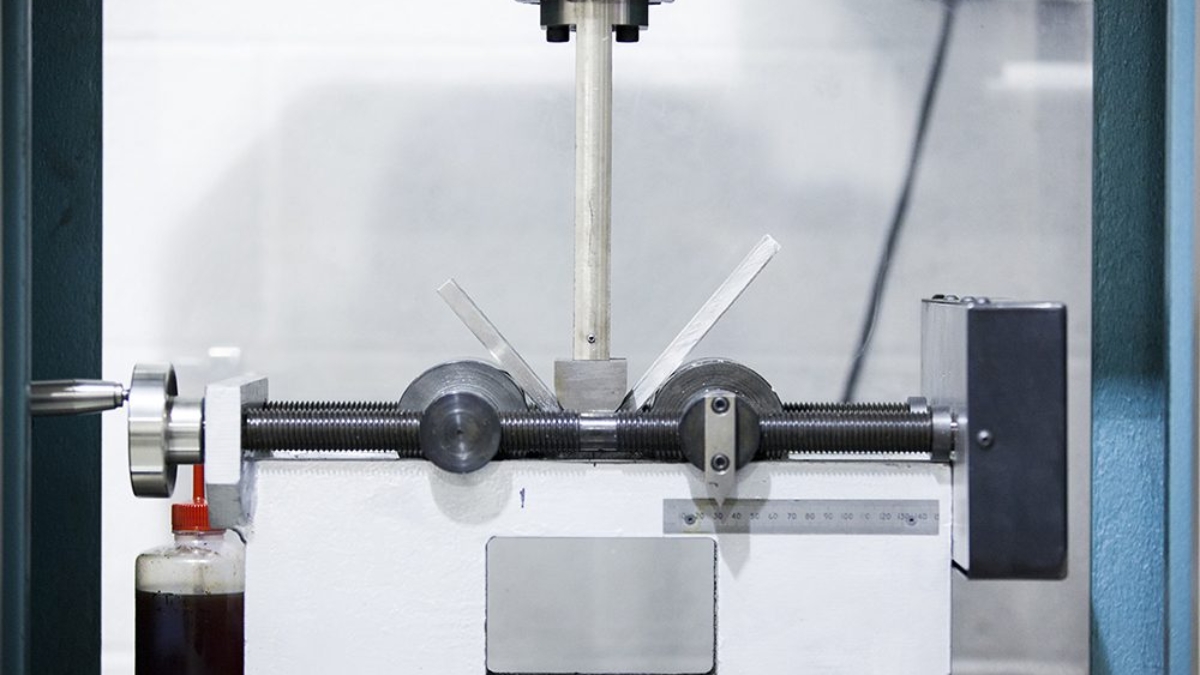
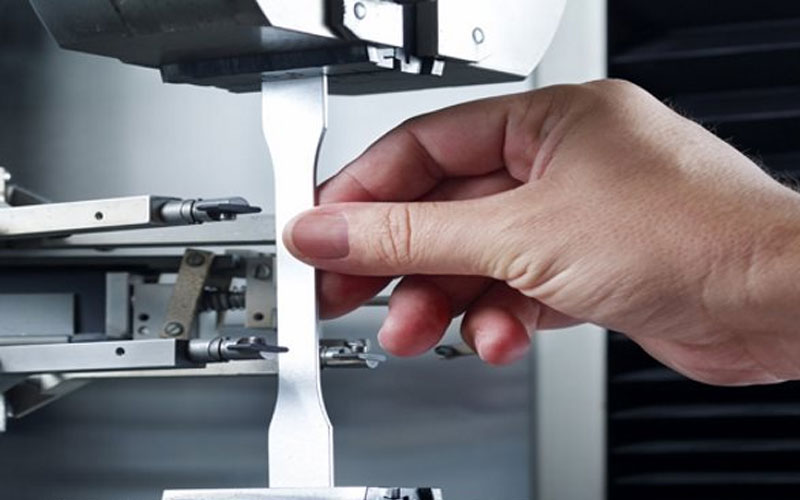
Tensile testing is a mechanical test used to evaluate how materials behave when subjected to tensile or pulling forces. During the test, a specimen is gripped and pulled at a controlled speed until it fractures or reaches a specified condition.

The test generates important mechanical properties including tensile strength, yield strength, elongation, modulus, breaking strength and deformation characteristics.

These values help engineers understand the load-bearing capability of a material and determine whether it is suitable for a specific application. Through Tensile Strength Tester Lab Services in Chennai – Kiyo R&D Lab, manufacturers obtain reliable data that supports engineering design and product approval decisions.

Tensile Testing for Plastics, Rubber, Metals and Composite Materials

Different materials exhibit different behaviour under tensile loading conditions. Tensile testing helps evaluate these differences and provides objective data for material comparison.

Plastic Materials

Tensile testing for plastics helps determine tensile strength, elongation at break, modulus and material consistency. This is useful for plastic product manufacturers, packaging industries and automotive plastic component suppliers.

Rubber Materials

Rubber tensile testing helps evaluate tensile strength, elongation properties, elastic behaviour and product durability. It is commonly used for seals, gaskets, hoses and molded rubber products.

Metal Materials

Metal tensile testing provides information regarding yield strength, ultimate tensile strength, ductility and structural performance. It supports material approval and engineering design decisions.

Composite Materials

Composite tensile testing helps assess fiber performance, structural integrity, load-bearing capability and material durability. Manufacturers use Tensile Strength Tester Lab Services in Chennai to compare materials and select the most suitable option for their applications.

Material Selection and Product Development Through Tensile Testing

Selecting the right material is critical for product performance and reliability. Tensile testing provides engineers with measurable data that supports informed material selection decisions.

Product development teams use tensile testing for material comparison studies, new product development, design validation, prototype evaluation and performance optimization.

By understanding tensile properties early in development, manufacturers can reduce design risks and improve product performance. Testing also helps identify materials that provide the best balance of strength, flexibility and durability.

Quality Assurance and Supplier Validation Using Tensile Strength Testing

Quality assurance programs rely on objective testing data to ensure consistency across production batches. Tensile testing supports incoming material inspection, supplier qualification, production quality control, product certification and customer compliance verification.

Manufacturers use Tensile Strength Tester Lab Services in Chennai – Kiyo R&D Lab to verify that materials consistently meet specified performance requirements. This helps reduce rejection rates and improves confidence in finished products.

Failure Investigation and Mechanical Performance Analysis

Product failures can occur because of material defects, improper material selection, manufacturing issues or unexpected service conditions. Tensile testing helps investigate material weakness, mechanical property variation, product failure causes, design limitations and quality concerns.

The results provide valuable evidence during root cause investigations and corrective action programs. Manufacturers often combine tensile testing with other analytical techniques to gain a complete understanding of product failures.

Tensile Strength Testing for Automotive, Electrical and Industrial Applications

Tensile testing is widely used across industries where material performance is critical. Automotive applications include plastic components, rubber seals, composite structures and engineering materials.

Electrical industry applications include insulation materials, polymer components and cable materials. Industrial manufacturing applications include structural components, engineering products and industrial equipment.

For these industries, tensile testing provides essential performance data that supports product reliability, safety and customer approval.

Why Choose Kiyo R&D Lab for Tensile Strength Tester Lab Services in Chennai

Choosing the right testing laboratory is essential because testing accuracy directly affects engineering decisions and customer approvals. A reliable laboratory should provide accurate results, proper sample handling and clear technical reporting.

Kiyo R&D Lab provides Tensile Strength Tester Lab Services in Chennai for material qualification, product validation, quality assurance, supplier approval, failure investigation and engineering performance evaluation.

Industries choose Kiyo R&D Lab for advanced tensile testing capability, experienced technical evaluation, reliable testing procedures, industry-focused reporting and practical support for quality assurance.

Industries Supported by Tensile Testing Services

  • Automotive manufacturers
  • Plastic product manufacturers
  • Rubber product manufacturers
  • Composite material manufacturers
  • Electrical component manufacturers
  • Construction material suppliers
  • Packaging industries
  • Engineering companies
  • Industrial product manufacturers
  • Research and development organizations
Tensile Strength Tester Lab Services in Chennai – Kiyo R&D Lab

Sample Requirements for Tensile Strength Testing

Sample requirements depend on material type, product geometry and applicable testing standards. Common samples include plastic specimens, rubber test pieces, metal samples, composite specimens, engineering materials and finished products.

The technical team evaluates sample suitability and recommends appropriate testing procedures before analysis.

FAQ

Why are Tensile Strength Tester Lab Services in Chennai important?

Tensile Strength Tester Lab Services in Chennai help manufacturers evaluate material performance, validate products, compare materials and ensure compliance with quality requirements.

Which materials can be tested using tensile testing?

Plastics, rubber compounds, metals, composites, packaging materials and engineering products can be evaluated using tensile testing.

Which industries commonly use tensile testing?

Automotive, plastics, rubber, composites, electrical, construction, packaging and industrial manufacturing industries commonly use tensile testing services.

Does Kiyo R&D Lab provide Tensile Strength Tester Lab Services in Chennai?

Yes. Kiyo R&D Lab provides Tensile Strength Tester Lab Services in Chennai for material qualification, product validation, quality assurance, supplier approval and engineering performance evaluation.
FTIR Fourier Transform Infrared Spectroscopy Analysis in Chennai – Kiyo R&D Lab

FTIR Fourier Transform Infrared Spectroscopy Analysis in Chennai – Kiyo R&D Lab

FTIR Fourier Transform Infrared Spectroscopy Analysis in Chennai –

Why FTIR Fourier Transform Infrared Spectroscopy Analysis Matters

Modern manufacturing industries depend on material consistency, chemical composition verification and reliable quality assurance. Two materials may look exactly the same visually, but their chemical structure may be different. This difference can lead to performance issues, production rejection, product failure or customer complaints.

This is where FTIR Fourier Transform Infrared Spectroscopy Analysis in Chennai – Kiyo R&D Lab becomes valuable for manufacturers, researchers and quality control teams. FTIR analysis is an advanced analytical technique used to identify materials, study molecular structure and evaluate chemical composition.

FTIR testing provides a unique infrared spectrum, often described as a molecular fingerprint of the material. This helps identify unknown samples, compare raw materials, investigate contamination and verify whether a product matches the approved specification.

FTIR Fourier Transform Infrared Spectroscopy Analysis in Chennai – Kiyo R&D Lab

FTIR Fourier Transform Infrared Spectroscopy Analysis in Chennai for Material Identification

Material identification is one of the strongest applications of FTIR spectroscopy. Manufacturers often receive unknown materials, rejected products, customer-returned samples or raw materials that need proper verification before use.

FTIR Fourier Transform Infrared Spectroscopy Analysis in Chennai helps identify unknown polymers, plastic materials, rubber compounds, adhesives, coatings, packaging materials, contaminants, chemical residues and industrial materials.

At Kiyo R&D Lab, FTIR analysis supports supplier qualification, incoming raw material verification, formulation comparison, product validation and customer complaint investigation. Accurate material identification helps industries prevent wrong material usage and maintain consistent product quality.

Understanding FTIR Technology and Its Industrial Applications

Fourier Transform Infrared Spectroscopy works by measuring how infrared radiation interacts with molecular bonds in a sample. Different bonds absorb infrared energy at specific wavelengths, producing a spectrum that can be used to identify the material.

Because FTIR is fast, reliable and suitable for many types of materials, it is widely used in industrial laboratories for material identification, polymer characterization, chemical analysis, contamination investigation, product validation, quality control, supplier verification and failure analysis.

For industries that need quick and meaningful chemical information, FTIR Fourier Transform Infrared Spectroscopy Analysis in Chennai – Kiyo R&D Lab provides practical support for technical decision-making.

Polymer and Plastic Material Analysis Using FTIR Spectroscopy

Plastic materials are widely used in automotive, electrical, packaging, medical, industrial and consumer products. Correct material identification is critical because even small differences in polymer composition can affect strength, flexibility, melting behaviour, chemical resistance and durability.

FTIR analysis helps evaluate polymer type identification, raw material authentication, plastic comparison studies, additive investigation and product consistency. It is useful when two plastic materials look similar but perform differently.

Manufacturers use FTIR Fourier Transform Infrared Spectroscopy Analysis in Chennai to compare incoming raw materials with approved standards and investigate material-related problems before they affect production or customer supply.

Rubber Material Characterization Through FTIR Analysis

Rubber compounds often contain complex formulations including base polymers, fillers, oils, additives and processing aids. Understanding the chemical characteristics of rubber materials is important for product performance and quality control.

FTIR analysis supports rubber compound identification, material comparison, chemical characterization, product validation, supplier verification and failure investigation. Rubber manufacturers use FTIR testing to identify formulation differences, investigate material inconsistency and support product development.

This helps ensure consistent product performance for seals, gaskets, hoses, automotive rubber parts, industrial rubber components and molded rubber products.

Contamination Investigation and Failure Analysis Using FTIR

Contamination is one of the common causes of manufacturing problems and product rejection. Foreign particles, residues, oils, films and chemical deposits can affect product appearance, bonding, coating performance and durability.

FTIR analysis helps identify unknown contaminants, surface residues, foreign particles, processing contamination, chemical degradation products and material incompatibility issues.

Through FTIR Fourier Transform Infrared Spectroscopy Analysis in Chennai – Kiyo R&D Lab, manufacturers can investigate contamination sources and take corrective action. FTIR also supports failure investigation by identifying chemical changes that may have contributed to product failure.

FTIR Analysis for Paints, Coatings and Adhesives

Paints, coatings and adhesives require consistent chemical composition to ensure adhesion, curing, appearance, chemical resistance and long-term performance. Any formulation variation can affect product quality.

FTIR analysis helps evaluate coating composition, adhesive identification, paint formulation comparison, surface treatment verification, chemical compatibility and degradation behaviour.

Manufacturers use FTIR testing to compare approved products with production samples and investigate coating or bonding-related issues. This supports quality improvement and customer confidence.

Product Development and Quality Assurance Through FTIR Testing

Product development requires a clear understanding of material composition and behaviour. FTIR analysis provides valuable information for new material development, supplier comparison, quality control programs, product validation and customer complaint investigation.

By using FTIR Fourier Transform Infrared Spectroscopy Analysis in Chennai, manufacturers can strengthen quality assurance systems, reduce material mismatch risks and improve product reliability.

The ability to quickly identify materials and compare samples makes FTIR one of the most effective analytical techniques for industrial quality control.

Why Choose Kiyo R&D Lab for FTIR Fourier Transform Infrared Spectroscopy Analysis in Chennai

Choosing the right laboratory is important because FTIR analysis requires proper sample handling, accurate spectral interpretation and industry-focused reporting. A spectrum alone is not enough; industries need meaningful technical interpretation.

Kiyo R&D Lab provides FTIR Fourier Transform Infrared Spectroscopy Analysis in Chennai for plastics, rubber compounds, coatings, adhesives, packaging materials, industrial chemicals and unknown samples.

Industries choose Kiyo R&D Lab for advanced FTIR analysis capability, material characterization expertise, contamination investigation support, failure analysis assistance, product validation services, reliable testing workflow and industry-relevant reporting.

Industries Supported by FTIR Analysis Services

  • Plastic product manufacturers
  • Rubber product manufacturers
  • Automotive component manufacturers
  • Electrical and electronics industries
  • Paint and coating manufacturers
  • Adhesive manufacturers
  • Packaging industries
  • Medical device manufacturers
  • Chemical industries
  • Research and development organizations
FTIR Fourier Transform Infrared Spectroscopy Analysis in Chennai – Kiyo R&D Lab

Sample Requirements for FTIR Testing

Sample requirements depend on the material type and analysis objective. Common samples include plastic materials, rubber compounds, powder materials, adhesives, coatings, films, packaging materials, unknown contaminants and industrial chemicals.

The technical team evaluates the sample condition and recommends suitable preparation methods before analysis to obtain meaningful results.

FAQ

Which materials can be analyzed using FTIR?

FTIR analysis can be performed on plastics, polymers, rubber compounds, coatings, adhesives, packaging materials, powders, industrial chemicals and unknown contaminants.

How does FTIR help in contamination analysis?

FTIR can identify foreign particles, surface residues, chemical contamination and degradation products. This helps manufacturers determine contamination sources and implement corrective actions.

Can FTIR support failure investigations?

Yes. FTIR analysis helps identify chemical changes, contamination and material incompatibilities that may contribute to product failure.

Does Kiyo R&D Lab provide FTIR Fourier Transform Infrared Spectroscopy Analysis in Chennai?

Yes. Kiyo R&D Lab provides FTIR Fourier Transform Infrared Spectroscopy Analysis in Chennai for material identification, contamination analysis, chemical characterization, product validation and industrial quality assurance applications.
Mechanical Testing Lab Near Me in Chennai – Kiyo R&D Lab

Mechanical Testing Lab Near Me in Chennai – Kiyo R&D Lab

Mechanical Testing Lab Near Me in Chennai

Why Choosing the Right Mechanical Testing Lab Matters

Manufacturers depend on reliable materials to ensure product quality, safety and performance. Whether the product is made of plastic, rubber, metal, composite or engineered material, understanding its mechanical properties is critical before commercial use.

A material may appear strong visually, but without testing, it is impossible to know whether it can withstand actual service conditions. Mechanical testing provides valuable information about strength, stiffness, durability, flexibility, toughness and failure behaviour.

This is why many industries search for a Mechanical Testing Lab Near Me in Chennai – Kiyo R&D Lab to obtain accurate testing data and technical support. Mechanical testing helps manufacturers validate products, improve quality, compare materials and meet customer requirements.

Mechanical Testing Lab Near Me in Chennai – Kiyo R&D Lab

Mechanical Testing Lab Near Me in Chennai for Accurate Material Evaluation

When manufacturers search for a dependable Mechanical Testing Lab Near Me in Chennai, they often require more than a basic test report. They need practical testing support that helps evaluate product performance under real application conditions.

Mechanical testing services are commonly used for product development, material qualification, supplier approval, design validation, quality control, failure investigation, product certification and customer compliance requirements.

At Kiyo R&D Lab, mechanical testing supports industries in understanding how materials behave under tensile, compression, bending, impact, hardness and cyclic loading conditions. This helps manufacturers reduce risk, avoid repeated failures and improve customer satisfaction.

Understanding Mechanical Testing and Its Importance

Mechanical testing is the process of evaluating how materials respond to applied forces. These forces may include tension, compression, bending, impact, shear or repeated loading. The test results help engineers and quality teams understand whether a material is suitable for its intended application.

Mechanical testing helps determine tensile strength, yield strength, elongation, compression resistance, flexural strength, impact resistance, hardness, fatigue performance and structural durability.

Through Mechanical Testing Lab Near Me in Chennai – Kiyo R&D Lab, industries can generate reliable performance data that supports engineering design, product approval and quality assurance programs.

Tensile Testing Services for Material Strength Validation

Tensile testing is one of the most commonly performed mechanical tests. It evaluates how a material behaves when it is pulled until deformation or failure occurs.

Tensile testing provides information about ultimate tensile strength, yield strength, breaking strength, percentage elongation and modulus properties. These values help manufacturers understand the strength and flexibility of a material.

Mechanical Testing Lab Near Me in Chennai services are often required for tensile testing of plastic products, rubber materials, metal components, composite structures and engineering materials. Accurate tensile test results help ensure that products meet design requirements and customer specifications.

Compression, Flexural and Bend Testing Applications

Many products experience compressive or bending loads during service. Compression testing helps evaluate how a material behaves when it is pressed or loaded from opposite directions. Flexural and bend testing help understand how a material responds to bending stress.

Compression testing helps determine load-bearing capacity, compressive strength and deformation behaviour. Flexural testing helps evaluate bending strength, flexural modulus and structural stiffness.

These tests are commonly used for plastics, composites, construction materials, packaging products and engineering components. Through Mechanical Testing Lab Near Me in Chennai – Kiyo R&D Lab, manufacturers can validate structural performance and improve product design.

Impact Testing and Product Durability Assessment

Products may experience sudden impact during handling, transportation, installation or actual service. Impact testing helps determine how much energy a material can absorb before fracture or failure.

Impact testing is useful for automotive components, plastic products, composite materials, packaging products and engineering components. It helps assess toughness, damage resistance and durability.

For manufacturers who want dependable product performance, impact testing provides valuable information about whether the product can withstand accidental shocks and sudden loading conditions.

Hardness Testing for Material Quality Verification

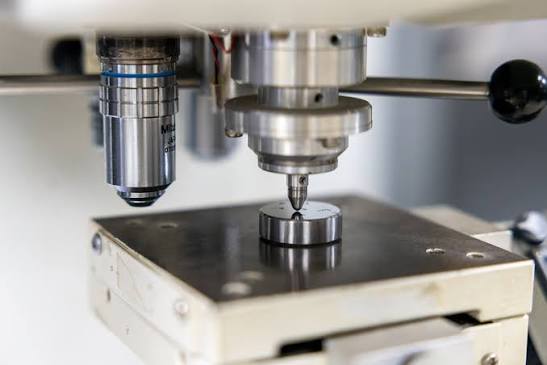
Hardness testing helps determine a material’s resistance to indentation, scratching or surface deformation. It is one of the most useful quality control tests because it can quickly indicate material consistency and processing quality.

Hardness testing is commonly used for metals, plastics, rubber materials, coatings and engineering products. Manufacturers use hardness testing during incoming material inspection, supplier qualification and production quality control.

At Kiyo R&D Lab, hardness testing supports industries looking for reliable Mechanical Testing Lab Near Me in Chennai services for material quality verification and product validation.

Fatigue Testing and Long-Term Performance Evaluation

Many products fail not because of one heavy load but because of repeated loading over time. Fatigue testing helps evaluate how materials and components behave under cyclic loading conditions.

Fatigue testing helps determine fatigue life, cycles to failure, durability performance, endurance limits and crack initiation behaviour. This is important for automotive, engineering and industrial products where long-term performance is critical.

Through Mechanical Testing Lab Near Me in Chennai – Kiyo R&D Lab, manufacturers can better understand service-life expectations and improve product reliability before market release.

Mechanical Testing for Plastics, Rubber, Metals and Composites

Different materials require different mechanical testing approaches because their behaviour varies under load. Plastics may need tensile, flexural, impact and hardness testing. Rubber materials may require tensile strength, elongation, tear resistance and compression set evaluation.

Metal materials may require tensile strength, compression testing, hardness testing and fatigue testing. Composite materials may require tensile testing, flexural testing, compression testing and interlaminar strength evaluation.

Comprehensive testing helps manufacturers compare materials, identify weaknesses and optimize product performance for specific industrial applications.

Why Choose Kiyo R&D Lab for Mechanical Testing in Chennai

Selecting the right laboratory is important because mechanical testing results influence product approval, customer confidence and engineering decisions. A reliable laboratory should provide accurate testing, proper sample handling and clear technical reporting.

Kiyo R&D Lab provides Mechanical Testing Lab Near Me in Chennai services for plastics, rubber, metals, composites, packaging products and finished industrial components. The testing support includes tensile, compression, flexural, impact, hardness, fatigue, product validation and failure investigation.

Industries choose Kiyo R&D Lab for advanced mechanical testing capabilities, experienced technical evaluation, reliable testing workflow, industry-focused reporting and practical support for quality assurance and product development.

Industries Supported by Mechanical Testing Services

  • Automotive component manufacturers
  • Plastic product manufacturers
  • Rubber product manufacturers
  • Composite material manufacturers
  • Construction material suppliers
  • Electrical component manufacturers
  • Engineering industries
  • Packaging manufacturers
  • Metal fabrication industries
  • Research and development organizations
Mechanical Testing Lab Near Me in Chennai – Kiyo R&D Lab

Sample Requirements for Mechanical Testing

Sample requirements depend on the material type, test method, specimen geometry and customer objective. Materials such as plastic specimens, rubber samples, metal parts, composite panels, packaging products, engineering components and finished samples can be submitted for mechanical testing.

The technical team reviews the sample condition and recommends suitable test methods based on the application, standard requirement and customer expectation.

FAQ

Why should I choose a Mechanical Testing Lab Near Me in Chennai?

Choosing a Mechanical Testing Lab Near Me in Chennai helps ensure faster sample processing, easier communication, technical support and reliable testing data for product validation and quality assurance.

Which materials can be tested through mechanical testing?

Mechanical testing can be performed on plastics, rubber materials, metals, composites, packaging products, engineering materials and finished industrial components.

Why is tensile testing important?

Tensile testing helps determine the strength, elongation and load-bearing capacity of materials. It is widely used for material comparison, product validation and quality control.

Does Kiyo R&D Lab provide Mechanical Testing Lab Near Me in Chennai services?

Yes. Kiyo R&D Lab provides comprehensive mechanical testing services in Chennai including tensile testing, compression testing, flexural testing, impact testing, hardness testing, fatigue testing, product validation and failure investigation support.
Composite Material Testing Laboratory Services in Chennai – Kiyo R&D Lab

Composite Material Testing Laboratory Services in Chennai – Kiyo R&D Lab

Composite Material Testing Laboratory Services in Chennai

Why Composite Material Testing Matters in Modern Industries

Composite materials are widely used in modern industries because they offer high strength, lightweight performance, corrosion resistance and design flexibility. From automotive parts and aerospace structures to industrial equipment, construction materials and marine products, composites help manufacturers improve performance while reducing weight.

However, composite materials behave differently from traditional metals and plastics. Their performance depends on fiber type, matrix material, fiber orientation, bonding quality, manufacturing process and environmental exposure. If these factors are not properly evaluated, hidden defects may lead to delamination, cracking, poor strength or premature product failure.

This is why Composite Material Testing Laboratory Services in Chennai – Kiyo R&D Lab are important for manufacturers, suppliers and R&D teams. Composite testing helps verify mechanical strength, thermal stability, durability, bonding quality and overall product reliability before commercial use.

Composite Material Testing Laboratory Services in Chennai – Kiyo R&D Lab

Composite Material Testing Laboratory Services in Chennai for Product Validation

Product validation is essential before composite materials are used in demanding applications. Manufacturers need reliable data to prove that a material or component can perform under expected service conditions.

Composite Material Testing Laboratory Services in Chennai support product development, material qualification, supplier approval, quality control verification, design validation, performance evaluation, failure investigation and customer compliance requirements.

At Kiyo R&D Lab, composite testing helps manufacturers generate technical evidence for product approval and customer confidence. Testing data also supports better material selection, process control and quality improvement.

Understanding Composite Materials and Their Industrial Applications

Composite materials are made by combining two or more different materials to achieve better performance than individual materials alone. Usually, composites include reinforcement materials such as fibers combined with a matrix material such as resin or polymer.

Common composite materials include Glass Fiber Reinforced Polymer, Carbon Fiber Reinforced Polymer, aramid fiber composites, hybrid composites, thermoset composites and thermoplastic composites.

These materials are used because they provide high strength-to-weight ratio, corrosion resistance, improved durability, fatigue resistance and design flexibility. Since composite structures are layered and direction-dependent, proper testing is required to understand their actual performance.

Mechanical Testing for Composite Materials

Mechanical testing is one of the most important parts of composite material evaluation. Composite components may experience tension, compression, bending, impact, shear and repeated loading during service.

Composite Material Testing Laboratory Services in Chennai – Kiyo R&D Lab support testing such as tensile strength testing, flexural testing, compression testing, impact testing, fatigue testing, interlaminar shear strength testing, peel strength testing and bond strength evaluation.

These tests help manufacturers understand load-bearing capacity, stiffness, toughness, structural integrity, damage tolerance and long-term durability. Mechanical test results are useful for design validation, material comparison and customer approval.

Thermal Analysis and Environmental Testing of Composite Structures

Composite materials may be exposed to heat, humidity, UV radiation, chemicals and outdoor environmental conditions. Environmental exposure can affect resin stability, fiber-matrix bonding, surface appearance and mechanical performance.

Thermal and environmental testing helps evaluate thermal stability, heat ageing behaviour, moisture resistance, UV weathering resistance, chemical resistance and long-term durability.

Advanced techniques such as FTIR analysis, TGA analysis, DSC analysis and environmental exposure testing can provide valuable information about material stability and degradation behaviour. Through Composite Material Testing Laboratory Services in Chennai, manufacturers can confirm whether composite materials remain reliable under expected application conditions.

Failure Analysis and Material Characterization for Composite Products

Composite failures can occur due to poor bonding, fiber breakage, matrix cracking, delamination, voids, manufacturing defects, environmental degradation or excessive loading. Failure analysis helps identify the real reason behind product failure instead of depending on assumptions.

Material characterization and failure investigation may involve SEM analysis, EDX analysis, FTIR analysis, TGA analysis, visual examination, fracture surface evaluation and delamination assessment.

These techniques help manufacturers understand failure mechanisms, bonding defects, material inconsistencies, processing issues and structural weaknesses. At Kiyo R&D Lab, composite failure analysis supports corrective action and product improvement.

Quality Assurance and Reliability Evaluation Through Composite Material Testing

Composite product quality can vary due to changes in raw material, resin content, fiber orientation, curing process, molding pressure, void content and bonding quality. Quality assurance testing helps manufacturers maintain consistency across production batches.

Composite testing supports incoming material verification, production quality control, supplier qualification, product certification, reliability assessment and customer specification compliance.

Manufacturers use Composite Material Testing Laboratory Services in Chennai – Kiyo R&D Lab to ensure that their products meet strength, durability and performance expectations. Reliable test data also helps strengthen customer trust and reduce rejection risks.

Composite Material Testing for Automotive, Aerospace and Industrial Applications

Composite materials are used in industries where lightweight performance and strength are important. In automotive applications, composites are used for interior panels, exterior body components, structural reinforcements, under-hood parts and lightweight engineering components.

In aerospace applications, composites are used for lightweight panels, structural components, interior assemblies and reinforcement systems. In industrial applications, composites are used for wind turbine blades, pressure vessels, marine structures, construction products and equipment components.

Because these applications require dependable performance, Composite Material Testing Laboratory Services in Chennai help industries validate materials before use and avoid failures in critical applications.

Why Choose Kiyo R&D Lab for Composite Material Testing Laboratory Services in Chennai

Choosing the right testing laboratory is important because composite testing requires proper sample handling, suitable test methods and technical interpretation. A test value alone is not enough; manufacturers need data that helps them make better engineering and quality decisions.

Kiyo R&D Lab provides Composite Material Testing Laboratory Services in Chennai for mechanical testing, thermal analysis, environmental testing, material characterization, failure investigation and product validation.

Industries choose Kiyo R&D Lab for advanced material testing capabilities, experienced technical evaluation, reliable testing workflow, industry-focused reporting and support for product development and quality assurance.

Industries Supported by Composite Material Testing Services

  • Automotive component manufacturers
  • Aerospace suppliers
  • Wind energy industries
  • Construction material manufacturers
  • Marine equipment manufacturers
  • Industrial equipment suppliers
  • Composite product manufacturers
  • OEM suppliers
  • Engineering industries
  • Research and development organizations
Composite Material Testing Laboratory Services in Chennai – Kiyo R&D Lab

Sample Requirements for Composite Material Testing

Sample requirements depend on the material type, geometry, test method and customer objective. Composite laminates, composite panels, molded composite parts, structural specimens, bonded assemblies, reinforced polymer samples and failed composite components can be submitted for testing.

The technical team reviews the sample condition and recommends suitable testing methods based on applicable standards, application requirements and customer expectations.

FAQ

What mechanical tests are commonly performed on composite materials?

Common tests include tensile testing, flexural testing, compression testing, impact testing, fatigue testing, shear testing, bond strength testing and peel strength evaluation.

Can composite material testing help investigate product failures?

Yes. Composite material testing can identify failure mechanisms such as delamination, fiber breakage, matrix cracking, bonding defects and environmental degradation.

Which composite materials can be tested?

Testing can be performed on glass fiber composites, carbon fiber composites, aramid composites, hybrid composites, thermoset composites and thermoplastic composite materials.

Why are Composite Material Testing Laboratory Services in Chennai important?

Composite Material Testing Laboratory Services in Chennai help manufacturers validate products, improve reliability, verify material performance and meet customer specifications before commercial use.

Does Kiyo R&D Lab provide Composite Material Testing Laboratory Services in Chennai?

Yes. Kiyo R&D Lab provides Composite Material Testing Laboratory Services in Chennai for mechanical testing, thermal analysis, failure investigation, material characterization, quality assurance and product validation applications.
Salt Fog Testing Lab Services in Chennai – Kiyo R&D Lab

Salt Fog Testing Lab Services in Chennai – Kiyo R&D Lab

Salt Fog Testing Lab Services in Chennai

Why Salt Fog Testing Matters for Product Durability

Corrosion is one of the most common reasons for product failure in industrial environments. Components exposed to moisture, humidity, coastal atmosphere, chemicals and environmental contaminants can deteriorate faster than expected if the base material or protective coating is not strong enough.

For manufacturers, corrosion failure is not only a technical issue. It can lead to customer complaints, warranty claims, product rejection, safety concerns and brand damage. This is why salt fog testing lab services in Chennai – Kiyo R&D Lab are important for companies that want to verify corrosion resistance before sending products to the market.

Salt fog testing is an accelerated corrosion test used to evaluate how metals, coatings and finished components perform in a controlled salt-laden environment. Instead of waiting for natural corrosion to happen over months or years, industries can use salt fog testing to assess product durability within a controlled laboratory setup.

Salt Fog Testing Lab Services in Chennai – Kiyo R&D Lab

Salt Fog Testing Lab Services in Chennai for Corrosion Resistance Evaluation

The main purpose of salt fog testing is to check how well a material, coating or finished component resists corrosion under harsh environmental exposure. This test is commonly used by industries where product reliability, surface protection and long-term performance are critical.

Salt fog testing lab services in Chennai are useful for evaluating corrosion resistance of coated metals, painted surfaces, electroplated components, galvanized products, zinc-coated parts, automotive components, fasteners, hardware, marine parts and industrial equipment.

At Kiyo R&D Lab, salt fog testing supports product validation, supplier approval, coating comparison, quality control and customer specification requirements. For industries that deal with outdoor, coastal or humid environments, salt fog testing gives clear evidence about corrosion protection performance.

Understanding Salt Fog and Salt Spray Corrosion Testing

Salt fog testing is also commonly known as salt spray testing. In this test, samples are exposed to a fine mist of salt solution inside a controlled chamber for a specified duration. The sample surface is then evaluated for corrosion, rust formation, blistering, coating breakdown, staining or other visible changes.

The test helps manufacturers understand whether the protective surface treatment can withstand corrosive conditions. Depending on the product requirement, salt fog testing may be performed for different exposure durations based on customer specification, industry requirement or applicable test standard.

The commonly referenced standards for salt fog and salt spray corrosion testing include ASTM B117 and ISO 9227. OEM-specific corrosion requirements may also be followed depending on the application and customer need.

Salt Fog Testing for Automotive Components and Metal Parts

Automotive components are often exposed to rain, humidity, road contaminants and environmental pollutants. If corrosion protection is poor, the component may lose strength, appearance and functional reliability over time.

Salt fog testing lab services in Chennai – Kiyo R&D Lab support automotive manufacturers and suppliers in evaluating metal brackets, fasteners, clamps, springs, chassis components, painted parts, zinc-plated hardware, underbody components and surface-treated metal products.

Salt fog testing is useful during OEM qualification, supplier approval, new coating validation and product durability studies. It helps manufacturers identify weak coating systems before the product reaches the customer.

Coating Performance Evaluation Using Salt Fog Testing

Protective coatings are used to prevent corrosion and extend product life. However, coating performance depends on coating type, surface preparation, thickness, curing condition, adhesion quality and environmental exposure.

Salt fog testing helps compare and validate different coating systems such as powder coatings, paint systems, electroplated coatings, zinc plating, nickel plating, chrome plating, conversion coatings and other surface treatments.

By using salt fog testing lab services in Chennai, manufacturers can understand how long a coating system can resist corrosion under accelerated exposure. This helps in selecting the right coating process, improving quality control and reducing field failures.

Corrosion Resistance Testing for Electrical and Electronic Components

Electrical and electronic components can lose performance when exposed to moisture and corrosive environments. Corrosion may affect conductivity, contact performance, insulation reliability and overall product safety.

Salt fog testing is useful for electrical connectors, terminals, switches, enclosures, bus bars, control panel components, electrical hardware and communication equipment parts. The test helps identify whether the material or coating can resist corrosive exposure during service.

For electrical and electronics manufacturers, corrosion testing is an important part of product reliability evaluation, especially when products are used in outdoor, industrial, marine or humid environments.

Salt Fog Testing for Fasteners, Hardware and Industrial Products

Fasteners and industrial hardware are small components, but their failure can create serious performance problems. Nuts, bolts, screws, washers, anchors, hinges, locks and fittings are often exposed to humidity, outdoor conditions and corrosive surroundings.

Salt fog testing helps evaluate the corrosion resistance of these components and compare different plating or coating systems. It also helps industries verify whether products meet customer expectations before bulk supply.

For fastener manufacturers and hardware suppliers, salt fog testing lab services in Chennai – Kiyo R&D Lab provide useful data for quality approval and product performance improvement.

Product Validation and Quality Assurance Through Salt Fog Testing

Product validation should not depend only on dimensional checks, visual inspection or mechanical strength. For metal products and coated components, corrosion resistance is a critical quality parameter.

Salt fog testing supports product qualification, coating approval, supplier validation, production quality control, failure investigation and customer compliance requirements. It helps companies compare approved samples with failed samples and understand whether corrosion resistance has changed due to material, process or coating variation.

At Kiyo R&D Lab, salt fog testing helps industries generate practical corrosion performance data that can support customer approvals and internal quality decisions.

Why Choose Kiyo R&D Lab for Salt Fog Testing in Chennai

Choosing the right testing laboratory matters because corrosion testing results are often used for product approval, supplier qualification and customer complaint analysis. A laboratory should provide controlled testing, proper sample handling and clear reporting.

Kiyo R&D Lab provides salt fog testing lab services in Chennai for metals, coated surfaces, plated parts, automotive components, electrical parts, fasteners, hardware and industrial products. The service supports product validation, coating performance evaluation, quality control and failure investigation.

Industries choose Kiyo R&D Lab for corrosion testing support, experienced technical evaluation, industry-focused reporting and reliable testing workflow.

Industries Supported by Salt Fog Testing Services

  • Automotive component manufacturers
  • Electrical and electronics industries
  • Metal fabrication industries
  • Fastener manufacturers
  • Surface coating companies
  • Hardware manufacturers
  • Construction material suppliers
  • Marine equipment manufacturers
  • Industrial equipment suppliers
  • OEM and Tier suppliers
Salt Fog Testing Lab Services in Chennai – Kiyo R&D Lab

Sample Requirements for Salt Fog Testing

Sample requirements may vary depending on product type, size, coating system and applicable standard. Coated metal panels, plated components, fasteners, automotive parts, electrical components, surface-treated products and finished assemblies can be submitted for salt fog testing.

The technical team reviews the sample condition and recommends suitable testing duration, sample placement and evaluation criteria based on the product application and customer requirement.

FAQ

What products can be tested using salt fog testing?

Salt fog testing can be performed on metal components, plated products, painted surfaces, automotive parts, electrical hardware, fasteners, construction materials and industrial equipment.

Which industries commonly use salt fog testing?

Automotive, electrical, electronics, marine, construction, hardware, coating and metal fabrication industries commonly use salt fog testing for product validation and quality assurance.

What standards are commonly used for salt fog testing?

Common standards include ASTM B117, ISO 9227 and various OEM-specific corrosion testing requirements depending on customer specifications.

Does Kiyo R&D Lab provide salt fog testing lab services in Chennai?

Yes. Kiyo R&D Center & Laboratory provides salt fog testing lab services in Chennai for corrosion resistance evaluation, coating performance testing, product validation and industrial quality assurance.
Application of Thermogravimetry in Chennai – Kiyo R&D Lab

Application of Thermogravimetry in Chennai – Kiyo R&D Lab

Application of Thermogravimetry in Chennai

Why the Application of Thermogravimetry Matters in Industrial Testing

Industrial materials are exposed to heat during manufacturing, processing and real-time application. A material that performs well visually may still fail because of poor thermal stability, excessive volatile content, improper filler loading, moisture presence or degradation under elevated temperature conditions.

This is why the Application of thermogravimetry in Chennai – Kiyo R&D Lab has become important for manufacturers, R&D teams and quality departments. Thermogravimetric Analysis, commonly known as TGA, is a thermal analysis technique used to measure material weight changes during controlled heating.

Thermogravimetry helps industries understand material decomposition, thermal degradation behaviour, moisture loss, oxidation stability, filler percentage and residual ash formation. It provides useful thermal characterization data for plastics, rubber, composites, coatings, packaging materials and industrial compounds.

Application of Thermogravimetry in Chennai – Kiyo R&D Lab

Application of Thermogravimetry in Chennai for Material Characterization

Material characterization is critical for industries that require consistent product quality and reliable thermal performance. Thermogravimetry helps industries evaluate how materials behave under increasing temperature conditions.

The Application of thermogravimetry in Chennai is widely used for thermal stability analysis, weight loss behaviour evaluation, material decomposition studies, filler content determination, ash content analysis, moisture content analysis, oxidation resistance evaluation, carbon black content testing and volatile matter determination.

Industries use thermogravimetric analysis during raw material verification, supplier comparison, reverse engineering, product validation and new product development. Instead of relying only on appearance or mechanical testing, TGA provides measurable thermal behaviour data that helps industries make better technical decisions.

Thermal Stability Evaluation Using Thermogravimetric Analysis

Thermal stability is one of the most important properties for industrial materials. Materials exposed to heat during molding, extrusion, electrical operation or environmental exposure must maintain their performance under temperature variations.

Through the Application of thermogravimetry in Chennai – Kiyo R&D Lab, manufacturers can determine how stable a material remains when exposed to controlled heating conditions.

Thermal stability evaluation is useful for engineering plastics, rubber compounds, automotive polymers, cable insulation materials, composite materials, coating systems, packaging films and polymer blends. TGA testing helps identify the temperature at which degradation starts, how rapidly decomposition occurs and how much residue remains after thermal breakdown.

Application of Thermogravimetry for Polymer and Rubber Industries

Polymer and rubber industries widely use thermogravimetric analysis because thermal behaviour directly affects product performance and manufacturing consistency.

The Application of thermogravimetry in Chennai supports industries in polymer degradation studies, rubber formulation analysis, carbon black content determination, filler loading verification, material comparison studies, thermal oxidation evaluation and product quality validation.

Rubber compounds often contain multiple additives and fillers that influence thermal performance. TGA helps industries study these materials more accurately by evaluating decomposition stages and residual mass. For polymer industries, thermogravimetry is highly useful during material selection, supplier evaluation and formulation optimization.

Filler Content and Composition Analysis Using Thermogravimetry

Industrial materials commonly contain fillers such as calcium carbonate, talc, silica, carbon black or glass fibers. The amount of filler directly affects mechanical strength, flexibility, density, thermal behaviour, cost and processing performance.

One of the most important applications of thermogravimetry is filler content determination. Through thermogravimetric analysis, industries can evaluate mineral filler percentage, carbon black content, residual ash formation, polymer-to-filler ratio, composition consistency and material formulation comparison.

At Kiyo R&D Lab, TGA analysis helps industries verify whether material formulations match expected quality requirements. This application is valuable during incoming raw material inspection, supplier quality verification and product development.

Moisture, Ash and Volatile Matter Evaluation Applications

Moisture and volatile compounds can significantly affect material performance during manufacturing and application. Excess moisture may lead to poor molding quality, surface defects, dimensional instability, bubble formation and reduced processing consistency.

Similarly, high volatile content may affect thermal stability, coating performance and product odor characteristics. The Application of thermogravimetry in Chennai – Kiyo R&D Lab helps industries determine moisture evaporation behaviour, volatile compound release, residual ash percentage, thermal residue characteristics and material stability under heat exposure.

This information is useful for plastics, coatings, rubber materials, powders and packaging industries where consistent thermal behaviour is important.

Application of Thermogravimetry in Automotive and Electrical Industries

Automotive and electrical industries require materials with dependable thermal performance because components may experience high temperatures during operation.

Thermogravimetry helps these industries validate material suitability before commercial production. Automotive manufacturers use TGA analysis for polymer thermal stability studies, rubber component evaluation, composite material characterization, under-hood material analysis and heat resistance studies.

Electrical and electronics industries use thermogravimetric analysis for cable insulation evaluation, flame-retardant material analysis, electronic polymer stability studies and heat resistance characterization. Because of these applications, the Application of thermogravimetry in Chennai continues to grow across high-performance manufacturing industries.

Failure Investigation and Product Quality Improvement Using TGA

Thermogravimetric analysis is useful during failure investigation because thermal behaviour often reveals hidden formulation or processing issues. TGA testing helps industries identify abnormal degradation behaviour, poor thermal stability, unexpected residue formation, excess filler loading, material inconsistency and volatile content variations.

By comparing failed materials with approved samples, industries can identify possible root causes of product failure. At Kiyo R&D Lab, thermogravimetric analysis supports product quality improvement by providing meaningful thermal characterization data for industrial materials.

Why Choose Kiyo R&D Lab for Thermogravimetry Applications in Chennai

Industries prefer laboratories that provide accurate testing along with practical technical interpretation. Kiyo R&D Lab supports industries looking for dependable Application of thermogravimetry in Chennai with accurate thermal characterization and industrial relevance.

Kiyo R&D Lab supports plastics, rubber, composites, coatings, packaging materials, powders and industrial compounds. The service is suitable for material development, quality control, supplier validation, formulation comparison, product failure investigation and customer complaint analysis.

Industries choose Kiyo R&D Lab for advanced thermal analysis support, experienced technical evaluation, industry-focused reporting and reliable testing workflow.

Industries Supported by Thermogravimetric Analysis Services

  • Plastic product manufacturers
  • Rubber product manufacturers
  • Automotive component manufacturers
  • Electrical and electronics industries
  • Packaging material manufacturers
  • Composite material manufacturers
  • Paint and coating industries
  • Polymer compound manufacturers
  • Medical material manufacturers
  • Research and development centres
Application of Thermogravimetry in Chennai – Kiyo R&D Lab

Sample Requirements for Thermogravimetric Analysis

Sample preparation is important for obtaining meaningful TGA results. Depending on the material type and testing objective, sample quantity and preparation method may vary. Polymer granules, rubber compounds, powder materials, composite specimens, packaging films, coating samples and industrial compounds can be submitted for thermogravimetric analysis.

The technical team reviews the sample condition and suggests suitable preparation before testing to ensure accurate and meaningful results.

FAQ

Why is the Application of thermogravimetry in Chennai important for industries?

The Application of thermogravimetry in Chennai is important because many industrial materials fail due to thermal instability, incorrect filler content, moisture presence or formulation inconsistency. TGA testing helps manufacturers understand how materials behave at elevated temperatures and supports better quality control, material selection and failure investigation.

Can thermogravimetric analysis determine filler content?

Yes. Thermogravimetric analysis can determine filler percentage by measuring the residual inorganic material after polymer decomposition. This is useful for identifying calcium carbonate, talc, silica, carbon black, ash content and other filler-related formulation differences.

Does Kiyo R&D Lab provide thermogravimetric analysis services in Chennai?

Yes. Kiyo R&D Lab provides thermogravimetric analysis services in Chennai for thermal stability testing, material decomposition study, filler content analysis, ash content evaluation, volatile matter analysis and industrial material characterization.

Who can benefit from the Application of thermogravimetry in Chennai – Kiyo R&D Lab?

Plastic manufacturers, rubber compounders, automotive suppliers, electrical component manufacturers, packaging companies, coating industries, composite manufacturers, polymer suppliers, medical material manufacturers and R&D teams can benefit from the Application of thermogravimetry in Chennai – Kiyo R&D Lab.

Thermogravimetric Analysis Lab Services in Chennai – Kiyo R&D Lab

Advanced Thermogravimetric Analysis Lab Services in Chennai – Kiyo R&D Lab

Thermogravimetric Analysis Lab Services in Chennai

Why Thermogravimetric Analysis Matters in Material Testing

Material performance is not decided only by appearance, strength or hardness. Many industrial materials fail because of poor thermal stability, high volatile content, incorrect filler loading, moisture presence, degradation behaviour or formulation inconsistency. These problems usually become clear only when the material is exposed to heat during processing or real application conditions.

This is where thermogravimetric analysis lab services in Chennai – Kiyo R&D Lab help manufacturers, quality teams and R&D departments make better technical decisions. Thermogravimetric Analysis, commonly known as TGA, is an advanced thermal analysis technique used to measure the change in weight of a material when it is heated under controlled conditions.

TGA testing helps industries understand how a material behaves during heating, decomposition, oxidation and residue formation. It is widely used for plastics, rubber, composites, coatings, powders, packaging materials, cable insulation materials and industrial compounds.

Thermogravimetric Analysis Lab Services in Chennai – Kiyo R&D Lab

Thermogravimetric Analysis Lab Services in Chennai for Industrial Applications

Industries need accurate thermal analysis because materials can behave differently at elevated temperatures. A plastic material may process well at room temperature but may degrade during molding. A rubber compound may lose stability when exposed to heat. A coating may show poor residue or volatile behaviour. TGA analysis helps identify these issues with measurable data.

Thermogravimetric analysis lab services in Chennai are useful for identifying thermal degradation temperature, weight loss percentage, filler content, ash content, moisture content, volatile matter, oxidation stability, carbon black content and residual mass after decomposition.

At Kiyo R&D Lab, TGA testing supports raw material approval, product comparison, formulation verification, reverse engineering, failure analysis and customer complaint investigation. For industries that require reliable material performance, TGA provides clear technical evidence instead of assumptions.

Thermal Stability Analysis for Polymers, Rubber and Composites

Thermal stability is one of the most important properties for polymers, rubber compounds and composite materials. If a material starts degrading at a lower temperature than expected, it can lead to processing issues, product failure, discoloration, loss of strength, brittleness or surface defects.

Through thermogravimetric analysis lab services in Chennai – Kiyo R&D Lab, manufacturers can evaluate how stable a material remains when exposed to increasing temperature. This is especially useful for engineering plastics, elastomers, automotive polymers, composite materials, cable insulation, packaging films and coating systems.

TGA helps compare different material grades, supplier batches and formulations. For R&D teams, this information is valuable when selecting materials for high-temperature applications or improving existing formulations.

Material Decomposition and Weight Loss Behaviour Analysis

Every material shows a specific decomposition pattern when exposed to heat. This pattern can reveal important information about polymer content, filler loading, additives, moisture, contaminants and inorganic residue.

Thermogravimetric analysis measures the exact percentage of weight loss at different temperature ranges. This helps industries understand single-stage or multi-stage decomposition behaviour, organic and inorganic material contribution, thermal breakdown characteristics, residual content and possible formulation differences.

For example, a polymer compound may show weight loss at one temperature range due to polymer decomposition and retain a certain amount of residue due to mineral filler content. This makes thermogravimetric analysis lab services in Chennai useful for material comparison and quality verification.

TGA Testing for Automotive, Electrical and Packaging Industries

Automotive, electrical, electronics and packaging industries depend heavily on thermal stability. Components used in these sectors may face heat, friction, electrical load, processing temperature or environmental exposure. TGA testing helps evaluate whether the material can withstand such conditions.

In the automotive industry, thermogravimetric analysis is used for polymer thermal stability evaluation, rubber compound analysis, under-hood component studies, composite material investigation and thermal degradation studies.

In electrical and electronics applications, TGA testing supports cable insulation evaluation, flame-retardant material analysis, electronic polymer stability studies and heat resistance characterization.

In packaging industries, TGA analysis is useful for studying multilayer packaging materials, films, barrier materials, flexible packaging stability and formulation consistency.

Filler Content and Composition Analysis Using TGA

Many industrial materials contain fillers such as calcium carbonate, talc, glass fiber, carbon black, silica or other mineral additives. Filler percentage directly affects material strength, flexibility, cost, processing performance and durability.

TGA testing helps determine filler content by measuring the remaining residue after thermal decomposition. This helps manufacturers verify formulation consistency and compare raw materials from different suppliers.

At Kiyo R&D Lab, thermogravimetric analysis can support carbon black content analysis, ash content determination, mineral filler percentage evaluation, polymer-to-filler ratio analysis and material composition comparison.

Moisture, Ash Content and Volatile Matter Evaluation

Moisture and volatile matter can affect processing quality, product appearance and long-term performance. Excess moisture in polymers may cause bubbles, surface defects or poor molding quality. Volatile content in coatings or compounds may affect stability, odor and final product performance.

TGA testing helps determine moisture loss, volatile release, ash content and residual mass. This is highly useful for plastics, rubber, coatings, powders, packaging materials and industrial compounds.

For companies facing processing instability, odor issues, poor thermal performance or formulation variation, thermogravimetric analysis lab services in Chennai – Kiyo R&D Lab provide practical information for corrective action.

Thermogravimetric Analysis with Accurate Thermal Characterization

Thermal characterization is important for understanding material behaviour before it enters production or application. TGA analysis gives industries a clear profile of material stability and degradation.

Through TGA testing, manufacturers can evaluate degradation profile, oxidation resistance, thermal decomposition stages, residual stability, composition consistency and processing suitability.

This information helps companies improve product quality, reduce material rejection, select suitable suppliers and strengthen customer confidence with technical data.

Why Choose Kiyo R&D Lab for TGA Testing in Chennai

Choosing the right laboratory is important because TGA testing is not just about generating a curve. The value comes from accurate testing, proper sample handling and useful technical interpretation.

Kiyo R&D Lab supports industries with thermogravimetric analysis lab services in Chennai for plastics, rubber, composites, coatings, packaging materials, powders and industrial compounds. The service is suitable for product development, quality control, material comparison, failure investigation and supplier validation.

Industries prefer Kiyo R&D Lab for advanced thermal analysis support, experienced technical evaluation, industry-focused reporting, reliable testing workflow and practical material investigation support.

Industries Supported by Thermogravimetric Analysis Testing

  • Plastic product manufacturers
  • Rubber product manufacturers
  • Automotive component manufacturers
  • Electrical and electronics industries
  • Packaging material manufacturers
  • Composite material manufacturers
  • Paint and coating industries
  • Polymer compound manufacturers
  • Medical material manufacturers
  • Research and development centres
Thermogravimetric Analysis Lab Services in Chennai – Kiyo R&D Lab

Sample Requirements for Thermogravimetric Analysis

Sample requirements may vary depending on material type and testing objective. Polymer granules, rubber pieces, powder samples, composite specimens, packaging films, coating materials and industrial compounds can be submitted for TGA analysis. The technical team reviews the sample condition and suggests suitable preparation before testing.

FAQ

Which materials can be tested using thermogravimetric analysis?

TGA testing can be performed for plastics, rubber, composites, coatings, powders, packaging films, polymers, industrial compounds and electronic materials.

What information can TGA analysis provide?

TGA analysis provides thermal degradation temperature, filler percentage, ash content, residual mass, moisture content, oxidation stability and decomposition characteristics.

Why do manufacturers use thermogravimetric analysis lab services in Chennai?

Manufacturers use thermogravimetric analysis lab services in Chennai to evaluate material stability, verify formulation consistency, investigate thermal failures and improve product quality.

Does Kiyo R&D Lab provide thermogravimetric analysis testing in Chennai?

Yes. Kiyo R&D Center & Laboratory provides thermogravimetric analysis lab services in Chennai for industrial material characterization, thermal stability studies and advanced thermal investigations.
Textile Fabric Testing Lab Services in Chennai | Kiyo R&D Lab

Textile Fabric Testing Lab Services in Chennai | Kiyo R&D Lab

Textile Fabric Testing Lab Services in Chennai

Fabric Strength, Abrasion & Color Fastness Testing Chennai

Textile Fabric Testing

Textile fabric quality plays a critical role in product durability, comfort, appearance, operational performance, safety, and customer satisfaction across multiple industrial and commercial sectors. Industries manufacturing garments, industrial textiles, technical fabrics, automotive interiors, upholstery materials, protective clothing, medical textiles, packaging fabrics, and consumer textile products require accurate fabric quality evaluation before materials are approved for manufacturing or commercial applications. Businesses searching online for reliable Textile Fabric Testing Lab Services in Chennai require scientifically reliable laboratory solutions that help evaluate fabric strength, abrasion resistance, dimensional stability, color fastness, tear resistance, bursting strength, and long-term operational performance under controlled testing conditions.

Kiyo R&D Lab provides professional textile fabric testing services for woven fabrics, knitted fabrics, industrial textiles, technical textiles, upholstery materials, garment fabrics, coated textiles, and engineering fabric applications.

Textile Fabric Testing Lab Services in Chennai | Kiyo R&D Lab

Advanced Textile Fabric Testing Lab Services in Chennai for Industrial and Commercial Applications

Modern textile industries cannot depend only on visual appearance or supplier specifications when validating fabric quality and durability. Even small variations in yarn quality, weave structure, fiber composition, coating consistency, dyeing process, or manufacturing conditions can significantly affect fabric performance and operational reliability.

Businesses searching for dependable Textile Fabric Testing Lab Services in Chennai often require testing support for fabric strength testing, tear resistance analysis, bursting strength testing, abrasion resistance testing, color fastness evaluation, GSM analysis, dimensional stability testing, fabric durability analysis, textile quality validation, and product comparison studies.

Why Textile Fabric Testing is Important

Textile fabric testing helps industries evaluate whether fabric materials meet operational, durability, comfort, and quality requirements.

Fabric quality directly affects product durability, surface appearance, wear resistance, customer comfort, dimensional stability, operational reliability, product performance, and long-term service quality.

Poor textile quality may result in fabric tearing, surface wear, color fading, shrinkage issues, stitching failure, reduced product life, product rejection, and customer complaints.

Why Industries Choose Kiyo R&D Lab for Textile Fabric Testing Lab Services in Chennai

Testing accuracy, technical interpretation, and industrial understanding are critical when selecting a textile testing laboratory.

Kiyo R&D Lab supports industries with scientifically reliable textile fabric testing services designed for industrial applications and long-term product durability improvement.

Accurate Fabric Performance Evaluation

Textile testing helps industries evaluate physical, mechanical, and durability-related fabric properties under controlled laboratory conditions. This supports product development, material comparison, supplier validation, quality assurance, durability improvement, and failure reduction.

Advanced Textile Testing Infrastructure

Reliable textile testing requires calibrated instruments, controlled testing procedures, and technically trained professionals. Kiyo R&D Lab supports industries with advanced textile testing infrastructure for multiple industrial sectors.

Reliable Technical Reporting

Fabric testing reports should provide practical industrial understanding rather than only numerical observations. Kiyo R&D Lab provides technically structured reports designed for engineering evaluation and quality-related decision-making.

Fabric Strength Testing Services

Fabric strength directly affects operational durability, load-bearing capability, stitching performance, and product life.

Kiyo R&D Lab supports fabric strength testing for woven fabrics, knitted fabrics, industrial textiles, upholstery materials, and technical textile products.

Strength evaluation helps industries improve structural reliability and long-term operational performance.

Tear Resistance Testing for Textile Fabrics

Tear resistance testing helps evaluate fabric behavior under stress and operational loading conditions.

Kiyo R&D Lab supports tear resistance testing for garment fabrics, industrial textiles, automotive interior fabrics, protective clothing materials, and upholstery fabrics.

Tear analysis helps industries improve durability and operational reliability.

Bursting Strength Testing for Fabric Materials

Bursting strength testing helps determine the pressure resistance capability of textile materials.

Kiyo R&D Lab supports bursting strength analysis for knitted fabrics, stretchable textiles, technical fabric materials, and industrial textile applications.

Pressure resistance evaluation helps industries improve product durability and structural consistency.

Abrasion Resistance Testing for Textile Products

Textile products experience continuous rubbing, friction, and operational wear during service life.

Kiyo R&D Lab supports abrasion testing for upholstery fabrics, garment materials, automotive interior textiles, industrial fabric systems, and consumer textile products.

Abrasion resistance testing helps industries improve wear durability and appearance retention.

Color Fastness Testing Services

Color stability is important for maintaining product appearance and customer satisfaction during actual usage conditions.

Kiyo R&D Lab supports color fastness testing for washing resistance, rubbing fastness, light fastness, perspiration resistance, and water exposure evaluation.

Color evaluation helps industries improve dyeing consistency and long-term appearance quality.

GSM Analysis and Fabric Construction Evaluation

Fabric GSM and construction characteristics directly affect strength, comfort, thickness, and operational performance.

Kiyo R&D Lab supports evaluation for GSM analysis, fabric density testing, thickness evaluation, construction consistency analysis, and material comparison studies.

Construction evaluation helps industries maintain manufacturing consistency and product quality.

Dimensional Stability and Shrinkage Testing

Dimensional stability testing helps evaluate fabric behavior after washing, drying, environmental exposure, and operational usage.

Kiyo R&D Lab supports testing for shrinkage analysis, dimensional stability evaluation, washing durability, and thermal exposure performance.

Stability evaluation helps industries improve product reliability and customer satisfaction.

Textile Fabric Testing for Automotive and Industrial Applications

Industrial and automotive textiles operate under demanding environmental and operational conditions.

Kiyo R&D Lab supports textile testing for automotive upholstery, industrial fabric systems, protective clothing, technical textiles, and reinforced fabric products.

Material evaluation helps industries improve operational durability and performance consistency.

Factors Affecting Textile Fabric Performance

Textile performance may vary depending on multiple material and manufacturing factors, including fiber composition, yarn quality, weave structure, fabric density, dyeing consistency, surface finishing, environmental exposure, and manufacturing conditions.

Even small formulation or processing variations can significantly affect fabric durability and operational reliability. Professional testing helps industries identify these variations before commercial production.

Importance of Textile Fabric Testing in Product Development

Many textile product failures occur because materials are selected without proper durability validation and quality evaluation.

Textile testing helps industries improve product durability, validate supplier quality, improve wear resistance, reduce shrinkage risks, improve customer satisfaction, improve operational consistency, and support R&D activities.

Failure Investigation and Textile Performance Analysis

Fabric failures may occur because of weak yarn systems, poor fiber quality, dyeing inconsistency, coating instability, or manufacturing defects.

Kiyo R&D Lab supports failure investigation for fabric tearing analysis, surface wear evaluation, shrinkage investigation, color fading analysis, product comparison studies, and operational durability evaluation.

Industries Supported by Kiyo R&D Lab

Businesses searching for dependable Textile Fabric Testing Lab Services in Chennai often require testing support across multiple industrial and commercial sectors.

Kiyo R&D Lab supports garment industries, textile manufacturers, automotive industries, upholstery manufacturers, technical textile industries, consumer product industries, packaging industries, medical textile manufacturers, engineering industries, and research organizations.

Benefits of Choosing Kiyo R&D Lab

Advanced Textile Testing Capability

Kiyo R&D Lab supports advanced textile fabric testing solutions for garments, industrial textiles, technical fabrics, upholstery materials, automotive interiors, and engineering applications.

Support for Industrial and Commercial Applications

The laboratory supports both industrial operations and research activities requiring scientifically reliable textile quality analysis and durability evaluation.

Chennai and Oragadam Industrial Support

Kiyo R&D Lab supports industries across Chennai and Oragadam with professional textile testing services designed for quality assurance and product reliability.

Reliable Technical Expertise

Reliable interpretation and technical support help industries make better engineering, manufacturing, and quality-related decisions.

Textile Fabric Testing Lab Services in Chennai | Kiyo R&D Lab

Trusted Textile Fabric Testing Lab Services in Chennai – Kiyo R&D Lab

Businesses searching online for dependable Textile Fabric Testing Lab Services in Chennai require accurate testing, reliable reporting, technical expertise, and industry-focused analytical support.

Kiyo R&D Lab continues supporting industries with advanced textile testing services for garment materials, industrial fabrics, upholstery systems, automotive textiles, technical fabrics, and engineering applications.

With professional analytical infrastructure, experienced technical support, and commitment to testing accuracy, Kiyo R&D Lab helps industries improve fabric durability, product consistency, operational reliability, customer satisfaction, and long-term textile performance.

Kiyo R&D Center & Laboratory – Advanced Materials Centre, Chrompet, Chennai
Kiyo R&D Center & Laboratory – Innovation Centre – Oragadam, Chennai
Phone: +91 90876 86986
Website: www.kiyorndlab.com

FAQ

What types of fabric tests are available at Kiyo R&D Lab?

Kiyo R&D Lab supports fabric strength testing, tear resistance testing, bursting strength testing, abrasion resistance testing, color fastness testing, GSM analysis, dimensional stability testing, shrinkage testing, fabric construction evaluation, and textile durability analysis.

Why is abrasion resistance testing important for textile fabrics?

Abrasion resistance testing is important because textile fabrics experience repeated rubbing, friction, washing, handling, seating pressure, and operational wear during actual use. Testing helps evaluate fabric durability, surface wear resistance, and long-term appearance retention.

What industries commonly require textile fabric testing services in Chennai?

Garment manufacturers, textile mills, automotive interior suppliers, upholstery manufacturers, industrial textile producers, technical textile industries, medical textile manufacturers, packaging fabric suppliers, consumer product companies, and research organizations commonly require textile fabric testing services in Chennai.

Can Kiyo R&D Lab support textile fabric testing for quality control and product development?

Yes. Kiyo R&D Lab supports textile fabric testing for quality control, product development, supplier validation, failure investigation, R&D applications, and textile performance comparison. Testing helps industries improve fabric durability, reduce rejection risks, and confirm product quality before production or customer approval.

Water Testing Labs Services in Chennai | Kiyo R&D Lab

Water Testing Labs Services in Chennai | Kiyo R&D Lab

Water Testing Labs Services in Chennai

Drinking, Borewell & Industrial Water Testing Services in Chennai

Water Testing Labs Services

Water quality plays a major role in industrial processing, manufacturing efficiency, environmental safety, public health, product reliability, and operational sustainability. Industries, commercial facilities, residential systems, hospitals, laboratories, food manufacturers, pharmaceutical companies, and engineering sectors require accurate water quality evaluation before water is used for manufacturing, cooling systems, cleaning applications, processing operations, or human consumption. Businesses searching online for reliable Water Testing Labs Services in Chennai require scientifically reliable laboratory solutions that help evaluate physical, chemical, microbiological, and contamination-related water quality parameters under controlled analytical conditions.

Kiyo R&D Lab provides professional water testing services for industrial water, drinking water, borewell water, RO water, wastewater, process water, cooling water, and environmental water samples.

Water Testing Labs Services in Chennai | Kiyo R&D Lab

Advanced Water Testing Labs Services in Chennai for Industrial and Commercial Applications

Modern industries and commercial sectors cannot depend only on visual appearance or basic assumptions when evaluating water quality. Even small variations in pH, hardness, dissolved solids, contamination levels, microbial presence, heavy metal concentration, or chemical composition can significantly affect product quality, manufacturing efficiency, equipment life, and operational reliability.

Businesses searching for dependable Water Testing Labs Services in Chennai often require testing support for drinking water analysis, industrial water testing, borewell water testing, wastewater analysis, RO water quality evaluation, chemical contamination analysis, heavy metal testing, microbiological water testing, environmental water analysis, and quality validation testing.

Why Water Testing is Important

Water testing helps industries and organizations evaluate whether water quality meets operational, environmental, and safety requirements.

Water quality directly affects product quality, manufacturing consistency, equipment durability, process reliability, environmental compliance, public health safety, operational efficiency, and long-term system performance.

Poor water quality may result in equipment corrosion, scaling formation, product contamination, manufacturing inconsistency, pipeline damage, health-related risks, reduced operational life, and customer complaints.

Why Industries Choose Kiyo R&D Lab for Water Testing Labs Services in Chennai

Testing accuracy, technical interpretation, and industrial understanding are critical when selecting a water testing laboratory.

Kiyo R&D Lab supports industries with scientifically reliable water quality testing services designed for industrial applications and operational safety improvement.

Accurate Water Quality Evaluation

Water testing helps industries evaluate physical, chemical, and microbiological characteristics under controlled laboratory conditions. This supports product development, process validation, environmental monitoring, quality assurance, contamination control, and operational safety.

Advanced Water Testing Infrastructure

Reliable water quality analysis requires advanced analytical instruments, controlled testing procedures, and technically trained professionals. Kiyo R&D Lab supports industries with advanced water testing infrastructure for multiple industrial sectors.

Reliable Technical Reporting

Water testing reports should provide practical industrial understanding rather than only numerical observations. Kiyo R&D Lab provides technically structured reports designed for engineering evaluation and quality-related decision-making.

Drinking Water Testing Services

Drinking water quality directly affects human health, operational safety, and regulatory compliance.

Kiyo R&D Lab supports drinking water testing for residential water systems, commercial facilities, institutional water supply, packaged drinking water, and public water systems.

Testing parameters may include pH analysis, TDS evaluation, hardness testing, chloride analysis, fluoride testing, microbiological analysis, and heavy metal testing.

Industrial Water Testing Services

Industrial water systems require accurate monitoring because water quality directly affects manufacturing efficiency and equipment performance.

Kiyo R&D Lab supports industrial water testing for process water, cooling water, boiler water, industrial utility water, and manufacturing water systems.

Industrial analysis helps industries identify contamination risks, corrosion behavior, and operational instability.

Borewell Water Testing Services

Borewell water composition may vary depending on geological conditions, contamination exposure, and environmental factors.

Kiyo R&D Lab supports borewell water testing for residential applications, commercial facilities, industrial systems, and agricultural applications.

Testing helps evaluate water hardness, mineral content, heavy metals, microbial contamination, and chemical quality.

RO Water Quality Analysis

RO water systems are widely used for purification and contamination control. However, proper quality validation is still necessary.

Kiyo R&D Lab supports RO water testing for commercial RO systems, industrial purification systems, drinking water applications, and laboratory water systems.

Water quality evaluation helps industries maintain purification efficiency and operational reliability.

Wastewater and Effluent Testing Services

Wastewater quality monitoring is important for environmental protection and operational compliance.

Kiyo R&D Lab supports wastewater analysis for industrial effluents, process discharge systems, environmental monitoring, and commercial wastewater systems.

Testing helps industries identify contamination levels and improve environmental safety practices.

Chemical and Heavy Metal Analysis in Water

Chemical contamination and heavy metal presence may significantly affect water safety and operational performance.

Kiyo R&D Lab supports analysis for lead, iron, copper, zinc, chromium, chemical contaminants, dissolved solids, and water chemistry parameters.

Chemical analysis helps industries and organizations improve contamination control.

Microbiological Water Testing Services

Microbial contamination in water can affect public health, product quality, and operational safety.

Kiyo R&D Lab supports microbiological testing for drinking water systems, commercial water supply, industrial water systems, and environmental water monitoring.

Microbiological analysis helps identify bacterial contamination and water hygiene conditions.

Factors Affecting Water Quality

Water quality may vary depending on multiple environmental and operational factors, including source water condition, geological characteristics, industrial contamination, environmental exposure, storage conditions, pipe material quality, water treatment efficiency, and seasonal variation.

Even small contamination or chemical variation can significantly affect operational reliability and water safety. Professional testing helps industries identify these variations before operational usage.

Importance of Water Testing in Industrial Operations

Many industrial operational failures occur because water systems are used without proper quality validation and contamination analysis.

Water testing helps industries improve operational reliability, reduce equipment damage, improve manufacturing consistency, validate water quality, reduce contamination risks, improve environmental safety, and support R&D activities.

Water Testing for Environmental and Regulatory Applications

Environmental monitoring and water quality validation are important for regulatory compliance and sustainable operational practices.

Kiyo R&D Lab supports environmental water analysis, process monitoring, contamination analysis, water quality validation, and operational safety evaluation.

Analytical evaluation helps industries improve environmental responsibility and compliance management.

Industries Supported by Kiyo R&D Lab

Businesses searching for dependable Water Testing Labs Services in Chennai often require testing support across multiple industrial and commercial sectors.

Kiyo R&D Lab supports manufacturing industries, pharmaceutical industries, food industries, packaging industries, hospitals and laboratories, commercial facilities, residential systems, environmental organizations, engineering industries, and research institutions.

Benefits of Choosing Kiyo R&D Lab

Advanced Water Quality Testing Capability

Kiyo R&D Lab supports advanced water analysis solutions for industrial water, drinking water, wastewater, RO water, process water, and environmental applications.

Support for Industrial and Commercial Applications

The laboratory supports both industrial operations and research activities requiring scientifically reliable water quality analysis and contamination evaluation.

Chennai and Oragadam Industrial Support

Kiyo R&D Lab supports industries across Chennai and Oragadam with professional water testing services designed for quality assurance and operational reliability.

Reliable Technical Expertise

Reliable interpretation and technical support help industries make better operational, engineering, and quality-related decisions.

Water Testing Labs Services in Chennai | Kiyo R&D Lab

Trusted Water Testing Labs Services in Chennai – Kiyo R&D Lab

Businesses searching online for dependable Water Testing Labs Services in Chennai require accurate testing, reliable reporting, technical expertise, and industry-focused analytical support.

Kiyo R&D Lab continues supporting industries and organizations with advanced water testing services for drinking water, industrial water, wastewater, RO water, borewell water, and environmental applications.

With professional analytical infrastructure, experienced technical support, and commitment to testing accuracy, Kiyo R&D Lab helps industries improve water quality, contamination control, operational reliability, environmental safety, and long-term system performance.

Kiyo R&D Center & Laboratory – Advanced Materials Centre, Chrompet, Chennai
Kiyo R&D Center & Laboratory – Innovation Centre – Oragadam, Chennai
Phone: +91 90876 86986
Website: www.kiyorndlab.com

FAQ

What types of water samples can be tested at Kiyo R&D Lab?

Kiyo R&D Lab supports testing for drinking water, borewell water, RO water, industrial water, cooling water, boiler water, process water, wastewater, effluent water, commercial water supply, and environmental water samples.

Why is industrial water testing important for manufacturing companies?

Industrial water testing is important because poor water quality can cause equipment corrosion, scaling, product contamination, process instability, reduced equipment life, and manufacturing inconsistency. Regular testing helps industries improve process control and operational reliability.

Is wastewater and effluent water testing available at Kiyo R&D Lab?

Yes. Kiyo R&D Lab supports wastewater and effluent water testing for industrial discharge systems, process water, environmental monitoring, and commercial wastewater applications. Testing helps identify contamination levels and improve environmental safety practices.

Does Kiyo R&D Lab support water testing for industrial quality control and environmental monitoring?

Yes. Kiyo R&D Lab supports water testing for industrial quality control, environmental monitoring, process validation, contamination analysis, operational safety evaluation, and research applications. Testing helps industries maintain reliable water quality and reduce operational risks.

Spectroscope Raman Analysis Lab Services in Chennai | Kiyo R&D Lab

Spectroscope Raman Analysis Lab Services in Chennai | Kiyo R&D Lab

Spectroscope Raman Analysis Lab Services in Chennai

Raman Chemical Characterization Services in Chennai – Kiyo R&D Lab

Spectroscope Raman Analysis

Material identification and molecular characterization are critical for industries working with plastics, polymers, pharmaceuticals, coatings, composites, rubber materials, chemicals, electronics, nanomaterials, and advanced engineering products. Modern industries require highly accurate analytical techniques that can identify molecular structure, chemical composition, crystallinity, contamination, additives, and material inconsistencies without damaging the sample. Businesses searching online for reliable Spectroscope Raman Analysis Lab Services in Chennai require scientifically reliable laboratory solutions that help evaluate material chemistry and molecular behavior under advanced analytical conditions.

Kiyo R&D Lab provides professional Raman spectroscope analysis services for plastics, polymers, rubber materials, coatings, composites, pharmaceuticals, chemicals, electronics, packaging materials, and industrial applications.

Spectroscope Raman Analysis Lab Services in Chennai | Kiyo R&D Lab

Advanced Spectroscope Raman Analysis Lab Services in Chennai for Industrial Applications

Modern industries cannot depend only on visual inspection or basic chemical testing when validating material chemistry and molecular composition. Even small variations in molecular structure, additive concentration, crystallinity, contamination levels, or chemical formulation can significantly affect product durability, operational stability, and manufacturing consistency.

Businesses searching for dependable Spectroscope Raman Analysis Lab Services in Chennai often require testing support for Raman spectroscopy analysis, molecular characterization, chemical structure analysis, polymer identification, contamination analysis, additive identification, crystallinity evaluation, material comparison studies, failure investigation, and quality validation testing.

Why Raman Spectroscopy Analysis is Important

Raman spectroscopy analysis helps industries identify molecular vibrations and chemical structures using laser-based spectroscopic techniques.

Raman analysis directly affects product reliability, material consistency, molecular characterization, chemical stability, polymer identification, contamination control, crystallinity evaluation, and long-term operational durability.

Poor material consistency or contamination may result in product failure, material degradation, chemical instability, surface contamination, coating inconsistency, reduced operational life, manufacturing variation, and customer complaints.

Why Industries Choose Kiyo R&D Lab for Spectroscope Raman Analysis Lab Services in Chennai

Analytical accuracy, technical interpretation, and industrial understanding are critical when selecting a Raman analysis laboratory.

Kiyo R&D Lab supports industries with scientifically reliable Raman spectroscopy testing services designed for industrial applications and long-term product reliability improvement.

Accurate Molecular Composition Evaluation

Raman analysis helps industries identify molecular structure, chemical bonding, additive systems, crystallinity behavior, contamination presence, and material composition under advanced spectroscopic evaluation.

This supports product development, material comparison, supplier validation, quality assurance, contamination control, and failure reduction.

Advanced Raman Spectroscopy Infrastructure

Reliable Raman spectroscope analysis requires advanced analytical instruments, controlled testing procedures, and technically trained professionals. Kiyo R&D Lab supports industries with advanced Raman spectroscopy infrastructure for multiple industrial sectors.

Reliable Technical Reporting

Raman analysis reports should provide practical industrial understanding rather than only spectral graphs or peak intensity values. Kiyo R&D Lab provides technically structured reports designed for engineering evaluation and quality-related decision-making.

Raman Spectroscopy Analysis for Plastic and Polymer Materials

Plastic and polymer materials contain different resin systems, additives, stabilizers, fillers, pigments, and processing chemicals that influence product performance.

Kiyo R&D Lab supports Raman analysis for engineering plastics, polymer compounds, thermoplastics, thermoset materials, injection molded products, and packaging materials.

Molecular characterization helps industries identify polymer chemistry, additive systems, contamination presence, and formulation-related inconsistencies.

Polymer Identification Using Raman Spectroscopy

Polymer identification is one of the most important applications of Raman spectroscopy analysis.

Kiyo R&D Lab supports identification of polyethylene materials, polypropylene compounds, PVC materials, ABS polymers, nylon materials, and engineering polymer systems.

Polymer identification helps industries validate raw materials and maintain manufacturing consistency.

Raman Analysis for Rubber Materials

Rubber materials contain multiple chemical systems and additives that affect flexibility, abrasion resistance, thermal stability, and operational durability.

Kiyo R&D Lab supports Raman analysis for automotive rubber parts, industrial rubber materials, elastomeric products, rubber-polymer blends, and flexible engineering systems.

Molecular analysis helps industries improve compound consistency and long-term operational performance.

Raman Spectroscopy for Coatings and Surface Analysis

Coating systems require accurate molecular characterization because composition strongly affects adhesion, curing behavior, thermal stability, and surface protection.

Kiyo R&D Lab supports Raman analysis for industrial coatings, paint systems, surface protective coatings, decorative coatings, and functional coating materials.

Chemical characterization helps industries improve coating quality and operational reliability.

Raman Analysis for Pharmaceutical and Chemical Applications

Pharmaceutical and chemical industries require precise molecular identification because even small compositional variations can affect product quality and safety.

Kiyo R&D Lab supports Raman spectroscopy analysis for chemical compounds, pharmaceutical materials, additive systems, raw material verification, and unknown material identification.

Advanced analysis helps industries improve quality validation and material consistency.

Raman Spectroscopy Analysis for Failure Investigation

Many industrial failures occur because of contamination, chemical imbalance, additive variation, oxidation, degradation, or formulation inconsistency.

Kiyo R&D Lab supports Raman failure investigation for product cracking, material degradation, surface instability, coating failure, contamination analysis, and material comparison studies.

Failure investigation helps industries identify possible root causes and improve manufacturing quality.

Crystallinity and Molecular Structure Evaluation

Crystallinity strongly affects material strength, thermal behavior, chemical stability, and operational durability.

Kiyo R&D Lab supports crystallinity evaluation, molecular structure analysis, chemical bonding studies, surface characterization, and material comparison analysis.

Advanced molecular characterization helps industries improve process consistency and product reliability.

Raman Analysis for Electronics and Advanced Materials

Electronic products and advanced engineering materials require accurate chemical characterization because even small material variations can affect operational reliability.

Kiyo R&D Lab supports Raman spectroscopy for electronic materials, semiconductor-related materials, conductive systems, nanomaterials, and advanced polymer systems.

Spectroscopic analysis helps industries improve operational reliability and long-term product stability.

Factors Affecting Raman Spectroscopy Results

Raman analysis results may vary depending on multiple material and processing factors, including polymer composition, additive loading, surface contamination, crystallinity levels, environmental exposure, oxidation behavior, manufacturing consistency, and material degradation.

Even small variations can significantly affect product durability and operational reliability. Professional Raman analysis helps industries identify these variations before commercial production.

Importance of Raman Spectroscopy in Product Development

Many industrial product failures occur because materials are selected without proper molecular characterization and contamination evaluation.

Raman analysis helps industries improve product durability, compare materials, validate supplier quality, improve formulation consistency, reduce contamination risks, improve customer satisfaction, and support R&D activities.

Industries Supported by Kiyo R&D Lab

Businesses searching for dependable Spectroscope Raman Analysis Lab Services in Chennai often require testing support across multiple industrial sectors.

Kiyo R&D Lab supports plastic manufacturers, polymer industries, automotive industries, rubber industries, pharmaceutical industries, chemical industries, coating manufacturers, electronics industries, packaging industries, and research organizations.

Benefits of Choosing Kiyo R&D Lab

Advanced Raman Analysis Capability

Kiyo R&D Lab supports advanced Raman spectroscopy solutions for plastics, polymers, rubber materials, coatings, pharmaceuticals, chemicals, composites, packaging materials, and industrial products.

Support for R&D and Manufacturing Applications

The laboratory supports both industrial production and research activities requiring scientifically reliable Raman spectroscopy analysis and molecular characterization.

Chennai and Oragadam Industrial Support

Kiyo R&D Lab supports industries across Chennai and Oragadam with professional Raman analysis services designed for quality assurance and product reliability.

Reliable Technical Expertise

Reliable interpretation and technical support help industries make better engineering, manufacturing, and quality-related decisions.

Spectroscope Raman Analysis Lab Services in Chennai | Kiyo R&D Lab

Trusted Spectroscope Raman Analysis Lab Services in Chennai – Kiyo R&D Lab

Businesses searching online for dependable Spectroscope Raman Analysis Lab Services in Chennai require accurate testing, reliable reporting, technical expertise, and industry-focused molecular characterization support.

Kiyo R&D Lab continues supporting industries with advanced Raman spectroscopy analysis services for plastics, polymers, rubber materials, coatings, pharmaceuticals, chemicals, electronics, packaging products, and engineering applications.

With professional analytical infrastructure, experienced technical support, and commitment to testing accuracy, Kiyo R&D Lab helps industries improve material reliability, contamination control, formulation consistency, product durability, and long-term operational stability.

Kiyo R&D Center & Laboratory – Advanced Materials Centre, Chrompet, Chennai
Kiyo R&D Center & Laboratory – Innovation Centre – Oragadam, Chennai
Phone: +91 90876 86986
Website: www.kiyorndlab.com

FAQ

Which materials can be tested using Raman spectroscopy analysis?

Raman spectroscopy analysis can be performed on plastics, engineering polymers, rubber compounds, coatings, pharmaceutical materials, chemicals, composites, electronics, packaging materials, nanomaterials, and industrial products where molecular characterization and chemical composition evaluation are important.

Is Raman spectroscopy useful for contamination analysis and failure investigation?

Yes. Raman spectroscopy is highly useful for contamination analysis and failure investigation because it helps identify unknown substances, additive variations, oxidation products, surface contamination, degradation behavior, coating defects, and formulation inconsistencies that may contribute to product failure.

What industries commonly require Spectroscope Raman Analysis Lab Services in Chennai?

Industries such as plastics, polymers, rubber, pharmaceuticals, chemicals, coatings, electronics, composites, packaging, engineering manufacturing, and research organizations commonly require Spectroscope Raman Analysis Lab Services in Chennai for quality validation, molecular characterization, and product reliability evaluation.

Can Kiyo R&D Lab support Raman spectroscopy analysis for R&D and quality control applications?

Yes. Kiyo R&D Lab supports Raman spectroscopy analysis for both R&D and quality control applications. Testing helps industries compare materials, validate supplier quality, investigate failures, identify contamination, improve formulations, and confirm molecular consistency before production or customer approval.