Tensile Strength Testing Services in Chennai | Kiyo R&D Lab

Tensile Strength Testing Services in Chennai | Kiyo R&D Lab

Tensile Strength Testing Services in Chennai

Best Tensile Strength Testing Laboratory in Chennai – Kiyo R&D Lab

Tensile Strength Testing

Mechanical performance plays a major role in determining the quality, durability, and reliability of industrial materials. Products used in automotive, plastics, rubber, composites, packaging, engineering, electrical, and manufacturing industries must withstand pulling forces, operational stress, and mechanical loading during actual service conditions. Businesses searching for dependable Tensile Strength Testing Services in Chennai require accurate laboratory testing that helps evaluate material strength, elongation behavior, load-bearing capability, and structural reliability before products are released into the market.

Kiyo R&D Lab provides professional tensile strength testing services for plastics, polymers, rubber materials, composites, packaging products, engineering materials, and industrial components.

.
Tensile Strength Testing Services in Chennai | Kiyo R&D Lab

Advanced Tensile Strength Testing for Material Performance Evaluation

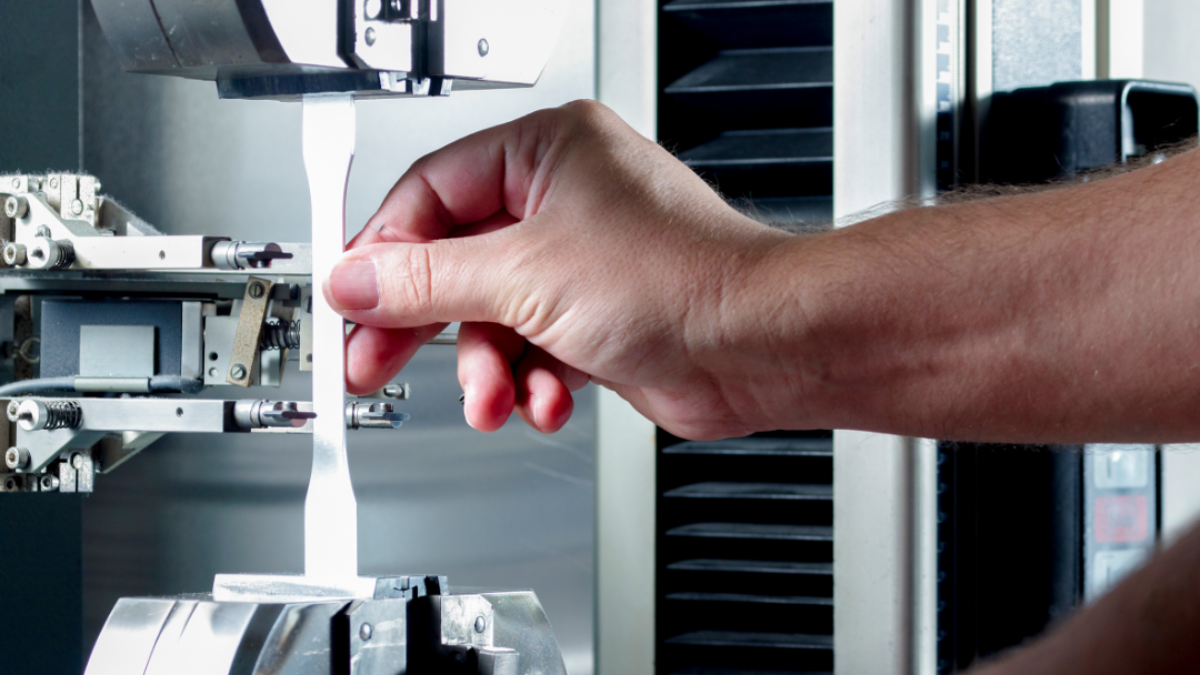
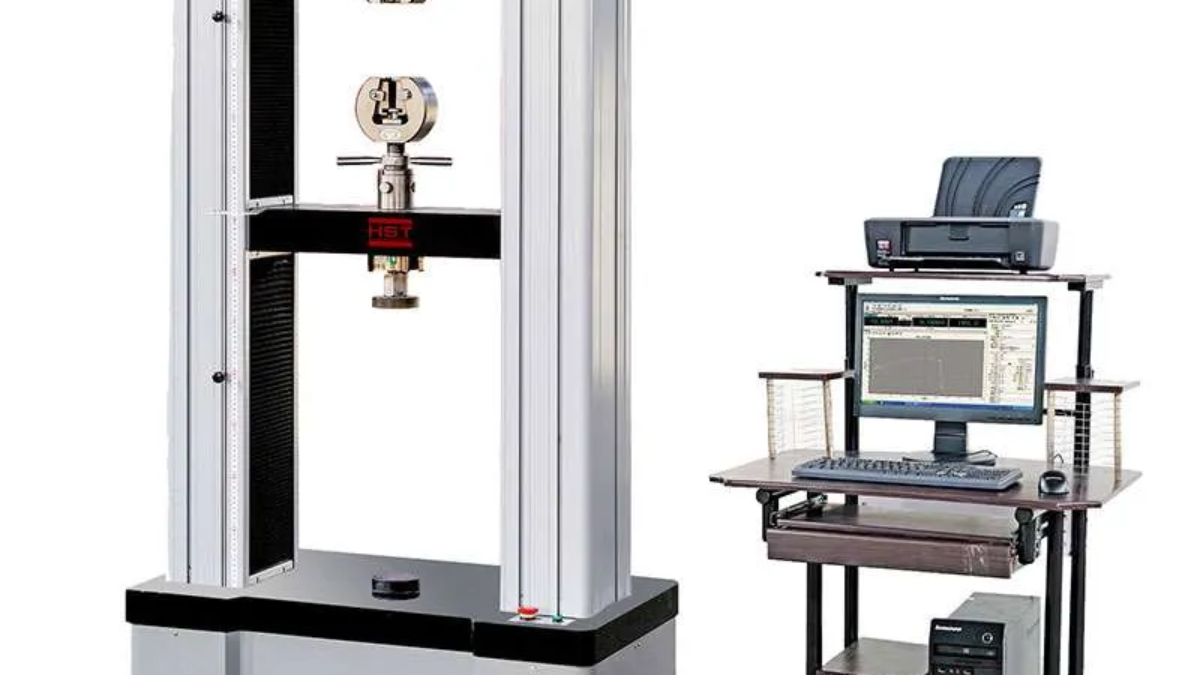
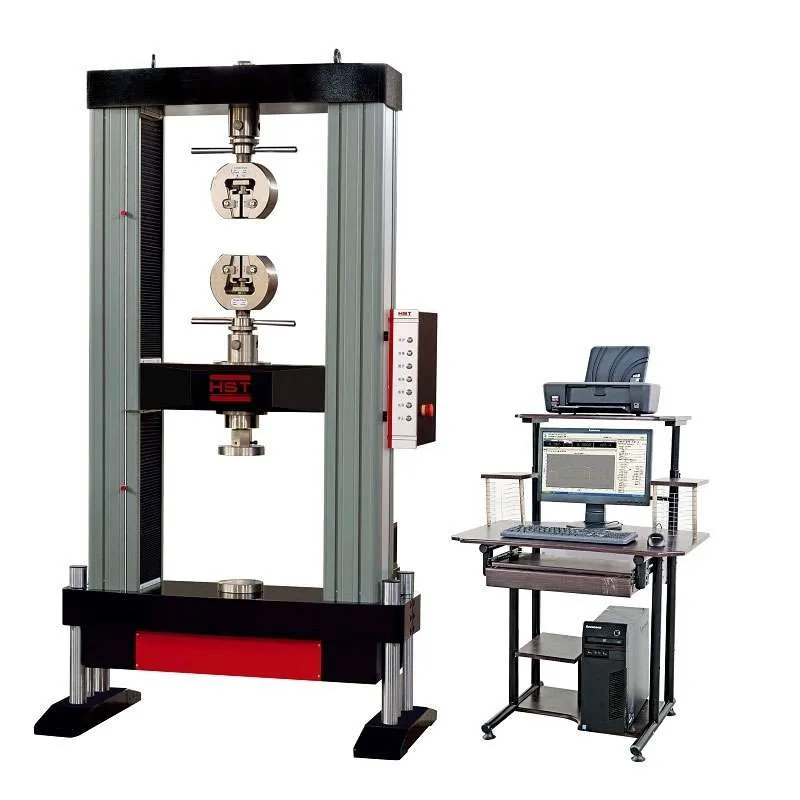
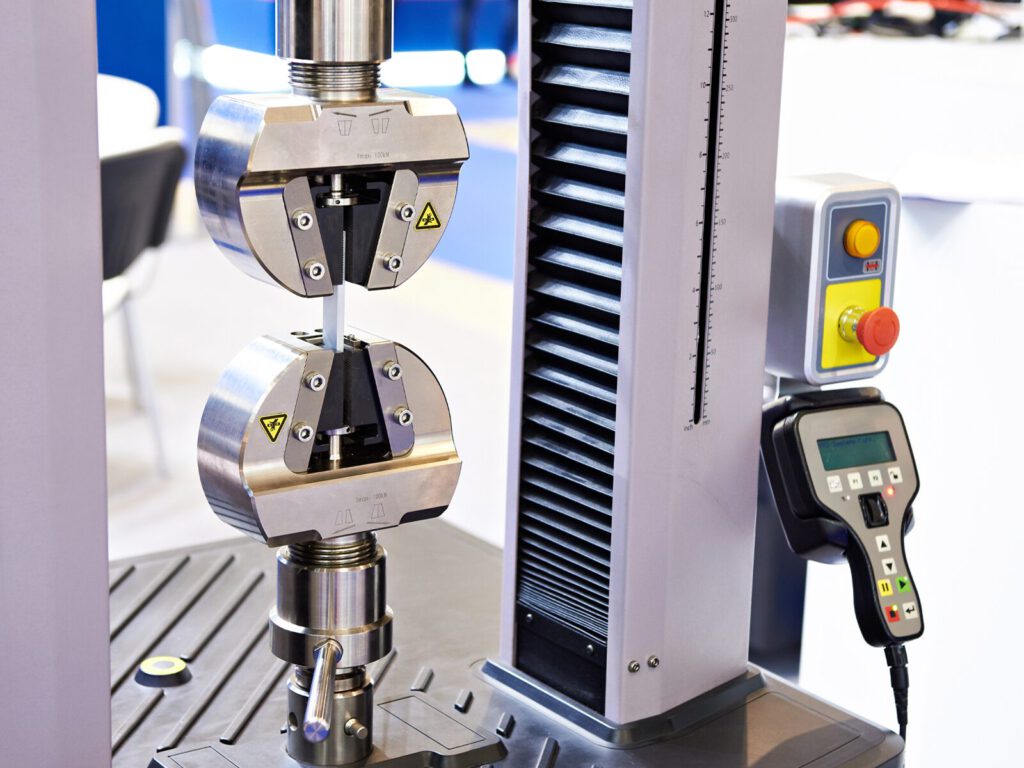
Tensile strength testing is one of the most widely used mechanical tests for evaluating how materials behave under pulling force conditions. The test measures the maximum stress a material can withstand before breaking or permanent deformation occurs.

Industries depend on tensile testing because products often experience tension during mechanical operation, structural loading, installation, product handling, transportation, assembly applications, and real-life service conditions. If tensile strength is poor, products may fail prematurely, resulting in cracking, stretching, deformation, or complete structural failure.

Why Industries Choose Kiyo R&D Lab for Tensile Strength Testing Services in Chennai

Mechanical testing requires accurate specimen preparation, calibrated equipment, controlled testing conditions, and reliable interpretation. Poor testing practices can lead to incorrect engineering decisions and inconsistent product quality.

Kiyo R&D Lab supports industries with professional tensile testing solutions designed for industrial applications and long-term product reliability.

Accurate Tensile Strength Evaluation

Tensile testing helps determine how materials respond under tensile loading conditions. This information is critical for manufacturers producing load-bearing components, flexible products, engineering materials, and structural applications.

Reliable Mechanical Testing Infrastructure

Reliable tensile testing requires systematic procedures and precision-controlled testing equipment. Kiyo R&D Lab follows professional testing practices to ensure dependable and repeatable results.

Support for Multiple Material Categories

Different materials behave differently under tensile loading conditions. Kiyo R&D Lab supports tensile testing for plastics, polymers, rubber materials, composite materials, packaging products, engineering plastics, industrial molded components, and flexible materials.

Importance of Tensile Strength Testing in Plastic Industries

Plastic materials are widely used because of their lightweight properties, design flexibility, and manufacturing advantages. However, not all plastics perform equally under tensile stress.

Tensile strength testing helps plastic manufacturers evaluate material strength, elongation behavior, yield performance, structural stability, product durability, and flexibility characteristics.

Poor tensile performance may result in cracking, stretching, or product failure during usage. Kiyo R&D Lab supports plastic industries with accurate tensile testing for quality control and product development applications.

Tensile Strength Testing for Rubber Materials

Rubber products often operate under stretching and dynamic loading conditions in automotive, industrial, sealing, and engineering applications.

Tensile testing helps evaluate elasticity, tensile strength, elongation at break, material flexibility, mechanical durability, and structural performance. Mechanical characterization becomes especially important for rubber products exposed to continuous movement or stress.

Composite Material Tensile Strength Evaluation

Composite materials are increasingly used in lightweight engineering applications because of their excellent strength-to-weight ratio. However, tensile performance is critical for structural reliability.

Tensile testing helps evaluate fiber reinforcement behavior, matrix bonding strength, structural stability, mechanical durability, and load-bearing capability.

Tensile Testing for Automotive Components

Automotive components experience continuous mechanical stress during operation and service conditions.

Tensile strength testing supports evaluation of engineering plastic parts, rubber components, composite structures, polymer assemblies, and flexible automotive materials. Automotive industries depend on tensile testing to improve product safety, structural reliability, and long-term durability.

Tensile Strength Testing for Packaging Materials

Packaging products experience tensile stress during filling, sealing, handling, transportation, and storage.

Tensile testing helps packaging manufacturers evaluate film strength, seal integrity, stretch resistance, mechanical durability, and product protection capability. Reliable tensile performance reduces packaging failure risks and improves product safety during logistics operations.

Factors Affecting Tensile Strength Performance

Tensile strength performance depends on multiple material and processing factors, including material composition, polymer structure, reinforcement content, filler loading, product thickness, processing conditions, temperature exposure, and additive compatibility.

Even small formulation changes can significantly affect tensile behavior. Professional testing helps industries identify performance variations before mass production.

Importance of Tensile Strength Testing in Product Development

Many manufacturers focus heavily on appearance and dimensional accuracy while ignoring mechanical durability. That creates long-term reliability risks.

Products may appear visually acceptable but still fail under operational loading conditions if tensile properties are inadequate.

Tensile strength testing helps industries improve material selection, optimize product design, compare formulations, improve quality consistency, validate supplier materials, support R&D activities, and reduce warranty-related failures.

Standardized Tensile Testing and Quality Validation

Industries often require tensile testing according to recognized standards for quality assurance and product comparison.

Tensile testing may involve controlled loading rates, defined specimen dimensions, stress-strain analysis, elongation measurement, load evaluation, and failure observation. Kiyo R&D Lab supports industries requiring systematic tensile strength evaluation using professional testing methodologies.

Industries Supported by Kiyo R&D Lab

Businesses searching for reliable Tensile Strength Testing Services in Chennai often require testing support across multiple industrial sectors.

Kiyo R&D Lab supports plastic manufacturers, polymer industries, rubber industries, automotive industries, packaging industries, composite manufacturers, engineering industries, electrical industries, consumer product manufacturers, and research organizations.

Benefits of Choosing Kiyo R&D Lab for Tensile Strength Testing

Advanced Mechanical Testing Capability

Kiyo R&D Lab supports advanced tensile strength testing for plastics, polymers, rubber materials, composites, packaging products, and engineering materials.

Support for R&D and Manufacturing Applications

The laboratory supports both industrial production and research applications requiring scientifically reliable mechanical testing.

Chennai and Oragadam Industrial Support

Kiyo R&D Lab supports industries across Chennai and Oragadam with professional mechanical testing services for plastics, rubber materials, composites, polymers, and industrial products.

Reliable Reporting and Technical Expertise

Reliable interpretation and technical reporting help industries make better engineering, quality control, and product development decisions.
Tensile Strength Testing Services in Chennai | Kiyo R&D Lab

Trusted Tensile Strength Testing Services in Chennai

Businesses searching online for dependable Tensile Strength Testing Services in Chennai require accurate mechanical testing, reliable reporting, technical expertise, and industry-focused material evaluation support.

Kiyo R&D Lab continues supporting industries with advanced tensile strength testing services for plastics, polymers, rubber materials, composites, packaging products, automotive components, and industrial materials.

With professional testing infrastructure, experienced technical support, and commitment to testing accuracy, Kiyo R&D Lab helps industries improve mechanical reliability, tensile performance, structural stability, product quality, and long-term durability.

Kiyo R&D Center & Laboratory – Advanced Materials Centre, Chrompet, Chennai
Kiyo R&D Center & Laboratory – Innovation Centre – Oragadam, Chennai
Phone: +91 90876 86986
Website: www.kiyorndlab.com

FAQ

Which materials can be tested using tensile strength testing?

Tensile strength testing can be performed on plastics, polymers, rubber compounds, composite materials, packaging films, engineering plastics, molded components, flexible materials, automotive parts, and industrial products where mechanical durability and load-bearing performance are important.

How does tensile testing help packaging material manufacturers?

Tensile testing helps packaging manufacturers evaluate film strength, seal integrity, stretch resistance, elongation performance, and mechanical durability. This helps reduce packaging failure, tearing, stretching damage, and product loss during transportation and storage.

Can Kiyo R&D Lab support tensile strength testing for R&D and quality control?

Yes. Kiyo R&D Lab supports tensile strength testing for both R&D and quality control applications. The testing helps industries compare materials, validate supplier quality, improve formulations, optimize product design, and confirm mechanical performance before production or customer approval.

Why should I choose Kiyo R&D Lab for Tensile Strength Testing Services in Chennai?

Kiyo R&D Lab provides professional Tensile Strength Testing Services in Chennai with reliable testing procedures, calibrated equipment support, technical reporting, and industry-focused mechanical testing for plastics, polymers, rubber materials, composites, packaging products, automotive components, and engineering materials.
FTIR Spectrometers Testing Lab in Chennai | Kiyo R&D Lab

FTIR Spectrometers Testing Lab in Chennai | Kiyo R&D Lab

FTIR Spectrometers Testing Lab in Chennai

Best FTIR Spectrometer Analysis Lab in Chennai – Kiyo R&D Lab

FTIR Spectrometers Testing

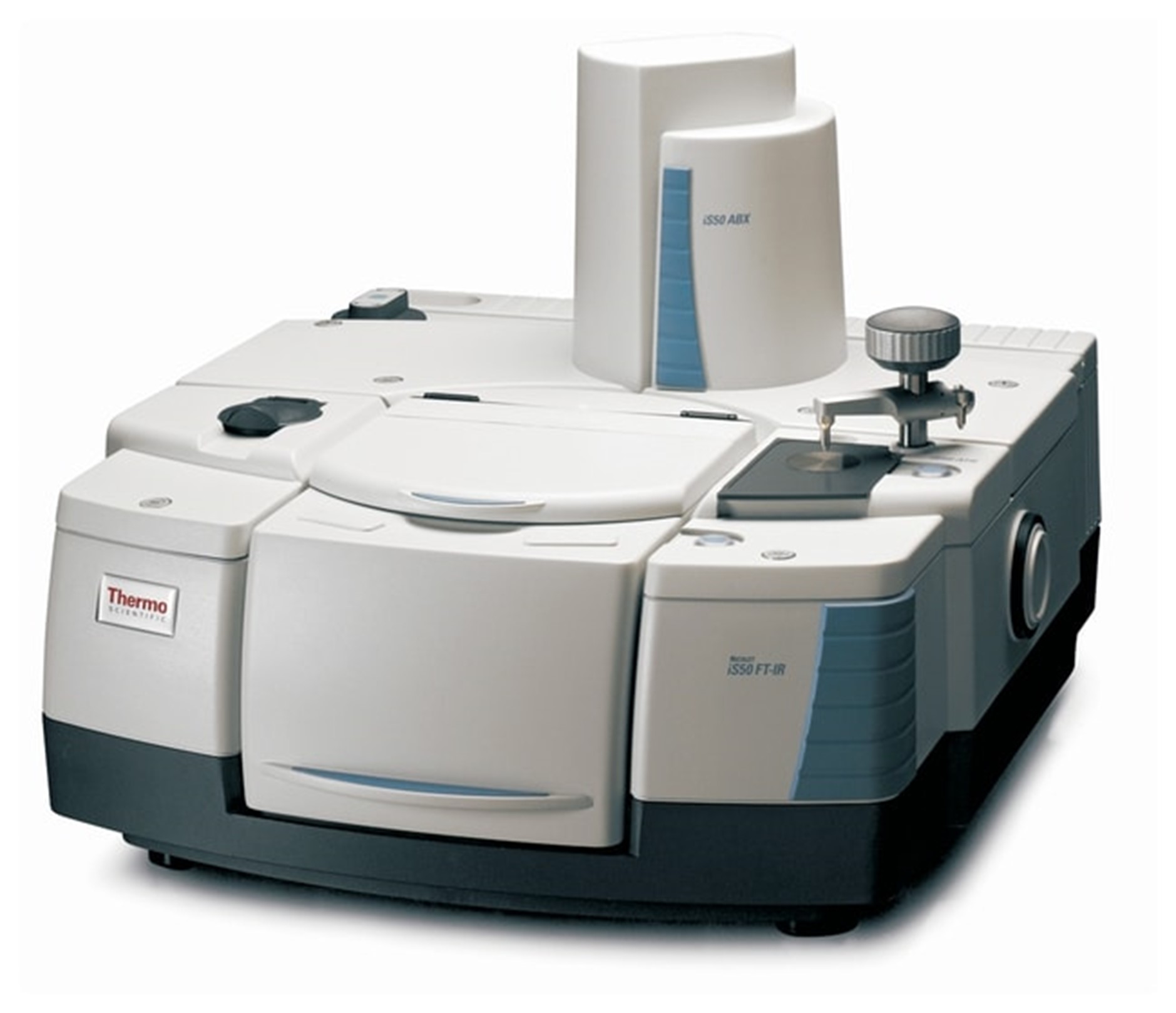
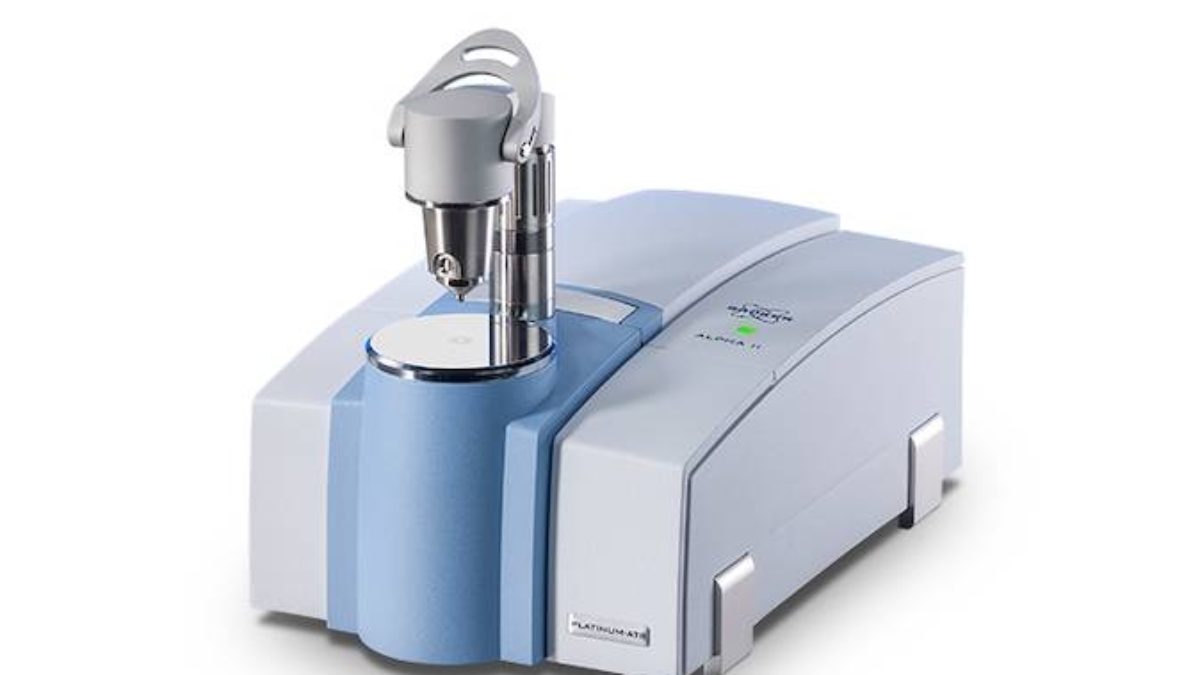
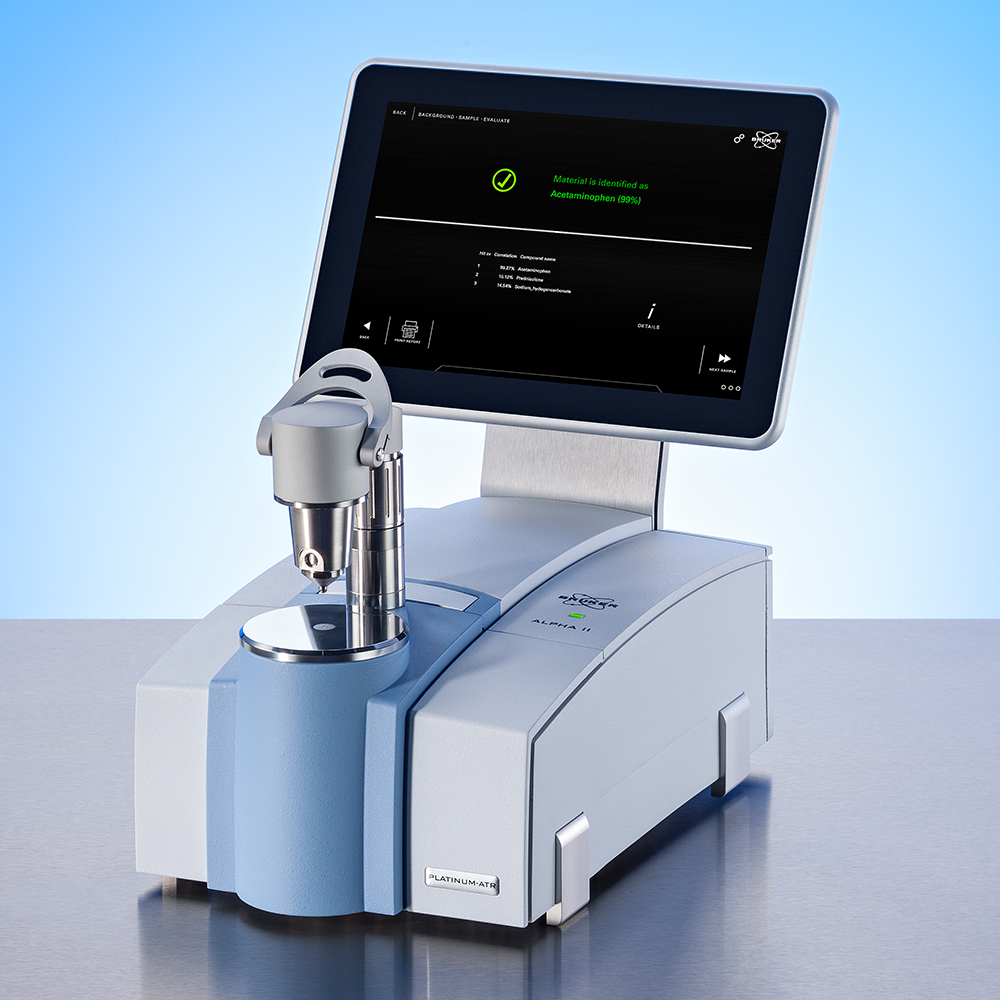
Material identification and chemical characterization are critical requirements across plastics, polymers, rubber materials, coatings, chemicals, adhesives, composites, and industrial manufacturing sectors. Industries today require advanced analytical techniques that provide reliable molecular-level information for quality control, product development, contamination analysis, and failure investigation. Businesses searching for a dependable FTIR Spectrometers Testing Lab in Chennai require accurate analytical support that helps identify unknown materials, compare formulations, detect contamination, and evaluate chemical composition with precision.

Kiyo R&D Lab provides professional FTIR spectrometer testing services for plastics, polymers, coatings, rubber materials, composites, chemicals, adhesives, and engineering products.

FTIR Spectrometers Testing Lab in Chennai | Kiyo R&D Lab

Advanced FTIR Spectrometer Testing for Material Characterization

FTIR spectrometer analysis, also known as Fourier Transform Infrared Spectroscopy, is widely used for identifying chemical structures and molecular composition in industrial materials.

FTIR spectrometers work by measuring how materials absorb infrared radiation across different wavelengths. Every material produces a unique infrared absorption pattern known as a spectral fingerprint. This fingerprint helps identify chemical compounds, polymers, additives, contaminants, and molecular structures.

Why Industries Choose Kiyo R&D Lab as an FTIR Spectrometers Testing Lab in Chennai

Analytical testing requires more than advanced instruments. Proper sample handling, reliable interpretation, technical expertise, and accurate reporting are equally important for meaningful analytical results.

Accurate Material Identification

FTIR spectrometer analysis helps industries confirm whether materials match expected specifications. This is critical for raw material validation, supplier verification, product comparison studies, reverse engineering, unknown sample identification, and material authentication.

Reliable Chemical Characterization

Chemical composition directly affects product performance, durability, processing behavior, and environmental resistance. FTIR spectrometer testing helps industries evaluate polymer chemistry, material compatibility, oxidation levels, chemical degradation, additive presence, and formulation differences.

Professional Analytical Reporting

Spectral data alone has limited value without technical interpretation. Kiyo R&D Lab provides professionally structured FTIR analysis reports that help industries understand material composition and analytical findings clearly.

FTIR Spectrometer Testing for Plastic and Polymer Industries

Plastic and polymer industries depend heavily on accurate material characterization because even small formulation variations can affect processing behavior and final product performance.

FTIR spectrometer testing helps evaluate polymer identification, additive-related variation, oxidation effects, material degradation, contamination presence, and chemical compatibility.

Rubber Material Analysis Using FTIR Spectrometers

Rubber compounds contain complex chemical systems involving elastomers, fillers, additives, curing agents, and processing chemicals.

FTIR analysis helps rubber industries evaluate polymer structure, material aging, oxidation-related changes, additive compatibility, unknown contamination, and compound comparison studies.

FTIR Spectrometer Testing for Paints and Coatings

Paint and coating manufacturers require advanced analytical testing to maintain formulation consistency and surface performance.

FTIR spectrometer analysis supports binder identification, coating comparison studies, surface contamination analysis, chemical degradation evaluation, and oxidation investigation.

Contamination Analysis Using FTIR Spectrometers

Unknown contamination is one of the biggest challenges faced by manufacturing industries. Contamination can affect appearance, processing behavior, mechanical properties, and product reliability.

FTIR spectrometer testing helps identify foreign particles, unknown residues, surface deposits, processing contamination, chemical traces, and material mismatch issues. Industries use FTIR analysis to identify contamination sources and reduce recurring quality problems.

FTIR Analysis for Failure Investigation

Many industrial product failures occur because of chemical incompatibility, oxidation, formulation variation, or environmental degradation.

FTIR spectrometer analysis helps industries investigate material degradation, oxidation behavior, unknown residues, surface contamination, polymer breakdown, and chemical incompatibility.

Importance of FTIR Spectrometer Testing in Quality Control

Many industries focus heavily on mechanical testing while ignoring chemical characterization. That creates long-term quality risks because chemical variation often affects performance before visible failure occurs.

FTIR spectrometer testing helps industries validate raw material quality, compare production batches, detect contamination, improve formulation consistency, support supplier approval, reduce rejection risks, and improve process control.

Composite Material and Adhesive Analysis

Composite materials and adhesives contain chemically complex systems that require advanced analytical evaluation.

FTIR spectrometer testing helps evaluate resin systems, adhesive chemistry, cure-related changes, surface contamination, chemical compatibility, and material degradation.

Industries Supported by Kiyo R&D Lab

Businesses searching for a professional FTIR Spectrometers Testing Lab in Chennai often require analytical support across multiple industrial sectors.

Kiyo R&D Lab supports plastic manufacturers, polymer industries, rubber industries, paint and coating industries, adhesive manufacturers, automotive industries, composite industries, chemical manufacturers, electrical industries, and research organizations.

Benefits of Choosing Kiyo R&D Lab for FTIR Spectrometer Testing

Advanced Analytical Capability

Kiyo R&D Lab supports advanced FTIR spectrometer testing for chemical characterization, contamination analysis, material identification, and degradation investigation.

Support for R&D and Production Applications

The laboratory supports both industrial production and research applications requiring scientifically reliable material analysis.

Chennai and Oragadam Industrial Support

Kiyo R&D Lab supports industries across Chennai and Oragadam with professional analytical services for plastics, polymers, coatings, chemicals, and engineering materials.
Reliable Reporting and Technical Expertise

Reliable analytical interpretation helps industries make better engineering, quality control, and product development decisions.

FTIR Spectrometers Testing Lab in Chennai | Kiyo R&D Lab

Trusted FTIR Spectrometers Testing Lab in Chennai

Businesses searching online for a dependable FTIR Spectrometers Testing Lab in Chennai require accurate analytical testing, reliable reporting, technical expertise, and industry-focused material characterization support.

Kiyo R&D Lab continues supporting industries with advanced FTIR spectrometer testing services for plastics, polymers, rubber materials, coatings, adhesives, composites, chemicals, and industrial products.

With professional analytical infrastructure, experienced technical support, and commitment to testing accuracy, Kiyo R&D Lab helps industries improve material identification, contamination control, quality assurance, chemical characterization, and long-term product reliability.

Kiyo R&D Center & Laboratory – Advanced Materials Centre, Chrompet, Chennai
Kiyo R&D Center & Laboratory – Innovation Centre – Oragadam, Chennai
Phone: +91 90876 86986
Website: www.kiyorndlab.com

FAQ

Why should I choose Kiyo R&D Lab as an FTIR Spectrometers Testing Lab in Chennai?

Kiyo R&D Lab provides professional FTIR Spectrometers Testing Lab in Chennai services with reliable analytical testing, technical interpretation, and industry-focused reporting for plastics, polymers, rubber materials, coatings, adhesives, composites, chemicals, and industrial products.

Which materials can be tested using FTIR spectrometer analysis?

FTIR spectrometer analysis can be used for plastics, polymers, rubber compounds, paints, coatings, adhesives, composite materials, powders, films, unknown residues, foreign particles, chemical deposits, and industrial materials where material identification or chemical comparison is required.

How does FTIR spectrometer testing help plastic and polymer manufacturers?

FTIR spectrometer testing helps plastic and polymer manufacturers identify polymer types, verify incoming raw materials, detect contamination, compare formulations, evaluate oxidation, analyze degradation, and improve quality control. This supports supplier validation, product development, and failure investigation.

Can Kiyo R&D Lab support FTIR spectrometer testing for R&D and quality control?

Yes. Kiyo R&D Lab supports FTIR spectrometer testing for both R&D and quality control applications. The testing helps industries compare materials, validate supplier quality, investigate failures, identify unknown samples, improve formulations, and confirm chemical composition before production or customer approval.

Impact Strength Izod Testing Lab in Chennai | Kiyo R&D Lab

Impact Strength Izod Testing Lab in Chennai | Kiyo R&D Lab

Impact Strength Izod Testing Lab in Chennai

Izod Impact Testing Services in Chennai for Plastics & Polymers

Impact Strength Izod Testing

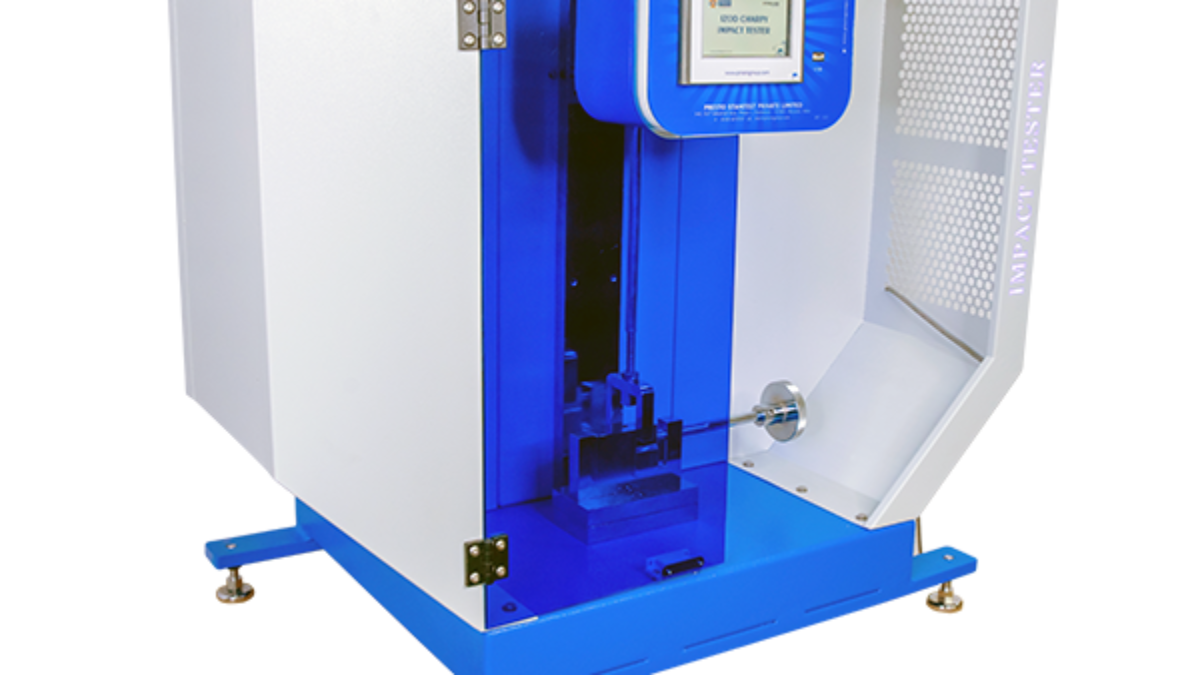
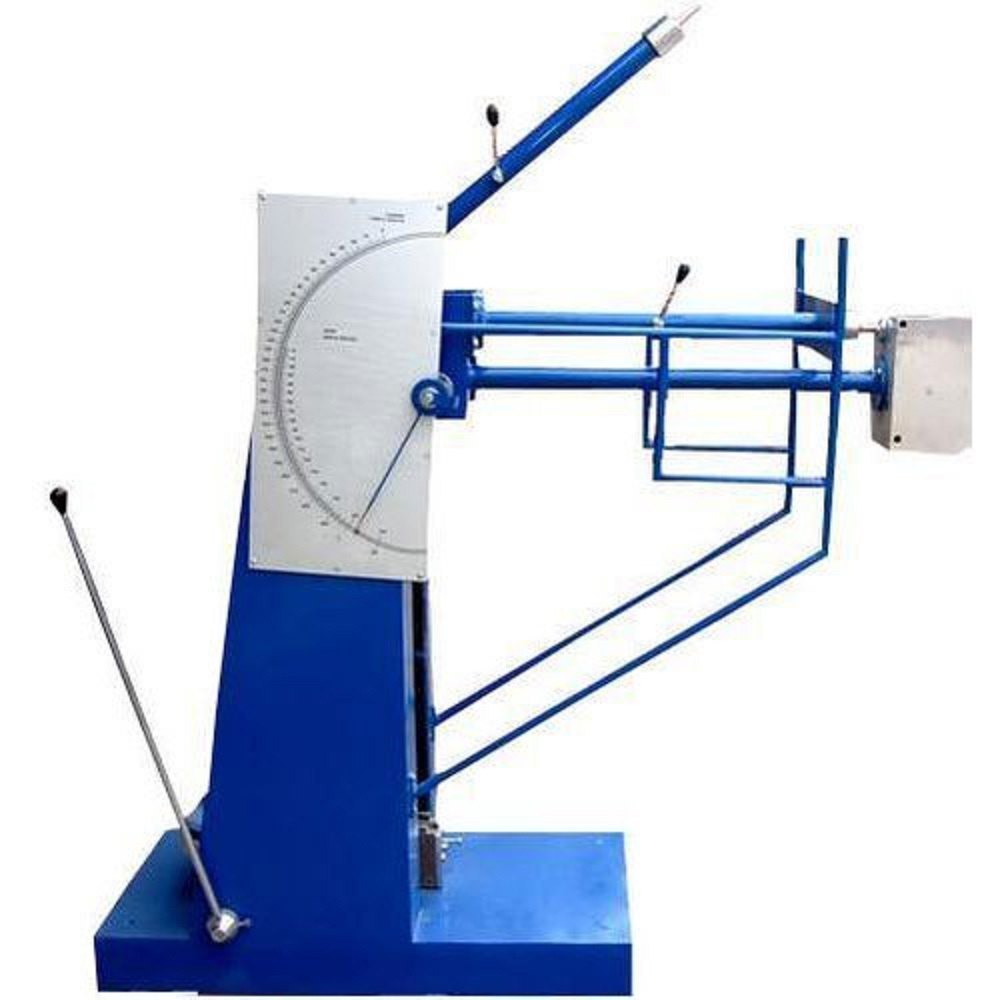
Product durability is one of the most critical requirements in modern manufacturing industries. Materials used in automotive components, plastic products, electrical applications, consumer goods, industrial equipment, and engineering products must withstand sudden forces without breaking or cracking. Industries searching for a reliable Impact Strength Izod Testing Lab in Chennai require accurate testing support to evaluate how materials behave under sudden impact conditions before products reach the market.

Kiyo R&D Lab provides professional Izod impact testing services for plastics, polymers, composites, rubber materials, and engineering products. The laboratory supports industries with dependable mechanical testing solutions that help evaluate material toughness, impact resistance, and structural durability under controlled testing conditions.

Impact Strength Izod Testing Lab in Chennai | Kiyo R&D Lab

Advanced Izod Impact Strength Testing for Material Durability Evaluation

Izod impact testing is one of the most important mechanical tests used to evaluate the ability of a material to resist sudden impact forces. The test measures the amount of energy absorbed by the specimen during fracture under specified conditions.

Manufacturers depend on Izod impact testing because many products experience unexpected shock loads, drops, collisions, or sudden mechanical stress during real-life applications. If impact resistance is poor, products may fail prematurely, leading to cracking, brittle fracture, structural damage, product failure, safety risks, customer complaints, and reduced product life.

Why Industries Choose Kiyo R&D Lab as an Impact Strength Izod Testing Lab in Chennai

Impact testing requires proper specimen preparation, accurate testing conditions, calibrated equipment, and reliable interpretation. Poor testing practices can lead to misleading results and incorrect material decisions.

Kiyo R&D Lab supports industries with professional impact testing solutions designed for product validation, quality assurance, material comparison, and R&D applications.

Accurate Impact Resistance Evaluation

Izod impact testing helps determine how materials behave when subjected to sudden force. This information is critical for manufacturers producing components exposed to handling stress, vibration, accidental drops, or mechanical shock.

Reliable Testing Infrastructure

Reliable impact testing requires controlled testing procedures and calibrated equipment. Kiyo R&D Lab follows systematic testing methods to ensure dependable and repeatable results for industrial applications.

Support for Multiple Material Types

Different materials behave differently under impact conditions. Kiyo R&D Lab supports Izod testing for engineering plastics, thermoplastics, thermoset materials, composite materials, rubber compounds, reinforced polymers, and industrial plastic components.

Importance of Izod Impact Testing in Plastic Industries

Plastic products are widely used in industries because of their lightweight properties, flexibility, and manufacturing advantages. However, not all plastics can withstand sudden impact forces equally.

Impact strength testing helps plastic manufacturers understand whether materials can tolerate accidental dropping, mechanical shock, handling stress, transportation impact, and environmental stress conditions. Low impact resistance can result in cracking, brittleness, and customer dissatisfaction.

Kiyo R&D Lab supports plastic industries with accurate Izod impact testing for product quality evaluation and formulation improvement.

Izod Impact Testing for Automotive Components

Automotive industries require materials with excellent impact resistance because vehicle components experience vibration, movement, and mechanical stress throughout their life cycle.

Izod testing supports evaluation of interior plastic components, dashboard materials, trim parts, engineering polymer components, and exterior plastic assemblies. Automotive manufacturers depend on impact strength data to improve passenger safety and component durability.

Composite Material Impact Strength Evaluation

Composite materials are increasingly used in lightweight engineering applications. However, composite structures can behave differently under impact loading compared to traditional materials.

Izod impact testing helps evaluate fiber reinforcement performance, matrix bonding quality, structural toughness, crack propagation resistance, and composite durability. Kiyo R&D Lab supports composite manufacturers with reliable mechanical testing solutions for advanced material characterization.

Electrical and Electronics Industry Applications

Electrical and electronic components often require high-impact resistance because products may experience handling stress during installation, transportation, or service conditions.

Impact testing helps evaluate insulating materials, plastic enclosures, connector housings, engineering polymer parts, and protective casings. Impact resistance becomes especially important for products exposed to outdoor environments or industrial usage conditions.

Factors Affecting Izod Impact Strength

Material impact resistance depends on several important factors, including polymer structure, filler content, reinforcement type, material thickness, processing conditions, temperature, additive compatibility, and moisture absorption.

Even small formulation or processing changes can significantly affect impact strength performance. Professional testing helps manufacturers identify performance variations before commercial production.

Importance of Impact Strength Testing in Product Development

Many manufacturers focus only on tensile strength, hardness, or appearance while ignoring impact resistance. That approach creates long-term product risks. A material with high strength may still fail under sudden shock if toughness is inadequate.

Izod impact testing helps industries improve material formulation, optimize product design, compare material grades, improve quality consistency, validate supplier materials, support new product development, and reduce warranty failures.

Standardized Testing and Quality Validation

Industries often require standardized testing methods to ensure consistency and product comparison. Izod impact testing may be conducted according to recognized ASTM impact testing methods, ISO impact testing standards, and industry-specific requirements.

Controlled testing conditions help industries obtain reliable and comparable performance data. Kiyo R&D Lab supports industries requiring systematic impact strength evaluation using professional testing practices.

Benefits of Choosing Kiyo R&D Lab for Izod Impact Testing

Reliable Quality Control Support

Impact testing helps manufacturers verify whether products meet mechanical durability expectations before production release.

Faster Material Comparison

Testing helps industries compare different formulations, raw materials, fillers, additives, and reinforcement systems efficiently.

Support for R&D and Production Teams

Kiyo R&D Lab supports both research and production environments with mechanical testing solutions that improve engineering decisions and product performance.

Chennai and Oragadam Industrial Support

Kiyo R&D Lab supports industries across Chennai and Oragadam with advanced mechanical testing services for plastics, polymers, composites, and engineered materials.

Impact Strength Izod Testing Lab in Chennai | Kiyo R&D Lab

Trusted Impact Strength Izod Testing Lab in Chennai

Businesses searching online for a reliable Impact Strength Izod Testing Lab in Chennai require more than basic testing support. They need accurate testing procedures, dependable reporting, technical interpretation, and industry-focused analytical capability.

Kiyo R&D Lab continues supporting industries with advanced Izod impact testing services for plastics, composites, rubber materials, engineering polymers, automotive components, and industrial products.

With professional testing infrastructure, experienced technical support, and commitment to quality, Kiyo R&D Lab helps industries improve impact resistance, product durability, mechanical reliability, and long-term performance.

Kiyo R&D Center & Laboratory – Advanced Materials Centre, Chrompet, Chennai
Kiyo R&D Center & Laboratory – Innovation Centre – Oragadam, Chennai
Phone: +91 90876 86986
Website: www.kiyorndlab.com

FAQ

Why should I choose Kiyo R&D Lab as an Impact Strength Izod Testing Lab in Chennai?

Kiyo R&D Lab provides professional Impact Strength Izod Testing Lab in Chennai services with reliable testing procedures, calibrated equipment support, technical reporting, and industry-focused mechanical testing for plastics, composites, polymers, rubber materials, automotive components, and industrial products.

Which materials can be tested using Izod impact testing?

Izod impact testing can be used for engineering plastics, thermoplastics, thermoset materials, polymer sheets, composite materials, reinforced plastics, rubber-based materials, automotive plastic components, electrical enclosures, and industrial molded products where impact resistance is important.

How does impact strength testing help in automotive component development?

Impact strength testing helps automotive manufacturers evaluate the durability of plastic trim parts, dashboard materials, exterior components, interior panels, and engineering polymer assemblies. It supports material selection, product safety, quality validation, and long-term component reliability.

What factors affect Izod impact strength results?

Izod impact strength results can be affected by material type, polymer grade, specimen thickness, notch quality, filler content, reinforcement type, processing conditions, temperature, moisture absorption, and additive compatibility. Controlled testing is important to obtain reliable and comparable results.

Can Kiyo R&D Lab support Izod impact testing for R&D and quality control?

Yes. Kiyo R&D Lab supports Izod impact testing for both R&D and quality control applications. The testing helps industries compare materials, validate supplier quality, improve product design, evaluate formulation changes, and confirm mechanical durability before production or customer approval.

Taber Abraser Test Services in Chennai | Kiyo R&D Lab

Taber Abraser Test Services in Chennai | Kiyo R&D Lab

Taber Abraser Test Services in Chennai

Taber Abrasion Testing for Plastics & Coatings in Chennai

Taber Abraser Test Services

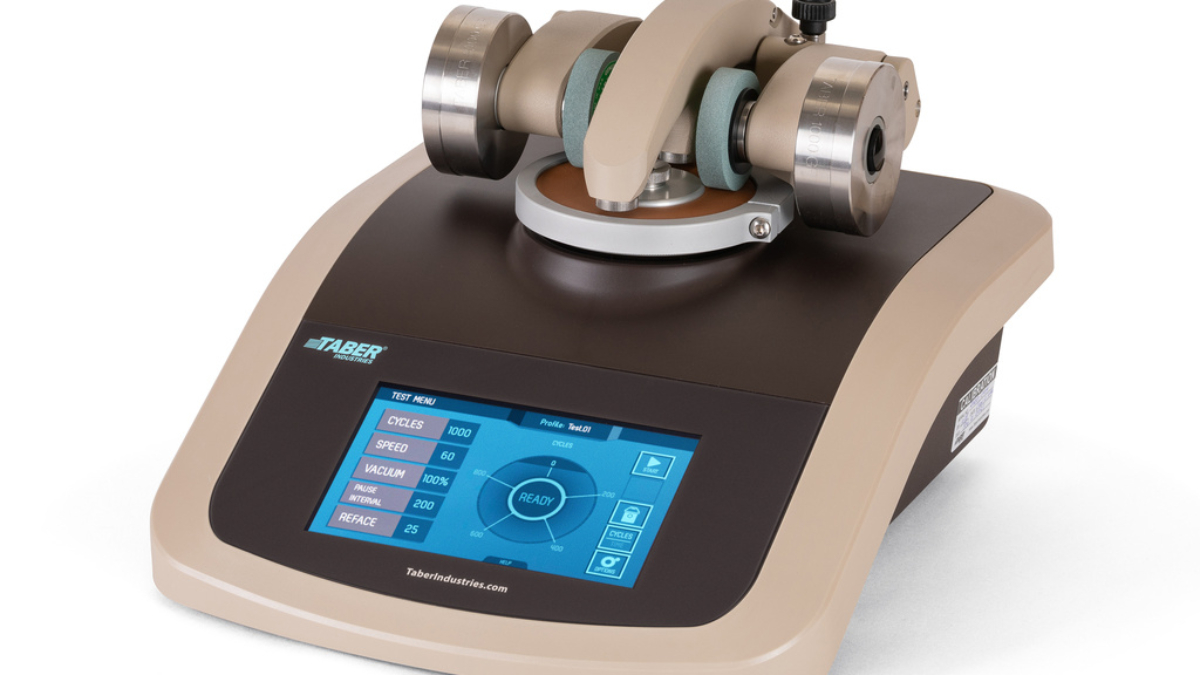
Surface durability is one of the most important performance factors in modern industrial materials. Whether it is plastic components, painted surfaces, coatings, laminates, flooring materials, textiles, automotive interiors, or polymer products, abrasion resistance directly affects product life, appearance, and customer satisfaction. Industries searching for reliable Taber Abraser Test Services in Chennai require accurate testing support that helps evaluate wear resistance, coating durability, and long-term material performance under repeated abrasive conditions.

Kiyo R&D Lab provides professional Taber Abraser testing services for industries requiring dependable abrasion resistance evaluation, quality validation, product development support, and performance analysis.

Taber Abraser Test Services in Chennai | Kiyo R&D Lab

Advanced Taber Abraser Testing for Surface Durability Evaluation

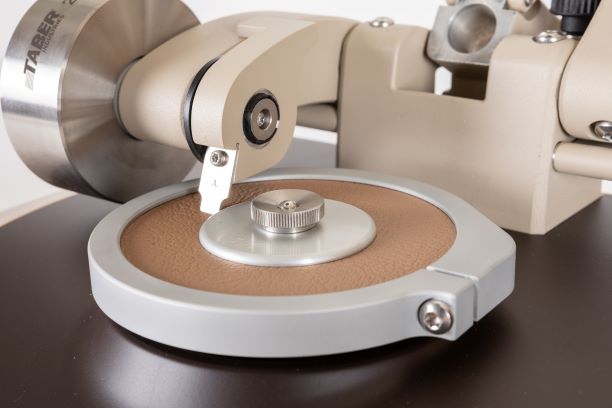
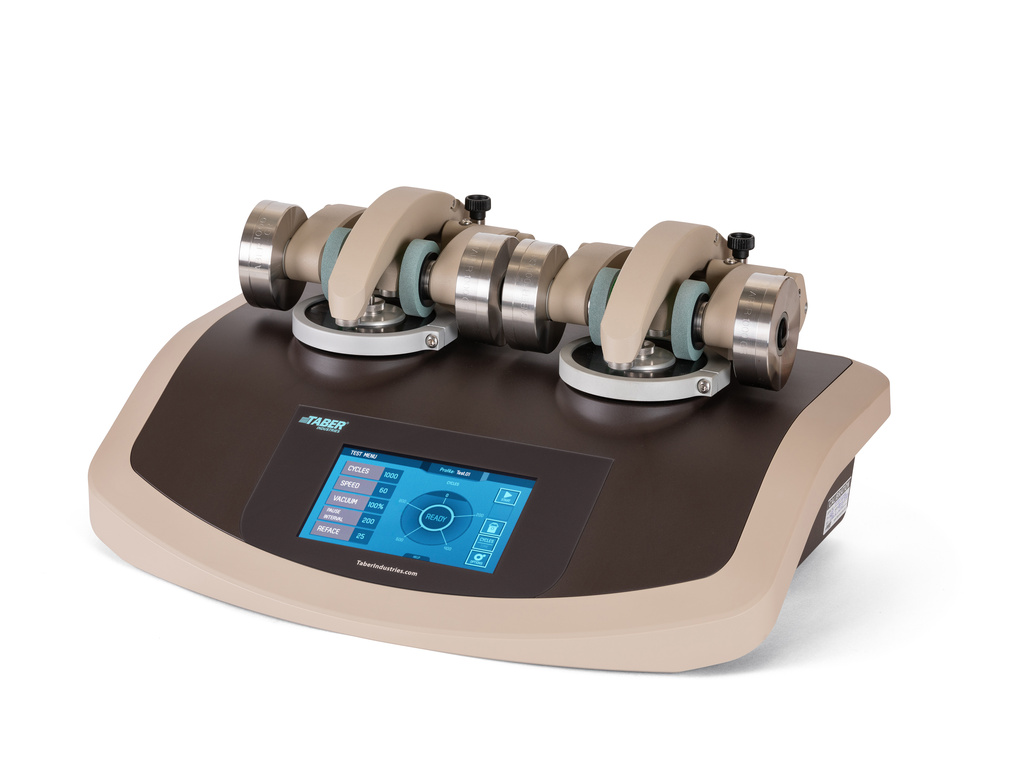
The Taber Abraser test is widely used for evaluating abrasion resistance in materials and coatings. The test measures how surfaces respond to controlled wear under rotating abrasive wheels and specified loading conditions.

Industries depend on Taber abrasion testing because products are constantly exposed to friction, rubbing, handling, mechanical contact, and environmental wear during real-life usage. If abrasion resistance is poor, products may experience surface damage, coating removal, gloss reduction, material thinning, appearance deterioration, reduced product life, and performance failure.

Why Industries Choose Kiyo R&D Lab for Taber Abraser Test Services in Chennai

Testing laboratories are not equal in capability. Abrasion testing requires proper test control, suitable abrasive wheel selection, calibrated loading conditions, and accurate interpretation of wear behavior.

Kiyo R&D Lab supports industries with reliable abrasion testing solutions that help manufacturers improve product durability and maintain quality standards.

Accurate Abrasion Resistance Evaluation

Taber Abraser testing helps determine how materials behave under repeated abrasive action. This is important for products exposed to continuous handling, movement, cleaning, or friction.

Professional Testing Procedures

Reliable testing requires controlled testing parameters. Kiyo R&D Lab follows systematic testing procedures to ensure dependable and repeatable abrasion resistance evaluation.

Industrial Application Expertise

Abrasion resistance requirements vary depending on industry application. Automotive interiors, coatings, plastics, laminates, and flooring materials all behave differently under wear conditions. Kiyo R&D Lab supports industry-specific testing requirements with technical understanding and analytical support.

Applications of Taber Abraser Testing Across Industries

Industries searching for Taber Abraser Test Services in Chennai often require testing for product validation, durability analysis, or quality comparison studies.

Plastic Industry Applications

Plastic materials frequently experience surface wear during handling and usage. Taber abrasion testing helps evaluate surface scratch resistance, wear performance, gloss retention, surface durability, and coating adhesion stability.

Paint and Coating Industry Testing

Painted surfaces and protective coatings must resist abrasion to maintain performance and visual quality. Taber Abraser testing supports coating wear resistance evaluation, surface finish durability, protective coating validation, performance comparison between formulations, and product quality improvement.

Automotive Component Testing

Automotive industries require abrasion-resistant surfaces for both interior and exterior components. Testing helps evaluate dashboard coating durability, plastic trim wear resistance, interior material performance, surface finish retention, and decorative coating durability.

Flooring and Laminate Testing

Flooring materials constantly experience foot traffic and friction. Taber Abraser testing helps determine long-term wear performance under simulated usage conditions. This is critical for industrial flooring, decorative laminates, surface-coated panels, and vinyl flooring systems.

Textile and Fabric Surface Evaluation

Certain coated fabrics and industrial textiles require abrasion resistance testing to evaluate long-term durability and surface retention.

Importance of Abrasion Resistance Testing in Product Development

Many manufacturers focus heavily on appearance and mechanical properties while ignoring surface wear behavior. That is a mistake. A product may initially look visually attractive but fail quickly under repeated handling or friction if abrasion resistance is poor.

Taber abrasion testing helps industries improve product life, reduce customer complaints, compare alternative materials, improve coating formulations, validate supplier quality, support product development, and improve surface engineering.

Factors Affecting Abrasion Resistance Performance

Surface durability depends on multiple factors, including material composition, coating thickness, filler loading, surface hardness, additive quality, manufacturing process, and curing conditions.

Even small formulation changes can affect wear resistance significantly. Professional testing helps manufacturers identify performance variations before products reach customers.

Standards and Controlled Testing Conditions

Industries often require standardized testing methods to ensure reliable product comparison and compliance evaluation. Taber Abraser testing may involve specified abrasive wheels, defined load conditions, controlled rotation cycles, weight loss analysis, and visual surface evaluation.

Kiyo R&D Lab supports industries requiring systematic abrasion resistance evaluation using controlled testing procedures.

Benefits of Choosing Kiyo R&D Lab for Taber Abraser Testing

Reliable Quality Validation

Abrasion resistance testing helps manufacturers verify whether products meet performance expectations before commercial use.

Faster Product Comparison

Testing allows industries to compare multiple materials, coatings, or formulations efficiently during R&D and supplier evaluation programs.

Support for Multiple Industries

Kiyo R&D Lab supports abrasion resistance testing requirements for plastic industries, paint and coating manufacturers, automotive industries, packaging industries, flooring manufacturers, composite material manufacturers, consumer product industries, and decorative laminate industries.

Chennai and Oragadam Industrial Support

Kiyo R&D Lab supports industries across Chennai and Oragadam with advanced material testing services designed for quality assurance and product reliability.

Taber Abraser Testing for Quality Control and Research Applications

Modern industries require scientific testing support to maintain competitive product performance. Taber abrasion testing helps companies improve quality consistency and reduce long-term wear-related failures.

Kiyo R&D Lab supports routine quality control testing, product development projects, material comparison studies, surface durability analysis, coating performance validation, and customer complaint investigations.

Taber Abraser Test Services in Chennai | Kiyo R&D Lab

Trusted Taber Abraser Test Services in Chennai

Businesses searching online for reliable Taber Abraser Test Services in Chennai need more than basic laboratory support. They require accurate testing, controlled evaluation procedures, reliable reporting, and technical expertise that supports better product decisions.

Kiyo R&D Lab continues supporting industries with advanced abrasion resistance testing solutions for plastics, coatings, laminates, automotive components, flooring materials, textiles, and engineered products.

With professional analytical capability, industry-focused testing support, and commitment to quality, Kiyo R&D Lab helps industries improve product durability, surface performance, wear resistance, and long-term reliability.

Kiyo R&D Center & Laboratory – Advanced Materials Centre, Chrompet, Chennai
Kiyo R&D Center & Laboratory – Innovation Centre – Oragadam, Chennai
Phone: +91 90876 86986
Website: www.kiyorndlab.com

FAQ

Why should I choose Kiyo R&D Lab for Taber Abraser Test Services in Chennai?

Kiyo R&D Lab provides professional Taber Abraser Test Services in Chennai with controlled testing procedures, reliable reporting, and industry-focused support for plastics, coatings, laminates, flooring materials, textiles, automotive interiors, and polymer products. The lab helps clients evaluate surface durability and improve product performance.

Which materials can be tested using the Taber Abraser test?

The Taber Abraser test can be used for plastics, painted surfaces, coatings, laminates, flooring materials, textiles, coated fabrics, automotive interior parts, polymer sheets, decorative panels, and other engineered materials where abrasion resistance and surface durability are important.

How does Taber abrasion testing help paint and coating manufacturers?

Taber abrasion testing helps paint and coating manufacturers evaluate coating wear resistance, surface finish durability, gloss retention, protective coating performance, and formulation consistency. This testing is useful for comparing different coating systems and improving long-term product durability.

What results are usually reported in Taber Abraser testing?

Taber Abraser testing may report weight loss, wear index, visual surface changes, coating removal, gloss reduction, or other wear-related observations depending on the test method and client requirement. These results help industries understand the abrasion resistance performance of the tested material.

Thermal Gravity Analysis Lab in Chennai | TGA Testing – Kiyo R&D Lab

Thermal Gravity Analysis Lab in Chennai | TGA Testing – Kiyo R&D Lab

Thermal Gravity Analysis Lab in Chennai

Best Thermal Gravity Analysis Lab in Chennai for Plastics & Polymers

Thermal Gravity Analysis

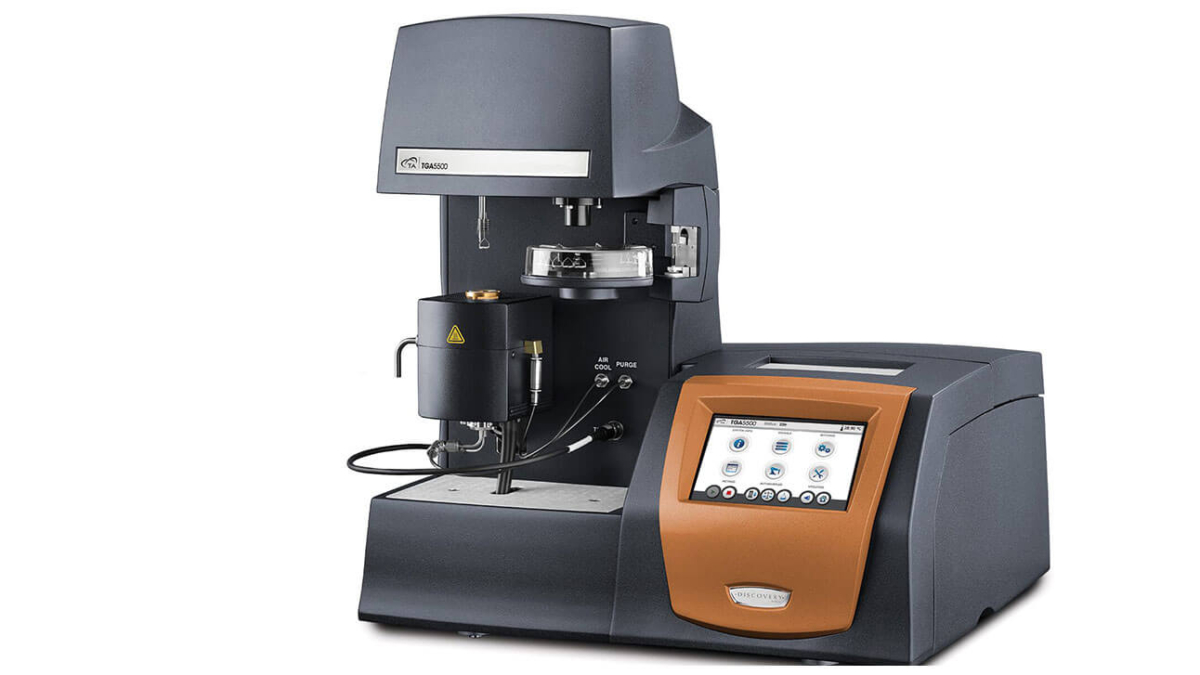
Modern industries no longer rely only on visual inspection or basic material testing when evaluating product quality. Today’s manufacturers require advanced thermal characterization to understand how materials behave under controlled heating conditions. That is exactly why industries across plastics, rubber, composites, coatings, electrical components, and advanced polymers depend on a reliable Thermal Gravity Analysis Lab in Chennai for accurate material evaluation and thermal stability assessment.

Kiyo R&D Lab has established itself as a trusted analytical laboratory offering advanced Thermal Gravity Analysis services for industries that demand precision, repeatability, and reliable material performance data.

Thermal Gravity Analysis Lab in Chennai | TGA Testing – Kiyo R&D Lab

Advanced Thermal Gravity Analysis for Accurate Material Characterization

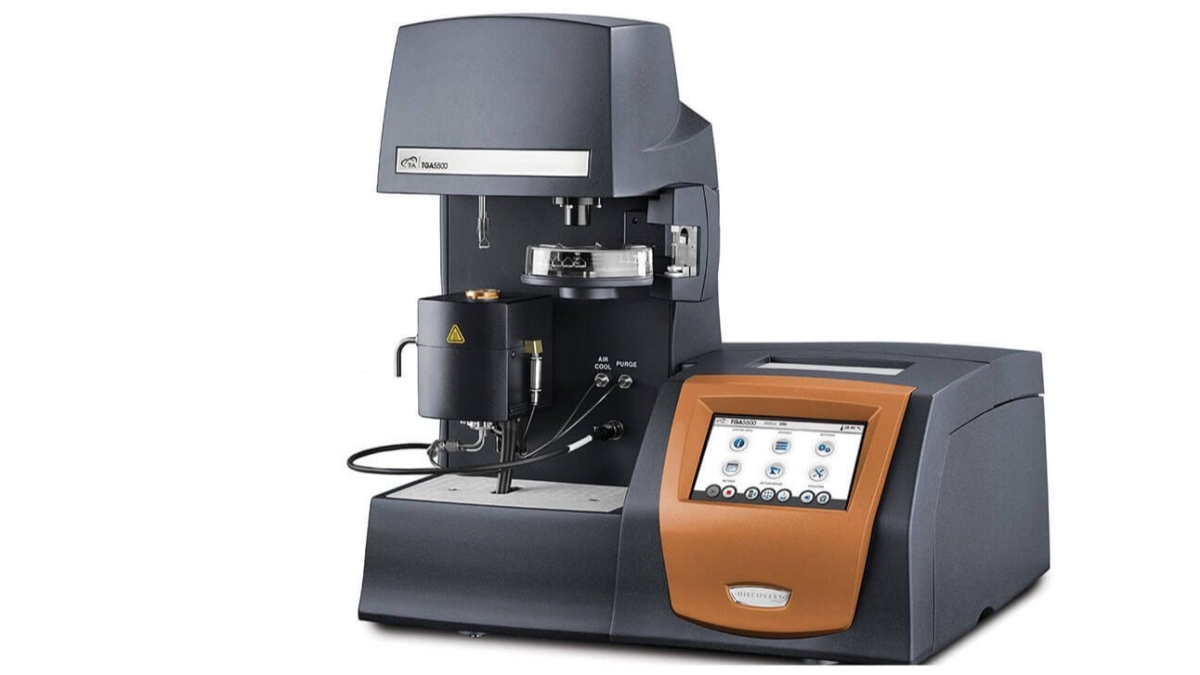
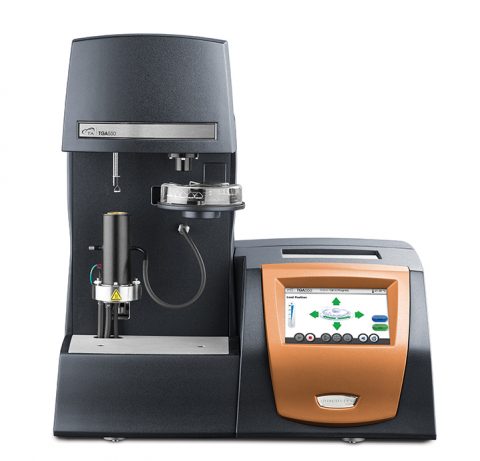
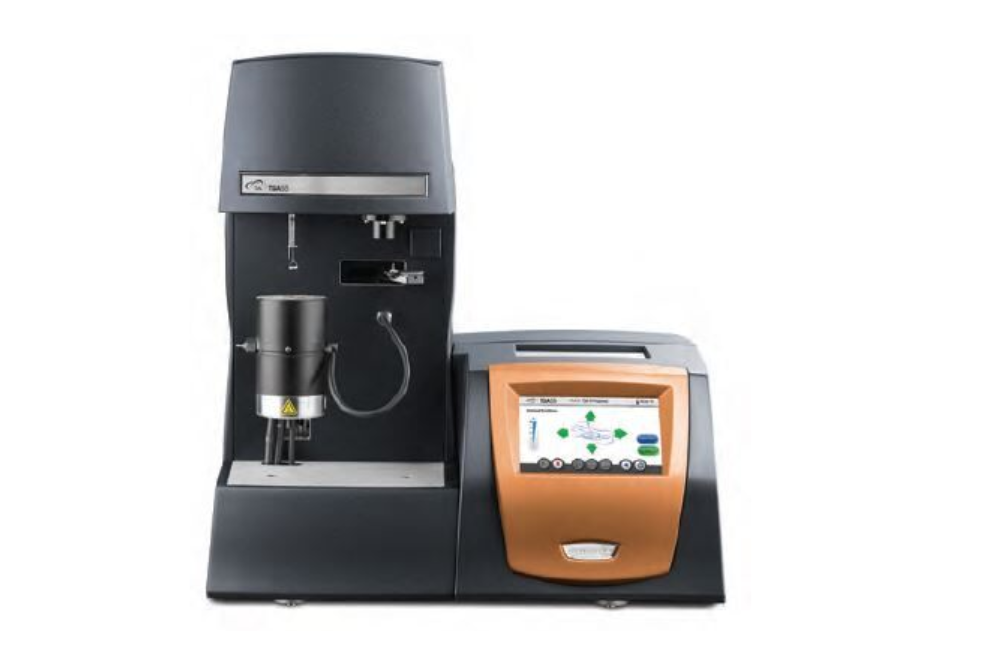
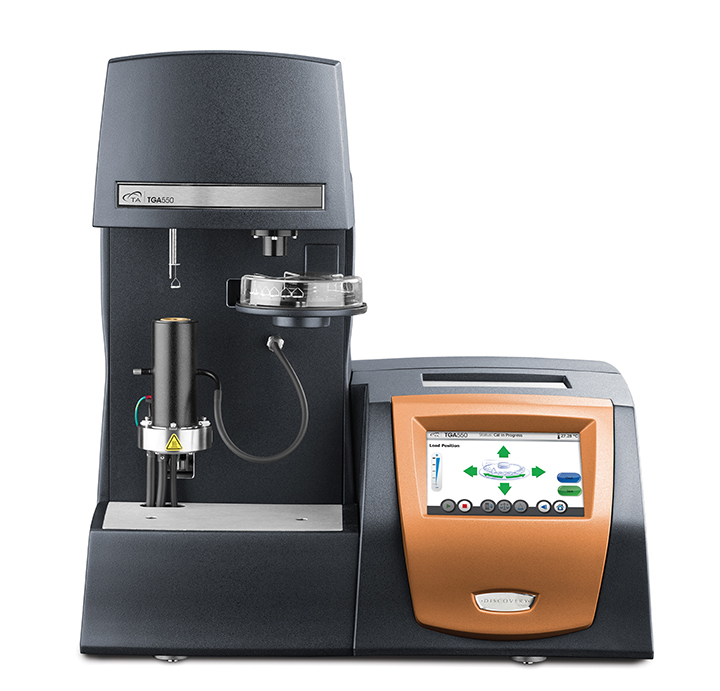
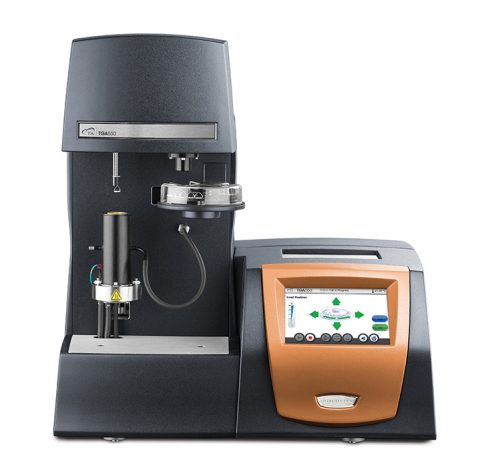
Thermal Gravity Analysis, commonly known as TGA, is one of the most important analytical techniques used to measure weight changes in materials as temperature increases under controlled atmospheric conditions. The analysis helps determine thermal stability, decomposition behavior, filler content, moisture percentage, ash content, oxidation resistance, and material composition.

Industries today require accurate thermal data because even small variations in material formulation can affect product quality, durability, safety, and processing performance. Kiyo R&D Lab provides highly accurate TGA analysis that helps manufacturers understand material behavior before production failures occur.

For industries working with engineering plastics, rubber compounds, composites, coatings, or high-performance polymers, thermal characterization is no longer optional. It is part of modern quality assurance and product development.

Why Industries Choose Kiyo R&D Lab as a Thermal Gravity Analysis Lab in Chennai

Many laboratories provide testing services, but industries look for more than just instruments. They require technical expertise, reliable reporting, scientific interpretation, and consistent testing practices.

Kiyo R&D Lab supports manufacturers with advanced thermal analysis solutions designed for industrial applications and R&D requirements.

Accurate Thermal Stability Evaluation

Thermal stability directly affects product performance. Poor thermal resistance can result in premature material degradation, reduced product life, processing instability, color changes, mechanical property reduction, and safety risks in high-temperature applications.

Kiyo R&D Lab helps industries identify these issues through detailed Thermal Gravity Analysis.

High-Precision Analytical Equipment

Advanced TGA instruments are used to evaluate material decomposition patterns and weight-loss behavior under controlled temperature programs. High-precision thermal analysis helps industries obtain dependable data for research, validation, and quality assurance.

Reliable Analytical Reporting

Testing alone has limited value if reports are not technically useful. Kiyo R&D Lab provides analytical reports with clear thermal behavior interpretation, decomposition stages, residue evaluation, and material observations that support engineering and production decisions.

Applications of Thermal Gravity Analysis in Industrial Materials

Thermal Gravity Analysis is widely used across multiple industries because thermal behavior affects manufacturing performance and end-use durability.

Plastic Industry Applications

Plastic manufacturers use Thermal Gravity Analysis for thermal stability studies, polymer degradation analysis, filler content determination, additive evaluation, moisture content analysis, composition comparison, and product quality verification.

Even slight formulation inconsistencies can impact molding performance and final product quality. TGA analysis helps identify such variations quickly.

Rubber Material Analysis

Rubber industries require thermal analysis for evaluating carbon black content, ash residue percentage, thermal degradation characteristics, polymer composition, filler concentration, and oxidative stability.

These insights are critical for improving compound consistency and durability.

Composite Material Characterization

Composite manufacturers use TGA analysis to evaluate resin content, fiber-to-matrix ratio, thermal decomposition stages, reinforcement behavior, and material stability under heat exposure.

Thermal characterization helps maintain structural integrity in advanced composite applications.

Paint and Coating Industry Support

Paint and coating industries use Thermal Gravity Analysis for binder analysis, pigment stability evaluation, thermal decomposition study, coating formulation comparison, and quality consistency assessment.

Accurate thermal analysis helps improve coating reliability and performance under varying environmental conditions.

Electrical and Electronics Industry Applications

Electrical industries depend on thermal stability because excessive heat exposure can affect insulation performance and component safety.

TGA analysis supports flame-retardant material evaluation, insulation stability studies, polymer degradation analysis, thermal resistance verification, and electronic material validation.

This is especially important in high-temperature electrical applications.

Importance of Thermal Gravity Analysis in Product Development

Many industries invest heavily in product development without fully understanding thermal behavior during actual operating conditions. This creates long-term risks.

Thermal Gravity Analysis helps industries improve formulation quality, select suitable raw materials, compare material performance, identify degradation temperatures, improve processing conditions, validate supplier consistency, and enhance product reliability.

Thermal characterization allows manufacturers to reduce production failures and improve customer confidence.

Thermal Decomposition Analysis for Failure Investigation

One of the major advantages of selecting an experienced Thermal Gravity Analysis Lab in Chennai is the ability to support material failure investigations.

Unexpected product failures often occur due to improper thermal resistance, material contamination, incorrect filler loading, poor additive compatibility, thermal oxidation, and processing instability.

Kiyo R&D Lab performs detailed thermal decomposition analysis to identify how and when materials break down under heat exposure.

Understanding decomposition behavior helps industries improve material formulation and production quality.

Industries Supported by Kiyo R&D Lab

Kiyo R&D Lab supports thermal analysis requirements for a wide range of industries, including plastic manufacturers, rubber industries, composite material industries, automotive component manufacturers, electrical and electronics industries, paint and coating manufacturers, medical device manufacturers, polymer compound manufacturers, packaging industries, and research and development organizations.

Each industry requires precise thermal data to maintain quality and product performance standards.

Benefits of Choosing Kiyo R&D Lab for Thermal Gravity Analysis

Industry-Focused Testing Approach

Kiyo R&D Lab understands real industrial challenges rather than performing only routine testing. The laboratory focuses on providing meaningful analytical support that helps manufacturers solve material-related problems.

Chennai and Oragadam Support

Kiyo R&D Lab supports industries across Chennai, Oragadam, and surrounding industrial regions with advanced material testing and analytical services.

Reliable Technical Interpretation

Thermal analysis data requires technical interpretation. Without proper understanding, industries may make incorrect material decisions. Kiyo R&D Lab provides scientifically reliable observations that support better engineering judgment.

Faster Quality Validation

Manufacturers often require rapid thermal analysis support during production trials, vendor approval, and customer complaint investigations. Efficient testing support helps reduce production delays and quality risks.

Thermal Gravity Analysis for Quality Control and R&D

Modern R&D and quality control systems depend heavily on advanced analytical testing. Thermal Gravity Analysis helps industries maintain consistency in raw materials and finished products.

Kiyo R&D Lab supports both routine production testing and advanced R&D investigations for material improvement programs.

The laboratory helps industries evaluate batch consistency, material purity, decomposition characteristics, residual content, filler percentage, thermal resistance, and oxidative behavior.

This level of analysis is essential for companies focused on long-term product reliability.

Thermal Gravity Analysis Lab in Chennai | TGA Testing – Kiyo R&D Lab

Trusted Thermal Gravity Analysis Lab in Chennai

Businesses searching for a dependable Thermal Gravity Analysis Lab in Chennai require more than a standard testing provider. They need a laboratory capable of delivering accurate thermal characterization, reliable reporting, and industry-relevant analytical support.

Kiyo R&D Lab continues supporting industries with advanced Thermal Gravity Analysis services for plastics, rubber, composites, coatings, electrical materials, and engineered products.

With professional testing infrastructure, advanced analytical capability, and technical expertise in material evaluation, Kiyo R&D Lab helps industries improve quality, reliability, thermal stability, and product performance.

Kiyo R&D Center & Laboratory – Advanced Materials Centre, Chrompet, Chennai
Kiyo R&D Center & Laboratory – Innovation Centre – Oragadam, Chennai
Phone: +91 90876 86986
Website: www.kiyorndlab.com

FAQ

Why should industries choose Kiyo R&D Lab as a Thermal Gravity Analysis Lab in Chennai?

Kiyo R&D Lab provides advanced Thermal Gravity Analysis services with high-precision instruments, industry-focused testing support, reliable reporting, and accurate thermal characterization for plastics, rubber, composites, coatings, polymers, and engineering materials. The laboratory supports both quality control and research applications.

Which industries commonly use Thermal Gravity Analysis testing services?

Thermal Gravity Analysis testing is widely used by plastic manufacturers, rubber industries, automotive component manufacturers, composite material industries, paint and coating manufacturers, electrical and electronics industries, medical device manufacturers, packaging industries, and research laboratories for thermal characterization and material evaluation.

How does Thermal Gravity Analysis help in polymer and plastic testing?

TGA analysis helps plastic and polymer manufacturers identify thermal degradation temperatures, filler percentages, additive stability, processing behavior, and material consistency. It is especially useful for improving formulation quality, validating raw materials, and reducing production-related defects.

What are the advantages of using Thermal Gravity Analysis for failure investigation?

Thermal Gravity Analysis helps identify material degradation, thermal instability, oxidation problems, additive incompatibility, and decomposition-related failures. It provides detailed thermal behavior information that supports root-cause analysis and helps industries improve material performance and product durability.

NABL Accredited Calibration Lab in Chennai | Kiyo R&D Lab

NABL Accredited Calibration Lab in Chennai | Kiyo R&D Lab

NABL Accredited Calibration Lab in Chennai

Best NABL Calibration Lab in Chennai for Accurate Measurement

NABL Accredited Calibration Lab

When measurement is wrong, every decision after that becomes weak. Product quality, testing accuracy, inspection confidence, and audit acceptance all depend on reliable calibration. That is why choosing a NABL accredited calibration lab in Chennai – Kiyo R&D Lab is important for companies that cannot afford measurement errors.

At Kiyo R&D Lab, calibration support is focused on accuracy, traceability, and compliance. The goal is not just to issue a certificate, but to help clients maintain confidence in their instruments, testing systems, and quality processes.

NABL Accredited Calibration Lab in Chennai | Kiyo R&D Lab

Why NABL Accredited Calibration Lab in Chennai – Kiyo R&D Lab Matters

Many companies treat calibration as a routine checklist activity. That is a mistake. Calibration directly affects test results, product validation, customer acceptance, and audit performance.

By choosing a NABL accredited calibration lab in Chennai – Kiyo R&D Lab, clients can improve confidence in:

  • Measurement accuracy
  • Instrument performance
  • Testing and inspection reliability
  • Audit-ready documentation
  • ISO/IEC 17025 and ISO 9001 quality requirements
  • Customer and regulatory acceptance

What NABL Calibration Means for Your Instruments

NABL-accredited calibration is not just a label on a certificate. It means the calibration process is controlled, traceable, and technically reliable. It involves defined procedures, calibrated reference standards, proper environmental conditions, uncertainty evaluation, and documented records.

A professional NABL accredited calibration lab in Chennai – Kiyo R&D Lab helps clients prove that their instruments are checked against reliable standards and that the results can be defended during audits and customer reviews.

Calibration Services for Industrial and Laboratory Instruments

Every instrument used for testing, production, inspection, or quality control can drift over time. If calibration is ignored, the instrument may continue giving results that look normal but are actually wrong.

Common calibration support areas include:

  • Mechanical calibration for force, load, tensile, and compression-related instruments
  • Dimensional calibration for vernier calipers, micrometers, gauges, and measuring tools
  • Thermal calibration for ovens, temperature sensors, chambers, and temperature indicators
  • Pressure calibration for gauges, transmitters, and pressure measuring devices
  • Electrical calibration for voltage, current, resistance, and measuring instruments
  • Mass and weighing balance calibration for laboratory and industrial use

What Clients Actually Need from a Calibration Lab

Clients do not need just a calibration sticker. They need confidence that their instrument is suitable for use. A proper calibration report should help answer practical questions.

  • Is the instrument accurate enough for my process?
  • Is the error within acceptable limits?
  • Can this certificate support customer or audit requirements?
  • Does the instrument need adjustment, repair, or replacement?
  • What is the right calibration interval?

Kiyo R&D Lab focuses on calibration support that helps clients make better quality decisions, not just complete documentation.

Why Measurement Accuracy is Non-Negotiable

A small measurement error can create a major business problem. If a testing machine, weighing balance, temperature chamber, or measuring tool is not calibrated properly, the final result may be misleading.

Wrong measurements can lead to rejected products, failed audits, customer disputes, incorrect test reports, and production losses. Working with a NABL accredited calibration lab in Chennai – Kiyo R&D Lab helps reduce these risks.

NABL Accredited Calibration Lab in Chennai for Audit and Compliance Support

Calibration plays an important role in quality management systems. During audits, calibration records are often reviewed carefully. Missing calibration certificates, expired calibration dates, non-traceable reports, or unclear uncertainty data can create non-conformities.

Calibration support is useful for:

  • ISO/IEC 17025 laboratory audits
  • ISO 9001 quality management audits
  • Customer audits and supplier approvals
  • Internal quality control records
  • Equipment maintenance and verification programs

A reliable calibration system protects your quality process from avoidable audit issues.

Industries That Need Calibration Services in Chennai

Calibration is required wherever measurements affect product quality, safety, acceptance, or compliance.

Common industries include:
  • Material testing laboratories
  • Automotive component manufacturers
  • Plastic, rubber, and polymer industries
  • Electrical and electronics companies
  • Medical device and pharmaceutical industries
  • Engineering and manufacturing units
  • Research and development laboratories
  • Quality control and inspection departments

Why Choose Kiyo R&D Lab for Calibration in Chennai

A calibration lab should provide more than a certificate. It should support measurement confidence, audit readiness, and practical quality control.

Clients choose NABL accredited calibration lab in Chennai – Kiyo R&D Lab because of:

  • Traceable calibration approach
  • Technical support for instrument accuracy
  • Clear certificates for audit and quality documentation
  • Support for testing labs and manufacturing industries
  • Professional communication and reliable service handling
NABL Accredited Calibration Lab in Chennai | Kiyo R&D Lab

Contact Kiyo R&D Lab for Calibration Services in Chennai

If you are looking for a reliable NABL accredited calibration lab in Chennai – Kiyo R&D Lab, our team can support your calibration requirements with accurate measurement support, traceable documentation, and professional service.

Website: www.kiyorndlab.com
Phone: 090876 86986

FAQ

Where can I find a NABL accredited calibration lab in Chennai?

You can contact Kiyo R&D Lab if you are looking for a NABL accredited calibration lab in Chennai for instrument calibration, measurement traceability, audit documentation, and quality control support.

Why should I choose a NABL accredited calibration lab instead of a regular calibration provider?

A NABL accredited calibration lab follows controlled procedures, traceable standards, uncertainty evaluation, and documented methods. This gives stronger confidence during audits, customer reviews, and quality system verification.

How often should instruments be calibrated?

Calibration frequency depends on instrument usage, measurement criticality, past calibration history, manufacturer recommendation, and quality system requirements. Critical instruments usually need closer monitoring.

What is measurement traceability in calibration?

Measurement traceability means the calibration result can be linked through an unbroken chain of comparisons to national or international measurement standards. This helps prove reliability of measurement data.

Why should clients choose Kiyo R&D Lab for calibration services?

Clients should choose Kiyo R&D Lab because the lab focuses on accurate calibration support, traceability, audit-ready documentation, technical guidance, and reliable service for quality-critical measurements.

Thermogravimetry Analysis Services in Chennai | Kiyo R&D Lab

Thermogravimetry Analysis Services in Chennai | Kiyo R&D Lab

Thermogravimetry Analysis Services in Chennai

TGA Thermogravimetry Analysis Services in Chennai – Kiyo R&D Lab

Thermogravimetry Analysis Services

When a material is exposed to heat, its true behavior becomes visible. Moisture may evaporate, volatile compounds may release, polymers may degrade, and fillers may remain as residue. If this behavior is not tested properly, product decisions become risky. That is why thermogravimetry analysis services in Chennai – Kiyo R&D Lab are important for industries working with plastics, rubber, coatings, composites, packaging, and industrial materials.

At Kiyo R&D Lab, thermogravimetry analysis is used to understand how materials behave under controlled heating conditions. The test helps clients evaluate thermal stability, weight loss, decomposition behavior, moisture content, volatile content, filler content, ash content, and final residue.

Thermogravimetry Analysis Services in Chennai | Kiyo R&D Lab

Why Thermogravimetry Analysis Services in Chennai – Kiyo R&D Lab Matter

A material may look acceptable at room temperature but fail when exposed to heat during processing, storage, transport, or actual application. This is common in polymers, rubber, coatings, adhesives, and composite materials.

By choosing thermogravimetry analysis services in Chennai – Kiyo R&D Lab, clients can:

  • Evaluate thermal stability of materials
  • Detect moisture and volatile content
  • Measure filler, ash, or residue content
  • Understand decomposition temperature ranges
  • Compare approved and failed samples
  • Check supplier batch consistency
  • Support quality control and failure investigation

What Thermogravimetry Analysis Reveals About Materials

Thermogravimetry analysis, commonly connected with TGA testing, measures the change in sample weight as temperature increases. The result is shown as a weight-loss curve that helps explain how a material changes under heat.

Key outputs from thermogravimetry analysis include:

  • Moisture loss at lower temperature ranges
  • Volatile compound release
  • Polymer degradation stages
  • Thermal stability limits
  • Filler content estimation
  • Ash or residue percentage
  • Comparison between different material batches

At Kiyo R&D Lab, results are interpreted based on the client’s material, application, and testing objective. A graph alone is not enough. The result must help the client take a clear decision.

Thermogravimetry Analysis Services for Plastics, Rubber and Polymers

Thermogravimetry analysis is widely used for plastic, polymer, and rubber materials because these materials often contain fillers, additives, plasticizers, carbon black, stabilizers, and volatile components.

For plastics and polymers, TGA helps evaluate degradation temperature, filler percentage, moisture content, and thermal stability. For rubber and elastomer samples, it can help study volatile loss, polymer degradation, carbon black content, ash content, and residue formation depending on the test method.

TGA Testing for Coatings, Composites and Industrial Materials

Thermogravimetry analysis is also useful for coatings, paints, adhesives, composites, powders, and industrial raw materials. It helps identify how much material is lost during heating and how much remains as residue.

For coatings, it can support formulation comparison and volatile content analysis. For composites, it can support filler and matrix evaluation. For raw materials, it helps verify consistency between different supplier batches.

How Thermogravimetry Analysis is Performed at Kiyo R&D Lab

A professional thermogravimetry analysis services in Chennai – Kiyo R&D Lab process requires controlled testing conditions. A small sample is placed in the TGA instrument and heated under defined conditions. The instrument continuously measures weight change as temperature increases.

Typical testing workflow:

  • Sample review and preparation
  • Placement of sample in the thermogravimetric analyzer
  • Controlled heating under selected atmosphere
  • Continuous measurement of sample weight
  • Generation of weight-loss curve
  • Technical interpretation and report preparation

Testing conditions such as heating rate, sample quantity, atmosphere, and temperature range can affect the result. That is why proper method control matters.

What Clients Need from Thermogravimetry Analysis Services

Clients do not need just a curve. They need answers that support technical and business decisions. Kiyo R&D Lab focuses on practical reporting that helps clients understand material behavior clearly.

Thermogravimetry analysis can help answer:

  • Is this material thermally stable enough?
  • Does this batch match the approved reference sample?
  • Is there excess moisture or volatile content?
  • Is filler or ash content within expected limits?
  • Could heat exposure be causing the product failure?
  • Is the supplier material consistent?

Why Accuracy Matters in Thermogravimetry Analysis

Incorrect thermal analysis can lead to wrong material approval, poor product design, customer rejection, and repeated failures. This is why testing must be performed carefully with controlled conditions and proper interpretation.

Kiyo R&D Lab focuses on accurate sample handling, controlled heating, reliable measurement, and clear reporting. This makes thermogravimetry analysis services in Chennai – Kiyo R&D Lab useful for quality teams, R&D teams, manufacturers, and supplier approval processes.

Industries That Need Thermogravimetry Analysis Services in Chennai

Thermogravimetry analysis is useful across industries where heat affects product performance, safety, and reliability.

Common industries include:
  • Plastic and polymer manufacturing
  • Rubber and elastomer industries
  • Automotive component manufacturing
  • Electrical and electronics industries
  • Paint, coating and adhesive industries
  • Composite material manufacturers
  • Packaging and industrial product sectors
  • Research and product development teams
Thermogravimetry Analysis Services in Chennai | Kiyo R&D Lab

Contact Kiyo R&D Lab for Thermogravimetry Analysis in Chennai

If you are looking for reliable thermogravimetry analysis services in Chennai – Kiyo R&D Lab, our team can support your requirement with accurate TGA testing, practical interpretation, and professional reporting.

Website: www.kiyorndlab.com
Phone: 090876 86986

FAQ

What is thermogravimetry analysis used for?

Thermogravimetry analysis is used to measure weight change in a material during heating. It helps evaluate thermal stability, decomposition behavior, moisture content, volatile content, filler content, ash content, and residue percentage.

Can TGA testing be used for rubber materials?

Yes. TGA testing can be used for rubber and elastomer materials to evaluate volatile content, polymer degradation, carbon black content, filler content, ash content, and thermal stability depending on the test condition.

How much sample is required for thermogravimetry analysis?

Thermogravimetry analysis usually requires only a small quantity of sample. The exact quantity depends on material type, test condition, sample form, and reporting requirement.

Why should clients choose Kiyo R&D Lab for thermogravimetry analysis?

Clients should choose Kiyo R&D Lab because the lab provides accurate thermogravimetry analysis, practical interpretation, professional reporting, and technical support for quality control, R&D, supplier approval, and failure investigation.

Thermal Gravimetric Analysis Lab in Chennai | Kiyo R&D Lab

Thermal Gravimetric Analysis Lab in Chennai | Kiyo R&D Lab

Thermal Gravimetric Analysis Lab in Chennai

Best TGA Testing Lab in Chennai for Plastics, Polymers & Rubber

Thermal Gravimetric Analysis

When materials are exposed to heat, their real behavior becomes clear. Moisture evaporates, volatile compounds are released, polymers degrade, fillers remain, and residue forms. If this thermal behavior is not measured properly, product decisions are made based on assumptions. That is why choosing a reliable thermal gravimetric analysis lab in Chennai – Kiyo R&D Lab is important for industries that depend on material quality and performance.

At Kiyo R&D Lab, thermal gravimetric analysis, commonly known as TGA, is used to understand how materials behave under controlled temperature conditions. This test helps clients evaluate thermal stability, decomposition behavior, moisture content, volatile content, filler content, ash content, and residue percentage.

Thermal Gravimetric Analysis Lab in Chennai | Kiyo R&D Lab

Why Thermal Gravimetric Analysis Lab in Chennai – Kiyo R&D Lab Matters

A material may look suitable at room temperature but fail when exposed to heat during processing, storage, or actual use. This is common in plastics, polymers, rubber, coatings, adhesives, composites, and industrial materials.

By choosing thermal gravimetric analysis lab in Chennai – Kiyo R&D Lab, clients can:

  • Evaluate thermal stability of materials
  • Detect moisture and volatile content
  • Measure filler, residue, or ash content
  • Understand decomposition temperature ranges
  • Compare approved and failed samples
  • Support quality control and product validation
  • Investigate heat-related material failures

What Thermal Gravimetric Analysis Reveals About Materials

Thermal gravimetric analysis measures the change in sample weight as temperature increases. The result is shown as a weight-loss curve, which helps identify how the material changes during heating.

Key information from TGA includes:

  • Moisture loss at lower temperatures
  • Volatile compound release
  • Polymer degradation behavior
  • Thermal stability limits
  • Filler content estimation
  • Ash or residue percentage

At Kiyo R&D Lab, the result is not treated as only a graph. It is reviewed based on material type, application, and client requirement so the report supports real technical decisions.

How Thermal Gravimetric Analysis is Performed at Kiyo R&D Lab

A professional thermal gravimetric analysis lab in Chennai – Kiyo R&D Lab follows a controlled testing process. A small sample is placed in the TGA instrument and heated under defined conditions. The instrument continuously measures the weight change as the temperature increases.

Typical TGA workflow:

  • Sample review and preparation
  • Placement of sample in TGA instrument
  • Controlled heating under specified conditions
  • Continuous weight measurement
  • Generation of weight loss versus temperature curve
  • Interpretation and professional reporting

Controlled testing conditions are important because heating rate, atmosphere, sample quantity, and method settings can influence the result.

Thermal Gravimetric Analysis Lab in Chennai for Plastics, Polymers and Rubber

TGA is widely used for plastics, polymers, rubber, and elastomers because these materials often contain multiple components such as polymers, plasticizers, fillers, carbon black, additives, and inorganic residue.

For plastic and polymer samples, TGA helps evaluate degradation temperature, moisture content, filler percentage, and material consistency. For rubber samples, TGA can help study volatile content, polymer degradation, carbon black, filler content, and ash residue depending on the test condition.

TGA Testing for Coatings, Composites and Industrial Materials

Thermal gravimetric analysis is also useful for coatings, paints, composites, adhesives, powders, packaging materials, and industrial raw materials. It helps identify how much material is lost during heating and what percentage remains as residue.

This is useful for formulation comparison, supplier approval, batch consistency checks, R&D development, and failure investigation. When material performance is affected by heat, TGA gives measurable evidence.

What Clients Need from a Thermal Gravimetric Analysis Lab

Clients do not need just a TGA curve. They need answers. A useful TGA report should help explain whether the material is stable, whether it matches the approved sample, whether filler content is consistent, or whether degradation is happening earlier than expected.

Kiyo R&D Lab focuses on practical reporting that helps clients answer:

  • Is this material thermally stable enough?
  • Does this sample match the reference sample?
  • Is there excess moisture or volatile content?
  • Is the filler or ash content within expectation?
  • Could heat exposure be causing product failure?

Why Accuracy Matters in Thermal Gravimetric Analysis

A wrong TGA interpretation can lead to wrong material approval, poor product design, customer rejection, or repeated failures. This is why testing must be performed with proper method control and careful interpretation.

Kiyo R&D Lab focuses on accurate sample handling, controlled heating, reliable measurement, and clear technical reporting. This makes thermal gravimetric analysis lab in Chennai – Kiyo R&D Lab a dependable testing partner for quality and R&D teams.

Industries That Use Thermal Gravimetric Analysis

TGA is useful across industries where thermal behavior affects product performance.

Common industries include:
  • Plastic and polymer manufacturing
  • Rubber and elastomer industries
  • Automotive component manufacturing
  • Electrical and electronics industries
  • Paint, coating and adhesive industries
  • Composite material manufacturers
  • Packaging and industrial product sectors
  • Research and development teams
Thermal Gravimetric Analysis Lab in Chennai | Kiyo R&D Lab

Contact Kiyo R&D Lab for Thermal Gravimetric Analysis in Chennai

If you are looking for a reliable thermal gravimetric analysis lab in Chennai – Kiyo R&D Lab, our team can support your requirement with accurate TGA testing, professional interpretation, and clear reporting.

Website: www.kiyorndlab.com
Phone: 090876 86986

FAQ

What is thermal gravimetric analysis used for?

Thermal gravimetric analysis is used to measure weight change in a material during heating. It helps evaluate thermal stability, moisture content, volatile content, decomposition behavior, filler content, ash content, and residue percentage.

Can thermal gravimetric analysis be used for rubber materials?

Yes. Thermal gravimetric analysis can be used for rubber materials to evaluate volatile content, polymer degradation, carbon black, filler content, ash content, and thermal stability depending on the testing condition.

Can TGA compare a good sample and a failed sample?

Yes. TGA can compare a good sample and a failed sample by studying differences in weight loss pattern, decomposition temperature, residue content, and thermal stability. This is useful for failure analysis and complaint investigation.

What is the difference between TGA and DSC testing?

TGA measures weight change during heating, while DSC measures heat flow related to transitions such as melting, crystallization, curing, and glass transition. Both tests are useful, but they answer different material questions.

Why should clients choose Kiyo R&D Lab for thermal gravimetric analysis?

Clients should choose Kiyo R&D Lab because the lab provides accurate TGA testing, practical interpretation, professional reporting, and technical support for quality control, R&D, supplier approval, and failure investigation.

NABL Material Testing Lab in Chennai | Kiyo R&D Center & Laboratory

NABL Material Testing Lab in Chennai | Kiyo R&D Center & Laboratory

NABL Material Testing Lab in Chennai

Best NABL Material Testing Lab in Chennai for Plastics, Metals & Polymers

NABL Material Testing Lab in Chennai for Accurate, Compliant & Reliable Results

When your test report is going to a client, auditor, certification body, or quality approval team, “close enough” is not acceptable. The result must be reliable, traceable, repeatable, and technically defensible. This is why companies search for a NABL Material Testing Lab in Chennai instead of choosing a basic testing facility.

At Kiyo R&D Center & Laboratory, testing is handled with strong technical discipline, standard-based methods, calibrated equipment, and professional reporting. The goal is simple: help clients make confident decisions with dependable material testing data.

NABL Material Testing Lab in Chennai | Kiyo R&D Center & Laboratory

Why Choose a NABL Material Testing Lab in Chennai Instead of a Regular Lab?

A regular lab may run a test and issue a result. A NABL Material Testing Lab in Chennai follows a more controlled and reliable testing approach. This includes proper sample handling, standard method selection, equipment calibration, measurement traceability, environmental control, and report documentation.

For clients, this means fewer doubts, fewer disputes, and stronger acceptance of test reports during customer submission, audit review, supplier approval, and product validation.

  • Reliable results for customer approval
  • Traceable testing data for audits
  • Reduced risk of product rejection
  • Better confidence in material performance
  • Professional reports for quality documentation

What Clients Expect from a NABL Material Testing Lab in Chennai

Clients do not need just numbers. They need results that help them decide whether a material is acceptable, whether a product is safe, or whether a supplier batch can be approved. Kiyo R&D Center & Laboratory focuses on practical testing support, not just report generation.

Our team supports clients with correct test selection, standard guidance, sample requirement clarification, testing execution, and meaningful reporting. This helps avoid wrong test selection and unnecessary delays.

Complete Testing Scope at Kiyo R&D Center & Laboratory

A strong NABL Material Testing Lab in Chennai should support multiple testing needs under one roof. Kiyo R&D Center & Laboratory provides testing support for plastics, polymers, rubber, metals, coatings, composites, packaging materials, automotive components, and industrial products.

Mechanical Testing for Strength and Performance

  • Tensile strength testing
  • Flexural strength testing
  • Impact resistance testing
  • Compression testing
  • Hardness testing

Thermal, Chemical and Advanced Material Analysis

  • TGA thermogravimetric analysis
  • DSC differential scanning calorimetry
  • FTIR material identification
  • Raman spectroscopy analysis
  • SEM scanning electron microscopy
  • EDAX / EDS elemental analysis

Specialized Testing and Failure Investigation

  • Plastic and polymer testing
  • Rubber and elastomer testing
  • Paint, coating and corrosion testing
  • Product validation testing
  • Failure analysis and root cause investigation

Compliance That Supports Customer Approval and Audit Readiness

NABL-aligned testing is not just paperwork. It supports real business needs. When clients submit reports to customers, OEMs, consultants, or audit teams, the report must show technical reliability.

Choosing a NABL Material Testing Lab in Chennai helps clients with customer qualification, supplier approval, internal quality control, tender documentation, product validation, and complaint investigation.

Accuracy and Turnaround Time Both Matter

Fast testing is useful only when the result is accurate. A fast but wrong report can create bigger problems than a delayed report. It can lead to wrong material approval, product rejection, repeated testing, and client dissatisfaction.

Kiyo R&D Center & Laboratory focuses on balanced service: quick response, proper testing method, controlled execution, and clear reporting. This makes testing useful for urgent requirements without compromising reliability.

Failure Analysis with Evidence, Not Assumptions

When a product fails, guessing is a weak approach. A proper NABL Material Testing Lab in Chennai uses evidence-based methods to understand the root cause. Depending on the failure type, the investigation may include mechanical testing, FTIR, TGA, SEM, EDAX, or other suitable analysis methods.

This helps clients identify issues such as material mismatch, contamination, thermal degradation, coating failure, fracture origin, poor processing, or supplier variation.

Industries That Need NABL Material Testing Lab Support in Chennai

Material testing is critical for industries where strength, durability, safety, and compliance matter. Kiyo R&D Center & Laboratory supports different industrial sectors with reliable testing services.

Common industries served include:

  • Automotive and engineering component manufacturers
  • Plastic and polymer product manufacturers
  • Electrical and electronics industries
  • Rubber and elastomer product manufacturers
  • Paint, coating and corrosion protection companies
  • Medical device and packaging industries
  • Construction, infrastructure and industrial product sectors
  • R&D teams, consultants, students and quality departments

Why Kiyo R&D Center & Laboratory is a Strong Choice

Clients need a lab that understands technical requirements, deadlines, customer expectations, and reporting importance. Kiyo R&D Center & Laboratory focuses on practical support from enquiry to report delivery.

Key advantages:
  • Testing support for plastics, metals, rubber, coatings, composites and industrial samples
  • Standard-based testing approach
  • Technical guidance for test and standard selection
  • Professional reports for customer, audit, R&D and quality documentation
  • Support for urgent testing, product validation and failure analysis
  • Service support for Chennai, Oragadam, Chrompet and nearby industrial areas
NABL Material Testing Lab in Chennai | Kiyo R&D Center & Laboratory

Make Every Test Report Count

Testing is not just a formality. It affects real decisions such as material approval, supplier selection, production release, customer complaint closure, and product improvement. Weak testing leads to weak decisions.

If you are looking for a trusted NABL Material Testing Lab in Chennai, Kiyo R&D Center & Laboratory can support your testing requirements with accuracy, technical clarity, and professional reporting.

Website: www.kiyorndlab.com
Phone: 090876 86986

FAQ

What types of materials can Kiyo R&D Center & Laboratory test?

Kiyo R&D Center & Laboratory supports testing for plastics, polymers, rubber, metals, coatings, composites, powders, films, packaging materials, automotive components and industrial samples depending on the test requirement and applicable standard.

What mechanical testing services are available?

Mechanical testing services may include tensile testing, flexural testing, impact testing, compression testing, hardness testing and other performance-related evaluations depending on the material type and customer requirement.

Does the lab provide failure analysis for rejected or failed products?

Yes. Kiyo R&D Center & Laboratory can support failure analysis using suitable mechanical, thermal, chemical, microscopic and elemental analysis methods depending on the failure type and sample condition.

Why do clients choose Kiyo R&D Center & Laboratory for material testing?

Clients choose Kiyo R&D Center & Laboratory because the lab provides wide testing capability, technical guidance, professional reporting and practical support for product validation, quality control, R&D, supplier approval and failure investigation.

Top Rated Material Testing Lab in Chennai | Kiyo R&D Center & Laboratory

Top Rated Material Testing Lab in Chennai | Kiyo R&D Center & Laboratory

Top Rated Material Testing Lab in Chennai

Reliable Testing Lab in Chennai for Plastics, Metals & Materials

Top Rated Material Testing Lab

Choosing the right testing lab is not a small decision. One wrong result can affect product approval, customer confidence, production quality, and business reputation. That is why industries look for a top rated material testing lab in Chennai – Kiyo R&D Center & Laboratory when they need reliable testing support.

Kiyo R&D Center & Laboratory provides material testing and analysis services for plastics, polymers, rubber, metals, coatings, composites, packaging materials, automotive components, and industrial products. Our focus is simple: accurate testing, clear reporting, and practical technical support for better client decisions.

Top Rated Material Testing Lab in Chennai | Kiyo R&D Center & Laboratory

What Makes a Material Testing Lab Top Rated?

A top rated lab is not defined by claims alone. It is defined by technical capability, reliable results, professional communication, and client trust. A good lab must understand the material, the test method, the standard, and the purpose of the report.

When clients choose a top rated material testing lab in Chennai – Kiyo R&D Center & Laboratory, they expect correct testing, proper sample handling, method clarity, and dependable reports that can support quality control, customer submission, R&D, and failure analysis.

Testing Services at Kiyo R&D Center & Laboratory

Kiyo R&D Center & Laboratory supports a wide range of testing services for industries across Chennai, Oragadam, and nearby manufacturing regions.

Common services include:

  • Mechanical testing such as tensile, flexural, impact, compression, and hardness
  • Plastic and polymer testing as per ASTM, ISO, IS, and customer specifications
  • Thermal analysis such as TGA and DSC
  • Chemical identification using FTIR, Raman, and related methods
  • SEM and EDAX analysis for surface and elemental investigation
  • Rubber, coating, corrosion, and durability testing
  • Failure analysis and product validation support

Why Accuracy Matters More Than Just Fast Reports

Fast reports are useful, but wrong reports are dangerous. A rushed test result can lead to wrong material approval, rejected products, repeated failures, and unnecessary rework. A professional lab balances turnaround time with proper testing discipline.

At Kiyo R&D Center & Laboratory, the goal is not just to issue a report. The goal is to provide useful, technically reliable data that helps clients make better decisions.

Industries That Need Material Testing Support

Material testing is required across industries where performance, safety, durability, and compliance matter.

Industries commonly served include:

  • Automotive and engineering component manufacturers
  • Plastic and polymer product manufacturers
  • Electrical and electronics industries
  • Rubber and elastomer product manufacturers
  • Paint, coating, and corrosion protection companies
  • Medical device and packaging manufacturers
  • R&D teams, consultants, students, and quality departments

Why Choose Kiyo R&D Center & Laboratory?

Clients need more than a testing machine. They need a lab that can understand requirements, guide test selection, handle samples properly, and provide clear reports.

Key advantages:
  • Wide material testing and analysis capability
  • Support for plastics, metals, rubber, coatings, composites, and industrial products
  • Experienced technical team
  • Professional reporting for customer, R&D, audit, and quality documentation
  • Practical support for urgent testing, validation, and failure investigation
Top Rated Material Testing Lab in Chennai | Kiyo R&D Center & Laboratory

Speak to an expert

A testing lab should not be selected only by price or convenience. The quality of the report affects the quality of your decision. If the testing is weak, your approval, production, and customer confidence are at risk.

If you are looking for a top rated material testing lab in Chennai – Kiyo R&D Center & Laboratory, our team can support your requirements with reliable testing, technical clarity, and professional reporting.

FAQ

Why should I choose a top rated material testing lab instead of a basic local lab?

A top rated material testing lab provides better technical support, correct method selection, reliable testing, calibrated equipment handling, and professional reports. A basic lab may only provide numbers without useful interpretation.

Can Kiyo R&D Center & Laboratory help with urgent material testing requirements?

Yes. Kiyo R&D Center & Laboratory can support urgent testing requirements depending on sample availability, test method, instrument schedule, and reporting scope. Sharing full details early helps speed up the process.

Does the lab provide reports for customer submission and audits?

Yes. Test reports can be used for customer submission, supplier approval, internal quality control, R&D comparison, audit documentation, and failure investigation depending on the test scope.

What details should I provide before asking for a quotation?

For a faster quotation, share the material type, test name, required standard, number of samples, sample dimensions, application, urgency, and whether the report is needed for internal use, customer submission, or audit purpose.

Why do clients trust Kiyo R&D Center & Laboratory for material testing?

Clients trust Kiyo R&D Center & Laboratory because the lab provides wide testing capability, technical guidance, reliable reports, and practical support for quality control, product validation, R&D, and failure investigation.