Product durability is one of the most critical requirements in modern manufacturing industries. Materials used in automotive components, plastic products, electrical applications, consumer goods, industrial equipment, and engineering products must withstand sudden forces without breaking or cracking. Industries searching for a reliable Impact Strength Izod Testing Lab in Chennai require accurate testing support to evaluate how materials behave under sudden impact conditions before products reach the market.
Kiyo R&D Lab provides professional Izod impact testing services for plastics, polymers, composites, rubber materials, and engineering products. The laboratory supports industries with dependable mechanical testing solutions that help evaluate material toughness, impact resistance, and structural durability under controlled testing conditions.
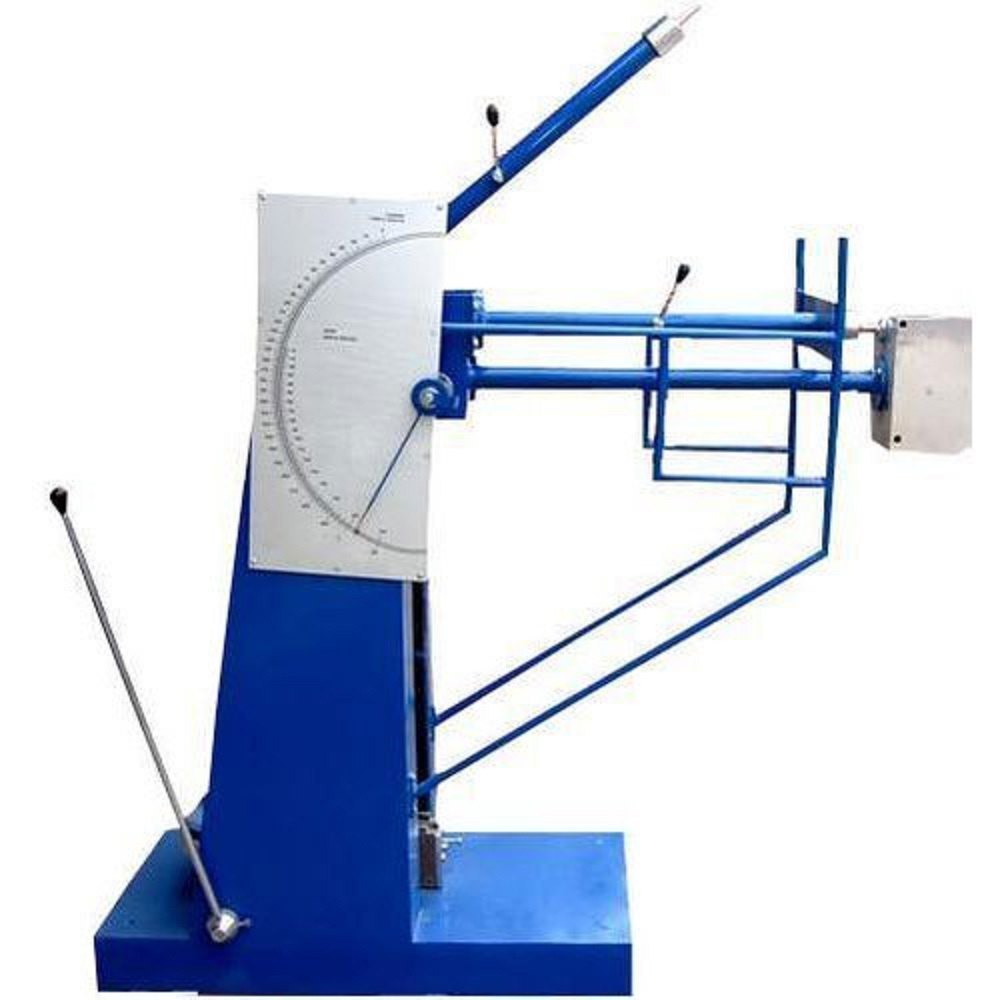
Izod impact testing is one of the most important mechanical tests used to evaluate the ability of a material to resist sudden impact forces. The test measures the amount of energy absorbed by the specimen during fracture under specified conditions.
Manufacturers depend on Izod impact testing because many products experience unexpected shock loads, drops, collisions, or sudden mechanical stress during real-life applications. If impact resistance is poor, products may fail prematurely, leading to cracking, brittle fracture, structural damage, product failure, safety risks, customer complaints, and reduced product life.
Impact testing requires proper specimen preparation, accurate testing conditions, calibrated equipment, and reliable interpretation. Poor testing practices can lead to misleading results and incorrect material decisions.
Kiyo R&D Lab supports industries with professional impact testing solutions designed for product validation, quality assurance, material comparison, and R&D applications.
Izod impact testing helps determine how materials behave when subjected to sudden force. This information is critical for manufacturers producing components exposed to handling stress, vibration, accidental drops, or mechanical shock.
Reliable impact testing requires controlled testing procedures and calibrated equipment. Kiyo R&D Lab follows systematic testing methods to ensure dependable and repeatable results for industrial applications.
Different materials behave differently under impact conditions. Kiyo R&D Lab supports Izod testing for engineering plastics, thermoplastics, thermoset materials, composite materials, rubber compounds, reinforced polymers, and industrial plastic components.
Plastic products are widely used in industries because of their lightweight properties, flexibility, and manufacturing advantages. However, not all plastics can withstand sudden impact forces equally.
Impact strength testing helps plastic manufacturers understand whether materials can tolerate accidental dropping, mechanical shock, handling stress, transportation impact, and environmental stress conditions. Low impact resistance can result in cracking, brittleness, and customer dissatisfaction.
Kiyo R&D Lab supports plastic industries with accurate Izod impact testing for product quality evaluation and formulation improvement.
Automotive industries require materials with excellent impact resistance because vehicle components experience vibration, movement, and mechanical stress throughout their life cycle.
Izod testing supports evaluation of interior plastic components, dashboard materials, trim parts, engineering polymer components, and exterior plastic assemblies. Automotive manufacturers depend on impact strength data to improve passenger safety and component durability.
Composite materials are increasingly used in lightweight engineering applications. However, composite structures can behave differently under impact loading compared to traditional materials.
Izod impact testing helps evaluate fiber reinforcement performance, matrix bonding quality, structural toughness, crack propagation resistance, and composite durability. Kiyo R&D Lab supports composite manufacturers with reliable mechanical testing solutions for advanced material characterization.
Electrical and electronic components often require high-impact resistance because products may experience handling stress during installation, transportation, or service conditions.
Impact testing helps evaluate insulating materials, plastic enclosures, connector housings, engineering polymer parts, and protective casings. Impact resistance becomes especially important for products exposed to outdoor environments or industrial usage conditions.
Material impact resistance depends on several important factors, including polymer structure, filler content, reinforcement type, material thickness, processing conditions, temperature, additive compatibility, and moisture absorption.
Even small formulation or processing changes can significantly affect impact strength performance. Professional testing helps manufacturers identify performance variations before commercial production.
Many manufacturers focus only on tensile strength, hardness, or appearance while ignoring impact resistance. That approach creates long-term product risks. A material with high strength may still fail under sudden shock if toughness is inadequate.
Izod impact testing helps industries improve material formulation, optimize product design, compare material grades, improve quality consistency, validate supplier materials, support new product development, and reduce warranty failures.
Industries often require standardized testing methods to ensure consistency and product comparison. Izod impact testing may be conducted according to recognized ASTM impact testing methods, ISO impact testing standards, and industry-specific requirements.
Controlled testing conditions help industries obtain reliable and comparable performance data. Kiyo R&D Lab supports industries requiring systematic impact strength evaluation using professional testing practices.
Impact testing helps manufacturers verify whether products meet mechanical durability expectations before production release.
Testing helps industries compare different formulations, raw materials, fillers, additives, and reinforcement systems efficiently.
Kiyo R&D Lab supports both research and production environments with mechanical testing solutions that improve engineering decisions and product performance.
Kiyo R&D Lab supports industries across Chennai and Oragadam with advanced mechanical testing services for plastics, polymers, composites, and engineered materials.
Businesses searching online for a reliable Impact Strength Izod Testing Lab in Chennai require more than basic testing support. They need accurate testing procedures, dependable reporting, technical interpretation, and industry-focused analytical capability.
Kiyo R&D Lab continues supporting industries with advanced Izod impact testing services for plastics, composites, rubber materials, engineering polymers, automotive components, and industrial products.
With professional testing infrastructure, experienced technical support, and commitment to quality, Kiyo R&D Lab helps industries improve impact resistance, product durability, mechanical reliability, and long-term performance.
Kiyo R&D Center & Laboratory – Advanced Materials Centre, Chrompet, Chennai
Kiyo R&D Center & Laboratory – Innovation Centre – Oragadam, Chennai
Phone: +91 90876 86986
Website: www.kiyorndlab.com
Kiyo R&D Lab provides professional Impact Strength Izod Testing Lab in Chennai services with reliable testing procedures, calibrated equipment support, technical reporting, and industry-focused mechanical testing for plastics, composites, polymers, rubber materials, automotive components, and industrial products.
Izod impact testing can be used for engineering plastics, thermoplastics, thermoset materials, polymer sheets, composite materials, reinforced plastics, rubber-based materials, automotive plastic components, electrical enclosures, and industrial molded products where impact resistance is important.
Impact strength testing helps automotive manufacturers evaluate the durability of plastic trim parts, dashboard materials, exterior components, interior panels, and engineering polymer assemblies. It supports material selection, product safety, quality validation, and long-term component reliability.
Izod impact strength results can be affected by material type, polymer grade, specimen thickness, notch quality, filler content, reinforcement type, processing conditions, temperature, moisture absorption, and additive compatibility. Controlled testing is important to obtain reliable and comparable results.
Yes. Kiyo R&D Lab supports Izod impact testing for both R&D and quality control applications. The testing helps industries compare materials, validate supplier quality, improve product design, evaluate formulation changes, and confirm mechanical durability before production or customer approval.
We specialize in material and product testing, providing tailored solutions to meet each client’s unique needs.
For quotation or visit