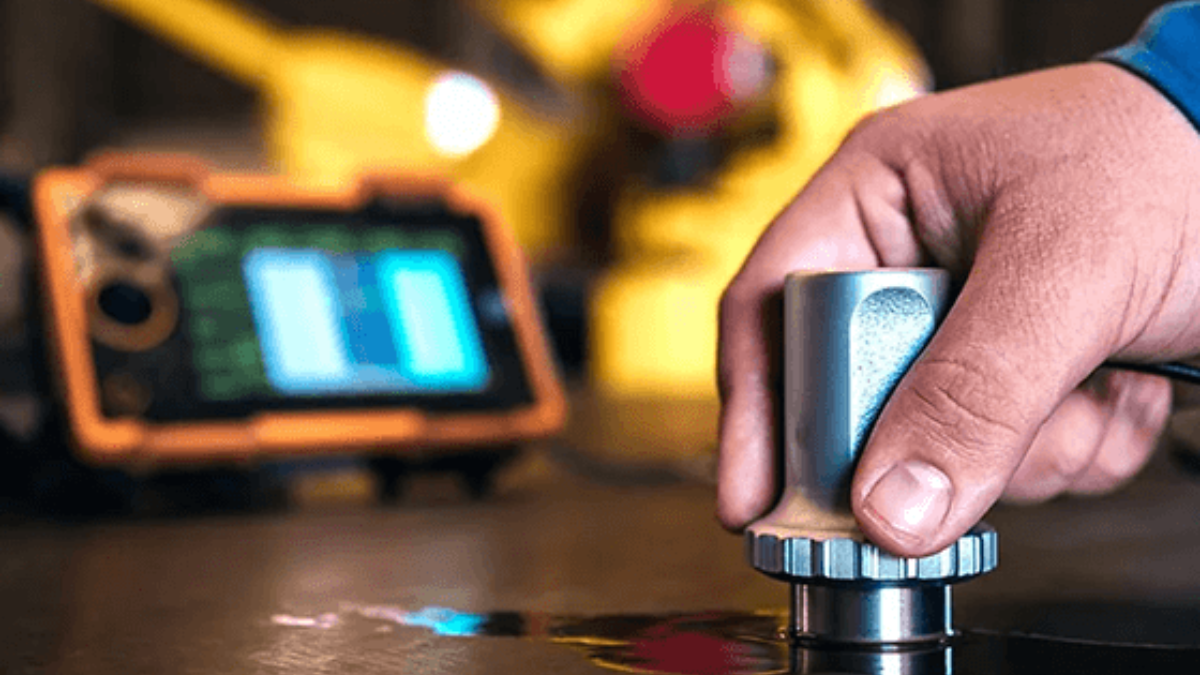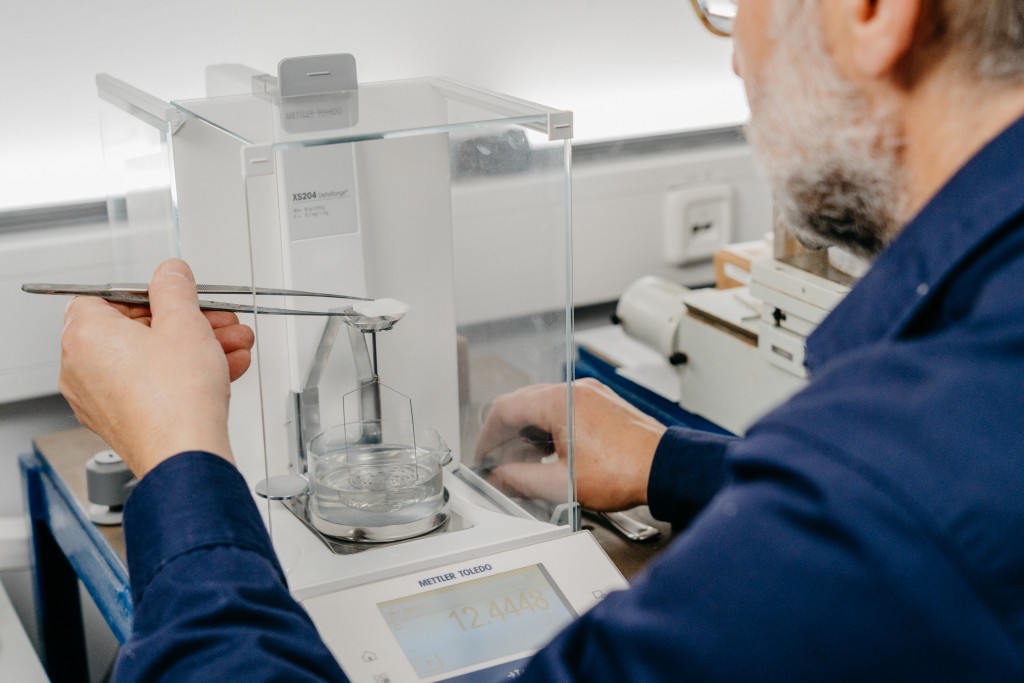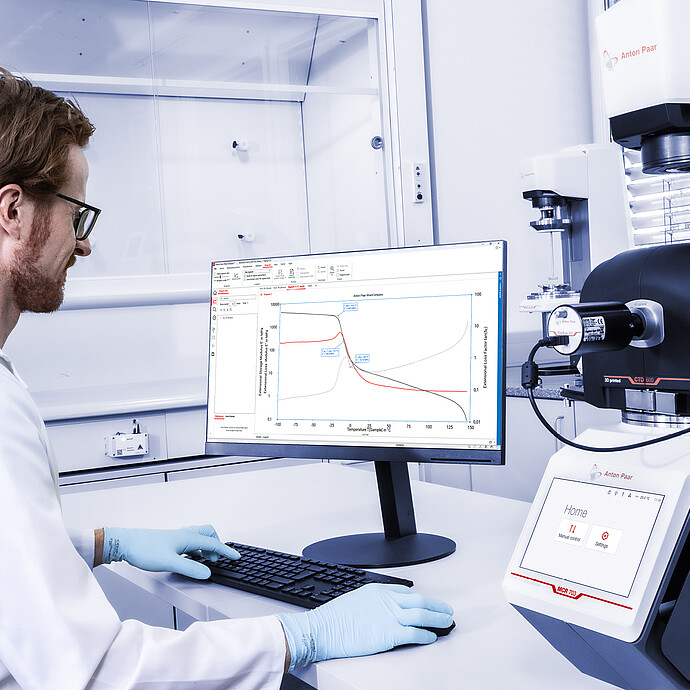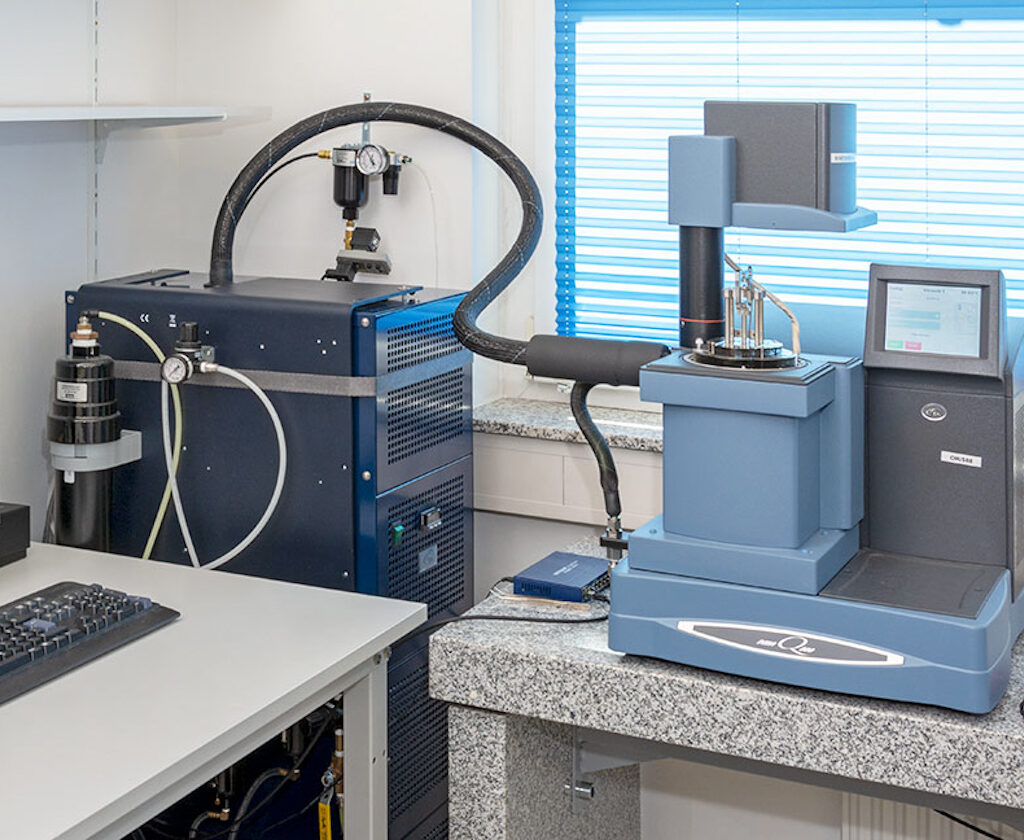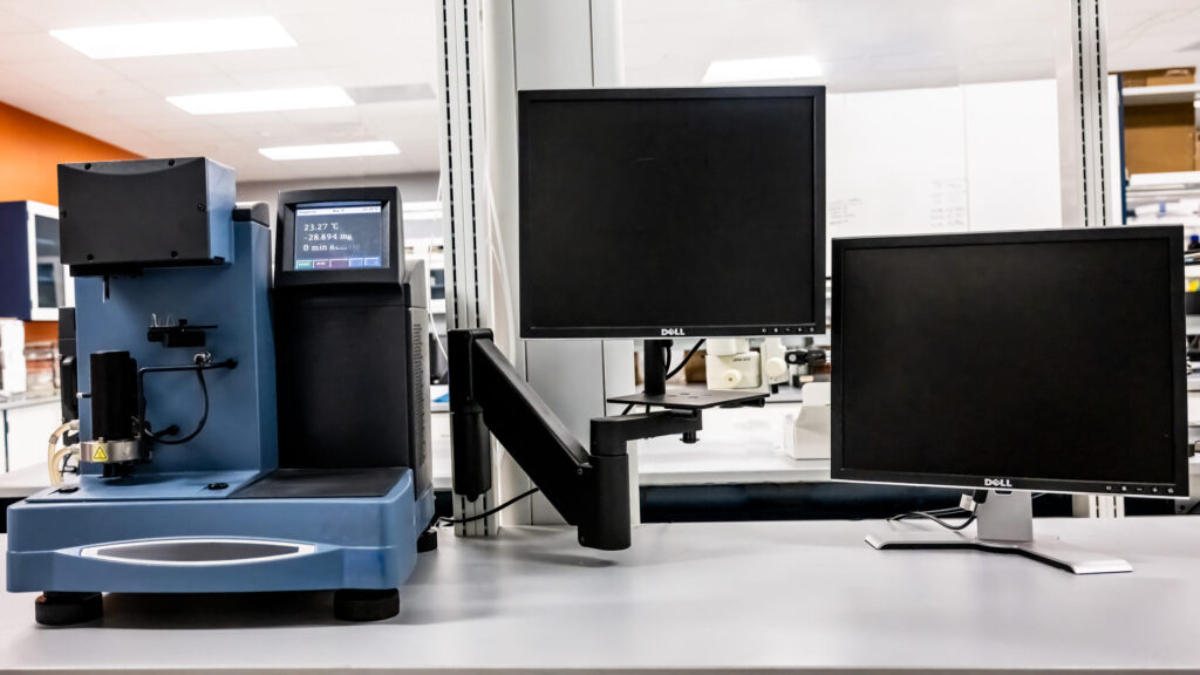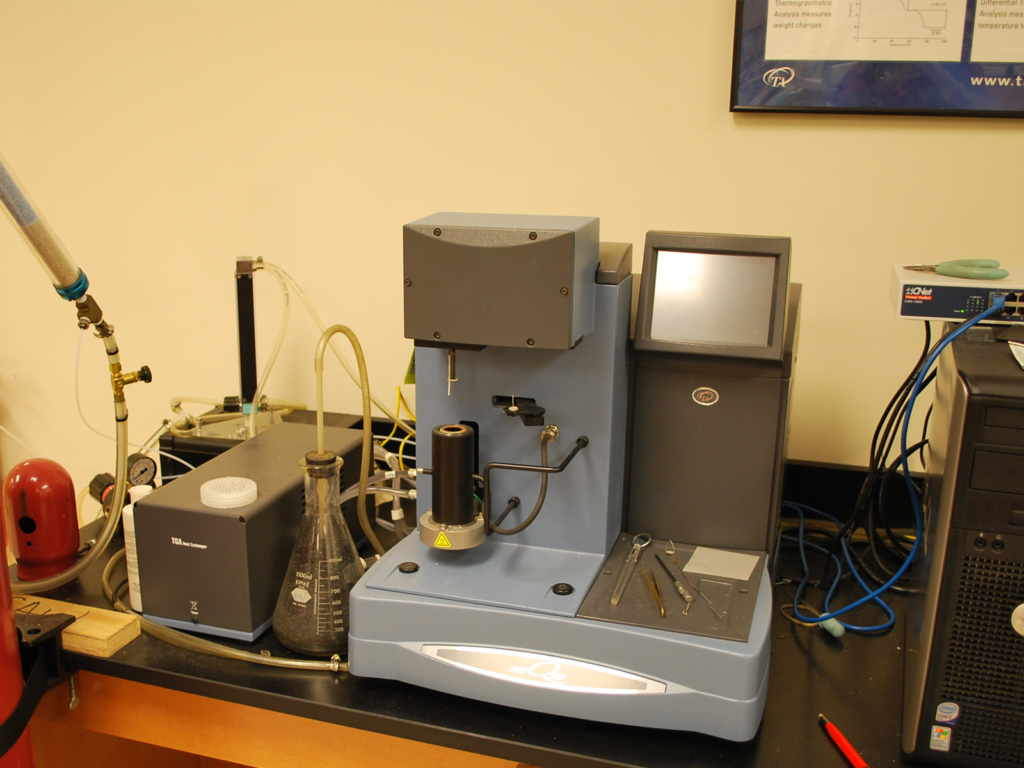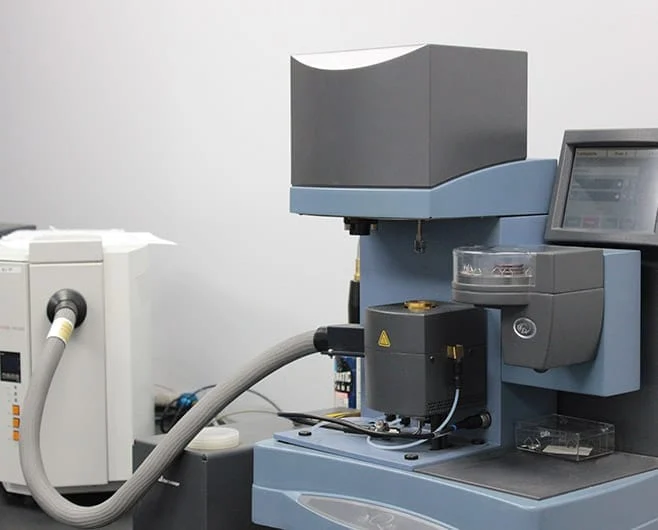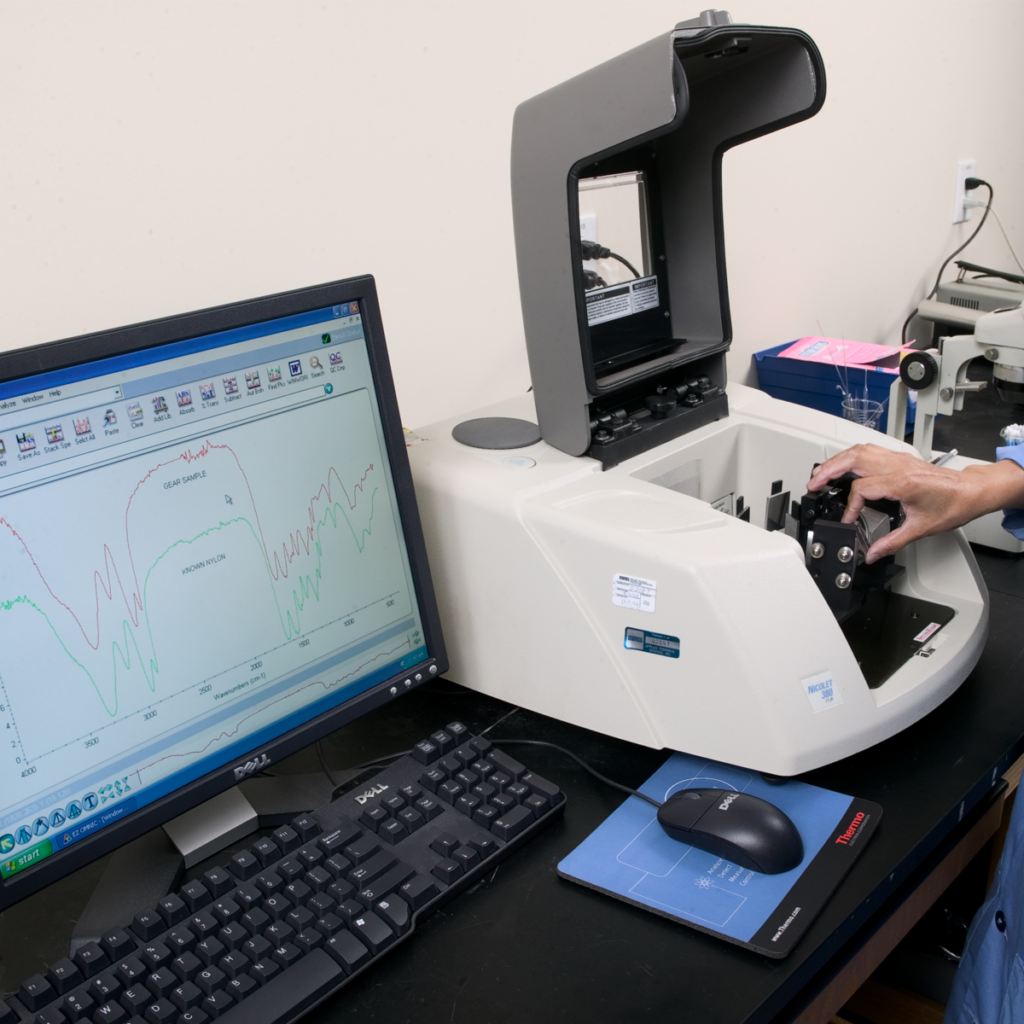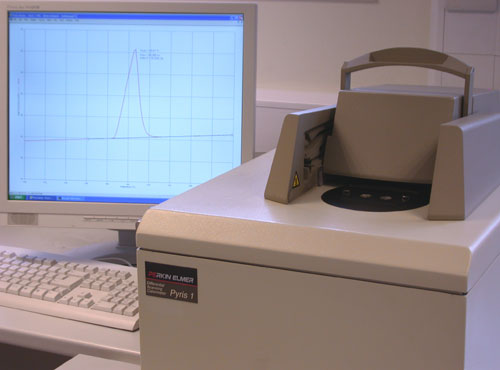
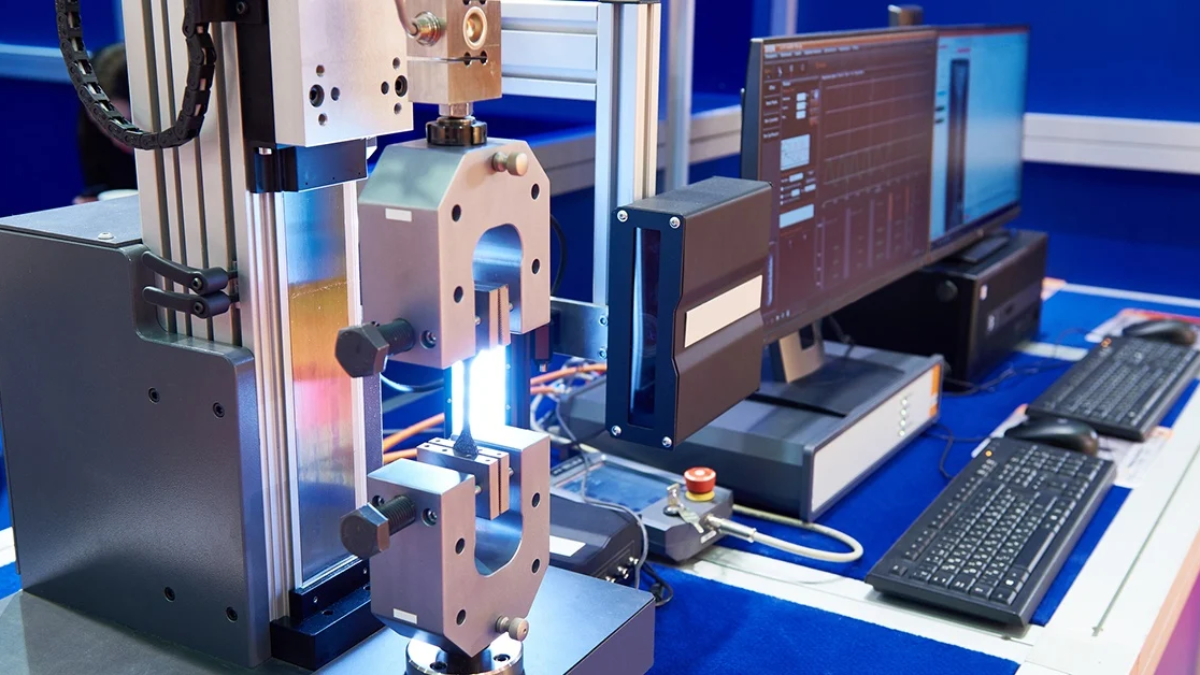
Every material looks strong—until it fails. Strength, stiffness, ductility, toughness, and durability are not opinions. They are measurable properties. That’s why mechanical testing services in Chennai – Kiyo R&D LAB play a critical role in product development, quality control, and failure prevention.
Mechanical testing is not just a laboratory requirement. It is the backbone of safe design, reliable manufacturing, and regulatory compliance. Without proper mechanical testing, materials are approved based on assumptions—and assumptions are expensive.
What Are Mechanical Testing Services?
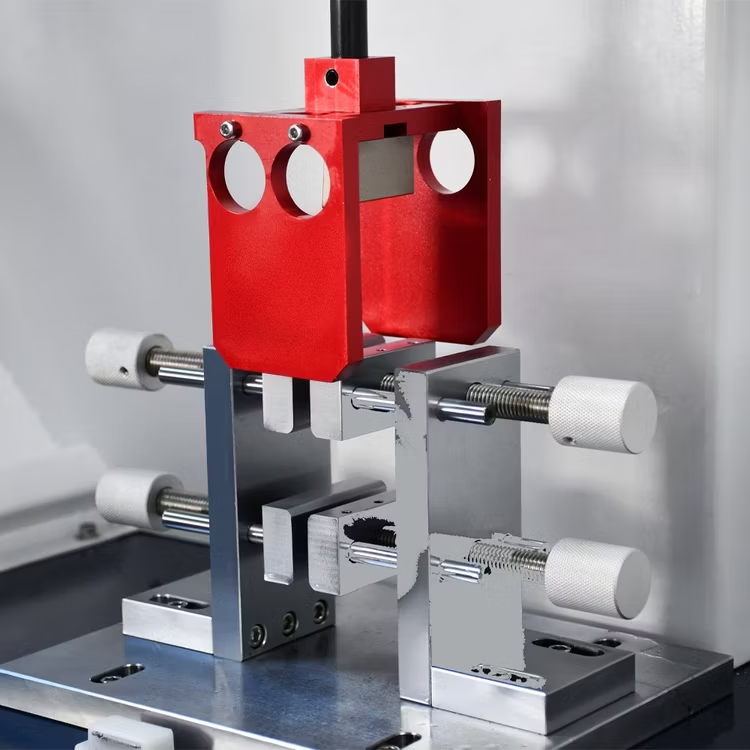
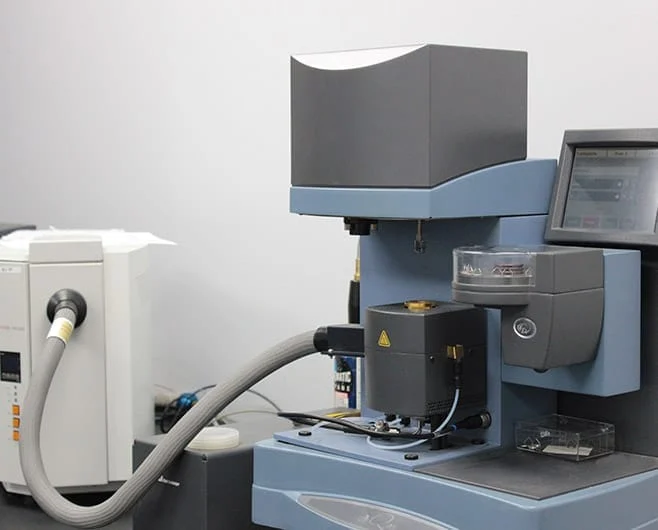
Mechanical testing evaluates how a material behaves when subjected to forces such as tension, compression, bending, impact, and fatigue. These tests simulate real-world conditions to determine whether a material or component can safely perform its intended function.
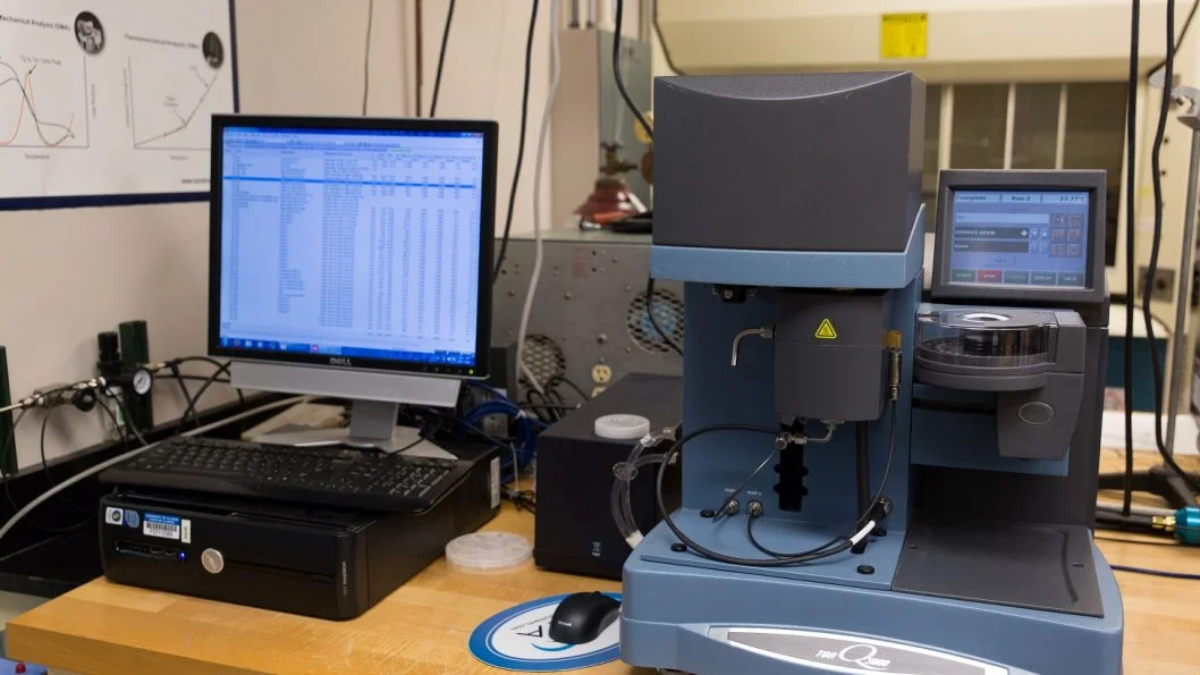
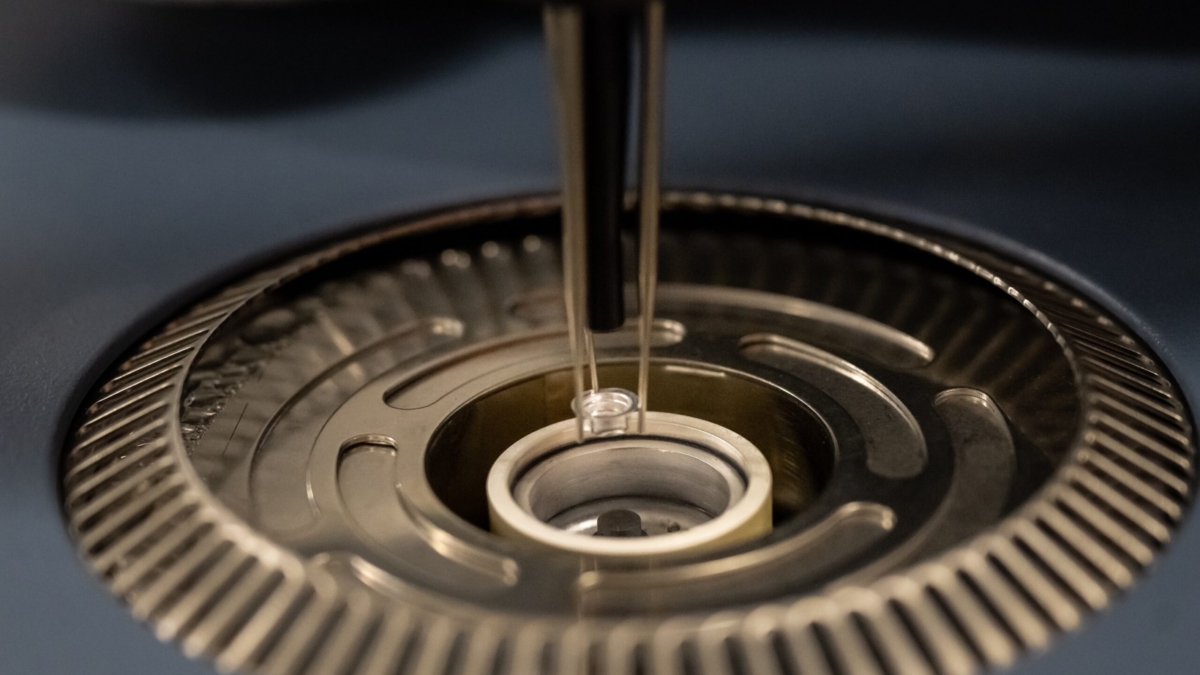
With mechanical testing services in Chennai – Kiyo R&D LAB, materials are tested under controlled conditions to generate quantifiable, repeatable, and standard-compliant data.
In simple terms:
Mechanical testing tells you how and when a material will fail—before it happens in service.
Why Mechanical Testing services Is Non-Negotiable
Skipping mechanical testing doesn’t save time or money. It only delays failure.
Mechanical testing helps to:
- Validate material quality before production
- Compare different materials or suppliers
- Ensure compliance with ASTM, ISO, IS, and OEM standards
- Prevent field failures and recalls
- Support design decisions with data
- Build customer and regulatory confidence
If your product carries load, stress, vibration, or impact, mechanical testing is mandatory—not optional.
Types of Mechanical Testing Performed at Kiyo R&D LAB
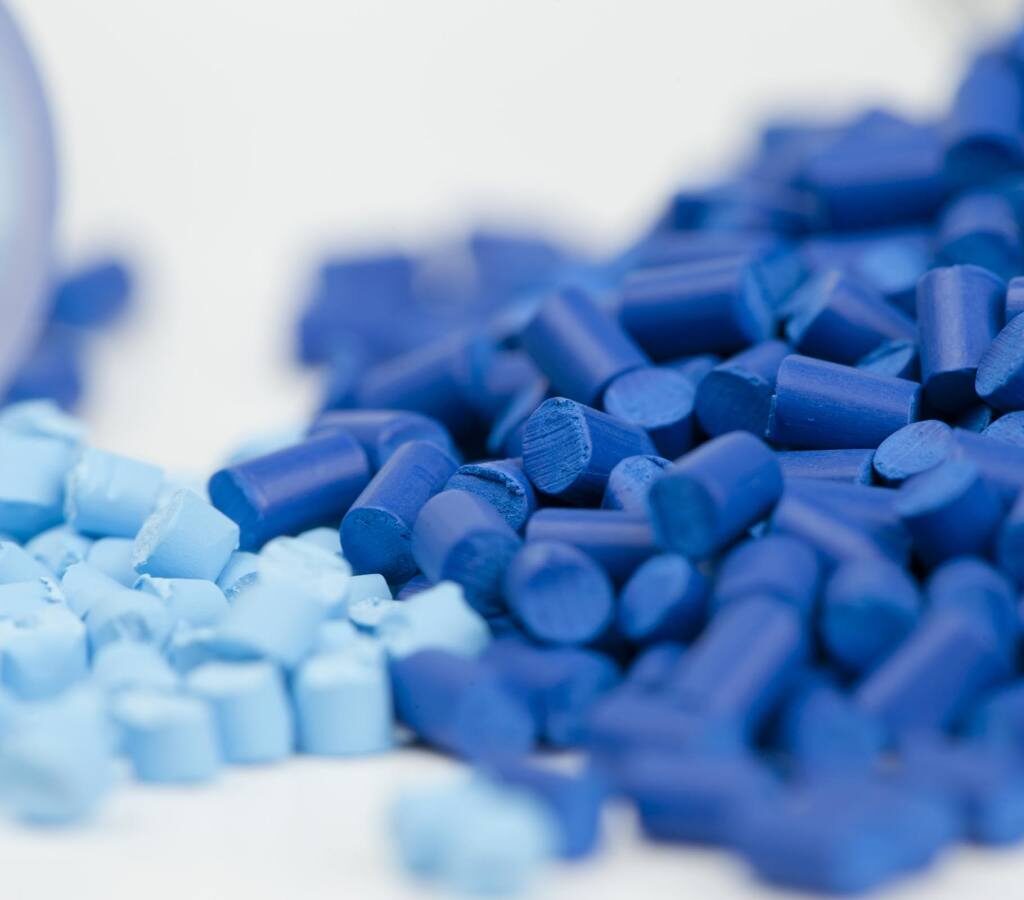
Mechanical testing services in Chennai – Kiyo R&D LAB cover a wide range of tests for plastics, rubber, metals, composites, and engineering materials.
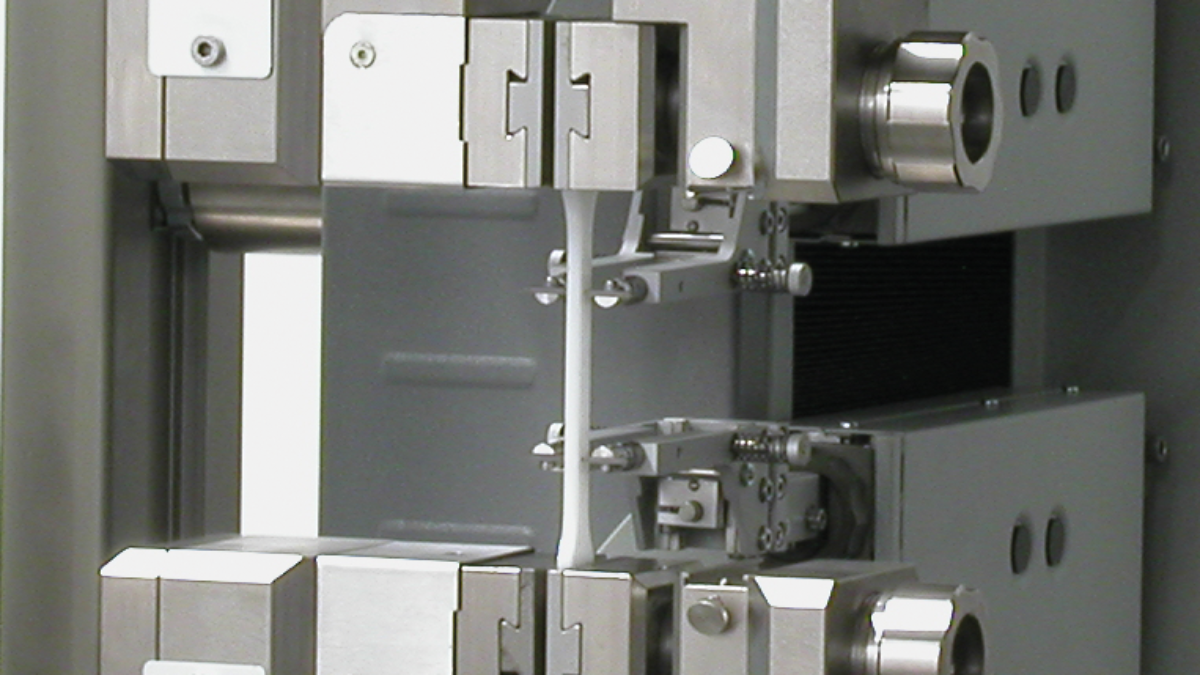
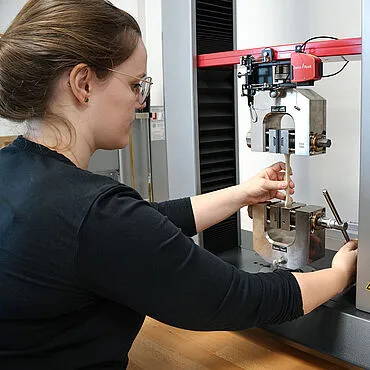
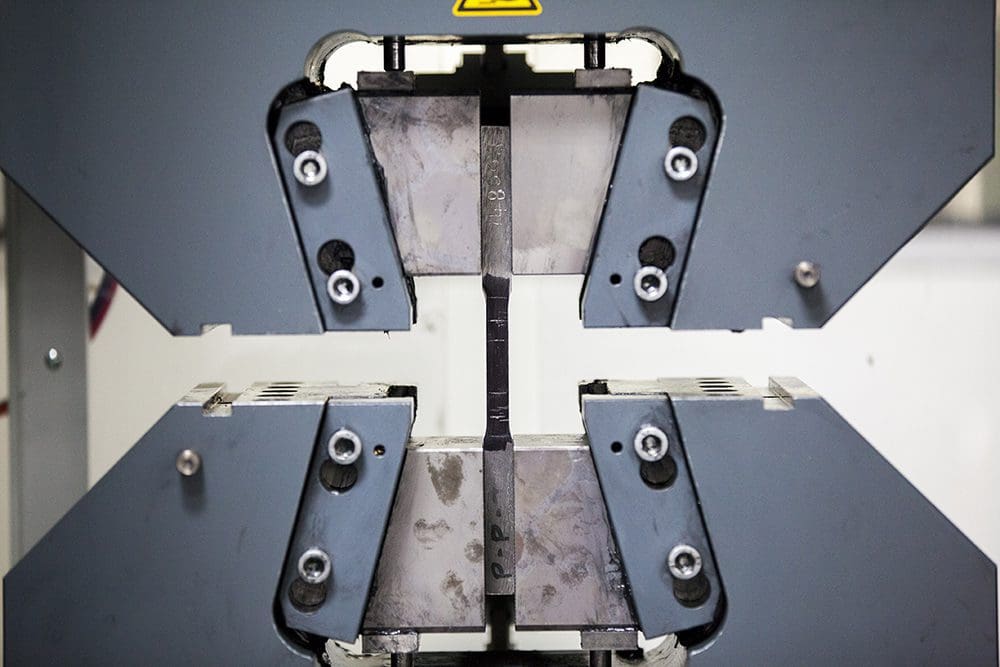
1. Tensile Testing
Tensile testing determines:
- Tensile strength
- Yield strength
- Elongation
- Modulus of elasticity
This test answers a fundamental question: How much force can the material handle before it breaks?
2. Compression Testing
Compression testing evaluates how materials behave under crushing loads.
Used for:
- Foams
- Rubber components
- Plastics
- Structural materials
This test is critical for components designed to carry weight or resist deformation.
3. Flexural (Bending) Testing
Flexural testing measures:
- Flexural strength
- Flexural modulus
It is especially important for plastics, composites, and beams that experience bending during service.
4. Impact Testing
Impact testing evaluates a material’s ability to absorb sudden energy without fracturing.
Commonly used for:
- Automotive plastics
- Consumer products
- Safety-critical components
Impact resistance often determines whether a product fails safely—or catastrophically.
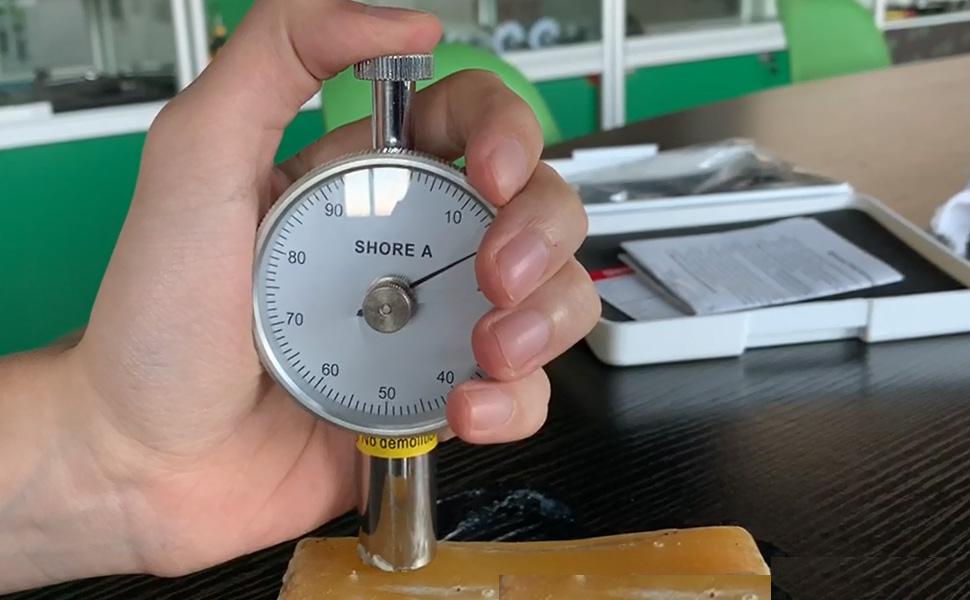
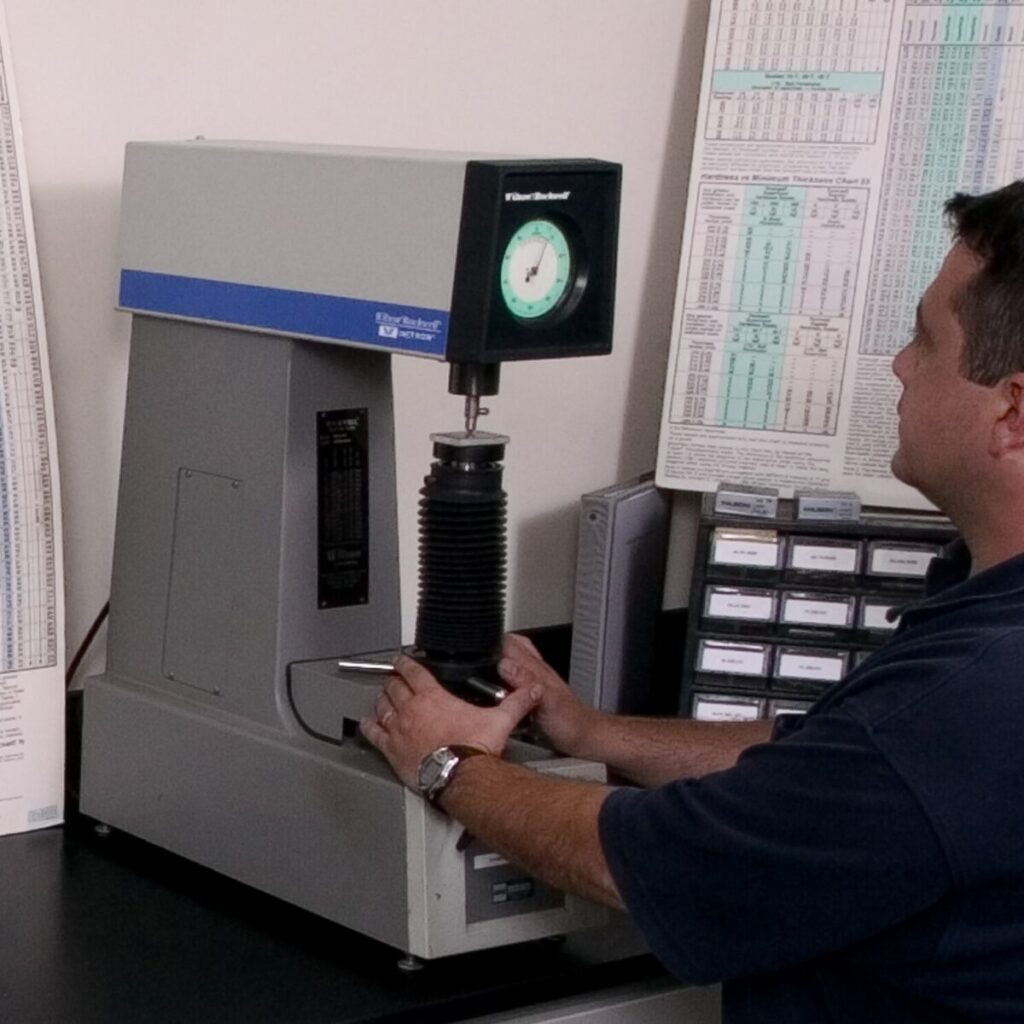
5. Hardness Testing
Hardness testing helps assess:
- Wear resistance
- Surface durability
- Material consistency
Different hardness methods are used depending on the material type.
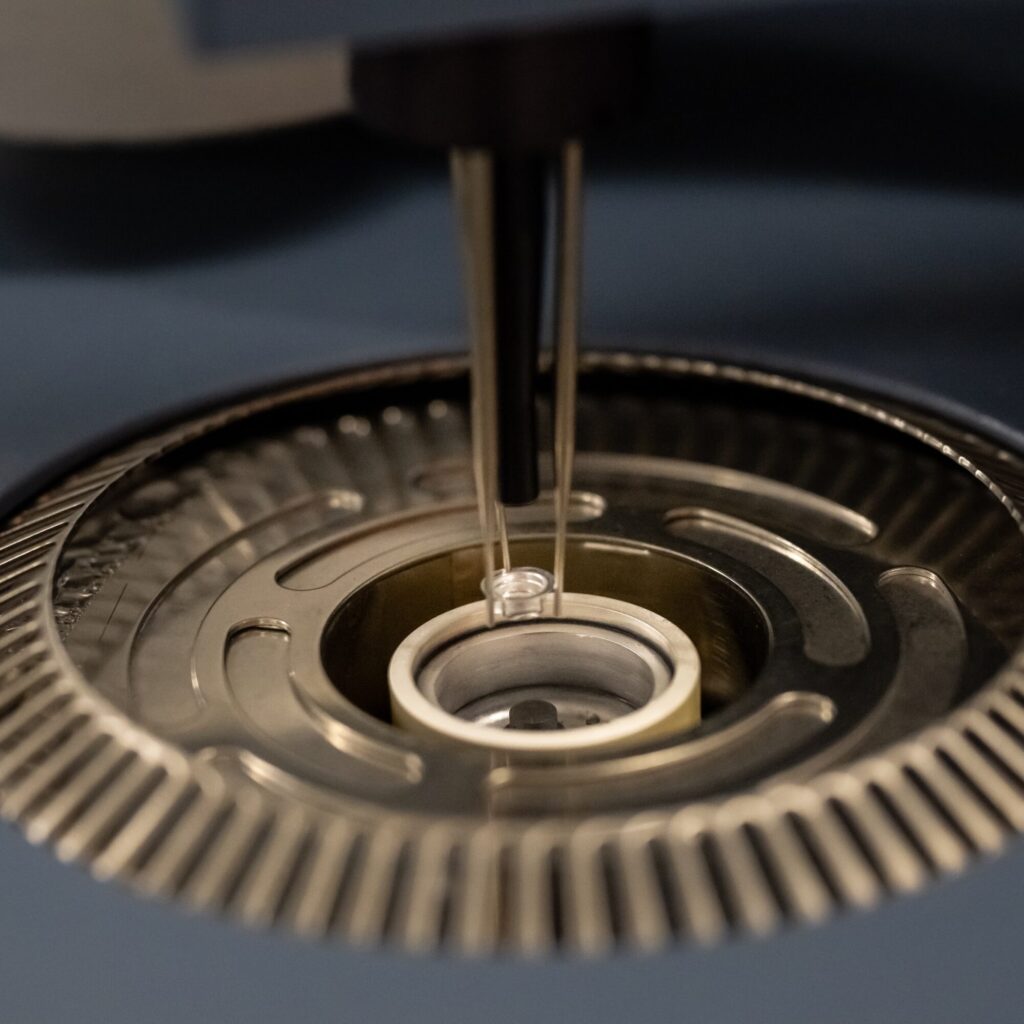
6. Fatigue and Cyclic Testing (Application-Based)
Some failures occur not due to overload, but due to repeated stress over time.
Fatigue testing helps understand:
- Life expectancy
- Crack initiation behavior
- Long-term reliability
Mechanical Testing services for Different Materials
Mechanical testing services in Chennai – Kiyo R&D LAB are not limited to one material category.
Testing is performed for:
- Plastics and polymer components
- Rubber and elastomers
- Polymer matrix composites
- Metals and alloys
- Foams and soft materials
Each material requires different grips, test speeds, specimen preparation, and interpretation—which is where expertise matters.
Standards Followed in Mechanical Testing services
Testing at Kiyo R&D LAB is carried out in alignment with:
- ASTM standards
- ISO standards
- IS standards
- Customer-specific and OEM requirements
Following standards is not paperwork—it ensures results are comparable, defendable, and audit-ready.
Mechanical Testing services for Automotive and OEM Applications
Automotive components face:
- Vibration
- Impact
- Temperature variation
- Continuous loading
Mechanical testing ensures parts meet:
- Strength requirements
- Durability expectations
- Safety norms
This is why OEMs and vendors rely on mechanical testing services in Chennai – Kiyo R&D LAB for validation and quality control.
Support for Final-Year Engineering Students
Many student projects fail to stand out because testing is superficial.
Kiyo R&D LAB supports:
- Final-year mechanical, polymer, and materials projects
- Industry-standard testing procedures
- Clear result interpretation
- Report formats suitable for academic submission
Students gain real-world testing exposure, not just theoretical knowledge.
Why Choose Kiyo R&D LAB?
Mechanical testing is not about running a machine and printing numbers. It’s about choosing the right test, preparing the specimen correctly, and interpreting results accurately.
Mechanical testing services in Chennai – Kiyo R&D LAB are trusted because of:
- Strong materials engineering background
- Controlled testing procedures
- Application-based test selection
- Clear, structured reporting
- Support for industry, startups, and students
This lab focuses on engineering decisions, not just test execution.
What Happens If Mechanical Testing Is Ignored?
Ignoring mechanical testing leads to:
- Unexpected failures
- Product recalls
- Warranty losses
- Safety risks
- Reputation damage
Most of these issues are preventable with proper testing at the right stage.
Final Thoughts
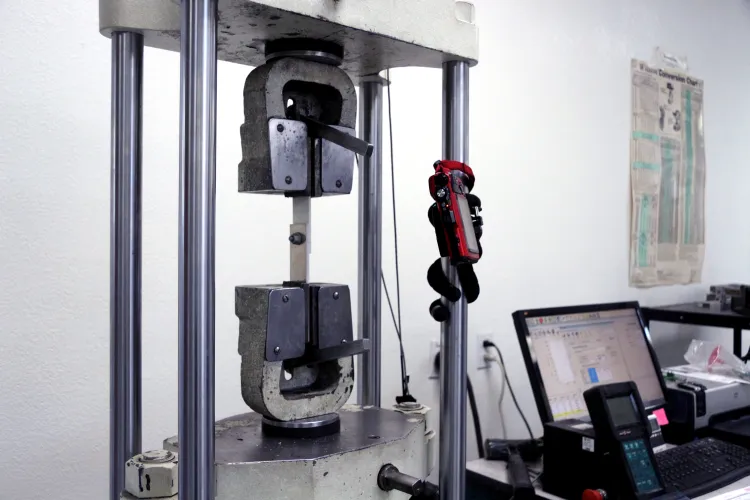
Materials don’t fail randomly. They fail when their limits are misunderstood or ignored.
If you need reliable data, confident design decisions, and compliance-ready documentation, mechanical testing services in Chennai – Kiyo R&D LAB provide the clarity you need.
Because in engineering, what you don’t test is what eventually fails.