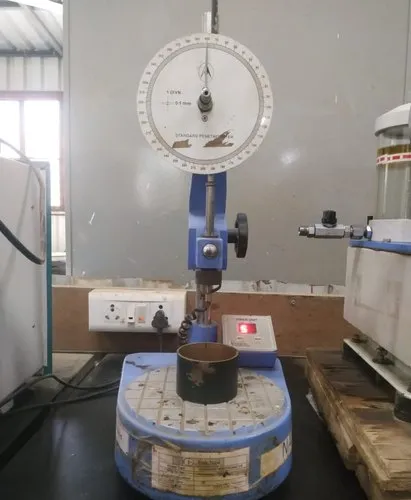
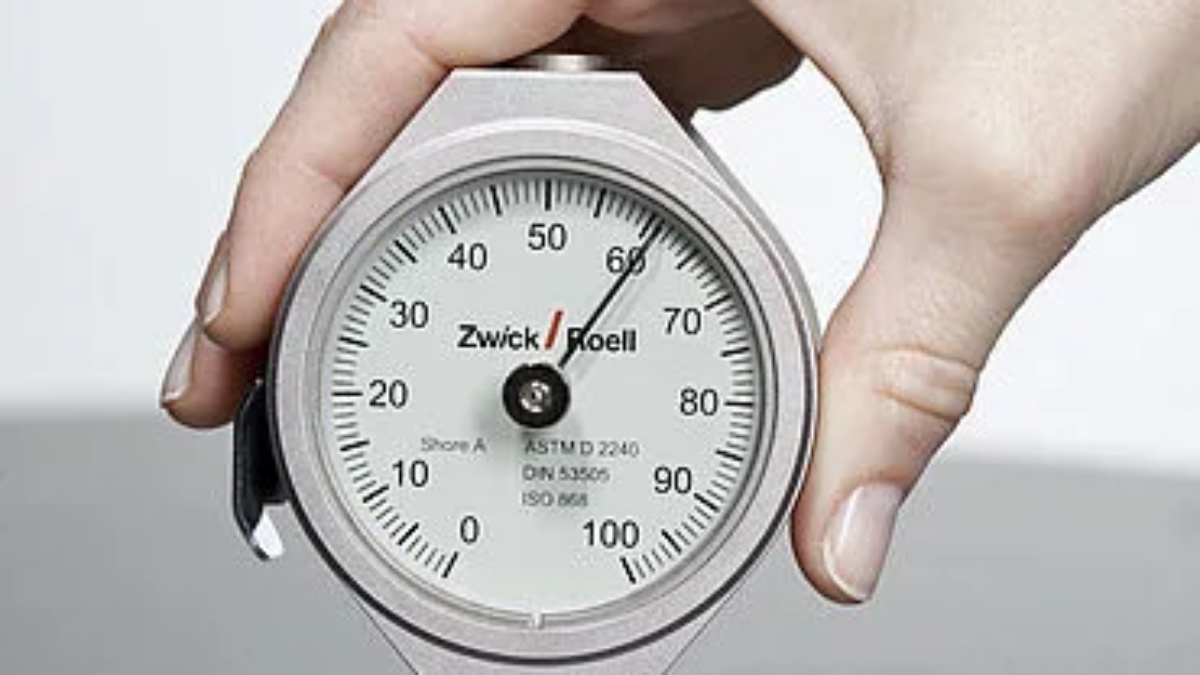
Hardness looks simple on paper. A single number. Shore A, Shore D, Rockwell, or IRHD.
But in real polymer hardness testing applications, hardness is never “just a number.” It controls fit, sealing force, wear resistance, tactile feel, noise, durability, and even long-term failure.
When hardness is wrong, parts don’t always break immediately. They leak, creep, wear, deform, or get rejected quietly—and by the time the issue is noticed, batches are already in the field.
That is exactly why polymer hardness testing services in Chennai – Kiyo R&D LAB are critical for manufacturers who care about performance, consistency, and customer acceptance.
At Kiyo R&D LAB, hardness testing is not treated as a quick press-and-record activity. It is treated as a controlled evaluation of material behavior, tied directly to application requirements and real-world use.
What Is Polymer Hardness Testing (In Practical Terms)?
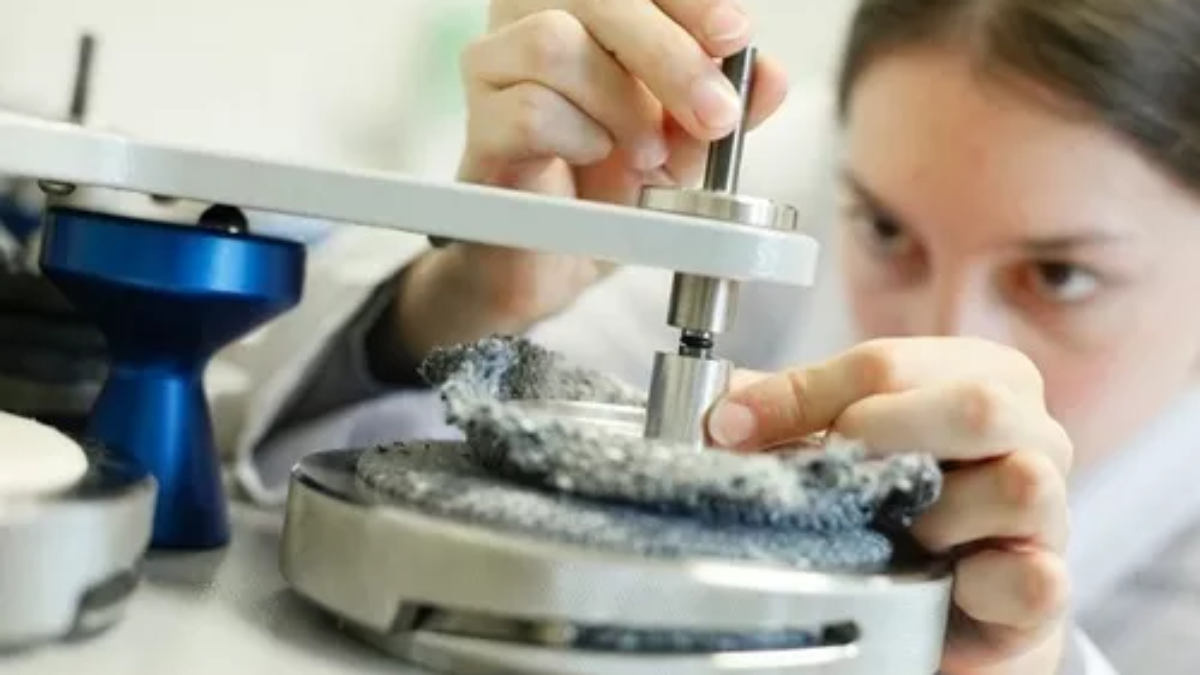
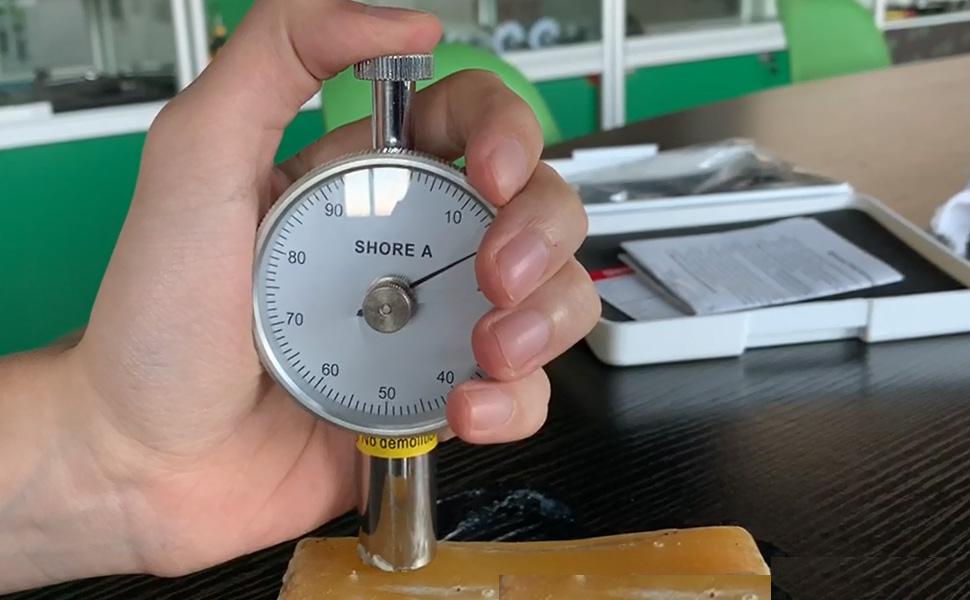
Polymer hardness testing measures a material’s resistance to indentation under a defined load and geometry. In simple words, it tells you how soft or hard a polymer surface actually is.
But practically, hardness answers much bigger questions:
- Will this rubber seal compress enough to seal properly?
- Will this plastic part resist wear and surface damage?
- Is this batch consistent with the previous one?
- Has aging, heat, or oil exposure changed the material?
- Is the material too hard (brittle) or too soft (creeping)?
Hardness is often the first indicator of formulation drift or processing issues—long before visible failures occur.
Why Polymer Hardness Testing Matters More Than Most Teams Admit
Many teams rely on supplier datasheets for hardness values. That’s risky.
Why?
- Datasheets are based on ideal lab samples
- Your part has real thickness, curing, cooling, and processing history
- Hardness changes with heat, aging, oil exposure, and time
- Regrind or recycled content alters hardness quietly
Two parts can look identical and still differ by 5–10 Shore points. That difference can decide whether a seal works—or fails.
This is why polymer hardness testing services in Chennai – Kiyo R&D LAB are used not only for certification, but for control and prevention.
Polymers Commonly Evaluated for Hardness at Kiyo R&D LAB
Hardness testing at Kiyo R&D LAB supports a wide range of polymer materials, including:
- Thermoplastics (PP, PE, ABS, PVC, Nylon, engineering plastics)
- Rubber & elastomers (NR, EPDM, NBR, Silicone, blends)
- Polymer compounds and molded parts
- Finished components such as seals, gaskets, pads, housings, covers
Wherever possible, actual finished components are tested—because hardness on a plaque and hardness on a real part are not always the same.
Common Polymer Hardness Testing Methods Used
Shore A Hardness Testing
Used primarily for soft polymers and elastomers such as rubber, flexible plastics, seals, and gaskets. Shore A directly impacts compression behavior, sealing force, and flexibility.
Shore D Hardness Testing
Used for harder plastics such as rigid thermoplastics and engineering polymers. Shore D values correlate with stiffness, scratch resistance, and surface durability.
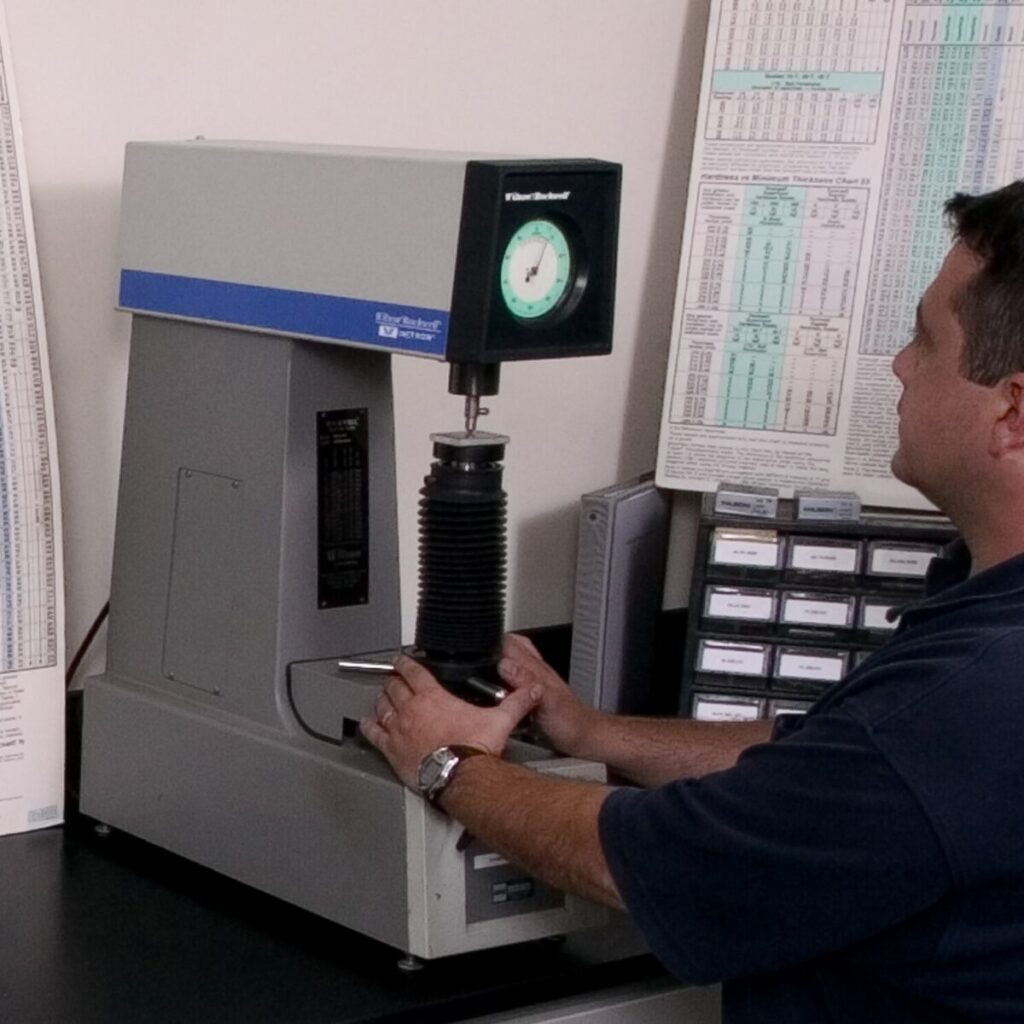
Other Indentation-Based Evaluations (As Applicable)
Depending on application and specification, hardness evaluation may be aligned with customer or industry requirements for comparison and validation.
At Kiyo R&D LAB, the method is chosen based on material behavior and use-case, not convenience.
Why Hardness Alone Is Never Enough (And How We Use It Properly)
Hardness becomes powerful only when interpreted correctly.
For example:
- A higher hardness may improve wear resistance—but reduce impact performance
- A lower hardness may improve sealing—but increase creep
- Hardness change after aging may explain leaks or noise issues
- Hardness variation across batches may indicate curing or formulation drift
This is why polymer hardness testing services in Chennai – Kiyo R&D LAB are often combined with:
- Heat aging
- Oil / fluid immersion
- Compression set or recovery testing
- Mechanical property comparison
Hardness is not isolated—it’s contextual.
Polymer Hardness Testing in Product Development
Smart teams test hardness early, not after problems appear.
During product development, hardness testing helps:
- Select the right polymer grade
- Optimize hardness range for function
- Avoid over-hard or over-soft designs
- Balance performance vs cost
Changing hardness after tooling is finalized is expensive. Testing early saves redesign cycles.
Hardness Testing for Quality Control & Batch Validation
Batch-to-batch variation is one of the most common—and ignored—causes of polymer failures.
Hardness testing is often the fastest way to detect:
- Supplier formulation drift
- Improper curing
- Excessive regrind content
- Processing deviations
A simple hardness comparison between incoming batches can prevent weeks of downstream issues.
Polymer Hardness Testing After Aging & Exposure
Polymers change with time. Heat, oils, fuels, and environment slowly alter hardness.
At Kiyo R&D LAB, hardness testing is frequently performed:
- Before and after heat aging
- Before and after oil / fluid immersion
- As part of failure analysis investigations
Hardness increase may indicate embrittlement.
Hardness decrease may indicate softening or chemical attack.
Both lead to failure—just in different ways.
Standards-Based Polymer Hardness Testing
Hardness testing without method control is meaningless. Kiyo R&D LAB performs hardness testing aligned with relevant ASTM, ISO, IS, or customer-specified procedures, depending on application needs.
Standards-based testing ensures:
- Repeatable results
- Acceptance during audits
- Defensible data in customer discussions
- Comparable benchmarking across suppliers
Without standards, hardness numbers become arguments. With standards, they become evidence.
What Makes a Hardness Test Report Actually Useful?
A useful hardness report clearly documents:
- Material identity and sample form
- Test method and scale used
- Test conditions and observations
- Average values and variation
- Interpretation relevant to application
At Kiyo R&D LAB, reports are written so engineers and quality teams can act on the data, not just archive it.
Why Choose Kiyo R&D LAB for Polymer Hardness Testing?
Many labs can press a durometer. Fewer labs understand what the number means in real life.
Kiyo R&D LAB stands out because:
- Testing is application-driven
- Finished components are evaluated
- Results are linked to performance risk
- Standards are followed without shortcuts
- Interpretation is clear and engineering-focused
This approach prevents repeated failures caused by oversimplified testing.
Who Needs Polymer Hardness Testing Services in Chennai?
Polymer hardness testing services in Chennai – Kiyo R&D LAB are essential for:
- Automotive & industrial suppliers
- Seal, gasket, and rubber product manufacturers
- Plastic component producers
- Exporters meeting customer specifications
- Quality teams handling rejections and audits
- R&D teams optimizing material selection
If hardness affects fit, sealing, durability, or wear—testing is not optional.
Final Thoughts
Hardness is one of the simplest polymer tests—and one of the most misunderstood. Used casually, it gives false confidence. Used correctly, it becomes a powerful control tool.
Polymer hardness testing services in Chennai – Kiyo R&D LAB turn hardness numbers into meaningful decisions—helping you prevent failures, control variation, and deliver consistent performance.
In polymer engineering, the difference between “acceptable” and “failed” is often just a few Shore points.