
Polyvinyl Chloride (PVC) is one of the most widely used polymers in India, especially in construction, plumbing, electrical cables, packaging, automotive interiors, flooring, and industrial components. While PVC offers excellent durability and processing flexibility, its real performance depends heavily on how it behaves under temperature variations. Heat can affect PVC in many ways — from softening, deformation, and discoloration to complete material breakdown.
This is why thermal testing for PVC materials @ Kiyo R&D LAB plays a crucial role in quality control, material validation, R&D development, and compliance with global standards. Whether you are a PVC pipe manufacturer, cable producer, construction material supplier, or engineering student working on a project, understanding the thermal behavior of PVC is non-negotiable.
In this blog, we explore why thermal testing is essential, the major tests used to evaluate PVC, industries that depend on these results, and how Kiyo R&D Lab provides accurate, NABL-accredited thermal testing for PVC materials with fast turnaround.

Why Thermal Testing of PVC Materials Is Essential
PVC is sensitive to heat — both during processing and end-use. When exposed to high temperatures, PVC can undergo:
- Softening
- Thermal degradation
- Color change due to dehydrochlorination (HCl release)
- Loss of mechanical properties
- Dimensional instability
- Brittleness at lower temperatures
- Warping or deformation
Thermal testing helps manufacturers understand:
- The temperature at which PVC begins to soften
- How much heat the material can withstand before breaking down
- Whether stabilizers and additives are working correctly
- Suitable processing temperatures in extrusion or molding
- Safe operating limits for real-world applications
- Consistency between production batches
Accurately measuring these properties ensures safer, stronger, and longer-lasting PVC products.
The thermal testing for PVC materials @ Kiyo R&D LAB gives precise data needed to meet ASTM, ISO, BIS, and global regulatory standards.
Key Thermal Tests Performed for PVC @ Kiyo R&D LAB
Kiyo R&D Lab offers a complete suite of thermal tests for evaluating PVC raw materials, compounds, and finished products. Each test is conducted using calibrated equipment and follows international testing standards.
Below are the major thermal tests applicable for PVC:
1. Differential Scanning Calorimetry (DSC)
DSC is one of the most important thermal analysis tools for PVC. It helps measure:
- Glass Transition Temperature (Tg)
- Melting Temperature (Tm)
- Heat capacity changes
- Crystallinity (for semi-crystalline PVC grades)
- Processing behavior
For PVC, the glass transition temperature (Tg) is crucial as it determines flexibility and brittleness.
DSC results help manufacturers ensure correct formulation and processing parameters.
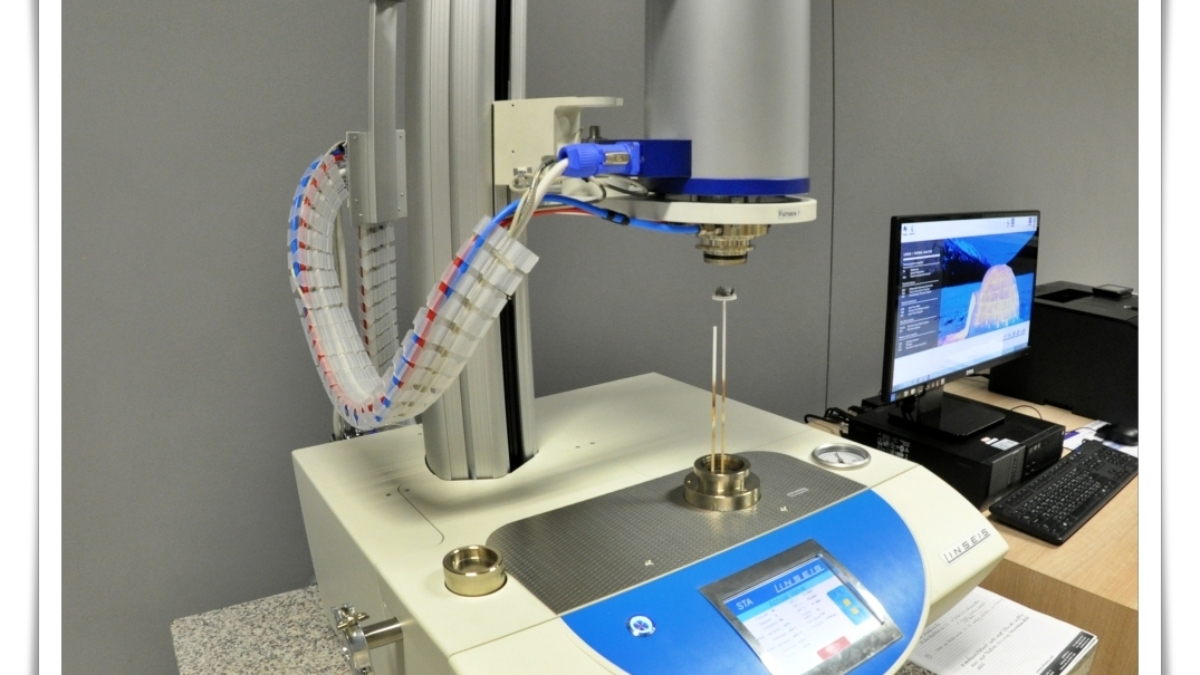
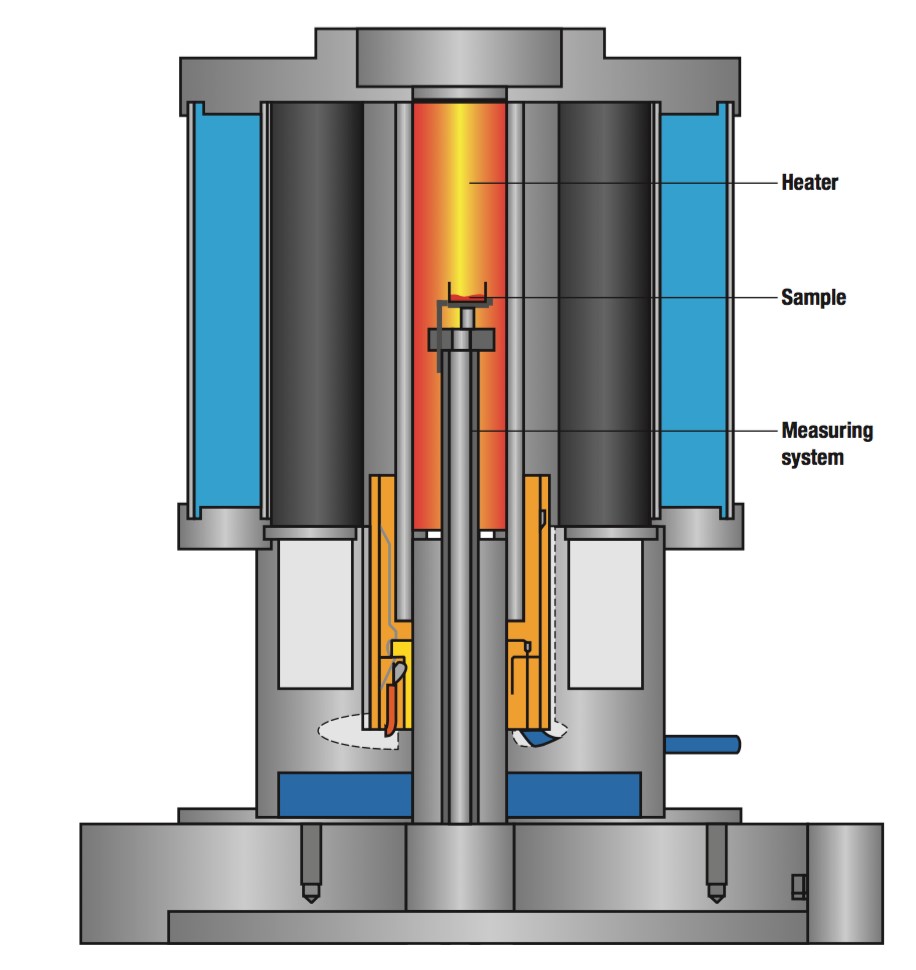
2. Thermogravimetric Analysis (TGA)
TGA measures the weight loss of PVC as it is heated. It helps determine:
- Thermal stability
- Decomposition temperature
- Stabilizer effectiveness
- Residue content
- Multi-step degradation behavior
PVC releases hydrogen chloride gas (HCl) during thermal breakdown. TGA accurately pinpoints the temperature where degradation begins.
This test is essential for PVC pipes, cables, profiles, films, and medical-grade PVC.
3. Vicat Softening Point Test (ASTM D1525 / ISO 306)
The Vicat softening temperature helps determine:
- Heat distortion resistance
- Ability of PVC to maintain shape under load
- Suitability for hot-water applications
- Grade selection (uPVC, CPVC, rigid, or flexible PVC)
This is a key test for PVC pipes, fittings, profiles, and sheets.
4. Heat Deflection Temperature (HDT) Test
HDT measures the temperature at which PVC deforms under a specified load. It indicates:
- Load-bearing capacity at elevated temperatures
- Dimensional stability
- Long-term thermal reliability
HDT is crucial for CPVC and uPVC materials used in plumbing, electrical components, and industrial applications.
5. Heat Aging Test (Oven Aging / Air Oven Test)
This test exposes PVC materials to elevated temperatures for extended durations to evaluate:
- Color change
- Cracking or embrittlement
- Loss of flexibility
- Effectiveness of heat stabilizers
- Long-term thermal stability
It is especially important for PVC cable insulation, profiles, and outdoor applications.
6. Thermal Conductivity Testing
PVC’s ability to conduct heat determines its suitability in:
- Insulation
- Cable sheathing
- Construction panels
- Flooring materials
Accurate thermal conductivity data supports energy-efficiency and safety requirements.
7. Gelation and Fusion Temperature (for PVC Processing)
During extrusion or molding, PVC must reach proper fusion levels. Testing ensures:
- Correct processing temperature
- Avoidance of under- or over-gelation
- Optimal surface finish and dimensional accuracy
This helps manufacturers fine-tune production settings.
Industries That Depend on Thermal Testing for PVC
Thermal behavior affects nearly every application of PVC. The following industries rely heavily on thermal testing for PVC materials @ Kiyo R&D LAB:
1. PVC Pipe & Fittings Industry
Thermal stability and softening point determine:
- Pressure rating
- Hot/cold water performance
- Service life
2. Cable & Electrical Industry
PVC insulation must maintain flexibility and resist thermal degradation.
3. Construction & Building Materials
For window profiles, flooring, doors, and cladding — heat resistance affects durability.
4. Automotive
PVC trims and interior components must withstand cabin temperatures.
5. Packaging & Films
Thermal testing ensures safe processing and heat performance.
6. Healthcare & Medical Devices
Thermal stability ensures sterilization compatibility.
7. R&D Centers & Universities
Researchers require thermal analysis for material development and academic projects.
Why Choose Kiyo R&D Lab for PVC Thermal Testing?
Kiyo R&D Lab is trusted by top manufacturers, student groups, and OEMs across India. Here’s why:
✔ NABL-Accredited Thermal Testing Laboratory
Ensures globally accepted, audit-ready test reports.
✔ Advanced Thermal Testing Equipment
DSC, TGA, HDT/Vicat, Heat Aging Chambers, Thermal Conductivity Meters.
✔ Fast Turnaround — 1-Day Reporting
Ideal for urgent industrial needs and student project timelines.
✔ Expertise in PVC, CPVC, UPVC & Flexible PVC
Deep understanding of formulation and behavior.
✔ Standard-Based Testing (ASTM, ISO, BIS)
All tests follow globally recognized procedures.
✔ Affordable Pricing + Professional Support
Budget-friendly testing for students and startups.
Applications of Thermal Testing Data
Thermal test results are crucial for:
- Material selection
- Formulation improvement
- Processing optimization
- Quality control
- Failure analysis
- Long-term product performance prediction
- Regulatory compliance
- Academic research
Accurate data helps avoid failures, reinforce quality, and strengthen product design.

Conclusion
PVC is a versatile polymer, but its performance is only as strong as its thermal stability. Whether used in pipes, cables, construction products, packaging films, automobile interiors, or consumer goods, PVC must be tested thoroughly for heat resistance and thermal behavior.
Thermal testing for PVC materials @ Kiyo R&D LAB ensures your materials meet the highest standards of safety, durability, and consistency. With NABL accreditation, advanced thermal analysis instruments, and a fast turnaround time, Kiyo R&D Lab delivers reliable results you can trust.
If your project involves PVC — testing isn’t optional. It’s essential.