Thermogravimetric Differential Thermal Analysis Services in Chennai
TGA-DTA Thermal Analysis in Chennai | Decomposition & Phase Transition – Kiyo R&D LAB
Introduction
Most material failures don’t look dramatic at the beginning. A polymer starts smelling during processing. A coating becomes brittle after heat exposure. A rubber part loses flexibility earlier than expected. A composite shows unexpected residue or discoloration. These are not random issues—they are thermal behavior problems.
If you are serious about quality, troubleshooting, or R&D, you must understand what happens to your material when temperature rises. That is why thermogravimetric differential thermal analysis services in chennai – Kiyo R&D LAB are useful for manufacturers and engineers who need data-backed answers.
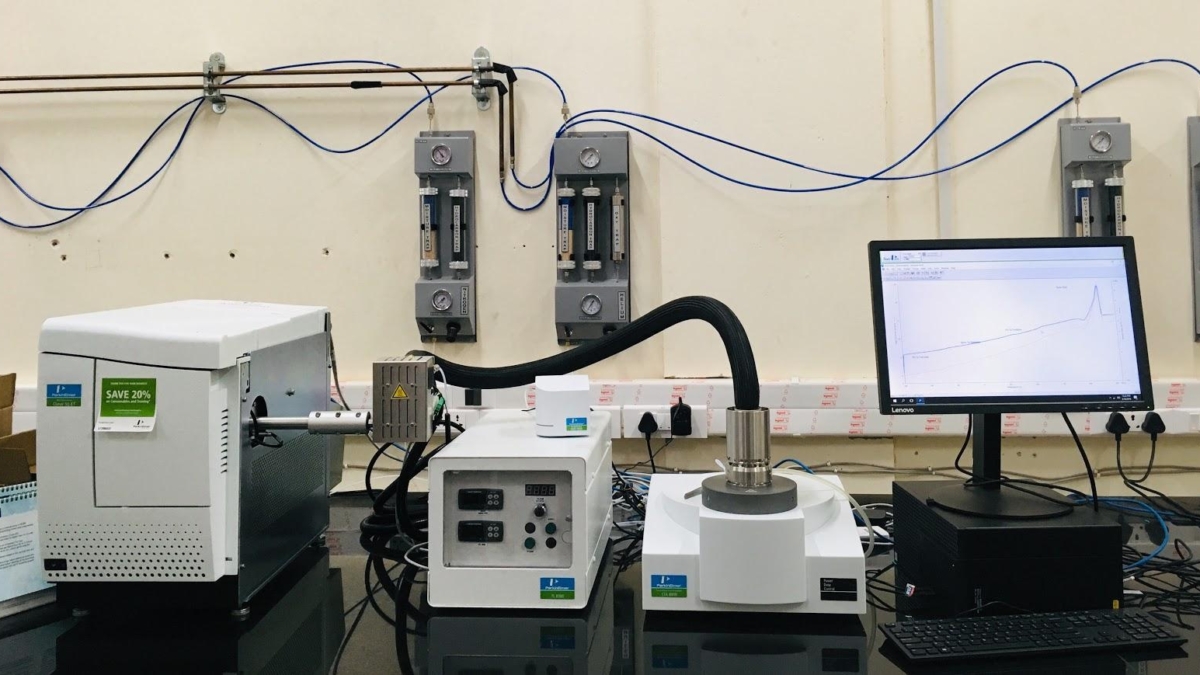
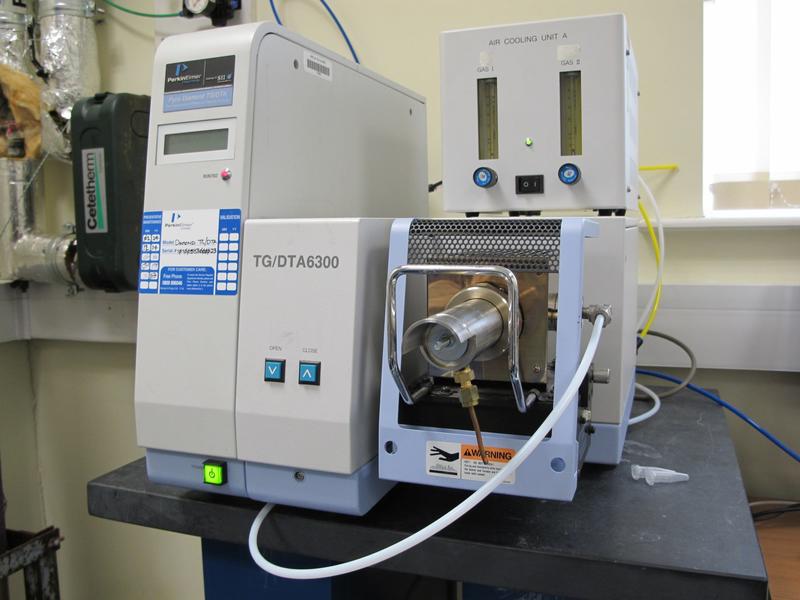
Thermogravimetric Analysis (TGA) and Differential Thermal Analysis (DTA) together give a complete thermal profile: one shows weight change, the other shows thermal events. Combined, they create a “thermal fingerprint” that helps confirm composition, stability, and reaction behavior.
What Is Thermogravimetric Differential Thermal Analysis?
The phrase sounds technical, but the idea is simple: evaluate both weight loss and thermal events while the sample is heated under controlled conditions.
TGA (Thermogravimetric Analysis)
TGA measures how a sample’s mass changes as temperature increases or over time. It helps identify decomposition temperature, moisture/volatile loss, filler/ash content, and multi-step degradation behavior.
DTA (Differential Thermal Analysis)
DTA measures temperature differences between the sample and a reference. It detects endothermic and exothermic events like melting, crystallization, curing, oxidation, and phase transitions.
With thermogravimetric differential thermal analysis services in chennai – Kiyo R&D LAB, you can evaluate both sets of information together to understand not just “what changed,” but “what happened” during heating.
Why Combined TGA + DTA Matters
Doing only one type of thermal analysis can leave gaps. Weight loss alone may not explain a reaction peak; a peak alone may not explain whether the material actually lost mass or just changed phase.
Example cases where combined testing helps:
- A polymer shows early weight loss (TGA) due to moisture/volatile additives, while DTA indicates a related endothermic event.
- A coating shows an exothermic peak (DTA) indicating a reaction/oxidation, while TGA confirms whether measurable mass loss occurred.
- A filled compound leaves high residue (TGA), while DTA helps identify melting/transition behavior of the polymer matrix.
- A suspect batch differs in thermal peaks and decomposition stages compared to a control sample.
For troubleshooting and R&D, this combined view often reduces trial-and-error work.
What Results Are Evaluated in TGA-DTA Testing?
Key outputs from TGA
- Onset of decomposition temperature
- Multi-step weight loss stages and percentage loss
- Moisture/volatile content (early loss zone)
- Residue/ash content (useful for fillers and inorganic content)
- Thermal stability range under selected atmosphere
Key outputs from DTA
- Melting and softening related endothermic events
- Crystallization behavior (where applicable)
- Exothermic peaks indicating reactions or oxidation behavior
- Phase transition temperatures
Reports from thermogravimetric differential thermal analysis services in chennai – Kiyo R&D LAB typically include clear curves/graphs and the key values needed for comparison and decision-making.
Where TGA-DTA Analysis Is Used
Thermal fingerprinting supports many practical applications:
- Raw material validation and incoming QC
- Supplier comparison and batch-to-batch consistency
- Filler/ash content verification in filled polymers and rubber
- Contamination detection and unexpected additive loss
- Failure investigation (brittleness, discoloration, odor, early degradation)
- Formulation comparison and R&D development
- Process optimization (confirm safe temperature window)
Industries That Benefit from TGA-DTA Testing in Chennai
- Plastics and polymer manufacturing
- Rubber compounding and elastomer products
- Composites and filled polymer materials
- Paints, coatings, inks, and surface finishing
- Adhesives and sealants
- Automotive suppliers and technical product vendors
- Chemicals and specialty materials
- R&D, testing, and product development teams
Chennai’s manufacturing environment runs on speed and consistency. Local testing helps reduce downtime and speeds up approvals.
Common Problems Identified Through Thermal Analysis
Combined TGA-DTA testing frequently highlights:
- Incorrect filler percentage or abnormal residue levels
- Moisture contamination and volatile content issues
- Polymer grade mismatch or material substitution
- Early degradation near processing temperatures
- Oxidation instability during heat exposure
- Batch-to-batch inconsistency in formulation or processing
- Incomplete reaction/curing behavior in coatings and thermosets
The goal is simple: detect issues early, before they become customer complaints or costly production rework.
Why Choose Kiyo R&D LAB?
Thermal analysis is sensitive to heating rate, sample mass, and atmosphere selection. If these are not controlled correctly, results become inconsistent and hard to compare. Reliable testing requires disciplined procedure and clear reporting.
With thermogravimetric differential thermal analysis services in chennai – Kiyo R&D LAB, you get controlled testing conditions, clear graphs, and practical results that support QC, troubleshooting, and R&D decisions.
Conclusion
Materials don’t fail randomly. Thermal instability, moisture, volatiles, filler variation, contamination, and reaction behavior all leave a signature under controlled heating.
Choose thermogravimetric differential thermal analysis services in chennai – Kiyo R&D LAB to understand your material’s thermal fingerprint and make decisions based on evidence—not assumptions.