“The Science of Strength: How Kiyo R&D Lab Redefines Thermal Stability Analysis in India”

“From Heat Resistance to Innovation – Thermal Stability Analysis Services in India by Kiyo R&D Lab”

Uncovering Material Integrity – Thermal Stability Analysis Services in India – Kiyo R&D Lab

In every engineering or manufacturing project, the performance of a material depends not just on how strong it is, but how it behaves under heat. Whether it’s a polymer used in automotive interiors, a rubber seal in an engine component, or a coating applied on metal surfaces, temperature exposure can make or break material reliability. That’s why thermal stability analysis services are essential — they reveal how materials react, degrade, or remain stable when subjected to heat.

Among the leading laboratories offering thermal stability analysis services in India, Kiyo R&D Lab stands out for its accuracy, speed, and NABL-accredited testing standards. Based in Chennai, the lab supports industries and academic institutions in understanding how temperature affects material performance, enabling smarter product design and safer applications.


What Is Thermal Stability Analysis?

Thermal stability analysis is a scientific method used to determine how a material changes with temperature. It measures when a material starts to decompose, melt, oxidize, or lose its properties. These insights are vital for predicting product performance, optimizing formulations, and ensuring safety across diverse industries like plastics, rubber, coatings, paints, composites, and packaging.

In practical terms, it helps answer questions such as:

  • At what temperature does my plastic start to soften or degrade?
  • How much weight loss occurs when my material is heated?
  • Is my coating stable during high-temperature curing?

By performing these tests, companies can validate product quality, ensure compliance with industry standards (ASTM, ISO, BIS), and avoid premature failures during production or end use.


Why Thermal Stability Matters

Every material has a breaking point. When exposed to excessive heat, even high-performance polymers or rubbers can lose their strength, elasticity, or chemical structure. In industrial terms, this can mean product failure, warranty claims, or unsafe performance.

For example:

  • A plastic used in automobile interiors must withstand cabin temperatures above 70°C without deformation.
  • A rubber gasket near an engine must maintain sealing properties at high heat.
  • A paint coating on machinery must resist blistering or discoloration during curing or operation.

Without thermal stability analysis, manufacturers are essentially guessing how materials will behave — a costly and risky approach. That’s why many industries now depend on certified thermal stability analysis services in India – Kiyo R&D Lab to verify their materials’ heat tolerance scientifically.


How Kiyo R&D Lab Performs Thermal Stability Analysis

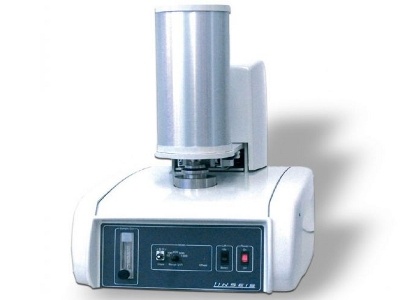
At Kiyo R&D Lab, thermal stability testing is carried out using world-class instruments like Thermogravimetric Analysis (TGA) and Differential Scanning Calorimetry (DSC). Both techniques provide detailed insights into a material’s thermal behavior.

  1. Thermogravimetric Analysis (TGA):
    This test measures the weight change of a sample as it is heated over time. It helps identify thermal decomposition points, moisture content, filler percentage, and residual stability.
  2. Differential Scanning Calorimetry (DSC):
    DSC measures how much heat is absorbed or released by a material as its temperature changes. It provides data on glass transition temperature (Tg), melting point, crystallization, and oxidation resistance.
  3. Heating–Cooling Cycles:
    Kiyo R&D Lab performs controlled ramp and hold programs to simulate real-world conditions, ensuring that the material’s behavior is observed during both heating and cooling phases.

The lab’s results are highly repeatable, traceable to NABL standards, and delivered with full graphical reports that clearly show each thermal transition.


Industries That Rely on Thermal Stability Testing

Thermal analysis isn’t confined to one sector — it’s essential across industries where heat exposure affects product quality and lifespan.
Kiyo R&D Lab’s thermal stability analysis services in India support:

  • Plastic & Polymer Manufacturers: Evaluate degradation points, filler stability, and resin purity.
  • Rubber & Elastomer Producers: Determine aging characteristics and thermal limits of sealing materials.
  • Coatings & Paint Industries: Assess curing temperature, thermal degradation, and oxidative stability.
  • Composites & Aerospace Applications: Study matrix decomposition and reinforcement interaction.
  • Packaging Industry: Verify heat resistance during sealing or sterilization processes.
  • Academic & Research Institutions: Provide data for material characterization and final-year engineering projects.

Why Choose Kiyo R&D Lab?

Kiyo R&D Lab has positioned itself among India’s most trusted materials and testing laboratories, with a reputation built on precision, transparency, and client satisfaction.
Here’s what sets it apart:

  • NABL Accreditation: Certified for ISO 17025 quality compliance.
  • Fast Turnaround: Receive detailed reports within 1 working day for most materials.
  • Comprehensive Analysis: TGA, DSC, and other related mechanical or chemical tests available under one roof.
  • Expert Team: Experienced scientists, engineers, and analysts ensure reliable interpretation of every result.
  • Educational Support: Exclusive discounts and technical mentoring for final-year engineering students.
  • Customer-Focused Reporting: Clear, easy-to-read reports with thermal curves, data tables, and professional insights.

Whether you are a manufacturer, R&D engineer, or a student, Kiyo R&D Lab delivers more than results — it delivers confidence.


Thermal Stability and Product Innovation

Thermal stability data isn’t just for testing — it’s a foundation for innovation.
Manufacturers use Kiyo R&D Lab’s results to:

  • Compare material grades and select the best one for high-temperature use.
  • Improve polymer blends for better oxidation resistance.
  • Design coatings that cure faster without losing gloss or adhesion.
  • Validate suppliers’ raw material claims.

By integrating thermal analysis into the product development cycle, companies gain a competitive edge in quality and reliability.


Supporting Academia and Research

Kiyo R&D Lab actively collaborates with universities and research institutions across Tamil Nadu and beyond. Engineering students pursuing Mechanical, Chemical, Polymer, or Materials Science courses often rely on Kiyo’s facilities for their thermal analysis experiments.

The lab provides affordable packages, fast report delivery, and technical explanations suitable for project documentation. This initiative helps bridge the gap between theoretical learning and industrial testing experience — a vital advantage for students entering R&D or manufacturing careers.


Certified Results You Can Trust

Every test at Kiyo R&D Lab is backed by NABL accreditation, ensuring that the data meets international accuracy and reliability standards. Reports include detailed graphs, parameter tables, and professional interpretations, making them suitable for both regulatory submission and product development use.

The lab’s consistent commitment to quality, speed, and integrity has made it one of the most recommended destinations for thermal stability analysis services in India.


“The Science of Strength: How Kiyo R&D Lab Redefines Thermal Stability Analysis in India”

Conclusion

Temperature can transform the best materials into liabilities if not tested properly. With products becoming lighter, thinner, and more advanced, understanding their thermal limits has never been more crucial.

Kiyo R&D Lab stands at the forefront of thermal stability analysis services in India, combining advanced technology with expert analysis to deliver accurate, reliable, and fast results. Whether you’re developing a new material, validating a supplier batch, or completing your final-year project, Kiyo R&D Lab ensures your data stands the test of heat — and time.
The Heat is On: Mastering Product Lifespan with Thermal Stability Analysis in Kiyo R&D Lab

Thermal Stability Analysis in Kiyo R&D Lab

Thermal Stability Analysis in Kiyo R&D Lab in chennai

The Heat is On: Mastering Product Lifespan with Thermal Stability Analysis in Kiyo R&D Lab

In the world of advanced manufacturing—from aerospace composites to microelectronic casings—temperature is the ultimate stress test. Every material has a limit, a tipping point where heat causes it to degrade, break down, or simply fail its job. Ignoring this limit is not just risky; it’s a recipe for product failure, costly recalls, and lost trust.

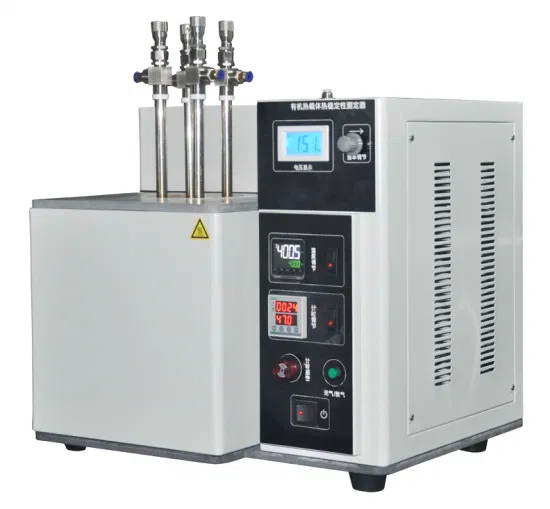
This is why Thermal Stability Analysis is non-negotiable. It’s the scientific method used to understand how a material reacts to changes in temperature, whether during processing, in service, or during its lifespan. For manufacturers aiming for global standards of quality and reliability, partnering with a specialist is essential. That specialist is Kiyo R&D Lab, where we provide meticulous Thermal Stability Analysis in Kiyo R&D Lab, giving you the concrete data needed to build truly resilient products.


The Heat is On: Mastering Product Lifespan with Thermal Stability Analysis in Kiyo R&D Lab

Understanding Thermal Stability: The Science of Survival

At its simplest, thermal stability describes a material’s ability to resist irreversible change when exposed to heat. This change can manifest in many ways: loss of mass, changes in mechanical properties, softening, melting, or decomposition. For an engineer, knowing these temperatures isn’t just academic; it dictates everything from the minimum curing temperature of a resin to the maximum operating temperature of an EV battery component.

Why Thermal Analysis is Essential for Product Lifespan

The thermal behavior of a material impacts three critical phases of a product’s life:

  • Processing: Polymers, for instance, must be molded or extruded at high temperatures. If the material starts degrading before it reaches the mold, the final product will be weak and brittle.
  • Safety & Compliance: Electronic casings, fire-retardant materials, and engine parts must maintain integrity in extreme heat to prevent hazards. Thermal data is often required for regulatory certification.
  • Service Life Prediction: Continuous exposure to moderate heat (like under the hood of a car or inside a server rack) can cause slow, gradual degradation. Thermal analysis helps predict how long a product will last before it begins to fail.

The Tools of the Trade: Core Techniques in Thermal Stability Analysis

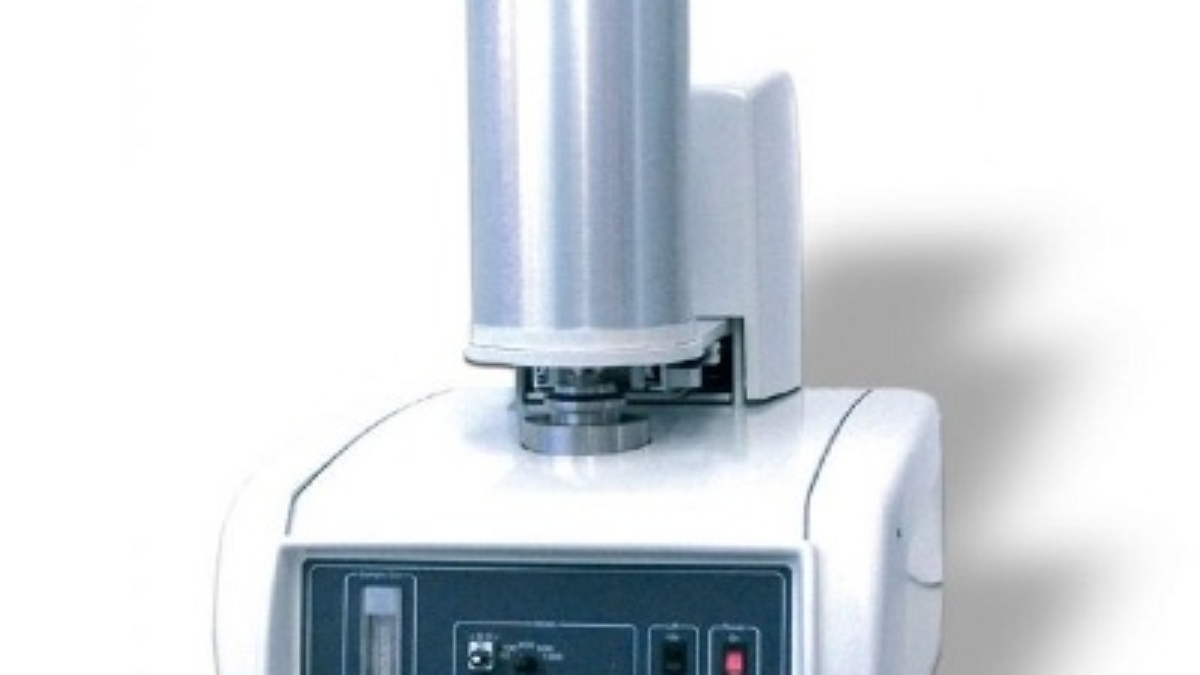
To capture the full picture of a material’s thermal lifecycle, specialized techniques are used. At Kiyo R&D Lab, we utilize world-class instrumentation to provide granular detail on material transitions. The two most common and critical techniques we employ are Thermogravimetric Analysis (TGA) and Differential Scanning Calorimetry (DSC).

1. Thermogravimetric Analysis (TGA)

TGA is perhaps the most direct measure of thermal stability. It measures the change in the weight of a material as a function of increasing temperature (or time) in a controlled atmosphere. As a material decomposes or evaporates, it loses mass, and the TGA precisely records this loss.

What TGA Reveals:

  • Decomposition Temperature (Td​): The exact temperature at which the material begins to break down.
  • Purity & Composition: It quantifies components like moisture content, volatile solvents, plasticizers, and the percentage of inorganic fillers (like glass fibers or carbon black).
  • Thermal Life Prediction: By analyzing degradation rates, TGA helps estimate how long a material will survive at a specific temperature.

2. Differential Scanning Calorimetry (DSC)

Unlike TGA, which measures mass change, DSC measures heat flow into or out of a sample as it’s heated or cooled. This pinpoints critical thermal events that don’t involve mass loss but fundamentally change the material’s properties.

What DSC Reveals:

  • Glass Transition Temperature (Tg​): This is the temperature range where amorphous polymers transition from a hard, glassy state to a soft, rubbery state. Crossing the Tg​ often means a catastrophic loss of mechanical strength.
  • Melting/Crystallization: Precise melting points (Tm​) and the degree of crystallinity, crucial for processing plastics and metals.
  • Curing & Cross-linking: Measuring the heat released during exothermic reactions, vital for optimizing the curing cycles of epoxy, thermosets, and resins.

Together, TGA and DSC provide a powerful, complementary profile, ensuring that every thermal event—from a subtle state change to full decomposition—is accurately mapped.


Applications Across Industries: Where Reliability Matters

Thermal Stability Analysis in Kiyo R&D Lab is leveraged by high-stakes industries where temperature exposure is common and failure is expensive or dangerous:

  • Automotive & EVs: Testing battery separators, housing plastics, and under-hood components to ensure they withstand continuous high temperatures and prevent thermal runaway.
  • Aerospace & Defense: Validating composites, sealants, and coatings used in environments with extreme temperature fluctuations (from cryogenic to combustion heat).
  • Electronics & Semiconductors: Characterizing potting compounds, encapsulants, and circuit board materials to prevent thermal degradation that leads to short circuits and premature device failure.
  • Polymers & Composites: Helping material developers confirm the quality of flame retardants, quantify filler content, and set precise processing windows for injection molding.
  • Pharmaceuticals: Analyzing drug purity, moisture content, and ensuring stability during storage and transportation.

The Kiyo R&D Lab Advantage: Precision, Accreditation, and Insight

Why should you trust your most critical materials to Kiyo R&D Lab? Because accurate thermal analysis requires more than just machinery; it requires expertise and adherence to global quality standards.

1. NABL / ISO 17025 Certified Precision

Kiyo R&D Lab operates under stringent NABL/ISO 17025 protocols. This accreditation ensures that our test methods, equipment calibration, and data reporting meet internationally recognized standards for competence and quality. When you present a report from Thermal Stability Analysis in Kiyo R&D Lab, you are presenting globally defensible data.

2. Consultative Expertise

Our experts don’t just hand over a graph. We interpret complex TGA and DSC curves to provide actionable insights. Whether you need help setting an ideal curing temperature or troubleshooting why a batch of plastic degraded prematurely, our team provides the consultation necessary to solve your material challenges.

3. Comprehensive Testing Portfolio

Understanding a material often requires more than just thermal data. At Kiyo R&D Lab, we seamlessly integrate thermal data with mechanical testing (like HDT) and chemical analysis, offering a holistic view of material performance under real-world conditions.


The Heat is On: Mastering Product Lifespan with Thermal Stability Analysis in Kiyo R&D Lab

Conclusion: Invest in Thermal Confidence

In the end, Thermal Stability Analysis is an investment in product confidence and market reputation. It eliminates guesswork and replaces it with scientific certainty, allowing you to optimize performance while mitigating risk.

If your components operate under heat, if your processes involve temperature cycles, or if your products promise a long life, then precise Thermal Stability Analysis in Kiyo R&D Lab is your essential step toward quality assurance. Don’t let heat be the reason for failure. Partner with Kiyo R&D Lab today and ensure your materials are built to survive the heat.

Ready to validate your material’s thermal limits? Contact Kiyo R&D Lab for a Consultation!