Polymer Viscosity Test Services
Reliable Polymer Viscosity Testing in Chennai for Plastics & Resins – Kiyo R&D LAB
Introduction
In polymer manufacturing and processing, consistency is everything. A polymer that flows too easily may lead to weak products, while one that is too thick may cause processing defects, poor mold filling, or equipment strain. Behind many product failures lies a single overlooked parameter — viscosity. That is why polymer viscosity test services in chennai – Kiyo R&D LAB are essential for industries that rely on plastics, resins, elastomers, and polymer compounds. Whether you are producing raw polymer granules, extrusion materials, injection molding compounds, or specialty formulations, viscosity testing is a critical quality indicator. At Kiyo R&D LAB, polymer viscosity testing is performed using standardized procedures and calibrated instruments to deliver reliable, repeatable results that manufacturers can trust for production decisions.

Why Polymer Viscosity Testing Matters
Many manufacturers assume polymer quality can be judged by appearance or melt flow alone. That assumption is risky. Two polymer batches may look identical but behave very differently during processing.
Viscosity directly affects:
Melt flow behavior
Extrusion stability
Injection molding performance
Film formation
Coating thickness
Mechanical strength
Product uniformity
Processing temperature requirements
Using polymer viscosity test services in chennai – Kiyo R&D LAB helps manufacturers verify that materials meet specifications before production begins. This prevents costly downtime, rejected batches, and inconsistent product quality.
What Is Polymer Viscosity?
Viscosity is the resistance of a material to flow. For polymers, viscosity describes how the material behaves under shear or heat during processing.
In practical terms:
Low viscosity polymer → flows easily, may reduce strength
High viscosity polymer → resists flow, may cause processing issues
Correct viscosity ensures stable processing and consistent product performance.
That is why companies depend on polymer viscosity test services in chennai – Kiyo R&D LAB to validate material performance before manufacturing.
Types of Polymer Viscosity Testing
Different polymers require different viscosity testing methods depending on whether they are liquids, melts, or solutions.
1. Melt Viscosity Testing
Used for thermoplastics processed at high temperatures. It measures viscosity under controlled heat and shear conditions.
Common applications:
Injection molding materials
Extrusion grades
Film and sheet polymers
2. Solution Viscosity Testing
Used for polymers dissolved in solvents. This helps determine molecular weight and chain structure.
Used in:
Polymer research labs
Resin manufacturing
Specialty polymer development
3. Rotational Viscometer Testing
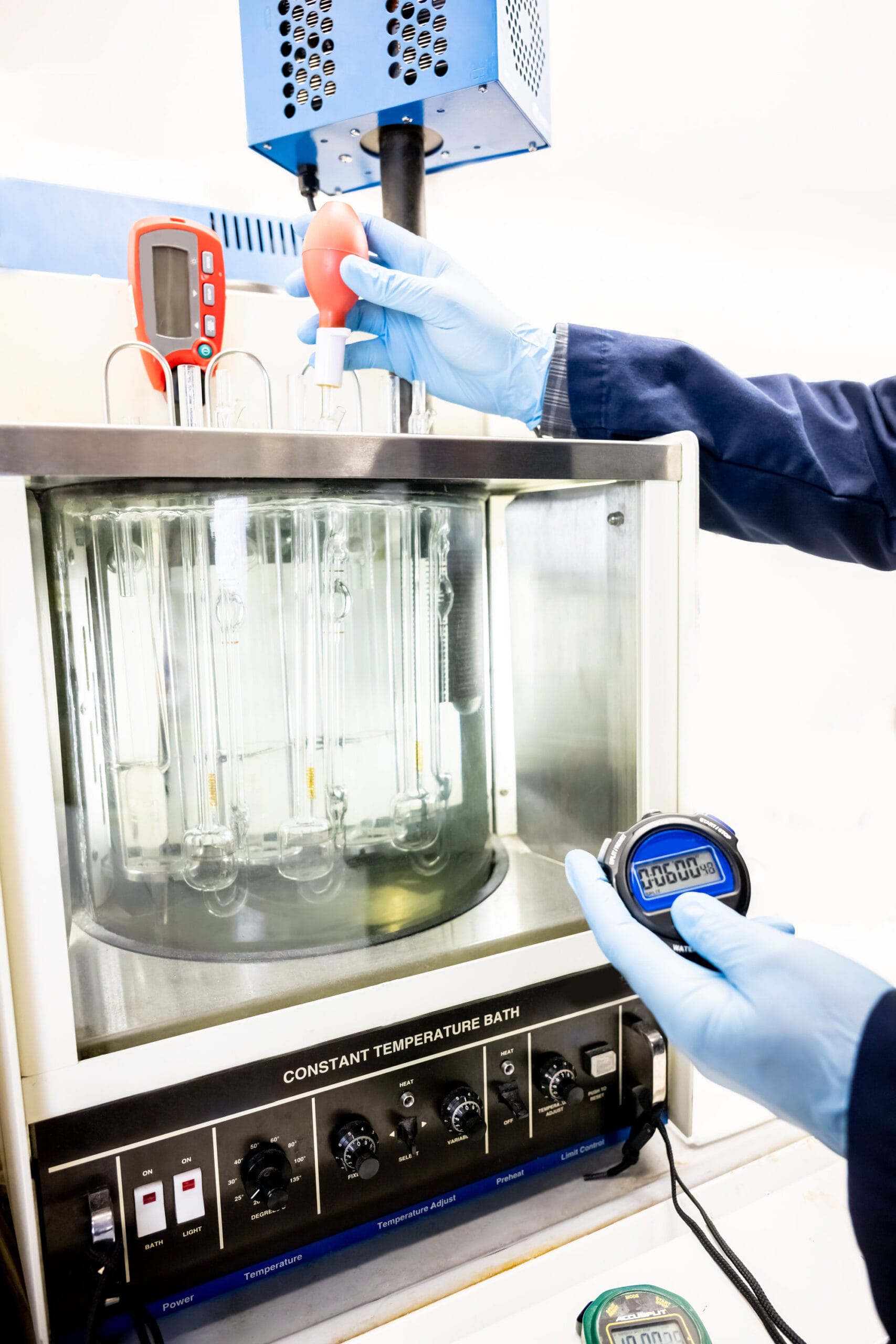
Measures viscosity using rotating spindle systems.
Suitable for:
Liquid polymers
Resins
Adhesives
Coatings
4. Capillary Rheometry
Evaluates polymer flow under controlled pressure and temperature conditions.
Ideal for:
Process simulation
Extrusion behavior prediction
High-precision R&D testing
These methods ensure that polymer viscosity test services in chennai – Kiyo R&D LAB provide accurate results suited to each material type.
Standards Followed in Polymer Viscosity Testing
Kiyo R&D LAB conducts testing according to recognized international standards such as:
ASTM viscosity test methods
ISO polymer viscosity standards
IS standards where applicable
Industry or customer-specified test protocols
This ensures reports from polymer viscosity test services in chennai – Kiyo R&D LAB are reliable, comparable, and acceptable for audits, quality approvals, and technical validation.
Industries That Need Polymer Viscosity Testing
You should use polymer viscosity test services in chennai – Kiyo R&D LAB if you operate in:
🏭 Plastic Manufacturing
Injection molding, extrusion, blow molding, film production.
🚗 Automotive Components
Plastic parts, interior trims, seals, housings.
📦 Packaging Industry
Flexible films, rigid containers, laminates.
🧪 Chemical & Polymer Production
Resin manufacturing, specialty compounds, additives.
🔬 Research & Development Labs
Material development, formulation optimization, failure analysis.
If your product depends on polymer processing behavior, viscosity testing is essential.
Why Chennai Industries Choose Kiyo R&D LAB
Chennai is a major industrial hub with plastics, automotive, chemical, and manufacturing sectors. Companies need reliable local testing facilities that provide accurate results without long delays.
That is why businesses searching for polymer viscosity test services in chennai – Kiyo R&D LAB trust a lab that offers:
Standard-based testing procedures
Calibrated instruments
Experienced technical professionals
Fast turnaround time
Clear technical reports
Support for industrial and research testing
Reliable testing helps manufacturers make confident production decisions.
How Viscosity Testing Saves You Money
Skipping viscosity testing may appear to reduce costs, but it often leads to expensive problems later.
Without testing, manufacturers risk:
Machine clogging or pressure overload
Defective molding or extrusion
Product rejection
Material waste
Process instability
Customer complaints
Using polymer viscosity test services in chennai – Kiyo R&D LAB helps prevent these issues before they affect production.
Testing is cheaper than production failure.
Common Problems Detected Through Viscosity Testing
Routine viscosity testing can identify hidden issues such as:
Incorrect polymer grade
Poor raw material quality
Degradation due to overheating
Contamination
Molecular weight variation
Batch inconsistency
If a polymer behaves unpredictably during processing, viscosity testing reveals the cause.
The Reality Many Manufacturers Ignore
Many companies test polymers only after processing problems occur. That reactive approach wastes time and money.
Smart manufacturers who use polymer viscosity test services in chennai – Kiyo R&D LAB test materials before production. This proactive approach ensures smooth processing, consistent output, and reliable product performance.