
Best Raw Material Testing Laboratory in Chennai – Kiyo R&D LAB

Best Raw Material Testing Laboratory in Chennai – Kiyo R&D LAB

Best Raw Material Testing Laboratory

Reliable Raw Material Testing in Chennai – Mechanical, Thermal & Chemical Analysis

Introduction

Every finished product is only as good as its raw material. This is a brutal but undeniable fact. You can have world-class machinery, skilled engineers, and perfect processes — but if your raw material is inconsistent, your product will fail. That is why raw material testing methods in Chennai – Kiyo R&D LAB have become critical for manufacturers who want real quality, not just paperwork. Too many companies rely on supplier datasheets, verbal assurances, or past experience. That approach works until it doesn’t — and when it breaks, the losses are massive: rejected batches, customer complaints, line stoppages, warranty claims, and brand damage. Systematic raw material testing is the only reliable way to prevent this. At Kiyo R&D LAB, raw material testing is not treated as a formality. It is treated as a scientific validation step that protects your business, your reputation, and your profitability.
Best Raw Material Testing Laboratory in Chennai – Kiyo R&D LAB

Why best Raw Material Testing Is Non-Negotiable

In real manufacturing environments, raw materials vary — even from the same supplier. Small changes in polymer grade, filler content, moisture level, or contamination can completely alter performance.

This is why raw material testing methods in Chennai – Kiyo R&D LAB are used by industries that refuse to gamble with quality.

Proper raw material testing helps you:

  • Detect defective or substandard materials before production

  • Reduce scrap and rework costs

  • Improve consistency in final products

  • Prevent catastrophic field failures

  • Strengthen supplier accountability

  • Support audits, certifications, and customer approvals

  • Shorten product development cycles

If you are still accepting materials blindly, you are taking unnecessary risk.


What “Raw Material Testing” Actually Means

Raw material testing is not one single test — it is a structured evaluation of physical, chemical, mechanical, and thermal properties to ensure that incoming materials meet required specifications.

At raw material testing methods in Chennai – Kiyo R&D LAB, testing is selected based on your industry, application, and risk level.

Below are the most critical categories of raw material testing.


1. Physical Property Testing

This is often the first checkpoint for incoming materials.

Common tests include:

  • Density

  • Moisture content

  • Melt flow index (for polymers)

  • Ash content

  • Particle size distribution

  • Bulk and tapped density

For plastics and polymers, melt flow index is particularly important. A small variation in MFI can change injection molding behavior, shrinkage, and mechanical strength. Kiyo R&D LAB applies internationally recognized standards to ensure reliable results.


2. Mechanical Property Testing

Even if raw material looks fine physically, it may fail mechanically under stress.

Typical tests include:

  • Tensile strength

  • Flexural strength

  • Impact resistance

  • Hardness

  • Tear resistance

Manufacturers in automotive, electrical, and construction industries rely heavily on these raw material testing methods in Chennai – Kiyo R&D LAB to validate incoming batches before production.


3. Thermal Analysis

Heat behavior is one of the most overlooked yet critical aspects of raw materials.

At Kiyo R&D LAB, we perform:

  • DSC (Differential Scanning Calorimetry)

  • TGA (Thermogravimetric Analysis)

  • Heat deflection temperature (HDT)

  • Vicat softening temperature

These tests help determine whether a raw material will perform under real service temperatures or fail prematurely.

If your product is exposed to heat — in vehicles, electronics, or industrial applications — thermal testing is mandatory.


4. Chemical Resistance and Environmental Testing

Many raw materials degrade when exposed to chemicals, moisture, or environmental stress.

We test for:

  • Water absorption

  • Resistance to oils and fuels

  • Acid and alkali resistance

  • Solvent compatibility

  • UV stability

This is especially important for automotive, industrial coatings, and medical materials.


5. Microscopy and Contamination Analysis

Sometimes failure is caused by invisible defects — not bulk properties.

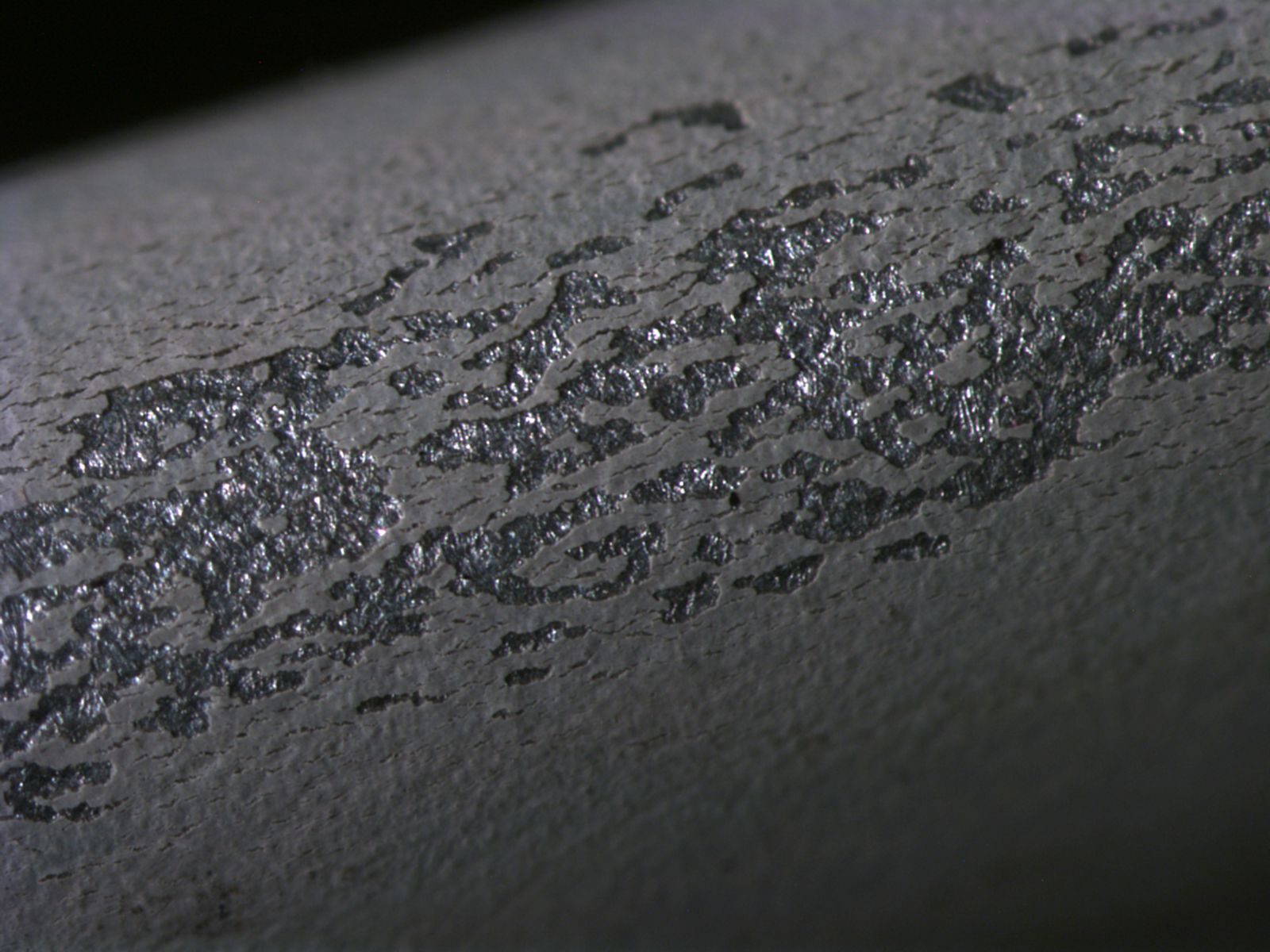
Kiyo R&D LAB uses advanced microscopy to detect:

  • Foreign contamination

  • Micro-cracks

  • Voids

  • Poor bonding

  • Uneven filler distribution

If you receive inconsistent batches, these raw material testing methods in Chennai – Kiyo R&D LAB help pinpoint the root cause.


Why Chennai Industries Trust Kiyo R&D LAB

Chennai is a major manufacturing hub, yet many companies still send samples to distant cities or depend on basic in-house tests that lack credibility.

This is why raw material testing methods in Chennai – Kiyo R&D LAB are preferred by serious manufacturers.

What makes Kiyo R&D LAB different?

  • NABL accreditation — internationally accepted results

  • Advanced instruments — not outdated equipment

  • Experienced scientists — real interpretation, not just data

  • Fast turnaround time — minimal delays

  • Industry-focused approach — results that actually help production

  • Support for students and researchers — final-year projects and R&D validation

If you are in Chennai and want reliable raw material testing, Kiyo R&D LAB is built for you.


Who Needs Raw Material Testing?

You should use raw material testing methods in Chennai – Kiyo R&D LAB if you are in:

  • Automotive manufacturing

  • Plastic injection molding

  • Rubber product manufacturing

  • Composite materials industry

  • Paints and coatings

  • Medical device production

  • Packaging industry

  • Electrical and electronics

  • Construction materials

  • Research institutions and engineering colleges

If you rely on raw materials, you need proper testing.


How Kiyo R&D LAB Handles Raw Material Testing

The workflow is simple and professional:

  1. You submit your raw material sample

  2. We understand your application and risks

  3. We recommend appropriate test methods

  4. Testing is conducted using global standards

  5. You receive a detailed technical report

  6. Optional: guidance for material selection or improvement

We don’t just give you numbers — we help you interpret them.


The Harsh Reality Many Companies Ignore

Most manufacturers test only after failure — which is too late.

Common mistakes include:

  • Trusting supplier datasheets blindly

  • Skipping incoming inspection

  • Relying on visual checks

  • Avoiding testing to save small costs

  • Ignoring batch-to-batch variations

Then they face massive losses due to rejections, recalls, or customer complaints.

Smart companies use raw material testing methods in Chennai – Kiyo R&D LAB proactively before production begins.

Best Raw Material Testing Laboratory in Chennai – Kiyo R&D LAB

Conclusion

If your business depends on raw materials, testing is not optional — it is fundamental. Raw material testing methods in Chennai – Kiyo R&D LAB give you: Confidence in material quality Scientific validation Reduced risk of failure Better product consistency Stronger credibility with customers Stop assuming. Start testing.

FAQ

What are raw material testing methods?

They are scientific tests used to evaluate the physical, mechanical, thermal, and chemical properties of incoming materials before production.

Why is raw material testing important?

It prevents failures, reduces waste, improves product consistency, and ensures supplier quality.

Which industries need raw material testing?

Automotive, plastics, rubber, composites, electronics, paints, packaging, construction, and medical industries.

Is Kiyo R&D LAB NABL accredited?

Yes, Kiyo R&D LAB provides NABL-accredited testing with internationally accepted reports.

Can students use these services?

Yes, Kiyo R&D LAB supports final-year engineering projects and research testing.

How do I submit a sample?

You can submit your material with application details, and the lab will recommend suitable tests.
ASTM D3359 Paint Adhesion Testing in Chennai | Kiyo R&D LAB

ASTM D3359 Paint Adhesion Testing in Chennai | Kiyo R&D LAB

ASTM D3359 Paint Adhesion Testing

Paint Adhesion Test Services in Chennai – Kiyo R&D LAB

Introduction

Paint Adhesion Testing Services in Chennai – Kiyo R&D LAB | Reliable Coating Performance Evaluation . Paint is not just color — it is protection. A beautifully painted surface that peels, cracks, or flakes is useless in real industrial conditions. This is why paint adhesion testing is one of the most critical quality checks for coated metals, plastics, and composites. If you are searching for “paint adhesion test services in Chennai – Kiyo R&D LAB,” you are likely dealing with customer complaints, supplier validation, product failures, or compliance requirements. You need a laboratory that does not just perform a test, but understands coatings, surface preparation, and failure mechanisms. That is exactly what Kiyo R&D Lab provides.

ASTM D3359 Paint Adhesion Testing in Chennai | Kiyo R&D LAB

What is Paint Adhesion Testing?

Paint adhesion testing evaluates how strongly a coating sticks to its substrate — whether it is steel, aluminum, plastic, or composite. A coating with poor adhesion will fail under mechanical stress, moisture exposure, heat, vibration, or corrosion conditions.

In simple terms:
If paint does not bond properly, your product will fail in the field.

Industries that rely on paint adhesion test services in Chennai – Kiyo R&D LAB include:

  • Automotive components

  • Powder coating manufacturers

  • Metal fabrication

  • Electrical enclosures

  • Appliances (AC, fridge, washing machine parts)

  • Structural steel

  • Fasteners and hardware

  • Consumer electronics housings

If your paint fails adhesion, it is not just a cosmetic issue — it is a structural and durability problem.


Why Paint Adhesion testing Matters More Than You Think

Many manufacturers focus only on coating thickness or appearance. That is a mistake.

Poor adhesion leads to:

  • Paint peeling

  • Blistering

  • Cracking

  • Delamination

  • Underfilm corrosion

  • Warranty claims

  • Rejection by customers

  • Loss of reputation

Even the most expensive paint system is worthless if it does not stick properly.

That is why serious manufacturers in Tamil Nadu choose paint adhesion test services in Chennai – Kiyo R&D LAB instead of in-house guesswork.


Standards Followed at Kiyo R&D Lab

Kiyo R&D Lab does not invent methods — it follows internationally accepted standards, including:

  • ASTM D3359 – Cross-hatch adhesion test

  • ISO 2409 – Paint and varnishes — Cross-cut test

  • ASTM D4541 – Pull-off adhesion test

  • ISO 4624 – Pull-off test for coatings

Choosing paint adhesion test services in Chennai – Kiyo R&D LAB ensures your results are globally acceptable, not just locally interpreted.


Types of Paint Adhesion Testing Performed

Kiyo R&D Lab supports multiple adhesion evaluation methods based on your application and customer requirements.

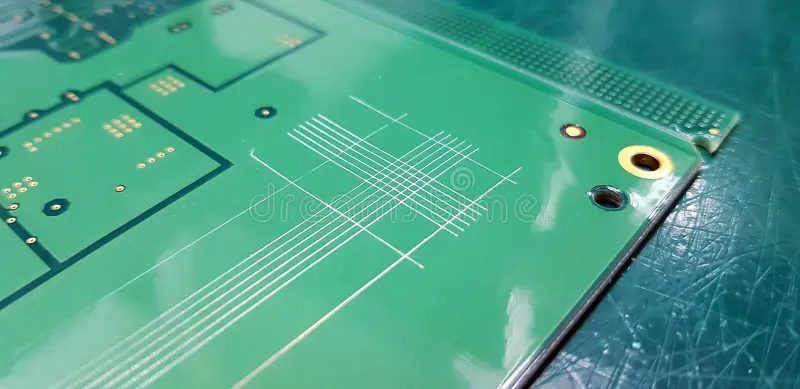
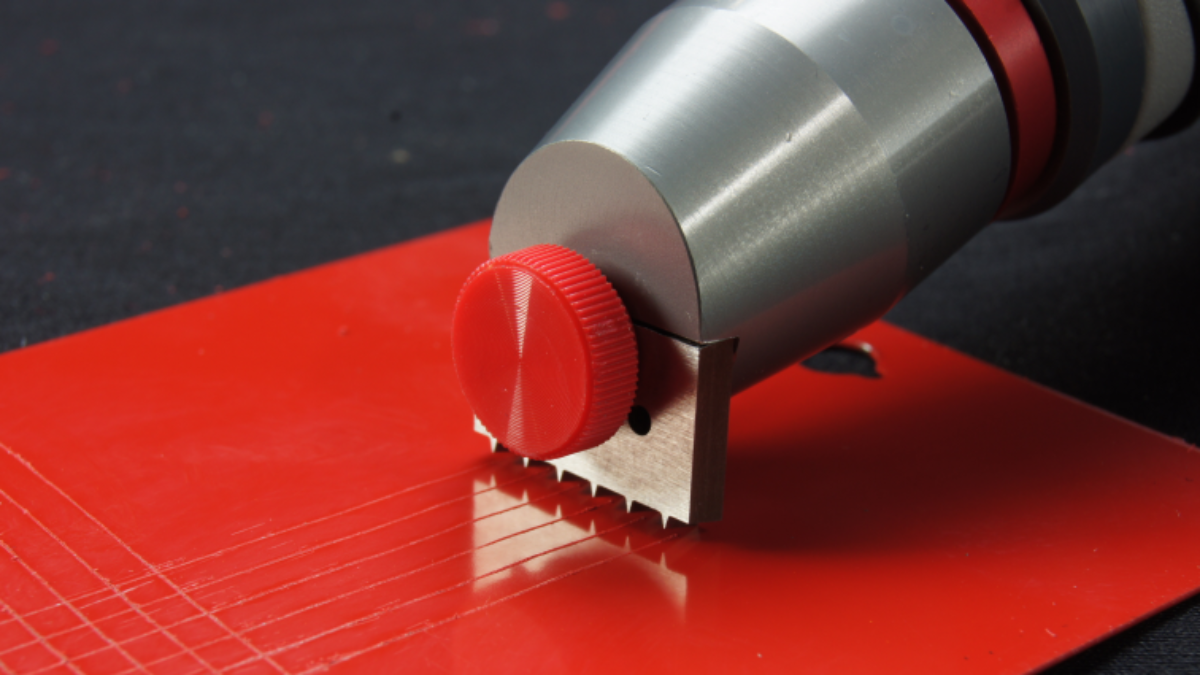
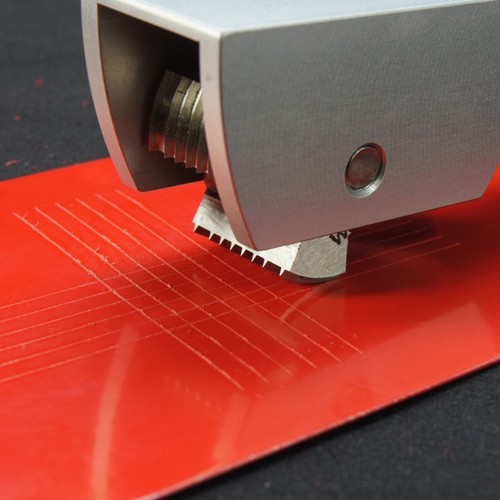
1) Cross-Hatch (Cross-Cut) Adhesion Test

This is the most commonly used method.

How it works:

  • A grid pattern is cut through the coating down to the substrate

  • Adhesive tape is applied and pulled off

  • The coating removal is visually graded

This test is widely used for:

  • Powder coatings

  • Liquid paints

  • Primers

  • Clear coats

If you need paint adhesion test services in Chennai – Kiyo R&D LAB, cross-hatch testing is often the starting point.


2) Pull-Off Adhesion Testing (Quantitative Method)

This is a more scientific method than cross-hatch.

How it works:

  • A metal dolly is glued onto the coated surface

  • A pull-off device applies tensile force

  • The force required to detach the coating is measured

Results are expressed in MPa or N/mm².

This method is ideal for:

  • Thick coatings

  • Protective paints

  • Industrial coatings

  • Heavy-duty applications

Kiyo R&D Lab uses calibrated equipment to deliver accurate, repeatable pull-off adhesion values.


3) Scratch Adhesion Test

Used when coatings are subjected to mechanical abrasion or wear.

This method is common for:

  • Automotive coatings

  • Consumer electronics finishes

  • Decorative coatings

  • Plastic parts

Scratch resistance is critical in products that experience handling, friction, or assembly contact.


How Kiyo R&D Lab Conducts Paint Adhesion Testing

Many labs run tests mechanically. Kiyo follows a structured, controlled approach.

Step 1 – Sample Inspection

Before testing, samples are checked for:

  • Coating thickness

  • Surface cleanliness

  • Visible defects

  • Substrate material

If the sample is poorly prepared, results will be misleading. Kiyo prevents that.


Step 2 – Selecting the Right Test Method

Not all coatings require the same adhesion test.

Kiyo selects the most appropriate method based on:

  • Coating type

  • Substrate material

  • Thickness

  • End-use application

This is why paint adhesion test services in Chennai – Kiyo R&D LAB are trusted by serious manufacturers.


Step 3 – Controlled Testing

All tests are conducted using:

  • Calibrated tools

  • Standardized procedures

  • Proper environmental conditions

No shortcuts. No guesswork.


Step 4 – Detailed Reporting

You receive a structured report including:

  • Test method used

  • Observations

  • Pass/fail rating

  • Photographic evidence

  • Interpretation of results

If your coating fails, Kiyo explains why it failed, not just that it failed.


Common Causes of Poor Paint Adhesion

If your coating fails, blaming the lab is pointless. Fix the process.

Common reasons for adhesion failure:

1) Poor Surface Preparation

This is the #1 cause.

Issues include:

  • Oil or grease on metal

  • Dust or contamination

  • Inadequate sandblasting

  • No chemical pretreatment

Even the best paint will fail on a dirty surface.


2) Wrong Primer

Skipping primer to save cost is a bad decision.

Proper primer ensures:

  • Better bonding

  • Corrosion resistance

  • Long-term durability


3) Incorrect Curing

If paint is not cured at the right temperature or time, adhesion suffers.

Under-cured coatings peel easily. Over-cured coatings become brittle.


4) Mismatch Between Paint and Substrate

Some paints do not bond well with certain metals or plastics.

Material compatibility matters.


Why Chennai Industries Prefer Kiyo R&D Lab

You do not need empty promises — you need real reasons.

Here is why companies choose paint adhesion test services in Chennai – Kiyo R&D LAB:

1. Accurate and Repeatable Results

Not random readings — scientifically controlled testing.

2. Expert Interpretation

Kiyo explains failure mechanisms in simple, practical terms.

3. Fast Turnaround

Manufacturing schedules cannot wait for weeks.

4. NABL-Aligned Quality System

Full traceability, calibration records, and audit-ready documentation.

5. Integrated Testing Support

Kiyo also supports:

  • Coating thickness measurement

  • Salt spray testing

  • Impact resistance

  • Hardness testing

  • Chemical resistance

  • Weathering tests

One lab, multiple solutions.


Who Should Use Paint Adhesion Test Services in Chennai?

If you are in:

  • Automotive supply chain

  • Powder coating industry

  • Metal fabrication

  • Electrical panel manufacturing

  • Appliances manufacturing

  • Hardware and fasteners

  • Consumer electronics

…then you should already be using paint adhesion test services in Chennai – Kiyo R&D LAB.

If you are not, your quality control is incomplete.


Paint Adhesion Test vs Real-World Performance

Some manufacturers ask:
“Does adhesion testing really predict field performance?”

Answer: Yes — if done correctly.

Adhesion tests help you:

  • Compare coating systems

  • Identify weak processes

  • Improve surface preparation

  • Reduce warranty failures

  • Increase product durability

It is not the only test you need — but it is a mandatory baseline.

ASTM D3359 Paint Adhesion Testing in Chennai | Kiyo R&D LAB

Conclusion

If your paint adheres properly, your product lasts longer. If it fails adhesion, everything else is irrelevant. For manufacturers in Tamil Nadu and across India, paint adhesion test services in Chennai – Kiyo R&D LAB offer reliable, fast, and technically sound evaluation that actually improves product quality — not just paperwork.

FAQ

What is paint adhesion testing?

It evaluates how strongly paint bonds to a surface to prevent peeling or failure.

Which standards are used?

ASTM D3359, ISO 2409, ASTM D4541, and ISO 4624.

Which test is best for heavy coatings?

Pull-off adhesion testing is most suitable.

Does surface preparation matter?

Yes — poor preparation is the #1 cause of adhesion failure.

What samples should I send?

Send painted panels prepared exactly as in your production process.
Salt Spray Test for Paint Services in Chennai – Kiyo R&D LAB

Accurate Salt Spray Test for Paint Services in Chennai – Kiyo R&D LAB

Salt Spray Test for Paint Services

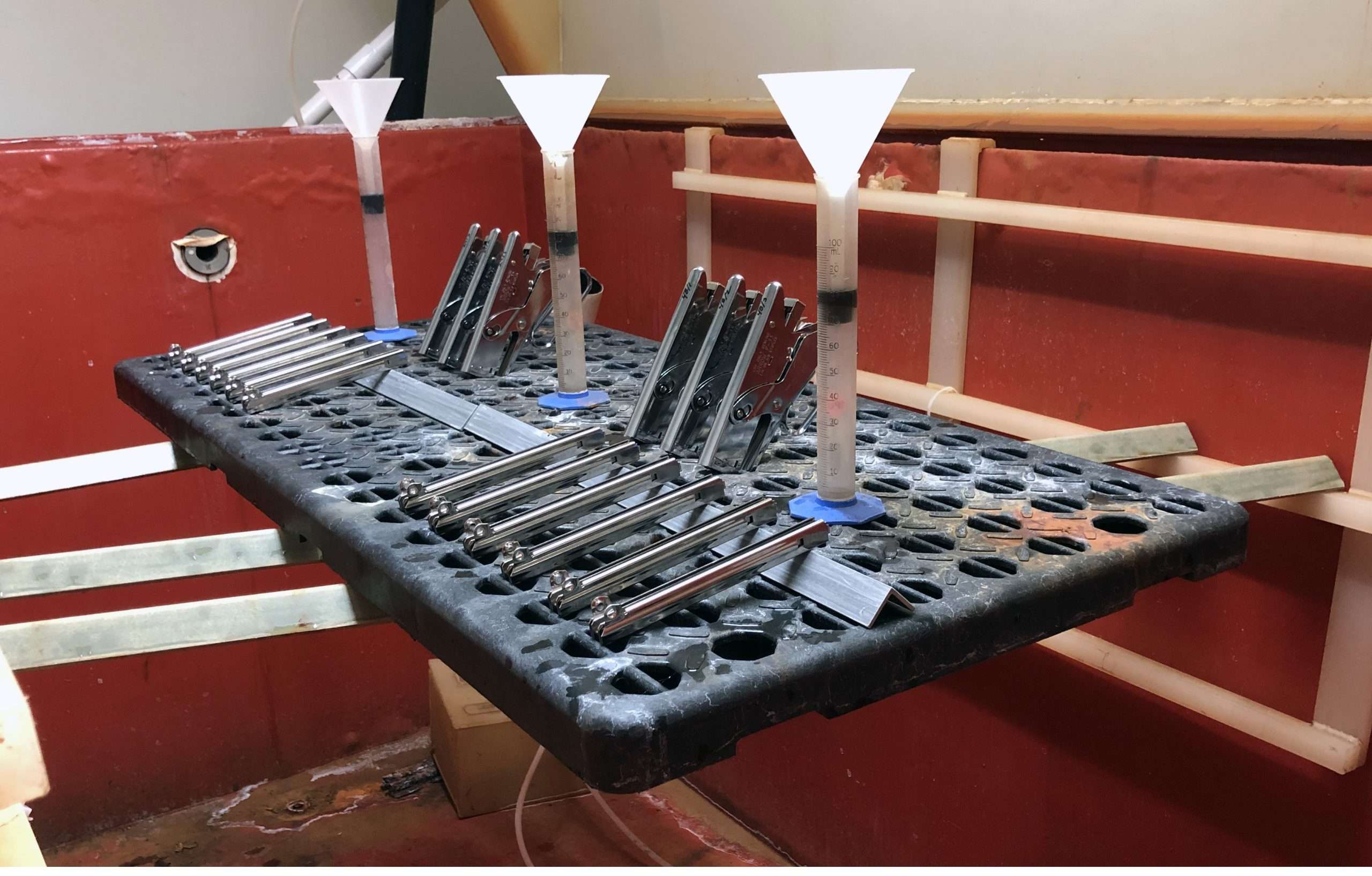
ASTM B117 Salt Spray Testing for Paint in Chennai | Kiyo R&D LAB

Introduction

Paint is not decoration—it is your first line of defense against corrosion. If your coating fails, your product fails. Period. That is why industries across automotive, fabrication, appliances, construction, and metal manufacturing depend on controlled corrosion testing rather than guesswork. Among all accelerated corrosion tests, the salt spray test (salt fog test) remains the most widely accepted method for evaluating the durability of paints, coatings, and surface treatments. If you are searching for “salt spray test for paint services in Chennai – Kiyo R&D LAB,” you are not just looking for a lab—you are looking for accuracy, repeatability, and a report that your customer, auditor, or certification body will accept without arguments. That is exactly what Kiyo R&D Lab delivers.

Salt Spray Test for Paint Services in Chennai – Kiyo R&D LAB

What Is the Salt Spray Test (Salt Fog Test)?

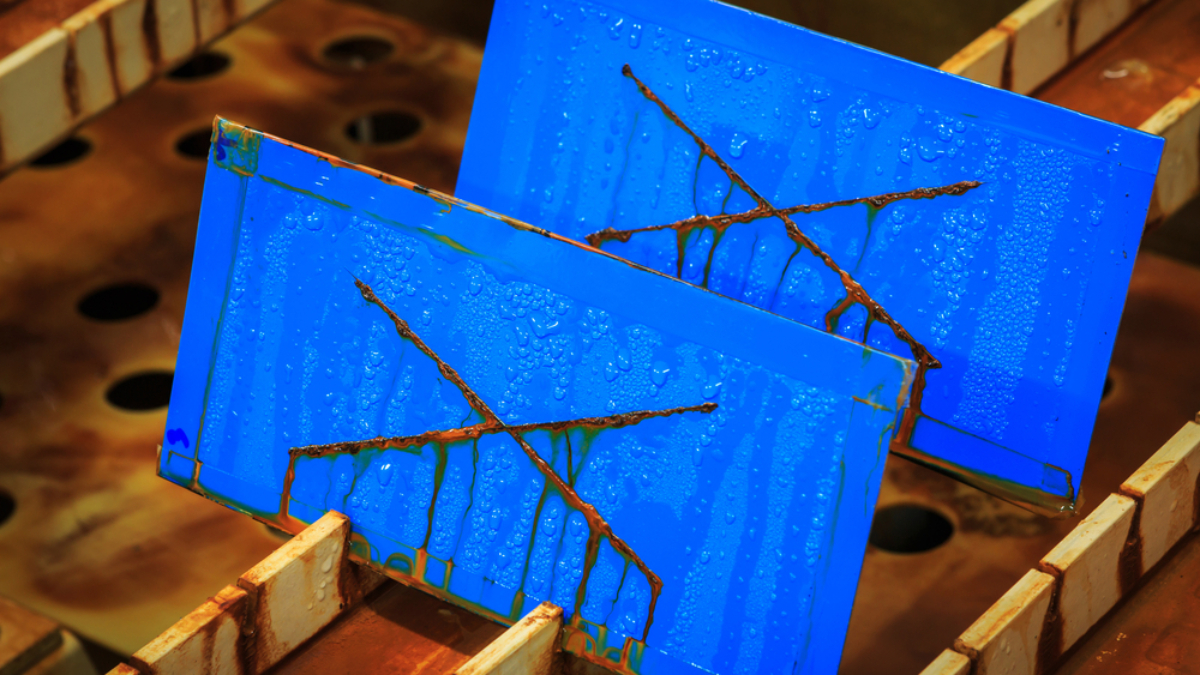
The salt spray test is an accelerated corrosion test conducted in a controlled chamber where coated metal samples are continuously exposed to a fine mist of 5% sodium chloride (NaCl) solution at around 35°C.

This environment aggressively simulates harsh marine, humid, and industrial conditions in a compressed timeframe—typically 24 to 1000+ hours.

In real life, corrosion develops slowly. In a salt spray chamber, failure appears fast. That makes it a powerful tool for:

  • Evaluating paint quality

  • Comparing coating systems

  • Qualifying suppliers

  • Validating new formulations

  • Meeting customer and export requirements

When done properly, salt spray test for paint services in Chennai – Kiyo R&D LAB provides reliable data—not random results.


Why Paint Needs Salt Spray Testing (Be Honest About Risk)

Many manufacturers assume their paint is “good enough.” That assumption is why products rust in the field.

Paint failure leads to:

  • Rust formation

  • Coating blistering

  • Delamination

  • Underfilm corrosion

  • Customer complaints

  • Warranty claims

  • Brand damage

If your product is exposed to:

  • Humidity

  • Coastal air

  • Rain

  • Industrial pollution

  • Road salt

  • Chemical fumes

…then skipping salt spray testing is a poor business decision.

Industries that routinely require salt spray test for paint services in Chennai – Kiyo R&D LAB include:

  • Automotive parts

  • Metal fabrication

  • Structural steel

  • Powder coating manufacturers

  • White goods (fridge, washing machine, AC parts)

  • Electrical enclosures

  • Fasteners and hardware

  • Painted aluminum and steel sheets

If your coating cannot survive a salt fog test, it will almost certainly fail in real life.


Standards Followed in Salt Spray Testing

Kiyo R&D Lab does not invent methods—it follows internationally recognized standards such as:

  • ASTM B117 – Standard Practice for Operating Salt Spray (Fog) Apparatus

  • ISO 9227 – Corrosion tests in artificial atmospheres

  • IS 9844 – Indian standard equivalent

When you choose salt spray test for paint services in Chennai – Kiyo R&D LAB, your test results align with global norms, not local guesswork.


How Kiyo R&D Lab Conducts the Salt Spray Test (Step-by-Step Reality)

Most labs run tests. Few labs control variables properly. Kiyo does both.

Step 1 – Sample Preparation

Your painted samples are inspected for:

  • Coating thickness

  • Surface defects

  • Edges and cut areas

  • Pre-existing corrosion

If your sample is flawed, the result will be meaningless. Kiyo ensures baseline quality before testing.

Step 2 – Controlled Chamber Conditions

The salt spray chamber maintains:

  • Temperature ~35°C

  • 5% NaCl solution

  • Continuous fine mist

  • Stable humidity

No shortcuts. No temperature fluctuations.

Step 3 – Exposure Time

Depending on your requirement, exposure may range from:

  • 24 hours

  • 72 hours

  • 168 hours (1 week)

  • 500 hours

  • 1000 hours or more

Your industry and customer requirements determine the duration.

Step 4 – Periodic Inspection

Samples are checked at defined intervals for:

  • Rust spots

  • Blistering

  • Peeling

  • Underfilm corrosion

  • Edge creep

This is critical—corrosion progression matters, not just final failure.

Step 5 – Detailed Reporting

You receive a structured report including:

  • Test conditions

  • Exposure hours

  • Visual observations

  • Photographic evidence

  • Pass/fail interpretation

This is why salt spray test for paint services in Chennai – Kiyo R&D LAB is trusted by serious manufacturers.


Common Coating Failures Detected by Salt Spray Testing

If your coating system is weak, the salt spray test will expose it quickly.

Typical failures include:

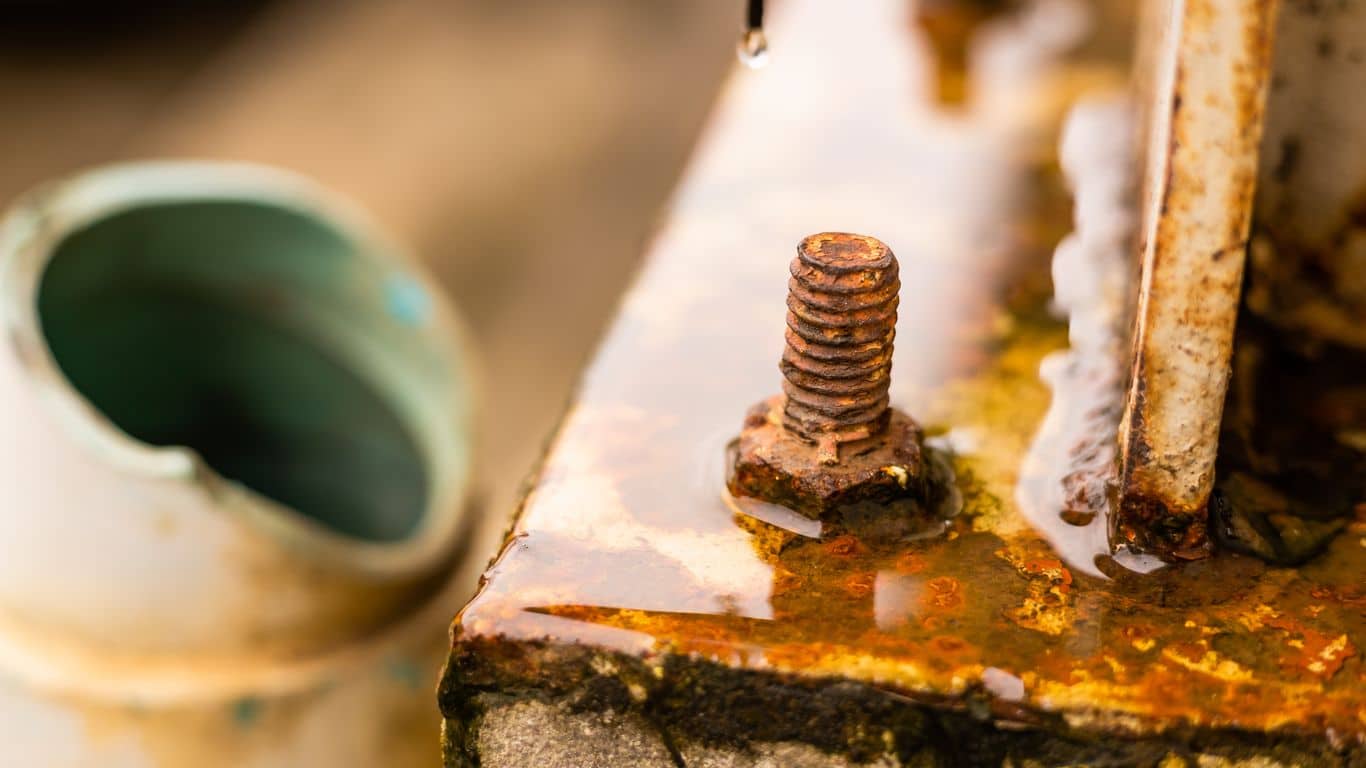
1. Red Rust Formation

Indicates poor corrosion protection or insufficient coating thickness.

2. Blistering

Shows moisture penetration under the paint—bad adhesion or poor pretreatment.

3. Delamination

Paint peeling off due to improper surface preparation or incompatible primer.

4. Edge Creep Corrosion

Corrosion spreads from cut edges—common in poorly coated panels.

5. Underfilm Corrosion

Rust forms beneath intact paint—one of the worst failures.

Kiyo R&D Lab does not just say “fail.” They explain why it failed, which is far more valuable.


Why Chennai Industries Prefer Kiyo R&D Lab

You do not need vague promises—you need real reasons.

Here is why manufacturers choose salt spray test for paint services in Chennai – Kiyo R&D LAB:

1. Controlled Testing Environment

No random humidity changes. No temperature drift. Real scientific control.

2. Accurate Interpretation

Many labs simply give numbers. Kiyo explains failure mechanisms.

3. Faster Turnaround

Production cannot wait weeks. Kiyo understands industrial timelines.

4. NABL-Aligned Quality Approach

Traceability, calibration, documentation—audit ready.

5. Integrated Materials Testing

Beyond salt spray, Kiyo also supports:

  • Coating thickness measurement

  • Adhesion testing

  • Impact resistance

  • Hardness testing

  • Chemical resistance

  • Weathering tests

One lab, multiple capabilities.


How to Improve Your Paint Performance (Hard Truths)

If your coating fails the salt spray test, blaming the lab is pointless. Fix the process.

Focus on:

1. Surface Preparation

90% of paint failures start here.

  • Proper degreasing

  • Sandblasting or phosphating

  • No oil, dust, or contamination

2. Correct Primer

Many manufacturers skip primer to save cost. That is a mistake.

3. Coating Thickness

Too thin = rust. Too thick = cracking. You need the right range.

4. Curing Conditions

Improper oven temperature ruins coating performance.

If you work with salt spray test for paint services in Chennai – Kiyo R&D LAB, you get feedback that actually helps you improve.


Who Should Use Salt Spray Test Services in Chennai?

If you are in:

  • Automotive supply chain

  • Metal fabrication

  • Powder coating industry

  • Steel structures

  • Electrical panels

  • Appliances manufacturing

  • Hardware & fasteners

…then you should already be using salt spray test for paint services in Chennai – Kiyo R&D LAB. If you are not, your quality control is weak.


Salt Spray Test vs Real-World Corrosion

Some people claim salt spray is “unrealistic.” That is a misunderstanding.

Salt spray does not perfectly replicate real environments—but it is excellent for:

  • Comparing coatings

  • Detecting weak systems

  • Accelerating failure

  • Standardized benchmarking

It is not the only test you need, but it is a mandatory baseline test for serious manufacturers.

Salt Spray Test for Paint Services in Chennai – Kiyo R&D LAB

Conclusion

If your paint survives the salt spray test, it has a fighting chance in the real world. If it fails here, it will almost certainly fail outside. For manufacturers in Tamil Nadu and beyond, salt spray test for paint services in Chennai – Kiyo R&D LAB offers reliable, fast, and technically credible corrosion testing that actually improves product quality—not just paperwork.

FAQ

What is a salt spray test?

It is an accelerated corrosion test used to evaluate paint durability under saline conditions.

Which standards are followed?

Kiyo follows ASTM B117, ISO 9227, and IS 9844.

How long does testing take?

Typical durations are 24, 72, 168, 500, or 1000 hours.

Does coating thickness matter?

Yes, thickness significantly affects corrosion performance.

What samples should I submit?

Send painted metal panels prepared exactly as in production.
Paint Adherence Test Services in Chennai | Kiyo R&D LAB

Paint Adherence Test Services in Chennai | Kiyo R&D LAB

Paint Adherence Test Services

Coating Adhesion Test for Powder Coating & Paint – Chennai

Introduction

Paint may look smooth, glossy, and perfect on the surface — yet still fail miserably in real use. One of the most common reasons for coating failure is poor adhesion between the paint and the substrate. That is why industries in Chennai increasingly search for reliable paint adherence test services in Chennai – Kiyo R&D LAB before approving parts, suppliers, or coating processes. A coating that does not adhere properly will peel, flake, chip, or blister over time — even if thickness is correct and finish looks excellent. Paint adherence test services in Chennai – Kiyo R&D LAB help manufacturers move beyond visual inspection and validate coating quality with measurable, scientific evidence. If you want durable coatings, fewer customer complaints, and stronger product reliability, paint adhesion testing is not optional — it is essential.

Paint Adherence Test Services in Chennai | Kiyo R&D LAB

Why Paint Adhesion Matters More Than You Think

Many manufacturers assume that if paint looks good, it must be good. This is a dangerous assumption.

Even well-applied coatings can fail due to:

  • Poor surface preparation

  • Oil, grease, or contamination on metal

  • Incorrect curing temperature

  • Wrong primer selection

  • Incompatible paint system

  • Improper application technique

Without proper validation through paint adherence test services in Chennai – Kiyo R&D LAB, companies face serious risks such as:

  • Early peeling and flaking

  • Corrosion starting beneath the coating

  • Customer rejections

  • Warranty claims

  • Rework and repainting costs

  • Damage to brand reputation

Adhesion is the foundation of coating durability. If adhesion is weak, everything else fails.


What is Paint Adherence Testing?

Paint adherence test services in Chennai – Kiyo R&D LAB evaluate how strongly a coating bonds to the substrate (metal, plastic, aluminum, or composite).

Instead of guessing whether the paint will stay intact, adhesion testing provides measurable results that answer one key question:

👉 “Will this paint actually stick to the surface in real conditions?”

Common adhesion testing methods include:

  • Cross-cut test

  • Pull-off adhesion test

  • Tape test

  • Scratch adhesion test

Each method evaluates bonding strength in a slightly different way, depending on industry requirements and coating type.


How Kiyo R&D LAB Performs Paint Adhesion Testing

At paint adherence test services in Chennai – Kiyo R&D LAB, testing follows a structured, standard-based approach:

  1. Sample identification and documentation

  2. Surface condition assessment

  3. Selection of appropriate adhesion test method

  4. Controlled test execution

  5. Visual and quantitative evaluation

  6. Clear, printable test report

Testing can be performed:

  • In-lab for small components

  • On-site for large fabricated structures (where feasible)

This flexibility helps manufacturers avoid transport delays and speed up decision-making.


Key Paint Adhesion Testing Methods Used

A reliable provider of paint adherence test services in Chennai – Kiyo R&D LAB typically uses multiple adhesion evaluation techniques based on application needs.

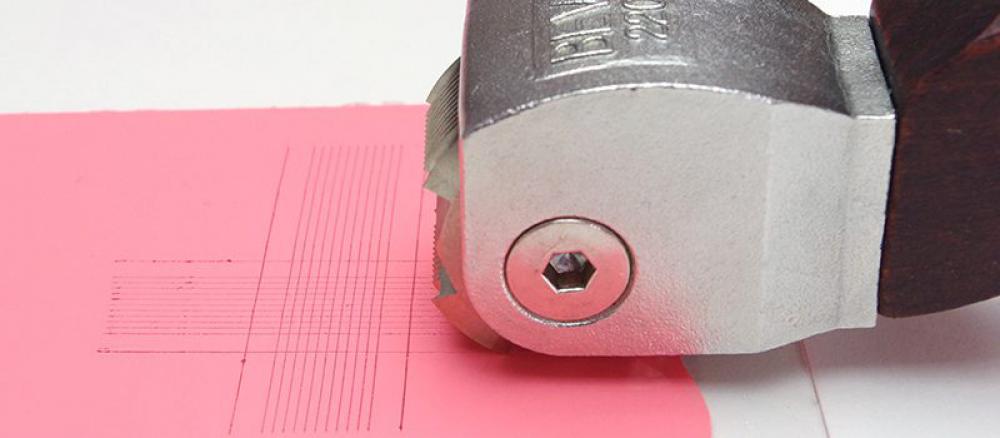
1) Cross-Cut Adhesion Test

This is one of the most commonly used methods for painted and powder-coated surfaces.

  • A grid pattern is carefully cut through the coating

  • Special adhesive tape is applied and removed

  • The amount of coating removed is observed and rated

This test helps determine whether the coating is firmly bonded or prone to peeling.


2) Pull-Off Adhesion Test

This is a more quantitative and advanced method.

  • A metal stud is glued to the painted surface

  • A specialized instrument pulls the stud away

  • The force required to detach the coating is measured

This gives a numerical adhesion strength value, making it ideal for critical industrial applications.


3) Tape Adhesion Test

A simpler method often used for quick checks.

  • High-quality adhesive tape is pressed onto the coating

  • The tape is pulled off at a controlled angle

  • Any paint removal indicates poor adhesion

This is commonly used for routine quality checks.


4) Scratch Adhesion Test

This method evaluates resistance to mechanical damage.

  • A sharp stylus applies increasing force to the coating

  • The point at which paint begins to peel is recorded

This is useful for coatings exposed to handling or abrasion.


Industries That Need Paint Adherence Test Services

Paint adherence test services in Chennai – Kiyo R&D LAB are widely used across multiple sectors, including:

  • Automotive parts manufacturers

  • Powder coating units

  • Metal fabricators

  • Electrical panel makers

  • Aluminum profile suppliers

  • White goods and appliance manufacturers

  • Construction and infrastructure companies

  • Furniture manufacturers

Any product exposed to weather, moisture, or handling requires verified paint adhesion.


Why Chennai Manufacturers Prefer Local Testing

Choosing local paint adherence test services in Chennai – Kiyo R&D LAB offers practical advantages:

  • Faster sample submission

  • Shorter turnaround time

  • Direct technical discussion

  • Lower logistics cost

  • Easy repeat testing

  • Better coordination with coating vendors

Instead of sending samples outside Chennai, manufacturers get quick and reliable testing support nearby.


Standards Followed in Paint Adhesion Testing

A trusted provider of paint adherence test services in Chennai – Kiyo R&D LAB follows recognized standards such as:

  • ASTM standards

  • ISO standards

  • IS standards

  • Customer and OEM specifications

Following standards ensures that test results are credible, comparable, and audit-ready.


How Adhesion Testing Improves Coating Quality

Using paint adherence test services in Chennai – Kiyo R&D LAB, coating vendors and manufacturers can:

  • Identify weak surface preparation

  • Improve cleaning and pretreatment methods

  • Optimize primer and paint selection

  • Reduce peeling and blistering

  • Minimize rework and repainting

  • Strengthen customer confidence

Testing is not just about finding faults — it is about improving processes.


Support for Coating Vendors and Fabricators

Powder coating and painting units often face disputes with customers over coating quality.

By using paint adherence test services in Chennai – Kiyo R&D LAB, coating vendors can:

  • Prove quality with scientific data

  • Reduce customer complaints

  • Improve internal process control

  • Avoid costly repainting

  • Build long-term trust with buyers

Adhesion test reports act as objective evidence, not opinion.


Support for Final-Year Engineering Students

Many engineering students search for paint adherence test services in Chennai – Kiyo R&D LAB for their projects.

Kiyo R&D LAB supports students by:

  • Allowing real industrial testing

  • Explaining results clearly

  • Helping prepare technical reports

  • Providing hands-on exposure to testing equipment

Students gain practical knowledge that textbooks alone cannot provide.


Why Choose Kiyo R&D LAB for Paint Adhesion Testing?

Not every lab understands coatings deeply. What makes paint adherence test services in Chennai – Kiyo R&D LAB stand out is:

  • Experienced materials and coatings team

  • Advanced testing instruments

  • Standard-based procedures

  • Clear, structured reports

  • Practical problem-solving approach

Kiyo R&D LAB does not just test — it helps clients improve coating performance.


What Happens If You Skip Paint Adhesion Testing?

Manufacturers who skip paint adherence test services in Chennai – Kiyo R&D LAB often face:

  • Coating peeling within months

  • Rust formation under paint

  • Customer dissatisfaction

  • Warranty claims

  • Repainting costs

  • Loss of reputation

Most of these problems could have been prevented with simple adhesion testing early in production.

Paint Adherence Test Services in Chennai | Kiyo R&D LAB

Conclusion

If you are searching for paint adherence test services in Chennai – Kiyo R&D LAB, you are already thinking about quality — and that is the right mindset. Paint adhesion testing is not just a lab test; it is a quality safeguard that protects your product, your brand, and your customer relationships. For accurate, standard-based, and industry-relevant paint adhesion testing in Chennai, Kiyo R&D LAB is a trusted partner. Because when paint sticks properly, products last longer — and customers stay happy.

FAQ

What is a paint adherence (adhesion) test?

It measures how strongly paint or powder coating bonds to the surface. Poor adhesion leads to peeling, flaking, and corrosion under the coating.

Which adhesion tests are commonly used?

Cross-cut/cross-hatch adhesion testing and pull-off adhesion testing are commonly used, depending on coating type and specification.

Why does paint fail even when it looks good?

Common causes include poor surface preparation, contamination (oil/grease), wrong primer/paint system, incorrect curing, or improper application.

Can adhesion testing help reduce customer rejections?

Yes. Adhesion test reports provide objective proof of coating quality for QC, supplier validation, and OEM/customer acceptance.

Who needs paint adherence test services in Chennai?

Powder coating units, metal fabricators, automotive vendors, electrical panel manufacturers, appliance makers, and any supplier delivering coated parts.