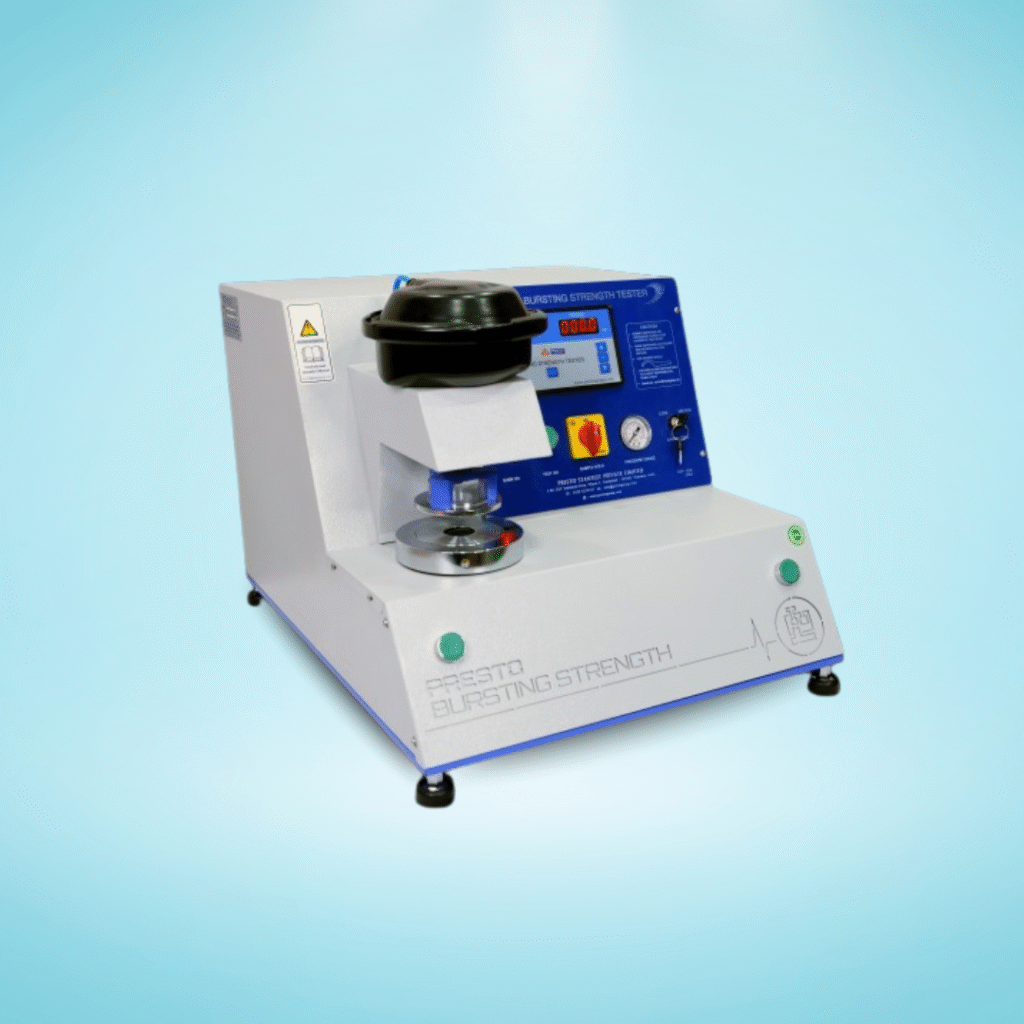
Burst Strength as Per MS 343-16

Burst Strength as Per MS 343-16

Burst Strength as Per MS 343-16

Why Burst Strength Testing is Essential for Quality Control – Insights from MS 343-16 Compliance


Introduction

Burst Strength as Per MS 343-16

Understanding the Importance of Burst Strength

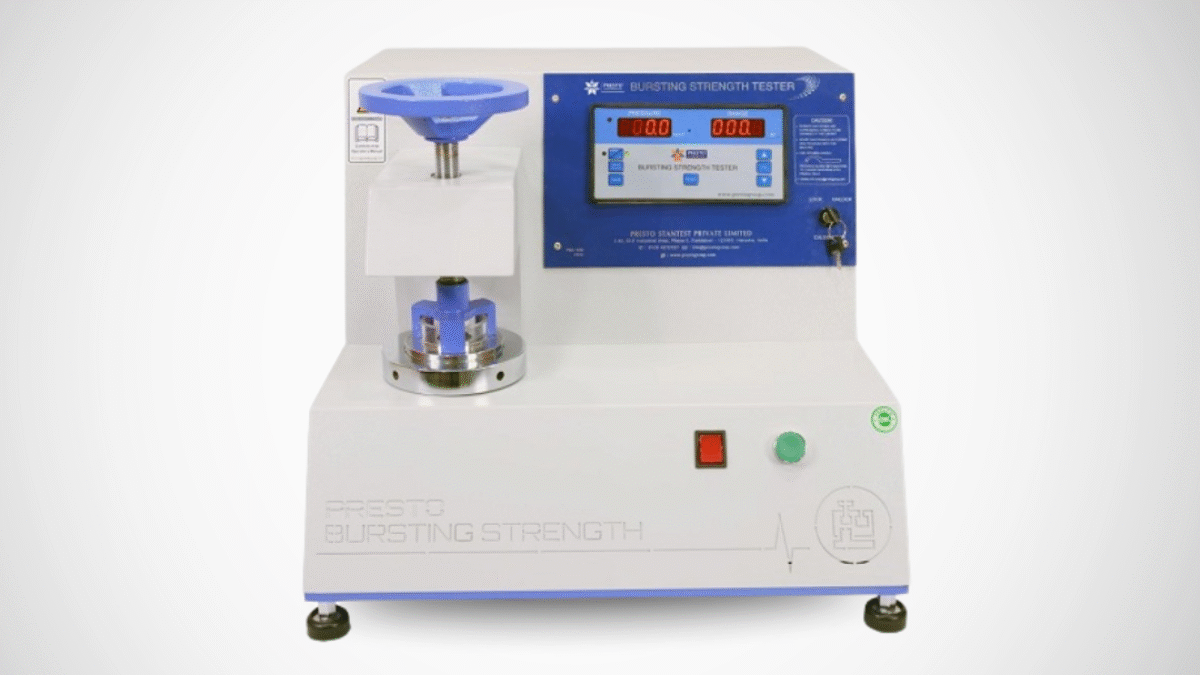
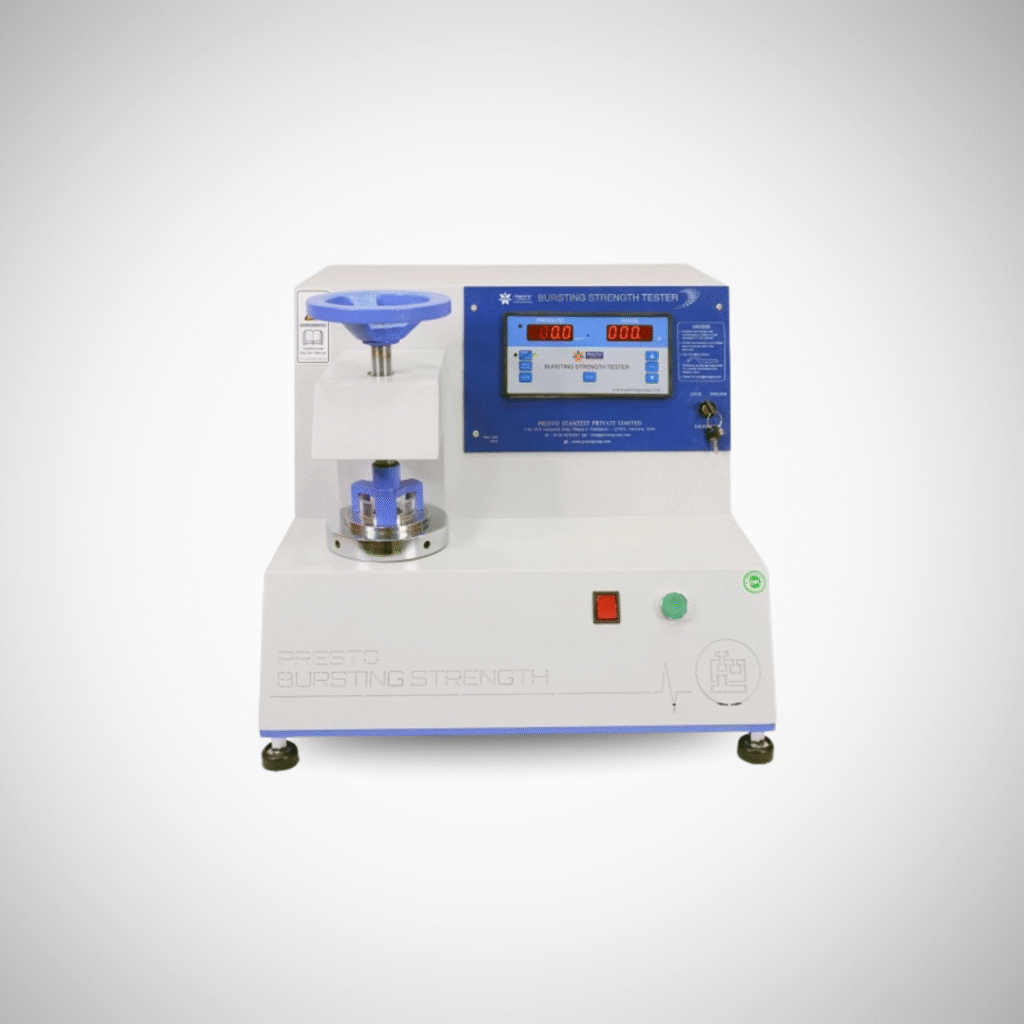
Burst strength refers to the pressure a material can endure before rupturing. This property is vital for materials exposed to internal or external pressure, such as:

  • Corrugated packaging for shipping

  • Rubber diaphragms and seals

  • Non-woven fabrics used in medical and industrial filters

  • Polymer sheets and liners

If a material fails under stress, it can result in costly downtime, product recalls, or even safety hazards. That’s where Burst Strength Testing steps in—offering predictive insight into material performance.


The MS 343-16 Advantage

At Kiyo R&D Center & Laboratory, we perform burst strength testing in strict adherence to MS 343-16, the Malaysian standard that outlines the correct methodology and conditions for the test. Compliance with this standard provides:

  • Repeatable and standardized results

  • Benchmark data for quality control

  • Assurance for both domestic and international markets

By following MS 343-16, manufacturers can gain confidence that their testing is both valid and recognized by regulatory bodies.


Use Cases Across Industries

Industries that benefit from burst strength testing include:

  • 🏷️ Packaging: Ensuring boxes and cartons don’t collapse during stacking or transit

  • 🚗 Automotive: Validating rubber seals and gaskets used in high-pressure systems

  • 🧵 Textiles: Testing industrial fabrics that serve as filters or barriers

  • 🧴 Plastics & Films: Evaluating strength of thin polymer sheets used in manufacturing

This test is especially useful for R&D teams developing new formulations or materials, as it helps predict product behavior in real-world applications.


Why Choose Kiyo for Burst Strength Testing?

Kiyo R&D Center is a trusted name in precision materials testing. Our fully-equipped laboratory, adherence to recognized standards, and fast, dependable reporting make us the preferred choice for quality-conscious manufacturers.

Our key strengths:

✅ Testing as per MS 343-16
✅ Trained lab technicians and calibrated instruments
✅ Supportive consultation for material improvement
✅ Results that support certification and compliance
Burst Strength as Per MS 343-16

Conclusion: Build Quality with Confidence


FAQ

What industries benefit from burst strength testing?

Industries such as packaging, rubber and plastics manufacturing, automotive, medical textiles, and industrial filtration benefit greatly from burst strength testing.

How long does the testing process take?

Turnaround time varies based on sample volume and test complexity. Kiyo R&D Center offers efficient processing while maintaining test accuracy.

What information is included in the test report?

Our test report includes burst strength values, test conditions, standard references (MS 343-16), sample descriptions, and technical observations.
NABL Accredited Labs in Tamilnadu

NABL Accredited Labs in Tamilnadu

NABL Accredited Labs in Tamilnadu

How NABL Accredited Labs Are Powering Industrial Growth in Tamil Nadu


Introduction

NABL Accredited Labs in Tamilnadu

🧪 Why Accreditation Matters More Than Ever

In today’s globalized economy, customers and regulators demand transparency and trust. NABL accreditation, based on ISO/IEC 17025 standards, ensures that testing laboratories meet stringent quality protocols and deliver accurate, reproducible results.

For industries in Tamil Nadu, working with NABL accredited labs like Kiyo R&D Center & Laboratory is not just a preference — it’s a necessity for:

  • Meeting international standards

  • Securing certifications for export

  • Strengthening R&D processes

  • Avoiding costly product recalls or compliance issues


🔬 Kiyo R&D: A Leader in Precision Testing

As a NABL accredited lab, Kiyo R&D Center & Laboratory offers a comprehensive suite of services across plastics, rubber, and metals testing. Our facility is equipped with advanced instruments and managed by experienced scientists who follow globally recognized protocols.

Key services include:

  • Thermal Analysis (DSC, TGA, HDT, VSP)

  • Mechanical Testing (Tensile, Flexural, Impact, Vibration)

  • Chemical Characterization (FTIR, SEM, Ash Content)

  • Flammability & Melt Flow Rate Testing

Each report generated at Kiyo is backed by traceable standards, enabling confident decision-making for manufacturers, OEMs, and research organizations.


🏭 Serving Tamil Nadu’s Core Industries

From Coimbatore’s engineering clusters to Chennai’s automotive belt, NABL accredited labs support diverse industries:

  • Automotive – Testing components for strength, durability, and safety

  • Plastics & Packaging – Verifying material properties and thermal performance

  • Textiles & Polymers – Assessing chemical compatibility and thermal resistance

  • Construction & Infrastructure – Supporting materials approval and compliance


🤝 Building Customer Trust Through Transparency

Customers trust data when it’s backed by a name they can rely on. NABL accreditation enhances your credibility — whether you’re submitting regulatory reports, bidding for contracts, or releasing new products. By partnering with a certified lab like Kiyo R&D, businesses can ensure:

  • Traceability of results

  • Standardized procedures

  • High reproducibility and comparability

  • Faster approval cycles

NABL Accredited Labs in Tamilnadu

🚀 Conclusion: A Testing Partner for the Future


FAQ

What types of tests does Kiyo R&D perform?

We offer mechanical, chemical, and thermal tests including tensile, impact, SEM, FTIR, TGA, DSC, HDT, MFR, and more.

Are NABL test reports valid internationally?

Yes, NABL is part of ILAC-MRA, so its accredited reports are globally recognized for exports and certifications.

How do I verify a lab’s NABL accreditation?

You can verify a lab’s accreditation on the official NABL website or request certification details from the lab.
Immersion Shrinkage as per MS 343-16

Immersion Shrinkage as per MS 343-16

Immersion Shrinkage as per MS 343-16

Understanding Immersion Shrinkage: Why It Matters and How MS 343-16 Sets the Standard


Introduction

Immersion Shrinkage as per MS 343-16

What Is Immersion Shrinkage?

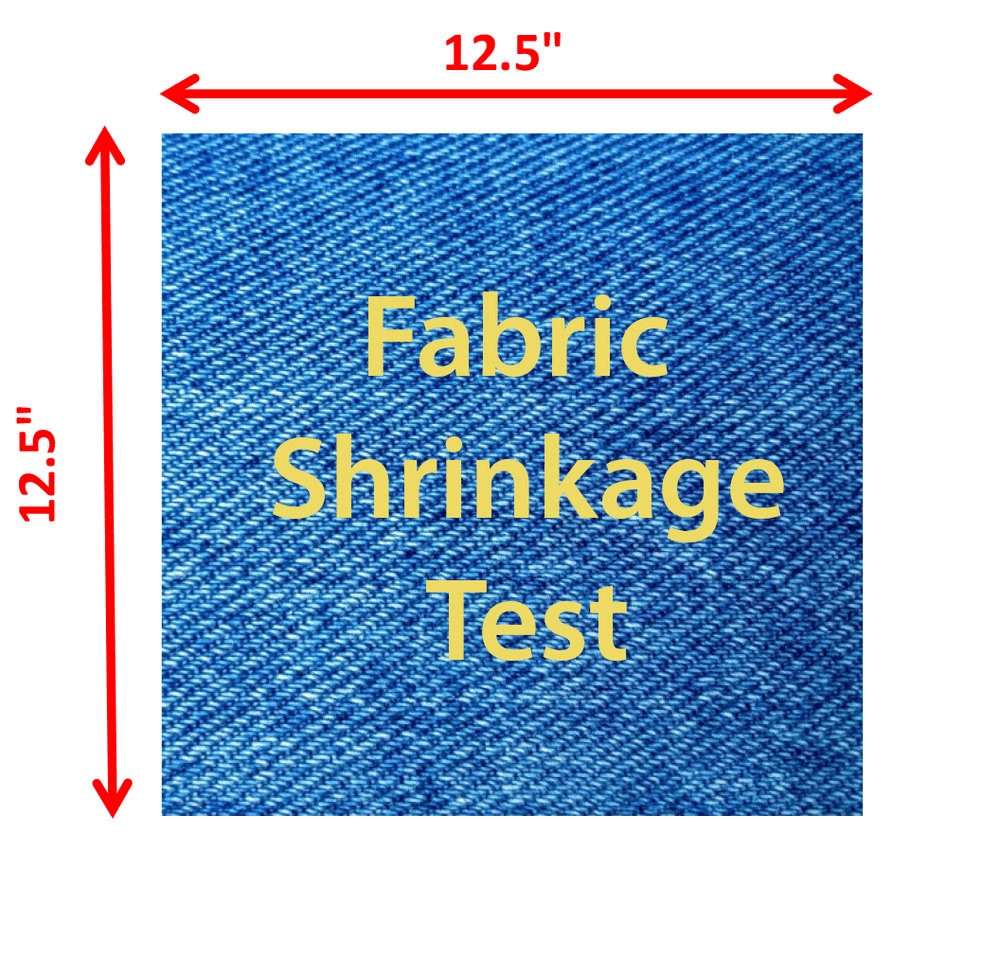
Immersion shrinkage refers to the reduction in a fabric’s dimensions after being soaked in water for a specified time and temperature. Why does this matter? Because it simulates real-world conditions—such as washing or exposure to moisture—and helps predict how a fabric will behave over time.

In industries where precision and quality control are essential, like apparel, automotive interiors, or technical textiles, this kind of testing helps you:

  • Avoid customer complaints about sizing or fit

  • Optimize material blends for stability

  • Ensure compliance with national and international specifications

Why Use MS 343-16?

The MS 343-16 standard, developed in Malaysia, is a benchmark for immersion shrinkage testing. It defines the test procedure clearly—how to condition, immerse, and measure fabric samples—to ensure consistency and reproducibility.

At Kiyo R&D, we adhere to every step of this standard, delivering:

  • Repeatable data across batches

  • Confidence in product specifications

  • Traceable, quality-controlled reporting

Who Needs This Test?

If you’re working with:

  • Woven or knitted fabrics

  • Technical or performance textiles

  • Uniforms, industrial wear, or fashion garments

…you need to know how your materials react to water. Shrinkage not only affects dimensions but also appearance, fit, and durability.

Partnering with Kiyo R&D

Our laboratory is equipped to test a wide variety of materials, and our team has extensive experience working with local and international manufacturers. Whether you’re in early R&D or final production checks, our immersion shrinkage testing services provide reliable insights you can act on.

Immersion Shrinkage as per MS 343-16

Ready to test your materials the right way?


FAQ

Q1: How are the results reported?

A: Results are typically provided as a percentage change in length and width, indicating the degree of shrinkage after immersion.

Q2: How long does the test take?

A: The duration varies, but testing usually involves a 30-minute to 24-hour immersion period, followed by conditioning and measurement.

Q3: Does this test simulate real washing conditions?

A: It simulates controlled exposure to water, which helps predict how fabrics will behave during laundering or use in humid environments.
Surface Resistivity Testing As per IS 3396

Surface Resistivity Testing As per IS 3396

Surface Resistivity Testing As per IS 3396

Why Surface Resistivity Testing Matters: A Deep Dive into IS 3396 Standards


Introduction

Surface Resistivity Testing As per IS 3396

Understanding Surface Resistivity

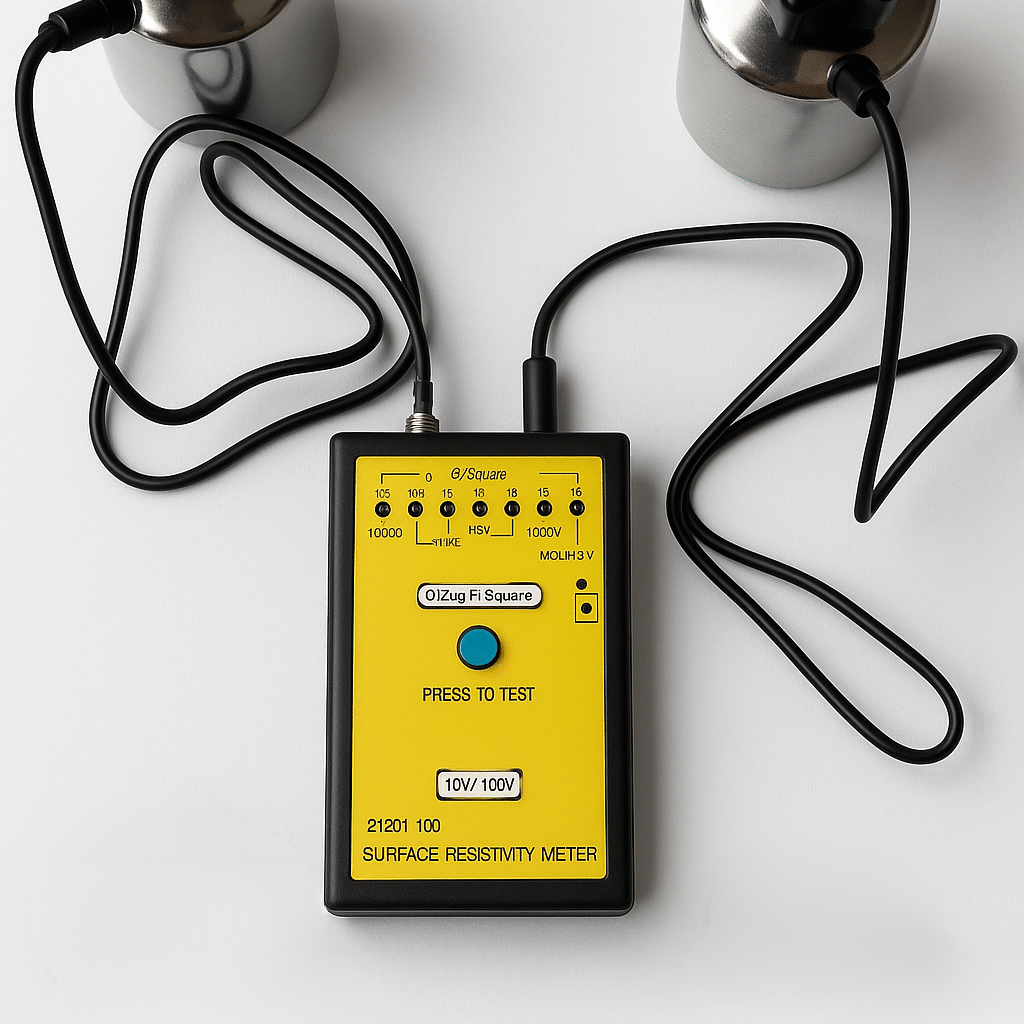
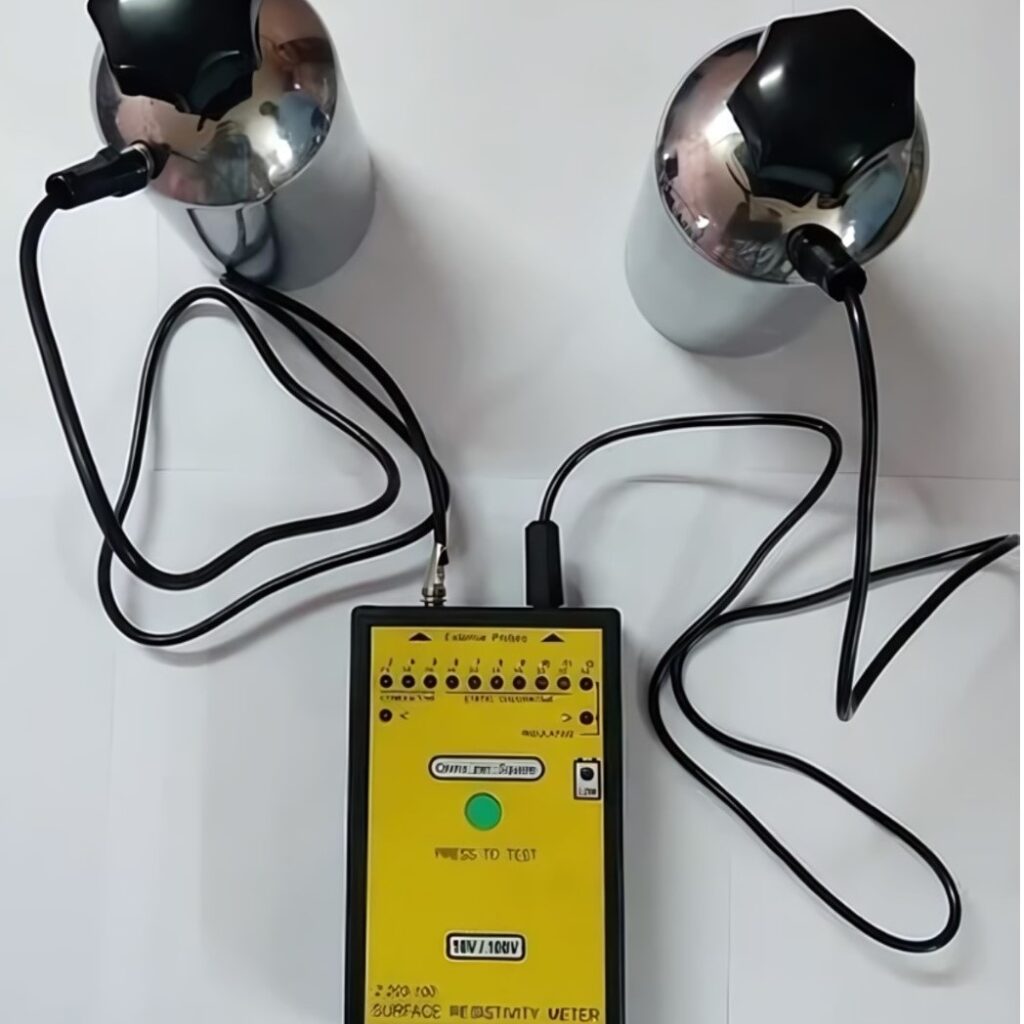
Surface resistivity is a measure of how well a material resists electrical current flowing across its surface. The results are typically expressed in ohms per square (Ω/□) and help classify materials into:

  • Insulative materials (≥ 10¹² Ω/□)

  • Static dissipative materials (10⁵ to 10¹¹ Ω/□)

  • Conductive materials (≤ 10⁴ Ω/□)

These values are crucial in preventing electrostatic discharge (ESD), which can damage sensitive components in electronics and create safety hazards.


📘 What Does IS 3396 Define?

IS 3396, established by the Bureau of Indian Standards (BIS), outlines the method for determining surface resistivity in solid electrical insulating materials, primarily those made of plastic, rubber, or polymer composites.

It includes guidelines for:

  • Sample preparation

  • Test electrode configuration

  • Voltage application

  • Environmental controls such as humidity and temperature

At Kiyo, we strictly follow these parameters to ensure repeatable and compliant test results.


🧪 Industries That Rely on Surface Resistivity Testing

Surface resistivity testing is indispensable for several applications, including:

  • Electronics manufacturing – for PCBs, connectors, and enclosures

  • Automotive interiors – ensuring safety from static shocks

  • Packaging materials – especially for ESD-sensitive components

  • Flooring and mats – in cleanrooms and control panels

  • Defense equipment – where insulation properties are mission-critical


🧰 Kiyo’s Testing Highlights

At Kiyo R&D Center & Laboratory, our Surface Resistivity Testing includes:

  • High-precision measurement instruments

  • IS 3396-compliant procedures

  • Detailed test reports with interpretation

  • Quick turnaround for development and compliance needs

We help clients meet both national and global product requirements while maintaining quality, consistency, and safety.

Surface Resistivity Testing As per IS 3396

✅ Partner With Experts You Can Trust


FAQ

1. How is the test conducted?

A voltage is applied across electrodes placed on the material's surface in a controlled environment. The resulting current is measured to calculate resistivity.

2. What are the test conditions specified by IS 3396?

IS 3396 specifies environmental controls (like humidity and temperature), electrode configuration, sample conditioning, and test voltage to ensure consistency.

3. What is the measurement unit used?

Surface resistivity is measured in ohms per square (Ω/□), indicating resistance across a unit square of the material surface.
Car Product Testing Lab in Chennai

Car Product Testing Lab in Chennai

Car Product Testing Lab in Chennai

Driving Reliability: The Critical Role of Automotive Component Testing

Introduction

Car Product Testing Lab in Chennai

Understanding Component Testing

Component testing involves analyzing individual vehicle parts to confirm their safety, performance, and longevity under simulated real-world conditions. This step is essential before mass production, ensuring that manufacturers meet regulatory standards and customer expectations.

Types of Component Testing

  • Melt Flow Rate Testing
    Assesses the flow properties of thermoplastics used in components like bumpers and interior trims, ensuring proper moldability and consistency.

  • HDT/VSP Testing
    Measures the heat deflection and softening points of polymers, vital for parts exposed to high temperatures such as engine bay housings.

  • TGA and DSC Analysis
    These thermal tests reveal stability, degradation, and heat capacity of materials, helping to predict their behavior in harsh environments.

  • Ash Content Testing
    Identifies filler materials in plastics and rubber to ensure material integrity and performance.

  • Noise, Vibration, Harshness (NVH) Testing
    Enhances comfort and product perception by reducing unwanted vibrations and noise in cabins.

Benefits to OEMs and Suppliers

By investing in precise component testing:

  • Quality improves, reducing the risk of defects.

  • Costs are controlled through fewer recalls and rework.

  • Innovation accelerates by enabling better material selection and design validation.

Car Product Testing Lab in Chennai

The Kiyo R&D Advantage


FAQ

1. Do you offer custom testing solutions for R&D projects?

Absolutely. We collaborate closely with clients to design and execute tailored test programs based on unique development goals.

2. Are your test reports suitable for certification or regulatory submission?

Yes, we provide comprehensive reports that meet regulatory and industry requirements, suitable for certification and audits.

3. How can I request a quote or start a project?

Please visit our official website and contact our team through the provided inquiry forms for personalized assistance.
Glow Wire Testing in Chennai

Glow Wire Testing in Chennai

Glow Wire Testing in Chennai

Glow Wire Testing As Per IEC 60695-2 in Chennai

Introduction

Glow Wire Testing in Chennai

What is Glow Wire Testing?

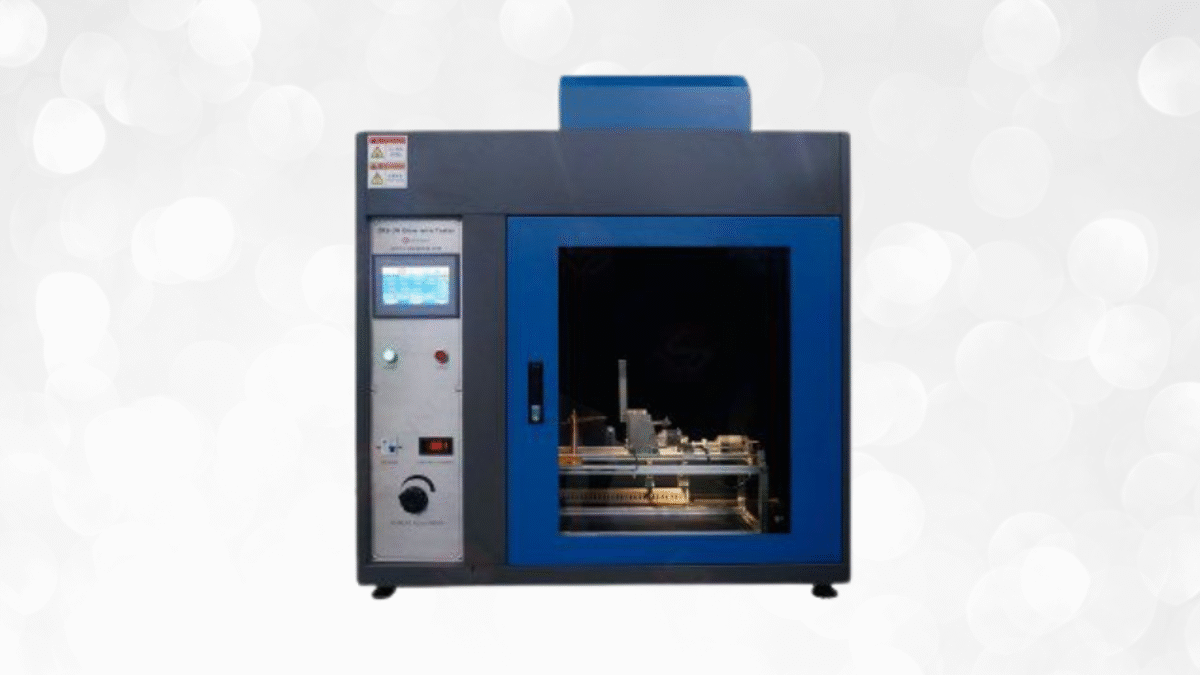
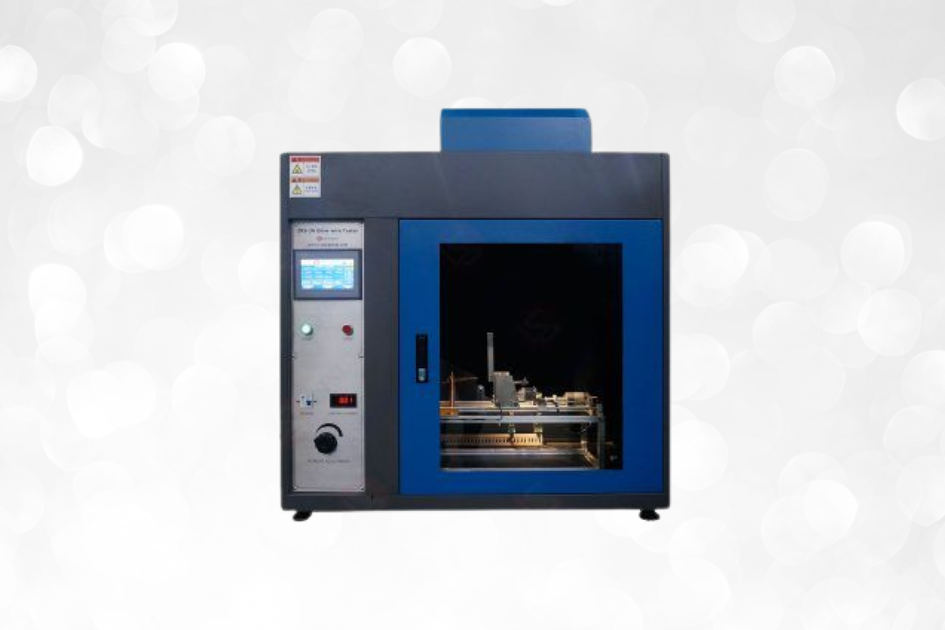
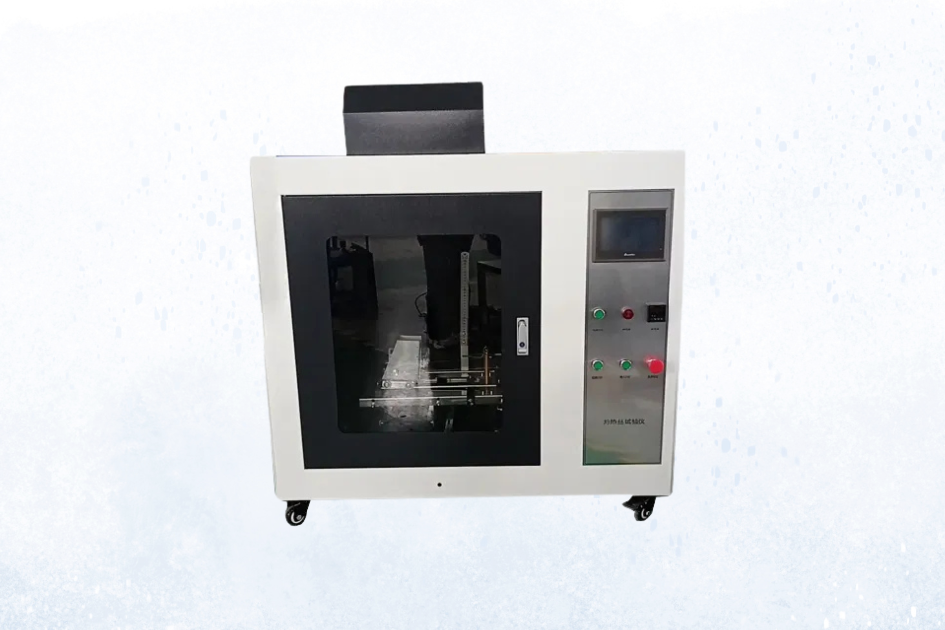
Glow wire testing simulates the effect of a hot or glowing component, such as an overloaded resistor or a live wire, that may come into contact with plastic or insulating materials in an electrical device. This method helps evaluate whether a material will ignite, sustain combustion, or self-extinguish under thermal stress.

About IEC 60695-2 Standard

The IEC 60695-2 standard outlines a series of glow wire tests to assess fire hazard risk in electrical and electronic products.

Key Objectives:

  • Determine Glow Wire Ignition Temperature (GWIT)

  • Establish Glow Wire Flammability Index (GWFI)

  • Observe ignition time, flame duration, and dripping behavior

This standard is essential for ensuring that insulating materials used in devices like switches, sockets, power adapters, and control panels can withstand heat sources without becoming a fire hazard.

Glow Wire Testing Services at Kiyo R&D Center & Laboratory

As a dedicated provider of glow wire testing in Chennai, we offer full support from sample handling to final reporting.

Our Testing Capabilities Include:

  • Temperature range: 550°C to 960°C

  • Compliance with IEC 60695-2-10 to 60695-2-13

  • Automated glow wire apparatus with temperature control

  • Visual monitoring and flame evaluation

  • Reports compliant for certifications and audits

Material Types:

  • Electrical enclosures and plastic housings

  • Connectors, sockets, and switch covers

  • Polymer and thermoset components

  • Consumer electronics casings

Applications Across Industries

Glow wire testing is vital for manufacturers across various sectors:

  • 🔌 Electrical & Electronics: circuit components, panels, adapters

  • 🚘 Automotive: dashboard materials, connectors

  • 🏠 Home Appliances: ovens, washing machines, kettles

  • 💡 Lighting Systems: plastic housings, lamp holders

  • 🧪 R&D and QA Labs: validating material formulations

Why Choose Kiyo R&D Center & Laboratory?

As a trusted name for glow wire testing in Chennai, Kiyo R&D offers:

  • ✔️ Fully equipped lab with calibrated glow wire setup

  • ✔️ Strict adherence to IEC 60695-2

  • ✔️ Fast turnaround and detailed reports

  • ✔️ Support for prototype testing and mass production validation

  • ✔️ Expert guidance to meet global fire safety compliance

Glow Wire Testing in Chennai

Conclusion


FAQ

1. Is glow wire testing mandatory?

Yes, for many regulatory certifications and product approvals, glow wire testing is mandatory to meet international fire safety standards.

2. Do you offer glow wire testing in Chennai for prototypes and R&D samples?

Absolutely. We support R&D, certification, and quality validation projects, with flexible services for pre-production samples.

3. What is the typical turnaround time?

Most glow wire tests are completed within 3–5 working days, depending on volume and test scope.

4. Can you help with test interpretation or failure analysis?

Yes, our team offers technical consultation to help you understand results and improve material or design performance.
Thermal Resistance Testing as per IEC 60309 In Chennai

Thermal Resistance Testing as per IEC 60309 In Chennai

Blog

Home > Blog

Thermal Resistance Testing as per IEC 60309 In Chennai

Get expert IEC 60309 thermal resistance testing in Chennai with Kiyo R&D Center. Ensure your connectors meet global safety standards.

Introduction

Thermal Resistance Testing as per IEC 60309 In Chennai

What Is IEC 60309?

IEC 60309 is the globally recognized standard that governs the design, performance, and safety of industrial-grade electrical connectors. It applies to systems that need to operate reliably in challenging environments—factories, construction sites, marine systems, and more.

A core part of compliance involves thermal resistance testing, which evaluates how well a connector handles heat produced during electrical operation.

Thermal Resistance Testing Under IEC 60309

IEC 60309 specifies detailed procedures to assess thermal behavior under load. These include:

  • Heat Rise Testing: Monitors temperature increases at contact points.

  • Thermal Endurance Evaluation: Tests materials and components under sustained temperature exposure.

  • Insulation Performance: Measures the impact of heat on insulating elements.

  • Design Efficiency: Evaluates the connector’s ability to dissipate heat.

Thermal Resistance Testing in Chennai by Kiyo R&D Center and Laboratory

As a leading name in thermal resistance testing in Chennai, Kiyo R&D Center and Laboratory delivers expert testing aligned strictly with IEC 60309.

We offer:

  • Precise Measurement Instruments: For accurate heat rise and endurance assessment.

  • Customizable Testing Protocols: Adapted to unique customer requirements.

  • Rapid and Reliable Service: Helping manufacturers meet project timelines.

  • Expert Technical Support: Guidance from certified professionals.

Who Needs IEC 60309 Thermal Resistance Testing?

If your products are used in heavy-duty, industrial, or outdoor environments, you must validate them against IEC 60309. Sectors that benefit include:

  • Electrical equipment manufacturing

  • Renewable energy systems

  • Portable generator manufacturers

  • Industrial automation and robotics

  • Maritime and aviation ground systems

Why Choose Kiyo R&D Center and Laboratory?

Choosing Kiyo R&D Center and Laboratory for your thermal resistance testing means:

  • Trusted Local Expertise in Chennai: Serving industries across India with globally benchmarked testing.

  • Unmatched Precision and Compliance: Every test strictly follows IEC protocols.

  • Comprehensive Test Reports: Easy-to-understand documentation for regulatory and customer assurance.

  • Commitment to Innovation: Constant upgrades to testing methodologies and tools.

Thermal Resistance Testing as per IEC 60309 In Chennai

Conclusion


FAQ

Q1: What does thermal resistance testing under IEC 60309 involve?

It involves evaluating the heat tolerance of industrial plugs and sockets by testing heat rise, thermal endurance, and insulation performance under load.

Q2: Why is IEC 60309 compliance important?

Compliance ensures electrical safety, durability, and global acceptance of products in industrial environments, reducing the risk of overheating and failures.

Q3: Does Kiyo R&D Center provide IEC 60309-compliant testing in Chennai?

Yes, Kiyo R&D Center and Laboratory offers specialized thermal resistance testing in Chennai, fully aligned with IEC 60309 standards.

Q4: What industries benefit from IEC 60309 thermal testing?

Industries such as electrical manufacturing, construction, renewable energy, marine systems, and industrial automation rely on this testing.

Q5: What makes Kiyo R&D Center stand out for thermal testing?

Kiyo provides advanced equipment, certified testing professionals, rapid turnaround times, and detailed, standards-compliant reports.