
Accreditation in Laboratory Services in India | Kiyo R&D LAB
In India, laboratory testing is no longer just about generating results. It’s about credibility, traceability, and trust. Whether you are a manufacturer, exporter, consultant, or student, the value of a test report depends entirely on one thing: accreditation.
That’s why Accreditation in Laboratory Services in India – Kiyo R&D LAB matters.
At Kiyo R&D LAB, we understand that accreditation is not a logo on a report. It is a system of competence, built on technical capability, calibrated equipment, trained personnel, documented procedures, and continual compliance.

At Kiyo R&D LAB, accreditation means NABL-approved methods, calibrated equipment, and results you can trust.
What Does Accreditation Mean in Indian Laboratory Services?
In simple terms, laboratory accreditation in India confirms that:
- The lab is technically competent
- Testing is performed as per recognized standards
- Equipment is calibrated and traceable
- Results are reliable, repeatable, and auditable
In India, laboratory accreditation is primarily governed by NABL (National Accreditation Board for Testing and Calibration Laboratories), operating under Quality Council of India (QCI).
When a lab is NABL-accredited, it means the laboratory has been independently assessed and approved as per ISO/IEC 17025 requirements.
Why Accreditation in Laboratory Services Is Critical in India
India’s manufacturing and infrastructure ecosystem has changed significantly. Today:
- Customers demand certified test reports
- Auditors verify traceability and uncertainty
- Government and PSUs insist on accredited labs
- Export markets reject non-accredited reports
Without accreditation, test results may be questioned, rejected, or ignored.
That is why Accreditation in Laboratory Services in India – Kiyo R&D LAB is not optional for serious testing requirements.
Common Misconceptions About Laboratory Accreditation
Many people misunderstand accreditation. Let’s clear it up.
❌ Accreditation is not just documentation
❌ It is not limited to big labs only
❌ It is not a one-time approval
Accreditation requires:
- Continuous compliance
- Regular audits
- Staff competency validation
- Equipment calibration
- Measurement uncertainty estimation
At Kiyo R&D LAB, accreditation is treated as a daily operational discipline, not an annual event.
How Accreditation Impacts Test Results
Accreditation directly affects the quality of results through:
1. Standardized Test Methods
All tests are conducted strictly as per approved ASTM, ISO, IS, or equivalent standards — no shortcuts.
2. Calibrated Equipment
Every critical instrument is calibrated with traceability to national or international standards.
3. Trained & Authorized Personnel
Only qualified, trained, and authorized analysts perform testing.
4. Measurement Uncertainty
Results include uncertainty evaluation where applicable, making data scientifically defensible.
This is the real strength behind Accreditation in Laboratory Services in India – Kiyo R&D LAB.
Who Benefits from Accredited Laboratory Services in India?
Accreditation is not just for auditors. It benefits multiple stakeholders:
Manufacturers
- Reliable quality control
- Reduced customer complaints
- Faster approvals
Exporters
- Acceptance in global markets
- Reduced re-testing
- Compliance with international requirements
Consultants & Project Engineers
- Defensible technical decisions
- Reduced project risk
Students & Researchers
- Credible experimental data
- Stronger academic and industrial acceptance
Accredited Laboratory Services at Kiyo R&D LAB
At Kiyo R&D LAB, accreditation is integrated into every process.
Our laboratory services cover:
- Plastics testing
- Rubber testing
- Polymer and composite testing
- Paints and coatings testing
- Mechanical, thermal, chemical, and physical evaluation
All services are delivered under NABL-accredited scope, ensuring compliance with ISO/IEC 17025.
Why NABL Accreditation Matters More Than Ever in India
With increasing regulatory oversight and quality expectations, NABL accreditation has become the benchmark for laboratory services in India.
Non-accredited reports often face:
- Rejection during audits
- Disputes with customers
- Delays in project approvals
- Re-testing costs
Accreditation in Laboratory Services in India – Kiyo R&D LAB eliminates these risks by providing reports that are technically sound and widely accepted.
Accreditation Is About Confidence, Not Just Compliance
One overlooked benefit of accreditation is confidence.
- Confidence in test data
- Confidence during audits
- Confidence in customer discussions
- Confidence in technical decisions
At Kiyo R&D LAB, clients don’t just receive reports — they receive assurance.
How Kiyo R&D LAB Maintains Accreditation Standards
Maintaining accreditation requires continuous effort. At Kiyo R&D LAB, we focus on:
- Regular internal audits
- Periodic method validation and verification
- Ongoing staff training
- Equipment performance monitoring
- Continuous improvement initiatives
This ensures our accreditation is active and meaningful, not symbolic.
Choosing the Right Accredited Laboratory in India
Not all accredited labs operate the same way. When selecting a lab, consider:
- Scope of accreditation
- Clarity of reports
- Technical support availability
- Turnaround time
- Transparency in testing
Accreditation in Laboratory Services in India – Kiyo R&D LAB stands out because we combine technical rigor with practical support.

At Kiyo R&D LAB, accreditation means NABL-approved methods, calibrated equipment, and results you can trust.
Conclusion
In today’s quality-driven environment, accreditation defines the value of laboratory testing in India.
Accreditation in Laboratory Services in India – Kiyo R&D LAB ensures that every test result is:
- Technically valid
- Traceable
- Auditable
- Accepted
Whether you are manufacturing products, exporting materials, executing projects, or completing academic research, accredited testing is no longer optional — it is essential.
If results matter, accreditation matters.
And that is exactly what Kiyo R&D LAB delivers.

Thermal Expansion Testing Services – Kiyo R&D LAB | NABL-Accredited Dimensional Stability Testing
Materials expand when heated and contract when cooled. Everyone learns this in textbooks. But in real products and real installations, thermal expansion is not a theory problem — it’s a failure problem.
Cracked pipes, warped plastic parts, misaligned assemblies, coating delamination, seal leakage, and dimensional rejection during inspection often trace back to one overlooked property: thermal expansion. That is exactly why Thermal Expansion testing services – Kiyo R&D LAB are critical for manufacturers and project teams that cannot afford surprises after installation or delivery.
At Kiyo R&D LAB, we don’t treat thermal expansion as a checkbox test. We evaluate how materials actually behave under temperature changes, using NABL-accredited testing, aligned with ASTM, ISO, and IS standards.

At Kiyo R&D LAB, our NABL-accredited Thermal Expansion testing services deliver accurate, decision-ready data to validate material compatibility, dimensional stability, and long-term performance.
Why Thermal Expansion Testing Is Critical
In real service conditions, materials are rarely at constant temperature. They face:
- Daily temperature cycles
- Seasonal thermal variation
- Process heating and cooling
- Hot fluid or electrical exposure
- Outdoor environmental conditions
If thermal expansion is not properly evaluated, the result is predictable:
- Dimensional mismatch
- Internal stress buildup
- Cracking or deformation
- Joint failure
- Long-term fatigue damage
Thermal Expansion testing services – Kiyo R&D LAB help identify these risks early — before products fail in the field or get rejected during inspection.
What Is Thermal Expansion Testing? (Practical View)
Thermal expansion testing measures how much a material’s dimensions change when temperature changes. But the real value lies in how that data is used.
At Kiyo R&D LAB, thermal expansion testing helps answer questions like:
- Will this material deform in service?
- Is the expansion compatible with adjoining materials?
- Will repeated heating and cooling cause fatigue or cracking?
- Is the material suitable for the intended temperature range?
We focus on engineering relevance, not just numerical output.
Materials That Require Thermal Expansion Testing
Thermal expansion testing is essential for a wide range of materials, including:
- Plastics and polymers
- Rubber and elastomers
- Composites
- Coatings and paints
- Pipes, sheets, and profiles
- Construction and infrastructure materials
Different materials expand at different rates. When dissimilar materials are assembled together, uncontrolled expansion becomes a design risk.
That’s why Thermal Expansion testing services – Kiyo R&D LAB are often requested during product design, material selection, and failure analysis.
Thermal Expansion Testing at Kiyo R&D LAB
At Kiyo R&D LAB, thermal expansion testing is performed under controlled, NABL-accredited laboratory conditions with calibrated equipment and traceable procedures.
Our approach includes:
- Controlled temperature ramps
- Accurate dimensional measurement
- Repeatable test conditions
- Clear interpretation of results
Testing is conducted as per applicable ASTM, ISO, and IS standards, depending on material type and application.
Why Thermal Expansion Data Matters in Real Applications
1. Product Design & Material Selection
Design engineers often choose materials based on strength or cost alone. Thermal expansion data ensures that the material will maintain dimensional stability during use.
2. Assembly & Joint Integrity
When two materials expand at different rates, joints become stress points. Thermal expansion testing helps prevent:
- Joint cracking
- Seal failure
- Fastener loosening
3. Process & Manufacturing Control
During molding, extrusion, coating, or curing, temperature variation can distort parts. Testing helps optimize:
- Processing temperatures
- Cooling cycles
- Dimensional tolerances
4. Long-Term Durability
Repeated heating and cooling cause fatigue. Thermal expansion testing helps predict long-term behavior, not just short-term performance.
Industries That Depend on Thermal Expansion Testing
Thermal Expansion testing services – Kiyo R&D LAB are commonly used by:
- Plastic and polymer manufacturers
- Pipe and profile producers
- Automotive component suppliers
- Electrical and electronic product manufacturers
- Construction and infrastructure projects
- Coating and paint manufacturers
- R&D and product development teams
Any industry where dimensional accuracy matters needs thermal expansion data — whether they realize it or not.
Common Problems Solved Through Thermal Expansion Testing
Clients often approach us after facing:
- Warping of plastic components
- Cracking of pipes after installation
- Delamination of coatings
- Misalignment in assembled parts
- Rejection during quality inspection
Thermal expansion testing helps identify whether the issue is caused by:
- Incorrect material selection
- Excessive temperature exposure
- Incompatible material combinations
- Poor processing control
This turns guesswork into engineering clarity.
Why Choose Kiyo R&D LAB for Thermal Expansion Testing
Let’s be direct. Many labs can generate numbers. Very few help you understand what those numbers mean for your product.
What Sets Kiyo R&D LAB Apart
- NABL-accredited testing laboratory
- ASTM, ISO & IS compliant procedures
- Experienced materials testing professionals
- Clear, structured, audit-ready reports
- Fast turnaround with priority options
- Support for industry, projects, and students
We focus on decision-ready data, not just compliance.
Testing for Compliance, Approval & Validation
Thermal expansion test reports from Kiyo R&D LAB are suitable for:
- Internal design validation
- Customer approval and qualification
- Quality control documentation
- Audit and certification support
- Failure investigation reports
Every report is traceable, reproducible, and defensible.
When Should Thermal Expansion Testing Be Done?
Engage Thermal Expansion testing services – Kiyo R&D LAB when:
- Developing a new product or formulation
- Changing raw materials or suppliers
- Combining different materials in one assembly
- Facing dimensional or cracking issues
- Preparing for audits or client approval
Testing early prevents expensive redesign and field failure later.
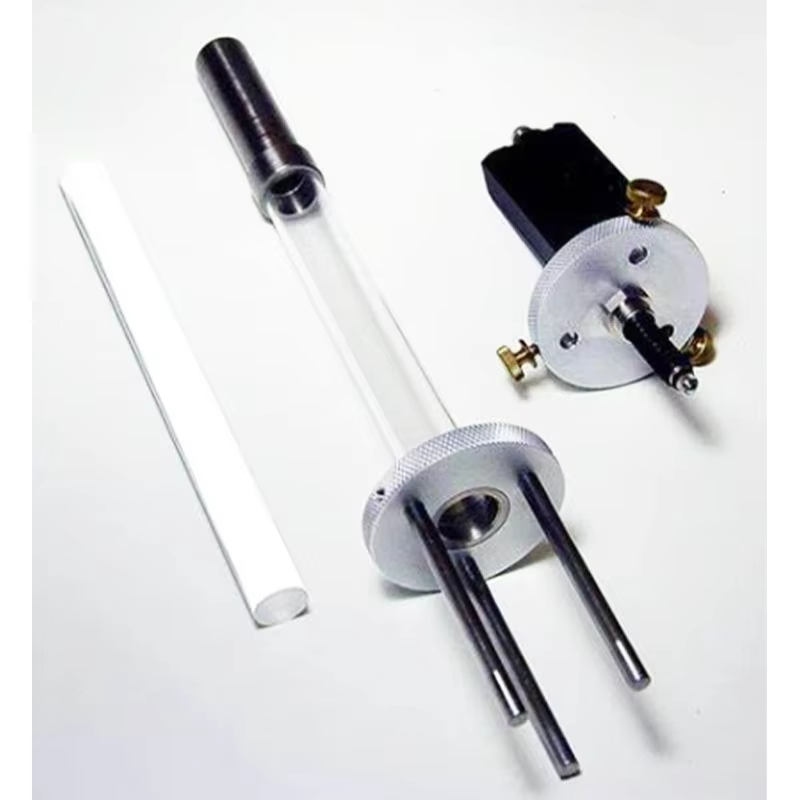
At Kiyo R&D LAB, our NABL-accredited Thermal Expansion testing services deliver accurate, decision-ready data to validate material compatibility, dimensional stability, and long-term performance.
Conclusion
Thermal expansion is not a minor property. It is a root cause of many real-world failures when ignored.
Thermal Expansion testing services – Kiyo R&D LAB provide manufacturers, designers, and quality teams with accurate, NABL-accredited, and practically interpretable data — helping ensure dimensional stability, durability, and long-term performance.
If your product experiences temperature changes, don’t assume it will cope.
Test it. Understand it. Approve it.
That’s what we deliver at Kiyo R&D LAB.
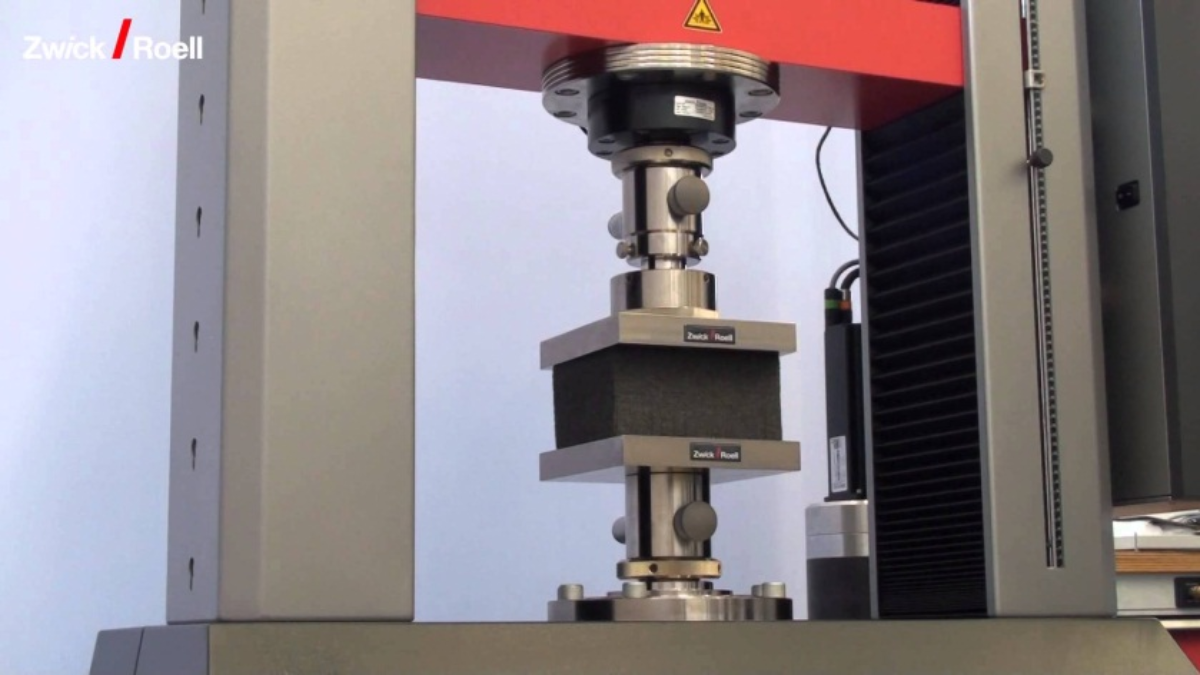
Foam Testing Laboratory Services in India for Reliable Product Performance – Kiyo R&D LAB
Foam Testing Laboratory Services in India: Why Foam Control Is Critical for Product Quality
Foam is one of those problems most industries underestimate—until it starts causing visible defects, process instability, or customer complaints. Whether it’s paints, coatings, adhesives, detergents, polymers, or industrial liquids, uncontrolled foam directly affects product performance, appearance, and consistency.
That’s exactly why foam testing laboratory services in india – Kiyo R&D LAB are becoming increasingly important for manufacturers who want predictable quality rather than trial-and-error fixes.
Foam is not just air bubbles. It is a process variable that influences flow, coating thickness, surface finish, curing behavior, and even long-term durability.
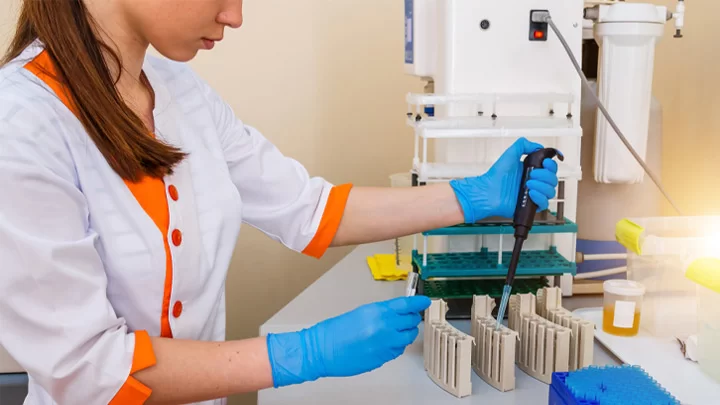
Control it with foam testing laboratory services in India – Kiyo R&D LAB.
What Is Foam and Why Does It Matter?
Foam is formed when air or gas becomes trapped in a liquid, stabilized by surfactants or additives. In many industrial formulations, foam is unavoidable—but uncontrolled foam is a problem.
Excessive or stable foam can lead to:
- Pinholes and craters in coatings
- Poor leveling and surface roughness
- Inconsistent film thickness
- Pump cavitation and process interruptions
- Reduced filling accuracy in packaging
Without proper testing, manufacturers often adjust formulations blindly, increasing costs and introducing new problems.
This is where foam testing laboratory services in india – Kiyo R&D LAB provide structured, data-driven answers.
Industries Where Foam Testing Is Essential
Foam testing is relevant across multiple industries, including:
- Paints and coatings
- Adhesives and sealants
- Detergents and cleaning chemicals
- Polymers and emulsions
- Inks and surface treatments
- Automotive and industrial fluids
If your product involves mixing, agitation, pumping, spraying, or filling, foam behavior affects your final quality—whether you acknowledge it or not.
Why Lab-Based Foam Testing Is Necessary
Many companies try to judge foam visually on the shop floor. That approach is unreliable.
Foam behavior depends on:
- Mixing speed
- Temperature
- Viscosity
- Additive compatibility
- Surface tension
Without controlled conditions, results vary every time.
Using foam testing laboratory services in india – Kiyo R&D LAB ensures:
- Standardized test conditions
- Repeatable and comparable results
- Clear interpretation of foam behavior
- Reliable data for R&D and quality control
Lab testing turns foam from a “process headache” into a measurable parameter.
Key Foam Tests Performed in a Professional Laboratory
1. Foam Height Measurement
This test evaluates how much foam is generated when a liquid is agitated under defined conditions.
High foam height often indicates:
- Excessive surfactant activity
- Poor formulation balance
- Risk of surface defects or filling issues
2. Foam Stability Test
Foam stability measures how long the foam persists before collapsing.
Why this matters:
- Short-lived foam may not affect performance
- Stable foam can remain trapped in the product or coating
Persistent foam is far more damaging than temporary foam.
3. Foam Collapse and Drainage Behavior
This test observes how quickly foam breaks down and how liquid drains from foam bubbles.
Slow collapse usually points to:
- Strong foam stabilization
- Ineffective defoamer performance
4. Defoamer Efficiency Evaluation
Defoamers are commonly added to control foam—but the wrong defoamer can cause new defects.
Testing evaluates:
- Defoamer effectiveness
- Compatibility with the base formulation
- Risk of side effects like craters or fisheyes
This avoids expensive formulation mistakes.
5. Application-Relevant Foam Simulation
At foam testing laboratory services in india – Kiyo R&D LAB, testing can simulate real conditions such as:
- High-speed mixing
- Pump circulation
- Spray or coating application
This ensures lab results match actual production behavior, not just theoretical performance.
Common Problems Caused by Poor Foam Control
Manufacturers often misdiagnose foam-related issues as application or operator errors. In reality, foam is the root cause of many failures:
- Pinholes appearing after curing
- Surface roughness despite correct viscosity
- Uneven coating thickness
- Reduced gloss and poor appearance
- Inconsistent fill volumes
Foam testing helps identify these issues before they become customer-facing problems.
Why Foam Testing Matters in R&D and Product Development
During formulation development, foam behavior is often ignored until the final stages. This is a costly mistake.
By integrating foam testing laboratory services in india – Kiyo R&D LAB early in R&D:
- Formulations are optimized faster
- Defoamer selection becomes data-driven
- Scale-up risks are reduced
- Production trials become smoother
Foam testing reduces dependency on repeated plant trials and last-minute adjustments.
Importance of Standardized Testing and Technical Discipline
Foam testing may appear simple, but poorly controlled tests give misleading results.
Professional lab testing ensures:
- Controlled temperature and agitation
- Defined test volumes and timings
- Documented procedures
- Technically valid reports
For manufacturers supplying to OEMs or regulated industries, this level of discipline is non-negotiable.
Why Choose Kiyo R&D LAB for Foam Testing?
foam testing laboratory services in india – Kiyo R&D LAB are designed for manufacturers who need clarity, not guesswork.
Key strengths include:
- Structured and repeatable foam testing methods
- Support for industrial and automotive applications
- Clear interpretation of test results
- Fast turnaround for R&D and production support
- Technically sound documentation
This helps manufacturers make confident decisions instead of reacting to problems after production starts.
Foam Testing as a Preventive Quality Tool
The real value of foam testing lies in prevention.
Instead of dealing with:
- Line stoppages
- Rework and scrap
- Customer complaints
- Brand damage
Manufacturers who use foam testing can:
- Predict application behavior
- Improve surface quality
- Stabilize processes
- Reduce long-term costs
Foam testing shifts quality control from reactive to proactive.

Control it with foam testing laboratory services in India – Kiyo R&D LAB.
Final Thoughts: Foam Control Is a Quality Decision
Foam is not a minor inconvenience—it is a critical quality variable. Ignoring it leads to defects, inefficiencies, and avoidable costs.
By choosing foam testing laboratory services in india – Kiyo R&D LAB, manufacturers gain the ability to understand, control, and optimize foam behavior under real-world conditions.
Because in industrial production, what looks like a small bubble problem often turns into a big quality failure later.
If performance, consistency, and reliability matter, foam testing is not optional—it’s essential.

NABL Accredited Paint Testing Lab Services for Proven Paint Quality | Kiyo R&D LAB
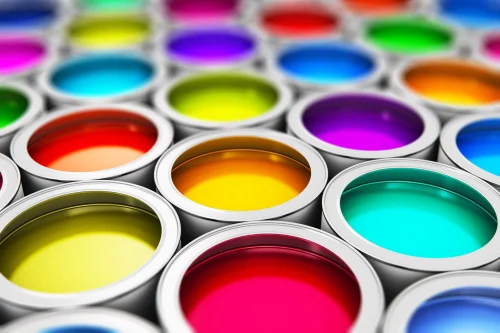
Paint is often judged by how it looks—but in industrial and automotive applications, appearance is only the surface-level indicator of quality. What truly matters is how that paint performs over time under real operating conditions. This is where NABL accredited paint testing lab services – Kiyo R&D LAB play a critical role.
Paint failures rarely happen suddenly. They develop quietly—through poor adhesion, improper curing, chemical incompatibility, or environmental exposure. By the time defects become visible, the cost is already high: rework, rejection, warranty claims, or loss of customer trust.
That is why professional, laboratory-based paint testing is not optional—it is essential.

What Does Paint Testing Really Mean?
Paint testing is not just about checking color or gloss. A complete paint quality evaluation involves mechanical, chemical, and environmental performance testing, all carried out under controlled and standardized conditions.
At NABL accredited paint testing lab services – Kiyo R&D LAB, paint testing focuses on verifying whether a coating system can reliably meet its intended performance throughout its service life.
This applies to:
- Automotive paints
- Industrial coatings
- Protective and decorative paints
- Plastic and metal substrate coatings
Why NABL Accreditation Matters in Paint Testing
Many labs offer paint testing, but not all test results carry the same credibility.
NABL accreditation ensures that:
- Test methods are validated and standardized
- Equipment is calibrated and traceable
- Testing is performed by trained personnel
- Results are repeatable and technically defensible
For manufacturers supplying to OEMs or regulated industries, non-accredited test data often has limited value. Reports from NABL accredited paint testing lab services – Kiyo R&D LAB are accepted for audits, approvals, and technical evaluations without question.
In short, NABL accreditation converts test results into decision-grade data.
Key Paint Tests Performed in a NABL Accredited Lab
1. Coating Thickness Testing
Paint thickness directly affects durability, appearance, and protection. Too little coating leads to early failure; too much can cause cracking or peeling.
Testing evaluates:
- Dry film thickness (DFT)
- Uniformity across surfaces
- Compliance with specified limits
2. Adhesion Testing
Adhesion determines whether paint will stay bonded to the substrate throughout its service life.
Common adhesion evaluations include:
- Cross hatch adhesion testing
- Pull-off adhesion testing
Poor adhesion is one of the most common reasons for coating failure—and one of the easiest to detect early through proper testing.
3. Gloss and Color Evaluation
Visual consistency is critical, especially in automotive and consumer-facing products.
Testing includes:
- Gloss measurement at standard angles
- Color consistency and Delta E analysis
- Batch-to-batch comparison
This ensures uniform appearance across production lots.
4. Scratch, Abrasion, and Hardness Testing
Paint surfaces must withstand handling, cleaning, and daily wear.
These tests evaluate:
- Scratch resistance
- Abrasion resistance
- Surface hardness
Weak performance here leads to visible damage long before the product’s expected life.
5. Chemical Resistance Testing
Paints are often exposed to:
- Oils and fuels
- Cleaning chemicals
- Industrial fluids
Chemical resistance testing confirms that the coating does not soften, discolor, blister, or lose adhesion when exposed to these substances.
6. Environmental and Durability Testing
Environmental exposure is one of the biggest threats to paint performance.
At NABL accredited paint testing lab services – Kiyo R&D LAB, durability tests simulate:
- UV exposure and weathering
- Humidity resistance
- Temperature cycling
- Corrosive environments
These tests help predict long-term performance before the product enters real-world use.
Common Paint Failures That Proper Testing Prevents
Skipping or minimizing paint testing often results in predictable problems:
- Peeling or flaking paint
- Blistering due to moisture ingress
- Fading and loss of gloss
- Corrosion beneath the coating
- Poor appearance consistency
Most of these failures do not appear immediately. They show up months later—when correction is expensive and reputation damage is already done.
Proper testing at a NABL accredited lab helps identify these risks early.
Who Needs NABL Accredited Paint Testing?
Paint testing is not limited to paint manufacturers.
NABL accredited paint testing lab services – Kiyo R&D LAB support:
- Automotive OEMs and component suppliers
- Industrial equipment manufacturers
- Paint and coating manufacturers
- Plastic and metal part manufacturers
- R&D teams developing new formulations
- Quality and compliance teams
If paint performance affects product life, safety, or brand perception, testing is a necessity, not an option.
Why Choose Kiyo R&D LAB?
Kiyo R&D LAB is built to serve industries that demand accuracy, speed, and technical credibility.
Key strengths include:
- NABL-accredited testing facility
- Industry-relevant test methods
- Reliable, audit-ready reports
- Fast turnaround for selected tests
- Support for R&D, production, and failure analysis
This is not a cosmetic testing setup—it is a technical laboratory designed to support real manufacturing decisions.
Paint Testing as a Preventive Strategy
The biggest advantage of professional paint testing is prevention.
Instead of reacting to:
- Customer complaints
- Line rejections
- Rework and scrap
- Warranty failures
Manufacturers using NABL accredited paint testing lab services – Kiyo R&D LAB can:
- Validate formulations early
- Optimize processes confidently
- Reduce production risk
- Improve long-term product reliability
Testing shifts paint quality control from guesswork to data-driven decision-making.
Final Thoughts: Paint Quality Is Proven, Not Assumed
In competitive industries, assumptions are expensive. Paint quality must be measured, verified, and documented—not assumed based on appearance alone.
By choosing NABL accredited paint testing lab services – Kiyo R&D LAB, manufacturers ensure their coatings are not just visually acceptable, but technically sound, durable, and compliant with industry expectations.
Because in the long run, paint quality is not about how it looks on day one—it’s about how it performs over time.
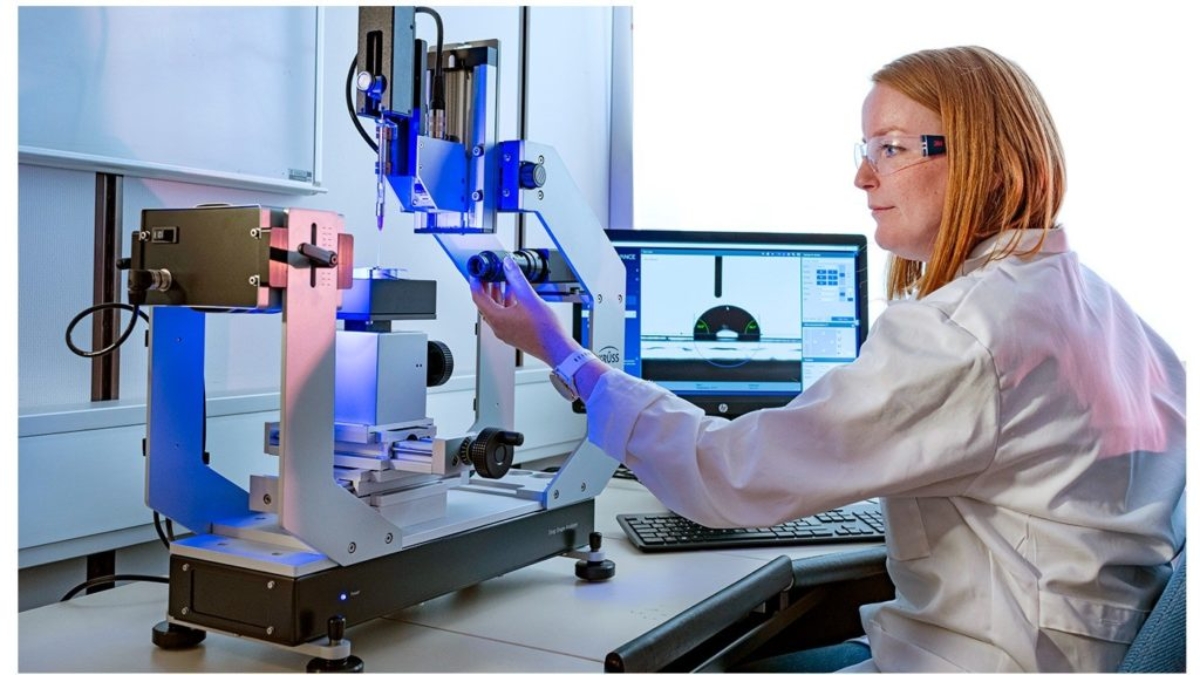
Product Testing Lab Services for Car Paint Quality & Durability – Kiyo R&D LAB (NABL Accredited)
When you look at a freshly painted car, the first thing you notice is the shine. A smooth, glossy finish instantly signals quality. But in reality, true car paint quality goes far beyond surface appearance. What really matters is how well that paint performs over time—under sunlight, rain, dust, heat, chemicals, scratches, and everyday wear.
This is why automotive manufacturers, paint suppliers, body shops, and detailing professionals rely on product testing lab services – Kiyo R&D LAB to verify that car paint systems are not just attractive, but durable, safe, and reliable.
At Kiyo R&D LAB, a NABL-accredited testing laboratory, car paint quality is evaluated scientifically using standardized testing methods. These tests help prevent costly failures, customer complaints, and premature repainting—long before the vehicle hits the road.

Why Car Paint Quality Testing Is Critical
Car paint has two major responsibilities:
- Aesthetic appeal – color, gloss, smoothness
- Protection – shielding metal and plastic parts from corrosion, UV damage, moisture, and chemicals
If paint fails at either level, the consequences are serious. Fading, peeling, cracking, blistering, or corrosion not only ruin the vehicle’s appearance but also reduce its lifespan and resale value.
Through professional product testing lab services – Kiyo R&D LAB, automotive paint systems are evaluated to ensure they can survive real-world conditions, not just look good on day one.
Common Car Paint Problems Caused by Poor Testing
Without proper testing, even high-end paints can fail. Some of the most common issues include:
- Peeling or flaking due to poor adhesion
- Loss of gloss after UV exposure
- Color mismatch or fading
- Micro-cracks from temperature cycling
- Blistering caused by trapped moisture
- Chemical staining from fuel, oil, or cleaners
- Poor scratch and abrasion resistance
Most of these issues are invisible at the time of painting—but become obvious months later. This is exactly where product testing lab services – Kiyo R&D LAB add value by identifying risks early.
Role of Product Testing Lab Services in Car Paint Quality
A professional testing lab evaluates car paint as a complete coating system, not just as a color layer. This includes primers, base coats, clear coats, and their interaction with metal or plastic substrates.
At Kiyo R&D LAB, our product testing services for automotive paints focus on five core performance areas:
- Adhesion
- Durability
- Appearance stability
- Environmental resistance
- Mechanical strength
Each area is tested using internationally accepted ASTM, ISO, and BIS standards.
Key Car Paint Quality Tests at Kiyo R&D LAB
1. Adhesion Testing
Adhesion determines how strongly paint bonds to the car body. Weak adhesion leads directly to peeling and corrosion.
Using standardized cross-hatch and pull-off methods, our product testing lab services – Kiyo R&D LAB verify whether the coating can withstand mechanical stress and long-term use.
2. Gloss and Color Consistency Testing
Car buyers expect uniform gloss and color across all panels. Even small variations reduce perceived quality.
We measure:
- Gloss levels
- Color deviation
- Surface uniformity
This ensures consistency across batches and production runs.
3. Scratch and Abrasion Resistance
Cars face constant friction from dust, sand, washing, and road debris.
Through abrasion and hardness tests, Kiyo R&D LAB evaluates how well the paint resists surface damage—critical for maintaining appearance over time.
4. UV and Weathering Resistance
Sunlight is one of the biggest enemies of car paint. UV radiation causes fading, chalking, and loss of gloss.
Using accelerated weathering chambers, our product testing lab services – Kiyo R&D LAB simulate months or years of outdoor exposure in a controlled environment. This helps predict long-term paint performance before market release.
5. Chemical Resistance Testing
Car paint regularly comes into contact with:
- Petrol and diesel
- Engine oils
- Cleaning chemicals
- Road salts
- Environmental contaminants
Chemical resistance testing ensures the paint does not stain, soften, or degrade when exposed to these substances.
6. Coating Thickness Measurement
Paint thickness plays a major role in protection and durability.
- Too thin → poor corrosion resistance
- Too thick → cracking and uneven finish
Using non-destructive gauges, Kiyo R&D LAB ensures coatings stay within optimal limits.
7. Impact and Chip Resistance
Stone chips and debris are unavoidable during driving. Paint must absorb impact without cracking or chipping.
This test is especially important for bumpers, lower panels, and front surfaces.
Who Benefits from These Product Testing Lab Services?
Our product testing lab services – Kiyo R&D LAB support a wide range of automotive stakeholders:
- Automotive OEMs
- Auto component manufacturers
- Paint and coating manufacturers
- Car body shops and repainting units
- Detailing studios
- Fleet operators
- R&D and quality control teams
Whether it’s mass production or premium custom finishes, testing ensures consistent quality.
Why Choose Kiyo R&D LAB?
Not all testing labs offer the same level of reliability. Kiyo R&D LAB stands out because of:
✔ NABL Accreditation
Test reports are credible, traceable, and accepted across industries.
✔ Industry-Standard Methods
ASTM, ISO, and BIS procedures ensure global relevance.
✔ Advanced Equipment
Weathering chambers, gloss meters, adhesion testers, abrasion testers, thickness gauges, and more.
✔ Fast Turnaround (1-Day Reports Available)
Ideal for production schedules and urgent quality checks.
✔ Expert Interpretation
We don’t just provide data—we help you understand what it means and how to improve.
When companies look for dependable product testing lab services – Kiyo R&D LAB, they choose accuracy, speed, and technical depth.
How Product Testing Improves Business Outcomes
Investing in proper testing leads to:
- Fewer repainting jobs
- Reduced warranty claims
- Better customer satisfaction
- Longer paint life
- Improved brand image
- Stronger corrosion protection
In short, testing saves money and builds trust.

NABL-accredited product testing lab services – Kiyo R&D LAB ensures durability, protection & performance.
Final Thoughts
Car paint quality is not about visual inspection alone—it’s about proven performance. A finish that looks perfect today must still protect and shine years later. This level of confidence is only possible through scientific evaluation.
By partnering with a trusted provider of product testing lab services – Kiyo R&D LAB, automotive businesses gain the assurance that their paint systems meet real-world demands. From adhesion and durability to UV and chemical resistance, every aspect is tested with precision.
If your goal is long-lasting protection, premium appearance, and verified quality, professional product testing is not an option—it’s a necessity.

Chemical Testing Lab: Accurate Material Analysis & Safety Testing – Kiyo R&D LAB
In today’s manufacturing world, accuracy, safety, and reliability are not optional—they are the foundation of every successful product. Whether you’re producing plastics, rubber, composites, adhesives, coatings, paint, or packaging materials, understanding the chemical composition of your raw materials is crucial. This is exactly why industries across India rely on a trusted chemical testing lab – Kiyo R&D LAB to ensure their products meet global standards and perform exactly as expected.
Chemical testing goes far beyond identifying what a material is made of. It reveals contamination, degradation, formulation accuracy, and long-term stability—factors that directly affect manufacturing performance and product lifespan. At Kiyo R&D LAB, our NABL-accredited chemical analysis services provide the clarity that manufacturers need to avoid failures, reduce costs, and maintain high-quality production.
In this detailed guide, we’ll unpack why chemical testing is essential, what techniques are used, and how Kiyo R&D LAB brings industry-grade accuracy to every report.

NABL-accredited chemical testing lab – Kiyo R&D LAB ensures purity, safety & compliance.
Why Chemical Testing Matters for Modern Manufacturing
Chemical behavior influences nearly every property of a material—strength, flexibility, durability, aging, heat resistance, bonding, and safety. Even a small variation in chemical composition can lead to major performance issues.
Here’s why industries must partner with a reliable chemical testing lab – Kiyo R&D LAB:
1. Ensures raw material purity
Impurities change the entire behavior of plastics, rubber, adhesives, and coatings. Chemical testing helps verify that materials match required specifications.
2. Prevents production defects
Contaminated or degraded material leads to:
- Poor molding
- Reduced strength
- Surface cracks
- Delamination
- Inconsistent results
Accurate chemical testing saves time, money, and product reputation.
3. Validates supplier quality
Every supplier claims quality—chemical testing proves it.
4. Supports R&D and formulation development
When creating new blends, adhesives, paints, or polymer compounds, chemical insights guide formulation adjustments and innovation.
5. Ensures compliance with industrial and regulatory standards
NABL-accredited test reports from Kiyo R&D LAB are widely recognized by customers, auditors, and government bodies.
Advanced Chemical Testing Services at Kiyo R&D LAB
Kiyo R&D LAB offers a full suite of chemical analysis techniques designed for plastics, rubber, composites, adhesives, coatings, and industrial materials. Each method is performed using standardized procedures such as ASTM, ISO, and BIS.
Below are the most essential chemical testing methods we provide.
1. FTIR Analysis (Fourier Transform Infrared Spectroscopy)
FTIR is one of the most powerful tools in our chemical testing lab. It helps in:
- Identifying polymer types
- Detecting contamination
- Mapping material degradation
- Comparing incoming raw material vs. approved reference
Industries rely on FTIR to validate authenticity of plastics and polymers, especially when sourcing from multiple suppliers.
2. Ash Content Analysis
Ash analysis determines the amount of inorganic filler or residue present after burning the sample at high temperature.
This test is critical for:
- Plastic compounds
- Rubber materials
- Coatings
- Paints
- Reinforced polymers
Too much filler weakens the material, while too little may affect performance or cost. Kiyo R&D LAB ensures accurate filler quantification so manufacturers can maintain consistent product quality.
3. Moisture Content Testing
Moisture content directly impacts processing and final product quality.
High moisture leads to:
- Voids
- Bubbles
- Brittle parts
- Weak bonding
- Inconsistent density
Using precise methods like Karl Fischer titration and oven drying, our chemical testing lab delivers exact moisture levels for better production control.
4. VOC (Volatile Organic Compounds) Testing
VOC analysis is essential for paints, adhesives, coatings, sealants, and packaging materials.
Why it matters:
- Ensures safety
- Reduces odor
- Meets environmental standards
- Prevents harmful emissions
Kiyo R&D LAB helps manufacturers create safer and more compliant products.
5. pH, Acid Value & Alkalinity Testing
These tests determine chemical reactivity and stability. They are vital in evaluating:
- Oils
- Paints
- Coatings
- Rubbers
- Industrial chemicals
Uncontrolled acidity or alkalinity causes corrosion, premature aging, and bonding issues.
6. Density & Specific Gravity Testing
Though often classified under physical testing, density is a key indicator of chemical structure and consistency. It helps detect contamination, incorrect blending, or formulation changes.
7. Chemical Resistance Testing
This test demonstrates how materials withstand:
- Oils
- Solvents
- Acids
- Alkalis
- Water
- Detergents
Essential for automotive parts, packaging materials, electrical components, and coatings.
A chemical testing lab like Kiyo R&D LAB simulates real-use conditions to predict long-term performance.
8. Extractable & Leachable Testing
Used widely in packaging, food-contact materials, and medical components, this test identifies chemicals that may migrate out of materials over time.
This helps ensure:
- Safety
- Product purity
- Regulatory compliance
- Long-term stability
How Kiyo R&D LAB Ensures Accuracy and Reliability
Choosing the right laboratory determines how trustworthy your results will be. At Kiyo R&D LAB, accuracy is not a claim—it is the result of strict processes.
✔ NABL-Accredited Testing Laboratory
Every report meets national and international traceability requirements.
✔ Standardized Testing (ASTM, ISO, BIS)
Ensures results are accepted by auditors, customers, and OEMs.
✔ Advanced Chemical Analysis Equipment
FTIR, TGA, DSC, Karl Fischer, hot air oven, muffle furnace, and more.
✔ Expert Chemical Analysts
Trained professionals interpret results, spot abnormalities, and guide you with technical clarity.
✔ Fast Report Delivery (1-Day Service Available)
Ideal for urgent production needs.
✔ End-to-End Support
From sampling guidance to root-cause analysis, the lab helps industries eliminate defects and improve material science decisions.
When industries seek a dependable chemical testing lab – Kiyo R&D LAB, they choose us for accuracy, speed, transparency, and technical depth.
Industries That Benefit from Chemical Testing at Kiyo R&D LAB
We support multiple sectors, including:
- Automotive
- Aerospace
- Electrical & electronics
- Plastics & molding
- Rubber & elastomers
- Packaging
- Paints & coatings
- Adhesives & sealants
- Consumer products
- Construction materials
Every industry requires clarity about what their materials contain—and our testing brings that clarity.

NABL-accredited chemical testing lab – Kiyo R&D LAB ensures purity, safety & compliance.
Final Thoughts
Chemical testing is the backbone of product reliability. It ensures purity, stability, safety, and predictability—qualities that every manufacturer depends on. With increasing customer expectations and tightening regulatory requirements, working with a trusted laboratory is essential.
A modern chemical testing lab – Kiyo R&D LAB provides manufacturers with the scientific insight needed to make smarter material decisions, reduce failures, prevent defects, and build stronger products.
If you want your raw materials and finished products to consistently meet high standards, partnering with Kiyo R&D LAB is the smartest step you can take.

“Upgrade Your Quality Standards with NABL Laboratory Services in India @ Kiyo R&D LAB”
In today’s competitive manufacturing world, “quality” is no longer just a selling point—it’s a survival requirement. Whether you manufacture plastics, rubber, composites, packaging, adhesives, or paints, one thing is non-negotiable: reliable testing from a NABL-accredited laboratory.
That’s exactly why industries across India trust NABL Laboratory Services in India @ Kiyo R&D LAB. With world-class equipment, strict quality protocols, and fast reporting, Kiyo R&D LAB has become a dependable partner for R&D teams, production managers, OEMs, exporters, and academic institutions that need data they can trust.
This blog breaks down why NABL accreditation matters, what services Kiyo R&D LAB offers, how testing benefits industries, and why accurate results directly impact your product performance, compliance, and customer satisfaction.

What Is NABL and Why Does It Matter?
NABL (National Accreditation Board for Testing and Calibration Laboratories) is India’s highest authority for laboratory competence. A lab with NABL accreditation is officially recognized for:
- Technical capability
- Accurate testing methods
- Standardized procedures
- Skilled analysts
- Properly calibrated instruments
- International acceptance of results
If your products require compliance, export approvals, vendor audits, or R&D validation, NABL-accredited testing is the only trustworthy route.
This is why NABL Laboratory Services in India @ Kiyo R&D LAB hold a major edge: every report reflects globally accepted standards, monitored quality, and complete traceability.
Why Industries Need NABL-Accredited Testing
Testing without proper accreditation is guesswork. No customer, OEM, government authority, or standard body accepts non-accredited data—especially for safety-critical products like:
- Automotive components
- Packaging materials
- Medical device plastics
- Electrical enclosures
- Adhesives
- Rubber parts
- Composite materials
Manufacturers rely on Kiyo R&D LAB for:
- R&D decision-making
- Quality control
- Vendor qualification
- Material comparison
- Compliance & certification
- Failure investigation
- Academic research support
Reliable data drives better products, fewer customer complaints, and reduced warranty claims.
Core NABL Laboratory Services in India @ Kiyo R&D LAB
Kiyo R&D LAB provides an extensive range of mechanical, thermal, chemical, and physical tests. Here’s a practical overview of the major services available:
1️⃣ Mechanical Testing for Plastics & Rubber
Mechanical behavior determines how your material performs under real-world loads.
Common tests include:
- Tensile Strength (ASTM D638 / ISO 527)
- Flexural Strength (ASTM D790)
- Impact Strength – Izod/Charpy (ASTM D256 / ISO 179)
- Tear Strength
- Hardness (Shore A/D, Rockwell)
- Compression tests
- Adhesive lap shear strength (ASTM D1002 / ISO 4587)
These tests help compare materials, qualify suppliers, and optimize formulations.
2️⃣ Thermal Analysis Services
When materials face heat during processing or real use, thermal testing becomes essential.
Available tests include:
- DSC (Differential Scanning Calorimetry)
- TGA (Thermogravimetric Analysis)
- HDT/VICAT
- Melting point / Glass transition (Tg)
- Thermal stability
Industries like automotive, electrical, aerospace, and packaging rely heavily on these tests.
3️⃣ Chemical & Compositional Testing
Understanding what’s inside a material helps ensure safety and compliance.
Kiyo R&D LAB offers:
- Ash content (ASTM D2584)
- Moisture content
- Volatile matter
- Density / Specific gravity
- Filler percentage
- pH for paints/chemicals
Useful for raw materials, finished products, and failure analysis.
4️⃣ Packaging Integrity & Performance Testing
Packaging protects your product—if it fails, everything else fails.
Testing services include:
- Burst strength
- Seal strength
- Leak detection
- Tensile & peel tests for packaging films
- Thickness and grammage
- Drop test
- Compression for boxes/cartons
Food, pharma, FMCG, logistics, and e-commerce all depend on packaging reliability.
5️⃣ Paint & Coating Evaluation
Coatings must survive weather, abrasion, chemicals, and handling.
Offered tests:
- Adhesion (Cross hatch / Pull-off)
- Hardness
- Gloss & Color measurement
- Salt spray corrosion
- Abrasion resistance (Taber)
- Impact resistance
Critical for automotive, industrial, marine, and architectural coatings.
6️⃣ Rubber & Elastomer Testing
Rubber behaves differently from plastics—it stretches, compresses, rebounds, and ages differently.
Services include:
- Tensile & elongation tests
- Tear strength
- Hardness
- Compression set
- Aging resistance
- Density & swelling tests
Industries using seals, gaskets, hoses, tires, and vibration parts depend on these evaluations.
Why Kiyo R&D LAB Is a Preferred NABL Lab in India
Most labs test materials; very few help customers understand the results.
That’s why manufacturers trust NABL Laboratory Services in India @ Kiyo R&D LAB—the lab delivers not just data but clear insights.
Here’s what sets Kiyo apart:
✔ Accredited by NABL
Ensures internationally accepted test results with high reliability.
✔ Fast Reporting (1-Day Available)
Critical when factories, auditors, or buyers are waiting for results.
✔ Experienced Technical Team
Analysts who understand plastics, rubbers, paints, composites, and packaging deeply.
✔ Standard-Compliant Testing
ASTM, ISO, JIS, IS standards followed meticulously.
✔ Advanced Instruments
Modern UTM, DSC, TGA, MFI testers, density meters, impact testers, ovens, hardness testers, and more.
✔ Support for R&D, QC & Vendor Approval
Helps industries reduce failures before they reach market.
✔ Strong Industry Network
Used by OEMs, manufacturers, exporters, startups, and research institutions.
✔ Friendly Guidance for Students
Special discounts, project help, and report explanations.
How Industries Benefit from NABL Testing
Let’s be blunt—skipping proper testing is one of the biggest reasons for product failure.
When companies partner with Kiyo R&D LAB:
- Material selection becomes smarter
- Production rejections reduce drastically
- Complaints and returns drop
- Audits become smoother
- Brands gain more customer trust
- Manufacturing becomes cost-efficient
Industries that benefit include:
- Automotive & EV
- Aerospace
- Consumer electronics
- Medical devices
- Packaging & FMCG
- Footwear
- Paint & coatings
- Polymer processing
- Construction & civil
- Research institutes
Every decision based on NABL testing leads to better product reliability.
Why NABL Accreditation Protects Your Business
A non-accredited report can:
❌ Fail in customer audits
❌ Reject export orders
❌ Cause warranty claims
❌ Lead to safety risks
❌ Damage brand reputation
A NABL-accredited report is:
✔ Accepted across India
✔ Reliable and traceable
✔ Proof of compliance
✔ Evidence for certification bodies
✔ Trusted during disputes or failure analysis
This is why manufacturers invest in NABL Laboratory Services in India @ Kiyo R&D LAB—because it prevents expensive mistakes.

Final Thoughts – Quality Begins with the Right Testing Partner
In today’s market, customers expect long-lasting, high-performing, safe products. Shortcuts don’t work. Testing is the foundation of quality, and NABL-accredited testing is the gold standard.
NABL Laboratory Services in India @ Kiyo R&D LAB help businesses build stronger products, reduce failures, and maintain trust in a competitive industry landscape.
If you are serious about quality, compliance, and material performance, Kiyo R&D LAB is the partner you want beside you—not after a failure, but before it.
“Tensile Testing for Plastics Services in India @ Kiyo R&D LAB – Measure Strength with Precision”
Plastics are everywhere—automotive parts, packaging materials, electrical housings, consumer products, engineering components, and thousands of everyday applications. Yet behind every reliable plastic product lies a critical mechanical property that determines its real-world performance: tensile strength.
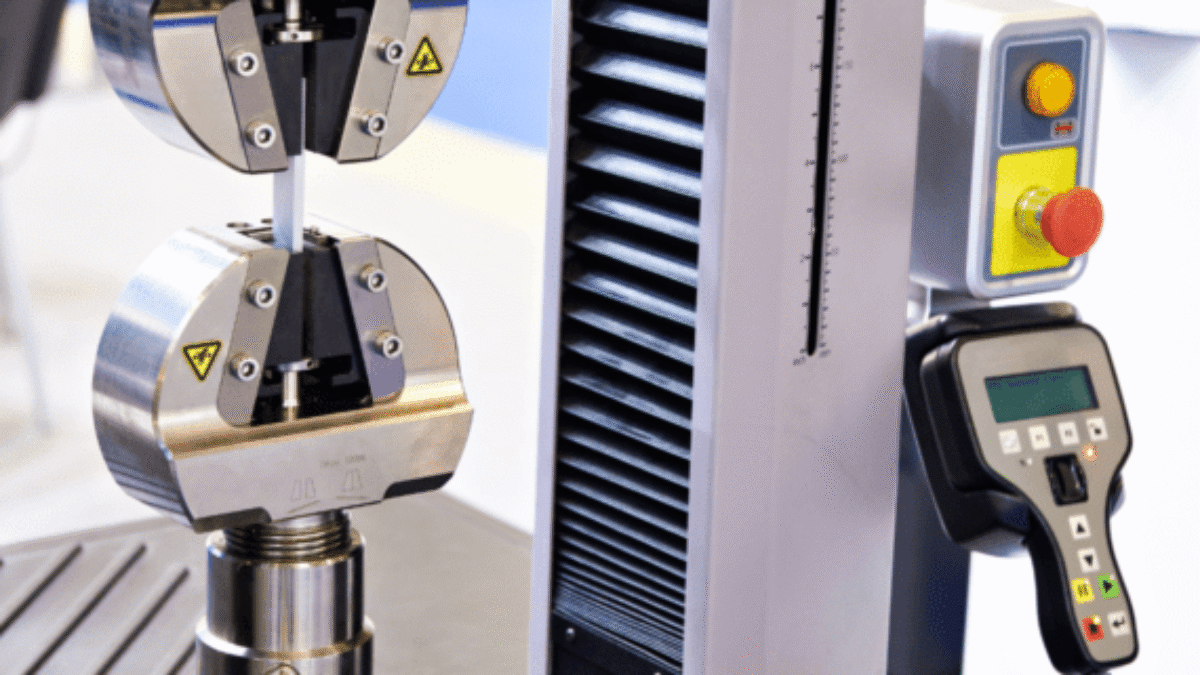
Whether a product will stretch, break, deform, or survive under load depends on how it behaves when pulled. That’s why tensile testing for plastics services in India @ Kiyo R&D LAB plays an essential role in quality assurance, product development, and material selection across industries.
In this blog, we explore how tensile testing works, why it matters, what industries rely on it, and how Kiyo R&D LAB delivers accurate, NABL-accredited testing services for both businesses and engineering students across India.
What Is Tensile Testing?
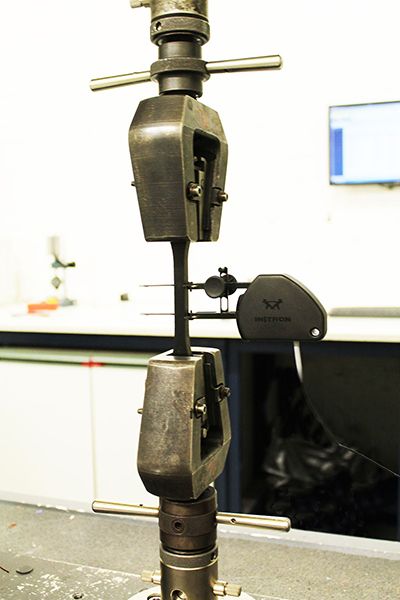
Tensile testing is a scientific method of stretching a plastic specimen until it breaks. During the test, we measure:
- How much force the material can handle
- How far it can stretch before breaking
- How stiff it is under load
- How it behaves under continuous stress
These properties help determine whether the plastic material is suitable for its intended application.
A typical tensile test provides several important values:
- Tensile Strength – Maximum stress before breaking
- Elongation at Break – How much it stretches before failure
- Young’s Modulus – Stiffness or resistance to deformation
- Yield Strength – Stress at which permanent deformation begins
These measurements create a complete mechanical profile of the plastic.
Why Tensile Testing Is Essential for Plastics
Manufacturers, OEMs, and designers rely on tensile testing for plastics services in India @ Kiyo R&D LAB because tensile strength determines:
1. Structural Performance
Will a component hold its shape?
Will it bend, warp, or deform under load?
2. Durability
Parts used in automotive or industrial applications must survive long-term stress.
3. Safety
Weak materials can crack unexpectedly, leading to product failure or hazards.
4. Material Comparison
Tensile results help in choosing the best polymer grade—HDPE vs PP vs ABS vs Nylon, etc.
5. Quality Control
Ensures consistent results between batches, suppliers, or production cycles.
6. Failure Analysis
When products fail, tensile testing helps diagnose the root cause.
7. Academic Research
Final-year engineering projects depend on accurate tensile values for analysis.
Without tensile testing, engineering decisions become assumptions—and that leads to poor product performance, customer complaints, and safety risks.
How Tensile Testing Works at Kiyo R&D LAB
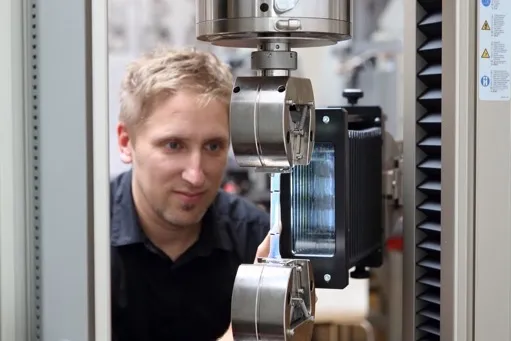
At Kiyo R&D LAB, tensile testing is performed using advanced Universal Testing Machines (UTMs) with precision load cells and extensometers. The procedure includes:
✓ Sample Preparation
Specimens are cut or molded according to ASTM/ISO dimensions.
✓ Conditioning
Samples are stabilized under controlled temperature and humidity.
✓ Accurate Clamping
To avoid slippage or premature failure, grips are matched to material type.
✓ Controlled Loading
The machine pulls the specimen at a fixed speed.
✓ Digital Data Capture
Load, elongation, and stress–strain curves are collected in real time.
✓ Expert Evaluation
Results are interpreted by trained professionals.
Our tensile testing for plastics services in India @ Kiyo R&D LAB follow globally accepted standards such as:
- ASTM D638 – Tensile Properties of Plastics
- ISO 527 – Plastics Tensile Testing
These standards ensure consistency, repeatability, and international acceptance.
Tensile Testing Applications Across Industries
Tensile testing is used in almost every industry that manufactures or uses plastic products.
1. Automotive & EV Sector
- Bumpers
- Interior trims
- Under-the-hood parts
- Fasteners & clips
- EV housings
Impact resistance is important, but tensile strength defines structural integrity.
2. Packaging Industry
- HDPE/PP bottles
- PET packaging
- Rigid containers
- Films & laminates
Tensile testing ensures packaging does not tear, deform, or split during transit.
3. Electrical & Electronics
- Switch housings
- Cable ducts
- Connectors
- Appliance components
These parts must withstand mechanical stress without cracking.
4. Engineering Plastics
High-performance polymers like ABS, Nylon, PBT, PC, and composites require tensile testing for:
- R&D
- Process optimization
- Product design
5. Construction Materials
PVC pipes, composite panels, and FRP structures rely on validated tensile performance.
6. Academic & Research Institutions
Students and researchers depend on accurate tensile results for project validation, comparative analysis, and thesis work.
Common Factors that Affect Tensile Strength
Many variables influence tensile performance:
- Material type (PP vs ABS vs Nylon vs PET, etc.)
- Fillers (glass fiber, minerals, pigments)
- Processing conditions (molding temperature, pressure, cooling time)
- Sample thickness & geometry
- Environmental exposure (UV, humidity, thermal ageing)
- Recycled vs virgin material content
At Kiyo R&D LAB, we help you understand how each factor impacts your material’s tensile behavior so you can make informed decisions.
Why Choose Kiyo R&D LAB for Tensile Testing in India?
Kiyo R&D LAB has built a strong reputation for delivering accurate and reliable testing services across India. Here’s why industries trust us:
✔ NABL-Accredited Testing
Your results are officially recognized and accepted nationwide.
✔ Fast (1-Day) Report Delivery
Essential for tight production and submission deadlines.
✔ Advanced Equipment
Our UTMs provide precision data with minimal error.
✔ Expert Technical Guidance
We help you understand not just the numbers, but what they mean for your product.
✔ Student-Friendly Support
Final-year students get guidance and affordable testing packages.
✔ Multi-Test Integration
Combine tensile testing with:
- Flexural
- Impact
- Hardness
- DSC/TGA
- MFI
- Environmental ageing
to get a complete material performance profile.
Real Benefits of Tensile Testing for Your Business or Project
When you choose tensile testing for plastics services in India @ Kiyo R&D LAB, you gain:
- Better product designs
- Fewer failures during use
- Stronger quality control
- Reliable supplier verification
- Improved customer satisfaction
- Data-backed decision-making
- Accurate academic documentation
It ensures your product is not just “good,” but mechanically dependable.
Conclusion
Tensile testing is one of the most fundamental yet powerful tools in plastic material evaluation. It reveals how strong, flexible, and durable your product truly is under real-world conditions. With tensile testing for plastics services in India @ Kiyo R&D LAB, industries and students gain access to NABL-accredited results, expert analysis, and fast reporting—everything needed to ensure performance, reliability, and quality.
Whether you are developing a new product, verifying material consistency, solving a failure issue, or completing an engineering project, Kiyo R&D LAB is equipped to support your journey with precision and confidence.
“Unmatched Durability & Reliability: Plastic Testing Services in India @ Kiyo R&D LAB”
The performance of any plastic product—whether used in automotive, packaging, aerospace, medical devices, household appliances, or industrial engineering—depends on one fundamental truth: the material must be durable, reliable, and consistent. In a country like India where industries are rapidly modernizing, the demand for high-quality plastics and strict compliance standards has grown stronger than ever. Companies now prioritize validation, certification, and scientific testing before launching a product into the market.
This is where the durability and reliability of plastic testing services in India @ Kiyo R&D LAB become vital. Kiyo R&D LAB, with its NABL-accredited infrastructure, advanced equipment, and expert technical team, supports manufacturers, R&D centers, product designers, and engineering students with dependable data that reflects true material performance.
In this blog, we explore why durability and reliability testing matter, what tests are essential, how industries use these results, and how Kiyo R&D LAB helps companies and students achieve accurate and trustworthy outcomes.
Why Durability & Reliability Matter for Plastic Products
Plastics are used in thousands of applications across India, but not all plastics behave the same. The same polymer can show completely different performance depending on:
- grade variation
- processing conditions
- environmental exposure
- additives used
- mechanical loads
- long-term ageing
Durability ensures the plastic can withstand real-world use without cracking, deforming, breaking, or failing prematurely. Reliability ensures that every batch, every product, and every component performs consistently under the same conditions.
When these two factors are not validated, industries face:
- customer complaints
- warranty claims
- safety failures
- brand reputation damage
- production losses
- regulatory non-compliance
This makes the durability and reliability of plastic testing services in India @ Kiyo R&D LAB essential not only for compliance, but for competitive performance and long-term success.
What Influences the Durability of Plastics?
Several factors determine how long a plastic product lasts:
1. Mechanical Strength
Tensile, flexural, impact, and hardness define how the product handles loads.
2. Environmental Exposure
UV, humidity, temperature cycles, chemicals, and water absorption accelerate ageing.
3. Processing Conditions
Poor molding leads to internal stresses, voids, warpage, and lower durability.
4. Material Selection
Different grades of PP, ABS, Nylon, PC, PET, PVC or composite materials have unique behaviours.
5. Additives & Fillers
Stabilizers, plasticizers, pigments, and reinforcements influence long-term performance.
By identifying these factors correctly, Kiyo R&D LAB helps industries make informed choices before mass production.
Essential Tests That Determine Durability & Reliability
Kiyo R&D LAB provides a wide range of advanced tests that form a complete durability evaluation. These include:
1. Tensile Testing
Measures how a plastic reacts to pulling forces.
Gives values of:
- tensile strength
- elongation
- Young’s modulus
- stress–strain behaviour
This helps predict how the material behaves in mechanical assemblies.
2. Flexural Testing
Determines bending strength and stiffness.
Useful for:
- structural components
- packaging trays
- panels
- molded products
3. Impact Testing
Evaluates resistance to sudden shock or force.
Essential for:
- automotive parts
- helmets
- consumer products
- safety devices
4. Hardness Testing
Shore A, Shore D, Rockwell, or Barcol hardness indicates surface strength, indentation resistance, and durability.
5. Thermal Analysis (DSC & TGA)
DSC shows melting point, crystallinity, and thermal stability.
TGA shows degradation temperature and filler content.
These tests determine how plastics behave in hot conditions or during processing.
6. Environmental Ageing Tests
Durability in real-world conditions is assessed using:
- UV exposure (ASTM G154)
- Salt spray corrosion (ASTM B117)
- Thermal ageing (ASTM D3045)
- Humidity chamber ageing
- Water absorption tests
These reveal long-term behavioural patterns faster through accelerated simulation.
7. MFI (Melt Flow Index)
Indicates processability and batch consistency.
A critical test for injection molding and extrusion industries.
8. Dimensional & Visual Inspection
Checks shrinkage, warpage, cracks, voids, or molding defects that impact reliability.
9. Chemical Resistance Tests
Determines how products react to oils, detergents, fuels, and cleaning agents.
Industries That Depend on Durability & Reliability Testing
Almost every sector in India using plastic products relies on dependable testing:
- Automotive (2-wheeler, 4-wheeler, EV)
- Packaging and FMCG
- Electrical & electronics
- Medical device manufacturing
- Aerospace & defence
- Construction materials
- Home appliances
- Agriculture tools
- Industrial engineering
- Startups and innovators
For students, durability and reliability data strengthen final-year project reports and boost technical credibility during viva.
Why Kiyo R&D LAB Stands Out for Plastic Testing in India
In a competitive market, accuracy and trust matter more than anything. Kiyo R&D LAB ensures reliability through:
✔ NABL-Accredited Testing
Nationally and internationally recognized results.
✔ 1-Day Fast Reporting
Ideal for industries and urgent student submissions.
✔ Advanced Equipment & Calibration
All instruments follow strict calibration and traceability standards.
✔ Accurate, Repeatable Results
Consistency is core to building durability and reliability confidence.
✔ Expert Technical Guidance
Our team helps select the right tests and interpret complex results.
✔ End-to-End R&D Support
From material selection to final validation, all under one roof.
✔ Student-Friendly Services
Free consultation, project guidance, and discounted pricing.
How Durability & Reliability Testing Reduce Real-World Failures
Accurate testing provides life-saving and cost-saving benefits:
- Predicts long-term behaviour
- Reduces warranty failures
- Improves product safety
- Ensures compliance with regulations
- Helps choose the right material grade
- Supports data-driven design improvements
- Eliminates trial-and-error manufacturing issues
Before launching a product, companies can confidently answer:
“Will this product survive its intended usage?”
Conclusion
In today’s competitive market, ensuring the durability and reliability of plastic testing services in India @ Kiyo R&D LAB is not just a quality requirement—it is a business necessity. With increasing customer expectations, strict quality standards, and rising competition, manufacturers cannot afford uncertainty. Reliable and accurate testing forms the backbone of strong product performance.
Kiyo R&D LAB continues to support industries, startups, and engineering students with high-quality testing services, NABL-accredited accuracy, and unmatched technical expertise. Whether it’s product development, R&D, failure analysis, or academic projects, we provide the validation required for real-world success.
If you need help choosing tests, interpreting results, or improving product performance, Kiyo R&D LAB is always ready to support you.

“Advanced Plastic Product Designing Services In Kiyo R&D LAB – From Concept to Real-World Performance”
In today’s fast-moving engineering world, creating a successful plastic product isn’t just about having an idea. It’s about converting that idea into a strong design, selecting the right material, validating performance, and ensuring that the final product can be manufactured reliably and cost-effectively. That’s where Plastic product designing services @ Kiyo R&D LAB come in.
Kiyo R&D LAB has become a trusted partner for industries, startups, and engineering students who need complete support—from concept design to prototype evaluation and performance validation. With our experience in materials science, mechanical testing, CAD modeling, and failure analysis, we ensure your product is designed not just to look good, but to work in real-world conditions.
This blog explains how plastic product design works, why material selection is critical, and how Kiyo R&D LAB provides end-to-end design and testing support.

Why Plastic Product Design Matters More Than Ever
Plastic remains one of the most versatile materials on the planet. From consumer goods to automotive parts to medical devices, plastics dominate modern engineering due to their:
- Light weight
- Cost-effectiveness
- High strength-to-weight ratio
- Moldability into complex shapes
- Chemical and thermal stability
- Customizable properties
But this versatility can also create complexity. A design that looks perfect on CAD may fail during molding or performance testing. A material chosen without understanding its thermal or mechanical limits can crack, deform, or age prematurely.
This is why companies turn to experts offering Plastic product designing services @ Kiyo R&D LAB — to build products that are reliable, manufacturable, and compliant with standards.
The Complete Plastic Product Design Process
A strong design process ensures the final product meets both user expectations and industry requirements. At Kiyo R&D LAB, we follow a structured workflow:
1. Understanding the Application Requirement
Every design begins by collecting inputs such as:
- What is the product used for?
- What loads or stresses will it face?
- Indoor or outdoor application?
- Any required certifications or standards?
- Expected lifespan?
- Budget and manufacturing volume?
This step helps avoid costly redesigns later.
2. Material Selection Based on Performance
The same product can behave completely differently depending on the polymer chosen.
Our team evaluates:
- Strength & stiffness needs
- Impact resistance
- Chemical or UV exposure
- Temperature variations
- Required hardness or flexibility
- Transparency, texture, or color
- Cost considerations
We compare materials like ABS, PP, HDPE, Nylon, PC, PBT, TPU, TPE, PMMA, and engineering composites to ensure the best match.
Reliable material selection is a major benefit of choosing Plastic product designing services @ Kiyo R&D LAB, especially because we also perform NABL-accredited mechanical and thermal testing to validate the chosen polymer.
3. Concept Sketching & CAD Modeling
Once the idea is clear, we begin:
- Hand sketches
- 2D drawings
- 3D CAD models (SolidWorks/Creo/Fusion)
- Early-stage digital prototypes
This helps you visualize shape, ergonomics, assembly fit, and functionality.
4. Design for Manufacturability (DFM)
A product that cannot be molded properly is a product that cannot be sold.
So we evaluate:
- Wall thickness uniformity
- Gate and runner positions
- Draft angles
- Ribs, bosses, and support structures
- Avoiding shrink marks
- Mold flow considerations
Our DFM approach ensures your design works in real molding machines without production defects.
5. Prototyping Support
Depending on your needs, we guide and coordinate:
- 3D printing (PLA/ABS/resins)
- CNC machining
- Low-volume mold samples
- Pilot production runs
Prototype evaluation is critical before mass manufacturing.
6. Testing the Prototype
No design is complete until it is validated.
At Kiyo R&D LAB, prototypes undergo:
- Tensile, flexural & impact testing
- Hardness (Shore/Rockwell)
- DSC / TGA thermal analysis
- MFI (Flow behavior)
- Dimensional analysis
- Environmental conditioning
- UV and ageing studies
These tests confirm whether the product will perform reliably under real conditions.
Our combined design + testing workflow makes Plastic product designing services @ Kiyo R&D LAB a complete one-stop solution for industries and students.
Industries We Support
1. Consumer Product Manufacturers
Handles, clips, caps, boxes, kitchen items, toys, and appliance components.
2. Automotive & EV Sector
Interior trims, brackets, ducts, holders, switches, and plastic fasteners.
3. Packaging Industry
Injection-molded caps, containers, closures, PET accessories, and protective housings.
4. Electronics & Electrical
Switch housings, insulators, enclosures, PCB supports, connectors.
5. Startups Developing New Plastic Products
From idea to prototype to testing—complete guidance.
6. Engineering Students
Final-year project support including:
- Concept design
- Material recommendations
- CAD modeling
- Prototype validation
- Testing reports (NABL-accredited)
Why Kiyo R&D LAB Is a Reliable Partner for Plastic Product Design
✔️ Strong Technical Expertise
Our team understands polymers deeply—from molecular behavior to final product performance.
✔️ NABL-Accredited Testing Integration
Most design companies cannot test materials themselves.
We do both design and accredited testing in one place.
✔️ Rapid Turnaround
Concept to CAD to prototype evaluation happens faster than traditional design agencies.
✔️ Industry + Student Friendly
We support both large manufacturers and individual student innovators.
✔️ Cost-Efficient Solutions
We ensure your design stays within mold and material budget targets.
✔️ Failure Analysis Support
If your existing product has cracking, deformation, or early failure, we diagnose the issue and redesign it properly.
Common Problems We Solve Through Design
- Part cracking due to improper rib design
- Warpage due to uneven wall thickness
- Weak snap fits or hinge failures
- Misalignment in multi-part assemblies
- Poor moldability
- Wrong material selection causing failure
- Overly expensive designs that can be optimized
Our Plastic product designing services @ Kiyo R&D LAB ensure that every design choice is validated with science and engineering logic.
Who Should Use Our Services?
- Manufacturers launching a new plastic product
- Startups creating innovative consumer items
- Industries facing repeated product failures
- Students doing design + fabrication projects
- R&D teams needing simulation + testing support
- Mold makers who need optimized CAD files
- Importers needing product redesign for Indian manufacturing

Conclusion
Designing a plastic product is not just drawing a model—it is engineering. It requires understanding materials, predicting stresses, validating performance, and ensuring manufacturability. With our Plastic product designing services @ Kiyo R&D LAB, we combine deep polymer expertise, advanced design tools, and NABL-accredited testing to help you build products that last, perform, and stand out in the market.
Whether you are a manufacturer scaling your next innovation or a final-year student building a project, Kiyo R&D LAB is your dependable design partner—from idea to testing to real-world success.