Login With Mobile OTP


Plastic testing lab

Material Testing Lab

NABL Material Testing Lab

Providing The Best Material Testing Service And Results Is Our Priority

Home > Material Testing Lab

Plastic testing lab

Leading provider of materials testing services: KIYO R&D Center & Laboratory is recognized as a top company in the field of materials testing. They specialize in assessing the properties and characteristics of various materials, including plastic, rubber, and metals.

Specializing in plastic, rubber, and metals: This indicates the specific areas of expertise of KIYO R&D Center & Laboratory. They focus on testing materials commonly used in industries such as manufacturing, construction, and automotive.

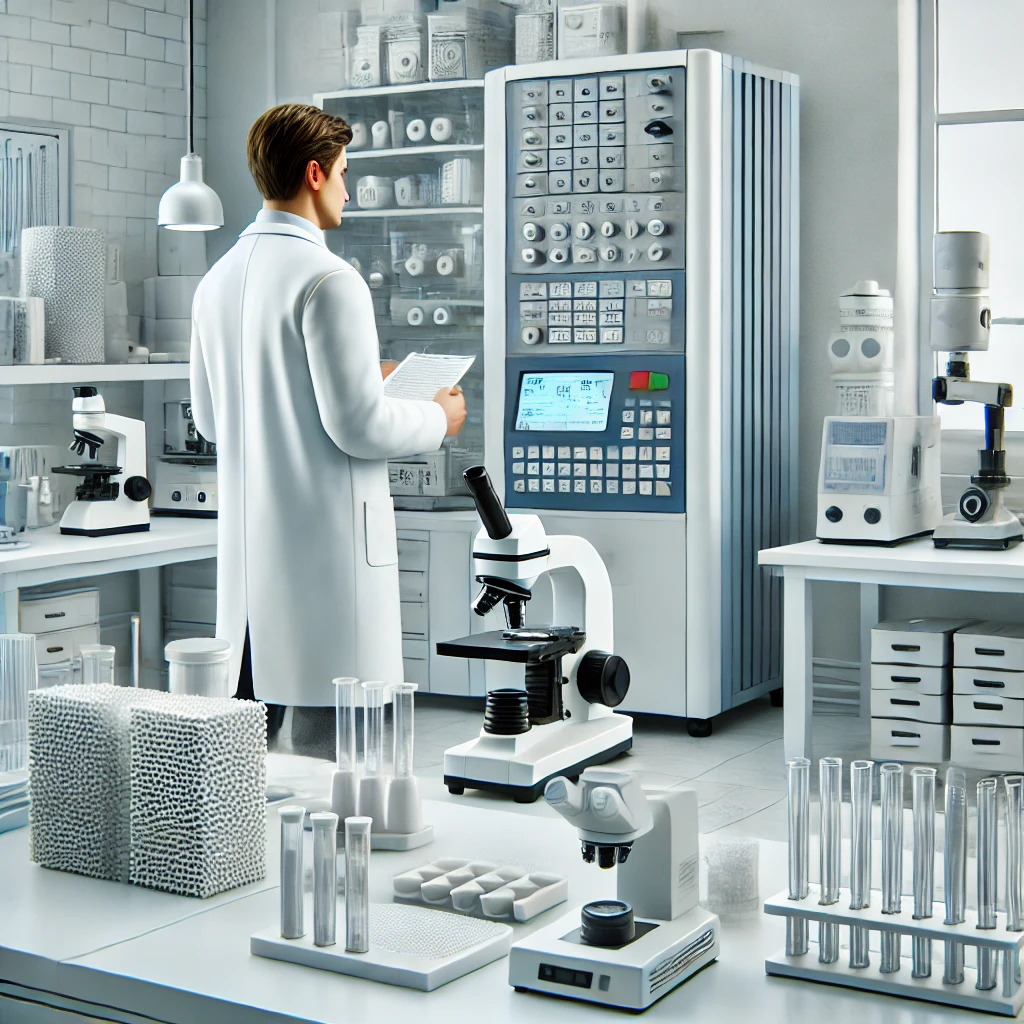
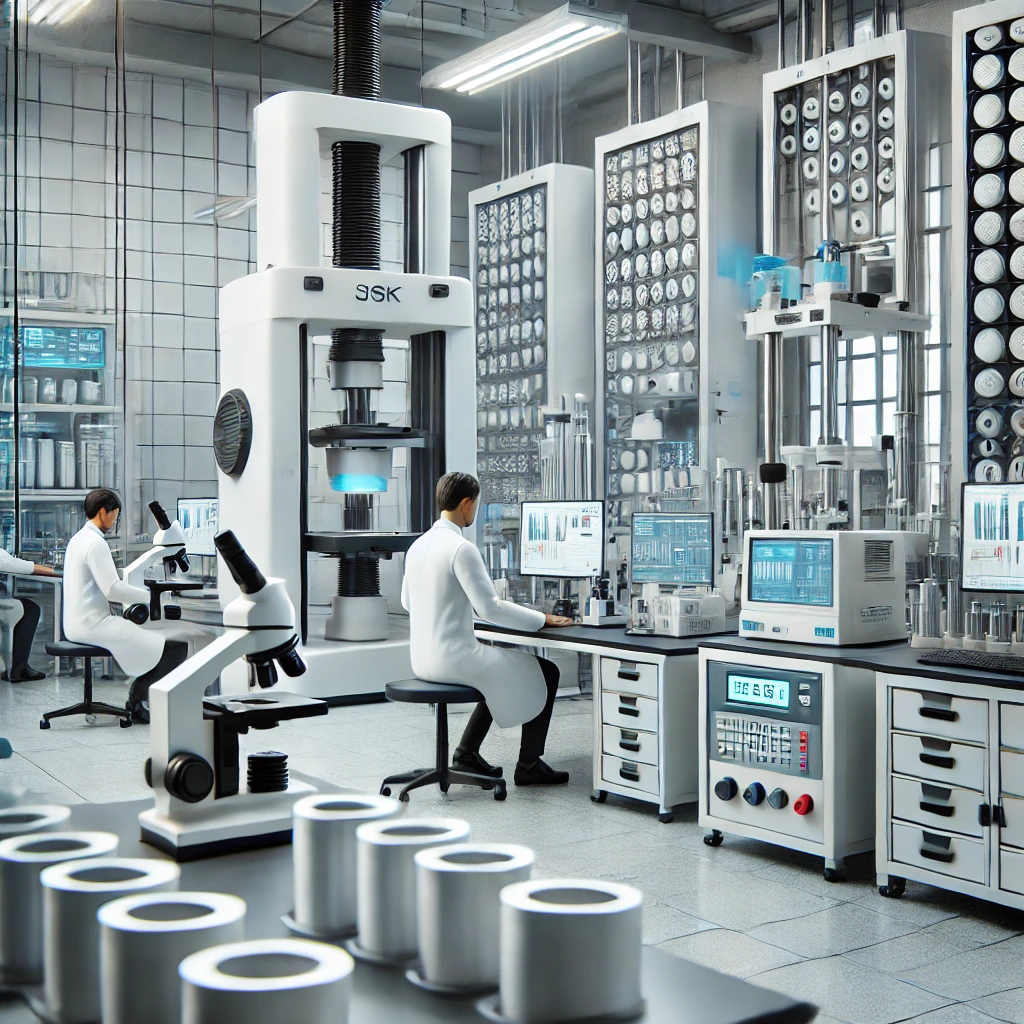
State-of-the-art laboratory: KIYO R&D Center & Laboratory has a modern and advanced facility where they conduct their testing procedures. This suggests that they have invested in high-quality equipment and technology to ensure accurate and reliable results.

Equipped with the latest technology: The laboratory is furnished with cutting-edge equipment and tools, which are up-to-date with current technological advancements. This ensures that they can perform tests efficiently and effectively.

Material Testing

Accurate and reliable results: KIYO R&D Center & Laboratory is committed to providing precise and dependable testing outcomes. This emphasizes their focus on delivering high-quality and trustworthy services to their clients.

Wide range of testing services: The organization offers a diverse array of testing services to cater to the needs of their clients. This includes tests such as tensile testing, flexural testing, flammability testing, and many others, covering various aspects of material properties and behavior.

Committed to providing our clients with the highest quality of service and support: KIYO R&D Center & Laboratory prioritizes client satisfaction and aims to deliver exceptional service and support throughout the testing process. This highlights their dedication to meeting and exceeding their clients’ expectations.

Flexural Testing In Plastic

Flexural testing stands as a crucial method for evaluating the mechanical properties of plastic materials, offering insights into their resistance to bending or flexing. This essay aims to delve into the significance of flexural testing, standardized testing methods, specimen preparation requirements, interpretation of test reports, implications of data, and other essential considerations specific to plastic materials.

Flexural testing plays a pivotal role in assessing the structural integrity and durability of plastic materials under bending loads. Beyond merely determining flexural strength, this test provides valuable data on properties like modulus of elasticity, flexural modulus, and flexural strain, which are vital for understanding how plastics perform in real-world applications subjected to bending stresses.

For plastics, standardized testing methods provided by organizations such as ASTM, ISO, DIS (Draft International Standards), and BIS IS (Bureau of Indian Standards Indian Standard) ensure consistency and reliability in flexural test results. Standards like ASTM D790 and ISO 178, along with their corresponding DIS and BIS IS standards (DIS: ISO/DIS 178 and BIS IS: IS 13793), specify precise procedures for conducting flexural tests on plastic materials. These standards also prescribe formulas for calculating flexural properties such as flexural strength and modulus of elasticity, ensuring accurate and standardized assessment of material behavior.

Proper specimen preparation is paramount for obtaining reliable flexural test results for plastics. As per ASTM D790 and ISO 178, standard specimen dimensions for flexural testing of plastics include a span length of 100 mm, a width of 10 mm, and a thickness of 4 mm. Adhering to these specifications guarantees consistency and accuracy in test measurements. Additionally, considerations such as sample conditioning and surface preparation may be necessary to minimize variability in test results.

A comprehensive flexural test report for plastics encompasses details such as the testing standard used, specimen preparation procedures, environmental conditions during testing, and the results obtained, including flexural strength, modulus of elasticity, and flexural strain. Understanding and interpreting these components, along with the formulas prescribed by standards, is crucial for assessing the structural performance of plastic materials accurately.

Data obtained from flexural testing influences material selection, design optimization, and application suitability for plastic materials. For instance, in the construction industry, flexural testing data aids engineers in selecting the right plastic materials for applications like structural beams or decking, considering factors such as load-bearing capacity and resistance to deformation.

Factors such as temperature effects, specimen geometry, and testing speed can influence flexural test results for plastics. Therefore, it’s imperative to consider these factors during testing to ensure that the obtained data accurately represents the flexural behavior of plastic materials under various conditions.

In conclusion, flexural testing is a critical method for evaluating the mechanical properties of plastic materials, providing valuable insights into their structural performance under bending loads. By adhering to standardized testing methods, properly preparing specimens, and considering various factors specific to plastic materials, industries can make informed decisions that enhance the quality, reliability, and safety of plastic products.

Tensile testing in Plastics

Tensile testing stands as a cornerstone in the realm of material evaluation, particularly for plastics. This essay seeks to elucidate the significance of tensile testing, delve into standardized methods, discuss specimen preparation nuances, elucidate the interpretation of test reports, highlight the implications of data, and explore other critical considerations pertinent to plastic materials.

Tensile testing holds paramount importance in the realm of plastic materials due to its capability to discern crucial mechanical properties. Beyond merely determining tensile strength, this method facilitates the evaluation of yield strength, elongation at break, and modulus of elasticity, all pivotal in comprehending how plastics behave under tensile forces in practical applications.

For the standardized evaluation of plastic materials, organizations such as ASTM and ISO provide meticulous testing methods. Standards such as ASTM D638 and ISO 527 delineate precise procedures, ensuring consistency and reliability across diverse laboratories and industries. These methods establish a common ground for accurate comparison of results and aid in informed decision-making regarding material selection and design.

Proper specimen preparation serves as a linchpin for obtaining dependable tensile test results in plastics. As per ASTM D638 and ISO 527, standard specimen dimensions entail a gauge length of 50 mm (Type I specimens) or 25 mm (Type II specimens), a width of 12.5 mm, and a thickness of 3.2 mm. Adhering to these specifications, alongside considerations like sample conditioning and surface preparation, mitigates variability in test outcomes.

Interpreting a comprehensive tensile test report for plastics necessitates understanding various components, including the testing standard utilized, specimen preparation procedures, environmental conditions during testing, and the resultant data encompassing tensile strength, elongation, and modulus of elasticity. Mastery over these aspects empowers stakeholders to gauge the mechanical performance of plastic materials accurately.

The data gleaned from tensile testing plays a pivotal role in material selection, design optimization, and application suitability. For instance, in the automotive sector, tensile testing data aids in discerning appropriate plastic materials for critical components such as bumper covers and interior trim panels, factoring in considerations like impact resistance and dimensional stability.

Furthermore, factors such as temperature sensitivity, moisture absorption, and anisotropic behavior bear significance in influencing the tensile properties of plastics. Consequently, accounting for these variables during testing ensures that the acquired data faithfully mirrors the performance of plastic materials in real-world scenarios.

In conclusion, tensile testing emerges as an indispensable tool for evaluating the mechanical properties of plastics. By adhering to standardized methods, meticulously preparing specimens, and considering pertinent factors specific to plastic materials, industries can make informed decisions that elevate the quality, reliability, and safety of plastic products.

Inside a Plastic Testing Lab

Inside a Plastic Testing Lab

Inside a Plastic Testing Lab

Inside a Plastic Testing Lab: Ensuring Quality and Innovation

Introduction

Inside a Plastic Testing Lab

The Core Purpose of a Plastic Testing Lab

Plastic testing labs are the backbone of material verification and innovation. These labs examine the bodily, mechanical, thermal, and chemical residences of plastic materials, ensuring they meet the needs in their intended applications. By figuring out ability weaknesses and offering actionable insights, plastic checking out labs play a pivotal position in improving fabric first-class and fostering product innovation.


Key Sections inside a Plastic Testing Lab

1. Material Preparation Area

Every checking out system begins with sample practise. In this area, uncooked plastic samples are reduce, moulded, or dealt with to satisfy the specific requirements of the checks. Precision is prime, as appropriately prepared samples are essential for dependable outcomes.

2. Mechanical Testing Zone

This segment is geared up with advanced machines to assess the mechanical residences of plastics. Key assessments include:

  • Tensile Testing: Determines the power of plastic materials below anxiety.
  • Flexural Testing: Measures a material’s capability to resist bending forces.
  • Impact Resistance Testing: Assesses the sturdiness of plastics beneath surprising influences.

3. Thermal Analysis Lab

The thermal evaluation lab specializes in knowledge how plastics behave underneath varying temperature situations. Common tests include:

  • Heat Deflection Temperature (HDT): Evaluates the temperature at which a fabric deforms below load.
  • Melt Flow Index (MFI): Measures the drift characteristics of molten plastics.
  • Glass Transition Temperature: Determines the point at which plastics shift from rigid to flexible states.

4. Chemical Resistance Testing Area

In this phase, plastics are exposed to various chemicals to check their resistance and durability. This is in particular essential for substances used in harsh environments, which include medical gadgets or automobile components.

5. Microscopy and Spectroscopy Lab

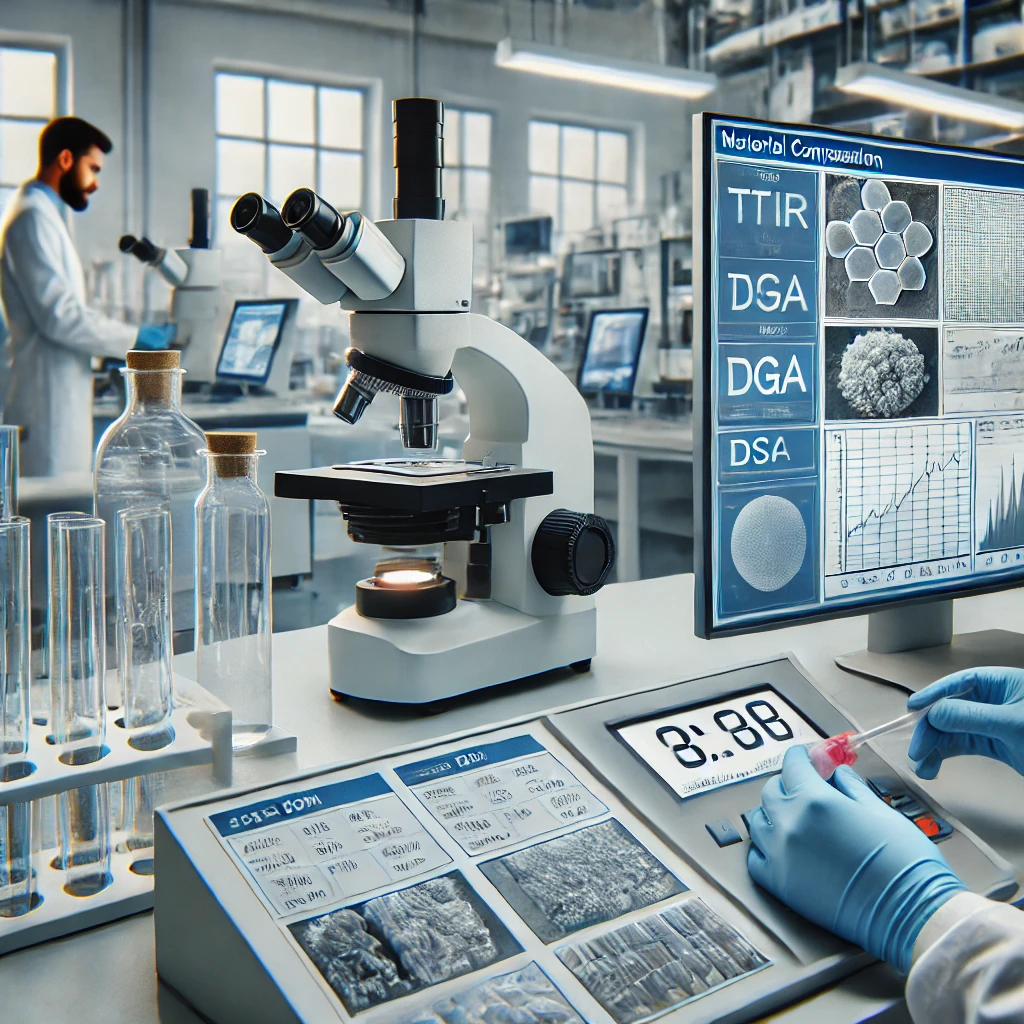
Advanced microscopes and spectrometers are used to analyse the molecular and structural composition of plastics. These gear assist pick out impurities, examine the internal structure, and make sure material consistency.

6. Environmental Testing Zone

This region simulates actual-international situations to assess the longevity of plastics. Tests encompass:

  • Weather ability Testing: Measures resistance to UV mild, moisture, and temperature fluctuations.
  • Flammability Testing: Ensures compliance with fireplace protection requirements.

Advanced Technologies in Plastic Testing Labs

Modern plastic trying out labs, like KIYO R&D Lab, leverage modern technologies to deliver precise and reliable results. Automation, AI-driven facts analysis, and advanced instrumentation ensure accuracy whilst speeding up trying out approaches.

Some of the maximum wonderful technologies encompass:

  • Dynamic Mechanical Analysis (DMA) for viscoelastic homes.
  • Fourier Transform Infrared (FTIR) Spectroscopy for polymer identification.
  • High-Resolution Microscopy for particular structural analysis.

The Role of Plastic Testing Labs in Innovation

Plastic checking out labs are not just about great control; they’re hubs for innovation. By providing exact insights into cloth properties, those labs assist manufacturers increase new substances and improve present ones. From sustainable plastics to excessive-overall performance polymers, trying out labs are driving improvements in cloth technology.


Why Plastic Testing Labs Matter

The impact of plastic testing labs extends beyond nice warranty. They ensure:

  • Regulatory Compliance: Meeting global standards like ASTM and ISO.
  • Cost Efficiency: Preventing disasters and reducing fabric waste.
  • Sustainability: Supporting the improvement of green materials.
Inside a Plastic Testing Lab

Conclusion


FAQ

1. What is the purpose of a plastic testing laboratory?

Plastic testing laboratories assess the physical, chemical, and mechanical properties of plastics to ensure they meet quality, safety, and regulatory standards for various applications.

2. What types of tests are conducted in a plastic testing lab?

Common tests include tensile strength testing, impact resistance testing, chemical resistance testing, thermal property analysis, flammability testing, and weatherability testing.

3. Why is plastic testing important?

Plastic testing ensures material durability, safety, and compliance with industry standards. It helps manufacturers produce reliable products and avoid costly failures or recalls.
Material testing

Material Composition Testing for Plastic Products

Material Composition Testing for Plastic Products

Material Composition Testing for Plastic Products

Material Composition Testing for Plastic Products

Introduction

Material Composition Testing for Plastic Products

Why Material Composition Testing is Essential

Understanding the composition of plastic merchandise allows industries attain several targets:

  1. Quality Assurance: Ensures consistency in production and adherence to specs.
  2. Regulatory Compliance: Verifies that substances meet safety and environmental standards.
  3. Performance Optimization: Identifies the proper mixture of additives for preferred energy, durability, and versatility.
  4. Failure Analysis: Determines the motive of product disasters to improve designs.

Techniques Used in Material Composition Testing

Advanced trying out strategies provide detailed insights into the composition of plastic substances:

  1. Fourier Transform Infrared Spectroscopy (FTIR): Identifies chemical bonds and polymer kinds through reading infrared absorption.
  2. Thermogravimetric Analysis (TGA): Measures weight modifications as a cloth is heated, revealing thermal balance and filler content material.
  3. Differential Scanning Calorimetry (DSC): Determines melting factors, glass transition temperatures, and thermal houses.
  4. Ash Content Testing: Quantifies the inorganic filler content material in plastics via burning off organic additives.
  5. Scanning Electron Microscopy (SEM): Examines the surface morphology and elemental composition at excessive magnifications.

Applications of Material Composition Testing for Plastic Products

Industries across various sectors rely on cloth composition trying out to make certain their plastic products meet stringent requirements:

  • Automotive: Enhances the protection and durability of additives.
  • Medical: Guarantees biocompatibility and sterility of clinical devices.
  • Packaging: Confirms food-grade protection and environmental compliance.
  • Construction: Validates the electricity and sturdiness of materials below diverse conditions.

Benefits of Material Composition Testing

Material composition checking out offers numerous advantages to manufacturers and end-users:

  • Improved product reliability and performance.
  • Enhanced sustainability via precise cloth selection.
  • Reduced waste by figuring out inefficiencies in formulations.
  • Faster time-to-market by way of ensuring compliance early in development.
Material Composition Testing for Plastic Products

Conclusion

 
Material Testing Services for Plastic

Material Testing Services for Plastic

Material Testing Services for Plastic

Material Testing Services for Plastics: Ensuring Quality and Performance

Introduction

Material Testing Services for Plastic

Why Material Testing is Essential for Plastics

In the hastily advancing field of plastics, high-quality and performance are non-negotiable. Material trying out presents exact insights into a material’s mechanical, thermal, and chemical residences, ensuring it meets the specified requirements for diverse packages. From structural reliability to environmental sustainability, material testing ensures that plastics supply on their guarantees in every aspect.


Key Components of Material Testing for Plastics

1. Mechanical Properties Analysis

Understanding a material’s ability to withstand forces and stresses is important. This consists of:

  • Tensile Testing: Measures how a plastic behaves underneath pulling forces, supplying information on energy and elongation.
  • Flexural Testing: Assesses a cloth’s bending electricity and stiffness.
  • Impact Resistance: Evaluates the capability to absorb strength in the course of surprising forces, critical for safety applications.

2. Thermal Analysis

Plastics are subjected to various temperatures in their programs. Thermal assessments include:

  • Heat Deflection Temperature (HDT): Determines the temperature at which a material deforms underneath load.
  • Melting Point Analysis: Evaluates the temperature variety for processing and alertness suitability.

3. Chemical Resistance Testing

In industries such as automobile, medical, and packaging, plastics regularly come into contact with chemicals. Testing their resistance guarantees long-time period reliability and stops degradation.


4. Flammability Testing

Safety rules require plastics to satisfy fire-resistance requirements. Testing measures how substances react to ignition resources, supporting manufacturers select flame-retardant plastics for critical applications.


5. Environmental Stress Cracking Resistance (ESCR)

Plastics uncovered to environmental factors like humidity, UV light, and pressure may additionally crack over time. ESCR trying out evaluates a fabric’s capability to withstand such cracking, making sure durability.


Benefits of Professional Material Testing Services

1. Quality Assurance

Material trying out ensures compliance with worldwide requirements like ASTM and ISO, giving manufacturer’s self-assurance in the protection and reliability in their products.

2. Driving Innovation

Through distinctive trying out, manufacturers can nice-tune plastic formulations, discover new fabric blends, and push the boundaries of what plastics can achieve.

3. Risk Mitigation

Testing identifies capacity weaknesses early inside the improvement technique, decreasing the danger of screw ups, recalls, and high priced manufacturing delays.

4. Cost Efficiency

By addressing material issues throughout development, manufacturers keep away from high-priced setbacks, ensuring smoother manufacturing and higher marketplace performance.


Choosing the Right Material Testing Partner

Selecting a reliable fabric trying out provider is vital for making sure accurate and comprehensive consequences. Consider the subsequent whilst choosing a checking out partner:

  • Expertise: Look for a crew with large revel in in plastic testing.
  • Accreditation: Ensure the lab adheres to across the world identified standards.
  • Comprehensive Services: Choose an issuer imparting an extensive variety of exams to meet all your necessities.
  • State-of-the-Art Equipment: Advanced equipment make sure particular and repeatable effects.

Conclusion: Empowering Plastic Innovation through Testing


FAQ

1. What is material testing for plastics?

Material testing for plastics involves evaluating their mechanical, thermal, chemical, and environmental properties to ensure they meet quality, safety, and performance standards for specific applications.

2. Why is material testing important for plastics?

Even the all-powerful Pointing has no control about the blind texts it is an almost unorthographic life One day however a {{small}} line

3. What industries benefit from plastic material testing?

Industries such as automotive, aerospace, construction, medical devices, packaging, and consumer goods rely on material testing to ensure quality and performance.