Login With Mobile OTP


Global Polymer Laboratory Services

Global Polymer Laboratory Services

Global Polymer Laboratory Services

The Role of Global Polymer Laboratory Services in Modern Manufacturing

Introduction

Global Polymer Laboratory Services are essential to the modern manufacturing landscape, ensuring that materials meet stringent quality and compliance standards. From consumer electronics to aerospace components, the integrity of polymer materials is crucial. This article delves into the significance of polymer testing and highlights premier laboratories providing these critical services globally.

Why Polymer Testing is Essential

  • Quality Assurance: Verifies that polymer materials conform to required specifications and performance benchmarks.
  • Regulatory Compliance: Assists manufacturers in adhering to international regulations such as REACH, FDA, and other industry-specific standards.
  • Safety: Detects potential issues that could cause product failures, ensuring safety and reliability.
  • Innovation: Supports research and development, leading to the creation of new and improved materials.

Key Polymer Testing Services

Identification and Qualification of Polymers:

  1. Methods: FTIR, DSC, TGA, SEM, etc.
  2. Applications: Identifying unknown polymers, confirming material composition, and qualifying new materials.

Mechanical Testing:

  1. Types: Tensile testing, flexural testing, impact testing.
  2. Importance: Determines mechanical properties under varying conditions.

Thermal Analysis:

  1. Techniques: Differential Scanning Calorimetry (DSC), Thermogravimetric Analysis (TGA), HDT/VSP testing.
  2. Use: Evaluates thermal stability and behavior.

Chemical Analysis:

  1. Focus: Identifying additives, contaminants, and fillers.
  2. Tools: Chromatography, spectroscopy, and other analytical methods.

Benefits of Choosing Global Polymer Laboratory Services

  1. Expertise: Access to a global network of experienced scientists and engineers.
  2. Technology: Utilization of advanced testing equipment and methodologies.
  3. Global Reach: Convenient sample transport and testing locations worldwide.
  4. Customized Solutions: Tailored testing and analysis to meet specific industry requirements and project needs.

Conclusion

Global Polymer Laboratory Services are pivotal in ensuring the quality, compliance, and innovation of polymer materials used across multiple industries. Partnering with leading laboratories like Intertek Wilton, Geleen, and Allentown ensures superior material performance, regulatory compliance, and product safety. Whether developing new materials or maintaining the quality of existing ones, these laboratories provide the expertise and technology required for success.

Global Polymer Laboratory Services

Question 1 : Which industries benefit from Global Polymer Laboratory Services?

Answer : Industries that benefit include:

  • Automotive
  • Aerospace
  • Medical devices
  • Consumer electronics
  • Packaging
  • Construction materials
  • Health and beauty products

Question 2  : What are some leading laboratories offering Global Polymer Laboratory Services?

Answer : Kiyo R&D Center and laboratory include:

  • Expertise in regulatory assurance, polymer characterization, and contamination analysis.
  •  Specializes in polymer and plastics development, processing, and custom compound production.
  • Serves a wide range of industries with a focus on quality assurance and regulatory compliance.

Question 3 : How do Global Polymer Laboratory Services support regulatory compliance?

Answer : These services help manufacturers meet international standards by:

  • Conducting tests required for compliance (e.g., REACH, FDA).
  • Providing documentation and reports necessary for regulatory submissions.
  • Ensuring materials and products meet legal and safety requirements.
Rubber | Polymer | Plastic Products | Testing laboratory

Rubber | Polymer | Plastic Products | Testing laboratory

Rubber | Polymer | Plastic Products | Testing laboratory

Enhancing Product Performance with Advanced Testing at Kiyo R&D Center & Laboratory

Introduction

At Kiyo R&D Center & Laboratory, we specialize in providing top-tier materials testing services for rubber, polymer, and plastic products. Our cutting-edge technologies and expert team enable us to offer a wide range of testing services that are essential for ensuring the safety, quality, and performance of materials used across various industries.

The Importance of Material Testing

Material testing is vital for verifying the properties and performance of materials before they are used in products. It helps manufacturers adhere to industry standards, improve product durability, and foster innovation. Our Rubber | Polymer | Plastic Products | Testing laboratory services are designed to provide precise, dependable data that informs critical decisions and supports product development.

Our Testing Services

  1. Tensile Testing
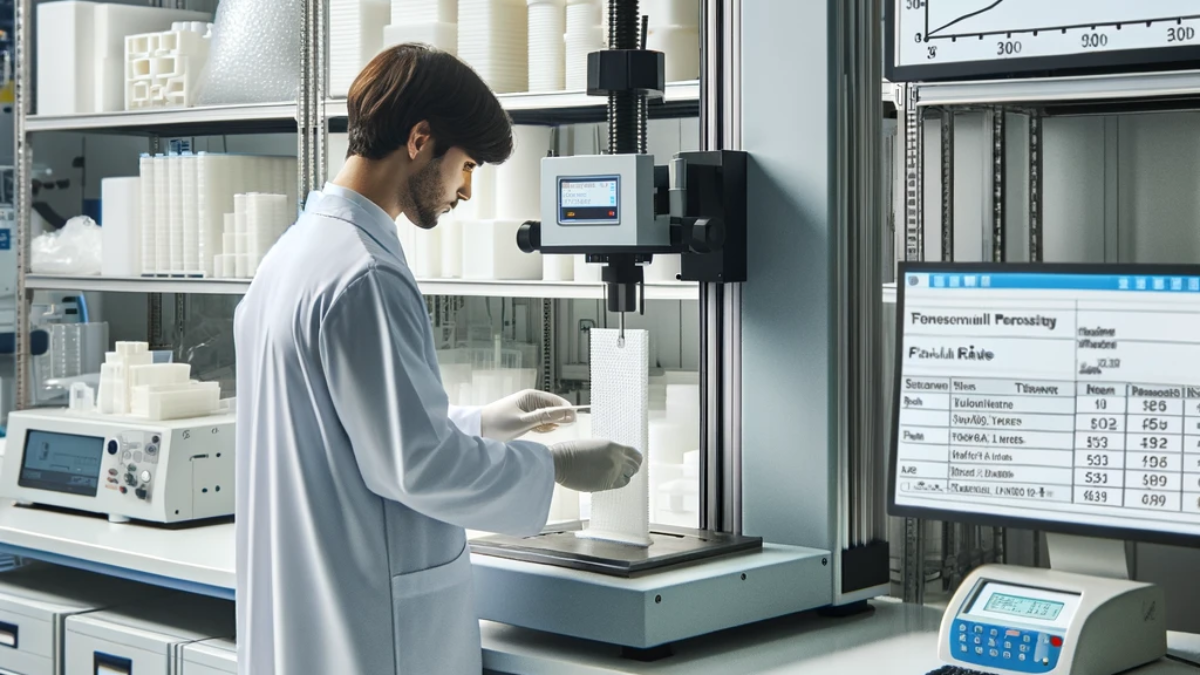
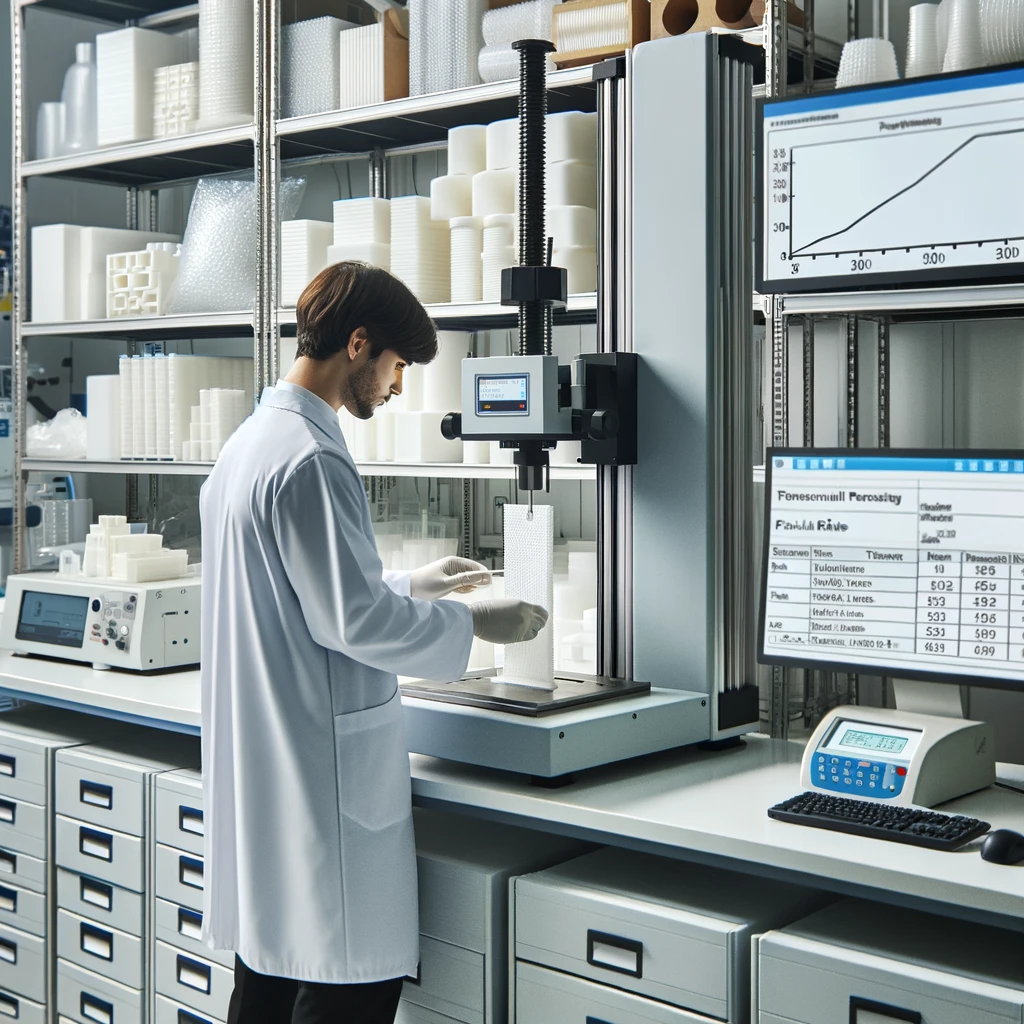
    Tensile testing determines a material’s strength and elongation by stretching it until it breaks. Our Rubber | Polymer | Plastic Products | Testing laboratory ensures accurate tensile testing to evaluate the mechanical properties of materials.
  2. Flexural Testing
    Flexural testing measures a material’s resistance to bending forces, which is crucial for applications in construction and manufacturing. Our Rubber | Polymer | Plastic Products | Testing laboratory provides comprehensive flexural testing services for reliable data.
  3. Flammability Testing
    Flammability testing assesses how easily a material can catch fire and burn. This is critical for ensuring safety in various industries, including automotive and consumer goods. Our Rubber | Polymer | Plastic Products | Testing laboratory offers precise flammability testing to meet safety standards.
  4. Filler/Ash Content Testing
    This test quantifies the filler material in a polymer, which affects the final product’s properties. Our Rubber | Polymer | Plastic Products | Testing laboratory delivers accurate filler/ash content testing for quality control.
  5. Melt Flow Rate Testing
    Melt flow rate testing evaluates the flow characteristics of thermoplastics, which is important for processing methods like injection molding. Our Rubber | Polymer | Plastic Products | Testing laboratory offers detailed melt flow rate testing to optimize manufacturing processes.
  6. Heat Deflection Temperature (HDT) and Vicat Softening Point (VSP) Testing
    HDT and VSP tests measure a material’s resistance to heat. Our Rubber | Polymer | Plastic Products | Testing laboratory provides these critical tests to ensure materials perform well under thermal stress.
  7. Fourier Transform Infrared Spectroscopy (FTIR)
    FTIR analysis identifies the chemical composition of materials. Our Rubber | Polymer | Plastic Products | Testing laboratory offers advanced FTIR analysis for precise material characterization.
  8. Scanning Electron Microscopy (SEM)
    SEM provides detailed imagery of a material’s surface. Our Rubber | Polymer | Plastic Products | Testing laboratory uses SEM for failure analysis and quality control.
  9. Thermogravimetric Analysis (TGA)
    TGA measures weight changes in a material as it is heated, providing insights into thermal stability. Our Rubber | Polymer | Plastic Products | Testing laboratory delivers accurate TGA results for comprehensive material evaluation.
  10. Differential Scanning Calorimetry (DSC)
    DSC measures heat flow associated with material transitions. Our Rubber | Polymer | Plastic Products | Testing laboratory offers detailed DSC analysis for understanding thermal properties.
  11. Vibration Testing
    Vibration testing evaluates how materials withstand mechanical stress during transport and use. Our Rubber | Polymer | Plastic Products | Testing laboratory provides comprehensive vibration testing for various industries.
  12. Impact Testing
    Impact testing assesses a material’s energy absorption during collisions. Our Rubber | Polymer | Plastic Products | Testing laboratory ensures precise impact testing for safety-critical applications.
  13. Thermal Testing
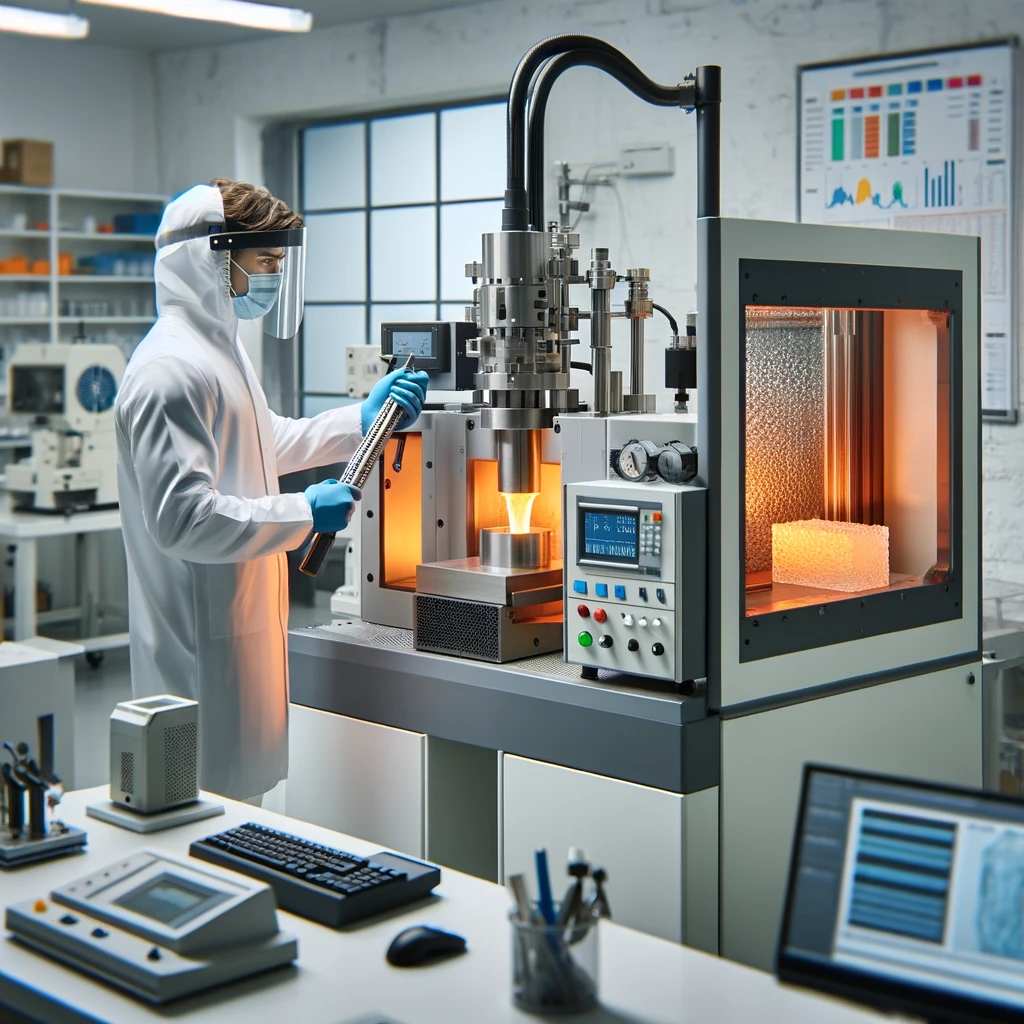
    Our thermal testing services evaluate how materials respond to temperature changes. Our Rubber | Polymer | Plastic Products | Testing laboratory offers thorough thermal testing for diverse applications.

Advancing Innovation and Quality

At Kiyo R&D Center & Laboratory, we are committed to advancing innovation and quality in material testing. Our state-of-the-art facilities and experienced team provide reliable results that our clients can trust. Whether you are in the automotive, aerospace, construction, or consumer goods industry, our Rubber | Polymer | Plastic Products | Testing laboratory services can help you achieve your goals.

Rubber | Polymer | Plastic Products | Testing laboratory

Question 1 : What is the importance of tensile testing?

Answer : Tensile testing measures a material’s strength and ductility by stretching it until it breaks. It provides critical data on tensile strength, yield strength, and elongation, helping manufacturers ensure their materials meet performance standards.

Question 2 : How does flexural testing benefit my product?

Answer : Flexural testing assesses a material’s ability to resist deformation under load, which is crucial for evaluating performance in construction and manufacturing applications. This helps in ensuring product durability and reliability.

Question 3 : Why is flammability testing necessary?

Answer : Flammability testing determines how easily a material can ignite and burn, which is essential for safety in various industries such as automotive and consumer goods. It ensures compliance with safety standards and reduces fire hazards.

Rubber And Plastic Testing Labs | Kiyo R&D Center and Laboratory

Rubber And Plastic Testing Labs | Kiyo R&D Center and Laboratory

Rubber And Plastic Testing Labs | Kiyo R&D Center and Laboratory

Navigating Quality Assurance with Kiyo R&D Center and Laboratory’s Rubber and Plastic Testing Labs

Introduction
In the demanding world of manufacturing and product development, ensuring material quality and compliance is crucial. Kiyo R&D Center and Laboratory’s rubber and plastic testing labs offer advanced testing solutions to meet these needs, delivering results you can trust.

Overview of Kiyo R&D Center and Laboratory
At Kiyo R&D Center and Laboratory, our rubber and plastic testing labs are equipped with cutting-edge technology to perform a wide range of tests. We support industries requiring high standards of material performance and safety, such as automotive, aerospace, and consumer goods.

Core Testing Services
Our rubber and plastic testing labs provide comprehensive mechanical, thermal, and chemical analyses. Services include tensile strength testing, DSC for thermal properties, and advanced chemical degradation tests. Each test is designed to ensure materials perform well under any conditions.

Specialized Capabilities
Kiyo R&D’s rubber and plastic testing labs are known for specialized services like flammability testing and environmental stress cracking resistance tests. These capabilities are essential for developing products that are not only durable but also safe and compliant with international standards.

Beyond Testing: Comprehensive Support
The expertise at our rubber and plastic testing labs extends beyond standard testing. We offer consultancy and problem-solving services to help clients optimize material formulations and improve their product lifecycles.

Why Choose Our Labs
Choosing Kiyo R&D Center and Laboratory means partnering with a leader in rubber and plastic testing labs. Our commitment to precision and reliability is reflected in our stringent quality controls and the advanced training of our technicians.

Conclusion
For manufacturers and developers looking for dependable rubber and plastic testing labs, Kiyo R&D Center and Laboratory offers the expertise and technology to bring products to the next level of excellence.

Rubber And Plastic Testing Labs | Kiyo R&D Center and Laboratory

Question 1 : Do you provide certification for tested materials?

Answer : Yes, we provide detailed reports and certification for all tested materials as per client requirements and applicable standards. These documents can be used for compliance, quality assurance, and research and development purposes.

Question 2 : How long does it take to receive test results?

Answer : The turnaround time for test results depends on the specific tests performed and the current workload. However, we strive to provide results as quickly as possible while maintaining accuracy. Expedited services are available upon request.

Question 3 : Can Kiyo R&D assist with product development?

Answer : Absolutely. Beyond standard testing services, Kiyo R&D offers consulting and research services to aid in product development and optimization. Our team can assist with material selection, performance analysis, and product improvement strategies.

Polymer Testing Lab - Kiyo R&D Center and Laboratory

Polymer Testing Lab – Kiyo R&D Center and Laboratory

Polymer Testing Lab - Kiyo R&D Center and Laboratory

Advanced Polymer Solutions: Driving Innovation at Kiyo R&D Laboratory

Introduction

In the rapidly evolving landscape of material science, polymers are pivotal in driving technological advancements and environmental sustainability. Kiyo R&D Laboratory is at the forefront of these developments, providing comprehensive polymer testing services that ensure our clients’ materials are innovative, safe, and effective.

Comprehensive Testing Capabilities

Kiyo R&D Laboratory offers a wide range of testing services that cater to the diverse needs of the polymer industry, ensuring materials perform optimally in their intended applications:

  • Impact and Durability Testing: We evaluate the resilience of polymer materials against physical and environmental stresses using tests like Charpy impact, Izod impact, and stress-strain analysis.
  • Advanced Chemical Profiling: Utilizing techniques such as Gas Chromatography-Mass Spectrometry (GC-MS) and High-Performance Liquid Chromatography (HPLC), we provide detailed chemical composition analysis.
  • Environmental and Weathering Tests: Our laboratory simulates various environmental conditions to assess UV stability, corrosion resistance, and long-term durability of polymers.

State-of-the-Art Facilities and Expert Staff

At Kiyo R&D Laboratory, our commitment to maintaining a cutting-edge facility and employing top-tier talent is unwavering:

  • Innovative Testing Equipment: Our lab is equipped with the latest technological advancements in polymer testing, ensuring high precision and repeatability in all test results.
  • Dedicated Specialists: Our team consists of experienced scientists and engineers who specialize in polymer sciences, providing expert analysis and recommendations.

Quality and Certification

Kiyo R&D Laboratory meets all the rigorous standards required for top-level certification, making us a trusted partner in polymer testing:

  • Internationally Recognized Accreditations: Our laboratory is accredited under ISO/IEC 17025 by the National Accreditation Board for Testing and Calibration Laboratories (NABL), confirming our commitment to international standards.
  • Detailed Reporting and Insights: We provide comprehensive reports that not only detail test results but also offer insights into improving material formulations and performance.

Customized Services for Diverse Industries

Recognizing the unique requirements of different sectors, we tailor our services to meet the specific needs of each client:

  • Flexible Testing Options: From small-scale pilot tests to full-scale production checks, we offer flexible testing solutions to accommodate any project size.
  • Rapid Response and Turnaround: Understanding the fast pace of commercial development, we prioritize efficient processes and quick turnaround times to support your project timelines.

Connect with Our Polymer Experts

Partner with Kiyo R&D Laboratory to ensure that your polymer materials are robust, compliant, and optimized for tomorrow’s challenges. Our experts are ready to assist you with advanced testing solutions and insightful analysis.

Conclusion

As your strategic partner, Kiyo R&D Laboratory is dedicated to enhancing the performance and safety of your polymers. Trust us to bring scientific rigor, innovative solutions, and market insights to your material challenges.

Polymer Testing Lab - Kiyo R&D Center and Laboratory

Question 1 : How do you ensure the confidentiality and security of the testing process?

Answer : We adhere to strict confidentiality agreements and secure handling procedures to protect the integrity and confidentiality of all client data and proprietary material.

Question 2 : Can Kiyo R&D Laboratory help with failure analysis?

Answer :Absolutely. We offer detailed failure analysis services to identify the causes of product failures and provide insights into potential improvements, helping clients enhance product reliability and performance.

Question 3 : How long does it typically take to receive test results?

Answer : The turnaround time for test results can vary depending on the complexity of the tests and the current workload. However, we strive to provide results as quickly as possible while maintaining accuracy and thoroughness. Please contact us for an estimated timeline based on your specific testing needs.

Plastic Material Testing Services

Plastic Material Testing Services

Plastic Material testing services

Comprehensive Guide to Plastic Testing Services: Ensuring Quality and Compliance

Introduction: At Kiyo R&D Center & Laboratory, our commitment goes beyond ensuring the quality and safety of plastic materials. We are dedicated to fostering innovation and promoting sustainability in the plastics industry. Our advanced testing services play a crucial role in developing new materials that are both high-performing and environmentally friendly.

The Critical Role of Testing in Material Innovation: Material testing is not just about compliance and quality assurance—it’s a gateway to innovation. By thoroughly analyzing material properties, our laboratory provides essential data that fuels the development of advanced plastics. These materials are designed to meet specific needs, such as enhanced durability, reduced weight, or improved environmental sustainability.

Core Testing Services Catalyzing Innovation at Kiyo R&D Center & Laboratory:

Melt Flow Rate (MFR) Testing: MFR testing is vital for evaluating the processability of thermoplastic materials. By understanding how the plastic melts, manufacturers can optimize processing conditions to enhance product quality and reduce material waste, contributing to more sustainable manufacturing practices.

Heat Deflection Temperature (HDT) Testing: Our HDT testing services help in determining the temperature at which a plastic material deforms under a specified load. This information is crucial for developing plastics that are used in high-temperature applications, ensuring that they perform well under stress while being energy-efficient.

Impact Testing: By assessing how much energy a plastic can absorb before fracturing, impact testing is critical for applications where durability and reliability are paramount. This test helps in developing tougher plastics that require less frequent replacement, promoting sustainability.

Thermal Testing: Thermal analysis, including Differential Scanning Calorimetry (DSC) and Thermogravimetric Analysis (TGA), provides insights into the thermal stability and decomposition of plastics. These tests are essential for developing materials that are both heat-resistant and less prone to producing harmful emissions upon disposal.

Sustainability Through Advanced Testing: Our testing services are integral to developing sustainable plastics. By identifying ways to improve material characteristics, we help manufacturers reduce reliance on non-renewable resources and decrease the environmental footprint of their products. Our lab is committed to supporting the development of recyclable and biodegradable plastics, contributing to a more sustainable future.

Conclusion: Kiyo R&D Center & Laboratory stands at the forefront of material science, pushing the boundaries of what’s possible in the plastics industry. Our sophisticated testing services not only ensure safety and quality but also inspire and enable innovations that lead to more sustainable materials. We are your partners in creating a greener, more innovative future.

Plastic Material Testing Services

Question 1 : What are some common plastic testing methods?

Answer : Some of the most common methods include:

  • Tensile Testing (ASTM D638)
  • Flexural Testing (ASTM D790)
  • Impact Resistance Testing (ASTM D256 for Izod, ASTM D6110 for Charpy)
  • Thermal Testing (such as Heat Deflection Temperature under ASTM D648)
  • Chemical Resistance Testing (ASTM D543)

Question 2 : How long does plastic testing take?

Answer : The duration of testing can vary significantly depending on the type of test and the specific standards being adhered to. Generally, some tests can be completed in a few days, while others may take several weeks. We strive to provide accurate timelines based on your specific testing needs.

Question 3 : Is your laboratory certified for plastic testing?

Answer : Yes, our laboratory is certified and operates in compliance with international standards, including ISO/IEC 17025, ensuring that all tests are conducted professionally and with high precision.

Top Plastic Testing Laboratory in Chennai

Top Plastic Testing Laboratory in Chennai

Top Plastic Testing Laboratory in Chennai

Pioneering Innovation: How Kiyo R&D Center is Shaping the Future of Plastic Testing in Chennai

Introduction

At Kiyo R&D Center in Chennai, we are not just conducting tests; we are pioneering the future of plastic testing technologies. Our state-of-the-art facility is equipped with the latest advancements in testing equipment, staffed by a team of experts dedicated to pushing the boundaries of material science. This blog delves into how our innovative approaches are transforming the industry and what it means for businesses relying on high-quality plastic components.

Leading with Technology

Advanced Analytical Tools: At Kiyo R&D, we leverage cutting-edge technologies such as Scanning Electron Microscopy (SEM), Fourier Transform Infrared Spectroscopy (FTIR), Thermogravimetric Analysis (TGA), and Differential Scanning Calorimetry (DSC) to offer detailed insights into the properties of plastics. These tools allow us to analyze materials at a molecular level, providing crucial data for improving product performance and durability.

Customized Testing Solutions: Understanding that each industry has unique needs, we customize our testing protocols to suit specific requirements. Whether it’s evaluating the environmental impact of a new bioplastic or assessing the wear resistance of automotive components, our tailored approach ensures that all client specifications are met meticulously.

Commitment to Quality and Accuracy

Certified Excellence: Our laboratory complies with international standards and holds certifications that affirm our commitment to delivering accurate and reliable testing results. This dedication to quality helps clients navigate regulatory landscapes and achieve compliance with ease.

Expert Team: Our technicians and scientists are not just skilled; they are craftsmen of their trade. With extensive experience and continuous training in the latest methodologies, they ensure that every test we conduct is both thorough and precise.

Industry Impact

Supporting Local and Global Markets: By providing top-tier testing services, we support a range of industries—from local startups to global manufacturing giants. Our work ensures that products are safe, efficient, and ready for the market, boosting confidence among consumers and professionals alike.

Driving Innovation: Through our testing services, we encourage innovation. By identifying material characteristics and performance limitations, we help companies to iterate on their products, leading to safer and more advanced plastic materials.

Future Directions

Sustainability Focus: Looking ahead, Kiyo R&D Center is set to expand its focus on sustainable and eco-friendly testing practices. We are actively researching ways to reduce our environmental footprint while helping clients develop greener products.

Educational Initiatives: We believe in empowering the next generation of material scientists and engineers. Plans are underway to collaborate with educational institutions in Chennai to offer workshops, internships, and training programs that promote advanced learning in material sciences.

Conclusion

Kiyo R&D Center is more than just a testing laboratory; we are a hub of innovation and excellence in the field of plastic testing. Our advanced capabilities and expert team make us a leader in the industry, continually setting new standards for quality and reliability.

Top Plastic Testing Laboratory in Chennai

Question 1 : Are your testing services accredited?

Answer : Yes, Kiyo R&D Center is accredited by several industry-recognized bodies. Our testing processes adhere to stringent international standards to ensure reliability and accuracy.

Question 2 : How long does it take to receive test results?

Answer : The turnaround time for test results can vary depending on the type of test and the current workload of our laboratory. Generally, results are available within 1-2 weeks. Expedited services are available upon request. Please contact us for more precise timing related to your specific test requirements.

Question 3 : How much do your testing services cost?

Answer : The cost of testing services varies based on the type of test, the number of samples, and any specific requirements or standards. We provide detailed quotes on request. Please contact our customer service for a tailored estimate.

Plastics Composites Testing | Technology

Plastics Composites Testing | Technology

Plastics Composites Testing | Technology

Kiyo R&D Center & Laboratory – Leading Materials Testing and Research Facility

Introduction:

Welcome to Kiyo R&D Center & Laboratory, a premier institution specializing in comprehensive materials testing services for plastics, rubber, and metals. Our world-class facilities are accredited with ISO/IEC 17025 by the National Accreditation Board for Testing and Calibration Laboratories (NABL). With cutting-edge technology and an expert team, we are your trusted partner for precise, reliable, and comprehensive testing solutions.

Our Services: Comprehensive Testing Across All Materials

Kiyo R&D Center & Laboratory provides an extensive range of testing services for polymers, plastics, and composites, adhering to international standards to deliver high-quality and accurate results.

Our Testing Services Include:

  1. Tensile Testing:
    • Evaluates tensile strength, elongation, and yield properties of materials.
    • Standards: ASTM D638, ISO 527.
  2. Flexural Testing:
    • Assesses the flexural strength and modulus of materials.
    • Standards: ASTM D790, ISO 178.
  3. Flammability Testing:
    • Determines the flammability properties of materials.
    • Standards: UL 94, ISO 9772.
  4. Filler/Ash Content Testing:
    • Analyzes the percentage of filler or ash content in polymers.
    • Standards: ASTM D5630, ISO 3451.
  5. Melt Flow Rate Testing:
    • Measures the flow rate of molten plastics.
    • Standards: ASTM D1238, ISO 1133.
  6. Heat Deflection Temperature (HDT) and Vicat Softening Point (VSP) Testing:
    • Determines temperature resistance characteristics of polymers.
    • Standards: ASTM D648, ISO 75, ASTM D1525.
  7. Fourier-Transform Infrared Spectroscopy (FTIR):
    • Identifies chemical structures in polymer samples.
  8. Scanning Electron Microscopy (SEM):
    • Offers high-resolution imaging and elemental analysis.
  9. Thermogravimetric Analysis (TGA):
    • Evaluates thermal stability and composition.
  10. Differential Scanning Calorimetry (DSC):
    • Measures thermal transitions like melting and crystallization.
  11. Impact Testing:
    • Assesses impact resistance.
    • Standards: ASTM D256, ISO 179.
  12. Vibration Testing:
    • Simulates mechanical stress conditions to evaluate product durability.

Quality Assurance and Accreditation:

  • ISO/IEC 17025 Accredited: Ensuring the highest level of quality and precision.
  • BIS Approved: Certified by the Bureau of Indian Standards (BIS) for third-party certification of plastic products.

Why Partner with Kiyo R&D Center & Laboratory?

  1. Cutting-edge Equipment and Technology: Advanced instrumentation and technologies.
  2. Experienced Professionals: Highly skilled team with a deep understanding of materials science.
  3. Customized Solutions: Tailored services to address unique client needs.
  4. Accredited and Reliable: ISO/IEC 17025 accreditation guarantees quality.
Plastics Composites Testing | Technology

Question 1 : What types of tests do you offer for plastics and composites?

Answer: At Kiyo R&D Center & Laboratory, we provide a wide range of testing services for plastics and composites, including:

  • Tensile Testing
  • Flexural Testing
  • Impact Testing
  • Melt Flow Rate Testing
  • Filler/Ash Content Testing
  • Heat Deflection Temperature (HDT) and Vicat Softening Point (VSP) Testing
  • Fourier-Transform Infrared Spectroscopy (FTIR)
  • Scanning Electron Microscopy (SEM)
  • Thermogravimetric Analysis (TGA)
  • Differential Scanning Calorimetry (DSC)

Question 2 : Are your testing services accredited?

Answer : Yes, our laboratory is accredited with ISO/IEC 17025 by the National Accreditation Board for Testing and Calibration Laboratories (NABL). We are also approved by the Bureau of Indian Standards (BIS) for third-party certification of plastic products.

Question 3: How long does it take to receive testing results?

Answer : The turnaround time for testing results depends on the type and complexity of the test. Typically, standard tests like tensile or flexural testing take 5-10 business days. For more detailed analysis, such as SEM or DSC, it may take longer. Contact us for specific timelines.

Tensile Testing

Tensile Testing in Chennai

Tensile testing in chennai

Understanding Tensile Testing: The Cornerstone of Material Performance Evaluation

Introduction:

In the rapidly evolving world of engineering and manufacturing, ensuring the reliability and durability of materials is crucial. Whether it’s the automotive industry, aerospace engineering, or consumer electronics, every sector relies on high-performance materials that can withstand rigorous conditions. This is where tensile testing comes into play, offering invaluable insights into a material’s strength and mechanical properties.

What is Tensile Testing?

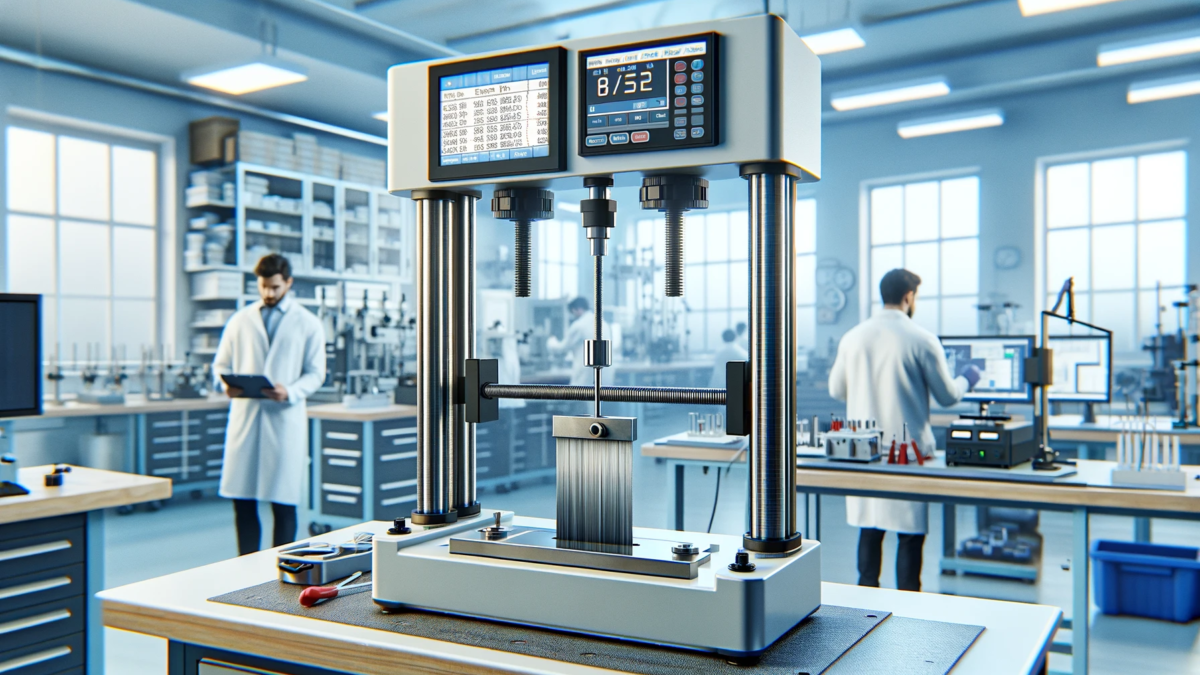
Tensile testing is a fundamental method used to measure how a material reacts to forces that attempt to pull it apart. The test involves clamping a sample in a tensile testing machine and gradually applying a uniaxial load until the sample breaks. During this process, key parameters like stress, strain, and elongation are measured, providing essential data on the material’s mechanical behavior.

Key Properties Assessed:

  • Ultimate Tensile Strength (UTS): The maximum stress a material can withstand before breaking.
  • Yield Strength (YS): The stress at which a material begins to deform plastically.
  • Elongation at Break: The strain or elongation a material undergoes before fracturing.
  • Modulus of Elasticity (Young’s Modulus): The ratio of stress to strain in the elastic region, indicating stiffness.

Why is Tensile Testing Important?

  1. Material Selection:
    Engineers rely on tensile testing data to select the most suitable materials for their applications. Whether it’s metal, plastic, or composite, knowing the tensile properties ensures optimal performance under expected conditions.
  2. Quality Control:
    Consistency is key in manufacturing. Tensile testing provides a benchmark for comparing production batches, ensuring that materials meet stringent quality standards.
  3. Product Development:
    During the design phase, tensile testing helps refine material formulations and improve product durability, contributing to innovations in product design.
  4. Regulatory Compliance:
    Many industries have strict regulatory standards that materials must meet. Tensile testing helps manufacturers comply with these requirements, reducing the risk of product failure.

The Tensile Testing Process

  1. Specimen Preparation:
    • The material is cut or shaped into a standardized specimen, typically following ASTM or ISO guidelines.
    • Common shapes include dog-bone (for metals) and rectangular bars (for plastics).
  2. Test Setup:
    • The specimen is securely clamped between two jaws in the tensile testing machine.
    • Extensometers or strain gauges are attached to measure elongation.
  3. Loading:
    • A uniaxial tensile load is gradually applied until the specimen fractures.
    • Real-time data, such as load and displacement, is recorded.
  4. Analysis:
    • The stress-strain curve is plotted to determine key properties like UTS, YS, and modulus.
    • Further analysis helps interpret the material’s behavior under stress.

Innovations in Tensile Testing

Modern tensile testing is no longer just about breaking samples. With the advent of advanced testing machines and software, the process has become more sophisticated.

  • Digital Load Cells: Provide accurate force measurements and data logging.
  • Non-Contact Extensometers: Offer precise strain measurements without influencing the specimen.
  • Automated Testing: Reduces operator error and increases throughput with robotic sample handling.

Tensile Testing Standards

To ensure consistency and accuracy, tensile testing follows established standards:

  • ASTM D638: Standard Test Method for Tensile Properties of Plastics.
  • ASTM E8: Standard Test Methods for Tension Testing of Metallic Materials.
  • ISO 527: Plastics – Determination of Tensile Properties.
  • ISO 6892: Metallic Materials – Tensile Testing.

Conclusion

Tensile testing remains a cornerstone of materials science, providing valuable insights into material strength and behavior. Whether you’re developing a new product, ensuring quality, or complying with industry standards, tensile testing is an indispensable tool. At Kiyo R&D Center & Laboratory, we specialize in providing reliable tensile testing services for plastics, metals, and composites. Our state-of-the-art equipment and experienced team ensure that your materials meet the highest standards.

Tensile Testing

Question 1 : What materials can be tested using tensile testing?

Answer : Tensile testing is suitable for a wide range of materials including metals, plastics, composites, rubber, and ceramics. Our laboratory can tailor the testing process to meet the unique requirements of each material type.

Question 2 : How long does a standard tensile test take?

Answer : A standard tensile test typically takes 10-30 minutes, depending on the material and specific test conditions. The entire process, including setup and analysis, might take longer for more complex tests.

Question 3 : What information is required for a tensile testing service?

Answer : To ensure accurate testing, you should provide the material type, relevant standards (ASTM, ISO), specific testing requirements (e.g., UTS, YS, elongation), and any special test conditions like temperature or testing speed.

Thermal Conductivity Testing

Vibration Testing

The Essential Guide to Vibration Testing: Ensuring Product Reliability

Introduction

In today’s competitive landscape, product reliability is paramount across all industries. To guarantee that products can withstand real-world conditions, manufacturers rely on vibration testing as a vital quality assurance process. Whether in aerospace, automotive, or consumer electronics, vibration testing helps identify potential vulnerabilities, ensuring products meet stringent safety and durability standards.

At Kiyo R&D Center & Laboratory, we specialize in comprehensive vibration testing services, helping clients across industries verify product integrity. In this guide, we’ll explore what vibration testing is, why it’s important, and how it can benefit your product development.

What is Vibration Testing?

Vibration testing involves subjecting products to controlled vibratory stimuli to replicate the operational conditions they will face. This process helps engineers assess how products behave under stress, revealing weaknesses and ensuring that designs are robust.

Key Objectives

  • Durability Assessment: Verifies if products can endure expected operational stress.
  • Design Verification: Identifies flaws that might lead to malfunction or failure.
  • Safety Compliance: Ensures products meet relevant regulatory and safety standards.
  • Quality Control: Helps manufacturers maintain consistent product quality.

How Does Vibration Testing Work?

Products are mounted on a vibration test machine (also known as a shaker), which generates vibrations according to a specified pattern. A computer controls the shaker to produce realistic environmental conditions.

Testing Parameters

  • Frequency Range: Vibration frequency is measured in Hertz (Hz), and testing often covers a wide range.
  • Amplitude: Refers to the displacement or acceleration of the vibration.
  • Duration: Testing can last from minutes to several days, depending on requirements.

Common Testing Types

  1. Sine Testing

    • Uses sinusoidal waveforms to simulate repetitive, predictable vibrations.
    • Ideal for machinery and engine vibrations.
  2. Random Testing

    • Simulates real-world vibrations using a broad frequency range.
    • Suitable for automotive and aerospace applications.
  3. Shock Testing

    • Applies sudden, high-intensity shocks to mimic impacts and drops.
    • Critical for packaging and transportation testing.
  4. Environmental Stress Screening (ESS)

    • Combines vibration testing with thermal cycling.
    • Uncovers latent defects by exposing products to extreme environmental conditions.

Applications Across Industries

Aerospace and Defense

Aircraft components undergo rigorous testing to withstand in-flight turbulence, takeoff, and landing shocks. Military equipment is tested for extreme operational conditions.

Automotive

Automotive parts like suspension systems, electronics, and safety features are subjected to simulated road conditions to ensure durability and reliability.

Electronics and Consumer Goods

Phones, laptops, and other gadgets are tested to verify they can handle transportation and daily use.

Packaging and Transportation

Packaging materials are tested to ensure they can protect products from shocks and vibrations during shipping.

Standards and Compliance

International standards govern vibration testing across industries, ensuring products meet safety and performance criteria.

Common Standards

  • MIL-STD-810: Military standard for environmental testing.
  • IEC 60068: International standard for vibration and shock testing.
  • ISO 16750: Road vehicles – Environmental conditions and testing.

Kiyo R&D Center & Laboratory Vibration Testing Services

Why Choose Us?

  • State-of-the-Art Facilities: Equipped with modern shakers and control systems.
  • Industry Experts: Our experienced engineers guide clients through the testing process.
  • Custom Solutions: Tailored test programs to meet specific industry standards.

Our Process

  1. Consultation: Understanding your product’s application and regulatory requirements.
  2. Test Plan Development: Designing a comprehensive testing plan.
  3. Execution: Conducting tests with real-time monitoring.
  4. Analysis and Reporting: Providing detailed insights and actionable recommendations.

Additional Testing Capabilities

  • Environmental Stress Screening (ESS)
  • HALT/HASS Testing
  • Shock and Drop Testing
  • Thermal Testing

Conclusion

Vibration testing is indispensable in product design and manufacturing, ensuring reliability, safety, and compliance. At Kiyo R&D Center & Laboratory, we help clients achieve these goals with precision and expertise. Whether you’re developing cutting-edge aerospace components or durable consumer electronics, our comprehensive vibration testing services can help you ensure your products stand the test of time.

Question 1 : What is the purpose of vibration testing?

Answer:
Vibration testing simulates the conditions products will face in their operational environments. Its primary purposes are to identify potential design flaws, verify product durability, ensure compliance with safety and regulatory standards, and maintain consistent product quality.

Question 2 : How do you determine which type of vibration test is suitable for my product?

Answer:
At Kiyo R&D Center & Laboratory, we consult with you to understand your product’s application, regulatory requirements, and industry standards. Based on this information, we develop a customized testing plan that includes the appropriate type(s) of vibration testing, such as sine, random, shock, or environmental stress screening (ESS).

Question 3 : What deliverables will I receive after the vibration testing is complete?

Answer:
You’ll receive a comprehensive report containing:

  • Detailed test procedures and conditions.
  • Real-time monitoring data and results.
  • Analysis of the findings.
  • Actionable recommendations for improving product design and durability.
Thermal Conductivity Testing

Thermal Conductivity Testing

Thermal Conductivity Testing

Exploring Thermal Conductivity Testing: Enhancing Material Innovation and Safety

Introduction: Thermal conductivity testing is a pivotal process in materials science, essential for determining how materials transfer heat. This capability is crucial across various industries, impacting product safety, efficiency, and performance. Our latest blog delves into the significance of this testing, how it’s conducted, and its critical role in material selection and design.

Understanding Thermal Conductivity: Thermal conductivity is a measure of a material’s ability to conduct heat. It is defined as the amount of heat that flows per unit time through a unit area with a temperature gradient. High thermal conductivity materials, like metals, efficiently transfer heat, whereas insulators, such as rubber, do not.

Why is Thermal Conductivity Testing Important?

  1. Safety: Ensures materials do not fail under high heat conditions, crucial for electronic components and construction materials.
  2. Efficiency: Helps in designing more energy-efficient products by understanding how materials handle heat.
  3. Quality Control: Assures that materials meet the specified thermal performance necessary for their intended use.

How is Thermal Conductivity Tested?

  1. Steady-State Methods: These involve measuring the heat flow through a material over a period until a steady state is reached.
  2. Transient Methods: These are quicker and involve methods like the laser flash technique, where a pulse of heat is applied and the response is measured.

Applications of Thermal Conductivity Testing:

  • Electronics: Ensuring that devices can effectively dissipate heat and thus operate safely at optimal performance.
  • Building Materials: Developing insulation that can maintain energy efficiency in homes and commercial buildings.
  • Automotive: Testing components that must withstand high temperatures without degrading.

Conclusion: Thermal conductivity testing is not just a routine check. It’s a gateway to safer, more efficient, and innovative products. By understanding and controlling how materials behave under thermal stress, we can push the boundaries of what’s possible in material science.

Thermal Conductivity Testing

Question 1: What is thermal conductivity testing?

Thermal conductivity testing measures a material’s ability to conduct heat. It identifies how quickly heat can pass through a material, which is crucial for applications requiring temperature management.

Question 2: Why is thermal conductivity testing important?

This testing is vital for designing materials that can handle specific heat environments, ensuring safety and efficiency. It helps in choosing the right materials for heat-sensitive applications like electronics and automotive components.

Question 3: How do you perform thermal conductivity testing?

We utilize both steady-state and transient methods depending on the material and application. Steady-state methods measure heat flow at equilibrium, while transient methods, like the laser flash technique, analyze how materials react to sudden changes in temperature.