Login With Mobile OTP


Heavy Metal Analysis

Heavy Metal Analysis

Heavy Metal Analysis

Ensuring Safety with Heavy Metal Analysis and MS 210-05 Compliance

Understanding Heavy Metal Analysis

Heavy metal analysis is crucial for detecting harmful metals such as lead, mercury, cadmium, and arsenic in various materials. This analysis is vital in industries like manufacturing, environmental monitoring, and consumer products to ensure safety and compliance with health regulations.

The Importance of Heavy Metal Analysis

The presence of heavy metals can lead to significant health risks, environmental damage, and regulatory non-compliance. Accurate detection and quantification are necessary to prevent these metals from reaching harmful levels, protecting both consumers and the environment.

Standards and Compliance: MS 210-05

MS 210-05 is a key standard that outlines procedures for heavy metal analysis. Adherence to this standard ensures that products are tested accurately and meet safety requirements.

Key Aspects of MS 210-05:

  • Detection Limits: Establishes the minimum detectable levels of heavy metals.
  • Analytical Methods: Details approved methods like atomic absorption spectroscopy (AAS) and inductively coupled plasma optical emission spectrometry (ICP-OES).
  • Sample Preparation: Provides guidelines to ensure consistent and reliable results.
  • Quality Control: Emphasizes the importance of maintaining accuracy and reliability in testing.

Kiyo R&D Center & Laboratory’s Expertise in Heavy Metal Analysis

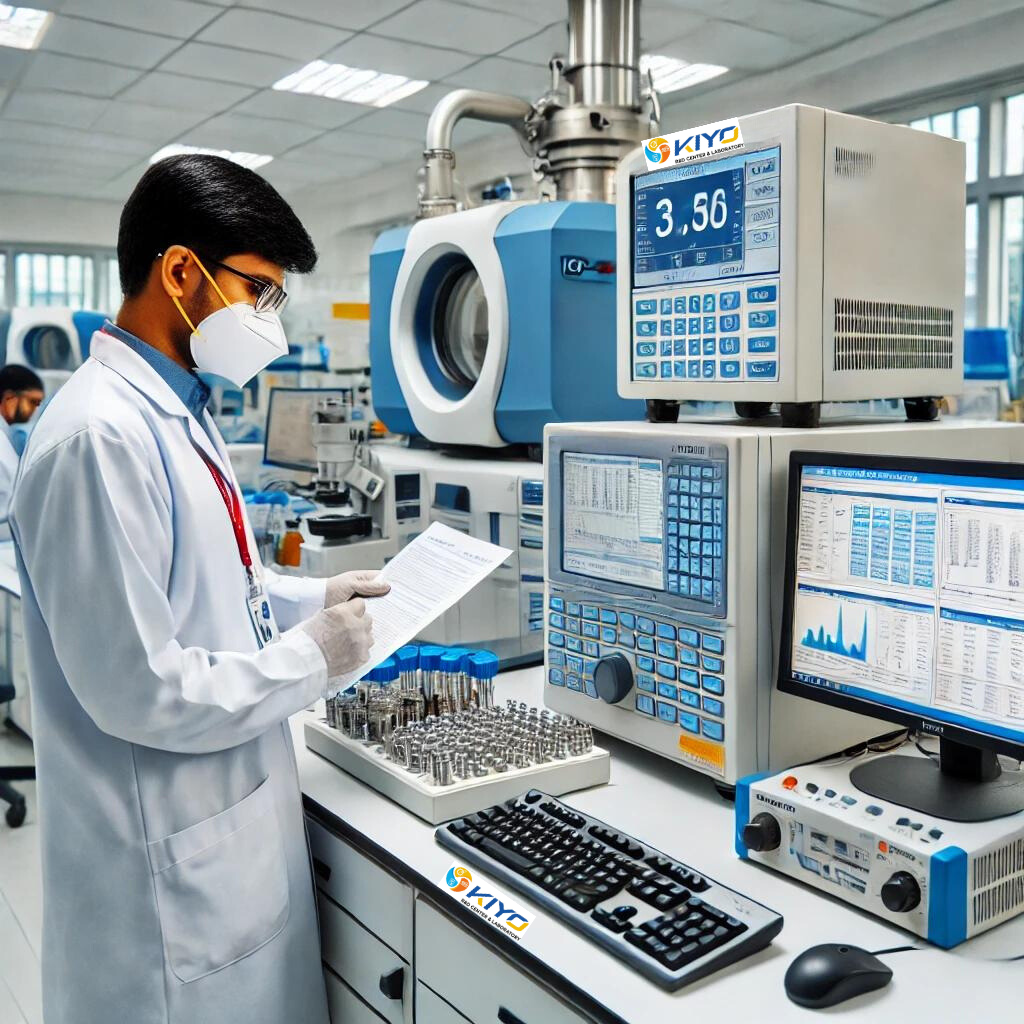
Kiyo R&D Center & Laboratory specializes in heavy metal analysis compliant with MS 210-05. Our advanced facility is equipped with the latest analytical instruments, ensuring precise and reliable results.

Our Testing Capabilities Include:

  • Precise Detection: Using state-of-the-art technology to detect even the smallest concentrations of heavy metals.
  • Comprehensive Reporting: Delivering detailed reports for regulatory compliance.
  • Rapid Turnaround: Providing timely results to meet industry demands.
  • Continuous Improvement: Committing to ongoing research and development to enhance testing methodologies.

Conclusion

Heavy metal analysis is essential for product safety and regulatory compliance. MS 210-05 provides the framework for accurate detection and quantification of heavy metals. Kiyo R&D Center & Laboratory offers top-tier services to help industries maintain the highest standards of safety and compliance.


Heavy Metal Analysis

FAQ

Q1: What methods are used in heavy metal analysis at Kiyo R&D Center & Laboratory?

A1: At Kiyo R&D Center & Laboratory, we use advanced analytical methods such as atomic absorption spectroscopy (AAS) and inductively coupled plasma optical emission spectrometry (ICP-OES) to ensure precise and accurate detection of heavy metals.

Q2: How does Kiyo R&D Center & Laboratory ensure the accuracy of its heavy metal analysis?

A2: We follow strict quality control measures and adhere to the MS 210-05 standard. Our state-of-the-art equipment and experienced professionals ensure reliable and accurate results.

Q3: What industries benefit from heavy metal analysis?

A3: Industries such as manufacturing, environmental monitoring, and consumer goods production benefit from heavy metal analysis. Ensuring that products and materials are free from harmful levels of heavy metals is critical for these sectors.
Anti-heat aging Test

Anti-heat aging Test

Anti-heat aging Test

Understanding Anti-Heat Aging Test and the MS 210-05 Standard

Introduction

In the world of materials testing, ensuring that materials can withstand the rigors of time and environmental stress is paramount. One crucial aspect of this is assessing the material’s resistance to heat aging. At Kiyo R&D Center & Laboratory, we specialize in conducting thorough and precise anti-heat aging tests in accordance with the MS 210-05 standard.

What is Anti-Heat Aging Testing?

Anti-heat aging testing evaluates a material’s ability to maintain its properties when exposed to elevated temperatures over an extended period. This testing is vital for materials that will be used in environments where they are subject to high temperatures, such as automotive components, electrical insulation, and various industrial applications.

The MS 210-05 Standard

The MS 210-05 standard outlines the procedures and requirements for conducting anti-heat aging tests. This standard ensures consistency and reliability in test results, providing a benchmark for comparing the heat aging performance of different materials.

Why is Heat Aging Resistance Important?

  1. Longevity: Materials that can withstand heat aging tend to have a longer service life, reducing the need for frequent replacements.
  2. Safety: Components that degrade under high temperatures can pose safety risks, making it essential to ensure their stability.
  3. Performance: Maintaining mechanical and physical properties under heat ensures the material performs reliably in its intended application.

How We Conduct Anti-Heat Aging Tests

At Kiyo R&D Center & Laboratory, our anti-heat aging tests follow a meticulous process:

  1. Sample Preparation: We begin with precise preparation of test samples to ensure uniformity and accuracy.
  2. Exposure: Samples are exposed to elevated temperatures in controlled environments for a specified duration as per MS 210-05.
  3. Evaluation: Post-exposure, samples are evaluated for changes in mechanical properties, appearance, and other relevant characteristics.
  4. Reporting: Detailed reports are generated, highlighting the material’s performance and compliance with MS 210-05.

Applications of Anti-Heat Aging Testing

The insights gained from anti-heat aging tests are invaluable across various industries, including:

  • Automotive: Ensuring components can withstand engine heat and outdoor exposure.
  • Electronics: Verifying the durability of insulation materials in high-temperature environments.
  • Construction: Assessing the longevity of materials used in building infrastructure.

Advancing Material Performance

At Kiyo R&D Center & Laboratory, we are committed to advancing the performance and reliability of materials through rigorous testing. Our adherence to standards like MS 210-05 underscores our dedication to quality and precision in our testing services.

By understanding and improving heat aging resistance, we help pave the way for safer, longer-lasting materials that meet the demands of modern applications.

Conclusion

Anti-heat aging testing, guided by the MS 210-05 standard, is a critical process for evaluating and ensuring the durability of materials under high temperatures. At Kiyo R&D Center & Laboratory, we provide comprehensive testing services that help industries maintain safety, performance, and longevity in their products. Through our state-of-the-art testing methods and adherence to rigorous standards, we contribute to the development of materials that stand the test of time.

Anti-heat aging Test

FAQ

1. How does anti-heat aging testing contribute to material performance?

By understanding and improving heat aging resistance, materials are made safer and more durable, meeting the demands of modern applications. This leads to longer service life, reduced safety risks, and consistent performance.

2. Can Kiyo R&D Center & Laboratory customize anti-heat aging tests for specific requirements?

Yes, Kiyo R&D Center & Laboratory can tailor anti-heat aging tests to meet specific industry needs and material specifications, ensuring precise and relevant results.

3. How are the test results reported?

We provide detailed reports that include the material's performance, changes in mechanical properties, and compliance with the MS 210-05 standard. These reports help in making informed decisions about material suitability for high-temperature applications.
Heat cycle resistance test

Heat cycle resistance test

Heat cycle resistance test

The Vital Role of Heat Cycle Resistance Testing in Automotive Materials

Introduction

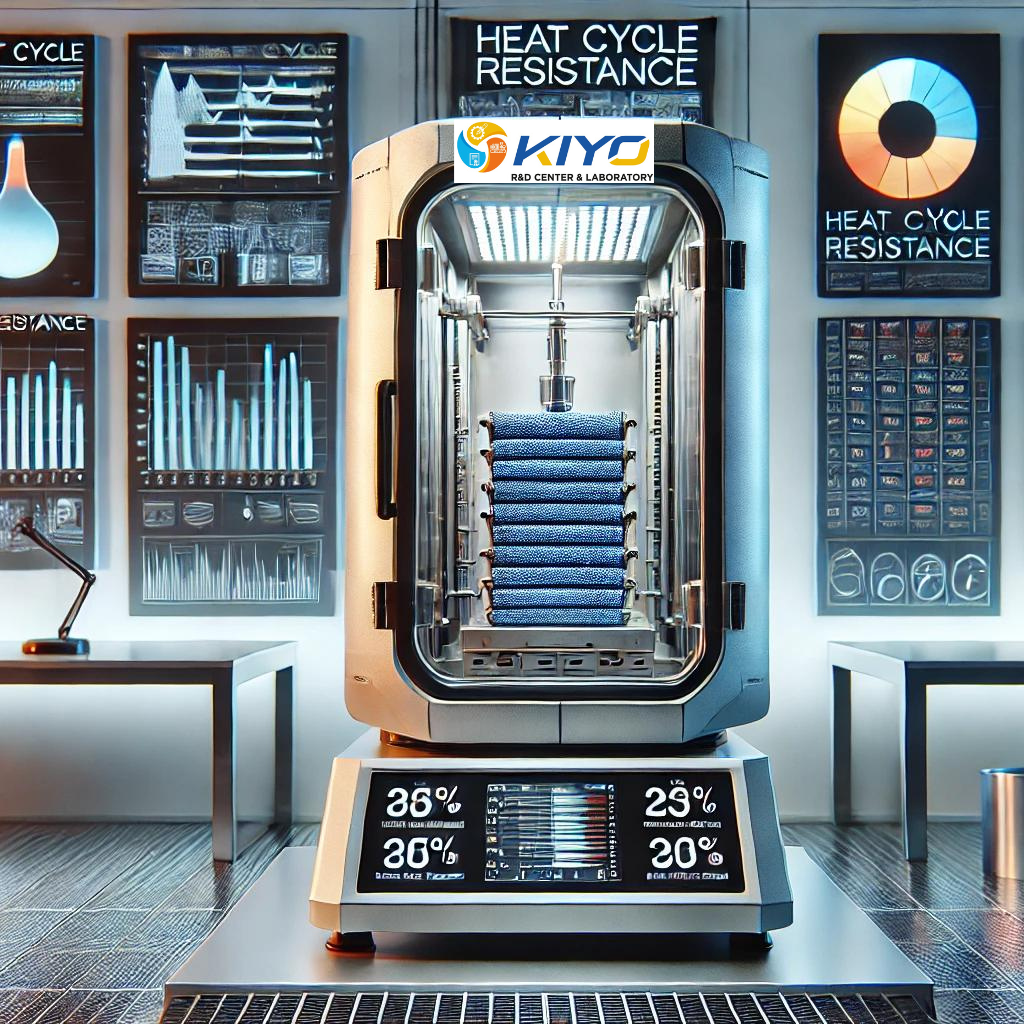
Heat cycle resistance testing is essential for evaluating the durability and performance of materials used in automotive applications. This testing process determines how well a material can endure repeated heating and cooling cycles, which is crucial for components exposed to fluctuating temperatures. Adhering to stringent standards like MS 210-05 ensures the highest quality and reliability in automotive parts.

What is Heat Cycle Resistance Testing?

Heat cycle resistance testing subjects materials to alternating cycles of high and low temperatures. This simulation of real-world conditions helps identify potential weaknesses that could lead to material failure over time. By exposing materials to these conditions, the test assesses their ability to withstand thermal stress without compromising structural integrity.

Importance of Compliance with MS 210-05

The MS 210-05 standard specifies requirements for heat cycle resistance testing, ensuring materials meet the rigorous demands of the automotive industry. Compliance with this standard guarantees that materials perform reliably under the thermal stresses experienced during vehicle operation. This standard aims to:

  • Enhance Safety: Materials capable of withstanding thermal cycling are less likely to fail, improving overall vehicle safety.
  • Extend Longevity: Components that endure heat cycling effectively have a longer lifespan, reducing the need for frequent replacements.
  • Maintain Performance: Reliable materials ensure consistent vehicle performance, even under extreme temperature conditions.

The Testing Process

Heat cycle resistance testing is conducted in a controlled environment using specialized equipment. Here’s an overview of the process:

  1. Preparation: Test specimens are prepared according to the standard’s specifications, typically made from the same materials used in the final product.

  2. Cycle Definition: The temperature range and the number of cycles are defined per the standard requirements, including maximum and minimum temperatures and the duration of each cycle.

  3. Testing: Specimens are subjected to repeated heating and cooling cycles, with equipment precisely controlling temperature changes to ensure consistency and accuracy.

  4. Evaluation: After completing the cycles, specimens are examined for damage or degradation, including cracks, deformations, and other structural changes.

  5. Reporting: Results are documented, highlighting material performance and compliance with the standard. Any deviations or failures are noted for further analysis.

Benefits of Heat Cycle Resistance Testing

Implementing heat cycle resistance testing offers several benefits:

  • Predictive Analysis: Identifies potential failure points before they occur in real-world applications.
  • Quality Assurance: Ensures materials meet required standards, providing confidence in their performance.
  • Cost Efficiency: Reduces the likelihood of costly recalls and repairs by verifying material durability early in the development process.

Conclusion

Heat cycle resistance testing is crucial for evaluating materials used in the automotive industry. By adhering to standards like MS 210-05, manufacturers ensure that components can withstand the thermal stresses encountered during vehicle operation. This commitment to quality and reliability leads to safer, more durable, and better-performing vehicles.

Ensuring materials pass rigorous heat cycle resistance tests is a key step towards automotive excellence. Through continuous testing and compliance with established standards, the industry can innovate and improve the performance and safety of vehicles on the road.

Heat cycle resistance test

FAQ

1. How is the heat cycle resistance test conducted?

The test is conducted in a controlled environment using advanced equipment. Specimens are subjected to alternating cycles of high and low temperatures. After testing, specimens are examined for damage or degradation to assess their performance.

2. What are the benefits of complying with MS 210-05?

Compliance with MS 210-05 ensures materials can perform reliably under thermal stresses, enhancing safety, extending component lifespan, and maintaining consistent vehicle performance.

3. How does heat cycle resistance testing improve vehicle safety?

Materials that can withstand thermal cycling are less likely to fail, reducing the risk of component failure in critical applications. This enhances the overall safety of the vehicle.
FTIR Analysis Techniques

FTIR Analysis Techniques

FTIR Analysis Techniques

Unveiling Material Composition with Advanced FTIR Analysis Techniques

Introduction

Understanding the molecular structure of materials is essential in various industries, from polymers to pharmaceuticals. Fourier-transform infrared spectroscopy (FTIR) is a critical tool for achieving this understanding. At Kiyo R&D Center, we leverage FTIR analysis to provide deep insights into material composition and properties.

What is FTIR Analysis?

FTIR analysis involves measuring how infrared light interacts with a material to produce a unique spectrum, which serves as a molecular fingerprint. This fingerprint helps identify the chemical bonds and structures within the sample, providing detailed information about its composition.

How Does FTIR Work?

The technique works by passing infrared light through a sample and detecting the wavelengths that are absorbed. The resulting spectrum displays the absorbance or transmittance at each wavelength, which can be compared to reference spectra to identify the materials present.

Applications of FTIR Analysis

  1. Polymer Identification: FTIR is used to analyze polymers, ensuring they meet specific requirements and aiding in the development of new materials.
  2. Contaminant Detection: Identifying contaminants is crucial for maintaining product quality and safety.
  3. Surface Analysis: FTIR provides insights into surface treatments and coatings, enhancing material performance.
  4. Pharmaceutical Quality Control: Ensuring the consistency and purity of pharmaceutical products is another vital application.

Advantages of FTIR Analysis at Kiyo R&D Center

Our advanced FTIR equipment and skilled scientists at Kiyo R&D Center deliver precise and reliable results, offering several benefits:

  • Non-Destructive Testing: FTIR is non-destructive, preserving samples for further analysis.
  • Fast Turnaround: The technique provides rapid results, essential for timely decision-making.
  • Versatility: Capable of analyzing a variety of materials, including solids, liquids, and gases.

Conclusion

FTIR analysis is a fundamental tool in materials science, providing crucial insights into material composition. Kiyo R&D Center uses this technique to deliver high-quality results that drive innovation and ensure material performance. Our commitment to excellence makes us a leader in materials testing.

FTIR Analysis Techniques

FAQ

1. What are the applications of FTIR analysis?

FTIR analysis is used for polymer identification, contaminant detection, surface and coating analysis, pharmaceutical quality control, and more. It is crucial for ensuring material quality and performance.

2. What are the advantages of FTIR analysis at Kiyo R&D Center?

Kiyo R&D Center offers advanced FTIR equipment and skilled scientists, providing non-destructive testing, rapid results, and the ability to analyze diverse materials. Our precise and reliable results drive innovation and ensure high standards.

3. Is FTIR analysis destructive to the sample?

No, FTIR analysis is a non-destructive technique, meaning the sample remains intact and can be preserved for further testing if needed.
Thermoplastic HDT VSP

Thermoplastic HDT VSP

Thermoplastic HDT VSP

Exploring the Importance of Tensile Testing for Material Performance

Introduction

In the realm of material science, understanding the mechanical properties of materials is vital. One of the most fundamental tests to assess these properties is tensile testing. At Kiyo R&D Center & Laboratory, we specialize in providing comprehensive tensile testing services, ensuring that you have the precise data needed to evaluate your materials’ performance.

What is Tensile Testing?

Tensile Testing Defined

Tensile testing, also known as tension testing, is a method used to determine how a material reacts to forces being applied in tension. This test measures the material’s tensile strength, yield strength, and elongation, providing valuable insights into its mechanical properties.

The Importance of Tensile Testing

  1. Material Characterization: Helps in understanding the strength and ductility of materials.
  2. Quality Assurance: Ensures materials meet required specifications and standards.
  3. Design and Development: Aids in the development of materials and products that can withstand specified loads and stresses.

The Tensile Testing Process

  1. Sample Preparation: Standardized test specimens are prepared from the material.
  2. Testing: The specimen is placed in a tensile testing machine, and force is applied until it breaks.
  3. Data Collection: The force and elongation are recorded to generate a stress-strain curve.
  4. Analysis: Key properties such as tensile strength, yield strength, and elongation at break are determined.

Applications of Tensile Testing

Tensile testing is crucial in various industries, including aerospace, automotive, construction, and manufacturing. It helps in material selection, product development, and ensuring compliance with industry standards.

Why Choose Kiyo R&D Center & Laboratory?

At Kiyo R&D Center & Laboratory, we utilize advanced tensile testing equipment and methodologies to provide accurate and reliable results. Our experienced technicians are dedicated to delivering high-quality testing services that meet your specific needs.

Conclusion

Tensile testing is an essential tool for evaluating the mechanical properties of materials. By understanding how materials behave under tensile forces, you can make informed decisions about material selection and product design. Trust Kiyo R&D Center & Laboratory for precise and comprehensive tensile testing services that support your material performance evaluation and development needs.

Thermoplastic HDT VSP

FAQ

1. What information does tensile testing provide?

Tensile testing measures the tensile strength, yield strength, and elongation of materials. It provides insights into the mechanical properties, helping in material selection, quality assurance, and product development.

2. Why is Melt Flow Rate (MFR) testing important for polymers?

MFR testing measures the rate at which a polymer melts and flows under specific conditions, providing crucial information about its viscosity and processability. This data helps in determining optimal processing conditions and ensuring quality control.

3. How can I prepare samples for testing?

Sample preparation guidelines vary depending on the type of test. Generally, samples need to be cut or molded into standardized shapes and sizes. Please refer to our sample preparation guidelines or contact our lab for specific instructions.
Filler Ash Quality Testing

Filler Ash Quality Testing

Filler Ash Quality Testing

The Role of Filler Ash Quality in Material Enhancement

Welcome to the Kiyo R&D Center & Laboratory Blog

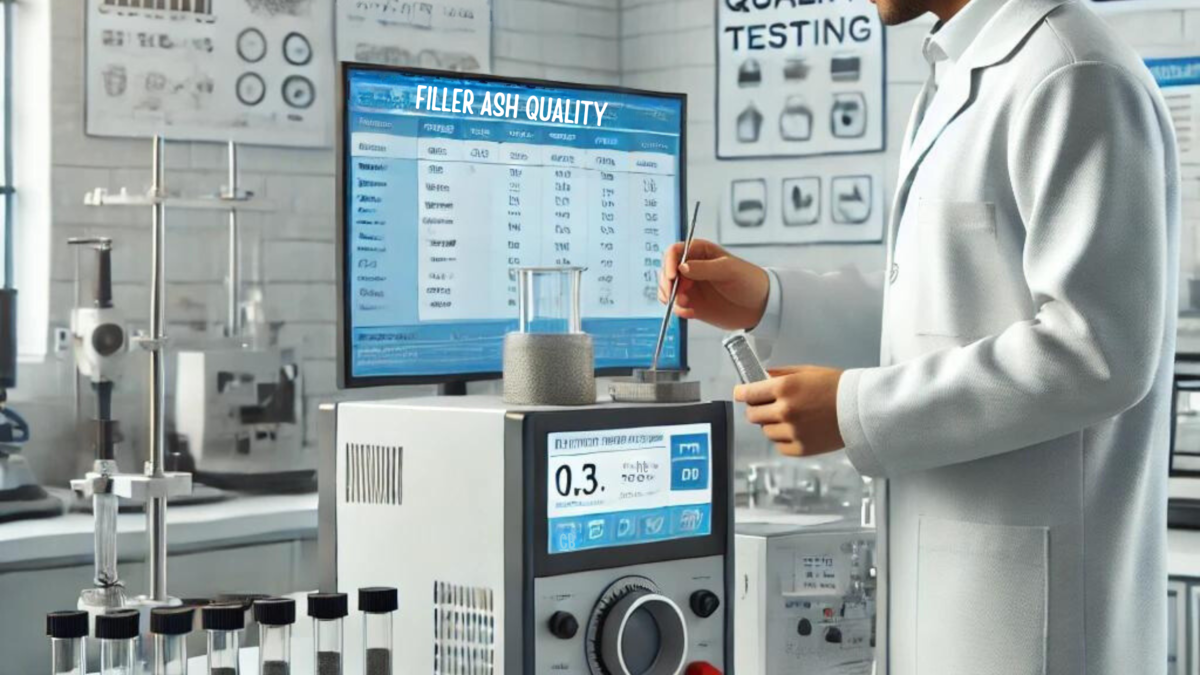
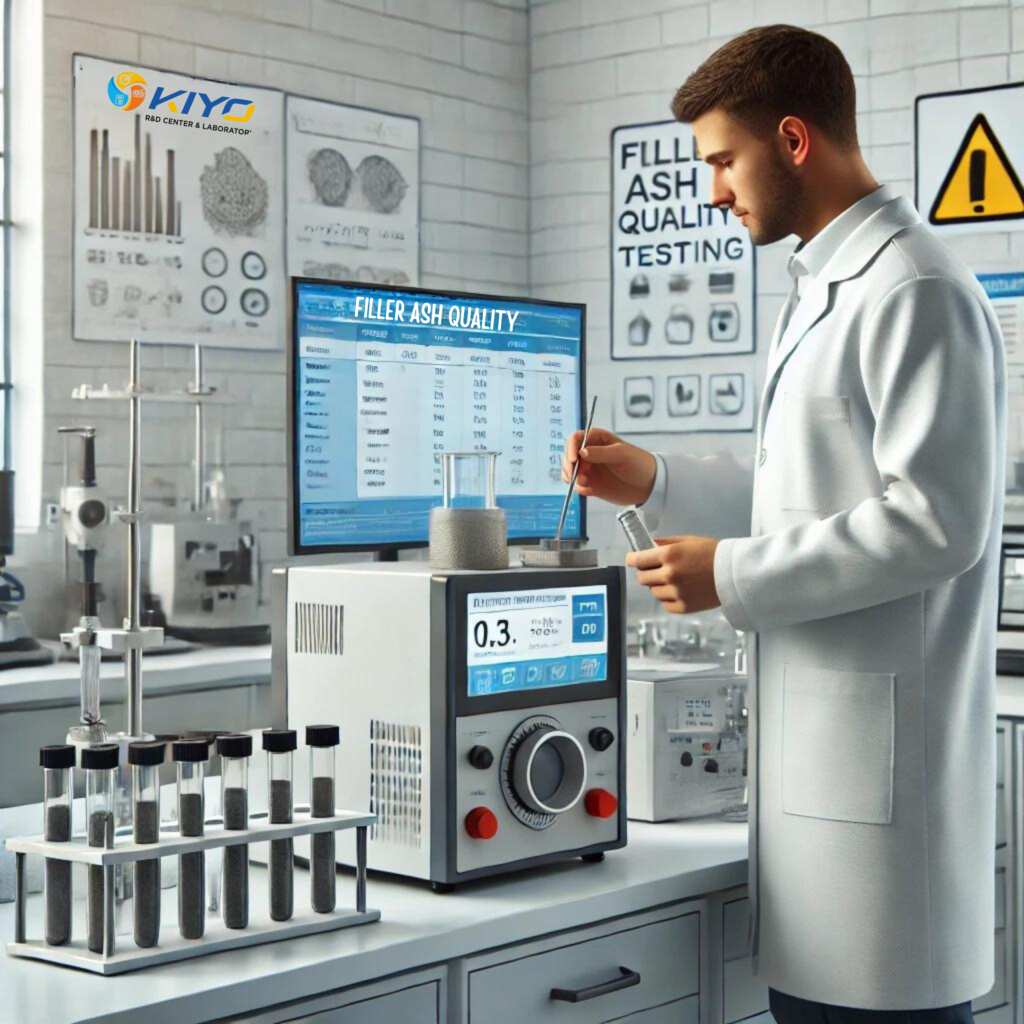
At Kiyo R&D Center & Laboratory, we understand the critical importance of filler ash quality in material science. Our rigorous testing processes ensure that the materials used in various industries meet the highest standards of performance and safety.

Why Filler Ash Quality Matters

Filler ash, the inorganic residue after combustion, influences several material properties, including:

  • Strength and Durability: Enhancing the structural integrity of composites.
  • Thermal Resistance: Improving the material’s ability to withstand high temperatures.
  • Cost Efficiency: Optimizing the use of fillers to reduce costs without compromising quality.

Our Testing Methodology

Our approach to filler ash quality testing includes:

  1. Sample Collection: Careful selection and preparation of material samples.
  2. Combustion Analysis: Precise measurement of inorganic content post-combustion.
  3. Data Interpretation: Detailed analysis to assess the impact of filler ash on material properties.

Benefits for Industry

Filler ash quality testing is vital for:

  • Quality Assurance: Ensuring consistent quality in manufacturing.
  • Regulatory Compliance: Meeting industry standards and safety regulations.
  • Material Optimization: Tailoring material properties for specific applications.

Applications Across Sectors

Filler ash quality testing plays a crucial role in various sectors:

  • Automotive: Enhancing component durability and heat resistance.
  • Construction: Improving the strength and longevity of building materials.
  • Plastics and Rubber: Optimizing filler content for better product performance.

Future Innovations

Looking ahead, Kiyo R&D Center & Laboratory is committed to:

  • Sustainable Solutions: Exploring eco-friendly fillers to reduce environmental impact.
  • Advanced Testing Techniques: Utilizing cutting-edge technology for more accurate analyses.
  • Collaborative Research: Partnering with industry leaders to innovate material enhancement.

Conclusion

Filler ash quality is a fundamental aspect of material science, impacting the performance and safety of products. At Kiyo R&D Center & Laboratory, we are dedicated to leading in this field through comprehensive testing and continuous innovation.

Filler Ash Quality Testing

Frequently Asked Questions

1. What is filler ash quality testing?

Filler ash quality testing measures the inorganic residue left after a material is combusted. This testing evaluates the composition and quality of fillers in materials.

2. Why is filler ash quality important?

Filler ash impacts material strength, thermal stability, and cost-effectiveness. Ensuring high-quality filler ash enhances the overall performance of materials.

3. What methods are used in filler ash quality testing?

Our lab employs combustion analysis to measure the inorganic content of materials. This involves precise testing and analysis of residue post-combustion.

4. How does filler ash quality affect material properties?

High-quality filler ash contributes to increased material strength, improved thermal resistance, and optimized filler usage, enhancing overall product performance.

5. What industries benefit from filler ash quality testing?

Industries such as automotive, construction, and plastics benefit significantly, as the testing ensures durable, heat-resistant, and cost-effective materials.
Plastics Flammability Safety

Plastics Flammability Safety

Plastics Flammability Safety

 The Science Behind Plastics Flammability Testing

Welcome to Kiyo R&D Center & Laboratory’s Blog

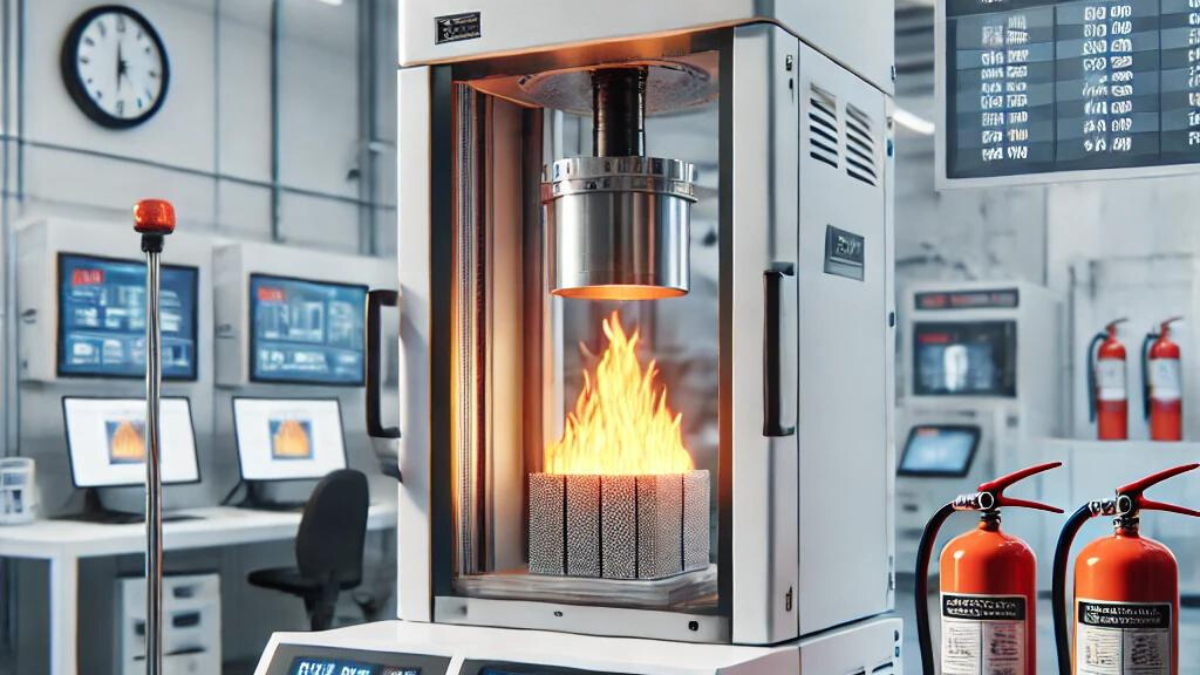
At Kiyo R&D Center & Laboratory, we are dedicated to the intricate science of plastics flammability testing. Understanding the behavior of plastics under fire conditions is crucial for ensuring the safety and reliability of products across various industries. In this blog post, we delve into the scientific principles and methodologies that drive our testing processes.

The Importance of Flammability Testing

Plastics are integral to many applications, from household items to industrial components. However, their susceptibility to fire poses significant risks. Effective flammability testing helps mitigate these risks by:

  • Identifying Fire Hazards: Detecting potential fire hazards in plastic materials.
  • Improving Safety Standards: Enhancing the safety features of products.
  • Compliance Assurance: Ensuring adherence to national and international safety regulations.

Key Testing Methods

Our laboratory utilizes a range of testing methods to evaluate the flammability of plastic materials. Some of the key methods include:

  1. Vertical and Horizontal Burning Tests: Assessing the rate at which a plastic sample burns when exposed to a flame.
  2. Heat Release Rate (HRR) Measurement: Quantifying the amount of heat released during combustion.
  3. Smoke Density Testing: Measuring the density of smoke produced by burning plastics.

Scientific Principles

The science of flammability testing is grounded in several core principles:

  • Combustion Chemistry: Understanding the chemical reactions that occur during the combustion of plastics.
  • Thermal Decomposition: Analyzing how plastics break down at high temperatures.
  • Heat Transfer: Studying how heat is transferred within and around the material during combustion.

Advanced Technologies

Kiyo R&D Center & Laboratory employs cutting-edge technologies to enhance the accuracy and reliability of our flammability tests:

  • Infrared Spectroscopy: Identifying the chemical composition of plastics and their decomposition products.
  • Thermogravimetric Analysis (TGA): Measuring the weight loss of a plastic sample as it is heated to determine its thermal stability.
  • Differential Scanning Calorimetry (DSC): Evaluating the heat flow associated with material transitions to understand thermal properties.

Real-World Applications

Our flammability testing services are critical to various industries, including:

  • Aerospace: Ensuring that materials used in aircraft interiors meet stringent fire safety standards.
  • Construction: Developing fire-resistant building materials for safer infrastructure.
  • Electronics: Enhancing the safety of plastic components in electronic devices.

The Future of Flammability Testing

As materials science continues to evolve, so do our testing methodologies. At Kiyo R&D Center & Laboratory, we are committed to staying at the forefront of scientific advancements in flammability testing. Our ongoing research and development efforts focus on:

  • Nanocomposites: Exploring the fire-resistant properties of nanomaterials.
  • Eco-Friendly Plastics: Developing sustainable materials with improved fire safety characteristics.
  • Predictive Modeling: Utilizing computer simulations to predict material behavior in fire scenarios.

Conclusion

The science of plastics flammability testing is a vital component of product safety and innovation. At Kiyo R&D Center & Laboratory, we are proud to contribute to this field through rigorous testing, advanced technologies, and ongoing research. Stay connected with us for more insights into our scientific endeavors and their impact on safety and innovation.

Plastics Flammability Safety

FAQ

1. How do you ensure the accuracy and reliability of your flammability tests?

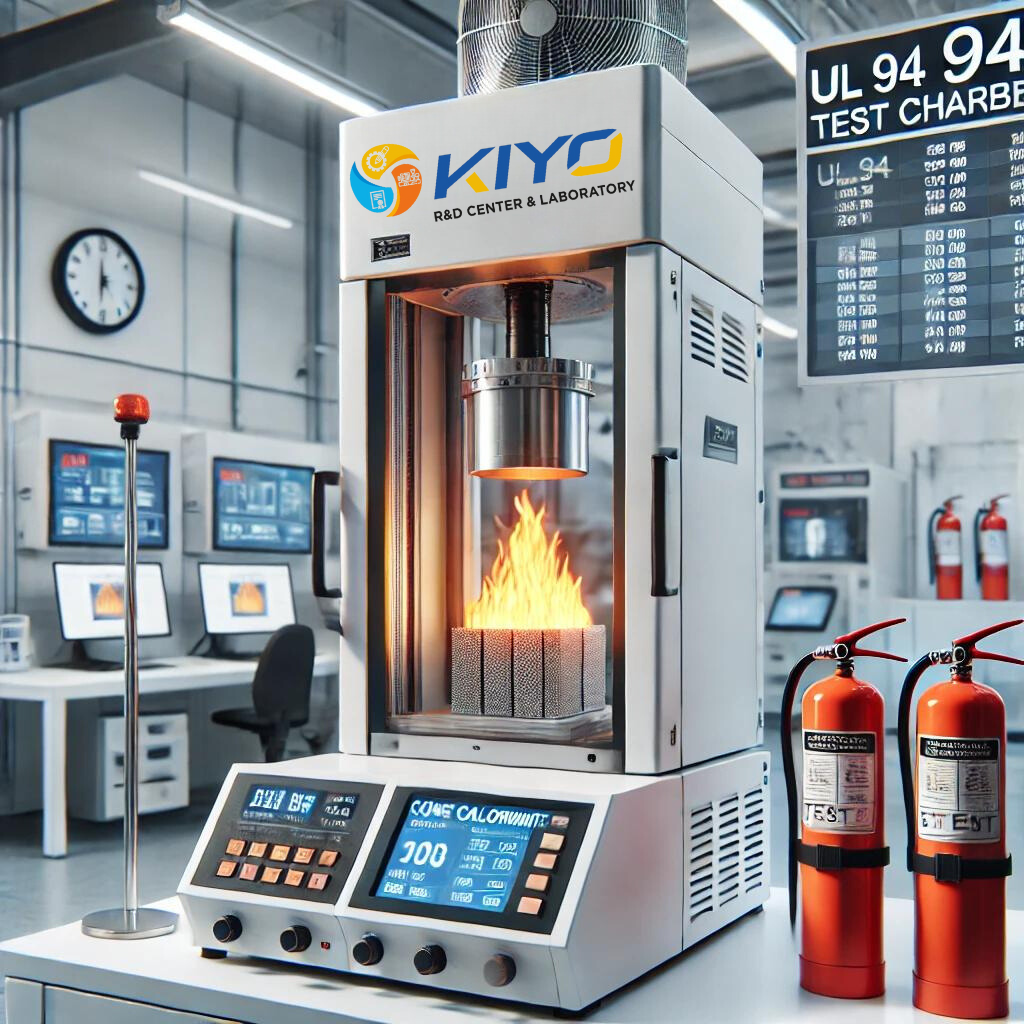
We use state-of-the-art equipment and methodologies, such as cone calorimeters, UL 94 test chambers, and FTIR spectrometers, to perform precise and consistent tests. Our highly trained staff follow strict protocols and continuously update our testing practices to incorporate the latest advancements in materials science.

2. Can you help with developing fire-resistant plastic materials?

Yes, our laboratory provides material engineering support to help clients develop plastics with enhanced fire-resistant properties. We evaluate the effectiveness of fire retardants and assist in optimizing material formulations to achieve desired safety standards.

3. What industries benefit from your flammability testing services?

Our flammability testing services are valuable to a wide range of industries, including automotive, aerospace, construction, consumer electronics, medical devices, and packaging. We help ensure that products used in these industries meet stringent fire safety requirements.
Flexural Testing Secrets

Flexural Testing Secrets

Flexural Testing Secrets

Flexural Testing Secrets: The Backbone of Material Performance

Introduction

Flexural testing is a cornerstone of materials testing, providing critical insights into the strength and flexibility of materials. At Kiyo R&D Center & Laboratory, we specialize in delivering precise and thorough flexural testing services, ensuring that materials meet the highest standards of quality and performance for a wide range of applications.

Understanding Flexural Testing

Flexural testing, often referred to as bend testing, is essential for determining a material’s resistance to deformation under load. This test evaluates the force required to bend a specimen and measures the material’s flexural strength, modulus, and strain. The results from this test are pivotal for understanding how materials will perform under real-world conditions, whether in construction, automotive, or aerospace industries.

The Process of Flexural Testing

At Kiyo R&D Center & Laboratory, our flexural testing procedure is designed to produce accurate and dependable results. Here’s a breakdown of our process:

  1. Sample Preparation: The material sample is meticulously prepared according to standardized dimensions and specifications to ensure consistency and accuracy in the test outcomes.

  2. Test Setup: The prepared sample is placed in the flexural testing machine, supported at both ends. The machine applies a central load, inducing a bending force on the sample.

  3. Loading and Measurement: As the load is applied, the machine records the force and the deflection (bending) experienced by the sample. This data is then used to calculate the material’s flexural strength and modulus.

  4. Data Analysis: Our skilled technicians analyze the data to ascertain the material’s performance characteristics, helping to identify its suitability for specific applications and its overall durability.

Why Flexural Testing Matters

Flexural testing is vital for several reasons:

  • Quality Assurance: It ensures that materials comply with the required strength and flexibility standards, which is crucial for safety and performance in their end-use applications.

  • Material Development: Manufacturers use flexural testing data to innovate and improve materials, driving advancements across various industries.

  • Failure Analysis: Understanding material behavior under stress allows for the prediction of potential failure points, facilitating necessary design adjustments to prevent failures.

Secrets to Accurate Flexural Testing

Achieving precise results in flexural testing involves several key factors:

  • Proper Sample Preparation: Ensuring samples are free from defects and conform to standardized dimensions is crucial for consistent and accurate results.

  • Calibrated Equipment: Utilizing well-maintained and calibrated testing machines is essential for obtaining precise measurements.

  • Expert Technicians: Skilled technicians with deep knowledge of the testing process and material behavior are vital for reliable data analysis.

At Kiyo R&D Center & Laboratory, we are committed to excellence in flexural testing. Our state-of-the-art equipment, experienced team, and stringent testing protocols ensure that we deliver the highest quality results to our clients.

Conclusion

Flexural testing is an essential aspect of materials testing, providing valuable insights into the strength and flexibility of materials. It plays a critical role in quality assurance, material development, and failure analysis. At Kiyo R&D Center & Laboratory, we are dedicated to offering top-tier flexural testing services, helping our clients achieve superior performance and reliability in their materials.


Flexural Testing Secrets

FAQ

1. What standards are used for flexural testing?

Flexural testing is conducted according to various industry standards, including ASTM D790 for plastics and ISO 178 for plastics, among others. These standards specify the test procedures, sample dimensions, and data reporting methods to ensure consistency and reliability.

2. How can I interpret the results of a flexural test?

The results of a flexural test typically include the flexural strength (the maximum stress experienced by the sample), the flexural modulus (a measure of the material's stiffness), and the flexural strain (the deformation experienced by the sample). These metrics help determine the material’s suitability for specific applications.

3. What are common applications of flexural testing?

Flexural testing is commonly used in industries such as construction, automotive, aerospace, and manufacturing. It helps in material selection, quality control, and research and development by providing crucial information about the material’s performance under load.
Tensile Testing Importance

Tensile Testing Importance

Tensile Testing Importance

The Critical Importance of Tensile Testing in Material Engineering

Introduction

In the world of material science and engineering, ensuring the reliability and strength of materials is paramount. At Kiyo R&D Center & Laboratory, we understand the critical role that tensile testing plays in achieving this goal. Tensile testing is a cornerstone of material analysis, providing vital data that impacts a wide range of industries.

What is Tensile Testing?

Tensile testing involves applying a controlled tension to a material specimen until it fractures. This process allows us to measure various mechanical properties such as tensile strength, yield strength, and elongation. These properties are essential for understanding how a material will behave under different types of stress and load conditions.

Key Benefits of Tensile Testing

  1. Enhancing Material Selection: By understanding the tensile properties of materials, engineers can make informed decisions when selecting materials for specific applications. This ensures that the chosen materials will perform reliably under expected conditions.
  2. Improving Product Safety: In industries where safety is a top priority, such as aerospace and automotive, tensile testing helps identify materials that can withstand extreme stresses. This testing is crucial for preventing material failures that could lead to accidents or structural failures.
  3. Ensuring Compliance: Many industries have stringent regulations regarding material performance. Tensile testing ensures that materials meet these regulatory requirements, helping manufacturers avoid penalties and recalls.
  4. Optimizing Manufacturing Processes: Understanding a material’s tensile properties can lead to more efficient manufacturing processes. Manufacturers can optimize the amount of material used, reducing waste and lowering production costs.

Why Choose Kiyo R&D Center & Laboratory?

At Kiyo R&D Center & Laboratory, we pride ourselves on our state-of-the-art tensile testing capabilities. Our expert team uses the latest equipment and techniques to provide accurate and reliable results. We work closely with our clients to understand their specific needs and deliver tailored testing solutions.

Our commitment to quality and innovation drives us to continuously improve our testing methods and stay ahead of industry trends. Whether you are developing a new product or ensuring the quality of existing materials, our tensile testing services provide the data you need to succeed.

Conclusion

Tensile testing is an indispensable part of material engineering, providing the insights necessary to ensure safety, compliance, and performance. At Kiyo R&D Center & Laboratory, we are dedicated to delivering the highest standards of tensile testing, helping our clients achieve excellence in their respective fields. Stay connected with us for more updates and insights into the world of material testing.


Tensile Testing Importance

FAQ

Q1: What properties are measured during a tensile test?

A: Tensile testing measures properties such as ultimate tensile strength (UTS), yield strength, elastic modulus, and elongation. These properties help predict how materials will behave under stress.

Q2: How does tensile testing contribute to product development?

A: Tensile testing provides valuable data that influences material selection, design parameters, and manufacturing processes. It helps in developing safer, more reliable, and innovative products.

Q3: Can tensile testing help in cost optimization?

A: Yes, by understanding the tensile properties of materials, manufacturers can optimize material usage, reduce waste, and lower production costs, leading to overall efficiency improvements.
Heavy Metal Analysis Lab In Chennai

Heavy Metal Analysis Lab In Chennai

Heavy Metal Analysis Lab In Chennai

Unveiling the Excellence of the Heavy Metal Analysis Lab in Chennai

Introduction

In the vibrant city of Chennai, a premier heavy metal analysis lab has become a cornerstone of innovation and precision in material testing. This state-of-the-art facility is dedicated to providing accurate and reliable analysis, ensuring the highest standards of safety and compliance across various industries.

The Importance of Heavy Metal Analysis

Heavy metal analysis is crucial for safeguarding public health and the environment. Contaminants like lead, mercury, cadmium, and arsenic can have severe toxic effects, making their detection and control essential. This lab plays a vital role in identifying these harmful substances, thereby protecting consumers and maintaining regulatory compliance.

Advanced Techniques and Equipment

Inductively Coupled Plasma Mass Spectrometry (ICP-MS)

ICP-MS is a leading technique used in the lab for its unmatched sensitivity and precision. Capable of detecting trace elements at parts-per-trillion (ppt) levels, ICP-MS is essential for thorough quality control and contamination monitoring.

Atomic Absorption Spectroscopy (AAS)

The lab also employs AAS, a reliable method for analyzing metals in various matrices. Known for its accuracy and robustness, AAS is ideal for routine testing and quality assurance processes.

X-Ray Fluorescence (XRF)

XRF provides a rapid and non-destructive way to determine the elemental composition of a wide range of materials. This technique is invaluable for quick screening and comprehensive analysis, ensuring detailed insights into material composition.

Comprehensive Testing Services

The Chennai lab offers an extensive range of testing services, tailored to meet the specific needs of different industries:

  • Environmental Testing: Assessing soil, water, and air samples to ensure environmental safety and regulatory compliance.
  • Industrial Testing: Evaluating raw materials, intermediates, and finished products for heavy metal content.
  • Pharmaceutical Testing: Ensuring that medicinal products adhere to strict safety and quality standards.
  • Consumer Goods Testing: Verifying the safety of products such as toys, electronics, and packaging.

Commitment to Quality and Accuracy

The lab’s commitment to quality is reflected in its adherence to international standards and rigorous quality control measures. A team of highly skilled scientists and technicians ensures that every analysis is conducted with the utmost precision and reliability.

Innovation and Research

Beyond routine testing, the lab is a hub for ongoing innovation and research. By investing in cutting-edge technologies and developing new methodologies, the lab stays at the forefront of heavy metal analysis, continuously improving its services to meet the evolving needs of clients and industries.

Conclusion

As Chennai continues to flourish as a hub of scientific and industrial excellence, the heavy metal analysis lab remains dedicated to ensuring the safety and compliance of materials across various sectors. With advanced techniques, comprehensive services, and a strong commitment to quality, the lab is an essential partner for businesses seeking reliable and precise analysis.


 

Heavy Metal Analysis Lab In Chennai

FAQ

Q1: What types of samples can be tested for heavy metals?

A1: The lab can test a wide range of samples, including soil, water, air, raw materials, intermediates, finished products, pharmaceuticals, and consumer goods.

Q2: How accurate are the testing methods used in the lab?

A2: The lab uses highly sensitive and precise techniques, ensuring accurate detection of trace elements at parts-per-billion (ppb) or even parts-per-trillion (ppt) levels.

Q3: What industries benefit from heavy metal analysis?

A3: Industries such as environmental monitoring, manufacturing, pharmaceuticals, consumer goods, and more benefit from heavy metal analysis.