Login With Mobile OTP


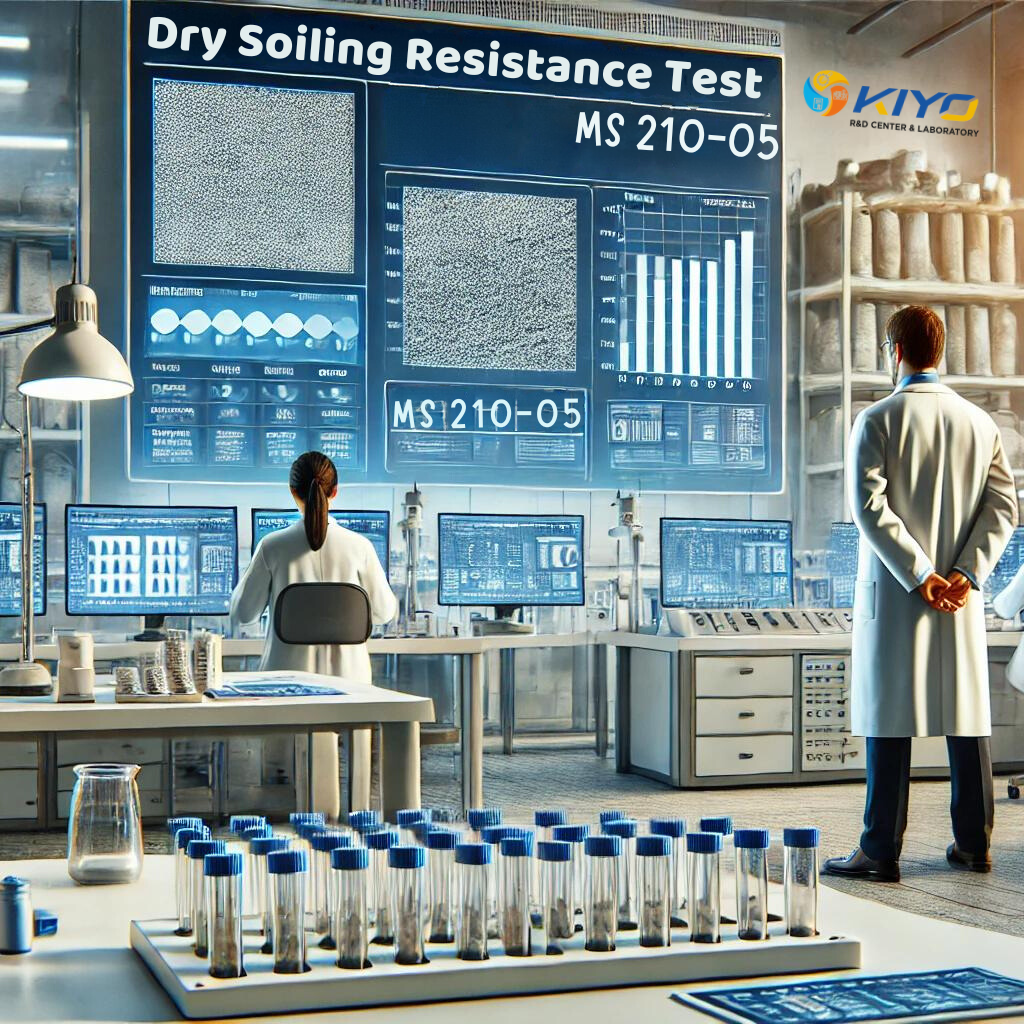
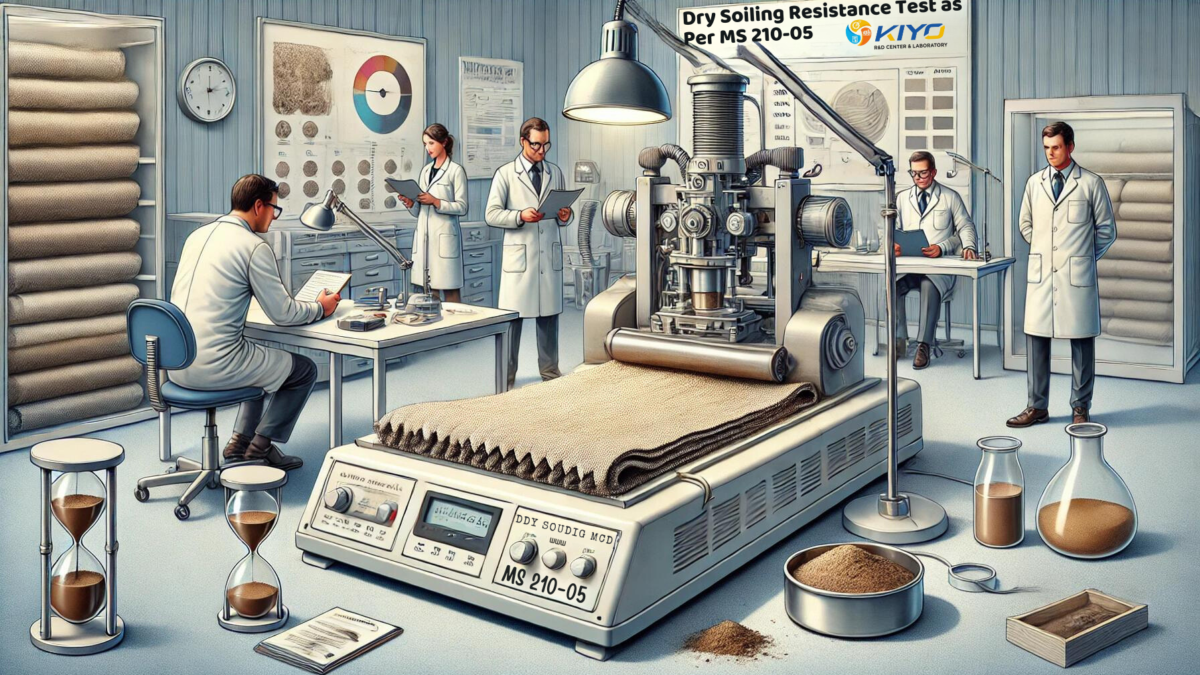
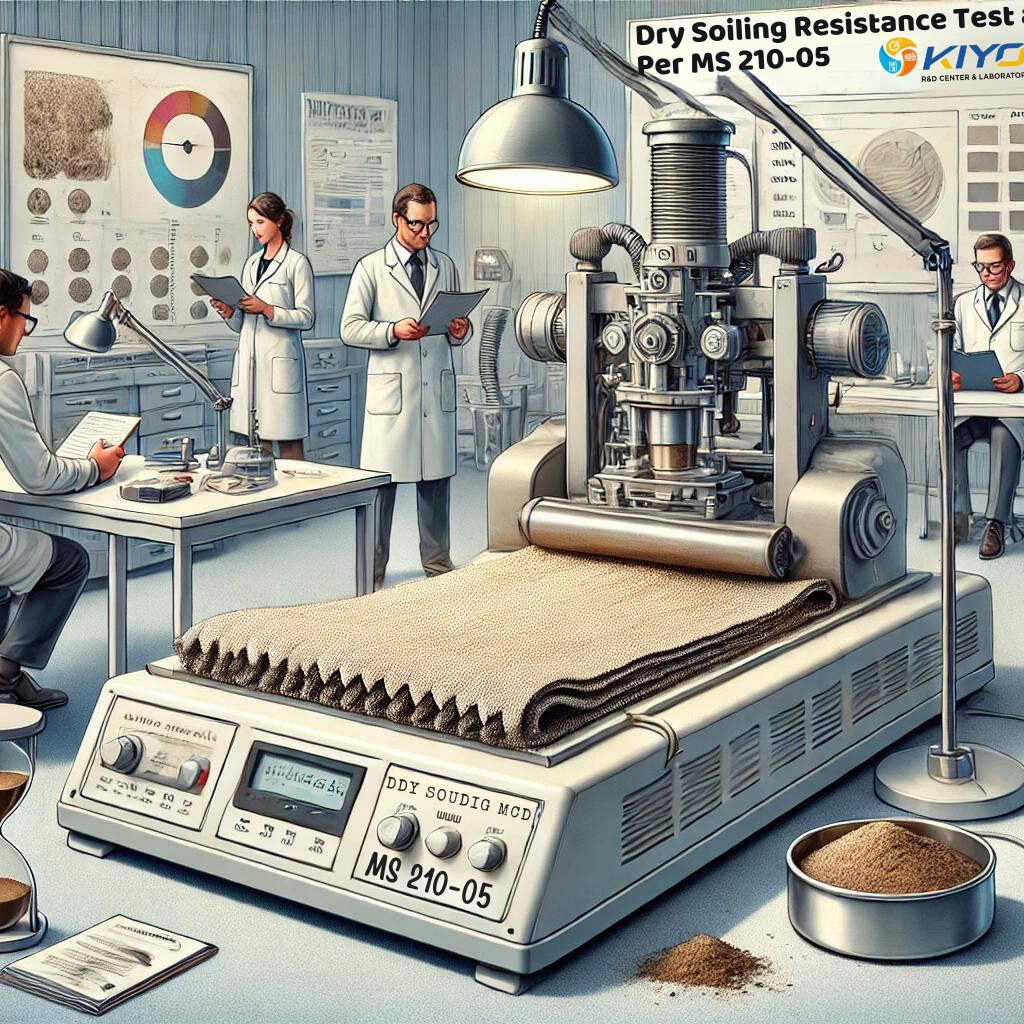
Dry Soiling Resistance Test as Per MS 210-05

Dry Soiling Resistance Test as Per MS 210-05

Dry Soiling Resistance Test as Per MS 210-05

Ensuring Fabric Durability: The Dry Soiling Resistance Test  (Hyundai Standard MS 210-05)

Dry Soiling Resistance Test as Per MS 210-05

Introduction

Fabric cleanliness and durability are critical factors in many industries, from automotive to upholstery. The Dry Soiling Resistance Test, guided by the MS 210-05 standard, plays a key role in evaluating a fabric’s resistance to dirt and its ability to remain clean. This test provides essential data that help manufacturers enhance their products’ quality and longevity.


What is the Dry Soiling Resistance Test?

The Dry Soiling Resistance Test measures how well fabrics resist the accumulation of dry soil and dirt. By replicating real-life conditions, this test offers insights into how materials will perform over time, particularly in environments prone to dust and dirt.

The Procedure

  1. Sample Preparation: Fabric samples are cut to specified dimensions and pre-conditioned under controlled conditions to ensure consistency.
  2. Soiling Application: A standardized mixture of soil is applied to the fabric samples using a specialized soiling machine, ensuring an even distribution of dirt.
  3. Evaluation: Post-soiling, the samples are analyzed both visually and with instruments to determine the level of soiling.
  4. Cleaning Efficiency: The soiled samples are then subjected to a standardized cleaning process to evaluate how easily the dirt can be removed, providing a comprehensive assessment of the fabric’s resistance and cleanability.

Why MS 210-05 Matters

The MS 210-05 standard provides a uniform framework for conducting the Dry Soiling Resistance Test. This ensures that the results are reliable, reproducible, and comparable across different testing laboratories. For manufacturers, adhering to this standard is crucial for quality control and product development.

Industry Applications

The insights gained from the Dry Soiling Resistance Test are vital for several industries:

  • Automotive: Helps maintain the aesthetic appeal and cleanliness of car interiors.
  • Upholstery: Ensures furniture fabrics can withstand everyday dirt and maintain their look.
  • Apparel: Enhances the durability and appearance of clothing, especially for outdoor and workwear.

Innovations and Research

Ongoing research aims to refine the Dry Soiling Resistance Test. Innovations include developing new soiling agents that mimic real-world conditions more closely and improving cleaning protocols to better simulate actual use. These advancements help in providing more accurate data for product improvement.


Conclusion

The Dry Soiling Resistance Test, as defined by MS 210-05, is a critical tool for assessing fabric performance in terms of cleanliness and durability. By following this standard, manufacturers can ensure their fabrics meet high-quality standards, leading to better, longer-lasting products.


Dry Soiling Resistance Test as Per MS 210-05

FAQ

What is the Dry Soiling Resistance Test?

The Dry Soiling Resistance Test measures a fabric's ability to resist and repel dry soil and dirt, simulating real-world conditions to evaluate durability and cleanliness.

Why is the MS 210-05 standard important?

The MS 210-05 standard ensures consistent, reliable, and comparable testing results across different laboratories, providing a uniform framework for quality control and product development.

What industries benefit from the Dry Soiling Resistance Test?

Industries such as automotive, home furnishings, and apparel benefit from this test, as it helps maintain the aesthetic appeal and cleanliness of their fabric products.
Conduction Resistance Test as Per MS 210-05

Conduction Resistance Test as Per MS 210-05

Conduction Resistance Test as Per MS 210-05

Conduction Resistance Testing: Ensuring Quality with MS 210-05 Standards

Introduction

In the realm of electrical and electronic material testing, conduction resistance testing stands out as a pivotal process. This test is essential for verifying the electrical resistance of materials, ensuring they meet stringent industry standards. This blog will explore the conduction resistance test as per the MS 210-05 standard, outlining its significance and the detailed procedure involved.


Conduction Resistance Test as Per MS 210-05

What is Conduction Resistance?

Conduction resistance refers to the opposition that a material offers to the flow of electric current. This property is critical for materials used in various electrical applications, influencing their performance, safety, and durability.

MS 210-05: The Benchmark for Testing

The MS 210-05 standard provides a comprehensive framework for conducting resistance testing. It sets forth the requirements and methodologies to ensure that the tests are accurate and reproducible, making it a trusted standard in the industry.

Detailed Testing Procedure

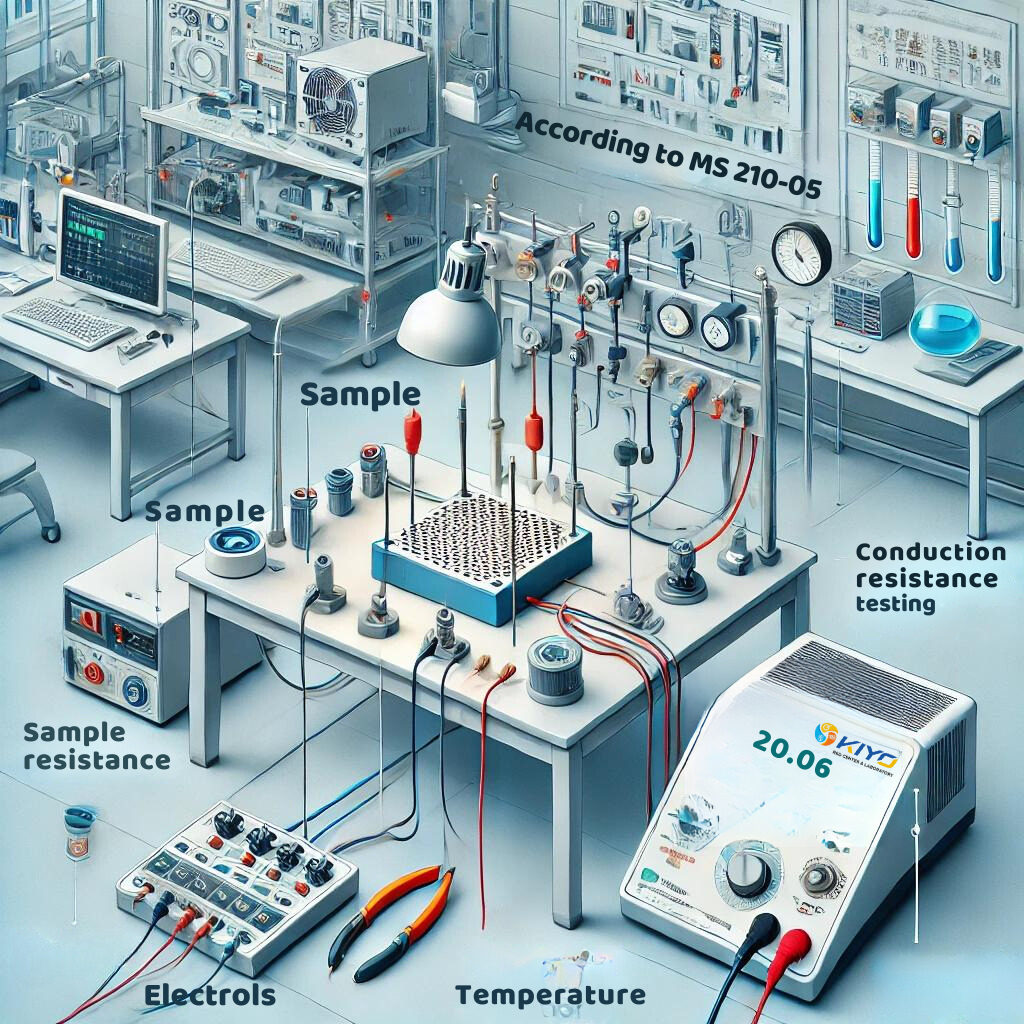
  1. Sample Preparation The initial step involves preparing the material sample according to the guidelines specified in MS 210-05. This includes cutting the sample to precise dimensions and ensuring a clean surface to attach the electrodes.

  2. Electrode Attachment Electrodes are carefully attached to the sample. This step is crucial to minimize contact resistance, which could otherwise affect the accuracy of the results.

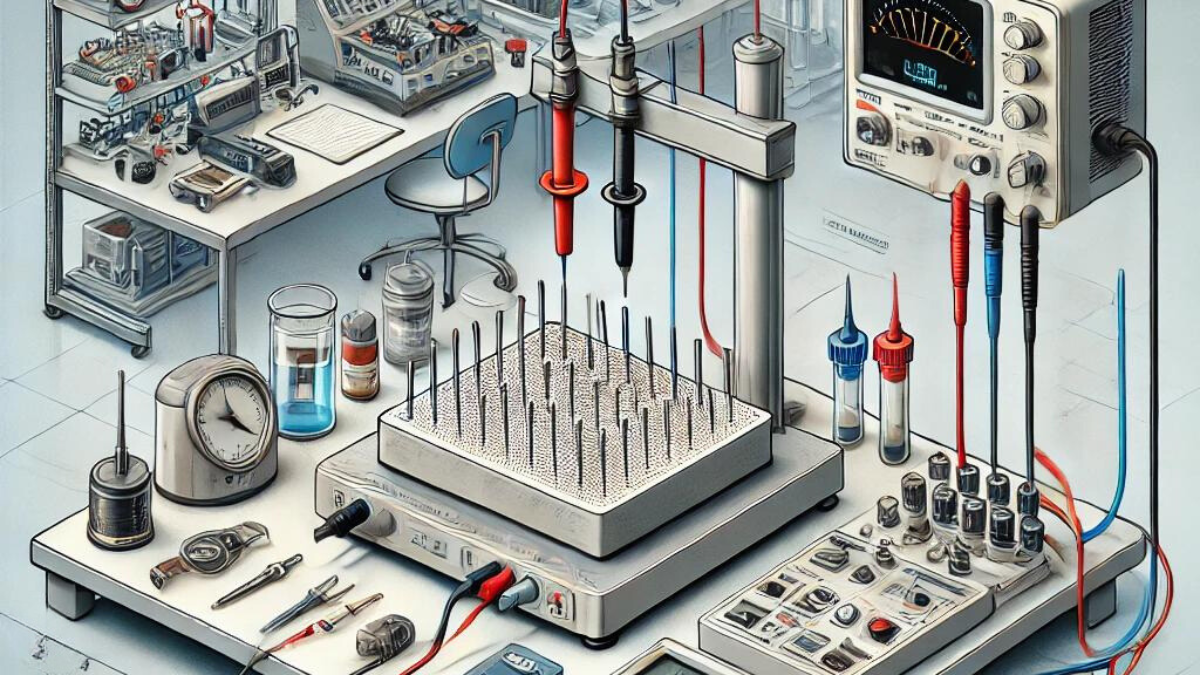
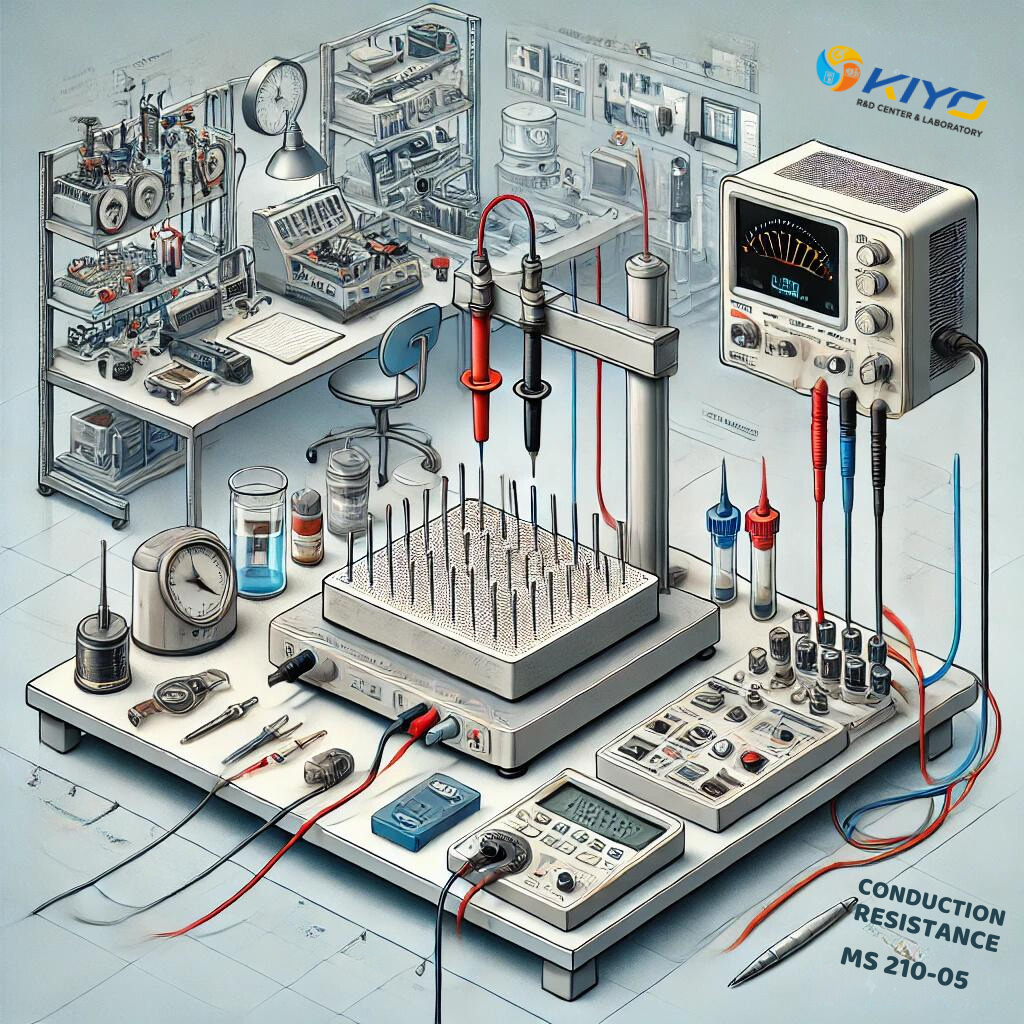
  3. Test Setup The testing apparatus consists of a power supply, a multimeter, and a temperature control system. The sample with attached electrodes is connected to this setup. Maintaining a consistent temperature is essential since resistance can vary with temperature fluctuations.

  4. Conducting the Test A specific current is passed through the sample, and the voltage drop across the sample is measured using the multimeter. The resistance is then calculated using the formula: Resistance = Voltage / Current.

  5. Data Analysis The recorded resistance values are compared against the acceptable range defined in MS 210-05. This analysis helps in determining whether the material meets the required standards.

Why Conduction Resistance Testing is Important

  • Safety Materials with appropriate resistance levels prevent overheating and electrical failures, thereby enhancing safety.

  • Performance Ensuring the correct resistance levels in materials contributes to the efficient functioning of electrical systems, reducing energy losses.

  • Compliance Adhering to MS 210-05 ensures compliance with industry regulations, facilitating market acceptance and reliability.

Applications of Conduction Resistance Testing

Conduction resistance testing is utilized across various sectors, including:

  • Consumer Electronics To ensure the reliability and safety of electronic components.

  • Automotive Industry For testing wiring and electrical components in vehicles to prevent electrical malfunctions.

  • Construction For evaluating materials used in building electrical systems to ensure safety and compliance with regulations.


Conduction Resistance Test as Per MS 210-05

Conclusion

Conduction resistance testing as per the MS 210-05 standard is a fundamental process in verifying the electrical properties of materials. By adhering to this standard, industries can ensure their products are safe, reliable, and efficient.

At Kiyo R&D Center & Laboratory, we are dedicated to providing top-notch materials testing services, including conduction resistance testing. Our state-of-the-art facilities and experienced team ensure that your materials are tested accurately and in compliance with industry standards.


FAQ

How are electrodes attached to the sample?

Electrodes are attached carefully to minimize contact resistance, which could affect the accuracy of the test results.

What equipment is used in the testing setup?

The testing setup includes a power supply, a multimeter, and a temperature control system to maintain constant temperature conditions during the test.

How is the resistance measured?

A known current is passed through the sample, and the voltage drop is measured using a multimeter. The resistance is then calculated using Ohm's Law (Resistance = Voltage / Current).
Fogging Resistance as per MS 210-05

Fogging Resistance as per MS 210-05

Fogging Resistance as Per MS 210-05

Ensuring Clarity and Safety: The Importance of Fogging Resistance Testing as per MS 210-05

Introduction

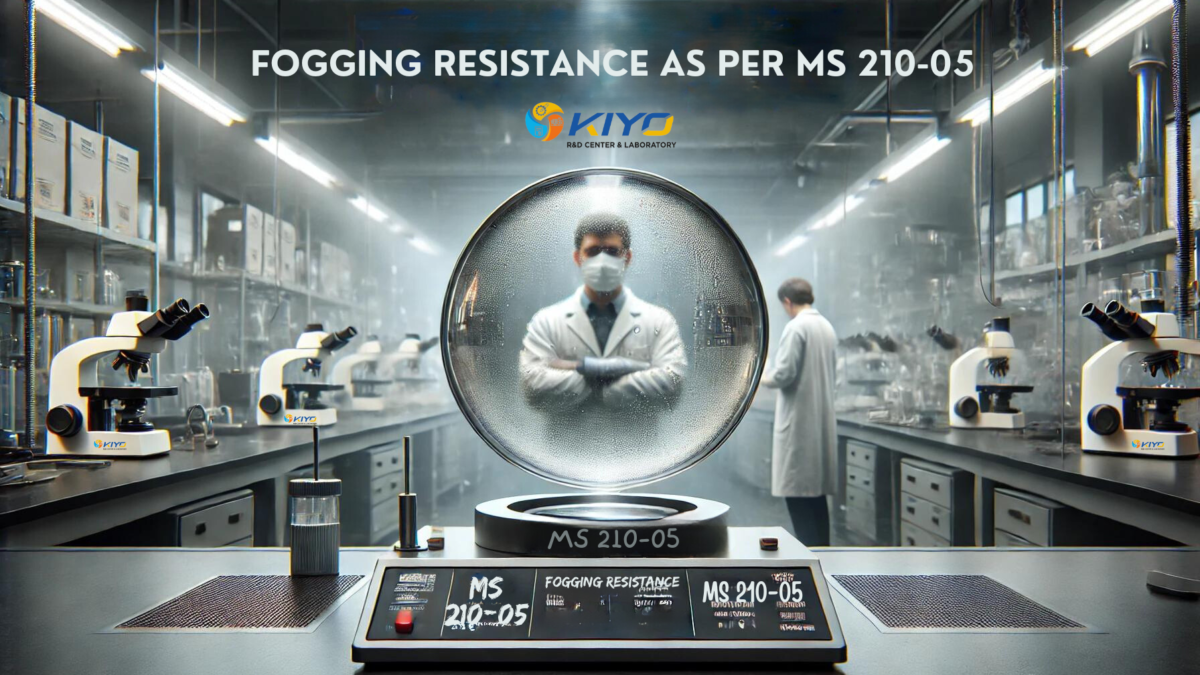
In many industries, materials must maintain clear visibility under various conditions to ensure safety and effectiveness. Fogging resistance is a critical property, particularly for items like automotive windshields, eyewear, and protective gear. The MS 210-05 standard sets the benchmark for evaluating the fogging resistance of materials, providing a reliable method to ensure they perform optimally.

Understanding Fogging Resistance

Fogging occurs when moisture condenses on a surface, creating a mist that can obstruct vision. Fogging resistance is the material’s ability to prevent or minimize this condensation, maintaining clarity. The MS 210-05 standard outlines the procedures for testing this resistance, ensuring materials meet necessary performance criteria.

MS 210-05 Standard: An Overview

The MS 210-05 standard is a comprehensive guideline for testing fogging resistance. It specifies the conditions and methods to assess how well materials resist fogging, providing a consistent and accurate measure of their performance.

Testing Procedure:
  1. Sample Preparation: Materials are prepared under standardized conditions to ensure uniformity and reliability in testing.
  2. Controlled Environment: Samples are exposed to specific temperature and humidity conditions that replicate real-world scenarios.
  3. Evaluation Metrics: Using precise instruments, the degree of fogging is measured and analyzed according to MS 210-05 criteria.

The Significance of Fogging Resistance Testing

Fogging resistance testing is crucial for several reasons:

  • Safety: Clear visibility is vital in applications such as automotive and aviation, where impaired vision can lead to accidents.
  • Functionality: For optical products, fogging can hinder performance, making fog-resistant materials essential.
  • User Experience: High-quality, fog-resistant materials improve customer satisfaction and usability in various products.

Applications Across Industries

Fogging resistance testing as per MS 210-05 is applicable in numerous fields:

  • Automotive: Ensuring windshields and windows stay clear to enhance driver safety.
  • Optical: Testing lenses for eyewear and cameras to maintain optimal functionality.
  • Protective Equipment: Evaluating face shields, goggles, and other gear used in demanding environments to ensure they provide clear visibility.

Kiyo R&D Center & Laboratory: Your Partner in Quality Testing

At Kiyo R&D Center & Laboratory, we specialize in comprehensive materials testing, including fogging resistance as per MS 210-05. Our advanced facilities and experienced team ensure that your materials are tested accurately and meet the highest standards of clarity and performance.

Conclusion

Maintaining clear visibility through fogging resistance is essential for safety, functionality, and user satisfaction. The MS 210-05 standard provides a rigorous method for testing and evaluating this crucial property. At Kiyo R&D Center & Laboratory, we are dedicated to offering top-tier testing services, ensuring your materials achieve the highest performance standards.

Fogging Resistance as per MS 210-05

FAQ

1. Which industries benefit from fogging resistance testing?

Industries such as automotive, optical, and safety equipment manufacturing benefit significantly from fogging resistance testing to ensure their products maintain clear visibility.

2. How does Kiyo R&D Center & Laboratory conduct fogging resistance testing?

At Kiyo R&D Center & Laboratory, we follow the MS 210-05 standard, using state-of-the-art facilities and equipment to provide accurate and reliable fogging resistance testing.

3. What types of materials can be tested for fogging resistance?

Various materials, including plastics, glass, and coatings used in automotive, optical, and protective gear, can be tested for fogging resistance.
Chemical Resistance as per MS 210-05

Chemical Resistance as per MS 210-05

Chemical Resistance as per MS 210-05

Understanding Chemical Resistance Testing: MS 210-05 Standard

Introduction

Chemical resistance testing plays a vital role in evaluating how materials, especially polymers, withstand exposure to various chemicals. The MS 210-05 standard provides a comprehensive method for such assessments, ensuring materials can maintain their integrity and performance in challenging environments. This blog explores the essentials of chemical resistance testing as per MS 210-05, the testing process, and its significance across different industries.

The Need for Chemical Resistance Testing

In many industrial applications, materials are subjected to harsh chemical environments that can lead to degradation. Chemical resistance testing is essential for:

  • Material Selection: Determining if a material is suitable for specific chemical exposures.
  • Performance Assurance: Ensuring materials can perform reliably over their intended lifespan.
  • Safety and Compliance: Meeting industry standards and regulatory requirements to guarantee safety and functionality.

Overview of MS 210-05 Standard

The MS 210-05 standard outlines a systematic approach to evaluate the chemical resistance of materials. This standard is primarily applied to plastics and elastomers, providing a clear framework for testing and analysis.

Core Elements of MS 210-05
  1. Sample Preparation: Ensuring samples are prepared to specific dimensions and conditions for consistency.
  2. Chemical Exposure: Immersing samples in chosen chemicals under controlled conditions.
  3. Assessment Criteria: Evaluating changes in physical and mechanical properties post-exposure.

Detailed Testing Process

The MS 210-05 standard specifies a detailed process for testing chemical resistance, which includes the following steps:

  1. Selecting Chemicals: Choosing appropriate chemicals based on the material’s intended application.
  2. Sample Conditioning: Pre-conditioning samples to stabilize any inherent stresses or moisture.
  3. Immersion Testing: Submerging samples in chemicals at defined temperatures and durations.
  4. Post-Exposure Evaluation: Analyzing changes in weight, dimensions, appearance, and mechanical properties such as tensile strength and elongation.

Industrial Applications

Chemical resistance testing is crucial in multiple industries, ensuring materials can withstand specific chemical environments without significant degradation:

  • Automotive: Verifying components like seals, gaskets, and fuel lines can resist fuels, oils, and coolants.
  • Medical Devices: Ensuring materials can endure exposure to cleaning agents and bodily fluids.
  • Construction: Assessing building materials for resistance to cleaning agents and environmental chemicals.
  • Consumer Products: Guaranteeing the durability and safety of items like kitchenware, toys, and packaging.

Significance of MS 210-05

Adherence to the MS 210-05 standard is essential for maintaining material integrity and performance in chemically aggressive environments. This standard provides a robust methodology for evaluating chemical resistance, enabling industries to:

  • Make Informed Material Choices: Select materials that will perform reliably in their specific applications.
  • Enhance Product Reliability: Ensure products can withstand chemical exposure throughout their lifecycle.
  • Ensure Compliance and Safety: Meet regulatory standards and enhance product safety.

Conclusion

Chemical resistance testing according to the MS 210-05 standard is a critical process in material science, helping industries to ensure the durability, safety, and performance of materials in chemical environments. By following this standard, manufacturers can confidently choose materials that will meet their needs and regulatory requirements, ultimately leading to the production of reliable and safe products.

Exploring the specifics of MS 210-05 and its testing procedures offers valuable insights into the importance of chemical resistance testing and its impact on various industries.
Chemical Resistance as per MS 210-05

FAQ

How are test chemicals selected for MS 210-05 testing?

Test chemicals are chosen based on the material's intended application and the types of chemicals it will likely encounter in real-world use.

What industries benefit from chemical resistance testing?

Industries such as automotive, medical devices, construction, and consumer goods benefit significantly by ensuring their materials can withstand chemical exposure.

What changes are evaluated in post-exposure analysis?

Post-exposure analysis evaluates changes in weight, dimensions, appearance, and mechanical properties like tensile strength and elongation to determine the material's chemical resistance.
Vibration Resistance as per MS 210-05

Vibration Resistance as per MS 210-05

Vibration Resistance as per MS 210-05

Ensuring Durability with MS 210-05: The Pinnacle of Vibration Resistance

Introduction

In today’s fast-paced industrial landscape, the resilience of products against mechanical vibrations is a critical factor that influences their longevity and reliability. The MS 210-05 standard sets the benchmark for vibration resistance, ensuring that products can endure and perform optimally under dynamic conditions. In this blog, we explore the significance of vibration resistance, the intricacies of the MS 210-05 standard, and how our laboratory stands at the forefront of testing and compliance.


Vibration Resistance as per MS 210-05

The Essence of Vibration Resistance

Vibration resistance is the capacity of a material or product to resist and absorb oscillatory forces. These vibrations can originate from internal sources such as engines and machinery or external influences like seismic activities. Without adequate vibration resistance, products may suffer from premature wear, structural failure, or malfunction.

Unpacking the MS 210-05 Standard

The MS 210-05 standard is a meticulously crafted guideline that delineates the requirements for assessing and ensuring vibration resistance in materials and products. It provides a comprehensive framework for testing and validating the durability of products subjected to vibrational forces.

Core Components of MS 210-05

  1. Testing Protocols: The standard specifies a range of testing protocols designed to replicate real-world vibrational conditions. These protocols assess various parameters, including frequency, amplitude, and duration, to gauge the product’s endurance.
  2. Evaluation Criteria: MS 210-05 outlines stringent performance criteria that products must fulfill. These criteria are pivotal in determining whether a product can withstand specified vibrational stresses without degradation.
  3. Reporting Standards: Detailed documentation and reporting are integral to the standard. These reports provide a comprehensive overview of the testing process, results, and compliance status, ensuring transparency and reliability.

The Imperative of Compliance

Adhering to the MS 210-05 standard is crucial for multiple reasons:

  • Assured Quality: Compliance guarantees that products are of superior quality and can withstand vibrational forces, enhancing customer confidence and satisfaction.

  • Enhanced Safety: Vibration-resistant products minimize the risk of operational failures, thereby ensuring safety in critical applications such as aerospace, automotive, and construction.

  • Prolonged Lifespan: Products meeting the MS 210-05 standard exhibit greater durability, reducing the frequency of repairs and replacements, and thus lowering long-term costs.

Kiyo R&D Center & Laboratory: Your Partner in Vibration Resistance

At Kiyo R&D Center & Laboratory, we pride ourselves on our expertise in vibration resistance testing aligned with the MS 210-05 standard. Our cutting-edge facilities and skilled professionals are dedicated to providing precise and dependable testing services. Utilizing advanced technologies, we ensure that your products meet the rigorous demands of the standard, guaranteeing their performance and durability.


Vibration Resistance as per MS 210-05

Conclusion

Incorporating vibration resistance into the design and manufacturing of products is vital for ensuring their durability and reliability. The MS 210-05 standard serves as a cornerstone in this endeavor, offering a structured approach to testing and validation. Kiyo R&D Center & Laboratory is committed to helping you achieve the highest standards of vibration resistance, ensuring that your products stand the test of time and dynamic conditions.

By embracing the MS 210-05 standard, manufacturers can significantly enhance the robustness and safety of their products, fostering trust and satisfaction among consumers. Through meticulous testing and compliance, we pave the way for products that not only meet but exceed expectations in durability and performance.

FAQ

Q1: How does Kiyo R&D Center & Laboratory conduct vibration resistance testing?

A1: At Kiyo R&D Center & Laboratory, we use advanced testing equipment and methodologies to simulate vibrational forces as per the MS 210-05 standard. Our experienced team ensures precise and reliable testing to verify that products meet the required performance standards.

Q2: What benefits do manufacturers gain from adhering to the MS 210-05 standard?

A2: Manufacturers benefit from enhanced product quality, increased customer satisfaction, improved safety, and longer product lifespans. Compliance with the MS 210-05 standard helps ensure products are robust and reliable, reducing the risk of failures and costly repairs.

Q3: How can I ensure my product complies with the MS 210-05 standard?

A3: To ensure compliance, have your product tested at a certified laboratory like Kiyo R&D Center & Laboratory. Our team will conduct comprehensive testing as per the MS 210-05 standard and provide detailed reports on the product's performance and compliance.

Q4: What kind of documentation is provided after testing?

A4: After testing, we provide detailed reports that include the testing procedures, results, and compliance status. These reports offer insights into the product's performance under vibrational stress and ensure transparency and reliability.
Fading Resistance as Per MS 210-05

Fading Resistance as Per MS 210-05

Fading Resistance as Per MS 210-05

Ensuring Durability in Automotive Interiors with Fading Resistance Testing

Introduction

In the automotive industry, the durability and aesthetic appeal of interior materials are crucial for customer satisfaction and brand reputation. Fading Resistance testing, as per MS 210-05 standards, plays an essential role in ensuring that the materials used in vehicle interiors can withstand prolonged exposure to sunlight without losing their color and integrity.

The Importance of Fading Resistance in Automotive Interiors

Automotive interiors are constantly exposed to sunlight, especially in regions with high UV radiation. Over time, UV exposure can cause materials such as upholstery, dashboard components, and trim to fade, leading to a worn and unattractive appearance. Fading Resistance testing ensures these materials maintain their color and durability, providing long-term value and comfort to vehicle owners.

The MS 210-05 Standard for Automotive Materials

The MS 210-05 standard provides a comprehensive framework for testing the fading resistance of automotive materials. This standard ensures that tests are conducted under consistent and controlled conditions, producing reliable data that manufacturers can use to improve product quality.

Testing Procedures for Automotive Materials

  1. Sample Preparation: Interior materials, including fabrics, plastics, and leathers, are cut into specific sizes and cleaned to remove any contaminants that could affect the test results.

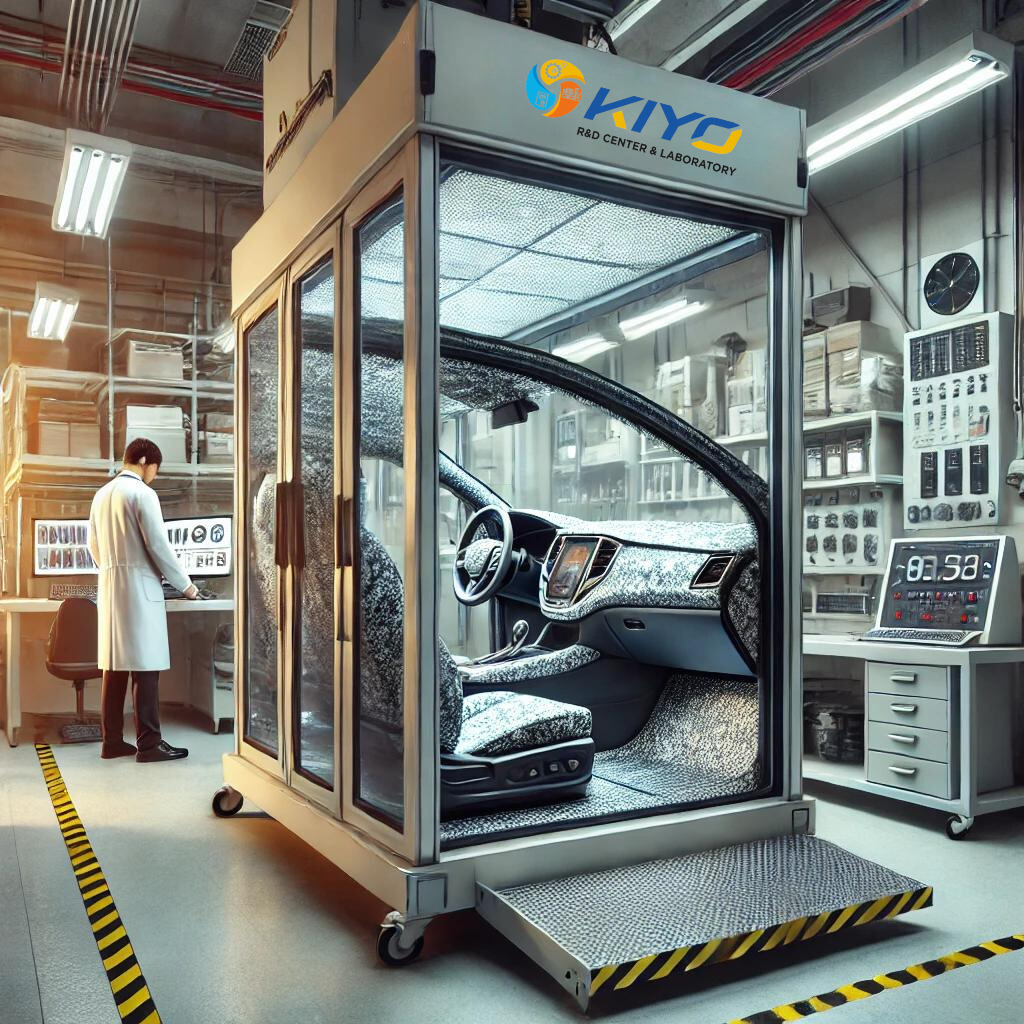
  2. Controlled Light Exposure: Samples are placed in a controlled light exposure test chamber that simulates prolonged exposure to sunlight. The chamber uses UV lamps to replicate the intensity and spectrum of natural sunlight.

  3. Monitoring and Data Collection: Technicians monitor the samples throughout the testing period, which can last several days. Advanced instruments measure changes in color and material integrity, and data is collected continuously.

  4. Analysis: After the exposure period, the samples are analyzed to determine the degree of fading. This involves comparing the color and quality of the exposed samples to unexposed control samples.

  5. Reporting: A detailed report is generated, documenting the test conditions, degree of fading, and any other relevant observations. This report helps manufacturers understand the performance of their materials and make necessary adjustments.

Benefits of Fading Resistance Testing for Automobiles

  • Enhanced Interior Longevity: Materials that pass the fading resistance test are more likely to retain their color and integrity over time, leading to more durable and visually appealing vehicle interiors.
  • Improved Customer Satisfaction: Vehicle owners appreciate interiors that maintain their look and feel, contributing to overall satisfaction and loyalty.
  • Brand Reputation: Manufacturers that adhere to high-quality standards, like MS 210-05, demonstrate their commitment to excellence and can differentiate their products in a competitive market.

Conclusion

Fading Resistance testing as per MS 210-05 standards is vital for the automotive industry. It ensures that interior materials can withstand prolonged UV exposure without significant fading, maintaining the aesthetic and functional qualities of vehicles. At Kiyo R&D Center & Laboratory, we are dedicated to providing accurate and reliable testing services to help automotive manufacturers achieve these goals.

Fading Resistance as Per MS 210-05

FAQ

1. What types of materials can be tested for Fading Resistance?

Materials commonly tested for Fading Resistance include textiles, paints, plastics, rubber, automotive interiors (e.g., upholstery, dashboards), and exteriors (e.g., paint, trims).

2. How long does Fading Resistance testing take?

The duration of the test can vary depending on the material and specific testing requirements, ranging from several hours to several days or weeks.

3. What are the benefits of conducting Fading Resistance testing?

Benefits include enhanced product longevity, increased customer satisfaction, regulatory compliance, and improved market competitiveness by demonstrating commitment to quality and durability.
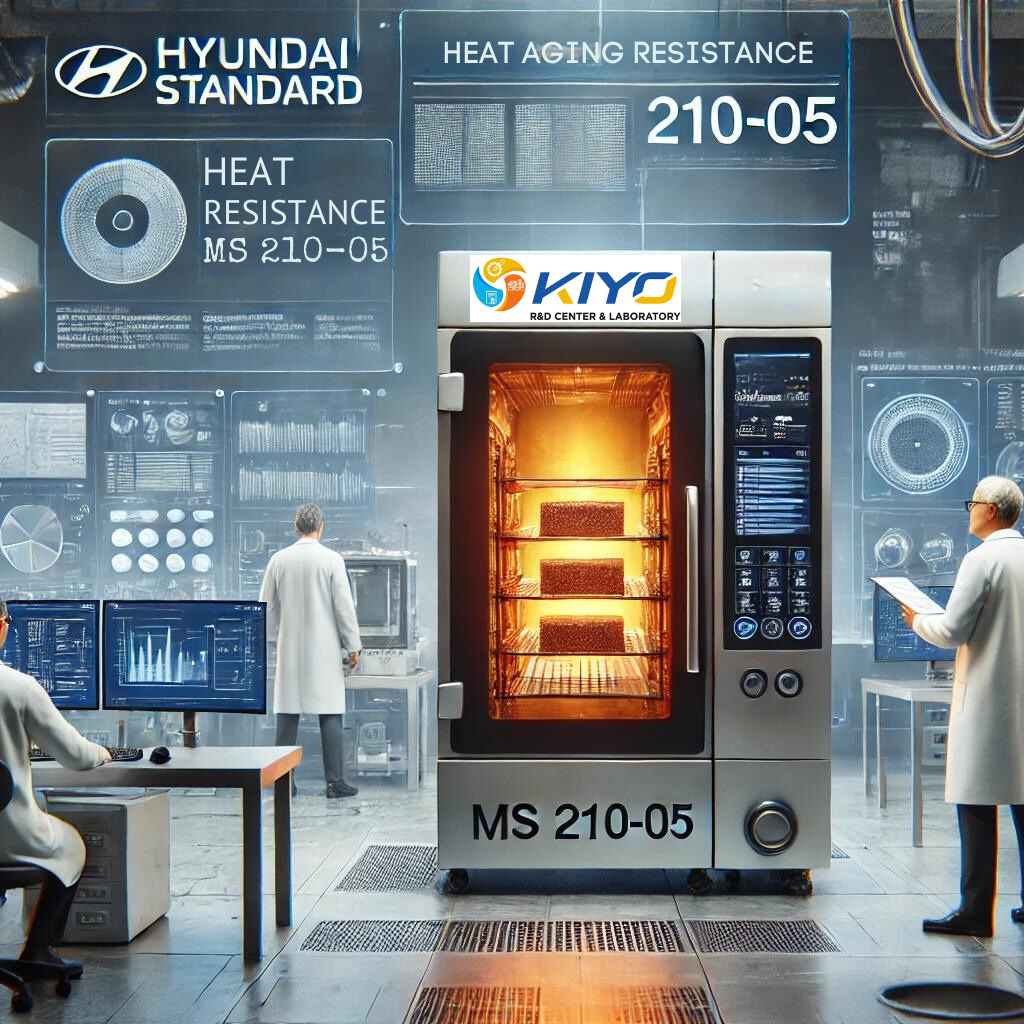
Heat Aging Resistance Test - Hyundai Standard (MS 210-05)

Heat Aging Resistance Test – Hyundai Standard (MS 210-05)

Heat Aging Resistance Test - Hyundai Standard (MS 210-05)

Unveiling Material Durability: The Flexural Testing (MS 210-05)


Introduction

In the material testing industry, Flexural Testing is essential for assessing the durability and performance of various materials. Conducting these tests with precision and adherence to the MS 210-05 standard ensures reliability and quality in every evaluation.

Understanding the Flexural Testing

Flexural Testing subjects materials to controlled bending forces to simulate real-world stresses. This test is crucial for materials used in environments where structural integrity and flexibility are vital, providing essential data on how these materials will endure over time.

The Importance of MS 210-05 Standard

The MS 210-05 standard provides a rigorous framework for conducting Flexural Tests. This standard ensures that all procedures are meticulously followed, resulting in consistent and accurate test outcomes. Adhering to this standard guarantees credible and widely accepted test results.

The Testing Process

The Flexural Testing process encompasses several critical steps:

  • Sample Preparation: Material samples are meticulously prepared and conditioned to ensure they accurately represent the final product.

  • Testing: Samples are subjected to controlled bending forces as per the MS 210-05 standard. The parameters are carefully managed to ensure precision.

  • Evaluation: Post-testing, samples are analyzed for changes in physical properties such as deflection, fracture points, and any potential failure points. Advanced techniques are utilized to measure the extent of bending degradation.

  • Reporting: Comprehensive reports detailing the material’s performance under flexural stress are generated. These reports provide valuable insights for product development and quality assurance.

Benefits of Flexural Testing

Engaging in Flexural Testing offers numerous advantages:

  • Improved Product Durability: Understanding material behavior under bending stress allows for enhanced product design and longevity.

  • Quality Assurance: Regular testing ensures products consistently meet high-quality standards.

  • Cost Efficiency: Early detection of potential issues can prevent costly recalls and product failures.

  • Competitive Advantage: Products with superior flexural strength can gain a significant market edge.

Conclusion

Delivering top-tier testing services, rigorous Flexural Testing is conducted adhering to the MS 210-05 standard, providing reliable and accurate results that help create durable, high-quality products.

Explore the comprehensive testing capabilities to see how Flexural Testing can benefit your materials and products.

Heat Aging Resistance Test - Hyundai Standard (MS 210-05)

FAQ

What are the typical conditions for Heat Aging Resistance Testing?

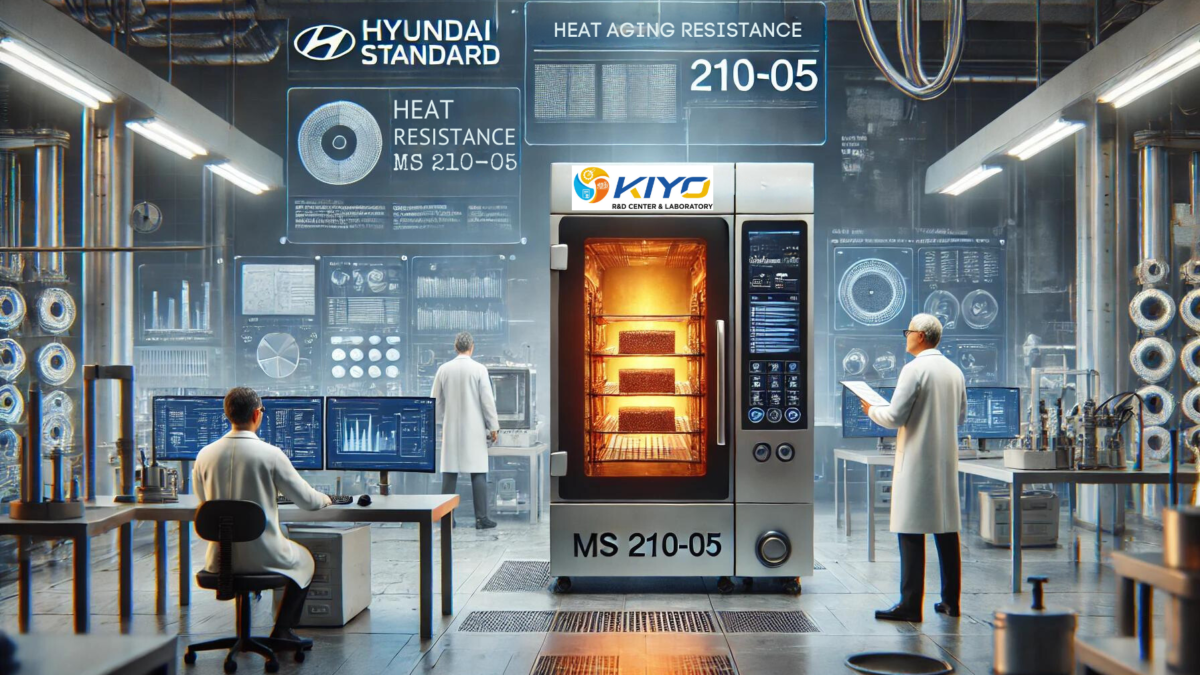
Specific conditions, such as the duration of exposure and temperature, vary based on the part being tested. For instance, a crash pad may be tested for 1000 hours at a specified temperature.

How is the performance of materials evaluated after testing?

After exposure, samples are evaluated for changes in physical properties, such as deformation, color changes, and potential failure points. Advanced techniques are used to measure the extent of aging degradation.

What are the benefits of Heat Aging Resistance Testing?

The benefits include improved product durability, quality assurance, cost efficiency by detecting potential issues early, and a competitive advantage for products with superior heat resistance.
Heat Cycle Resistance Test - Hyundai Standard (MS 210-05)

Heat Cycle Resistance Test – Hyundai Standard (MS 210-05)

Heat Cycle Resistance Test - Hyundai Standard (MS 210-05)

Unveiling Material Durability: The Flexural Testing – Hyundai Standard (MS 210-05)

Introduction

In the material testing industry, Flexural Testing is a cornerstone for assessing the structural integrity and performance of various materials. Conducting these tests with precision and adherence to the MS 210-05 standard ensures reliability and quality in every evaluation.

Understanding Flexural Testing

Flexural Testing involves applying force to a material to measure its resistance to bending. This test is crucial for materials used in applications where flexibility and strength are critical, providing essential data on how these materials will perform under load.

The Importance of Hyundai Standard MS 210-05

The MS 210-05 standard provides a rigorous framework for conducting Flexural Tests. This standard ensures that all procedures are meticulously followed, resulting in consistent and accurate test outcomes. Adhering to this standard guarantees credible and widely accepted test results.

The Testing Process

The Flexural Testing process encompasses several critical steps:

Sample Preparation: Material samples are meticulously prepared and conditioned to ensure they accurately represent the final product.

Testing: Samples are subjected to a controlled force until they bend or break. The force and displacement are carefully measured to determine the material’s flexural strength and modulus.

Evaluation: Post-testing, samples are analyzed for any structural changes or failures. Advanced techniques are utilized to measure the extent of bending and structural integrity.

Reporting: Comprehensive reports detailing the material’s performance under flexural load are generated. These reports provide valuable insights for product development and quality assurance.

Benefits of Flexural Testing

Engaging in Flexural Testing offers numerous advantages:

Improved Product Durability: Understanding material behavior under bending stress allows for enhanced product design and longevity.

Quality Assurance: Regular testing ensures products consistently meet high-quality standards.

Cost Efficiency: Early detection of potential issues can prevent costly recalls and product failures.

Competitive Advantage: Products with superior flexural strength can gain a significant market edge.

Conclusion

Delivering top-tier testing services, rigorous Flexural Testing is conducted adhering to the MS 210-05 standard, providing reliable and accurate results that help create durable, high-quality products.

Explore the comprehensive testing capabilities to see how Flexural Testing can benefit your materials and products.

Heat Cycle Resistance Test - Hyundai Standard (MS 210-05)

FAQ

How are samples prepared for testing?

Material samples are meticulously prepared and conditioned to accurately represent the final product. This preparation ensures that the test results are relevant and reliable.

What kind of data is obtained from these tests?

These tests provide data on changes in physical properties, such as color, strength, flexibility, ignition time, burn rate, and structural integrity. This data is crucial for product development, quality assurance, and safety compliance.

How does adhering to the MS 210-05 standard benefit my product?

Adhering to the MS 210-05 standard ensures that all testing procedures are meticulously followed, resulting in consistent and accurate outcomes. This guarantees credible and widely accepted test results, enhancing product reliability and market competitiveness.
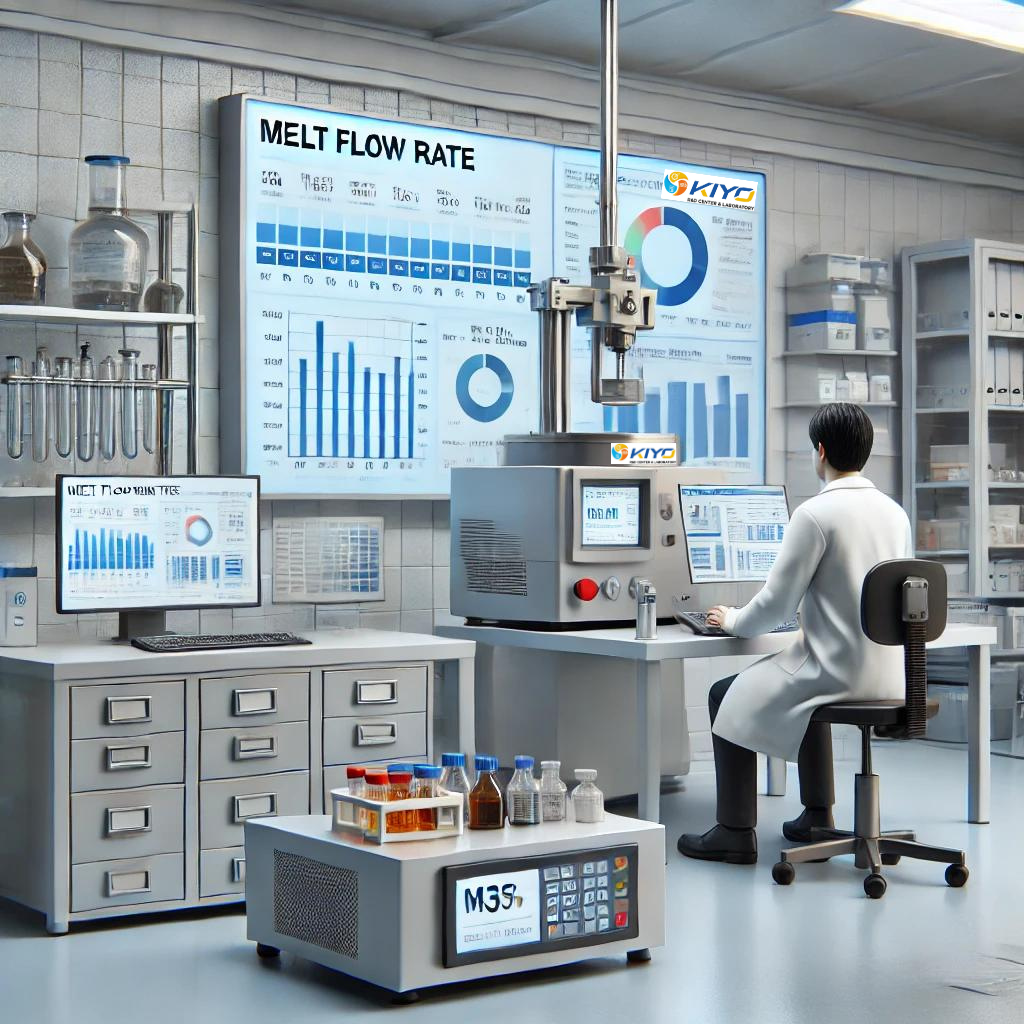
Melt Flow Rate (MFR) Testing

Melt Flow Rate (MFR) Testing

Melt Flow Rate (MFR) Testing

Enhancing Polymer Performance with Melt Flow Rate (MFR) Testing

Introduction

In the competitive world of polymer production, ensuring optimal material performance is key. Melt Flow Rate (MFR) testing is an essential tool for achieving this, providing critical insights into the flow properties of polymers. Our advanced laboratory is dedicated to delivering top-notch MFR testing services that help industries maintain high standards of quality and efficiency.

The Basics of MFR Testing

MFR testing measures how quickly a polymer can flow when heated to a specific temperature and subjected to a defined pressure. This rate of flow is a direct indicator of the polymer’s viscosity, which is crucial for understanding how the material will behave during processing and in its final application.

Why MFR Testing Matters

  1. Quality Assurance: Regular MFR testing helps ensure that each batch of polymer meets stringent quality criteria, leading to consistent and reliable products.
  2. Process Optimization: By understanding the flow characteristics of polymers, manufacturers can fine-tune processing conditions, such as injection molding and extrusion, to enhance product quality and reduce waste.
  3. Material Selection: MFR values assist in selecting the right polymer grade for specific applications, ensuring that materials perform as needed in end-use scenarios.

Conducting MFR Tests

The process of MFR testing involves:

  • Sample Preparation: Polymer samples are conditioned and prepared according to specific guidelines to ensure uniformity.
  • Testing Execution: Samples are heated and subjected to a constant load, with the flow rate measured as the polymer extrudes through a die.
  • Data Analysis: The flow rate data is analyzed to determine the polymer’s viscosity, providing valuable insights for quality control and material selection.

Industries Benefiting from MFR Testing

MFR testing is vital across various sectors:

  • Automotive: Ensures polymers used in vehicle components meet safety and performance standards.
  • Packaging: Guarantees the durability and reliability of plastic packaging materials.
  • Medical Devices: Verifies the quality of polymers used in critical medical applications, ensuring safety and efficacy.
  • Electronics: Assesses the suitability of polymers used in electronic components for performance and durability.

Precision and Expertise

Our laboratory is equipped with cutting-edge technology and staffed by experienced professionals who follow rigorous testing protocols. This ensures that every MFR test we conduct is accurate, reliable, and provides actionable insights for our clients.

Conclusion

Melt Flow Rate (MFR) testing is a cornerstone of polymer quality assurance and performance optimization. By providing detailed data on the flow properties of materials, MFR testing enables manufacturers to produce high-quality, reliable products. Our laboratory is committed to delivering precise MFR testing services that help industries achieve their quality and performance goals.


Melt Flow Rate (MFR) Testing

FAQ

Q1: How do you prepare a sample for MFR testing?

A1: Samples are conditioned and prepared according to specific guidelines to ensure uniformity and accuracy. This often involves controlling the temperature and humidity conditions to match the testing requirements.

Q2: What equipment is used in MFR testing?

A2: MFR testing is conducted using specialized equipment that includes a heated barrel, a standardized die, and a piston for applying pressure. The equipment also has a digital display for real-time data monitoring and recording.

Q3: What factors can affect MFR test results?

A3.:Factors such as sample preparation, testing temperature, applied load, and equipment calibration can affect MFR test results. It's crucial to follow standardized procedures to ensure accurate and reliable measurements.
Light Resistance Test

Light Resistance Test

Light Resistance Test

Unveiling Material Durability: The Light Resistance Test (MS 210-05)

Introduction

In the material testing industry, the Light Resistance Test stands as a cornerstone for assessing the longevity and durability of various materials. At Kiyo R&D Center & Laboratory, we pride ourselves on conducting these tests with the utmost precision and adherence to the MS 210-05 standard, ensuring reliability and quality in every evaluation.

Understanding the Light Resistance Test

The Light Resistance Test simulates prolonged exposure to light, mimicking the effects of both natural sunlight and artificial light sources. This test is crucial for materials used in environments where light exposure is inevitable, providing essential data on how these materials will endure over time.

The Importance of MS 210-05 Standard

The MS 210-05 standard provides a rigorous framework for conducting Light Resistance Tests. This standard ensures that all procedures are meticulously followed, resulting in consistent and accurate test outcomes. By adhering to this standard, we guarantee that our test results are credible and widely accepted.

The Testing Process at Kiyo R&D Center & Laboratory

At Kiyo R&D Center & Laboratory, our Light Resistance Testing process encompasses several critical steps:

  1. Sample Preparation: We meticulously prepare and condition material samples to ensure they accurately represent the final product.

  2. Exposure: Samples are subjected to controlled light sources, simulating natural or artificial lighting conditions as per the MS 210-05 standard. Exposure parameters are carefully managed to ensure precision.

  3. Evaluation: Post-exposure, samples are analyzed for changes in physical properties such as color, strength, and flexibility. We utilize advanced techniques to measure the extent of degradation.

  4. Reporting: Comprehensive reports detailing the material’s performance under light exposure are generated. These reports provide valuable insights for product development and quality assurance.

Benefits of Light Resistance Testing

Engaging in Light Resistance Testing offers numerous advantages:

  • Improved Product Durability: Understanding material behavior under light exposure allows for enhanced product design and longevity.

  • Quality Assurance: Regular testing ensures products consistently meet high-quality standards.

  • Cost Efficiency: Early detection of potential issues can prevent costly recalls and product failures.

  • Competitive Advantage: Products with superior light resistance can gain a significant market edge.

Conclusion

Kiyo R&D Center & Laboratory is dedicated to providing top-tier testing services, exemplified by our rigorous Light Resistance Testing. Adhering to the MS 210-05 standard, we deliver reliable and accurate results that help our clients create durable, high-quality products.

Explore the comprehensive testing capabilities at Kiyo R&D Center & Laboratory to see how our Light Resistance Testing can benefit your materials and products.

Light Resistance Test

FAQ

1. What are the benefits of conducting a Light Resistance Test?

Benefits include improved product durability, quality assurance, cost savings by identifying issues early, and gaining a competitive market advantage by ensuring products meet high durability standards.

2. How long does the Light Resistance Test take?

The duration of the test can vary depending on the specific requirements and the material being tested. Generally, tests can range from a few days to several weeks to adequately simulate long-term light exposure effects.

3. Can the Light Resistance Test predict real-world performance?

Yes, by simulating real-world light exposure conditions, the Light Resistance Test provides valuable insights into how materials will behave and degrade over time, helping predict their performance in actual use environments.