Specular Gloss Testing As Per Standard ASTM D523, D2457
Achieving Perfection in Surface Finish: A Deep Dive into Specular Gloss Testing per ASTM D523 and D2457
Introduction
In today’s competitive market, the appearance of a product can be as critical as its function. Whether it's the sleek sheen of a smartphone screen, the polished finish of a car's exterior, or the glossy packaging that catches a consumer's eye on the shelf, gloss plays a significant role in consumer perception and product quality. To measure this vital attribute, industries rely on Specular Gloss Testing, adhering to standards like ASTM D523 and ASTM D2457.
What is Specular Gloss?
Specular gloss refers to the reflectivity of a surface when light is directed at it at a specific angle. The light that reflects back at the same angle as the incident light, producing a clear and defined reflection, determines the gloss level of the surface. This is different from diffuse reflection, where light is scattered in many directions.
The gloss level of a surface can influence not only the aesthetic appeal of a product but also its perceived quality. High-gloss surfaces are often associated with luxury and cleanliness, while low-gloss or matte surfaces can reduce glare and create a more subdued look.
The Importance of ASTM Standards in Gloss Testing
To ensure consistency and comparability in gloss measurements, the industry follows standardized testing methods. ASTM D523 and ASTM D2457 are the primary standards used worldwide to measure specular gloss.
ASTM D523: This standard outlines the procedures for measuring the gloss of non-metallic surfaces, such as paint, plastics, and coatings. It specifies three angles of measurement—20°, 60°, and 85°—each suited to different gloss levels. The 20° angle is used for high-gloss surfaces, the 60° angle for medium gloss, and the 85° angle for low gloss or matte finishes.
ASTM D2457: This standard is specifically designed for plastic films and solid plastics. While it also uses the 20°, 60°, and 85° angles, ASTM D2457 provides more detailed guidance on handling the unique properties of plastic materials, which can impact gloss readings.
The Testing Process
Specular Gloss Testing is a precise process that requires careful preparation and accurate measurement. Here’s how it’s typically conducted:
Surface Preparation: Before testing, the surface must be thoroughly cleaned to remove any contaminants that could affect the reflection of light. Dust, oils, or surface irregularities can distort the gloss readings.
Selecting the Measurement Angle: Depending on the gloss level expected, the appropriate angle of incidence is chosen. High-gloss surfaces are measured at 20°, standard gloss at 60°, and low gloss or matte finishes at 85°.
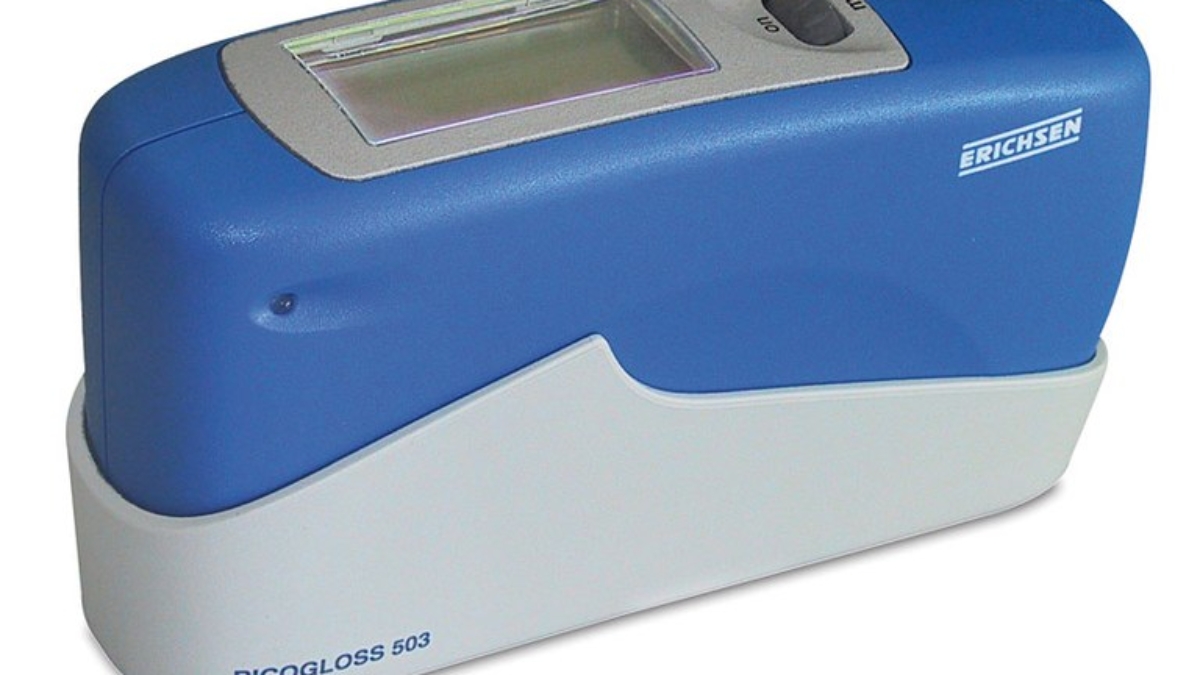
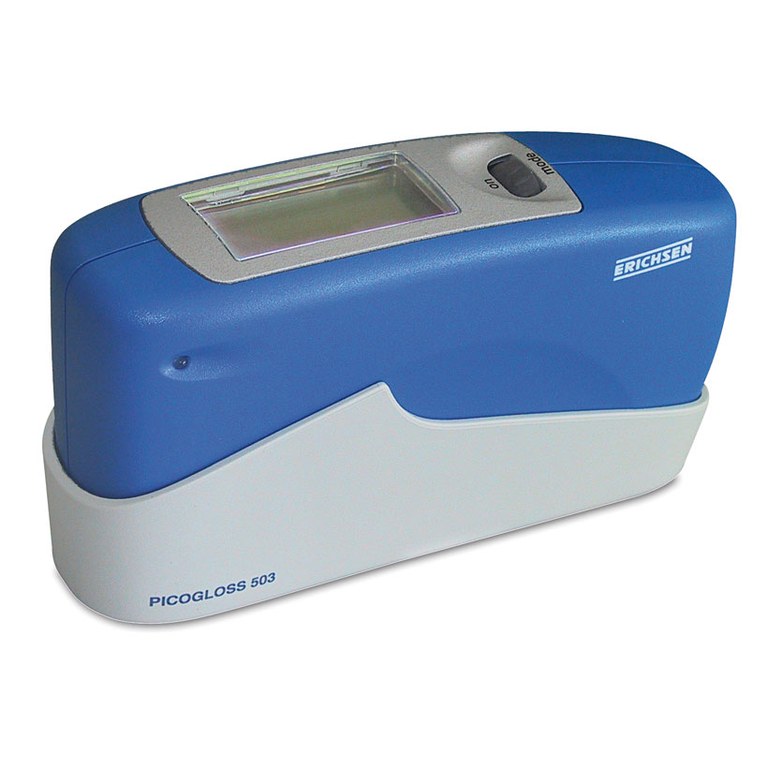
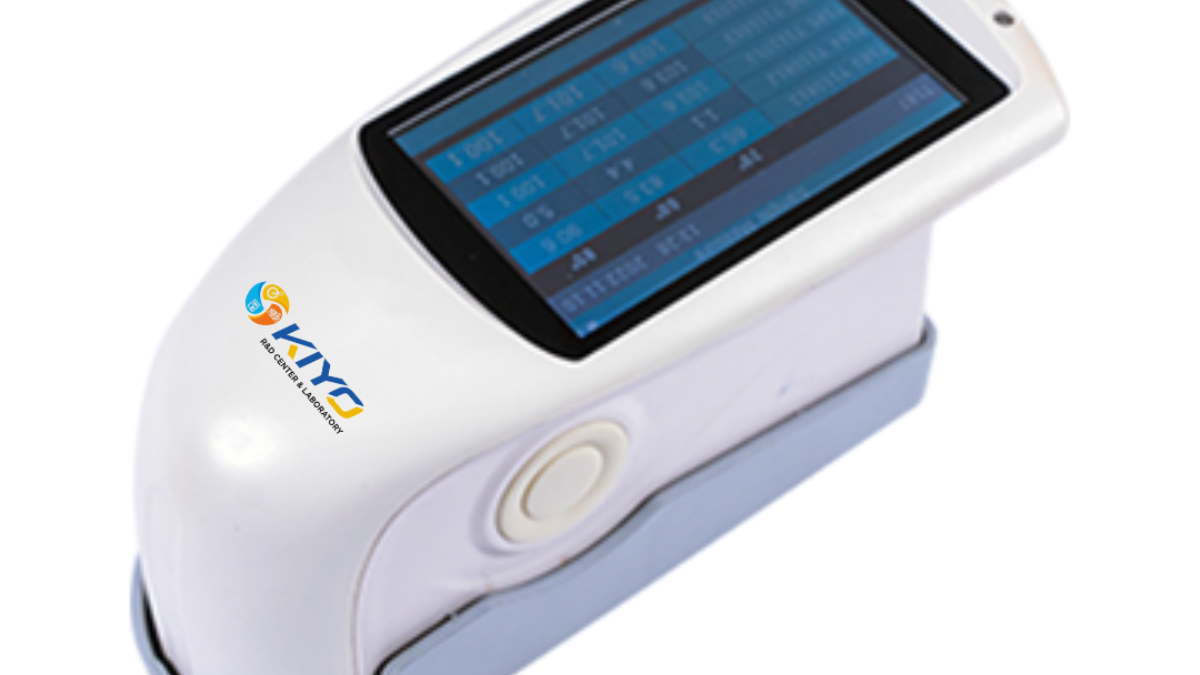
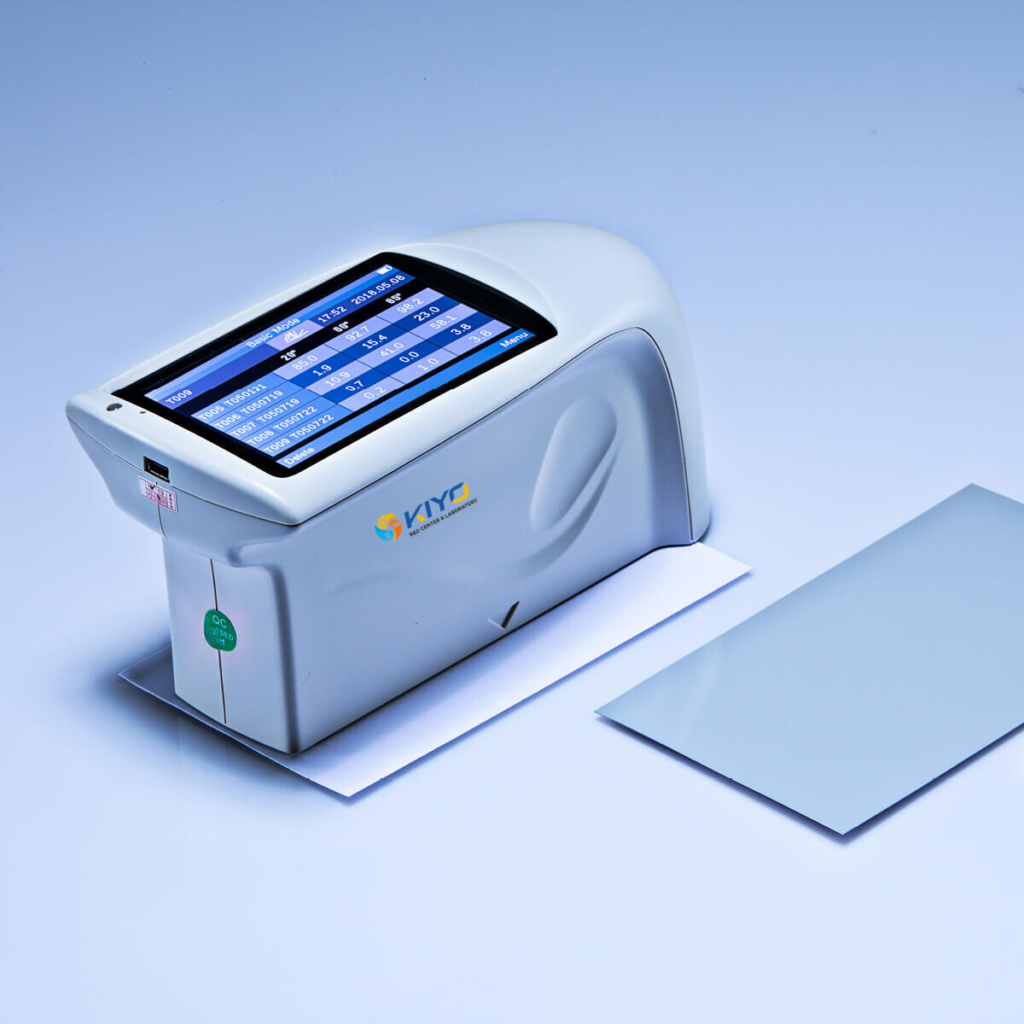
Using the Gloss Meter: The gloss meter, a device specifically designed to measure gloss, shines a beam of light onto the surface at the selected angle. The meter then detects the amount of light reflected back at the same angle and calculates the gloss level based on this reflection.
Interpreting Results: The gloss level is expressed in gloss units, a measure of the reflectivity compared to a standard reference. These results are then compared to the required specifications or industry standards.
Why Specular Gloss Testing is Essential
Specular Gloss Testing is a crucial step in the quality control process for many industries, including automotive, electronics, packaging, and construction. Here’s why it matters:
Consistent Quality: Gloss testing ensures that all products in a batch meet the same standards of appearance, leading to a uniform and professional look.
Consumer Appeal: The right gloss level can make a product more attractive to consumers, influencing their buying decisions. For example, a high-gloss finish on a car may convey a sense of luxury, while a matte finish on packaging can suggest elegance and sophistication.
Regulatory Compliance: Many industries have specific gloss requirements that must be met to comply with regulations. ASTM D523 and D2457 provide the necessary guidelines to ensure compliance with these standards.
Product Development: Understanding how different materials and finishes interact with light allows manufacturers to design products that meet both functional and aesthetic goals.
Conclusion
Specular Gloss Testing, as defined by ASTM D523 and D2457, is a fundamental part of product development and quality assurance. By accurately measuring and controlling the gloss level of surfaces, manufacturers can enhance the visual appeal and marketability of their products, ensuring they meet both industry standards and consumer expectations.
FAQ
1. How do I choose the correct angle for testing?
The choice depends on the gloss level of the surface. Use 20° for high gloss, 60° for medium gloss, and 85° for low gloss or matte finishes.
2. What industries use Specular Gloss Testing?
It is widely used in automotive, packaging, electronics, construction, and any industry where surface finish and appearance are critical.
3. How do ASTM D523 and D2457 ensure compliance?
These standards provide clear procedures and guidelines for measuring gloss, ensuring that products meet industry requirements and consumer expectations consistently.
4. Can Specular Gloss Testing be performed on all materials?
While it’s most commonly used for non-metallic surfaces and plastics, gloss testing can be adapted for various materials, depending on their reflectivity and finish.
Chemical Resistance Test As Per Standard MS 655-08
The Critical Role of Chemical Resistance Testing According to MS 655-08
Introduction
In a world where materials are constantly exposed to aggressive chemicals, the need for rigorous testing protocols cannot be overstated. The MS 655-08 standard outlines the procedures for conducting chemical resistance tests on materials, particularly plastics and rubbers, ensuring their durability and reliability in harsh environments. This blog delves into the significance of the MS 655-08 standard, the testing process, and its wide-ranging applications across industries.
What is the MS 655-08 Standard?
The MS 655-08 standard is a Malaysian Standard that specifies the methodology for evaluating the chemical resistance of materials. It is particularly relevant for industries where materials are exposed to chemicals that could potentially degrade their structure, leading to failures in critical applications. The standard is designed to ensure that materials can withstand such exposure, maintaining their integrity and functionality over time.
Why Chemical Resistance Testing Matters
Material Longevity: The primary purpose of chemical resistance testing is to determine how well a material can resist degradation when exposed to chemicals. This directly impacts the material’s lifespan, reducing the frequency of replacements and thereby cutting costs.
Safety Compliance: Many industries, such as automotive, aerospace, and construction, use materials in environments where chemical exposure is common. Testing these materials against standards like MS 655-08 ensures that they do not fail, which could otherwise lead to hazardous situations.
Quality Assurance: For manufacturers, delivering products that meet high standards of durability and reliability is crucial. Chemical resistance testing according to MS 655-08 provides a benchmark for quality, giving manufacturers and their customers confidence in the materials used.
Environmental Responsibility: Materials that fail due to chemical exposure often end up as waste, contributing to environmental pollution. By ensuring that materials are chemically resistant, manufacturers can reduce waste and support sustainability efforts.
The Testing Process According to MS 655-08
The chemical resistance testing process as outlined by MS 655-08 involves several critical steps:
Material Sample Preparation: Samples of the material are prepared in standardized sizes and shapes, ensuring consistency across tests.
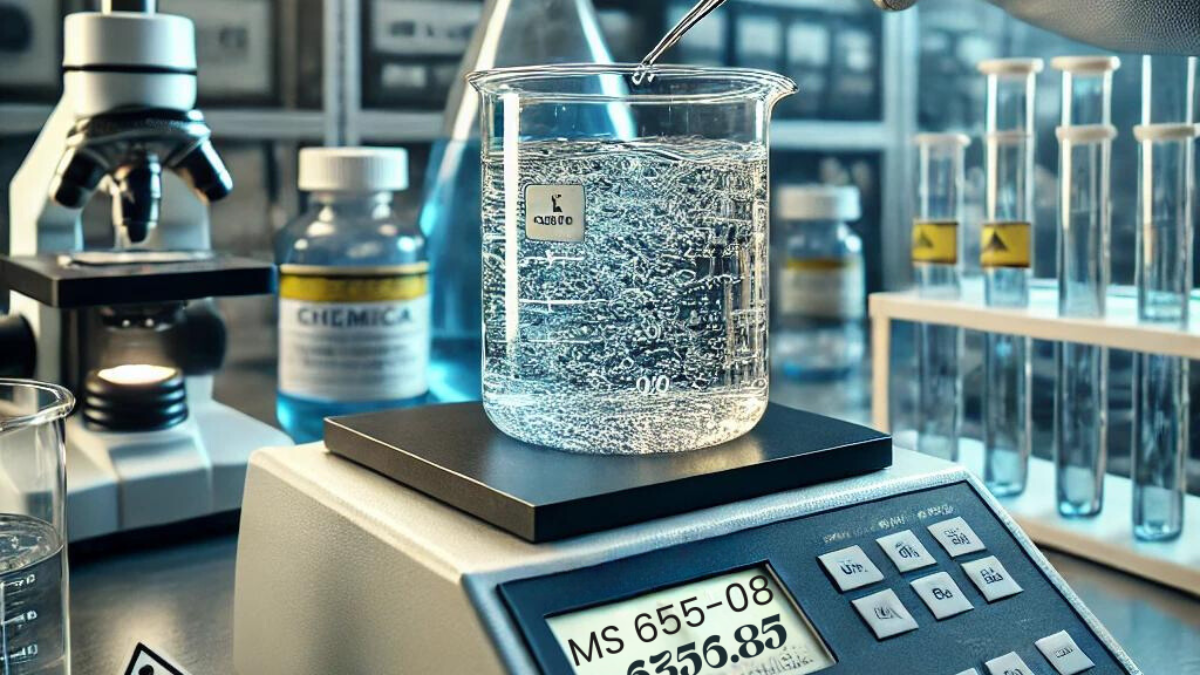
Chemical Exposure: The samples are then exposed to specific chemicals or mixtures under controlled conditions. These conditions include factors like temperature, concentration, and duration, all of which are meticulously regulated to simulate real-world exposure.
Post-Exposure Evaluation: After the exposure period, the samples are evaluated for changes in their physical properties. This could involve measuring weight loss, changes in mechanical strength, or any visible signs of degradation such as cracks, swelling, or discoloration.
Data Analysis and Reporting: The results of the test are analyzed and compared to the criteria set by the MS 655-08 standard. The final report will indicate whether the material meets the required level of chemical resistance, providing clear guidance on its suitability for specific applications.
Applications Across Industries
The importance of chemical resistance testing spans multiple industries, each with its unique challenges:
Automotive Industry: Vehicles are constantly exposed to a variety of chemicals, from fuels to cleaning agents. Ensuring that parts like gaskets, hoses, and seals can resist these chemicals is crucial for vehicle safety and performance.
Construction: Building materials, particularly those used in industrial settings, must withstand exposure to chemicals like solvents, acids, and bases. Chemical resistance testing ensures that these materials can endure such conditions without compromising structural integrity.
Electronics: In the electronics industry, components are often exposed to chemicals during manufacturing processes or in their operating environment. Ensuring that these components can resist chemical exposure is vital for their reliability and longevity.
Pharmaceuticals and Packaging: Packaging materials used in the pharmaceutical industry must resist the chemicals in the products they contain. This prevents contamination and ensures the stability of the medications.
The Future of Chemical Resistance Testing
As industries evolve and new materials are developed, the need for comprehensive chemical resistance testing will continue to grow. The MS 655-08 standard provides a robust framework for assessing material durability in chemically aggressive environments, but ongoing research and innovation will be crucial in adapting these standards to new challenges.
In the future, we may see more advanced testing methods that offer even greater precision and insight into material performance. These developments will help industries produce safer, more reliable products that stand the test of time, even in the most challenging conditions.
Conclusion
The MS 655-08 standard for chemical resistance testing is an essential tool for industries where materials face constant exposure to potentially degrading chemicals. By adhering to this standard, manufacturers can ensure that their materials are not only durable and reliable but also safe and compliant with industry regulations. For any industry relying on the long-term performance of materials in chemically aggressive environments, chemical resistance testing as per MS 655-08 is not just a requirement—it’s a necessity. By ensuring that materials can withstand chemical exposure, manufacturers protect their products, their reputation, and most importantly, their customers. You said:
FAQ
1. What industries benefit from chemical resistance testing?
Industries that regularly deal with chemicals or operate in chemically aggressive environments, such as automotive, construction, electronics, and pharmaceuticals, greatly benefit from chemical resistance testing to ensure their materials can withstand such conditions.
2. What are the consequences of not performing chemical resistance testing?
Without chemical resistance testing, materials may fail when exposed to chemicals, leading to safety hazards, product recalls, increased costs, and potential regulatory non-compliance.
3. How often should chemical resistance testing be performed?
The frequency of testing depends on the material's application, industry standards, and any changes in the material composition or chemical environment. Regular testing is recommended to ensure ongoing compliance and performance.
4. Can MS 655-08 be applied to new materials?
Yes, MS 655-08 can be used to test new materials for chemical resistance, helping manufacturers assess whether innovative materials meet industry standards and can withstand chemical exposure in their intended applications.
The Role of Alkali Resistance Testing in Material Durability: Insights into MS 655-08
Introduction
In industries where materials are exposed to harsh environments, the ability to withstand chemical degradation is paramount. The Alkali Resistance Test, as defined by Standard MS 655-08, is a critical evaluation method used to ensure that materials can resist the damaging effects of alkaline substances. This blog explores the significance of this test, the procedures involved, and its impact on material performance and safety.
What is Alkali Resistance?
Alkali resistance refers to a material’s ability to resist the corrosive effects of alkaline substances. Alkaline environments, which are characterized by high pH levels, can cause significant damage to materials that are not resistant. This damage can manifest as discoloration, swelling, cracking, or even complete structural failure over time.
Materials commonly exposed to such environments include those used in construction, coatings, and certain industrial applications. Ensuring these materials can withstand alkaline exposure is essential for maintaining their integrity and functionality.
The Importance of MS 655-08
MS 655-08 is a Malaysian Standard that outlines the procedures for testing the alkali resistance of materials. This standard is essential because it provides a consistent and reliable method for evaluating how materials will perform when exposed to alkaline conditions. Compliance with MS 655-08 is crucial for manufacturers and engineers who need to ensure that their products meet safety, quality, and durability standards.
By adhering to this standard, companies can avoid costly material failures, ensure long-term durability, and meet regulatory requirements. The MS 655-08 standard is particularly relevant in industries where material failure could lead to significant safety hazards or financial losses.
The Testing Procedure
The Alkali Resistance Test according to MS 655-08 involves several critical steps designed to assess a material’s durability in alkaline conditions:
Material Preparation: Samples of the material to be tested are prepared according to specific guidelines. This includes cutting the material into standardized sizes and shapes to ensure consistency in testing.
Exposure to Alkaline Solution: The prepared samples are then immersed in an alkaline solution, typically a sodium hydroxide (NaOH) solution, for a specified period. The concentration of the solution and the duration of exposure are carefully controlled to replicate the conditions the material is likely to face in real-world applications.
Observation and Analysis: After the exposure period, the samples are removed from the solution and analyzed for any signs of degradation. This analysis includes checking for physical changes such as discoloration, swelling, cracking, or other forms of deterioration.
Documentation and Reporting: The results of the test are meticulously recorded, including details of any changes in the material’s appearance or properties. This documentation is critical for validating the material’s performance and for future reference in quality control processes.
Applications and Benefits of Alkali Resistance Testing
Alkali resistance testing is vital in several key industries:
Construction: Materials such as concrete, cement, and other building components must resist alkaline conditions to prevent premature degradation, which could compromise structural integrity.
Coatings and Paints: Protective coatings used on surfaces exposed to alkaline substances must maintain their integrity to ensure long-lasting protection.
Plastics and Polymers: Many polymers used in industrial applications are exposed to alkaline environments. Testing these materials ensures they remain functional and durable over time.
The benefits of conducting alkali resistance testing according to MS 655-08 are clear:
Enhanced Durability: Materials that pass the alkali resistance test are more likely to withstand the rigors of real-world use, leading to longer service life and reduced maintenance costs.
Safety Assurance: Ensuring materials are resistant to alkali-induced degradation reduces the risk of failure in critical applications, enhancing overall safety.
Regulatory Compliance: Adhering to MS 655-08 ensures that materials meet industry standards, which is essential for regulatory compliance and market acceptance.
Conclusion
The Alkali Resistance Test, as outlined by MS 655-08, is a fundamental procedure for assessing the durability and reliability of materials in alkaline environments. By following this standard, manufacturers and engineers can ensure that their materials are fit for purpose, reducing the risk of failure and extending the life of their products. Understanding and implementing alkali resistance testing is not just about meeting regulatory requirements; it's about ensuring that the materials used in construction, industrial applications, and protective coatings are capable of withstanding the challenges posed by alkaline exposure. In doing so, companies can deliver products that are not only compliant but also reliable, durable, and safe for use in a wide range of environments.
FAQ
1. What are the benefits of Alkali Resistance Testing?
Testing ensures that materials can withstand alkaline environments, leading to enhanced durability, reduced maintenance costs, and improved safety in applications where material failure could have serious consequences.
2. How long does the Alkali Resistance Test take?
The duration of the test can vary depending on the material and the specific conditions being simulated. The test typically involves exposure periods ranging from several hours to days.
3. What industries benefit from Alkali Resistance Testing?
Industries that benefit include construction, coatings, automotive, and any sector where materials are exposed to alkaline conditions. This testing helps ensure the longevity and safety of products used in these fields.
4. Can Alkali Resistance Testing predict material lifespan?
While the test provides valuable insights into how a material will perform in alkaline conditions, it is one of several tests used to assess overall material lifespan. It helps predict how a material might degrade over time in specific environments.
Salt spray Resistance Test As Per Standard MS 655-08
Salt Spray Resistance Testing: A Crucial Assessment for Corrosion Durability as per MS 655-08
Introduction
In today's competitive manufacturing environment, ensuring the longevity and durability of materials is paramount. One of the most critical tests to assess these qualities, especially for metals and protective coatings, is the Salt Spray Resistance Test. The MS 655-08 standard is a widely recognized guideline that provides a structured approach to conducting this test, particularly suited to the environmental conditions prevalent in regions like Malaysia. This blog explores the intricacies of Salt Spray Resistance Testing according to MS 655-08, highlighting its significance and the value it brings to various industries.
Understanding Salt Spray Resistance Testing
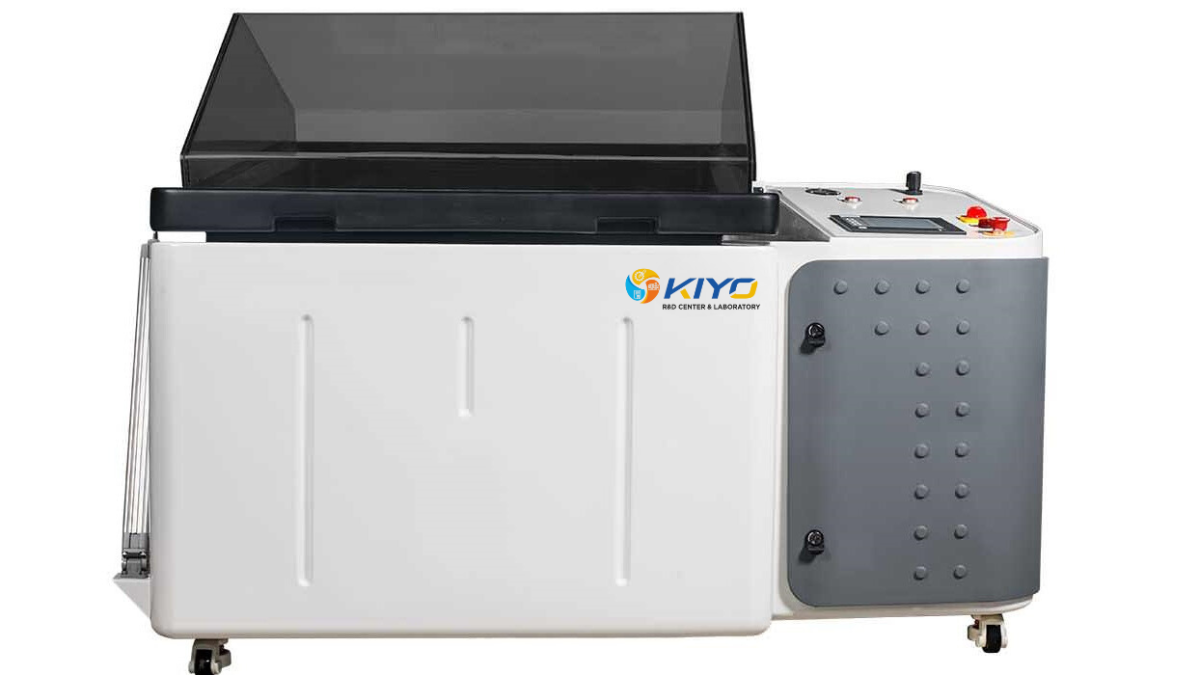
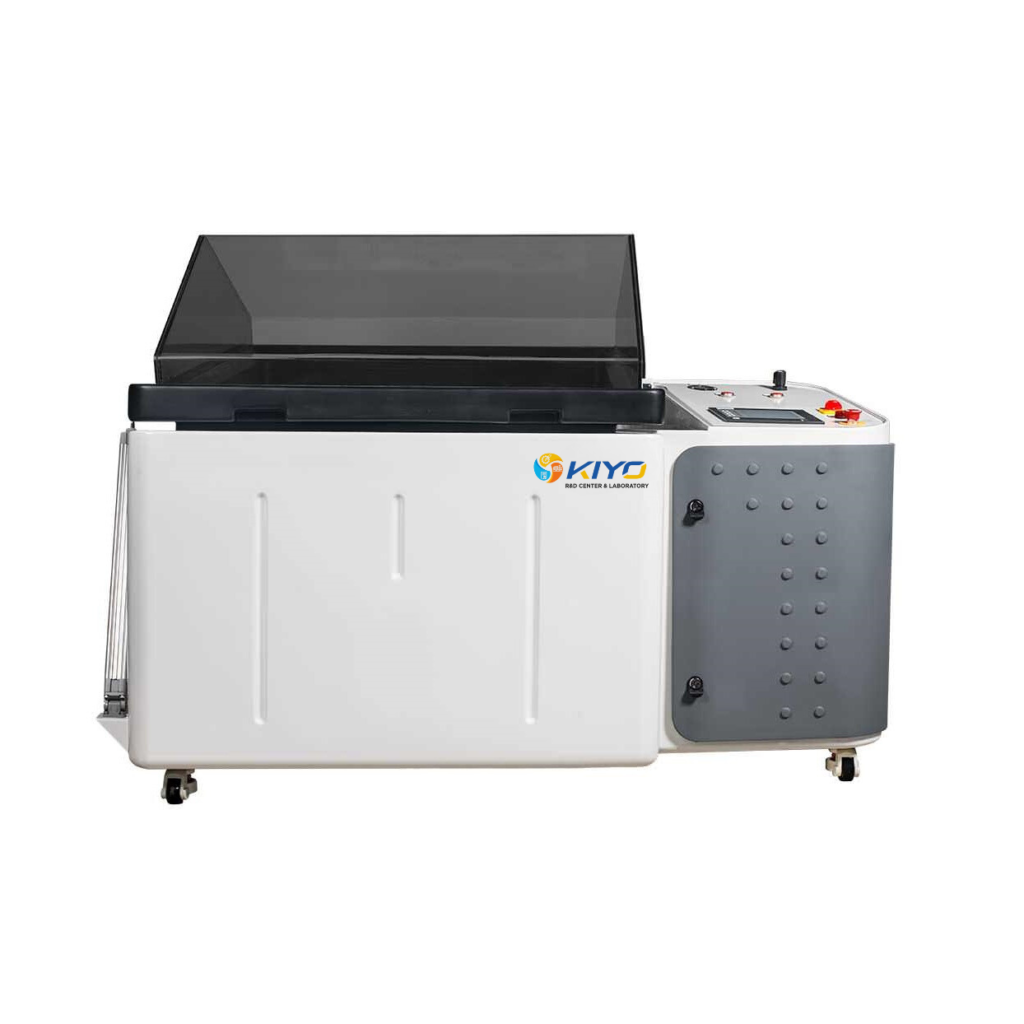
Salt Spray Resistance Testing, often referred to as salt fog testing, is a type of accelerated corrosion test. It is designed to evaluate the resistance of materials to corrosive environments, particularly those that involve exposure to saline or salt-laden air. The test involves placing a material sample in a chamber where it is subjected to a continuous saline mist, typically consisting of a sodium chloride solution. Over a specified period, this exposure simulates years of wear and tear in real-world conditions, allowing manufacturers to predict the material’s durability and resistance to corrosion.
Key Elements of MS 655-08 Standard
The MS 655-08 standard provides a detailed framework for conducting Salt Spray Resistance Tests. It ensures that the testing process is consistent, reproducible, and provides accurate results that can be relied upon across different applications. Key elements of this standard include:
Test Chamber Conditions: The MS 655-08 specifies precise conditions within the test chamber, such as temperature, humidity, and saline concentration. Maintaining these parameters is critical to replicating the corrosive environments that materials might encounter in the field.
Sample Preparation and Placement: Proper preparation of the test samples is crucial. The standard outlines guidelines on how materials should be prepared, including surface cleaning and placement within the chamber to ensure uniform exposure.
Test Duration and Evaluation: The duration of the exposure is another critical factor. Depending on the material type and its intended application, the standard provides guidance on the appropriate length of time the samples should remain in the chamber. Post-exposure, the samples are evaluated for signs of corrosion, such as rust, blistering, or pitting. The MS 655-08 standard sets the criteria for determining whether a material passes or fails based on the extent of observed corrosion.
Why Salt Spray Testing is Essential
Corrosion is one of the most pervasive challenges facing industries that rely on metal components and structures. It can lead to material failure, safety hazards, and significant economic losses. Salt Spray Resistance Testing is a proactive measure to combat these risks. Here’s why this test is indispensable:
Predictive Maintenance and Product Longevity: By simulating harsh environmental conditions, Salt Spray Testing provides valuable insights into how materials will behave over time. This enables manufacturers to make informed decisions about material selection, coating processes, and product design to enhance longevity.
Quality Assurance and Compliance: Adhering to standards like MS 655-08 ensures that products meet the required quality benchmarks. For industries such as automotive, construction, and marine, where corrosion can have severe implications, compliance with this standard is critical for maintaining product integrity and safety.
Cost Savings: Identifying potential corrosion issues during the testing phase allows manufacturers to address them early in the development process. This can prevent costly recalls, repairs, and warranty claims, ultimately saving the company money and preserving its reputation.
Industries Benefiting from Salt Spray Testing
Salt Spray Resistance Testing as per MS 655-08 is particularly relevant for industries that demand high durability in their products. These include:
Automotive Industry: For automotive manufacturers, ensuring that vehicles can withstand harsh weather conditions and road salt is crucial. Components like body panels, chassis, and fasteners are often tested for their corrosion resistance.
Construction Industry: Building materials, especially those used in coastal or industrial environments, must resist corrosion to maintain structural integrity. This testing ensures that materials such as steel rebar, metal cladding, and fixtures can endure exposure to the elements.
Marine Industry: The marine environment is one of the most corrosive due to high salinity and humidity. Salt Spray Testing is vital for evaluating the corrosion resistance of ship components, offshore structures, and marine equipment.
Conclusion
The Salt Spray Resistance Test, as governed by the MS 655-08 standard, is a critical tool in the arsenal of manufacturers and engineers striving to ensure the durability and reliability of their products. By adhering to this standard, industries can mitigate the risks associated with corrosion, enhance product performance, and ensure compliance with regional and international quality standards.At Kiyo R&D Center & Laboratory, we specialize in conducting Salt Spray Resistance Tests in accordance with MS 655-08, providing you with the insights you need to make informed decisions about your materials and products. Contact us today to learn more about how we can support your testing needs and help you achieve excellence in corrosion resistance.
FAQ
1. How are the results of a Salt Spray Test evaluated?
After testing, the samples are inspected for visible signs of corrosion, such as rust, blistering, or pitting. The extent of these defects is measured against the criteria outlined in the MS 655-08 standard to determine if the material meets the required performance levels.
2. What are the benefits of conducting Salt Spray Resistance Testing?
This testing helps manufacturers improve product durability, ensure compliance with quality standards, prevent costly material failures, and enhance the overall reliability of their products in corrosive environments.
3. Can Salt Spray Testing predict real-world corrosion behavior?
While Salt Spray Testing provides valuable insights into a material's potential corrosion resistance, it is an accelerated test and may not fully replicate all real-world conditions. However, it remains a widely accepted method for comparing the corrosion resistance of different materials.
4. How do I know if my product needs Salt Spray Testing?
If your product will be exposed to corrosive environments, such as marine settings, coastal regions, or areas with high humidity and industrial pollutants, Salt Spray Testing is highly recommended to assess and ensure its durability.
Ensuring Material Durability: Water Resistance Testing as per MS 655:08
Introduction
In industries ranging from construction to electronics, the durability of materials in the presence of water is a key concern. Water resistance testing is a crucial process that helps determine whether a material can maintain its integrity and performance when exposed to water or high humidity. The Malaysian Standard MS 655:08 provides a rigorous framework for conducting these tests, ensuring consistency, reliability, and safety in material performance.
What Does MS 655:08 Cover?
MS 655:08 is a well-established standard that specifies the methods for testing the water resistance of various materials. It is widely recognized across multiple sectors where water exposure is a significant concern. Whether for materials used in buildings, vehicles, or consumer electronics, adhering to MS 655:08 helps ensure that products meet necessary durability standards.
The standard outlines precise procedures for evaluating how materials react to different forms of water exposure, such as direct immersion, spraying, or high humidity environments. It also specifies the criteria for acceptable performance, ensuring that materials that pass these tests can be reliably used in water-prone conditions.
The Importance of Water Resistance Testing
Water resistance testing is vital for several reasons:
Product Longevity: Materials that fail to resist water effectively can degrade over time, leading to reduced product lifespan. Water resistance testing helps manufacturers ensure their materials can endure long-term exposure without deteriorating.
Safety Compliance: For many products, especially those involving electronics or construction materials, inadequate water resistance can lead to safety hazards. Testing to the MS 655:08 standard helps mitigate risks such as electrical short circuits, mold growth, or structural failure.
Regulatory Adherence: Compliance with MS 655:08 is often a regulatory requirement. Manufacturers who adhere to this standard avoid potential legal issues and ensure that their products are approved for use in markets with strict quality and safety regulations.
Consumer Trust: Products that consistently perform well, even in challenging environments, help build consumer confidence. Water resistance testing assures customers that the products they purchase will withstand water exposure without compromising performance.
The MS 655:08 Testing Process
The water resistance testing process as per MS 655:08 involves several key steps:
Sample Selection and Preparation: Test samples are selected according to the specifications of the material in question. The standard ensures that these samples are representative of the material’s typical use conditions.
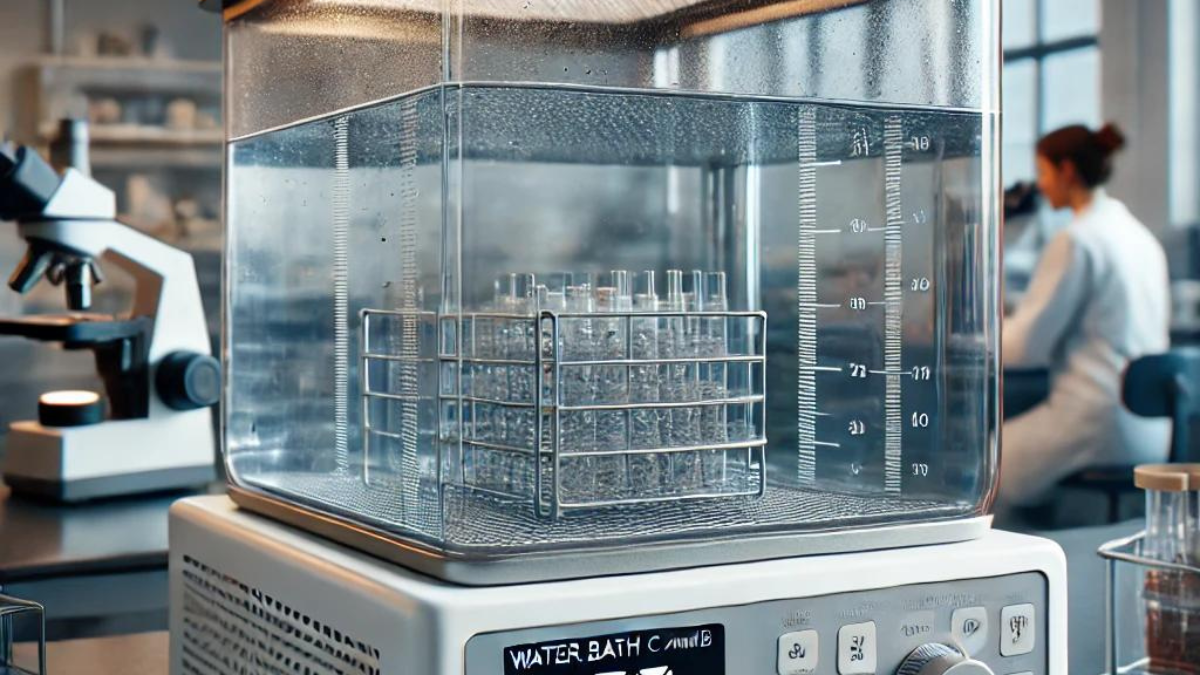
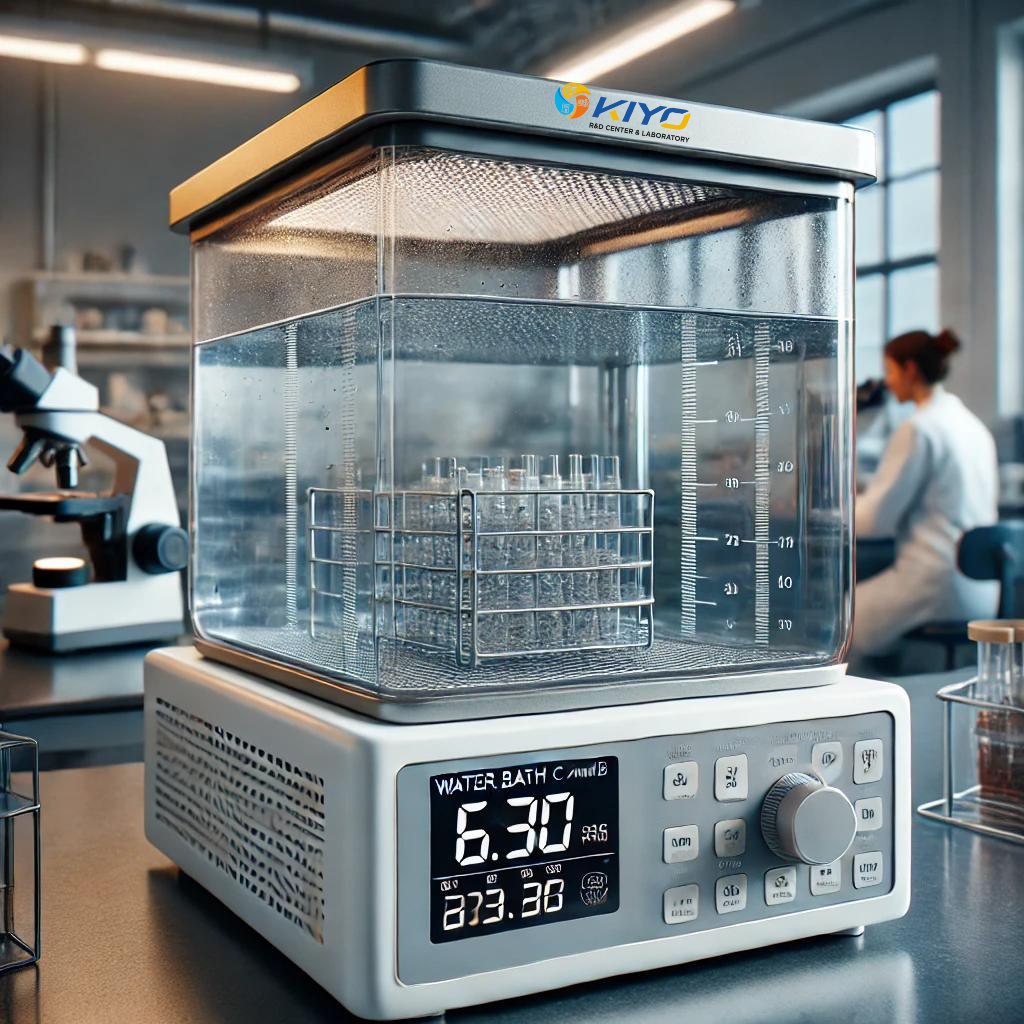
Controlled Water Exposure: Samples are subjected to water exposure under controlled conditions. This may involve immersion in water, exposure to water spray, or placement in a high-humidity chamber, depending on the intended use of the material.
Assessment of Effects: After exposure, the samples are closely examined for signs of water-induced damage, such as warping, cracking, swelling, or loss of mechanical strength. MS 655:08 provides detailed guidelines on how these effects should be measured and interpreted.
Reporting: The final step involves compiling a comprehensive report detailing the test conditions, the observed effects on the material, and whether the material meets the water resistance criteria outlined in the standard. This report is crucial for determining the material’s suitability for its intended application.
Why Choose MS 655:08 for Water Resistance Testing?
Choosing to test materials according to the MS 655:08 standard offers several advantages:
Standardization: By following a recognized standard, manufacturers can ensure consistency across different batches of materials and across various products.
Reliability: The detailed procedures outlined in MS 655:08 ensure that the results of water resistance tests are accurate and reliable, providing confidence in the material’s performance.
Market Access: Adherence to MS 655:08 can be a key factor in gaining access to markets where compliance with international standards is mandatory.
Conclusion
Water resistance testing as per MS 655:08 is essential for ensuring that materials can withstand exposure to water without compromising their performance. This testing is not only about meeting regulatory requirements but also about guaranteeing the durability, safety, and reliability of products in real-world conditions. At Kiyo R&D Center & Laboratory, we offer comprehensive water resistance testing services that adhere to the MS 655:08 standard. Our expert team is dedicated to providing accurate, reliable results that help you bring high-quality, durable products to market. Contact us today to learn more about how we can assist with your water resistance testing needs.
FAQ
1. What are the key steps in the water resistance testing process?
The process involves preparing test samples, exposing them to controlled water conditions, evaluating the material’s response to water exposure, and reporting the results to determine if the material meets the standards set by MS 655:08.
2. How long does water resistance testing take?
The duration of testing varies depending on the material type and the specific conditions outlined in MS 655:08. Testing may take several hours to several days.
3. What happens if a material fails the water resistance test?
If a material fails the test, it may need to be reformulated, or alternative materials might be considered. The test report will provide insights into the weaknesses that led to the failure, guiding improvements.
4. Is water resistance testing under MS 655:08 mandatory?
In many industries, compliance with MS 655:08 is mandatory to meet regulatory standards and ensure product reliability and safety. Non-compliance can lead to legal issues and market access restrictions.
Humidity Resistance Test As Per Standard MS 655-08
Ensuring Material Durability with Humidity Resistance Testing: A Deep Dive into MS 655-08 Standard
Introduction
In the realm of material testing, humidity resistance is a critical factor, especially for materials intended for use in environments with high moisture levels. At Kiyo R&D Center & Laboratory, we understand the importance of this testing and adhere strictly to the MS 655-08 standard. This blog will explore the specifics of the humidity resistance test as per the MS 655-08 standard and why it is essential for ensuring material durability.
The Significance of Humidity Resistance Testing
Humidity resistance testing evaluates how materials withstand prolonged exposure to high humidity levels. This testing is particularly vital for materials used in automotive, electronics, construction, and other industries where moisture exposure can significantly impact performance and longevity.
Overview of the MS 655-08 Standard
The MS 655-08 standard provides a detailed methodology for conducting humidity resistance tests. This standard is essential for maintaining consistency and reliability in test results, enabling manufacturers and researchers to trust the data obtained from these tests.
Key components of the MS 655-08 standard include:
Test Conditions: Specifies the temperature and humidity levels to be maintained during the test. The test conditions outlined in Table 13 of the standard are:
Type A, B: 50°C ± 2°C and 95% RH ± 2% for 168 hours
Type C, D: 50°C ± 2°C and 95% RH ± 2% for 240 hours
Sample Conditioning: Before testing, specimens are conditioned according to specific guidelines to ensure consistency. After conditioning, moisture is removed using an air blower, and the samples are left at room temperature for one hour.
Appearance and Adhesion Evaluation: Post-exposure, the appearance of the specimens is checked visually, and adhesion properties are evaluated according to Clause 4.7 of the standard.
The Testing Procedure
Sample Preparation: Samples are meticulously prepared to meet the specifications outlined in the standard. This involves precise cutting, cleaning, and conditioning to ensure that all samples are uniform and uncontaminated.
Exposure to Test Conditions: Prepared samples are placed in a humidity chamber set to the conditions specified in Table 13 of the MS 655-08 standard. The chamber maintains the required temperature and humidity levels throughout the test duration.
Post-Exposure Examination: After the exposure period, samples are removed and allowed to rest at room temperature. Visual inspections are conducted to identify any changes in appearance, followed by adhesion property evaluations.
Detailed Analysis: Additional tests may be conducted to measure specific mechanical properties and identify any significant changes resulting from humidity exposure. This comprehensive analysis helps in understanding the material’s performance under high humidity conditions.
Importance of Adhering to MS 655-08
Following the MS 655-08 standard ensures that humidity resistance tests are performed consistently and accurately. This consistency is crucial for:
Reliable Data: Providing trustworthy data that can be used for material selection and quality control.
Comparative Analysis: Enabling comparison between different materials and products.
Compliance and Certification: Ensuring materials meet industry standards and regulatory requirements.
Why Kiyo R&D Center & Laboratory?
At Kiyo R&D Center & Laboratory, we pride ourselves on our meticulous approach to material testing. Our adherence to the MS 655-08 standard and use of advanced testing facilities ensure that our clients receive precise and reliable data. Our experienced technicians and comprehensive testing protocols make us a trusted partner in material durability testing.
FAQ
How are samples prepared for humidity resistance testing?
Samples are prepared according to the guidelines in the MS 655-08 standard. This includes cutting the material to size, conditioning it, and ensuring it is free from contaminants. After conditioning, moisture is removed using an air blower, and the samples are left at room temperature for one hour.
What evaluations are performed after the humidity resistance test?
After the exposure period, samples are inspected visually for any changes in appearance. Adhesion properties are also evaluated according to Clause 4.7 of the MS 655-08 standard.
How does Kiyo R&D Center & Laboratory ensure the accuracy of humidity resistance testing?
At Kiyo R&D Center & Laboratory, we follow the MS 655-08 standard meticulously. Our state-of-the-art facilities and experienced technicians ensure that tests are conducted with precision, providing reliable and accurate data.
Can Kiyo R&D Center & Laboratory assist with material selection based on humidity resistance testing results?
Yes, we provide detailed reports and analysis of the test results, helping clients make informed decisions about material selection for specific applications that require humidity resistance.
Ensuring Material Durability with Impact Resistance Testing: A Deep Dive into MS 655-08
Introduction
In today's demanding industrial landscape, materials are often subjected to sudden impacts and shocks. Understanding how these materials respond is crucial to ensure their reliability and safety. This is where Impact Resistance Testing, particularly as per Standard MS 655-08, plays a vital role. At Kiyo R&D Center & Laboratory, we excel in performing these critical tests, ensuring that materials meet the highest standards of durability and performance.
The Essence of Impact Resistance Testing
Impact Resistance Testing evaluates a material’s ability to withstand sudden forces or shocks without failing. This is crucial for materials used in environments where unexpected impacts are common, such as in construction, automotive, and aerospace sectors.
Why is Impact Resistance Testing Important?
Safety Assurance: Testing helps identify materials that can prevent catastrophic failures in critical applications, thus safeguarding human lives and infrastructure.
Quality Control: Ensures materials meet specific standards and perform reliably under stress.
Regulatory Compliance: Adherence to standards like MS 655-08 ensures materials are tested uniformly, meeting industry regulations and customer expectations.
An Overview of Standard MS 655-08
Standard MS 655-08 provides comprehensive guidelines for conducting Impact Resistance Tests. It specifies the procedures, equipment, and conditions necessary to achieve reliable and consistent results. This standard is essential for maintaining uniform testing protocols across different industries.
The Testing Procedure
Sample Preparation: Samples are precisely prepared to meet the specifications outlined in MS 655-08, ensuring uniformity in testing.
Equipment Setup: The test is performed using a pendulum impact tester. This apparatus swings a pendulum to strike the sample, measuring the energy absorbed.
Conducting the Test:
Mounting: The sample is securely positioned in the testing machine.
Impact: The pendulum is released to hit the sample with a specified force.
Measurement: The energy absorbed by the sample is recorded, indicating its impact resistance.
Key Aspects of Impact Resistance Testing
Energy Absorption: The primary measure of a material’s ability to absorb impact energy before fracturing.
Fracture Analysis: Observing the type and pattern of fractures provides insights into the material’s toughness and behavior under stress.
Temperature Considerations: Testing materials at different temperatures helps assess their performance in various environmental conditions.
Applications Across Industries
Automotive Industry: Ensuring vehicle components like bumpers and panels can absorb impacts during collisions.
Construction Materials: Verifying the robustness of building materials such as glass, polymers, and composites.
Consumer Products: Testing items like helmets, protective gear, and electronics to ensure they can withstand accidental drops and impacts.
Conclusion
Impact Resistance Testing as per Standard MS 655-08 is indispensable for evaluating the durability and safety of materials. By adhering to this standard, industries can ensure that their materials perform reliably under real-world conditions. At Kiyo R&D Center & Laboratory, we are dedicated to providing precise and reliable impact resistance testing, helping our clients achieve their safety and performance goals.
FAQ
Q1: What materials can be tested for impact resistance?
A1: A variety of materials can be tested, including metals, plastics, glass, polymers, and composites, especially those used in automotive, construction, and consumer products.
Q2: What are the key parameters measured in Impact Resistance Testing?
A2: Key parameters include the energy absorbed by the material, the behavior of the fracture, and the material's performance at different temperatures.
Q3: Can you test materials at different temperatures?
A3: Yes, testing materials at various temperatures helps assess how they perform under different environmental conditions.
Q4: Why should I choose Kiyo R&D Center & Laboratory for Impact Resistance Testing?
A4: Kiyo R&D Center & Laboratory offers precise and reliable testing services with state-of-the-art equipment and experienced professionals, ensuring materials meet the highest safety and performance standards.
Comprehensive Guide to Adhesion Testing per MS 655-08
Introduction
Adhesion testing is a vital process used to determine the strength of the bond between a coating and its substrate. This is particularly crucial in industries such as automotive, aerospace, and construction, where the integrity of coatings directly impacts the performance and durability of products. The MS 655-08 standard outlines a rigorous procedure for adhesion testing, ensuring consistent and reliable results. In this blog, we will explore the detailed methodology of adhesion testing as per MS 655-08, the equipment used, and the interpretation of test results.
Importance of Adhesion Testing
Adhesion testing helps to evaluate the performance of a coating under various conditions. Poor adhesion can lead to coating failure, resulting in exposure of the substrate to environmental elements, which can cause corrosion and other forms of degradation. By following the MS 655-08 standard, industries can ensure that their coatings adhere properly and provide long-term protection.
Equipment Required
The primary tool used in adhesion testing as per MS 655-08 is the BGD 503 Cross Cutting Rule. This instrument is designed for precision and accuracy, ensuring that the cuts made on the coating are consistent and meet the specified standards. Here are the main technical parameters of the BGD 503:
Ensure the specimen is placed on a stable, horizontal surface.
Position the cutter guide on the specimen surface.
Making the Cuts:
Use the cutter knife to create a cross-cut pattern (10×10) on the coating. Each cut should have a spacing of 2mm. The cutter knife must be held at an angle of approximately 30 degrees to ensure the cuts penetrate the coating and reach the substrate.
Applying Adhesive Tape:
Within 5 minutes of making the cuts, apply cellophane tape to the cross-cut area. The tape should conform to JIS Z 1522 standards and be 24mm wide.
Peeling the Tape:
Quickly pull the tape at a 90-degree angle within 0.5 seconds after application. This action will remove any loose coating from the substrate.
Evaluating the Results:
Inspect the cross-cut area for signs of flaking or delamination. The extent of the coating removal is then classified according to the MS 655-08 standard.
Classification of Results
The MS 655-08 standard provides a detailed classification system to interpret the results of the adhesion test. This classification ranges from M-1.0 to M-6.0, correlating with the ISO 2409 standards (CLASS 0 to CLASS 5). Here’s a breakdown of the classifications:
M-1.0 (ISO 2409 CLASS 0):
No flaking at the edges of cuts.
No exfoliation at intersections.
Less than 50% delamination per cross-cut area.
M-2.0 (ISO 2409 CLASS 1):
Small flakes at the edges of cuts.
No exfoliation at intersections.
Less than 50% delamination.
Maximum 5% exfoliation at edges.
M-3.0 (ISO 2409 CLASS 2):
Flakes at the edges of cuts.
Exfoliation at intersections.
Less than 50% delamination.
Total delamination greater than 5%, but not exceeding 15%.
M-4.0 (ISO 2409 CLASS 3):
Considerable exfoliation at intersections.
Delamination area about 5%.
Total delamination greater than 15%, but not exceeding 35%.
M-5.0 (ISO 2409 CLASS 4):
Significant exfoliation at edges.
Delamination area about 20%.
Total delamination greater than 35%, but not exceeding 65%.
M-6.0 (ISO 2409 CLASS 5):
Complete delamination over the cross-cut area.
Conclusion
Adhesion testing as per MS 655-08 is a critical procedure for ensuring the durability and performance of coatings. By following this standardized method, industries can reliably assess the quality of their coatings and make necessary improvements. This not only enhances product longevity but also ensures safety and customer satisfaction. Whether in automotive, aerospace, or construction, adherence to the MS 655-08 standard helps maintain the highest quality standards for coated materials.
FAQ
1. How is the adhesion testing procedure performed?
The procedure involves placing the specimen on a horizontal surface, making cross-cuts with the cutter knife, applying cellophane tape, peeling the tape, and evaluating the results.
2. How are the test results classified?
The results are classified into grades M-1.0 to M-6.0, corresponding to ISO 2409 standards (CLASS 0 to CLASS 5), based on the extent of flaking and delamination.
3. What does a classification of M-1.0 mean?
M-1.0 (ISO 2409 CLASS 0) indicates no flaking at the edges of cuts, no exfoliation at intersections, and less than 50% delamination per cross-cut area.
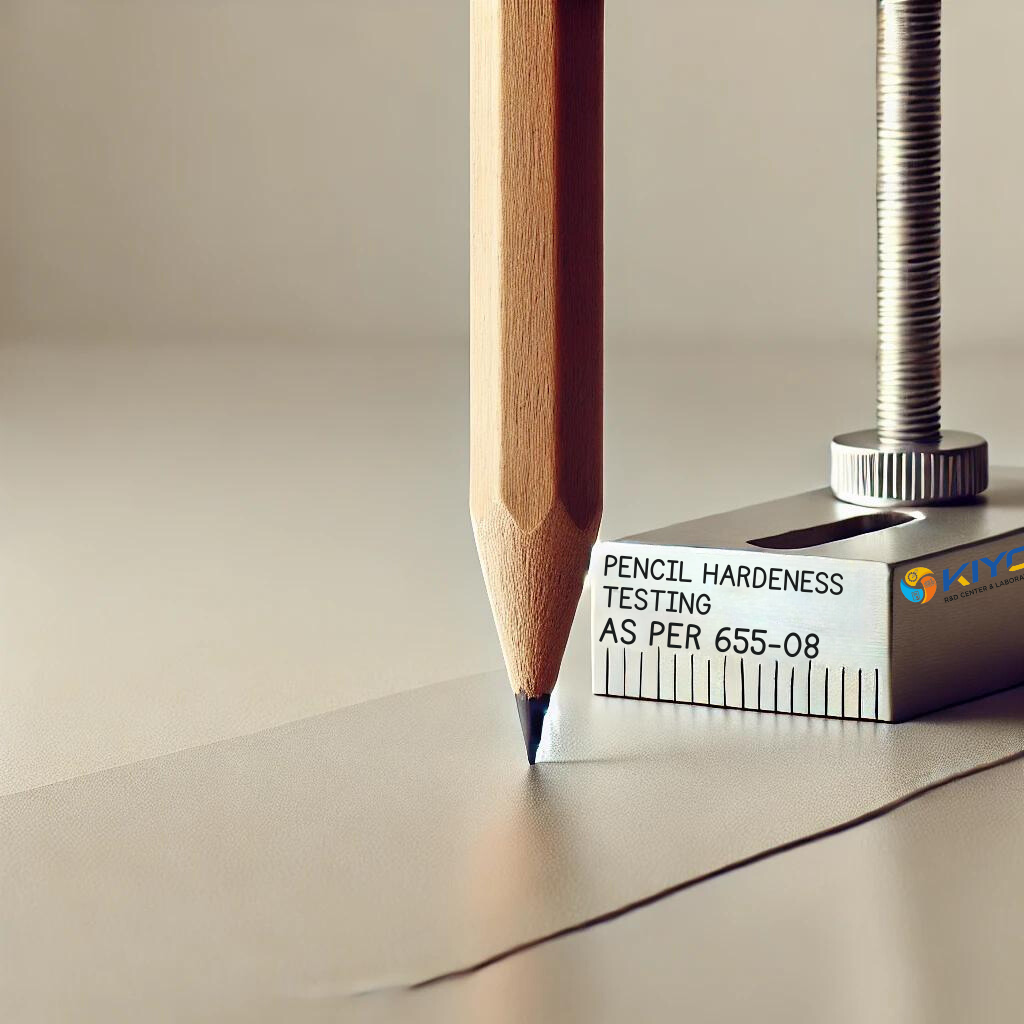
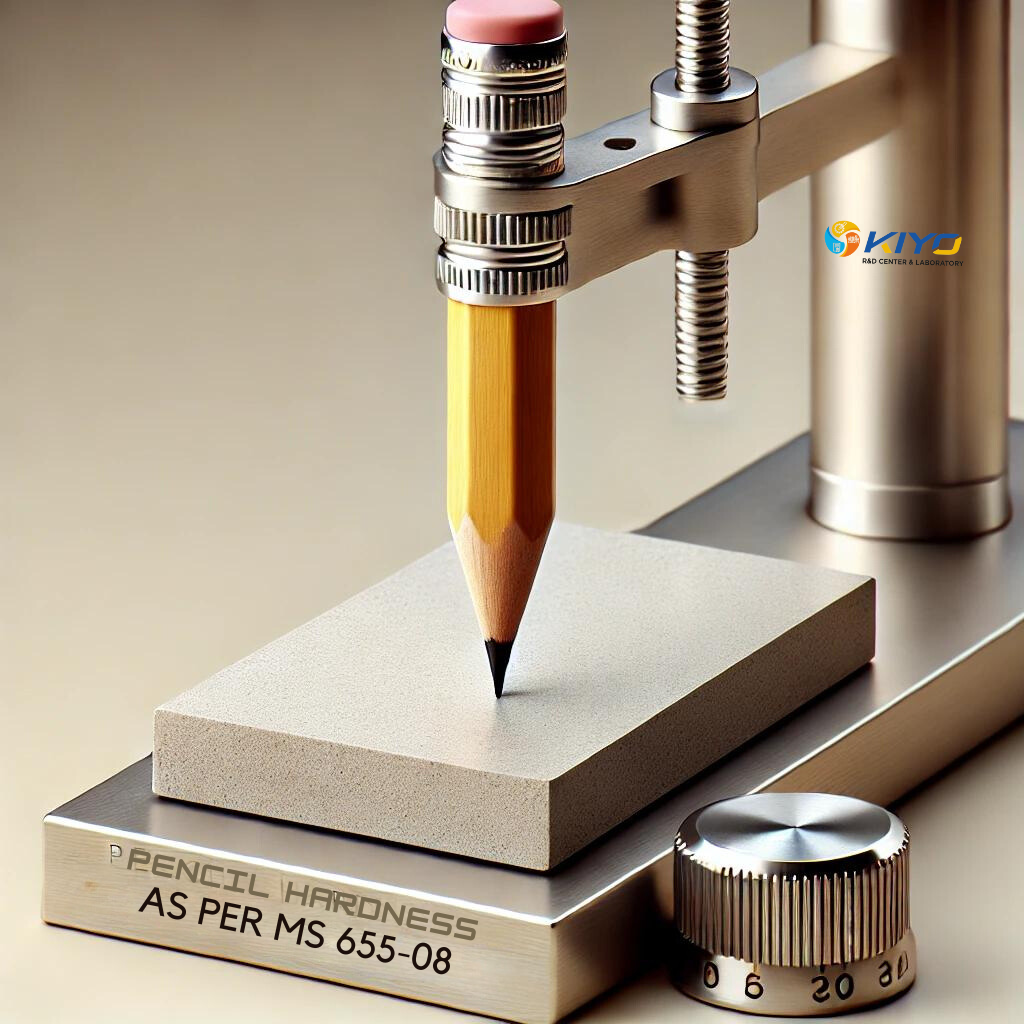
Pencil hardness testing is a vital technique used to evaluate the hardness of a coating on a material's surface. This method, known as the Wolff-Wilborn test, utilizes graphite pencils with different hardness levels to determine the coating's resistance to scratching. Adhering to standards such as ASTM D3363, ISO 15184, and MS 655-08, this test is crucial for ensuring the quality and durability of coatings.
Test Methodology: The pencil hardness test is straightforward yet effective, involving several key steps:
Surface Preparation:
Ensure the test surface is clean, smooth, and dry.
Use a set of pencils with hardness ranging from 6B (softest) to 6H (hardest).
Instrument Setup:
An adjustable pencil hardness tester is used to facilitate the test.
The tester allows the application of three different weights: 500g, 750g, and 1000g.
Conducting the Test:
Position the pencil at a 45-degree angle to the surface.
Apply a consistent force to move the pencil across the coating.
Repeat the test with pencils of increasing hardness until a pencil leaves a mark on the coating.
Result Evaluation:
Identify the hardest pencil that does not scratch the surface.
Record the hardness value as the coating’s hardness rating.
Technical Specifications:
Angle: The pencil is held at a precise 45-degree angle to the test surface.
Pressure: The test is performed with pressures of 500g, 750g, and 1000g, adjusted by selecting appropriate loading weights.
Hardness Range: Pencils used in the test range from 6B to 6H, covering a wide spectrum of hardness levels.
Compliance with Standards: The pencil hardness test is conducted in accordance with several international standards to ensure accuracy and consistency. These standards include:
ASTM D3363
EN 13523-4
ISO 15184
MS 655-08
Importance of Pencil Hardness Testing: Pencil hardness testing provides a quick and reliable method for assessing the hardness of coatings. This information is crucial for industries that require high-quality and durable coatings, such as automotive, aerospace, and consumer electronics. By ensuring that coatings meet specific hardness criteria, manufacturers can enhance the performance and longevity of their products.
Conclusion:
The pencil hardness test is a valuable tool in the quality control process for coatings. By following standardized procedures, this test provides accurate and reliable measurements of coating hardness, ensuring that products meet the required durability standards. This method is essential for maintaining high-quality coatings that can withstand wear and tear, ultimately contributing to the longevity and performance of coated materials.
FAQ
1. What range of pencil hardness is used in the test?
Pencils ranging from 6B (softest) to 6H (hardest) are used in the test to cover a comprehensive spectrum of hardness levels.
2. Why is the pencil held at a 45-degree angle during the test?
Holding the pencil at a 45-degree angle ensures consistent contact with the surface, providing accurate and repeatable results.
3. What are the key parameters of pencil hardness testing?
Key parameters include the 45-degree angle of the pencil to the test surface, applied pressures of 500g, 750g, and 1000g, and the range of pencil hardness from 6B to 6H.
4. What industries benefit from pencil hardness testing?
Industries such as automotive, aerospace, coatings, paints, and consumer electronics benefit from pencil hardness testing to ensure their products have durable and high-quality coatings.
The Significance of Gloss in Material Testing: A Deep Dive into Standard MS 300-55
Introduction
Gloss is a pivotal characteristic in the world of materials testing, influencing both the aesthetic and functional attributes of products. Standard MS 300-55 sets the benchmark for gloss measurement, ensuring precision and consistency across various materials. This blog explores the importance of gloss, the methodology outlined in the standard, and its application in different industries.
Understanding Gloss
Gloss refers to the ability of a surface to reflect light in a mirror-like manner. This property is essential in determining the visual appeal of products, making it a critical parameter in industries such as automotive, consumer electronics, and home appliances. The level of gloss can range from high (shiny) to low (matte), each serving different purposes and preferences.
Key Elements of Standard MS 300-55
Scope and Relevance: Standard MS 300-55 is applicable to a wide array of materials, including but not limited to plastics, metals, and coatings. It provides a universal approach to gloss measurement, ensuring consistency in quality control processes.
Measurement Techniques: The standard employs a glossmeter, an instrument designed to measure the reflection of light from a surface. The glossmeter operates at specific angles—20°, 60°, and 85°—to accommodate different levels of gloss:
20°: Suitable for high-gloss surfaces.
60°: The general-purpose angle, used for a broad range of gloss levels.
85°: Best for low-gloss surfaces.
Sample Preparation: Proper sample preparation is critical. Surfaces must be clean, free of scratches, and dry to ensure accurate readings. The standard outlines meticulous procedures for preparing samples to eliminate any variables that could affect the measurement.
Calibration and Maintenance: Regular calibration of glossmeters using standard reference materials is mandated by MS 300-55. This ensures the accuracy and reliability of measurements, with specific guidelines provided for calibration procedures.
Measurement Protocol: Detailed instructions are provided for conducting measurements. This includes the positioning of the glossmeter, the number of readings required, and the method for calculating the average gloss value. The standard advocates for multiple readings to account for surface inconsistencies.
Reporting Standards: Transparency in reporting is emphasized. Results should include the measurement angle, average gloss value, and any deviations or anomalies. This detailed reporting aids in quality control and product comparison.
Applications in Industry
Automotive: In the automotive sector, gloss is crucial for the exterior and interior finishes of vehicles. High gloss levels are often associated with premium quality, enhancing the vehicle’s aesthetic appeal.
Consumer Electronics: Gloss impacts the visual and tactile experience of electronic devices. High gloss surfaces are common in smartphones and tablets, where appearance plays a significant role in consumer preference.
Home Appliances: From refrigerators to washing machines, the gloss of the surface can influence the perceived cleanliness and modernity of the product.
Benefits of Adhering to MS 300-55
By following Standard MS 300-55, manufacturers can achieve several benefits:
Consistency: Uniform gloss measurements across batches ensure product consistency.
Quality Assurance: Accurate gloss measurement aids in maintaining high quality, meeting industry standards, and customer expectations.
Reproducibility: The standard ensures that gloss measurements are reproducible, providing reliable data for quality control.
Conclusion
Gloss is a fundamental property that affects the marketability and functionality of products. Standard MS 300-55 offers a robust framework for gloss measurement, ensuring precision and uniformity. By adhering to this standard, industries can enhance product quality, meet stringent market demands, and maintain a competitive edge.
FAQ
1. How often should glossmeters be calibrated?
Glossmeters should be calibrated regularly using standard reference materials with known gloss values. The frequency of calibration depends on the usage and manufacturer recommendations.
2. What information should be included in gloss measurement reports?
Reports should include the measurement angle, average gloss value, any deviations observed, and details about the sample preparation and measurement conditions.
3. In which industries is gloss measurement particularly crucial?
Gloss measurement is vital in the automotive, plastics, and consumer goods industries. It ensures the quality and visual appeal of products such as vehicle finishes, plastic components, and electronic devices.