Login With Mobile OTP


Fatigue Resistance Test As Per Standard ASTM E466-15

Fatigue Resistance Test As Per Standard ASTM E466-15

Fatigue Resistance Test As Per Standard ASTM E466-15

Exploring Fatigue Resistance Testing According to ASTM E466-15


Introduction: The Importance of Fatigue Testing

Fatigue Resistance Test As Per Standard ASTM E466-15

What is ASTM E466-15?

ASTM E466-15 is a standard practice developed by ASTM International, outlining the procedure for force-controlled constant amplitude axial fatigue tests. This standard is specifically tailored for metallic materials and focuses on determining the fatigue life of a material under repeated axial loading. By following ASTM E466-15, engineers can obtain consistent and accurate fatigue life data, crucial for assessing the performance and safety of materials used in various applications.

Key Components of ASTM E466-15:

  • Specimen Preparation:

The specimen used in fatigue testing must be carefully prepared to minimize variables that could affect the results. ASTM E466-15 specifies the use of cylindrical or flat specimens with a uniform cross-sectional area in the test region.

Surface finish is critical; specimens should have a smooth, polished surface free from scratches, notches, or other imperfections that could act as stress concentrators and lead to premature failure.

Precise measurement of specimen dimensions, including diameter and gauge length, is essential for accurate stress calculations.

  • Testing Equipment:

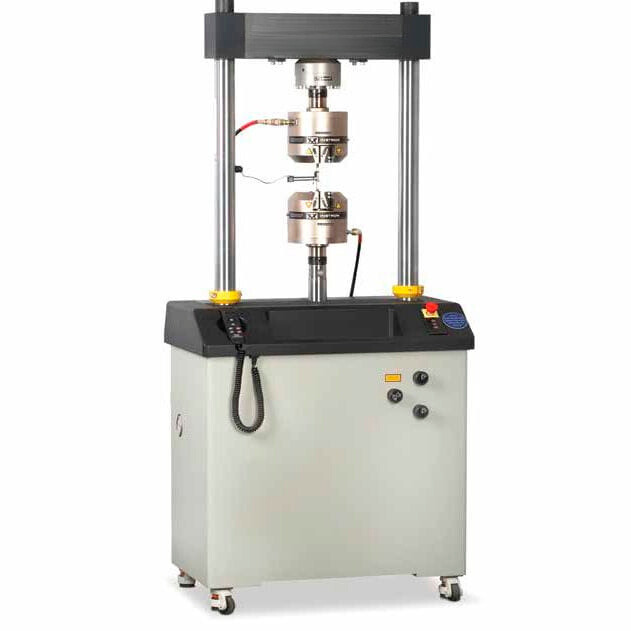
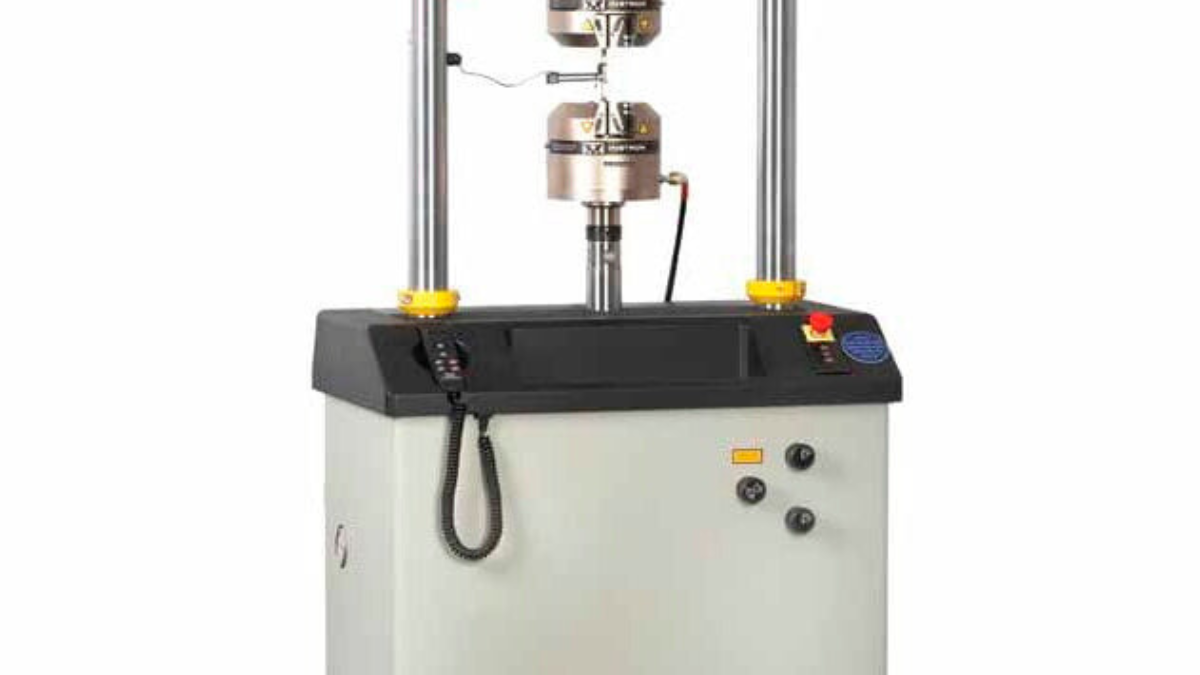
A servo-hydraulic fatigue testing machine is typically used to apply cyclic loads to the specimen. This machine must be capable of accurately controlling and measuring the applied forces and displacements.

The machine should apply uniaxial loading, ensuring the load is aligned along the specimen’s longitudinal axis.

Equipment should be capable of varying the frequency and amplitude of the cyclic loads, accommodating different testing conditions as specified by ASTM E466-15.

  • Loading Parameters:

The test involves applying a constant amplitude cyclic load, meaning the maximum and minimum load values remain constant throughout the test.

The stress ratio (R), which is the ratio of minimum to maximum stress, is often set to zero (R = 0), indicating the load alternates between zero and a maximum tensile load.

Test frequency should be chosen carefully to avoid resonance and other dynamic effects that could influence the results.

  • Conducting the Test:

The specimen is mounted in the testing machine with its axis aligned with the loading direction to avoid bending stresses.

A cyclic load is applied at a controlled frequency, and the specimen is subjected to repeated loading until failure occurs.

The number of cycles to failure is recorded, providing a measure of the material’s fatigue life under the specified loading conditions.

  • Data Collection and Analysis:

During the test, data such as the number of cycles to failure, maximum and minimum load values, and load-displacement curves are recorded.

These data points are used to plot an S-N curve, which illustrates the relationship between the applied stress and the number of cycles to failure. This curve helps identify the material’s fatigue limit, the stress level below which the material can theoretically endure an infinite number of cycles without failing.

Engineers use this information to predict the service life of components and to design against fatigue failure.

  • Applications and Implications:

Fatigue testing is crucial for components subjected to cyclic stresses, such as those in aircraft, vehicles, bridges, and other critical structures. Understanding the fatigue behavior of materials ensures that these components will perform safely and reliably over their intended lifespan.

Fatigue data obtained according to ASTM E466-15 helps engineers make informed decisions about material selection, design modifications, and manufacturing processes, ultimately leading to safer and more efficient products.
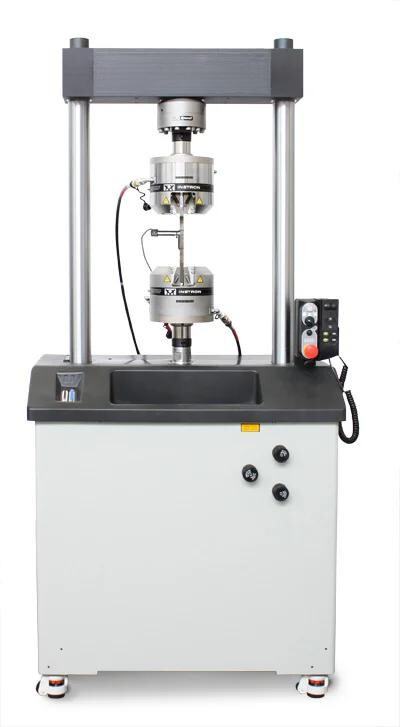
Fatigue Resistance Test As Per Standard ASTM E466-15

Conclusion:


FAQ

1. What are the key loading parameters in ASTM E466-15 fatigue testing?

The test involves constant amplitude cyclic loading, where the stress oscillates between a maximum and minimum value. The stress ratio (R) is often set to zero, indicating fully reversed loading conditions with no compressive loads. The test frequency is chosen to avoid resonance and other dynamic effects.

2. How is the fatigue life of a material determined?

The fatigue life is determined by subjecting the specimen to cyclic loading until failure occurs. The number of cycles to failure is recorded, which provides a measure of the material's fatigue resistance. This data is used to plot an S-N curve (stress vs. the number of cycles), which helps identify the material's fatigue limit.

3. What is an S-N curve, and why is it important?

An S-N curve, or stress vs. the number of cycles curve, shows the relationship between the cyclic stress applied to a material and the number of cycles it can withstand before failure. It helps identify the fatigue limit, which is the maximum stress level a material can endure for an infinite number of cycles without failing, and is critical for designing components that will be safe and reliable under cyclic loading conditions.
Wear Resistance Testing As Per Standard ASTM D4213

Wear Resistance Testing As Per Standard ASTM D4213

Wear Resistance Testing As Per Standard ASTM D4213

Enhancing Material Durability Through ASTM D4213 Wear Resistance Testing


Introduction

Wear Resistance Testing As Per Standard ASTM D4213

What is Wear Resistance Testing?

Wear resistance testing measures a material’s ability to withstand abrasion and mechanical wear. This property is vital for materials and coatings subjected to frictional forces, such as wall paints, protective coatings, automotive finishes, and fabrics. By replicating the conditions under which materials are expected to perform, wear resistance testing helps manufacturers predict product lifespan and identify areas for improvement.

ASTM D4213: The Standard for Wear Resistance Testing

ASTM D4213, also known as the Standard Test Method for Scrub Resistance of Wall Paints, provides a procedure for evaluating the wear resistance of a material’s surface using a scrub resistance tester. This standard is particularly valuable for testing paints and coatings, allowing manufacturers to assess how well these finishes can withstand repeated cleaning and abrasion.

Key Aspects of the ASTM D4213 Test Method

  1. Sample Preparation: A sample coating is applied to a standardized panel and allowed to dry or cure. This step ensures the coating is tested in a state that closely mirrors real-world applications.
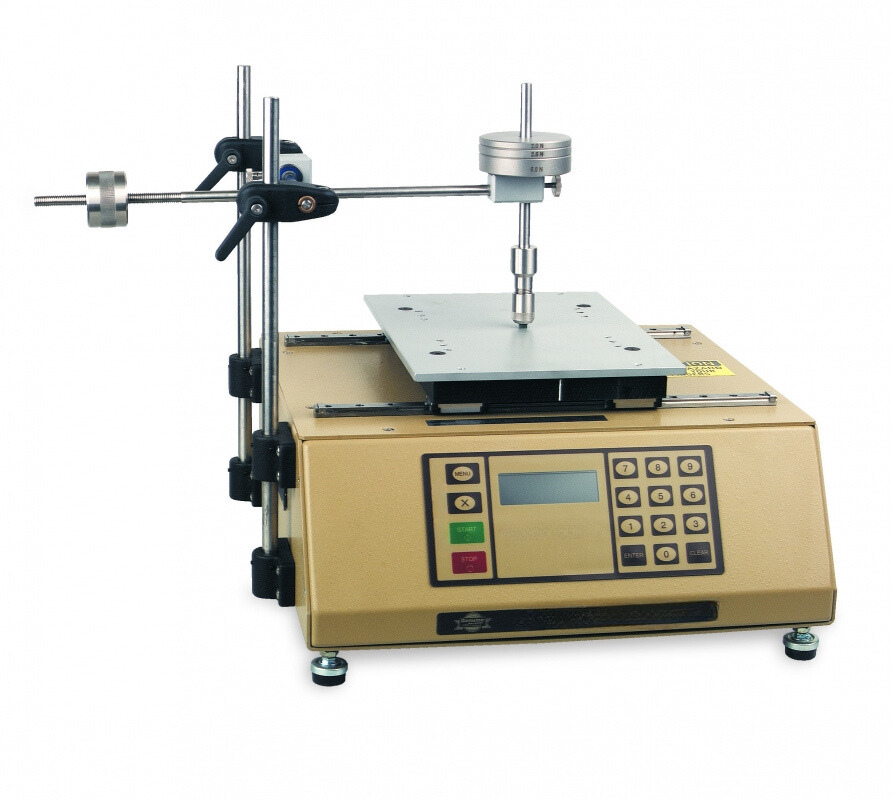
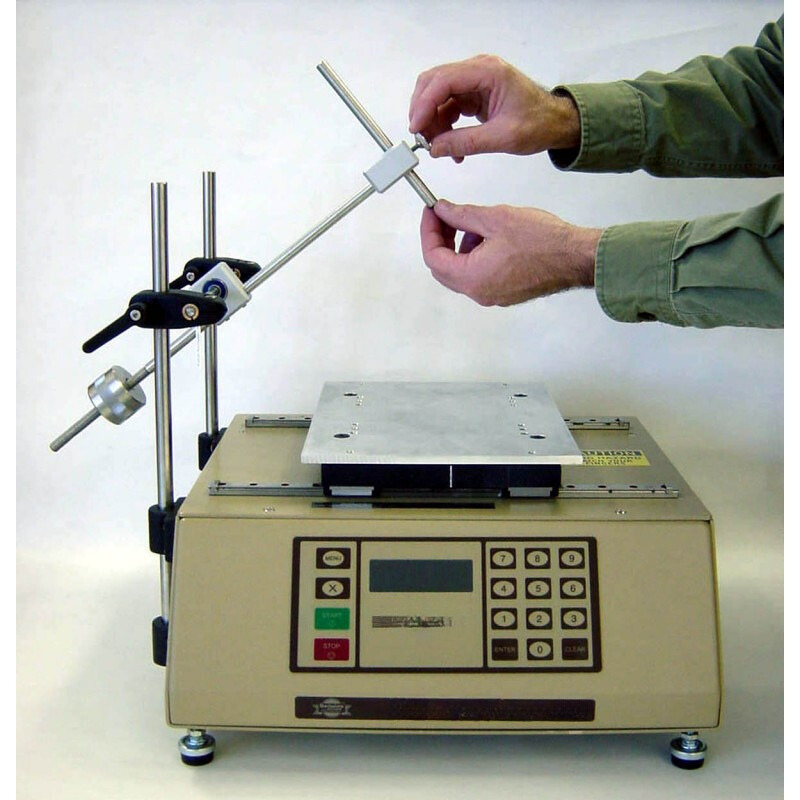
  2. Testing Apparatus: The scrub resistance tester, a key piece of equipment, features a brush or abrasive pad that simulates the wear process. This apparatus is designed to provide consistent and controlled wear conditions across different samples.
  3. Abrasive Medium and Conditions: The test involves an abrasive brush or pad, often combined with a specific cleaning agent, that moves back and forth across the coated panel. The number of cycles and the pressure applied are standardized to ensure repeatable results.
  4. Evaluation: After completing a set number of cycles, the test panel is examined for signs of wear, such as the loss of gloss, coating degradation, or substrate exposure. Measurements of coating thickness before and after the test can provide quantitative data on the wear resistance.

Importance of ASTM D4213 Wear Resistance Testing

  • Product Quality Assurance: ASTM D4213 helps manufacturers ensure their coatings and finishes meet specific quality standards. By understanding wear resistance, manufacturers can offer products that stand up to the rigors of daily use.

  • Extended Product Life: Products that pass wear resistance tests are likely to have a longer service life, which can lead to reduced maintenance and replacement costs for end-users.

  • Consumer Confidence: For consumers, knowing a product has undergone rigorous wear resistance testing can increase confidence in its durability and value, leading to higher satisfaction and brand loyalty.

  • Regulatory Compliance: Many industries have specific standards and regulations regarding material durability. ASTM D4213 provides a recognized benchmark for meeting these requirements, ensuring compliance and avoiding potential legal issues.

Applications of ASTM D4213

  1. Architectural Finishes: In the building industry, wall paints and coatings must endure frequent cleaning without degrading. ASTM D4213 testing helps manufacturers develop products that can withstand repeated scrubbing without losing their aesthetic appeal or protective qualities.
  2. Automotive Industry: Coatings used in vehicles are exposed to harsh environmental conditions and physical wear. Wear resistance testing ensures these coatings maintain their appearance and function over time, even under demanding conditions.
  3. Textiles and Upholstery: Fabrics used in furniture and automotive interiors can benefit from wear resistance testing to ensure they remain looking new and intact despite regular use and cleaning.
  4. Industrial Equipment: Protective coatings on machinery and tools must resist wear to prevent corrosion and maintain functionality. ASTM D4213 testing helps in selecting and developing coatings that enhance equipment durability.
Wear Resistance Testing As Per Standard ASTM D4213

Conclusion


FAQ

1. What equipment is required for ASTM D4213 testing?

The key equipment for ASTM D4213 testing is a scrub resistance tester, which includes a platform to hold the test panel, an abrasive medium (such as a brush or pad), and a mechanism to apply consistent pressure and motion to simulate scrubbing.

2. What are the typical outcomes of ASTM D4213 testing?

The outcomes of ASTM D4213 testing include visual observations of wear, such as gloss loss, color change, or exposure of the substrate. Quantitative measurements, such as the change in coating thickness, can also be used to evaluate wear resistance.

3. How does ASTM D4213 testing benefit manufacturers?

ASTM D4213 testing helps manufacturers ensure their products meet durability standards, comply with regulations, and satisfy customer expectations. By understanding wear resistance, manufacturers can improve product formulations, extend product life, and reduce warranty claims.
Reciprocating Abrasion Testing As Per Standard ASTM F3300

Reciprocating Abrasion Testing As Per Standard ASTM F3300

Reciprocating Abrasion Testing As Per Standard ASTM F3300

Ensuring Durability with Reciprocating Abrasion Testing as Per ASTM F3300


Introduction

Reciprocating Abrasion Testing As Per Standard ASTM F3300

What is Reciprocating Abrasion Testing?

Reciprocating Abrasion Testing is a laboratory technique used to measure the abrasion resistance of materials. By simulating real-world abrasive conditions, this test evaluates how materials react to friction over time. The goal is to determine the wear properties of a material, ensuring that it can endure continuous usage without degrading significantly.

Introduction to ASTM F3300 Standard

ASTM F3300 is a widely recognized standard that specifies the methodology for Reciprocating Abrasion Testing. This standard provides a framework for consistent testing procedures, ensuring reliable and repeatable results. By adhering to ASTM F3300, manufacturers and researchers can trust that their findings are accurate and comparable across different testing environments.

How Reciprocating Abrasion Testing Works

The procedure for Reciprocating Abrasion Testing under ASTM F3300 involves several critical steps:

  1. Sample Preparation: Material samples are prepared according to the specifications set out in the ASTM F3300 standard. The samples are often cut into uniform sizes to ensure consistency across tests.
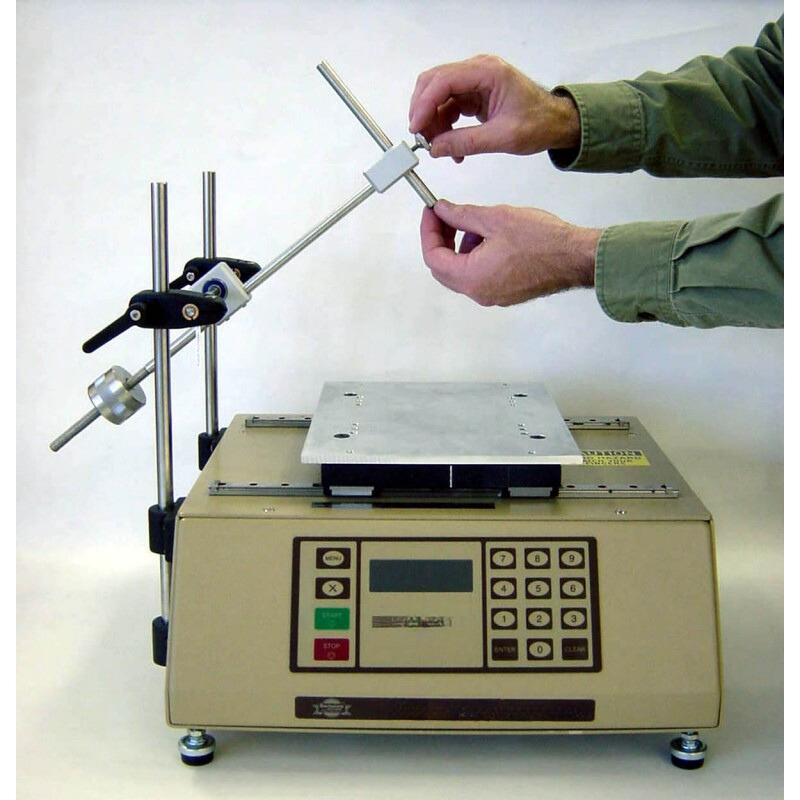
  2. Test Setup: The testing apparatus, usually a reciprocating abrasion tester, is set up with parameters such as stroke length, load, and test speed. These parameters are carefully chosen to mimic the specific wear conditions the material will face in its intended application.
  3. Testing Process: The specimen is placed under a reciprocating motion, where an abrasive material rubs against it. This process is repeated for a set number of cycles or until a predefined wear criterion is reached. The abrasive action simulates real-life wear, helping to predict how the material will perform over time.
  4. Data Collection and Analysis: After the test, the specimen is analyzed to assess the extent of wear. This can include measuring the loss of material, changes in surface characteristics, or changes in weight. The results are then compared to baseline measurements to determine the material’s wear resistance.

The Importance of Reciprocating Abrasion Testing

  • Product Reliability: Ensuring materials can withstand daily wear and tear is crucial for product reliability. Reciprocating Abrasion Testing helps manufacturers choose the right materials for high-wear applications, such as flooring, automotive interiors, and industrial components.

  • Cost Efficiency: By selecting materials with proven wear resistance, companies can reduce maintenance costs and the need for frequent replacements. This not only extends the product lifecycle but also enhances customer satisfaction.

  • Safety Assurance: In industries like medical devices or consumer electronics, material durability is directly linked to safety. Reciprocating Abrasion Testing ensures that materials remain intact and safe for use throughout their intended life.

Applications of Reciprocating Abrasion Testing

  1. Automotive Sector: From dashboards to seat covers, automotive interiors require materials that can endure constant use without significant wear. ASTM F3300 testing helps manufacturers select materials that maintain their appearance and integrity over time.
  2. Construction and Flooring: Flooring materials in commercial and residential buildings are subject to heavy foot traffic. Abrasion resistance is crucial to prevent wear and maintain aesthetics, making Reciprocating Abrasion Testing vital for flooring products.
  3. Consumer Electronics: Everyday items like smartphones and laptops are frequently handled and moved, exposing them to wear. Testing ensures that these products can withstand regular use without losing their functional or visual appeal.
  4. Medical Devices: Medical devices must remain functional and safe over long periods. Materials used in these devices are tested for abrasion resistance to ensure they do not degrade or fail when exposed to repeated use.
Reciprocating Abrasion Testing As Per Standard ASTM F3300

Conclusion


FAQ

1. What types of materials are tested using ASTM F3300?

A wide range of materials can be tested using ASTM F3300, including plastics, metals, coatings, and composites. The test is especially valuable for materials used in high-wear applications such as automotive parts, flooring, medical devices, and consumer electronics.

2. How does ASTM F3300 ensure accurate testing?

ASTM F3300 standardizes the testing process by specifying parameters like the type of abrasive, load, stroke length, and test duration. This ensures that all tests are conducted under the same conditions, providing accurate and comparable results.

3. What industries benefit from Reciprocating Abrasion Testing?

Industries such as automotive, aerospace, construction, consumer electronics, and healthcare benefit from this testing. It helps these industries ensure that their materials and products are durable, safe, and able to withstand the demands of their applications.

4. What are the common outcomes measured in Reciprocating Abrasion Testing?

The common outcomes measured include the loss of material, changes in surface roughness, and depth of wear. These measurements help determine the material’s wear resistance and suitability for specific applications.
Rotary Abrasion Testing As Per Standard ASTM D1044

Rotary Abrasion Testing As Per Standard ASTM D1044

Rotary Abrasion Testing As Per Standard ASTM D1044

Understanding Rotary Abrasion Testing According to ASTM D1044


Introduction

Rotary Abrasion Testing As Per Standard ASTM D1044

What is ASTM D1044 Rotary Abrasion Testing?

ASTM D1044 outlines a test method designed to determine the resistance of materials to surface abrasion using a rotary platform. The test mimics real-world conditions where surfaces encounter friction and wear, thereby providing critical data on the material’s longevity and suitability for specific applications. By rotating a sample under an abrasive load, the test method measures the wear resistance of the material in a controlled and repeatable manner.

Why is Rotary Abrasion Testing Important?

Rotary abrasion testing is crucial for several reasons:

  1. Material Performance: It helps manufacturers understand how well a material can withstand wear and tear over time, which is critical for products exposed to frequent contact or abrasive environments.
  2. Quality Assurance: Ensures that materials meet specific durability standards, maintaining consistent product quality and performance.
  3. Comparative Analysis: Allows for the comparison of different materials or coatings, facilitating informed decisions in material selection and engineering design.

The Rotary Abrasion Testing Apparatus

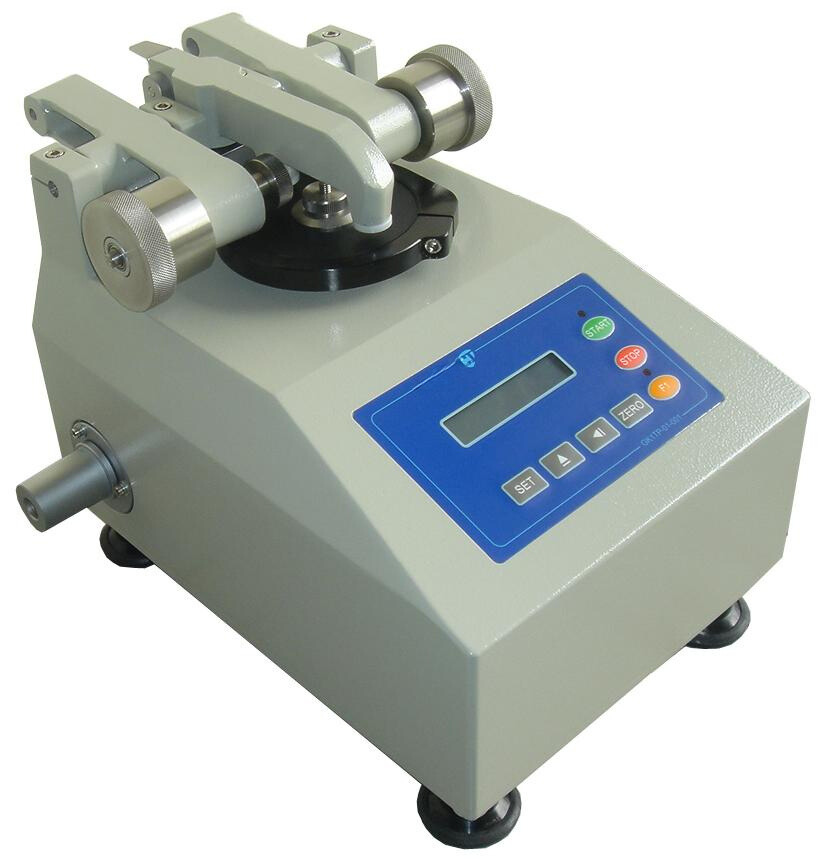
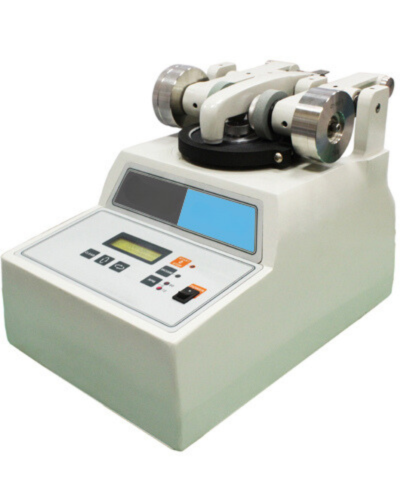
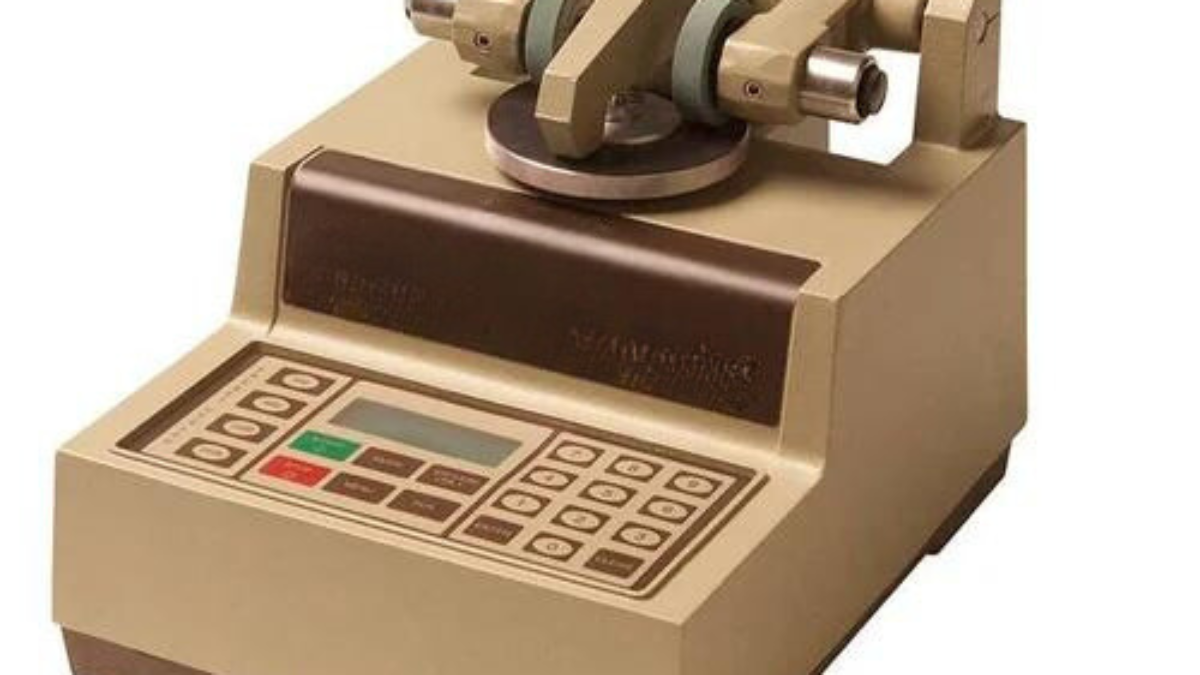
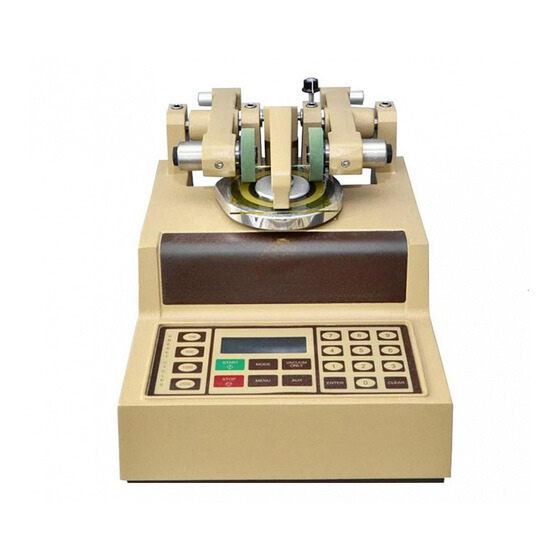
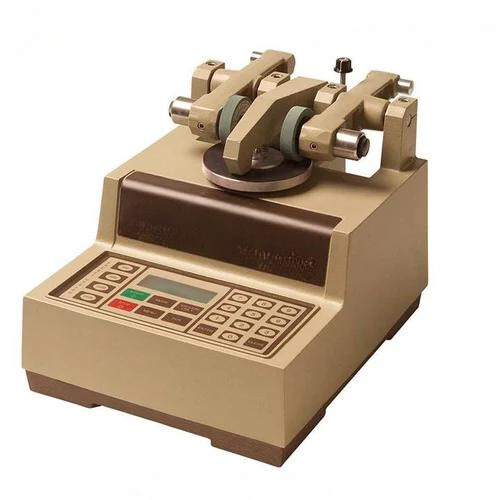
The ASTM D1044 test utilizes a Taber Abraser, a device specifically designed for abrasion testing. The main components include:

  • Rotating Platform: Holds the test specimen and rotates it at a controlled speed.
  • Abrasive Wheels: Two wheels apply a controlled amount of abrasion to the material’s surface.
  • Weights: Standard weights apply a specific load to the abrasive wheels, which in turn applies pressure to the specimen.

How is the Test Conducted?

  1. Specimen Preparation: A test specimen is typically prepared in a circular shape, about 100 mm in diameter, and with a thickness not exceeding 12.5 mm. The surface of the specimen must be clean, free from any dirt, grease, or loose particles.
  2. Mounting the Specimen: The prepared specimen is mounted on the Taber Abraser’s rotating platform. It is essential to ensure that the specimen is flat and securely held in place.
  3. Selecting Abrasive Wheels: Different types of abrasive wheels, such as CS-10 or H-18, can be used depending on the material being tested. The selection of the wheel type affects the abrasion rate and should align with the ASTM D1044 guidelines.
  4. Setting the Load: A specified load, typically 500g or 1000g, is applied to the abrasive wheels. This load determines the pressure applied to the specimen surface during the test.
  5. Testing Procedure: The platform rotates at 70 revolutions per minute (RPM), with tests usually running for 500 or 1000 cycles. The rotational motion combined with the applied load simulates the wear conditions.
  6. Measuring Results: After the test, the wear is evaluated by measuring the weight loss of the specimen, expressed in milligrams (mg). A smaller weight loss indicates better abrasion resistance.

Interpreting the Results

The results from rotary abrasion testing provide valuable insights into the material’s resistance to wear:

  • Lower Weight Loss: Indicates higher abrasion resistance, suggesting the material is more durable and suitable for applications where abrasion is a concern.
  • Higher Weight Loss: Suggests lower abrasion resistance, which may indicate that the material could wear out faster under similar conditions.

These findings are crucial for manufacturers and engineers in selecting materials for products that need to endure harsh or abrasive environments. The data can lead to the development of more durable products or the enhancement of existing materials.

Applications of Rotary Abrasion Testing

Rotary abrasion testing is widely used across various industries, including:

  • Automotive: To test the durability of interior and exterior parts, such as dashboards, seat covers, and paints.
  • Consumer Electronics: To assess the wear resistance of protective coatings and housings.
  • Textiles and Footwear: To evaluate the abrasion resistance of fabrics and shoe soles.
  • Construction: For testing flooring materials and protective coatings that must withstand heavy foot traffic.


Rotary Abrasion Testing As Per Standard ASTM D1044

Conclusion


FAQ

1. What materials can be tested using ASTM D1044?

ASTM D1044 is commonly used to test plastics, coatings, paints, and other surface materials that require abrasion resistance evaluation.

2. How are the results of the rotary abrasion test measured?

Results are measured by the weight loss of the specimen after the test. A lower weight loss indicates higher abrasion resistance, while a higher weight loss suggests lower resistance.

3. What factors can influence the results of rotary abrasion testing?

Factors such as the type of abrasive wheel used, the applied load, the speed of rotation, and the number of cycles can all influence the test results.

4. How can rotary abrasion testing results be applied?

Results help in selecting materials that will provide the best wear resistance for specific applications, improving product design, and ensuring consistent quality in manufacturing processes.

5. What are typical applications for rotary abrasion testing?

This testing is widely used in industries like automotive (testing interiors), electronics (device casings), textiles (fabric durability), and construction (flooring materials).
Abrasion Testing As Per Standard ASTM D2486

Abrasion Testing As Per Standard ASTM D2486

Abrasion Testing As Per Standard ASTM D2486

The Essentials of Abrasion Testing: Mastering ASTM D2486 for Coating Durability

Introduction

Abrasion Testing As Per Standard ASTM D2486

What is ASTM D2486?

ASTM D2486 is a standard test method established by ASTM International to determine the scrub resistance of wall paints and other coatings. The test is designed to replicate the abrasive wear that a coating might encounter in real-world applications. By simulating repeated scrubbing, this test method helps manufacturers understand how well their products can withstand regular cleaning and wear, ensuring that they meet the durability standards expected by consumers and industry professionals alike.

Importance of Abrasion Testing

Abrasion testing is critical for several reasons:

  1. Product Quality Assurance: By determining how resistant a coating is to abrasion, manufacturers can assure customers of the product’s durability. This helps in building brand reputation and customer trust.
  2. Regulatory Compliance: Many industries have specific requirements for coating performance, especially where safety and hygiene are concerned. Adhering to ASTM D2486 ensures compliance with these regulations.
  3. Improving Product Formulation: Abrasion testing provides valuable data that can be used to improve product formulations, enhancing the overall quality and performance of coatings.
  4. Cost Efficiency: Knowing the abrasion resistance of a product can help in predicting its lifespan, thereby optimizing maintenance schedules and reducing replacement costs.

Equipment and Materials Required

To conduct abrasion testing according to ASTM D2486, specific equipment and materials are necessary:

  1. Scrub Testing Machine: This machine is equipped with a reciprocating arm that moves an abrasive media over the test surface. The speed, pressure, and number of cycles are controlled to ensure consistency.
  2. Abradant Media: Typically, a standardized scrub brush or abrasive pad is used. The choice of abradant should closely simulate the type of wear expected in the coating’s intended application.
  3. Test Panels: Panels coated with the test material. These should be prepared under controlled conditions to ensure consistency across tests.
  4. Measurement Tools: Instruments to measure the degree of abrasion, such as a microscope or optical scanner, may be used to assess the wear patterns and depth.

The Testing Procedure

The abrasion testing process according to ASTM D2486 involves several key steps:

  1. Preparation of Test Panels: The paint or coating is applied uniformly to a substrate panel, which is then allowed to dry and cure as specified. Standard curing times and conditions must be followed to ensure accurate results.
  2. Conditioning: Before testing, the panels are conditioned at a standard temperature and humidity to stabilize the material properties.
  3. Setting Up the Test: The coated panels are securely mounted in the scrub testing machine. The machine parameters, such as scrub speed and pressure, are set according to ASTM D2486 specifications.
  4. Conducting the Test: The scrub machine is operated for a specified number of cycles, or until noticeable wear is observed. The abrasive media moves back and forth across the panel, simulating the wear that the coating would experience during use.
  5. Evaluating the Results: After the test cycles are completed, the panels are examined for signs of wear. This may involve visual inspection, measuring weight loss, or using optical tools to assess changes in the surface.
  6. Interpreting the Results
  7. The results of the ASTM D2486 test provide a quantitative measure of a coating’s abrasion resistance:
  8. Number of Cycles to Failure: This indicates the number of scrubbing cycles the coating can withstand before showing significant wear. A higher number of cycles typically indicates better abrasion resistance.
  9. Visual Appearance: Changes such as gloss reduction, color fading, or substrate exposure are noted. These changes help determine how the coating will look after extended use.
  10. Weight Loss Measurement: In some cases, the weight of the coating before and after testing is measured. A lower weight loss suggests a higher resistance to abrasion.

Applications of ASTM D2486 Testing

ASTM D2486 is particularly relevant for coatings used in high-traffic or frequently cleaned environments, such as:

  • Commercial and Residential Buildings: Ensuring that wall paints can withstand cleaning without degrading is crucial for maintaining aesthetic appeal and hygiene.

  • Industrial Applications: Coatings in factories and warehouses are often exposed to harsh conditions. Abrasion resistance testing helps ensure these coatings can handle rigorous cleaning and wear.

  • Healthcare Facilities: In hospitals, the frequent need for cleaning and disinfection means coatings must be highly resistant to abrasion to maintain hygiene standards.

Abrasion Testing As Per Standard ASTM D2486

Conclusion


FAQ

1. What do the results of ASTM D2486 tell us?

Results indicate the coating's abrasion resistance, including how many scrub cycles it can endure before showing wear, any changes in appearance, and the amount of material loss. Higher cycle counts and less visible wear signify better durability.

2. How can manufacturers use ASTM D2486 test results?

Manufacturers can use the results to improve product formulations, ensuring their coatings meet industry standards and customer expectations for durability. This data also helps in marketing products as long-lasting and reliable.

3. Can ASTM D2486 testing be used for all types of coatings?

While ASTM D2486 is specifically designed for wall paints, it can also be applied to other types of coatings that require abrasion resistance testing. However, it is essential to ensure that the test conditions closely mimic the intended application of the coating.
Compressive Property Testing As Per Standard ASTM D790

Compressive Property Testing As Per Standard ASTM D790

Compressive Property Testing As Per Standard ASTM D790

Understanding Compressive Property Testing as per ASTM D790


Introduction

Compressive Property Testing As Per Standard ASTM D790

What is ASTM D790?

ASTM D790 is a standard test method widely used to determine the flexural properties of plastics and other polymer materials. Although it is primarily associated with flexural testing, ASTM D790 also provides essential guidelines for assessing the compressive properties of materials, particularly those that need to withstand significant compressive forces during their service life.

Why Compressive Property Testing Matters

Compressive property testing is essential for several reasons:

  1. Safety and Reliability: Materials used in structural applications must be able to withstand compressive forces without failure. Testing ensures that materials meet the necessary safety standards.
  2. Material Performance: Understanding how materials behave under compression helps engineers design products that perform as expected under load, avoiding unexpected deformations or failures.
  3. Product Development: It enables manufacturers to develop new materials with enhanced compressive properties suitable for specific applications, contributing to innovation.

The ASTM D790 Testing Procedure

The compressive property test according to ASTM D790 involves the following steps:

  1. Sample Preparation: The specimens are carefully prepared to ensure uniformity. Standard dimensions are required to achieve comparable and consistent results. Typically, rectangular specimens are used.
  2. Conditioning: Specimens are conditioned at a specified temperature and humidity level to ensure that environmental factors do not influence the test results. This conditioning period aligns the material’s behavior with real-world conditions.
  3. Testing Setup: The specimen is placed in a testing machine where a compressive force is applied at a constant rate. The setup ensures that the force is applied uniformly across the specimen to avoid any bending or shear forces.
  4. Data Collection: As the compressive load is applied, data on the force and the corresponding deformation are recorded. The machine captures key parameters such as compressive strength, modulus, and strain.

Key Parameters Measured

  • Compressive Strength: This is the maximum compressive load the material can bear before it begins to fail or fracture. It provides insight into the material’s load-bearing capacity.
  • Compressive Modulus: It measures the stiffness of the material under compressive loads. A higher modulus indicates that the material is less likely to deform under compression.
  • Strain at Break: The amount of deformation experienced by the material at the point of failure. It indicates how much a material can compress before it ultimately breaks.

Applications of ASTM D790 Compressive Testing

ASTM D790 compressive property testing is vital across various industries:

  • Construction: Materials like concrete, plastics, and composites are tested to ensure they can handle the compressive forces encountered in buildings and infrastructure.
  • Automotive and Aerospace: Components such as panels and structural parts are tested to ensure they can withstand compressive forces during use, ensuring safety and performance.
  • Packaging: Testing ensures that packaging materials can withstand the compressive forces they might experience during stacking and transportation.
  • Consumer Goods: Household items and appliances made from plastic and composite materials are tested to ensure durability and safety under compressive loads.


Compressive Property Testing As Per Standard ASTM D790

Conclusion


FAQ

1. What are the key parameters measured during compressive property testing?

Key parameters include compressive strength (the maximum stress the material can handle before failing), compressive modulus (the stiffness of the material under compression), and strain at break (the amount of deformation before the material breaks).

2. What industries benefit from compressive property testing as per ASTM D790?

Industries such as aerospace, automotive, construction, packaging, and medical devices benefit from ASTM D790 testing to ensure materials can withstand compressive forces and maintain performance and safety.

3. How does ASTM D790 testing help in product development?

By providing detailed data on how materials behave under compressive loads, ASTM D790 testing helps engineers and designers select the right materials, optimize product designs, and develop new materials with enhanced properties.

4. Is conditioning of specimens necessary for ASTM D790 testing?

Yes, conditioning is necessary to ensure that test results are consistent and reflect the material's behavior under expected environmental conditions. This typically involves maintaining the specimens at a specific temperature and humidity level before testing.

5. Can ASTM D790 be used for testing materials other than plastics?

While ASTM D790 is primarily designed for plastics, it can also be adapted for other materials, especially composite materials used in structural applications that need to be assessed for their compressive properties.

6 What is the significance of the compressive modulus in ASTM D790 testing?

The compressive modulus indicates how stiff a material is under compression. A higher compressive modulus means the material will resist deformation, which is important for applications requiring strong, rigid materials.
Flexural/Modules Testing as per ASTM D790

Flexural/Modules Testing as per ASTM D790

Flexural/Modules Testing as per ASTM D790

Understanding Flexural Modulus Testing: A Critical Evaluation for Material Performance

Introduction

Flexural/Modules Testing as per ASTM D790

Why Flexural Modulus Matters Flexural modulus is a measure of a material’s stiffness when it is bent, providing insights into its resistance to deformation under load. This property is particularly important for applications where materials must maintain their shape under bending forces, such as in beams, structural components, and mechanical parts. Understanding the flexural modulus helps engineers and designers ensure that a material can withstand operational stresses without excessive bending or failure.

ASTM D790: The Gold Standard The ASTM D790 standard outlines the methodology for determining the flexural properties of both unreinforced and reinforced plastics. This standard is crucial for evaluating materials that will be subjected to bending stresses, offering a consistent and reliable means to measure and compare different materials.

Test Specimen Preparation

The preparation of test specimens according to ASTM D790 is critical to obtaining accurate and repeatable results. The standard specifies that specimens must be rectangular in shape with uniform dimensions, typically 127 mm in length, 12.7 mm in width, and 3.2 mm in thickness. These dimensions may vary depending on the specific material and its intended application.

Testing Equipment and Setup

Flexural modulus testing requires a universal testing machine equipped with a flexural fixture. The specimen is supported on two points, with the load applied at the midpoint by a loading nose. The span between the supports and the speed at which the load is applied are carefully controlled to ensure that the test conditions match those outlined in ASTM D790.

Conducting the Test

  1. Conditioning the Specimens: Before testing, specimens must be conditioned to ensure that the results are not affected by environmental factors such as temperature or humidity. ASTM D618 provides the standard procedures for conditioning plastic specimens, which must be followed closely.
  2. Testing Procedure: The flexural modulus test is performed by applying a load at the midpoint of the specimen at a constant rate. The load and the corresponding deflection of the specimen are recorded until the specimen fails or the maximum strain is reached.
  3. Calculating Flexural Modulus: Flexural modulus is calculated from the initial slope of the load-deflection curve obtained during testing. This slope represents the ratio of stress to strain in the elastic region of the material’s deformation, providing a measure of the material’s stiffness under bending.

Interpretation of Results

The flexural modulus data obtained from ASTM D790 testing offers invaluable information for material selection and design. High flexural modulus indicates that a material is stiff and will not bend easily under load, making it suitable for structural applications where rigidity is crucial. Conversely, a lower flexural modulus may be desirable in applications where flexibility and ductility are more important.

Applications of Flexural Modulus Testing

Flexural modulus testing is widely used in various industries to ensure the materials used in products can meet specific performance requirements. Some key applications include:

  • Automotive: In the automotive industry, flexural modulus is critical for components like dashboards, door panels, and exterior trims, which need to be both durable and flexible.
  • Construction: In construction, materials with high flexural modulus are essential for beams, panels, and structural supports that must withstand heavy loads without bending.
  • Aerospace: Aerospace applications require materials that combine light weight with high stiffness to ensure structural integrity under high stress conditions.
Flexural/Modules Testing as per ASTM D790

Conclusion


FAQ

Q1: How are the results of flexural strength testing used?

The results are used to assess the suitability of materials for various applications, guide material selection, ensure compliance with industry standards, and support research and development efforts to improve material performance.

Q2: Can flexural strength testing be used for quality control?

Yes, flexural strength testing is a key component of quality control in manufacturing. It helps ensure that materials meet the required specifications and perform consistently in their intended applications.

Q3: How does flexural modulus differ from flexural strength?

Flexural modulus measures a material's stiffness during bending, indicating how much it will flex under load, whereas flexural strength measures the maximum stress a material can withstand before breaking.

Q4: What industries benefit most from flexural strength testing?

Industries such as construction, automotive, aerospace, and consumer goods heavily rely on flexural strength testing to ensure their materials can withstand the bending stresses encountered in real-world applications.

Q5: How is the flexural strength value calculated?

Flexural strength is calculated using the maximum load applied during the test, the span between supports, and the specimen dimensions, as defined by the ASTM D790 standard.
Tensile / Elongation Test As Per Standard ASTM D638

Tensile / Elongation Test As Per Standard ASTM D638

Tensile / Elongation Test As Per Standard ASTM D638

The Importance of Tensile and Elongation Testing in Material Science: Insights into ASTM D638


Introduction

Tensile / Elongation Test As Per Standard ASTM D638

What is ASTM D638?

ASTM D638 is a standard developed by the American Society for Testing and Materials (ASTM) specifically for testing the tensile properties of plastic materials. This standard outlines the procedures for measuring tensile strength, elongation at break, yield strength, and other related properties. It is particularly suited for rigid and semi-rigid plastics, making it a vital tool in industries where plastic performance is critical.

Why Tensile and Elongation Testing Matters

Tensile and elongation tests provide insights into a material’s strength and flexibility. These properties are crucial for engineers and designers who need to ensure that materials will perform as expected under various conditions. Here’s why these tests are so important:

  1. Predicting Material Behavior: By understanding how a material responds to tensile forces, engineers can predict its behavior under load. This knowledge is crucial for applications where safety and durability are paramount, such as in automotive or aerospace components.
  2. Ensuring Quality and Consistency: Tensile testing is a key part of quality control in manufacturing. It ensures that materials meet the required specifications and perform consistently across different production batches.
  3. Facilitating Material Selection: When designing a new product, selecting the right material is critical. Tensile and elongation testing provides the data needed to compare different materials and choose the one that best meets the performance requirements.

The ASTM D638 Testing Process

The ASTM D638 test method is designed to be both comprehensive and precise. Here’s a breakdown of the testing process:

  1. Sample Preparation: The material is cut into a standardized shape, often resembling a dogbone, to ensure that stress is evenly distributed during the test. The dimensions of the sample are carefully controlled to match the requirements of the ASTM D638 standard.
  2. Environmental Conditioning: Before testing, samples are conditioned in a controlled environment to ensure that external factors like temperature and humidity do not affect the results. This step is crucial for obtaining accurate, repeatable data.
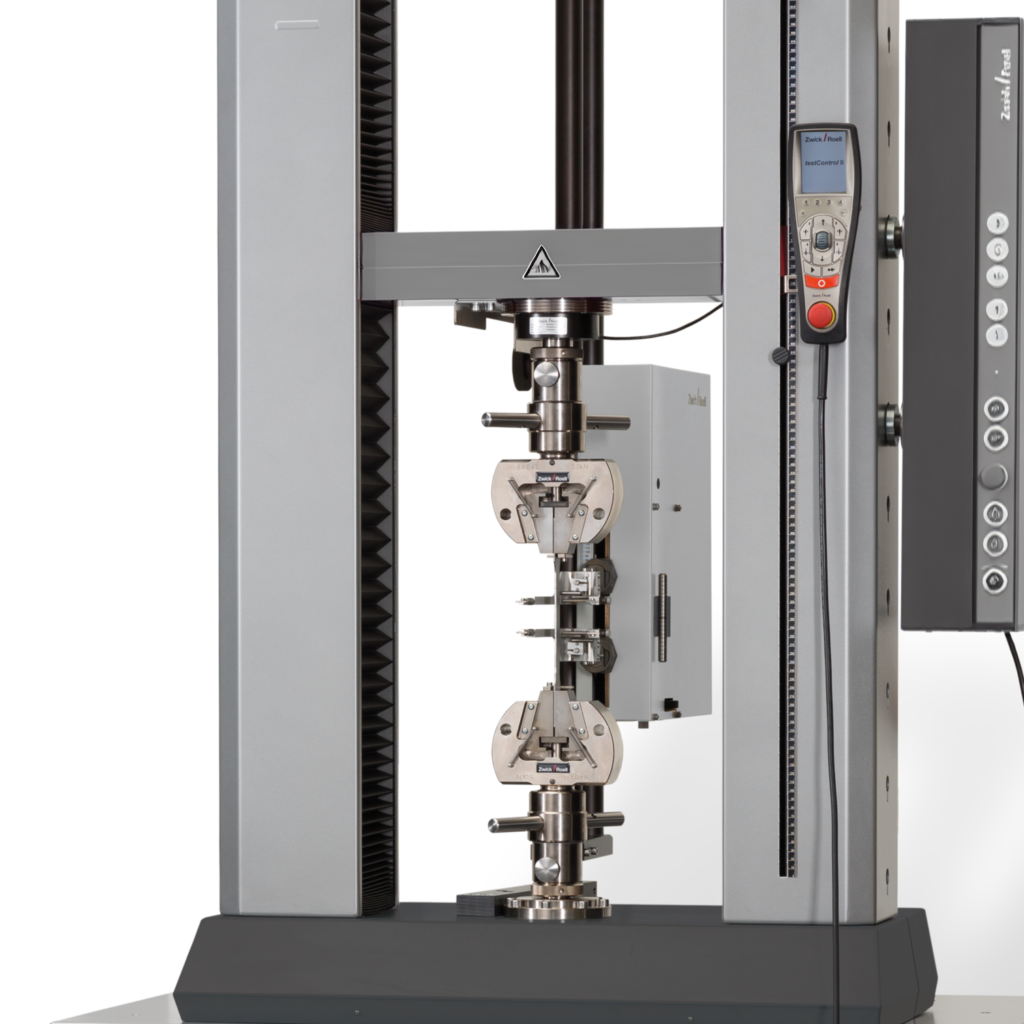
  3. Conducting the Test: The sample is placed in a tensile testing machine, which gradually applies a uniaxial force until the sample fails. The machine measures the force applied and the elongation of the sample throughout the test, providing data on tensile strength, elongation at break, and other key properties.
  4. Analyzing the Results: After the test, the data is analyzed to determine the material’s mechanical properties. These results are compared against the specifications or used to guide material selection and design decisions.
  5. Applications of ASTM D638 Tensile Testing

ASTM D638 tensile testing is used across a wide range of industries, from automotive to consumer goods, to ensure that materials will perform as required. Some specific applications include:

  • Product Design and Development: Engineers rely on tensile test data to design products that are strong, durable, and safe. This is especially important in industries like aerospace, where material failure can have catastrophic consequences.

  • Manufacturing Quality Control: Tensile testing helps manufacturers maintain high standards of quality by ensuring that materials meet their specifications before they are used in production.

  • Material Research: Researchers use tensile testing to develop new materials and improve existing ones. By understanding how different materials respond to stress, they can innovate and create materials with enhanced properties.


Tensile / Elongation Test As Per Standard ASTM D638

Conclusion


FAQ

1. How is the test specimen prepared for ASTM D638 testing?

The material is cut into a specific shape, often resembling a dogbone, to ensure uniform stress distribution during testing. The dimensions of the specimen are standardized according to the type and thickness of the material being tested.

2. What is the significance of elongation at break?

Elongation at break indicates the ductility of a material—its ability to stretch or deform before breaking. This property is important for applications where materials are expected to undergo significant deformation without failing.

3. How does ASTM D638 testing contribute to quality control?

By providing precise data on a material's tensile properties, ASTM D638 testing ensures that materials meet the necessary performance standards. This is critical in manufacturing processes where consistent material quality is essential.
Specular Gloss Testing As Per Standard ASTM D523, D2457

Specular Gloss Testing As Per Standard ASTM D523, D2457

Specular Gloss Testing As Per Standard ASTM D523, D2457

Achieving Perfection in Surface Finish: A Deep Dive into Specular Gloss Testing per ASTM D523 and D2457


Introduction

Specular Gloss Testing As Per Standard ASTM D523, D2457

What is Specular Gloss?

Specular gloss refers to the reflectivity of a surface when light is directed at it at a specific angle. The light that reflects back at the same angle as the incident light, producing a clear and defined reflection, determines the gloss level of the surface. This is different from diffuse reflection, where light is scattered in many directions.

The gloss level of a surface can influence not only the aesthetic appeal of a product but also its perceived quality. High-gloss surfaces are often associated with luxury and cleanliness, while low-gloss or matte surfaces can reduce glare and create a more subdued look.

The Importance of ASTM Standards in Gloss Testing

To ensure consistency and comparability in gloss measurements, the industry follows standardized testing methods. ASTM D523 and ASTM D2457 are the primary standards used worldwide to measure specular gloss.

  • ASTM D523: This standard outlines the procedures for measuring the gloss of non-metallic surfaces, such as paint, plastics, and coatings. It specifies three angles of measurement—20°, 60°, and 85°—each suited to different gloss levels. The 20° angle is used for high-gloss surfaces, the 60° angle for medium gloss, and the 85° angle for low gloss or matte finishes.

  • ASTM D2457: This standard is specifically designed for plastic films and solid plastics. While it also uses the 20°, 60°, and 85° angles, ASTM D2457 provides more detailed guidance on handling the unique properties of plastic materials, which can impact gloss readings.

The Testing Process

Specular Gloss Testing is a precise process that requires careful preparation and accurate measurement. Here’s how it’s typically conducted:

  1. Surface Preparation: Before testing, the surface must be thoroughly cleaned to remove any contaminants that could affect the reflection of light. Dust, oils, or surface irregularities can distort the gloss readings.
  2. Selecting the Measurement Angle: Depending on the gloss level expected, the appropriate angle of incidence is chosen. High-gloss surfaces are measured at 20°, standard gloss at 60°, and low gloss or matte finishes at 85°.
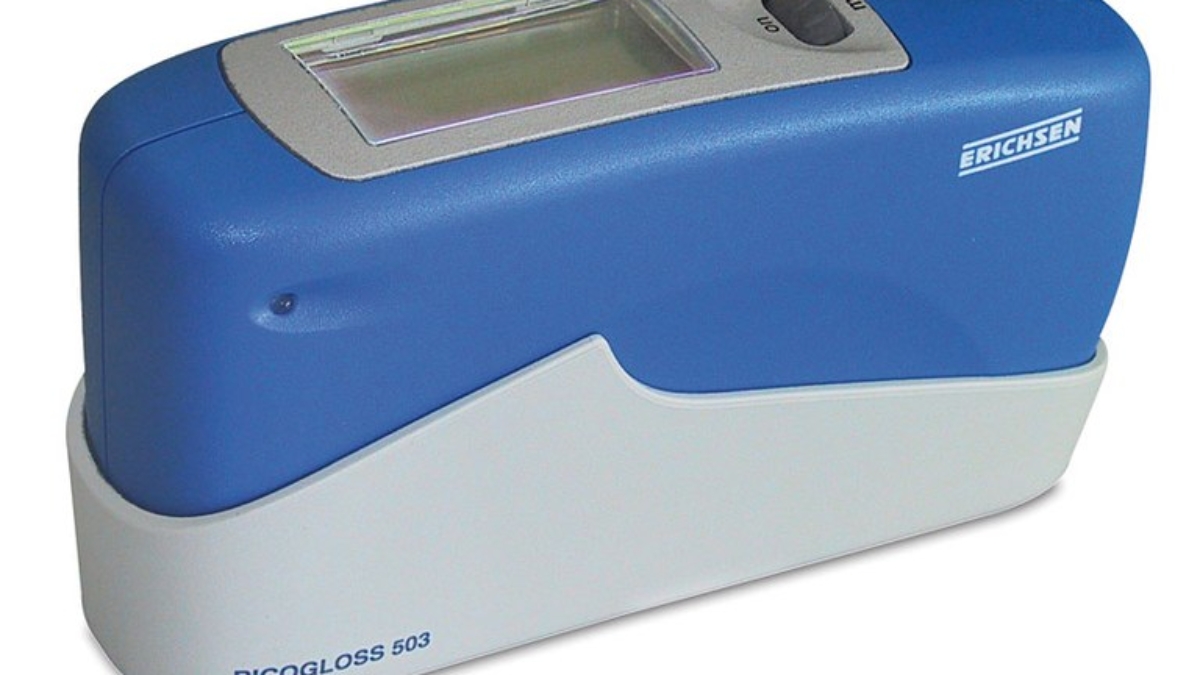
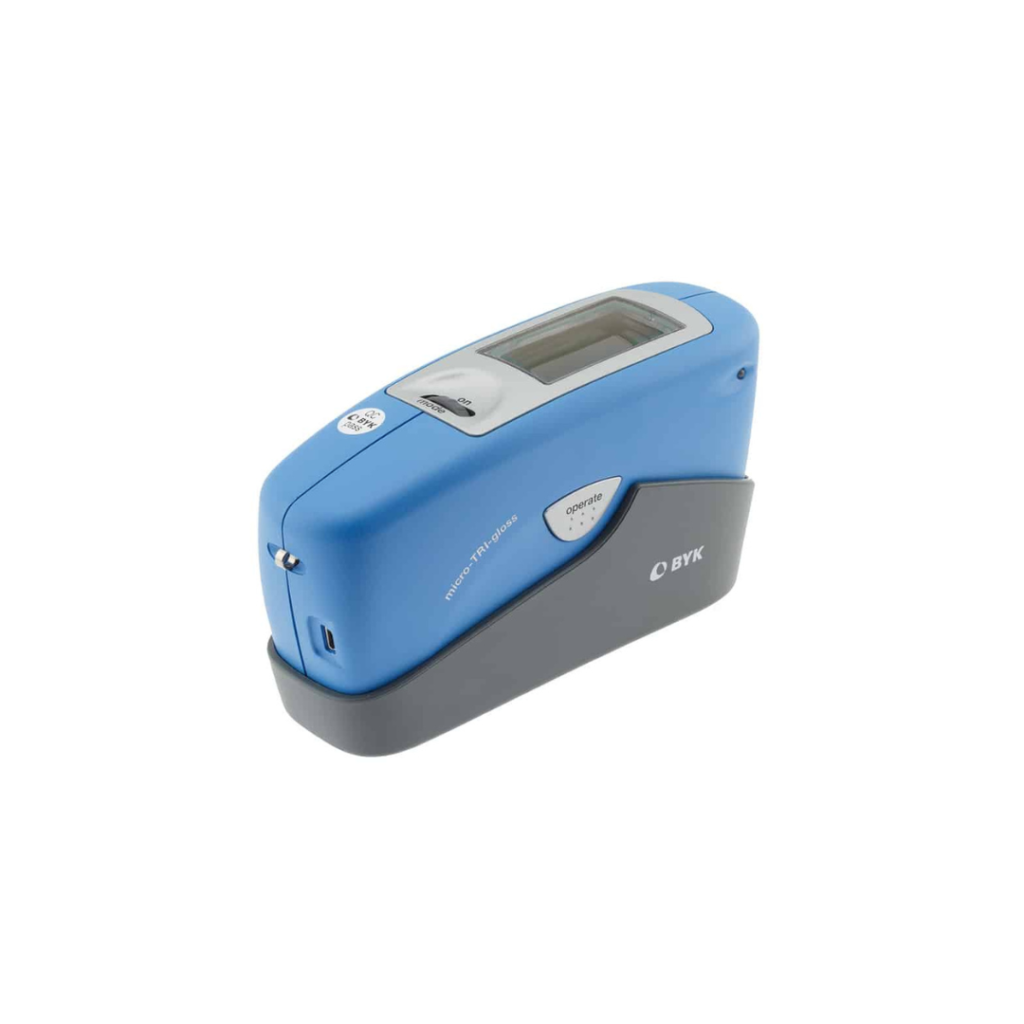
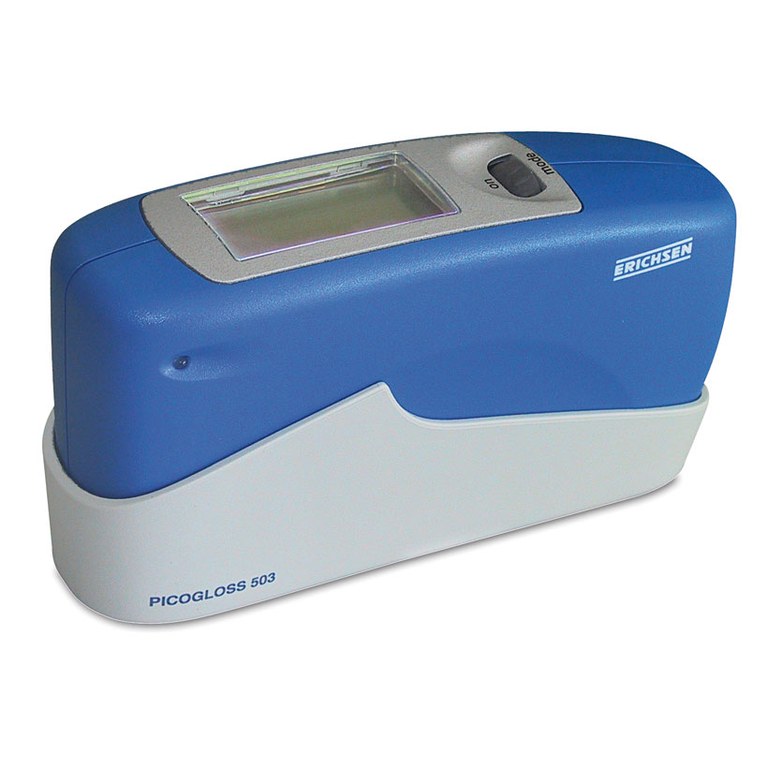
  3. Using the Gloss Meter: The gloss meter, a device specifically designed to measure gloss, shines a beam of light onto the surface at the selected angle. The meter then detects the amount of light reflected back at the same angle and calculates the gloss level based on this reflection.
  4. Interpreting Results: The gloss level is expressed in gloss units, a measure of the reflectivity compared to a standard reference. These results are then compared to the required specifications or industry standards.

Why Specular Gloss Testing is Essential

Specular Gloss Testing is a crucial step in the quality control process for many industries, including automotive, electronics, packaging, and construction. Here’s why it matters:

  • Consistent Quality: Gloss testing ensures that all products in a batch meet the same standards of appearance, leading to a uniform and professional look.

  • Consumer Appeal: The right gloss level can make a product more attractive to consumers, influencing their buying decisions. For example, a high-gloss finish on a car may convey a sense of luxury, while a matte finish on packaging can suggest elegance and sophistication.

  • Regulatory Compliance: Many industries have specific gloss requirements that must be met to comply with regulations. ASTM D523 and D2457 provide the necessary guidelines to ensure compliance with these standards.

  • Product Development: Understanding how different materials and finishes interact with light allows manufacturers to design products that meet both functional and aesthetic goals.


Specular Gloss Testing As Per Standard ASTM D523, D2457

Conclusion


FAQ

1. How do I choose the correct angle for testing?

The choice depends on the gloss level of the surface. Use 20° for high gloss, 60° for medium gloss, and 85° for low gloss or matte finishes.

2. What industries use Specular Gloss Testing?

It is widely used in automotive, packaging, electronics, construction, and any industry where surface finish and appearance are critical.

3. How do ASTM D523 and D2457 ensure compliance?

These standards provide clear procedures and guidelines for measuring gloss, ensuring that products meet industry requirements and consumer expectations consistently.

4. Can Specular Gloss Testing be performed on all materials?

While it’s most commonly used for non-metallic surfaces and plastics, gloss testing can be adapted for various materials, depending on their reflectivity and finish.
Chemical Resistance Test As Per Standard MS 655-08

Chemical Resistance Test As Per Standard MS 655-08

Chemical Resistance Test As Per Standard MS 655-08

The Critical Role of Chemical Resistance Testing According to MS 655-08


Introduction

Chemical Resistance Test As Per Standard MS 655-08

What is the MS 655-08 Standard?

The MS 655-08 standard is a Malaysian Standard that specifies the methodology for evaluating the chemical resistance of materials. It is particularly relevant for industries where materials are exposed to chemicals that could potentially degrade their structure, leading to failures in critical applications. The standard is designed to ensure that materials can withstand such exposure, maintaining their integrity and functionality over time.

Why Chemical Resistance Testing Matters

  1. Material Longevity: The primary purpose of chemical resistance testing is to determine how well a material can resist degradation when exposed to chemicals. This directly impacts the material’s lifespan, reducing the frequency of replacements and thereby cutting costs.
  2. Safety Compliance: Many industries, such as automotive, aerospace, and construction, use materials in environments where chemical exposure is common. Testing these materials against standards like MS 655-08 ensures that they do not fail, which could otherwise lead to hazardous situations.
  3. Quality Assurance: For manufacturers, delivering products that meet high standards of durability and reliability is crucial. Chemical resistance testing according to MS 655-08 provides a benchmark for quality, giving manufacturers and their customers confidence in the materials used.
  4. Environmental Responsibility: Materials that fail due to chemical exposure often end up as waste, contributing to environmental pollution. By ensuring that materials are chemically resistant, manufacturers can reduce waste and support sustainability efforts.

The Testing Process According to MS 655-08

The chemical resistance testing process as outlined by MS 655-08 involves several critical steps:

  1. Material Sample Preparation: Samples of the material are prepared in standardized sizes and shapes, ensuring consistency across tests.
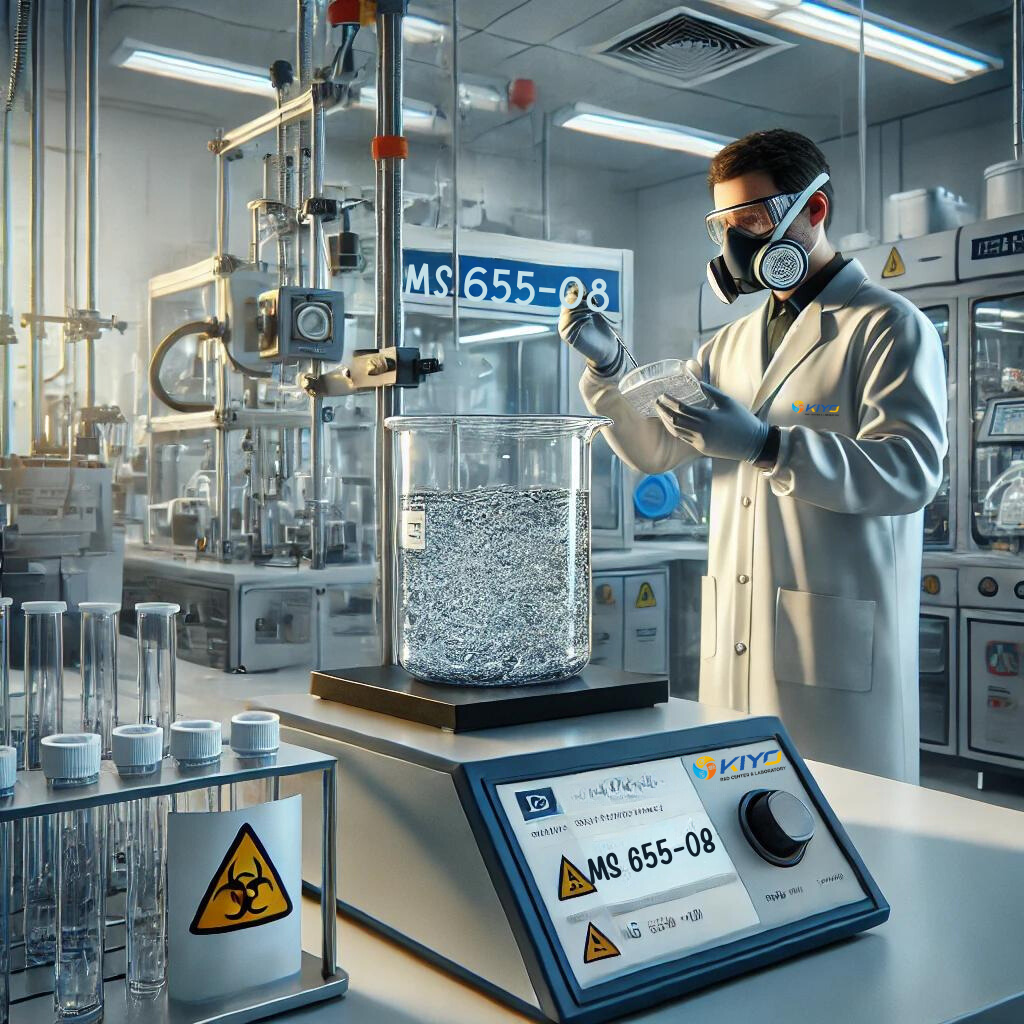
  2. Chemical Exposure: The samples are then exposed to specific chemicals or mixtures under controlled conditions. These conditions include factors like temperature, concentration, and duration, all of which are meticulously regulated to simulate real-world exposure.
  3. Post-Exposure Evaluation: After the exposure period, the samples are evaluated for changes in their physical properties. This could involve measuring weight loss, changes in mechanical strength, or any visible signs of degradation such as cracks, swelling, or discoloration.
  4. Data Analysis and Reporting: The results of the test are analyzed and compared to the criteria set by the MS 655-08 standard. The final report will indicate whether the material meets the required level of chemical resistance, providing clear guidance on its suitability for specific applications.

Applications Across Industries

The importance of chemical resistance testing spans multiple industries, each with its unique challenges:

  • Automotive Industry: Vehicles are constantly exposed to a variety of chemicals, from fuels to cleaning agents. Ensuring that parts like gaskets, hoses, and seals can resist these chemicals is crucial for vehicle safety and performance.

  • Construction: Building materials, particularly those used in industrial settings, must withstand exposure to chemicals like solvents, acids, and bases. Chemical resistance testing ensures that these materials can endure such conditions without compromising structural integrity.

  • Electronics: In the electronics industry, components are often exposed to chemicals during manufacturing processes or in their operating environment. Ensuring that these components can resist chemical exposure is vital for their reliability and longevity.

  • Pharmaceuticals and Packaging: Packaging materials used in the pharmaceutical industry must resist the chemicals in the products they contain. This prevents contamination and ensures the stability of the medications.

The Future of Chemical Resistance Testing

As industries evolve and new materials are developed, the need for comprehensive chemical resistance testing will continue to grow. The MS 655-08 standard provides a robust framework for assessing material durability in chemically aggressive environments, but ongoing research and innovation will be crucial in adapting these standards to new challenges.

In the future, we may see more advanced testing methods that offer even greater precision and insight into material performance. These developments will help industries produce safer, more reliable products that stand the test of time, even in the most challenging conditions.


Chemical Resistance Test As Per Standard MS 655-08

Conclusion


FAQ

1. What industries benefit from chemical resistance testing?

Industries that regularly deal with chemicals or operate in chemically aggressive environments, such as automotive, construction, electronics, and pharmaceuticals, greatly benefit from chemical resistance testing to ensure their materials can withstand such conditions.

2. What are the consequences of not performing chemical resistance testing?

Without chemical resistance testing, materials may fail when exposed to chemicals, leading to safety hazards, product recalls, increased costs, and potential regulatory non-compliance.

3. How often should chemical resistance testing be performed?

The frequency of testing depends on the material's application, industry standards, and any changes in the material composition or chemical environment. Regular testing is recommended to ensure ongoing compliance and performance.

4. Can MS 655-08 be applied to new materials?

Yes, MS 655-08 can be used to test new materials for chemical resistance, helping manufacturers assess whether innovative materials meet industry standards and can withstand chemical exposure in their intended applications.