Login With Mobile OTP


Flammability Property Testing As per standard ASTM E84

Flammability Property Testing As per standard ASTM E84

Flammability Property Testing As per standard ASTM E84

Understanding Flammability Property Testing as per ASTM E84


Introduction

Flammability Property Testing As per standard ASTM E84

What is ASTM E84?

ASTM E84 is a fire test method designed to assess the surface burning characteristics of building materials. Often referred to as the Steiner Tunnel Test, this test measures two key factors:

  • Flame Spread Index (FSI): The rate at which flames spread over the material’s surface.
  • Smoke Developed Index (SDI): The amount of smoke generated during combustion.

These indices are crucial for classifying materials based on their fire performance, enabling manufacturers, engineers, and architects to make informed decisions about material selection for construction projects.

Purpose and Importance of ASTM E84 Testing

The primary goal of ASTM E84 is to ensure that materials used in construction meet the necessary fire safety standards. Many building codes and regulations require materials to undergo flammability testing as part of the approval process for use in certain applications. ASTM E84 is particularly important in assessing:

  • Wall and ceiling materials used in buildings.
  • Insulation materials and other surface coatings.
  • Decorative elements that may be prone to fire exposure.

Materials that perform well in this test can significantly reduce the risk of fire spreading, providing valuable time for building occupants to evacuate and for firefighters to respond. This makes ASTM E84 an essential test for ensuring public safety.

Key Elements of ASTM E84 Testing

1. Test Setup and Procedure
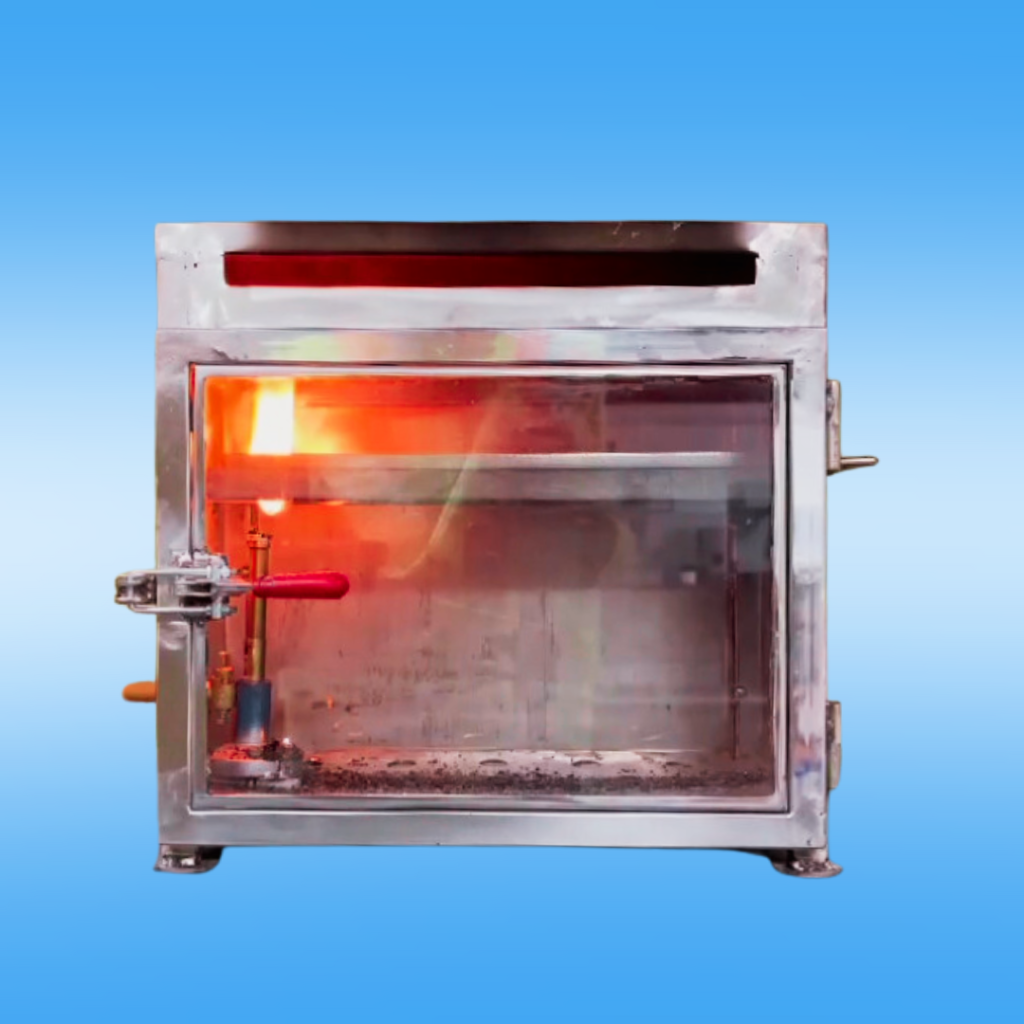
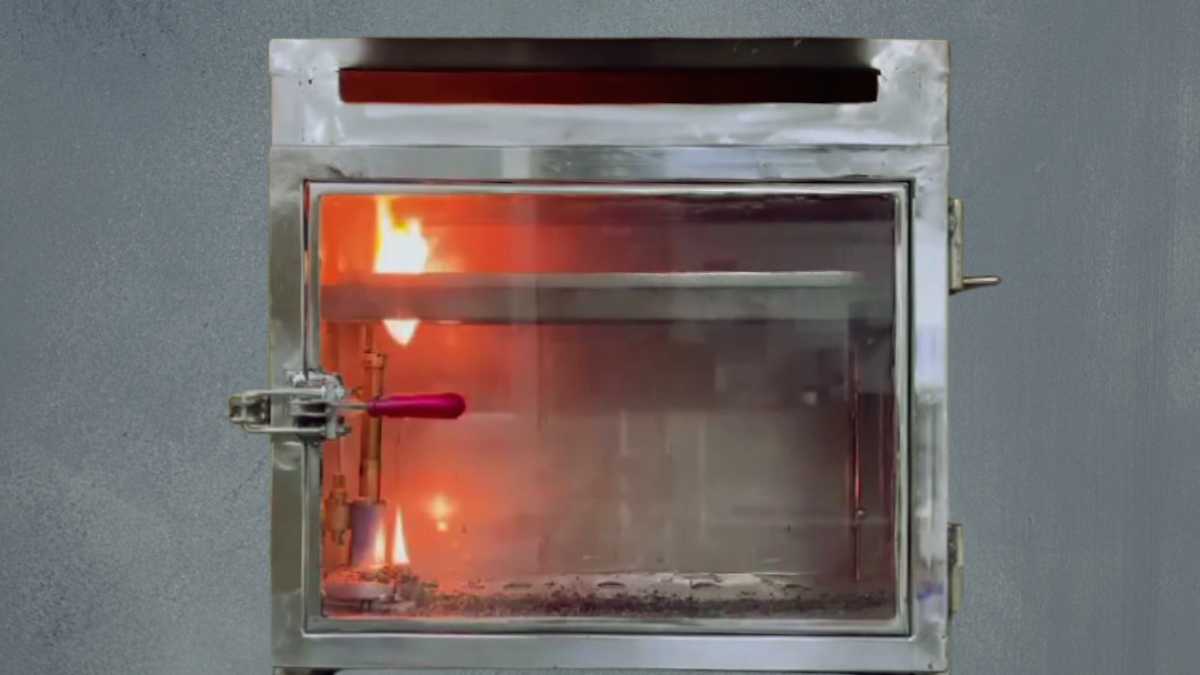
The ASTM E84 test is conducted in a 25-foot-long horizontal tunnel, with the test material mounted on the ceiling. The material is subjected to a controlled flame at one end of the tunnel, and the test is typically run for 10 minutes.

  • Flame Spread Measurement: As the flames move across the surface of the material, sensors track the speed at which the flames spread, providing data for the Flame Spread Index (FSI).
  • Smoke Measurement: Simultaneously, the smoke produced by the burning material is collected and measured to determine the Smoke Developed Index (SDI).

2. Interpretation of Results
The results of the ASTM E84 test provide a classification for the material, typically falling into one of three categories:

  • Class A (Class I): FSI of 0 to 25, and SDI of 0 to 450. Materials in this class exhibit the highest level of fire resistance.
  • Class B (Class II): FSI of 26 to 75, and SDI of 0 to 450. Materials with moderate flame spread.
  • Class C (Class III): FSI of 76 to 200, and SDI of 0 to 450. Materials in this class exhibit higher flame spread but still meet minimum safety standards.

These classifications are crucial in determining where materials can be used within a building, with Class A materials often required for high-risk areas such as corridors and exits.

Why ASTM E84 is Crucial for Building Safety

Incorporating materials that meet ASTM E84 standards is critical for maintaining fire safety in commercial, residential, and industrial buildings. The results from this test influence:

  • Building Code Compliance: Many regions require materials to meet ASTM E84 classifications, especially for materials used in escape routes or high-occupancy areas.
  • Product Development and Innovation: Manufacturers often rely on ASTM E84 testing to certify new materials, especially those that use innovative compositions like composites, synthetic fabrics, or treated woods.
  • Risk Mitigation: By ensuring that materials resist flame spread and limit smoke production, building designs can significantly lower the risk of catastrophic fire events.

ASTM E84 and Modern Materials

As construction materials evolve, so does the application of ASTM E84 testing. Traditional materials like wood, metal, and gypsum board are still widely tested, but newer materials such as composites, foams, and coatings are increasingly subjected to ASTM E84 to ensure they meet the same fire safety standards.

For instance, insulating materials made from synthetic or eco-friendly compounds often undergo ASTM E84 testing to ensure that they do not pose an increased fire hazard despite their environmental benefits. The ability to certify these materials as safe for use in buildings allows the construction industry to innovate without compromising on safety.


Flammability Property Testing As per standard ASTM E84

Conclusion


FAQ

1.What is Flame Spread Index (FSI)?

The Flame Spread Index (FSI) is a measure of how quickly flames spread across the surface of a material during the test.

2.What is Smoke Developed Index (SDI)?

The Smoke Developed Index (SDI) measures the density of smoke produced by the material as it burns.

3.Where are Class A materials required?

Class A materials, which have the best fire resistance, are typically required in high-risk areas such as exit corridors, stairwells, and places with high occupancy.

4.How does ASTM E84 help with regulatory compliance?

Building codes often reference ASTM E84 standards, making it essential for ensuring that materials used in construction meet fire safety regulations.

5. Can modern materials like composites and foams be tested under ASTM E84?

Yes, modern materials, including composites and foams, undergo ASTM E84 testing to ensure they meet the required fire safety standards for use in buildings.
Humidity, Temperature Cycling Testing As per standard IEC 60068

Humidity, Temperature Cycling Testing As per standard IEC 60068

Humidity, Temperature Cycling Testing As per standard IEC 60068

Enhancing Product Durability with Humidity and Temperature Cycling Testing (IEC 60068)

Introduction

Humidity, Temperature Cycling Testing As per standard IEC 60068

What is Humidity and Temperature Cycling Testing?

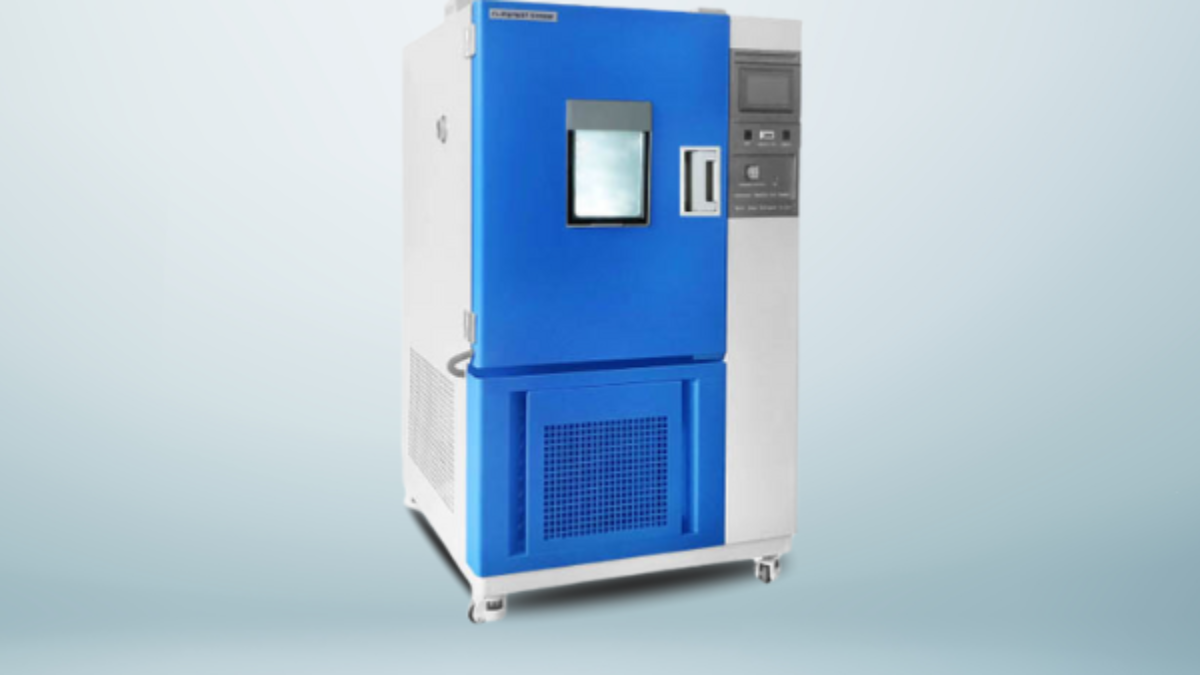
Humidity and temperature cycling testing is an environmental stress test that simulates the challenges products face in the real world. It involves subjecting products to alternating periods of extreme temperature and humidity to assess their durability and functionality.

The IEC 60068 standard provides a globally accepted methodology for conducting this testing, ensuring that products tested under this framework can withstand diverse environmental conditions without compromising quality or functionality.

How the Test Works

The testing process involves subjecting products or components to cycles of fluctuating temperatures and humidity. The main objective is to simulate a product’s lifetime exposure to harsh conditions, compressing months or years of environmental stress into a much shorter time frame.

  1. Temperature Fluctuations: During testing, products are exposed to high temperatures, often followed by rapid cooling, simulating sudden environmental changes like moving from a hot day into a cold storage or transport environment.
  2. Humidity Variations: The product also experiences high levels of humidity during the testing phase. This ensures that any moisture ingress, which could affect electrical components or cause corrosion, is identified.
  3. Repeated Cycles: The test typically consists of multiple cycles, alternating between hot, humid conditions and cold, dry conditions. These cycles replicate day-night shifts, seasonal changes, or transportation through different climate zones.

Throughout the test, the product is continuously monitored for any signs of deterioration, such as warping, cracking, corrosion, or functional failures.

Why IEC 60068 is the Gold Standard

The IEC 60068 standard is internationally recognized for its rigorous and detailed approach to environmental testing. It covers various environmental stressors, including temperature and humidity, but also extends to vibration, mechanical shocks, and other physical stress tests.

The key benefits of using the IEC 60068 standard for humidity and temperature cycling testing include:

  • Consistency: Ensures uniform testing protocols, enabling manufacturers and testing laboratories to obtain comparable results across different products and regions.
  • Reliability: The standard defines precise testing parameters, including cycle duration, temperature ranges, and humidity levels, ensuring that products are tested under realistic conditions.
  • Global Acceptance: IEC 60068 is recognized worldwide, ensuring that products tested under this standard can be certified for international markets.

Industries That Rely on Humidity and Temperature Cycling Testing

Many industries utilize this testing method to ensure their products can perform under extreme conditions. Key sectors that depend on humidity and temperature cycling testing include:

  • Automotive: Automotive components must endure temperature extremes in engine compartments, as well as high humidity in certain climates.

  • Aerospace: Aerospace components are exposed to high altitudes, extreme cold, and fluctuating humidity during flight and while grounded.

  • Electronics: Consumer and industrial electronics are often used in a range of environments, from the tropics to arctic zones, making testing for moisture and temperature stress essential.

  • Telecommunications: Devices like cell towers, routers, and other infrastructure must remain functional in various outdoor environments, making humidity and temperature testing crucial to avoid equipment failure.

The Testing Process: Steps Involved

  1. Sample Preparation: The product or component is pre-conditioned and placed inside a testing chamber.
  2. Cycle Programming: Temperature and humidity levels are pre-programmed to simulate the real-world environmental conditions the product is likely to face.
  3. Monitoring: During the test, engineers monitor the product’s performance, checking for any changes in structure, electrical performance, or mechanical integrity.
  4. Post-test Analysis: After completing the cycles, the product undergoes a detailed analysis to identify any weaknesses or areas of concern that might impact its longevity in the field.

Benefits of Humidity and Temperature Cycling Testing

By exposing products to these environmental stressors, manufacturers can:

  • Identify Potential Failures: Detect early signs of failure or malfunction, allowing engineers to address potential design flaws before products are shipped.
  • Extend Product Life: Ensuring that products are built to withstand fluctuating environmental conditions can lead to longer product lifespans.
  • Reduce Warranty Claims: By thoroughly testing products beforehand, companies can reduce the chances of malfunction in the field, minimizing costly warranty claims.
  • Ensure Regulatory Compliance: Adhering to standards like IEC 60068 helps manufacturers meet regulatory requirements for quality and durability, giving them a competitive edge in international markets.


Humidity, Temperature Cycling Testing As per standard IEC 60068

Conclusion


FAQ

1. What types of products require humidity and temperature cycling testing?

Products that are exposed to diverse environmental conditions, such as electronics, automotive components, aerospace parts, and outdoor communication equipment, often require this testing to ensure performance and durability.

2. How long does the testing take?

The duration depends on the specific testing cycles and product requirements. Typically, testing involves multiple cycles of varying temperature and humidity, which can take anywhere from hours to several days.

3. What does the testing process involve?

The testing involves exposing products to controlled temperature and humidity cycles, alternating between extreme heat, cold, and varying moisture levels. The product is monitored for signs of failure or degradation, such as corrosion, cracking, or loss of functionality.

4. How does this testing improve product design?

By identifying weaknesses or failures during testing, manufacturers can make informed design improvements, selecting materials or structures better suited for extreme environmental conditions.
High & Low Temperature Testing As per standard IEC 60068

High & Low Temperature Testing As per standard IEC 60068

High & Low Temperature Testing As per standard IEC 60068

Mastering Extreme Conditions: High & Low Temperature Testing as per IEC 60068


Introduction

High & Low Temperature Testing As per standard IEC 60068

What is High & Low Temperature Testing?

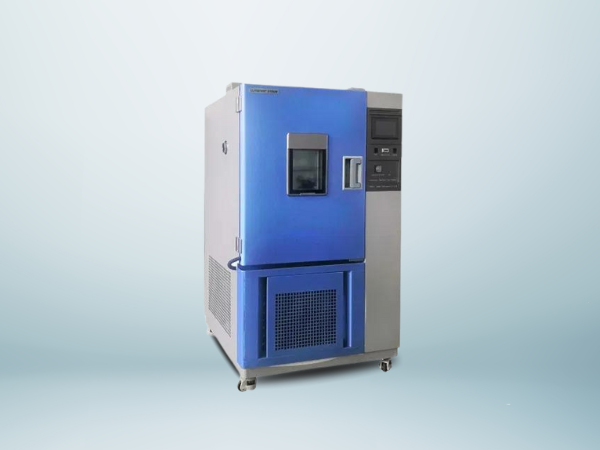
High and low temperature testing involves exposing products to extreme temperature conditions, both hot and cold, to evaluate how they perform and whether they maintain their structural integrity. This type of environmental testing is particularly useful for industries such as automotive, electronics, aerospace, and consumer goods, where products are often exposed to harsh conditions during their lifecycle.

The tests simulate the potential thermal environments products may encounter, whether it’s the freezing cold of winter or the scorching heat of industrial settings. Through temperature cycling, engineers can observe how materials and components react to these fluctuations, ensuring that products remain functional and safe under real-world conditions.

The Role of IEC 60068

IEC 60068 is an internationally recognized standard that specifies the methodology for environmental testing, including high and low temperature exposure. The standard is widely accepted across various industries, ensuring uniformity in testing practices and providing manufacturers with confidence that their products meet international quality and reliability standards.

Why is High & Low Temperature Testing Important?

Temperature extremes can cause significant stress to materials and components. Some materials expand and contract under these conditions, which may lead to warping, cracking, or changes in material properties over time. High and low temperature testing helps identify such vulnerabilities before products are released to market. The following are some of the primary benefits:

  1. Ensuring Safety and Reliability: Products tested under extreme temperature conditions are less likely to fail when used in harsh environments, providing peace of mind to both manufacturers and consumers.
  2. Enhancing Product Lifespan: Exposure to high and low temperatures can degrade materials over time. Testing helps manufacturers design products that can withstand these effects, increasing their durability and service life.
  3. Compliance with International Standards: Meeting the IEC 60068 standard ensures that products are tested according to globally accepted procedures, making it easier to enter international markets with confidence.

Key Aspects of IEC 60068 Testing

High and low temperature testing under IEC 60068 follows a systematic approach to ensure thorough evaluation of a product’s performance. The key aspects of this testing include:

  1. Temperature Range: Products are exposed to both high and low temperatures, which can vary based on the industry and the product’s intended application. For example, automotive components might be tested from -40°C to +85°C to simulate both winter and summer conditions.
  2. Temperature Cycling: The testing procedure often includes cycles between extreme high and low temperatures, simulating the real-world temperature variations a product may encounter during use. The number of cycles and the ramp rate—how fast the temperature changes—are critical parameters in this process.
  3. Dwell Time: Products are held at the extreme temperatures for a specified period (dwell time) to observe their behavior and potential degradation over time.
  4. Monitoring and Measurement: Throughout the testing, critical properties such as mechanical integrity, electrical performance, and material deformation are monitored. Any cracks, warping, or functional failures are recorded to assess the product’s overall durability.

Industries that Benefit from Temperature Testing

1. Automotive: Vehicles are exposed to a wide range of temperatures during operation, from the freezing cold of winter to the intense heat of summer. High and low temperature testing ensures that automotive components such as engines, electronics, and batteries can withstand these temperature variations without failure.

2. Electronics: Consumer electronics like smartphones, laptops, and home appliances must maintain performance despite temperature fluctuations. By simulating high and low temperature environments, manufacturers can ensure that their devices will perform consistently, whether in cold storage or under the heat of direct sunlight.

3. Aerospace: Aircraft components face significant temperature extremes during flight, particularly at high altitudes. Temperature testing ensures that materials used in aircraft construction maintain their integrity in the face of extreme cold and heat, ensuring passenger safety and equipment reliability.

4. Industrial Equipment: Heavy machinery and industrial tools often operate in harsh environments where extreme temperatures are a concern. Ensuring that these machines perform well under such conditions is critical for the safety of workers and the continuity of operations.

 

High & Low Temperature Testing As per standard IEC 60068

Conclusion: Building Better Products with IEC 60068


FAQ

1. What is temperature cycling in IEC 60068 testing?

Temperature cycling involves alternating between high and low temperatures to simulate real-world conditions where products experience rapid temperature changes. This helps detect issues such as thermal expansion, contraction, and material fatigue.

2. How long does high and low temperature testing take?

The duration varies based on the product, testing requirements, and industry standards. Tests often include multiple temperature cycles with specified dwell times, where the product remains at a given temperature for a certain period.

3. What types of failures are identified in temperature testing?

Common issues include material warping, cracking, electrical failures, and degradation of performance due to thermal stress. These tests help uncover weaknesses that could compromise product reliability.
Thermal Shock Testing As per standard IEC 60068

Thermal Shock Testing As per standard IEC 60068

Thermal Shock Testing As per standard IEC 60068

Thermal Shock Testing According to IEC 60068: Ensuring Material Reliability Under Rapid Temperature Changes


Introduction

Thermal Shock Testing As per standard IEC 60068

Understanding Thermal Shock:

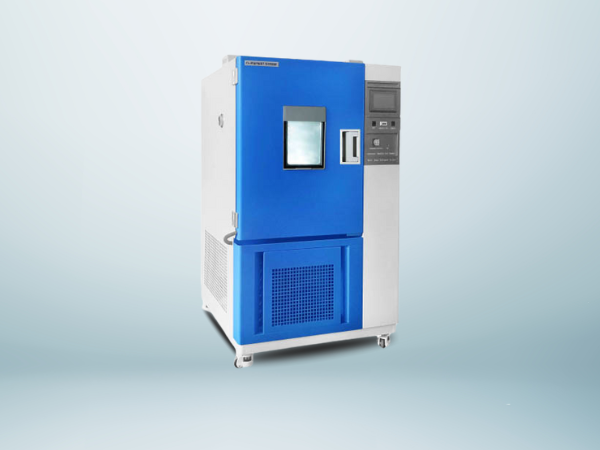
Thermal shock occurs when a material is subjected to rapid temperature fluctuations, leading to significant thermal stress. These sudden changes cause expansion and contraction of the material at different rates, often leading to structural failures such as cracking, warping, or surface delamination. Testing for thermal shock resistance ensures that materials can maintain their structural and functional integrity when exposed to these stresses.

IEC 60068 Overview:

IEC 60068 is a comprehensive standard that covers a wide range of environmental tests, including temperature and humidity tests, designed to assess the reliability of products under different environmental conditions. Specifically, IEC 60068-2-14 focuses on thermal shock testing, providing detailed guidelines on how to simulate real-life rapid temperature changes and their effects on materials and components.

Key Aspects of Thermal Shock Testing According to IEC 60068:

  1. Specimen Preparation: Materials or components to be tested are prepared in accordance with the standard’s guidelines. The shape, size, and condition of the test samples must be representative of their final application to ensure accurate results.
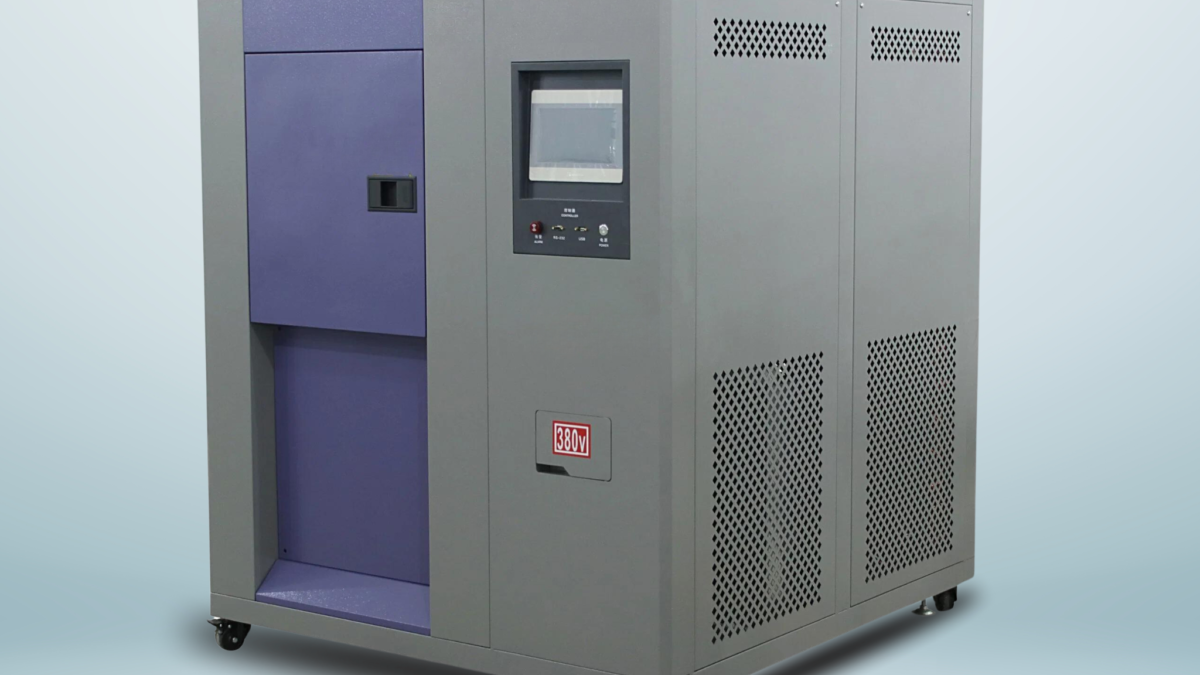
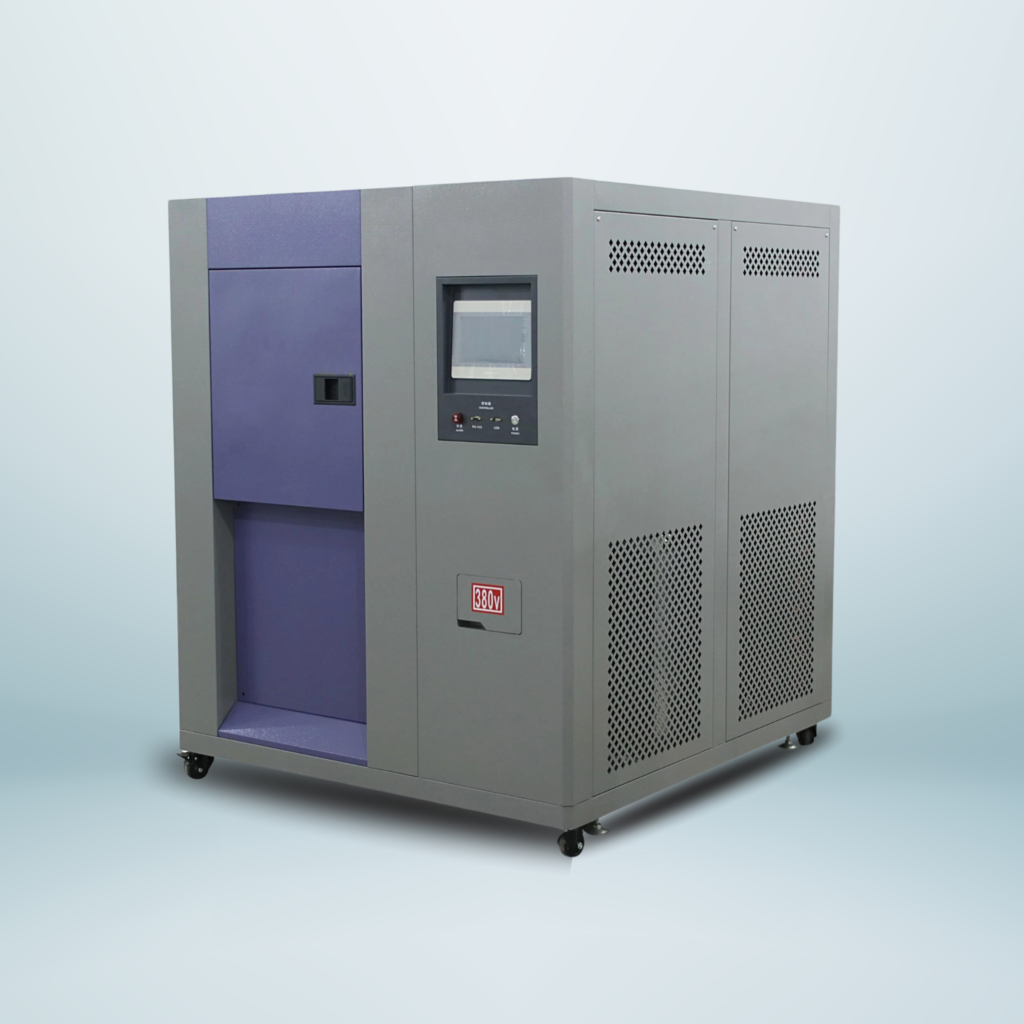
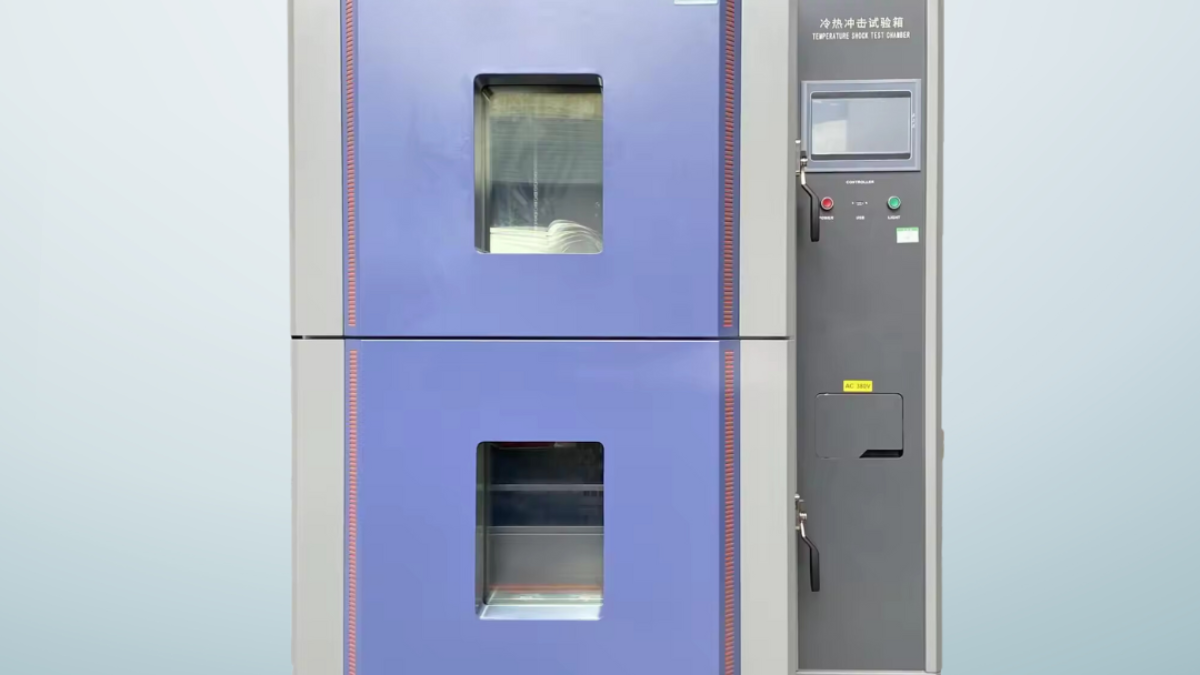
  2. Temperature Extremes: The test involves exposing the specimen to two temperature extremes. For example, a component may be subjected to temperatures as low as -55°C and then rapidly transferred to an environment as high as +150°C. The actual temperature range depends on the product’s intended operational conditions.
  3. Rapid Temperature Transitions: The hallmark of thermal shock testing is the speed of the temperature transitions. The transfer between hot and cold environments must happen in seconds, simulating real-world scenarios where rapid temperature changes occur. This could be, for instance, a device moving from a freezing outdoor environment into a heated indoor space, or an engine component quickly cooling after shutdown.
  4. Dwell Time: During testing, the specimen remains in each extreme temperature environment for a predetermined period (dwell time). This allows the material to stabilize at the test temperature, ensuring that the full extent of thermal stress is applied. Typically, dwell times can range from 10 to 30 minutes, depending on the test material.
  5. Number of Cycles: The number of thermal shock cycles is specified based on the expected operational life and environmental exposure of the material or product. A higher number of cycles indicates a more rigorous test, simulating years of thermal cycling within a short period. Components are usually subjected to multiple cycles to evaluate how well they can withstand repeated thermal shocks.
  6. Evaluation Criteria: After each cycle or at the conclusion of testing, the material is evaluated for visible defects such as cracks, warping, or delamination. In addition to visual inspections, functional testing is often performed to ensure that the material or component still meets operational requirements after exposure to thermal shock.

Importance of Thermal Shock Testing:

  • Reliability and Durability: Thermal shock testing is crucial for assessing the long-term reliability of materials and components, particularly in industries where temperature extremes are a daily reality. This testing helps ensure that products won’t fail unexpectedly in real-world applications.

  • Preventing Catastrophic Failures: Materials that are not tested for thermal shock resistance can fail catastrophically when exposed to sudden temperature changes. For example, electronic components may develop micro-cracks that lead to electrical failures, or structural components may warp, compromising their mechanical strength.

  • Industries Benefitting from IEC 60068 Testing: Thermal shock testing is applied across numerous industries, including:

    • Aerospace: Components in aircraft experience rapid temperature changes during takeoff and landing, making thermal shock testing essential for safety.
    • Automotive: Engine parts, especially in internal combustion engines, are subjected to extreme thermal cycling.
    • Electronics: Circuit boards and semiconductors must be tested to ensure they can handle rapid temperature fluctuations without losing functionality.
    • Construction Materials: Certain building materials need to resist thermal shock to ensure longevity, especially in regions with extreme seasonal temperature differences.

Advantages of Complying with IEC 60068:

  • International Acceptance: By adhering to the IEC 60068 standard, manufacturers can ensure their products meet globally recognized benchmarks for durability and performance. This helps in gaining market acceptance and regulatory approvals across different countries.

  • Improved Product Design: Thermal shock testing under this standard provides valuable feedback that can be used to improve product designs, ensuring that materials and components are better suited to withstand environmental stress over their lifecycle.

  • Cost Efficiency: Conducting thermal shock tests early in the product development cycle can save manufacturers from costly recalls or warranty claims caused by product failure in the field. By identifying weaknesses in the material early on, manufacturers can make necessary adjustments to improve performance before mass production.

Thermal Shock Testing As per standard IEC 60068

Conclusion


FAQ

1. How quickly must the temperature transition occur during testing?

According to IEC 60068, the transition between extreme temperatures must occur within seconds, typically no longer than 10 seconds. This ensures that the material experiences true thermal shock, mimicking real-world rapid temperature changes.

2. How many thermal shock cycles are required in the test?

The number of cycles depends on the product and its application. Commonly, multiple cycles are performed to simulate the thermal stresses a material would endure over its operational life. The exact number of cycles is determined based on the test specifications or industry standards.

3. What types of products typically undergo thermal shock testing?

Thermal shock testing is applied to a wide range of products, including electronic components, automotive parts, aerospace materials, and construction products. Any product exposed to fluctuating temperatures may require this test.
Hot And Cold Cycle Test As per standard IEC 61215

Hot And Cold Cycle Test As per standard IEC 61215

Hot And Cold Cycle Test As per standard IEC 61215

Hot and Cold Cycle Testing for PV Modules: A Deep Dive into IEC 61215 Standard

Introduction

Hot And Cold Cycle Test As per standard IEC 61215

Purpose of the Hot and Cold Cycle Test

The Hot and Cold Cycle Test, also known as Thermal Cycling, is designed to simulate the extreme temperature conditions that PV modules encounter in real-world scenarios. These tests aim to evaluate how temperature variations impact the structural and electrical integrity of solar modules. By exposing the modules to repeated cycles of high and low temperatures, the test helps identify potential issues such as material fatigue, microcracks, and delamination, which can severely affect the module’s performance over time.

Test Conditions as per IEC 61215

The IEC 61215 standard specifies a range of conditions for performing the Hot and Cold Cycle Test. These conditions replicate the real-life thermal stress a PV module might endure, particularly in regions where temperatures fluctuate drastically.

  • Temperature Range: The module is subjected to temperatures ranging from as low as -40°C to as high as 85°C. This wide range ensures the test can simulate the worst thermal environments experienced by PV modules.

  • Cycle Duration: A full thermal cycle involves the module being exposed to high and low-temperature extremes, with a period of stabilization at each extreme. Typically, each cycle lasts several hours, with the module held at each extreme for a defined time before transitioning to the opposite extreme.

  • Number of Cycles: The test usually involves a minimum of 200 cycles, though modules intended for more extreme conditions may undergo up to 1000 cycles. The high number of cycles helps evaluate the module’s long-term ability to withstand continuous thermal stress.

Testing Procedure

The Hot and Cold Cycle Test follows a precise protocol as per IEC 61215:

  1. Initial Module Inspection: Before the test begins, the PV module is visually inspected for any pre-existing defects or anomalies. Electrical parameters such as power output and insulation resistance are also recorded.
  2. Thermal Cycling: The module is placed in a thermal chamber where it is subjected to temperature extremes. The chamber is programmed to cycle between the lowest and highest specified temperatures, typically -40°C and 85°C. During the cycle, the temperature is gradually raised or lowered, and the module is held at the extreme temperatures for specific durations to simulate real-world thermal exposure.
  3. Humidity Control: While the temperature fluctuates, the humidity levels in the chamber may be controlled, depending on the test protocol. This ensures the test environment accurately reflects varying climate conditions.
  4. Post-Test Evaluation: After completing the specified number of cycles, the module undergoes a detailed visual inspection, electrical performance testing, and infrared imaging to detect microcracks, delamination, or any other defects that could impair its efficiency. Any drop in electrical performance, structural damage, or power degradation is noted.

Why the Hot and Cold Cycle Test Matters

Temperature extremes can cause various mechanical stresses in a PV module, leading to microcracks in the solar cells, separation of materials, and failures in electrical connections. The Hot and Cold Cycle Test is essential because:

  • Material Stability: It verifies the stability of materials used in the module, such as encapsulants, back sheets, and junction boxes.

  • Durability: It ensures that the PV module can withstand rapid and continuous temperature changes without significant performance loss.

  • Safety and Performance: Ensuring that modules meet IEC 61215 standards through thermal cycling helps guarantee their safety and optimal performance in the field, particularly in regions with extreme climates.


Hot And Cold Cycle Test As per standard IEC 61215

Conclusion


FAQ

1. What issues can the Hot and Cold Cycle Test identify?

The test helps detect potential issues such as material fatigue, microcracks, delamination, and loss of electrical performance due to temperature-induced stress.

2. How does the test simulate real-world conditions?

The test replicates real-world conditions by rapidly cycling between high and low temperatures, mimicking the day-night and seasonal temperature variations that PV modules experience in different climates.

3. What happens if a PV module fails the Hot and Cold Cycle Test?

If a module fails, it may exhibit cracks, delamination, or a significant drop in electrical performance, indicating it may not perform well in real-world environments.

4. Is passing the Hot and Cold Cycle Test required for certification?

Yes, passing the Hot and Cold Cycle Test is part of the requirements for IEC 61215 certification, which is an important standard for ensuring the quality and durability of solar modules.
Heat Aging Test As Per Standard ASTM D3045

Heat Aging Test As Per Standard ASTM D3045

Heat Aging Test As Per Standard ASTM D3045

Exploring Heat Aging Tests According to ASTM D3045: Ensuring Plastic Material Durability


Introduction

Heat Aging Test As Per Standard ASTM D3045

Understanding ASTM D3045

ASTM D3045, titled “Standard Practice for Heat Aging of Plastics Without Load,” outlines a method for exposing plastic materials to elevated temperatures to assess their thermal stability over time. This standard is vital for understanding how heat affects the mechanical, physical, and chemical properties of plastics, helping manufacturers and engineers ensure the reliability and safety of their products in real-world applications.

Why Heat Aging Tests are Important

  1. Predicting Long-Term Performance: Heat aging tests simulate the thermal exposure that plastics might experience throughout their lifespan. By accelerating this exposure, these tests help predict how materials will behave over years or even decades, aiding in product design and material selection.
  2. Quality Assurance: Heat aging tests are essential for quality control in manufacturing. They ensure that materials maintain their properties under expected service conditions, reducing the risk of product failure and increasing customer satisfaction.
  3. Safety Compliance: Many industries, such as automotive, aerospace, and electronics, require materials to meet specific safety standards. Heat aging tests provide a method to evaluate whether materials comply with these standards, ensuring that products perform safely under various thermal conditions.
  4. Research and Development: For material scientists and engineers, understanding the effects of heat on different plastics is crucial for developing new materials with enhanced properties. Heat aging tests provide valuable data that can drive innovation and improve material performance.

The Heat Aging Test Procedure According to ASTM D3045

The ASTM D3045 standard outlines a methodical approach to heat aging testing, ensuring consistency and reliability across different laboratories. Here’s a step-by-step overview of the procedure:

  1. Sample Preparation: The first step involves preparing test specimens from the plastic material to be evaluated. These specimens are typically cut into specific shapes and sizes to ensure uniform exposure to heat.
  2. Preconditioning: Before the actual aging process, specimens are preconditioned at standard laboratory conditions. This step helps to stabilize the material and remove any moisture that could affect the results.
  3. Aging Environment: The specimens are then placed in an oven where they are exposed to elevated temperatures. The temperature settings depend on the material being tested and the specific conditions it is expected to endure in service. Typical temperatures range from 70°C to 150°C, but higher temperatures may be used for certain applications.
  4. Exposure Time: The duration of heat exposure varies depending on the test’s objectives. It can range from a few hours to several months. The chosen time frame should reflect the intended real-world exposure conditions to provide meaningful data on material performance.
  5. Post-Aging Testing: After the aging period, specimens are removed from the oven and allowed to cool. They are then subjected to various tests to assess changes in properties. Common tests include tensile strength, elongation, impact resistance, and visual inspection for discoloration or surface degradation.
  6. Data Analysis: The test results are analyzed to compare the aged specimens’ performance with that of unaged specimens. This analysis helps determine the material’s thermal stability and its suitability for specific applications.

Applications of Heat Aging Test Results

  1. Automotive Industry: In the automotive sector, plastics are widely used in interior and exterior components. Heat aging tests ensure that these materials can withstand the high temperatures they may encounter, especially in engine compartments or under direct sunlight.
  2. Electronics: Plastics used in electronic devices and components must maintain their insulating properties and mechanical integrity under prolonged heat exposure. Heat aging tests help verify the durability of these materials in demanding environments.
  3. Construction: Building materials, such as pipes, insulation, and fittings, often require heat aging tests to ensure they will not degrade or fail over time due to thermal cycling and heat exposure.
  4. Packaging: Food packaging materials need to resist high temperatures without leaching harmful substances or losing their structural integrity. Heat aging tests ensure the safety and reliability of these materials.
Heat Aging Test As Per Standard ASTM D3045

Conclusion


FAQ

1. How long does a heat aging test last?

The duration of the heat aging test can vary widely, from a few hours to several months, depending on the intended use and the desired simulation of real-world conditions.

2. What properties are evaluated after heat aging?

Common properties tested after heat aging include tensile strength, elongation, impact resistance, hardness, and visual inspection for changes such as discoloration or cracking.

3. How does heat aging testing help in product development?

Heat aging tests provide data on material performance under thermal stress, allowing manufacturers to select suitable materials and optimize formulations for enhanced durability and safety.
Heat Cycle Test As Per Standard IEC 61284

Heat Cycle Test As Per Standard IEC 61284

Heat Cycle Test As Per Standard IEC 61284

Understanding Heat Cycle Testing According to IEC 61284


Introduction

Heat Cycle Test As Per Standard IEC 61284

What is IEC 61284?

IEC 61284, developed by the International Electrotechnical Commission (IEC), is a standard that specifies the requirements and testing methods for fittings of overhead electrical lines. This standard encompasses mechanical and electrical properties, including the Heat Cycle Test, which is a pivotal part of assessing how materials react to temperature fluctuations. The goal is to ensure that components can withstand both the typical and extreme thermal stresses they may encounter during their operational lifespan.

Purpose of the Heat Cycle Test

The Heat Cycle Test is designed to simulate the thermal conditions experienced by electrical conductors and fittings over time. These components are exposed to heat due to environmental conditions and electrical load. The key purposes of the Heat Cycle Test are:

  • Simulate Real-World Conditions: By mimicking the thermal stresses that components will face, the test helps predict how they will perform under actual working conditions.
  • Identify Potential Failures: Detecting material weaknesses and potential points of failure before deployment is crucial for ensuring safety and reliability.
  • Enhance Durability: Understanding how materials respond to temperature changes allows manufacturers to improve material formulations and design for enhanced durability.

Heat Cycle Testing Procedure According to IEC 61284

The IEC 61284 standard outlines a structured procedure for conducting Heat Cycle Tests to ensure consistency and reliability in the results. Here’s a step-by-step overview of the typical procedure:

  1. Preparation of Test Samples: Test samples, which might include conductors, clamps, or other fittings, are prepared according to the specifications provided in IEC 61284. These samples should reflect the actual products to ensure that the test results are representative.
  2. Defining the Test Parameters: The standard specifies the number of cycles, temperature ranges, and the duration of each cycle. A typical test may involve heating the sample to a specific maximum temperature (often simulating peak operational or fault conditions), holding it there for a set period, and then allowing it to cool to a lower temperature. This cycle is repeated multiple times.
  3. Execution of Heat Cycles: The samples are placed in a controlled environment where the temperature is systematically cycled between the defined high and low values. The transitions between these temperatures need to be as uniform and controlled as possible to simulate real-world conditions accurately.
  4. Monitoring and Data Collection: During the test, various parameters are monitored. These may include physical deformation, changes in electrical conductivity, and other relevant mechanical or electrical properties. Accurate data collection is crucial for analyzing the results.
  5. Post-Test Analysis: After the completion of the heat cycles, the samples are examined for any signs of degradation, such as material fatigue, cracking, or significant changes in electrical or mechanical properties. The results are then analyzed to determine if the components meet the criteria set by IEC 61284.

Key Benefits of Heat Cycle Testing

Heat Cycle Testing under IEC 61284 provides several critical benefits:

  • Reliability Verification: By simulating the thermal conditions that components will face, this test helps ensure that only those materials and designs that can withstand such conditions are used in power lines, enhancing overall system reliability.
  • Safety Assurance: Preventing in-service failures that could lead to power outages or safety hazards is a primary goal. Heat Cycle Testing identifies weak points that could compromise safety.
  • Product Improvement: Test results offer valuable insights for manufacturers to refine materials and designs, resulting in better performance and longer-lasting components.

Challenges and Considerations

While Heat Cycle Testing is crucial, it comes with challenges and considerations:

  • Precision in Temperature Control: Achieving precise temperature control during the test is critical. Any deviations can lead to inaccurate test results, affecting the reliability of the conclusions drawn.
  • Material Variability: Different materials respond differently to heat cycling. Understanding these variances and ensuring that the chosen materials meet the necessary performance criteria is essential.
  • Cost and Time: Heat Cycle Testing can be time-consuming and expensive, especially when conducted on a large scale. Balancing the need for thorough testing with practical considerations of cost and time is necessary.
Heat Cycle Test As Per Standard IEC 61284

Conclusion


FAQ

1. What is Heat Cycle Testing as per IEC 61284?

Heat Cycle Testing as per IEC 61284 is a standardized method used to assess the performance of materials and components, such as conductors and fittings for overhead power lines, under varying thermal conditions. This test simulates real-world temperature fluctuations to ensure the reliability and durability of these components.

2. Why is Heat Cycle Testing important?

Heat Cycle Testing is crucial because it helps identify potential weaknesses in materials and components that may lead to failures in actual operational conditions. By simulating thermal stresses, this test ensures that the components can withstand the temperature changes they will encounter, thus enhancing safety and reliability.

3. What components are typically tested using Heat Cycle Testing?

Typically, conductors, clamps, joints, and other fittings used in overhead power lines are subjected to Heat Cycle Testing. These components are tested to ensure they can handle the thermal stresses caused by environmental changes and electrical loads.

4. How is the Heat Cycle Test conducted?

The Heat Cycle Test involves heating the test samples to a specified maximum temperature, holding them at that temperature for a set period, and then cooling them down to a lower temperature. This cycle is repeated multiple times to assess the material’s response to thermal changes.

5. What are the key parameters monitored during Heat Cycle Testing?

During Heat Cycle Testing, parameters such as temperature, physical deformation, changes in electrical resistance, and other relevant mechanical and electrical properties are monitored. This data helps analyze the performance and durability of the components.
Brittleness Temperature Test As Per Standard ASTM D746

Brittleness Temperature Test As Per Standard ASTM D746

Brittleness Temperature Test As Per Standard ASTM D746

Understanding Brittleness Temperature Testing with ASTM D746


Introduction

Brittleness Temperature Test As Per Standard ASTM D746

What is ASTM D746?

ASTM D746, formally titled Standard Test Method for Brittleness Temperature of Plastics and Elastomers by Impact, is an internationally recognized standard. It establishes a procedure for determining the temperature at which a material, when subjected to an impact, shows brittle failure. The test identifies the brittleness temperature, which is defined as the highest temperature at which 50% of the specimens tested exhibit brittle failure under specified conditions.

Why is Brittleness Temperature Important?

Brittleness temperature is a critical parameter for materials that need to perform in sub-zero environments. Knowing this temperature helps manufacturers choose the right materials for applications where exposure to low temperatures could compromise the material’s integrity and performance. If a material becomes brittle and fractures under impact at a specific low temperature, it could lead to product failure, potentially causing safety hazards, costly recalls, or damage to a brand’s reputation.

The Testing Procedure

The brittleness temperature test involves the following steps:

  1. Specimen Preparation: Specimens are prepared according to the standard dimensions specified by ASTM D746. The consistency in specimen size ensures the reliability and comparability of test results.
  2. Cooling: The test specimens are cooled to a series of predetermined temperatures using a controlled cooling system. A common cooling medium is a mixture of dry ice and alcohol, which allows for precise temperature control.
  3. Impact Test: Once cooled to the target temperature, each specimen is subjected to an impact load using a standardized testing apparatus. The impact simulates real-world conditions that the material might experience.
  4. Observing Failure: The specimens are examined for signs of brittle failure—typically cracking or shattering. The brittleness temperature is determined as the temperature at which 50% of the specimens fail under the impact.

Key Factors Influencing Brittleness Temperature

Several factors can affect the brittleness temperature of materials:

  • Material Type and Composition: Different polymers and additives can influence how a material reacts to low temperatures. For example, adding rubber to a plastic can lower its brittleness temperature, making it more suitable for cold environments.

  • Specimen Thickness: The thickness of the test specimen can affect how quickly it reaches the test temperature and how it distributes stress under impact. Thicker specimens might show different brittleness temperatures compared to thinner ones.

  • Cooling Rate: The speed at which the specimens are cooled can influence test outcomes. Rapid cooling might result in higher brittleness temperatures compared to slower cooling rates, as it might not allow the material to reach thermal equilibrium.

  • Environmental Exposure and Aging: Materials that have been exposed to sunlight, moisture, or chemicals over time might exhibit changes in their brittleness temperature, either becoming more brittle or less, depending on the environmental factors.

Applications of ASTM D746 Brittleness Testing

  • Automotive Parts: Components such as bumpers, hoses, and seals are often exposed to cold weather. Testing ensures these parts remain flexible and do not crack, maintaining vehicle safety and performance.

  • Building and Construction: Materials like exterior panels, pipes, and insulation must withstand cold climates without failing. The brittleness temperature test helps identify materials that will perform well in these conditions.

  • Consumer Products: Products such as sports equipment, storage containers, and outdoor gear are used in various environments. Ensuring these items don’t fail in cold conditions is critical for user safety and product reliability.

  • Electronics: Components in electronic devices, especially those used outdoors or in cold storage, need to maintain integrity under low-temperature conditions. Brittleness temperature testing helps in selecting suitable materials.


Brittleness Temperature Test As Per Standard ASTM D746

Conclusion


FAQ

1. What factors can affect the Brittleness Temperature?

Factors include the type of material, additives used, specimen thickness, cooling rate, and environmental exposure. Aging, UV light, chemicals, and moisture can also alter a material's brittleness temperature over time.

2. How does the Brittleness Temperature Test benefit manufacturers?

The test helps manufacturers ensure that their products remain durable and safe under cold conditions. By knowing the brittleness temperature, they can avoid using materials that might fail in specific environmental conditions, reducing the risk of product recalls or failures.

3. Is ASTM D746 only relevant for cold climates?

While the test is particularly relevant for materials used in cold climates, it is also useful for any application where materials might be exposed to low temperatures, such as refrigeration, aerospace, or specific industrial processes.

4. Can the Brittleness Temperature Test be used for quality control?

Yes, manufacturers use the Brittleness Temperature Test as part of their quality control process to ensure materials meet the required specifications for low-temperature performance before they are used in production.
Thermal Expansion Test As Per Standard ASTM C177

Thermal Expansion Test As Per Standard ASTM C177

Thermal Expansion Test As Per Standard ASTM C177

Understanding Thermal Expansion Testing: Insights from ASTM C177


Introduction

Thermal Expansion Test As Per Standard ASTM C177

What is Thermal Expansion and Why is it Important?

Thermal expansion is the tendency of matter to change its shape, area, volume, and density in response to a change in temperature. When a material heats up, its particles move more and thus usually maintain a greater average separation. Materials generally expand upon heating and contract when cooled. This behavior can impact various industries, from construction to aerospace, where materials are exposed to different thermal environments. Accurate measurement of thermal expansion is critical for designing components that can withstand temperature changes without deforming or failing.

Introduction to ASTM C177

ASTM C177, titled “Standard Test Method for Steady-State Heat Flux Measurements and Thermal Transmission Properties by Means of the Guarded-Hot-Plate Apparatus,” is primarily used to measure the thermal conductivity of flat materials. However, it also provides a reliable method for assessing thermal expansion by observing how a material’s dimensions change in response to temperature variations. The standard focuses on steady-state heat flow, which ensures accurate and consistent results.

Key Components of the Guarded-Hot-Plate Apparatus

The guarded-hot-plate method involves a specific setup to ensure accurate measurement:

  1. Hot Plate: The hot plate generates a uniform heat flow across the test specimen.
  2. Cold Plate: Positioned on the opposite side, it maintains a controlled lower temperature.
  3. Guard Ring: Surrounds the hot plate to prevent lateral heat flow, ensuring that heat transfer remains one-dimensional.
  4. Specimen Holder: Keeps the material securely in place between the hot and cold plates.
  5. Temperature Sensors: Placed at various points to monitor temperature differences accurately.

Thermal Expansion Testing Procedure Using ASTM C177

  1. Specimen Preparation: A specimen, typically in a flat slab form, is prepared according to specific dimensions. The dimensions are chosen based on the material type and the expected temperature range.
  2. Setup: The specimen is placed between the hot and cold plates in the guarded-hot-plate apparatus. The guard ring ensures that heat only flows through the specimen, maintaining a one-dimensional heat flow.
  3. Heating and Temperature Equilibration: The apparatus is heated gradually until a steady-state temperature difference is established. The heat flux remains constant, allowing the temperatures on either side of the specimen to stabilize.
  4. Measurement: Temperature sensors measure the temperature difference across the specimen. The change in dimensions of the specimen is measured using precise instruments like micrometers. This data is used to calculate both thermal conductivity and thermal expansion coefficients.
  5. Calculations: Using the observed temperature gradient and changes in specimen dimensions, thermal conductivity is calculated first. Subsequently, thermal expansion is determined by noting how much the material’s thickness changes with temperature.

Applications of Thermal Expansion Testing

  • Construction Materials: In buildings, materials such as concrete and steel undergo temperature changes that can lead to expansion or contraction. Understanding these properties helps in designing joints and supports to accommodate these movements.

  • Electronics and Electrical Components: Electronics generate heat during operation, causing components to expand. Thermal expansion data ensures that circuit boards and components are designed to withstand these changes without damage.

  • Automotive and Aerospace: Vehicles and aircraft experience extreme temperature variations. Testing ensures that materials used can handle expansion and contraction without causing structural issues or failures.

  • Insulation Materials: Thermal expansion testing helps determine how insulating materials behave under temperature changes, crucial for energy efficiency in buildings and industrial applications.

Why Choose ASTM C177 for Thermal Expansion Testing?

  • Accuracy and Reliability: ASTM C177 is known for its precision. The use of a guarded-hot-plate apparatus minimizes errors and ensures reliable results, making it a preferred choice for industries that require high accuracy.

  • Versatility: The method can be applied to a wide range of materials, including metals, ceramics, polymers, and composites. This versatility makes ASTM C177 a valuable standard across different sectors.

  • Benchmarking: Following a recognized standard like ASTM C177 provides a benchmark for comparing different materials and helps in maintaining consistency in quality and performance.


Thermal Expansion Test As Per Standard ASTM C177

Conclusion


FAQ

1.What industries benefit from thermal expansion testing?

Many industries benefit from thermal expansion testing, including construction, aerospace, automotive, electronics, and manufacturing. These industries require materials that maintain structural integrity and performance despite temperature changes.

2. How accurate is thermal expansion testing with ASTM C177?

Thermal expansion testing using ASTM C177 is highly accurate, thanks to the controlled conditions and precision instruments involved. The guarded-hot-plate method ensures consistent and reliable results by minimizing heat loss and focusing heat flow through the specimen.

3. What is the thermal expansion coefficient?

The thermal expansion coefficient is a measure of how much a material's dimensions change per degree of temperature change. It is calculated from the change in dimensions observed during thermal expansion testing and is crucial for predicting material behavior under thermal stress.

4.How does ASTM C177 compare to other thermal expansion testing methods?

ASTM C177 is highly regarded for its precision and reliability. While other methods, like dilatometry, are also used for measuring thermal expansion, the guarded-hot-plate method provides direct measurement of thermal transmission properties, making it suitable for a broader range of applications.

5.Where can I get thermal expansion testing services?

For professional thermal expansion testing services, contact Kiyo R&D Center & Laboratory. We offer state-of-the-art testing facilities and expertise to ensure accurate and reliable measurement of your materials' thermal properties.
Hardness Test As Per Standard ASTM D2240

Hardness Test As Per Standard ASTM D2240

Hardness Test As Per Standard ASTM D2240

Mastering Material Hardness: An In-Depth Look at ASTM D2240 Testing


Introduction

Hardness Test As Per Standard ASTM D2240

What is ASTM D2240?

ASTM D2240 is a widely recognized standard that specifies the method for measuring the hardness of non-metallic materials using a durometer. The standard covers various durometer scales, such as Shore A, Shore D, and others, each suited to different material types. The method outlined in ASTM D2240 is critical for industries that rely on precise material properties to ensure their products meet required standards and perform as intended.

Key Components of ASTM D2240 Hardness Testing:

1.Understanding Durometers and Scales:

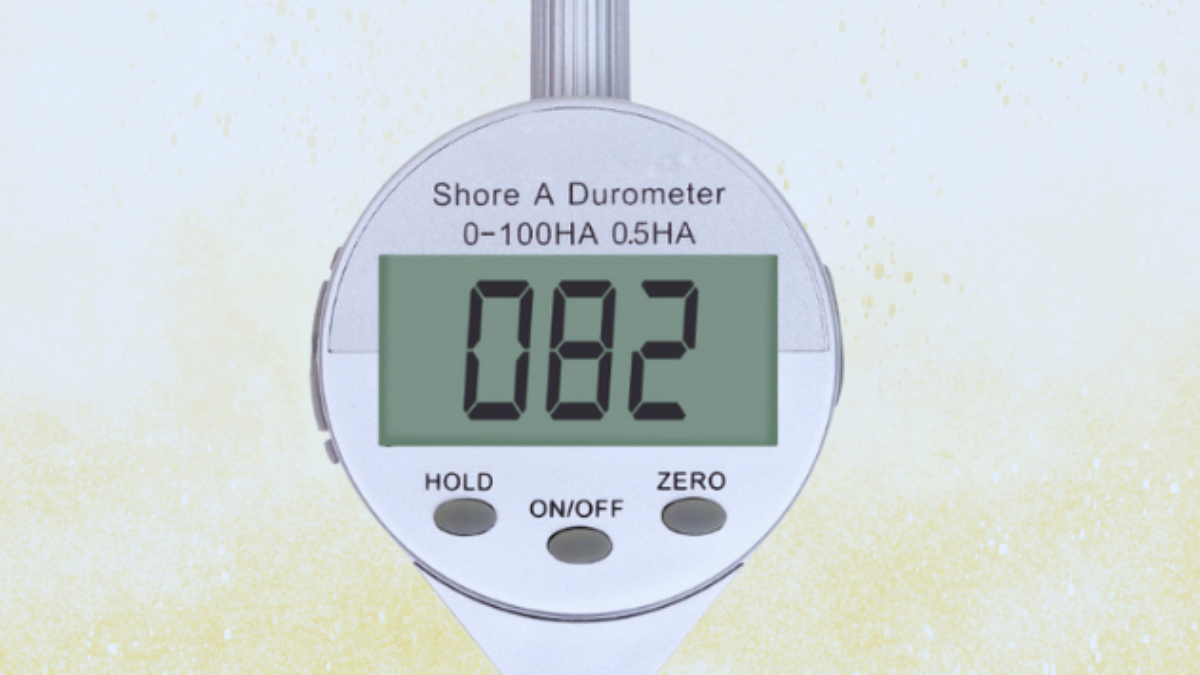
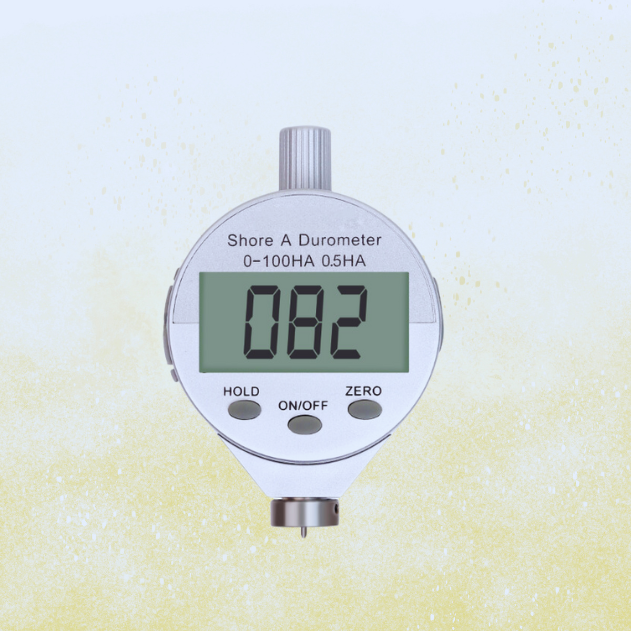
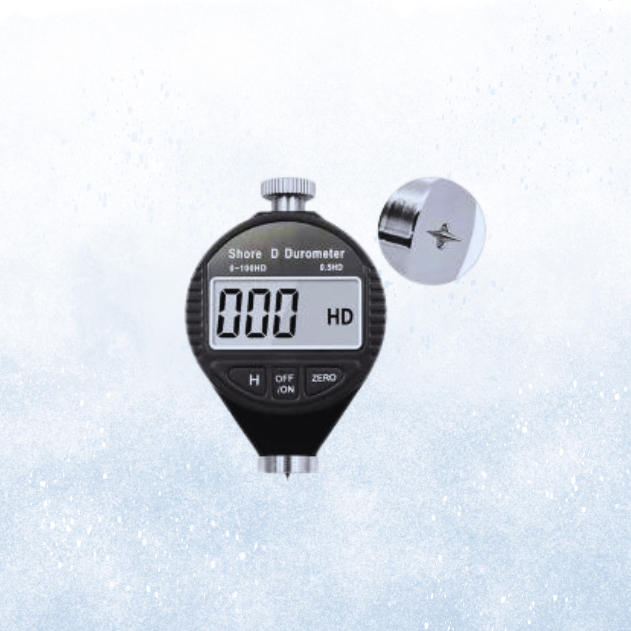
  • Durometer Types: A durometer is an instrument designed to measure the hardness of materials by gauging their resistance to indentation. Different types of durometers are used based on the material’s hardness range. The most common types under ASTM D2240 include Shore A and Shore D durometers.
  • Shore A Scale: Used for softer materials like rubber and elastomers, Shore A durometers use a blunt indenter with a spring-loaded mechanism. This scale is ideal for testing materials such as O-rings, seals, and flexible polymers.
  • Shore D Scale: Suitable for harder materials, Shore D durometers have a sharper indenter and a stronger spring. They are used for testing hard plastics, such as those found in pipes, sheets, and other rigid components.

2.Test Specimen Requirements:

  • To obtain accurate results, the test specimen should be flat, smooth, and free from imperfections. The recommended thickness for the specimen is at least 6 mm (0.24 inches), ensuring that the hardness reading is not influenced by the backing material.
  • The surface area of the specimen should be large enough to accommodate multiple hardness readings without testing in the same spot twice, which could lead to inconsistencies.

3.Testing Procedure:

  • Preparation: The durometer should be calibrated and checked for proper operation before testing. The test environment should be controlled, ideally at a standard temperature of 23°C (73.4°F), to prevent temperature variations from affecting the hardness readings.
  • Application: The durometer is pressed perpendicularly against the specimen’s surface until the indenter penetrates the material. The durometer reading is taken after a specific dwell time, usually within 1-2 seconds after the durometer contacts the material.
  • Recording Results: Several readings are taken at different points on the specimen surface, and the average value is calculated to represent the material’s hardness. This average provides a reliable measure of the material’s resistance to indentation.

4.Factors Influencing Hardness Measurements:

  • Environmental Conditions: Temperature and humidity can impact the hardness of materials. Testing under controlled environmental conditions is crucial for obtaining consistent and accurate readings.
  • Specimen Preparation: Surface finish, thickness, and cleanliness of the specimen can affect the hardness measurement. A well-prepared specimen yields more reliable and reproducible results.
  • Operator Technique: Consistent application pressure and dwell time are essential for accurate hardness measurements. Variability in the testing technique can lead to inconsistent results.

5.Data Analysis and Interpretation:

  • Hardness values are typically reported on a scale of 0 to 100. For Shore A hardness, a value closer to 0 indicates a very soft material, while a value near 100 indicates a very hard material. Similarly, for Shore D hardness, lower values represent softer plastics, and higher values represent harder plastics.
  • The hardness values help compare different materials and predict how they will perform in real-world applications. For instance, higher hardness materials may offer better wear resistance but might be less flexible, which is critical when designing parts like seals and gaskets.
          •  

Applications of ASTM D2240 Hardness Testing:

  • Automotive Industry: Hardness testing ensures that materials used in tires, bushings, and seals provide the right balance of durability and flexibility. It helps in selecting materials that can withstand the stresses of everyday driving.
  • Manufacturing: Hardness testing is crucial for quality control in manufacturing processes, ensuring that materials meet the required specifications for hardness, which correlates with wear resistance and product longevity.
  • Consumer Products: Products like shoe soles, silicone rubber cases, and kitchen utensils rely on hardness testing to ensure they have the right feel and durability. Ensuring the right hardness levels helps manufacturers meet consumer expectations for product comfort and performance.
Hardness Test As Per Standard ASTM D2240

Conclusion:


FAQ

1. What factors can affect hardness test results?

Temperature: Hardness can change with temperature, so tests should be conducted under standardized conditions. Specimen Preparation: Surface smoothness and thickness are crucial for accurate readings. Any defects can lead to inconsistent results. Durometer Calibration: Regular calibration and maintenance of the durometer ensure reliable hardness measurements.

2.What is the typical thickness required for hardness testing?

ASTM D2240 recommends that test specimens be at least 6 mm (0.24 inches) thick to prevent influence from the backing material. If the material is thinner, stacking or supporting methods are used to achieve the necessary thickness.

3.How does hardness testing help in product design?

Hardness testing helps designers select the appropriate materials for specific applications. It provides insights into a material's durability, flexibility, and resistance to wear, ensuring that products meet required performance standards.

4. Can ASTM D2240 be used for all types of hardness testing?

No, ASTM D2240 is specifically designed for testing the hardness of non-metallic materials like rubber and plastics. Different standards exist for testing the hardness of metals and other materials.

5. How often should durometers be calibrated?

Durometers should be calibrated regularly, depending on usage frequency and manufacturer recommendations. Regular calibration ensures the accuracy and reliability of hardness measurements.