Login With Mobile OTP


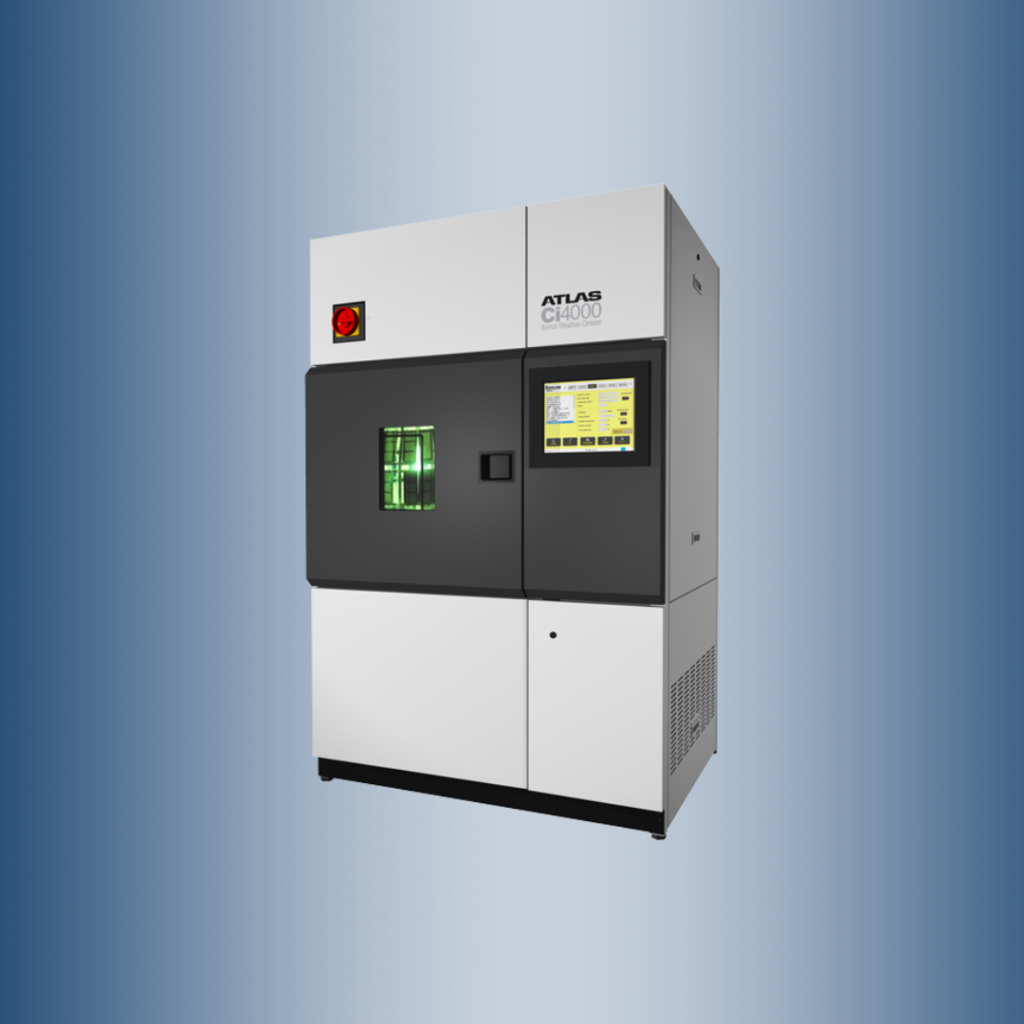
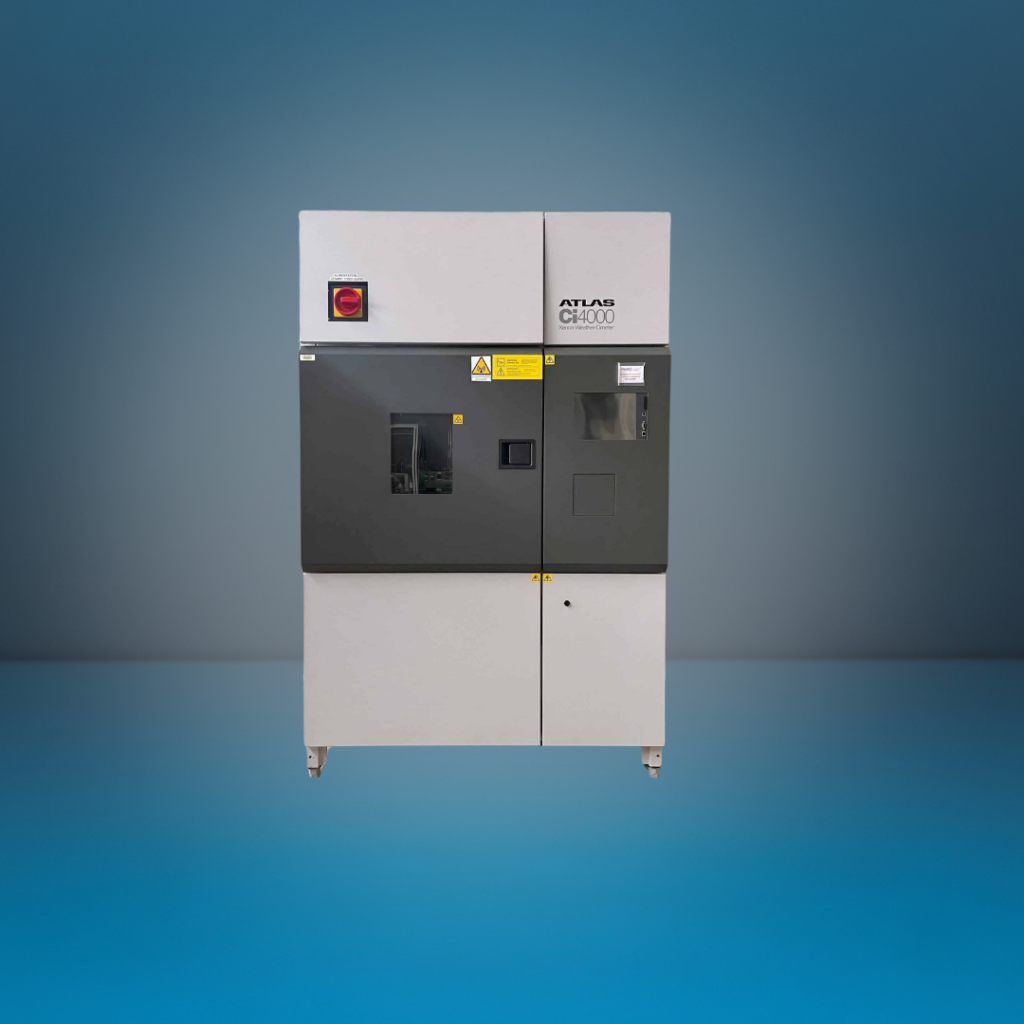
Xenon / UV Testing As Per ASTM G155

Xenon / UV Testing As Per ASTM G155

Xenon / UV Testing As Per ASTM G155

Unveiling the Power of Xenon / UV Testing as per ASTM G155


Introduction

Xenon / UV Testing As Per ASTM G155

Understanding ASTM G155

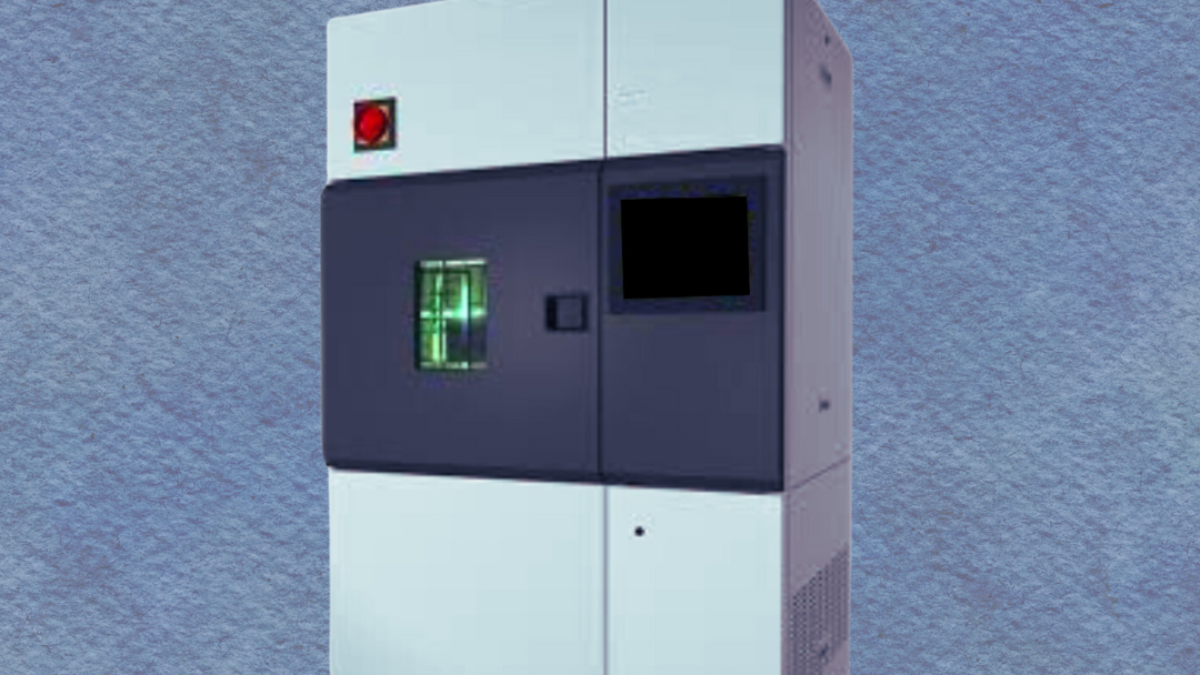
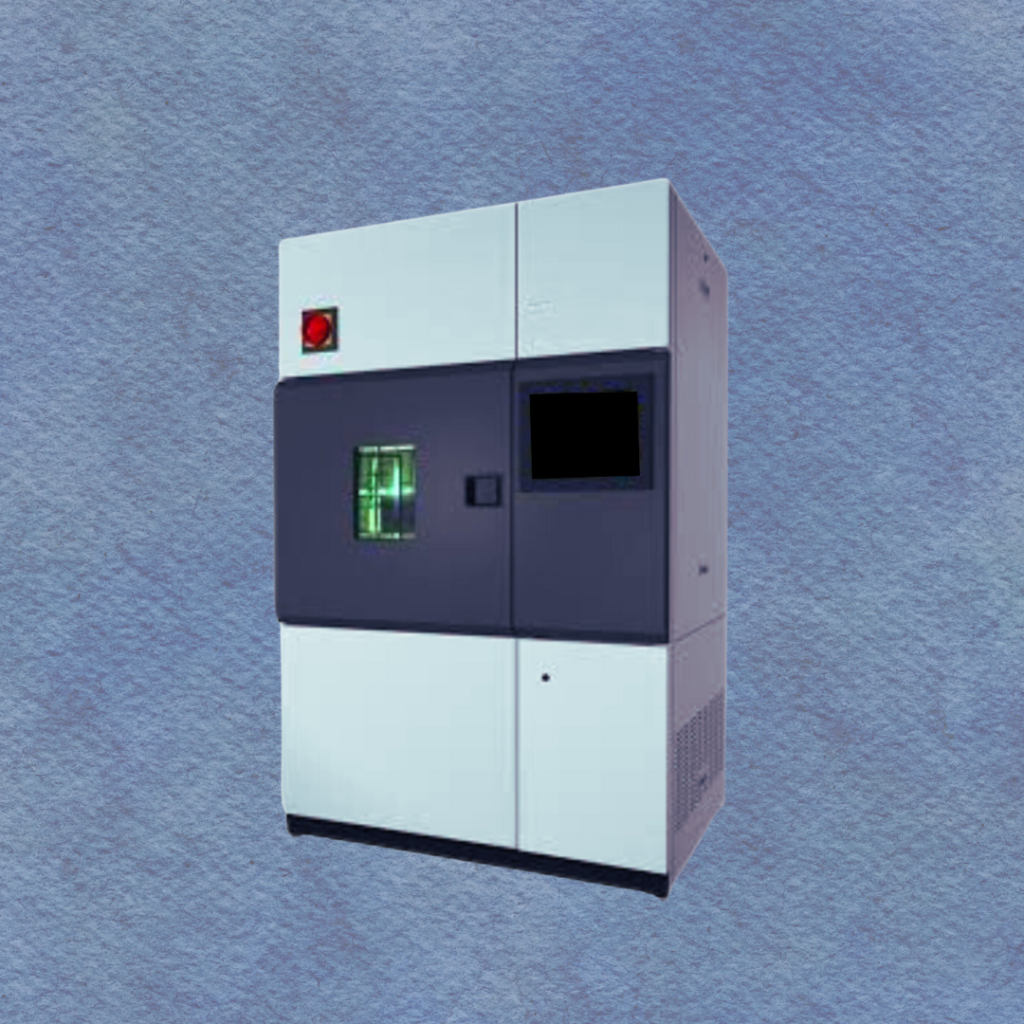
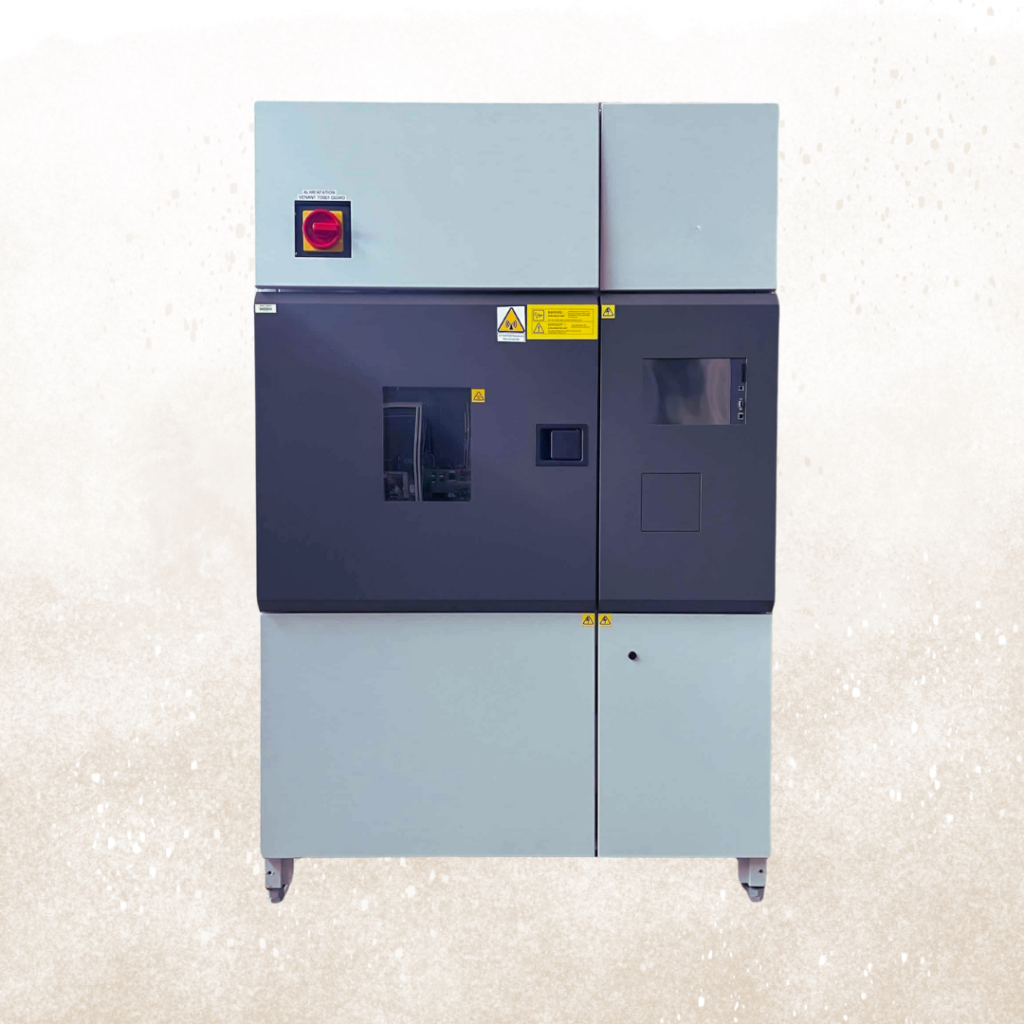
ASTM G155 is a globally recognized testing standard designed to simulate natural sunlight and environmental conditions using a xenon arc light source. It replicates the full spectrum of sunlight, including ultraviolet (UV), visible light, and infrared, which are responsible for most material degradation in outdoor environments. This accelerated aging process allows manufacturers to test how materials react to prolonged exposure to sunlight, moisture, and temperature variations, helping to predict their real-world performance.


How Does Xenon/UV Testing Work?

At the core of this testing is the xenon arc light. Unlike UV-only tests, which focus solely on UV exposure, xenon arc testing simulates the entire spectrum of sunlight, making it ideal for evaluating materials that degrade due to a combination of UV radiation and visible light.

The test chamber alternates between:

  • Light exposure: Mimics the intensity and wavelengths of natural sunlight.
  • Humidity and water spray cycles: Simulates dew, rain, or humidity, crucial for assessing how materials handle moisture-related stress.
  • Temperature control: Adjusts heat levels to replicate thermal conditions, offering insights into how a material performs under fluctuating temperatures.

Key Benefits of Xenon/UV Testing

  1. Accurate Weather Simulation: ASTM G155 ensures that test conditions closely mirror those encountered in the real world, providing reliable data on how a material will weather over time.
  2. Material Durability: By exposing materials to intense sunlight and moisture, the test helps determine how they will hold up against fading, cracking, or loss of mechanical integrity. This is critical for outdoor products like coatings, plastics, and automotive parts.
  3. Reduced Testing Time: Xenon arc testing allows manufacturers to accelerate the natural aging process, compressing years of weather exposure into weeks or months. This means faster results and quicker time-to-market for improved products.
  4. Versatility Across Industries: ASTM G155 is used across industries to test materials like plastics, textiles, rubbers, paints, and coatings, making it a versatile tool for ensuring the longevity of products used in construction, automotive, aerospace, and consumer goods.

Testing Procedure for ASTM G155

The xenon arc test follows a structured procedure to ensure consistent and accurate results:

  1. Sample Preparation: The material samples are placed in the test chamber, where they are exposed to controlled cycles of sunlight, moisture, and temperature.
  2. Testing Cycles: The samples undergo a series of alternating light and moisture cycles, simulating day-and-night or varying weather conditions, including rain, dew, and heat.
  3. Performance Evaluation: After exposure, the materials are inspected for signs of degradation, such as color fading, surface cracking, embrittlement, or loss of strength.
  4. Data Analysis: The data collected during and after the test helps manufacturers understand how the material will perform in real-world outdoor environments. This data is critical for product design improvements and material selection.

Applications of Xenon/UV Testing

Xenon/UV testing as per ASTM G155 is essential for industries that rely on weather-resistant materials. Common applications include:

  • Coatings and Paints: To ensure that outdoor surfaces retain their color and protective qualities.
  • Plastics and Polymers: For products like outdoor furniture, automotive components, and construction materials that must withstand prolonged sun exposure.
  • Textiles and Fabrics: To assess how UV rays and moisture affect the durability and appearance of outdoor fabrics.
  • Rubber: Evaluating how UV radiation impacts rubber’s flexibility and resilience over time.

Why Choose Xenon Arc Testing?

For any industry where materials are exposed to the elements, Xenon Arc testing is essential. It provides invaluable insights into how products will perform in real-world conditions, helping companies:

  • Enhance product quality and extend material lifespans.
  • Reduce costly failures by identifying potential issues before they occur in the field.
  • Optimize material selection for outdoor applications by understanding the environmental stress factors that impact different materials.
Xenon / UV Testing As Per ASTM G155

Conclusion


FAQ

1. What materials can be tested using ASTM G155?

Materials such as plastics, rubbers, coatings, textiles, and paints are commonly tested to assess how they withstand UV radiation, temperature fluctuations, and moisture.

2. How long does Xenon/UV testing take?

Testing duration varies depending on the desired simulation. Accelerated aging may take several weeks or months, simulating years of exposure in a shorter period.

3. What conditions are simulated in Xenon/UV testing?

Xenon/UV testing simulates UV radiation, visible light, moisture cycles (such as rain or dew), and temperature variations, replicating real-world environmental conditions.
Moisture Absorption Testing As Per ASTM D570

Moisture Absorption Testing As Per ASTM D570

Moisture Absorption Testing As Per ASTM D570

Exploring the Impact of Moisture on Plastics: ASTM D570 Moisture Absorption Testing


Introduction

Moisture Absorption Testing As Per ASTM D570 Moisture Absorption Testing As Per ASTM D570

What is Moisture Absorption Testing?

Moisture absorption testing measures the capacity of a plastic material to absorb water when immersed over a specific period. The resulting data helps engineers and manufacturers understand the material’s resistance to moisture, which can affect its dimensional stability, mechanical properties, and electrical insulation capabilities.

The ASTM D570 test method is widely used for plastic materials that will be exposed to humid or wet environments, ensuring their long-term performance is unaffected by moisture.

ASTM D570: The Test Procedure

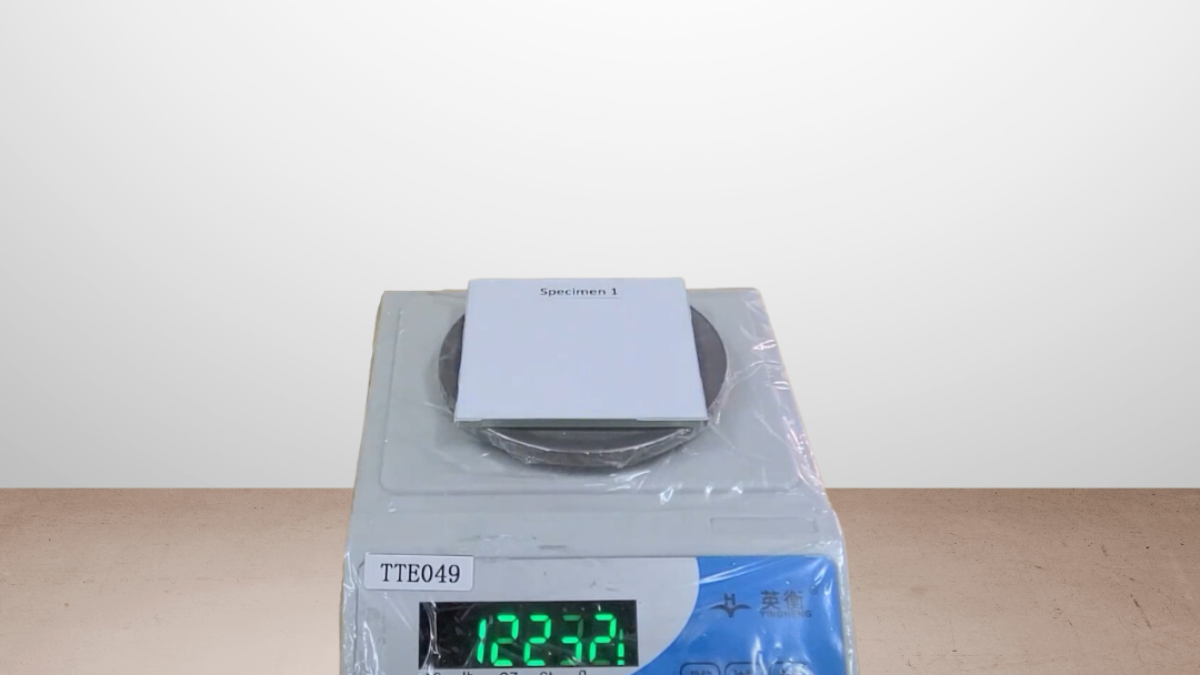
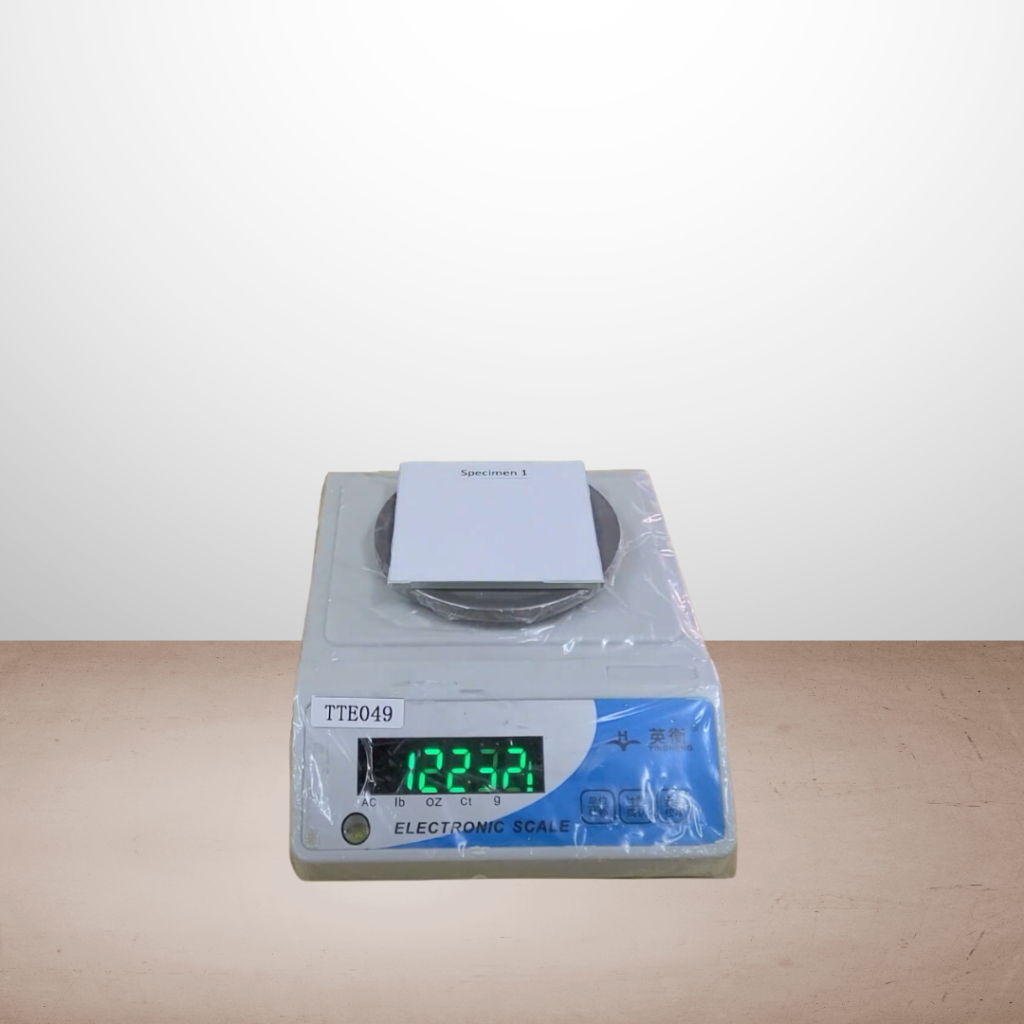
The ASTM D570 test involves immersing a plastic specimen in water at a specified temperature, typically 23°C, for a given time. The material’s weight is measured before and after immersion to determine the amount of water absorbed.

The steps in the testing procedure include:

  1. Preparation of the Test Specimen: The plastic specimen is cut or molded into specific dimensions. Care is taken to ensure that the surface of the specimen is clean and free from impurities that might interfere with the test results.
  2. Initial Weighing: Before immersion, the specimen is dried and weighed with precision to establish the baseline weight.
  3. Immersion in Water: The test specimen is submerged in water for a defined time, usually 24 hours. Depending on the test requirements, some tests may extend for longer periods.
  4. Post-Immersion Weighing: After the immersion time has passed, the specimen is removed from the water, wiped quickly to remove any surface water, and weighed again.
  5. Calculation of Water Absorption: The difference between the initial weight and the post-immersion weight is used to calculate the percentage of water absorption. This value gives insight into the material’s moisture uptake under specific conditions.

Factors Affecting Water Absorption in Plastics

Several factors influence the rate and extent of water absorption in plastics:

  • Material Composition: The type of polymer plays a critical role in water absorption. For instance, hydrophilic polymers like polyamides (nylon) absorb more water compared to hydrophobic polymers like polypropylene and polyethylene.

  • Environmental Exposure: Prolonged exposure to water or humid conditions can increase water absorption, especially for semi-crystalline polymers.

  • Specimen Thickness: Thicker specimens absorb water more slowly because it takes time for moisture to penetrate deep into the material. The test specimen’s thickness must be consistent to ensure accurate results.

  • Temperature: Higher temperatures typically accelerate the water absorption process, which is why ASTM D570 specifies controlled conditions to maintain test consistency.

Why Moisture Absorption Testing Matters

Moisture absorption testing is crucial for evaluating plastic performance, particularly in industries where materials are exposed to environmental conditions that may cause moisture penetration. Here’s why understanding water absorption is critical:

  1. Dimensional Stability: Materials that absorb water may swell or distort, leading to changes in shape and size that could impact functionality or fit. For applications where tight tolerances are critical, such as in precision engineering or electronics, dimensional changes could cause malfunction or failure.
  2. Mechanical Properties: Moisture can weaken the mechanical strength of plastic materials, affecting properties like tensile strength, impact resistance, and flexural strength. Over time, water exposure can lead to reduced durability and a shorter service life for plastic components.
  3. Electrical Insulation: For plastics used in electrical insulation, water absorption can increase conductivity, leading to short circuits, insulation breakdown, or even fire hazards. Moisture absorption testing is vital for ensuring that insulating materials maintain their protective properties.
  4. Long-Term Durability: In industries like automotive and construction, materials are often exposed to outdoor environments where moisture is a constant presence. Testing for moisture absorption ensures that plastics will withstand these conditions without deteriorating over time.

Real-World Applications

  • Automotive Components: Plastics used in car interiors, engine covers, and under-hood components must be resistant to moisture to maintain performance over time. ASTM D570 testing helps manufacturers choose materials that won’t warp or degrade under varying environmental conditions.

  • Electrical Devices: In consumer electronics and electrical applications, insulation materials must resist moisture to prevent potential short circuits or failure of electrical systems.

  • Construction Materials: Many building components, from piping to insulation, rely on moisture-resistant plastics. ASTM D570 ensures that these materials can withstand long-term exposure to humidity, rain, or water without compromising structural integrity.

Moisture Absorption Testing As Per ASTM D570

Conclusion


FAQ

1. What industries use ASTM D570 testing?

ASTM D570 is widely used in industries where plastic materials are exposed to moisture, including the automotive, construction, electrical, and packaging industries. It helps ensure that plastics can withstand environmental conditions without compromising performance.

2. What is considered a high level of water absorption for plastics?

High water absorption rates depend on the type of plastic. For example, polyamides (nylons) may absorb 1% or more of their weight in water, while polyolefins like polyethylene absorb less than 0.1%. Each application has different tolerance levels for water absorption.

3. Can moisture absorption testing predict long-term material performance?

Yes, ASTM D570 testing provides insight into how plastics will behave in moisture-exposed environments over time. This data helps manufacturers predict long-term performance and select appropriate materials for moisture-prone applications.
Abrasion Resistance Testing As Per ASTM D4060

Abrasion Resistance Testing As Per ASTM D4060

Abrasion Resistance Testing As Per ASTM D4060

Understanding Abrasion Resistance: A Deep Dive into ASTM D4060 Testing

Introduction​

Abrasion Resistance Testing As Per ASTM D4060

What is Abrasion Resistance Testing?

Abrasion resistance testing measures a material’s ability to withstand mechanical wear caused by rubbing, scraping, or erosion. This is especially important for coatings, plastics, rubber, textiles, and metals that need to maintain their integrity under physical stress. High abrasion resistance contributes to a longer lifespan and better performance of products in demanding applications.

Significance of ASTM D4060

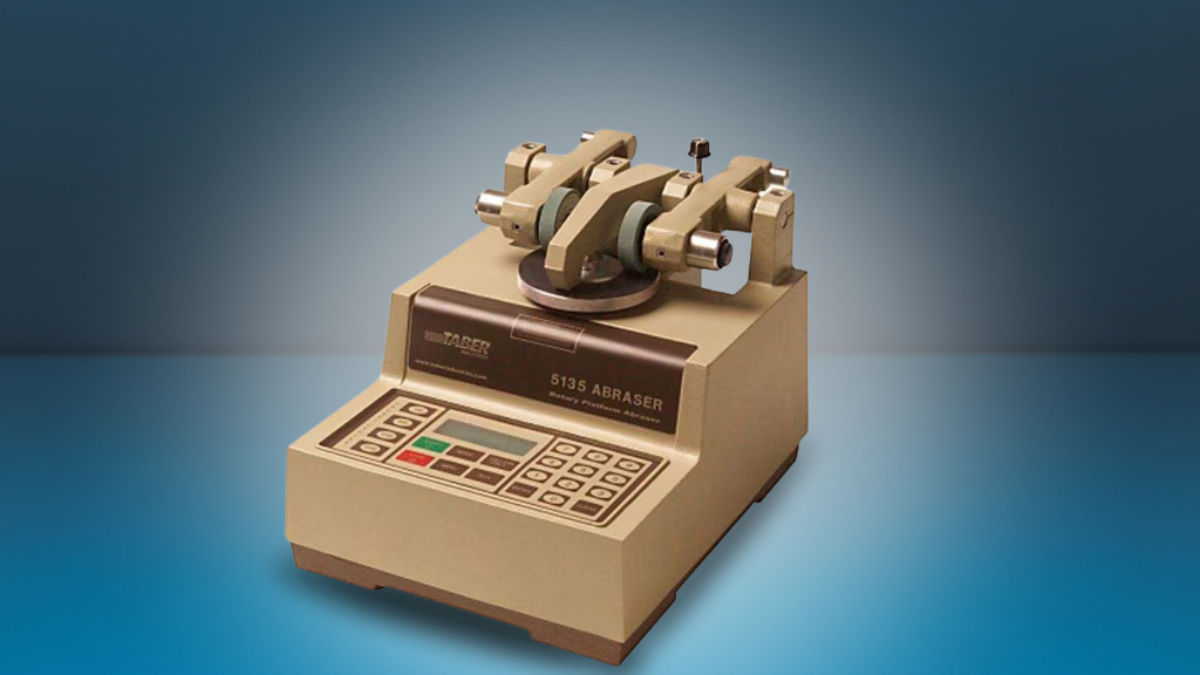
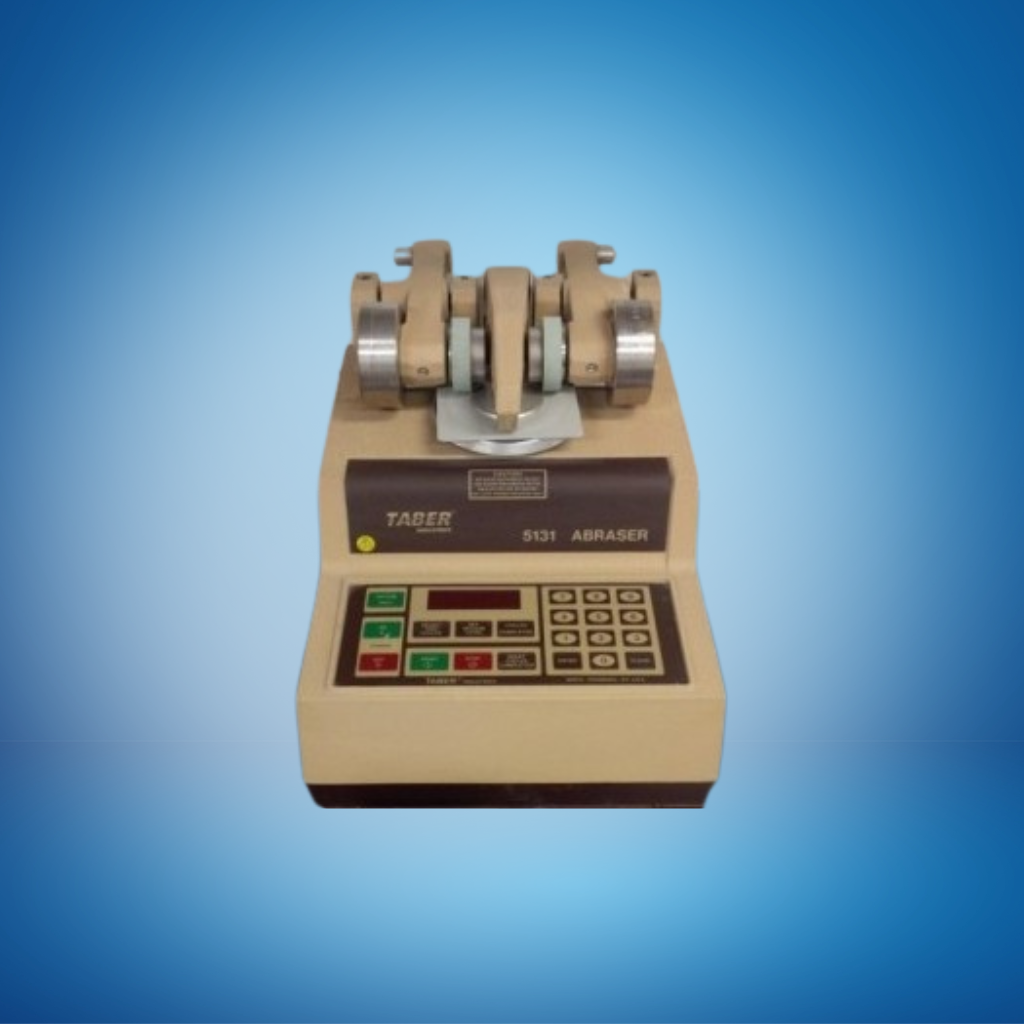
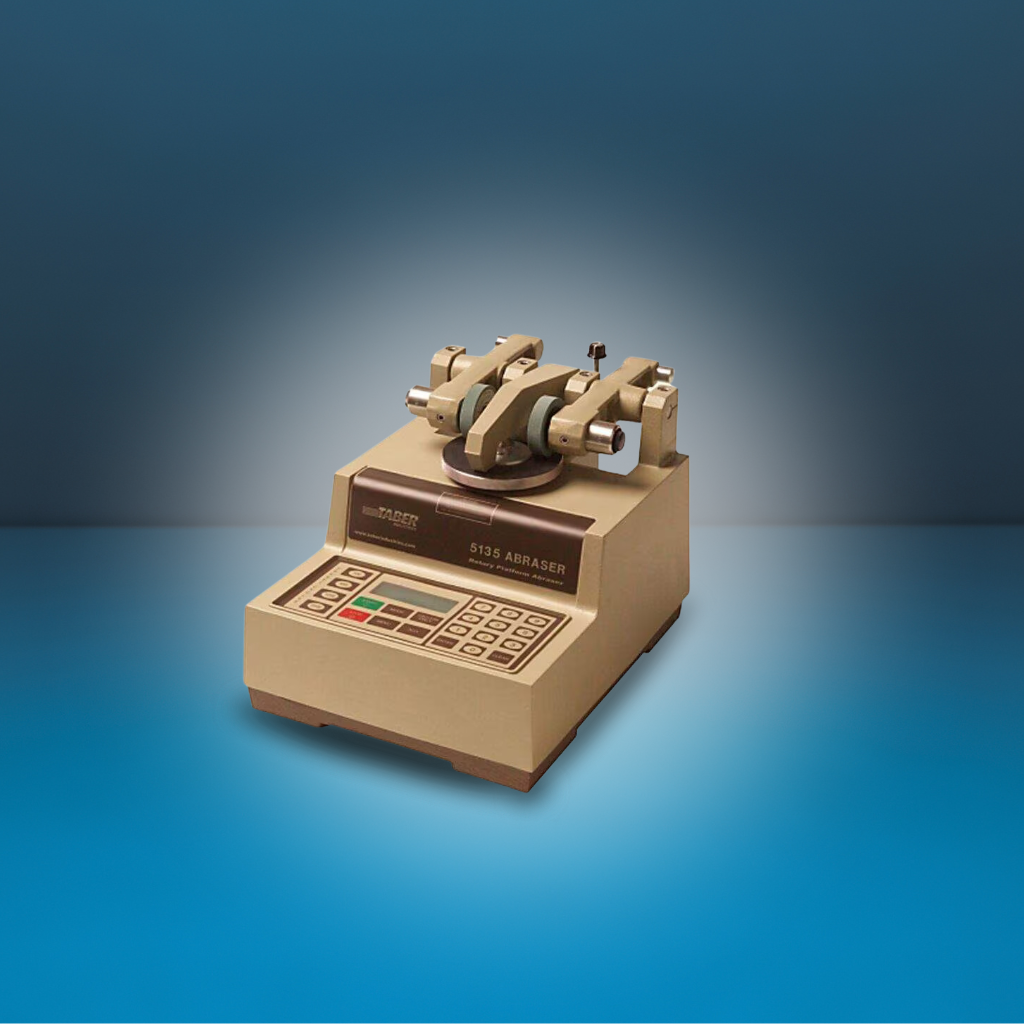
ASTM D4060 is a globally recognized standard that outlines the methodology for testing the abrasion resistance of organic coatings using a Taber Abraser. This standard is widely used because it provides a repeatable and reliable way to simulate wear in a controlled environment.

Some common industries relying on this test include:

  • Automotive: Ensuring durability of interior and exterior components.
  • Construction: Evaluating coatings used on concrete and steel structures.
  • Textiles and Footwear: Assessing the wear resistance of fabrics and soles.
  • Aerospace: Testing the durability of coatings used in critical environments.

How Does ASTM D4060 Work?

The ASTM D4060 test employs a Taber Abraser, a device specifically designed for this purpose. Here’s an outline of the procedure:

  • Preparation of the Sample:
    • A flat, uniform sample of the coating is mounted on the Taber Abraser platform.
  • Selection of Abrasive Wheels:

    • The test uses abrasive wheels, typically CS-10 or H-18, depending on the material’s hardness.
  • Application of Load:

    • A specified weight (often 500g or 1000g) is applied to simulate real-world pressure.
  • Abrasion Process:

    • The sample is subjected to rotational abrasion for a set number of cycles. The wear is induced by the friction between the sample and the abrasive wheels.
  • Evaluation:

    • The wear is assessed by measuring weight loss, thickness loss, or visual degradation. Results are expressed in milligrams of material lost per 1000 cycles.

Factors Influencing Results

Several factors impact the outcome of the abrasion resistance test:

  • Material Composition: Harder materials generally exhibit better resistance.
  • Coating Thickness: Thicker coatings tend to last longer under abrasive conditions.
  • Test Parameters: Wheel type, load, and number of cycles significantly affect wear.

Applications of Abrasion Resistance Testing

This test is crucial for validating product performance across various industries:

  • Protective Coatings:

    • Testing ensures the durability of coatings used in harsh environments, such as marine and industrial settings.
  • Flooring and Tiles:

    • Abrasion resistance is essential for high-traffic areas to maintain aesthetics and functionality.
  • Packaging:

    • Ensuring that printed surfaces on packaging remain legible and intact.
  • Consumer Goods:

    • Testing products like eyewear, electronics, and furniture for long-term usability.

Abrasion Resistance Testing in Tambaram

If you are looking for reliable abrasion resistance testing in Tambaram, Kiyo R&D Center and Laboratory is a leading provider of this specialized service. Located in one of Chennai’s growing industrial areas, Tambaram has become a hub for material testing facilities offering ASTM-compliant services.

At Kiyo R&D Center And Laboratory, we utilize advanced Taber Abrasers and adhere strictly to ASTM D4060 standards. Our team ensures accurate results by customizing test parameters to meet specific material needs. Whether you’re in the automotive, aerospace, or consumer goods sector, our services in Tambaram provide unmatched expertise in abrasion resistance testing.

Why Choose Kiyo R&D for Abrasion Resistance Testing?

  1. State-of-the-Art Equipment: We use industry-standard Taber Abrasers for precise testing.
  2. Expert Team: Our technicians are well-versed in ASTM D4060 and similar protocols.
  3. Customized Solutions: Tailored test methods based on the application and material.
  4. Convenience: Our location in Tambaram ensures accessibility for clients in Chennai and nearby regions.
  5. Comprehensive Reports: Detailed insights to support R&D, quality control, and product certification.
Abrasion Resistance Testing As Per ASTM D4060

Conclusion


FAQ

1. How is the abrasion resistance test conducted according to ASTM D4060?

The test involves mounting a specimen on a rotating platform (Taber Abraser) and subjecting it to controlled abrasive forces using rotating wheels. The wear index is calculated based on the mass loss of the material after a set number of cycles.

2. What equipment is used for ASTM D4060 testing?

The main equipment used is the Taber Abraser, which consists of a rotating turntable, abrasive wheels, and weight loads to apply a controlled force on the material’s surface during testing.

3. What does the wear index indicate in ASTM D4060 testing?

The wear index is a measure of the material's abrasion resistance. A lower wear index indicates higher abrasion resistance, meaning the material loses less mass after being subjected to abrasive forces.
Paint / Film Adhesion Testing As per standard ASTM D 3359

Paint / Film Adhesion Testing As per standard ASTM D 3359

Paint / Film Adhesion Testing As per standard ASTM D 3359

Ensuring Coating Quality: A Guide to Paint and Film Adhesion Testing with ASTM D3359

Introduction

Paint / Film Adhesion Testing As per standard ASTM D 3359

What is ASTM D3359?

ASTM D3359 is a widely recognized standard for assessing the adhesion strength of paint and other coatings on a substrate using a tape test. This test method provides an easy-to-perform, fast way to check how well a coating is bonded to a surface, which is crucial for quality control in industries ranging from automotive to construction.

The standard consists of two test methods: Method A (X-cut) and Method B (Cross-cut). Each method is used depending on the type of coating and its thickness, allowing for flexibility in evaluating various coatings.

Why Adhesion Testing Matters

A coating’s adhesion directly impacts its ability to protect the underlying surface. If a coating fails to adhere properly, it can peel or flake off, exposing the substrate to environmental elements, corrosion, and wear. This not only compromises the appearance but can also lead to costly repairs or replacements. Proper adhesion testing helps:

  • Ensure Durability: Confirms that coatings can withstand environmental and mechanical stresses.
  • Improve Product Quality: Identifies potential adhesion issues early in the manufacturing process.
  • Comply with Industry Standards: Meets quality benchmarks required in industries such as automotive, aerospace, and construction.

The Two Test Methods in ASTM D3359

1. Method A: X-Cut Tape Test

This method involves cutting an X-shaped incision through the coating down to the substrate. Here’s how it’s typically conducted:

  • Step 1: Using a sharp blade, make two intersecting cuts (forming an “X”) into the coating, ensuring the cuts penetrate to the substrate.
  • Step 2: Firmly apply a piece of pressure-sensitive adhesive tape over the cut.
  • Step 3: Smooth the tape to remove air bubbles and ensure good contact.
  • Step 4: Remove the tape by pulling it back sharply at a consistent angle (usually 180 degrees).
  • Step 5: Inspect the cut area to assess how much of the coating has been removed.

The adhesion is then evaluated based on the extent of the coating that has lifted from the substrate. This method is generally suitable for coatings thicker than 125 micrometers.

2. Method B: Cross-Cut Tape Test

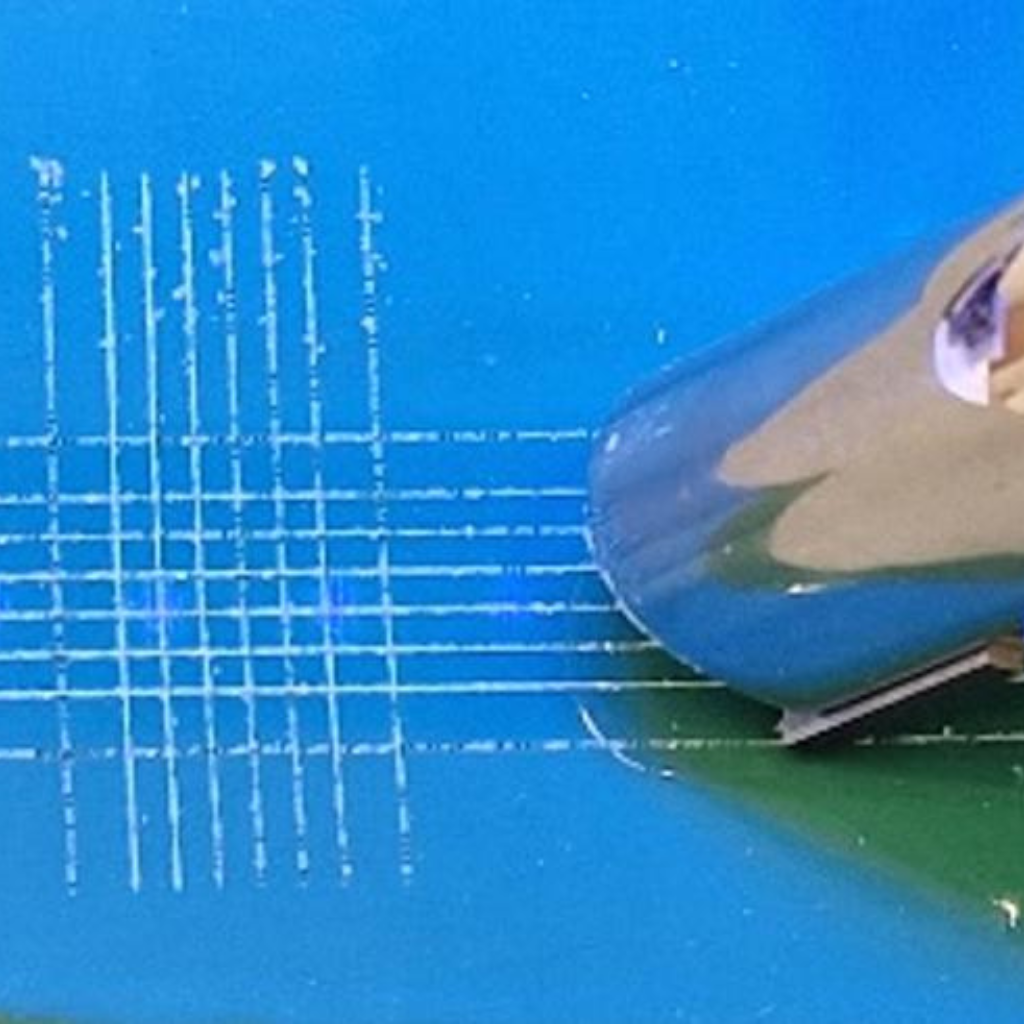
The Cross-Cut Tape Test is ideal for coatings less than 125 micrometers thick and involves creating a grid-like pattern of cuts on the coating. Here’s how it’s performed:

  • Step 1: Use a specialized cutting tool or blade to make a series of parallel cuts in the coating, penetrating down to the substrate.
  • Step 2: Make another set of parallel cuts perpendicular to the first, forming a cross-hatch pattern (grid).
  • Step 3: Apply a piece of pressure-sensitive tape over the cross-hatch pattern.
  • Step 4: Smooth the tape to remove any air bubbles.
  • Step 5: Remove the tape by pulling it back sharply at a consistent angle.
  • Step 6: Inspect the grid area to determine the amount of coating that has been removed.

This method provides a rating from 0 to 5, with 5 indicating perfect adhesion (no coating removal) and 0 indicating poor adhesion (greater than 65% coating removal).

Interpreting the Results

  • Method A (X-Cut Test): The test results are often qualitative, describing the amount of coating that has detached from the substrate. Terms like “excellent,” “good,” or “poor” adhesion are used to describe the results.
  • Method B (Cross-Cut Test): The results are rated on a numerical scale from 0 to 5:
    • 5: No peeling or removal of the coating.
    • 4: Trace peeling or removal along the cuts.
    • 3: Jagged removal along the cuts, up to 1.6 mm on either side.
    • 2: Removal along most of the grid cuts, up to 3.2 mm on either side.
    • 1: Significant removal between squares of the grid.
    • 0: Complete or nearly complete removal over the grid.

These ratings help in comparing different coatings’ adhesion properties, ensuring the quality and durability of the finished product.

Applications of ASTM D3359

ASTM D3359 is widely used in various industries to ensure the quality and reliability of coated products:

  • Automotive: Testing the paint adhesion on car bodies and components.
  • Aerospace: Ensuring protective coatings on aircraft parts adhere properly.
  • Construction: Evaluating the adhesion of paints on building materials to withstand weathering.
  • Consumer Goods: Testing coatings on electronic devices, furniture, and appliances to maintain their appearance and protective features.

Benefits of Using ASTM D3359

  • Quick and Cost-Effective: Provides a fast and affordable way to assess coating adhesion.
  • Standardized: Offers a uniform method for evaluating coating adhesion, making results comparable across different applications.
  • Quality Assurance: Helps manufacturers maintain high-quality standards, reducing the risk of product failures and customer complaints.

Limitations of ASTM D3359

While ASTM D3359 is an effective method for adhesion testing, it has its limitations:

  • It is mainly qualitative and not suitable for thick or textured coatings.
  • It may not fully represent the performance of coatings under extreme environmental conditions.
  • The results can be influenced by factors such as tape selection, cutting tool sharpness, and user technique.
Paint / Film Adhesion Testing As per standard ASTM D 3359

Conclusion


FAQ

1. What does the ASTM D3359 rating scale mean?

The rating scale ranges from 0 to 5, with 5 indicating perfect adhesion (no coating removal) and 0 indicating poor adhesion (more than 65% coating removal). The results provide insight into the quality of the coating's bond to the substrate.

2. Which industries commonly use ASTM D3359?

ASTM D3359 is widely used in various industries, including automotive, aerospace, construction, and consumer goods, to ensure the durability and performance of painted and coated products.

3. What are the limitations of ASTM D3359?

ASTM D3359 is primarily qualitative and not suitable for textured or very thick coatings. The results can be affected by environmental factors, tape selection, and the user's technique.
Coating Film Thickness Testing As per standard ASTM D6988

Coating Film Thickness Testing As per standard ASTM D6988

Coating Film Thickness Testing As per standard ASTM D6988

Ensuring Quality with Coating Film Thickness Testing: Exploring ASTM D6988


Introduction

Coating Film Thickness Testing As per standard ASTM D6988

The Importance of Coating Film Thickness Testing

The thickness of a coating significantly affects the product’s overall performance. A coating that is too thick can result in problems like cracking, bubbling, or poor adhesion, whereas a coating that is too thin may fail to protect the substrate effectively. Coating film thickness testing ensures that the applied layer meets the specified requirements, ultimately affecting the product’s durability, appearance, and resistance to external factors such as chemicals, UV exposure, and physical abrasion.

Consistency in coating application is especially critical in industries like automotive, aerospace, electronics, and packaging, where products are subject to stringent quality and safety standards. This is why manufacturers and quality control laboratories rely on standardized methods like ASTM D6988 to measure coating film thickness.

What is ASTM D6988?

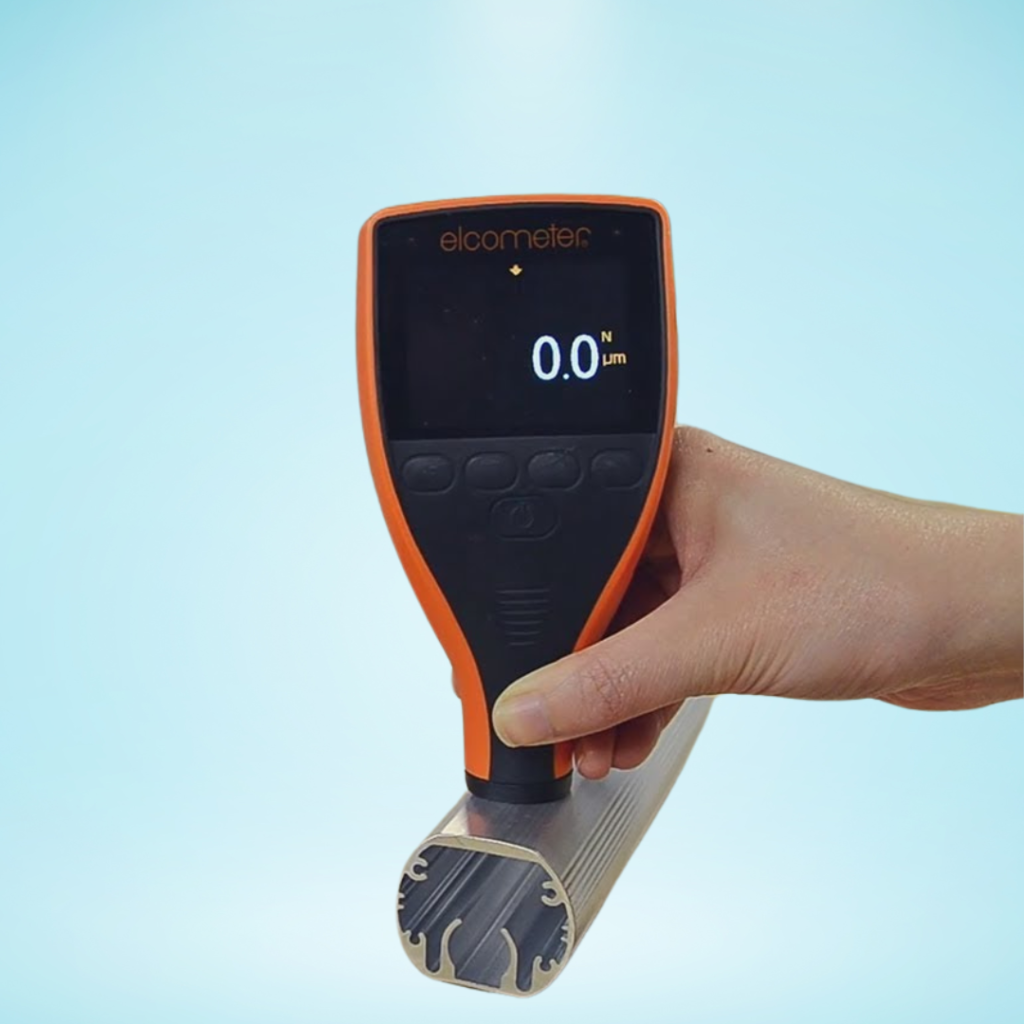
ASTM D6988 is the standard practice for measuring the thickness of coatings on plastic substrates. This standard provides a guide for using different non-destructive testing methods such as magnetic, eddy current, and ultrasonic gauges to obtain accurate coating thickness measurements. By using ASTM D6988, manufacturers can ensure that their products consistently meet the specified coating thickness, enhancing product reliability and performance.

Step-by-Step Overview of Coating Film Thickness Testing per ASTM D6988

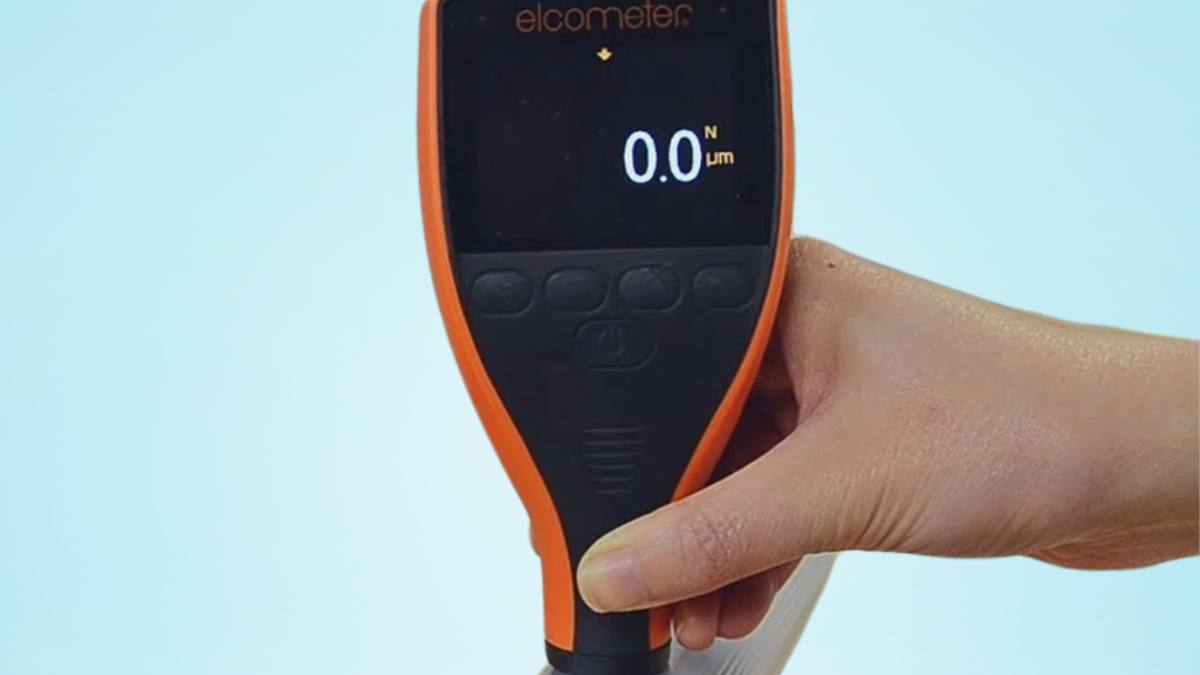
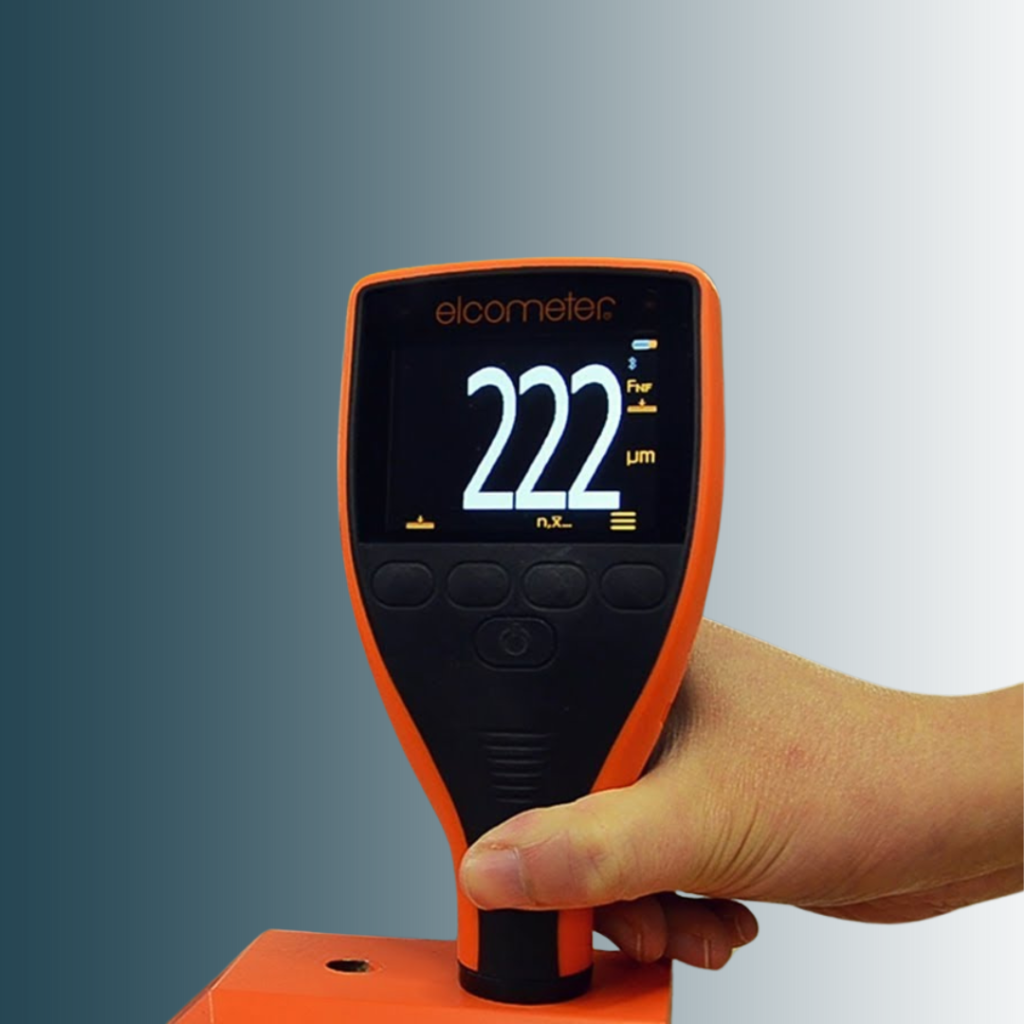
  1. Choosing the Right Measurement Tool: ASTM D6988 specifies using non-destructive gauges for measuring coating thickness on plastics. The choice of tool depends on factors such as the coating material, its thickness, and the substrate’s properties. Commonly used devices include magnetic induction gauges for ferrous substrates and eddy current gauges for non-ferrous ones.
  2. Calibration of the Device: Before conducting the test, the selected device must be calibrated using a reference standard appropriate for the coating and substrate. Proper calibration is crucial to obtaining accurate readings that comply with ASTM D6988 requirements.
  3. Performing the Measurement: The actual measurement involves taking readings at multiple points on the surface to account for variations in the coating application. ASTM D6988 recommends a systematic approach to selecting measurement points to ensure a representative average thickness.
  4. Data Analysis: Once the measurements are collected, they are averaged to determine the overall coating thickness. ASTM D6988 provides guidelines for interpreting this data, ensuring that the coating thickness falls within the acceptable range specified for the application.
  5. Reporting the Results: Thorough documentation of the results is essential for compliance and quality control. ASTM D6988 outlines the necessary details to include in the report, such as the average coating thickness, range of values, and any deviations observed during testing.

Why Follow ASTM D6988 for Coating Thickness Testing?

  • Accuracy and Consistency: Adhering to ASTM D6988 ensures that coating thickness measurements are conducted with precision and consistency. This standard minimizes variations in results, providing reliable data for quality control and product development.

  • Non-Destructive Testing: ASTM D6988 emphasizes non-destructive testing methods, which means that the coating remains intact during measurement. This is particularly beneficial when working with high-value products where maintaining surface integrity is crucial.

  • Versatility Across Industries: This standard is applicable for a wide range of coatings and plastic substrates, making it a versatile tool for industries including automotive, aerospace, electronics, and consumer goods.

  • Compliance and Certification: Utilizing ASTM D6988 for coating film thickness testing helps manufacturers comply with industry regulations and specifications, building trust with clients and regulatory bodies.

Enhancing Quality Control with ASTM D6988

Quality control in the coating process is critical to the success of a product. By following ASTM D6988, manufacturers can identify potential coating defects early in the production process, reducing the risk of product failure in the field. This not only ensures that the product performs as expected but also enhances its overall durability and aesthetic appeal.

Coating Film Thickness Testing As per standard ASTM D6988

Conclusion


FAQ

1. What is the difference between destructive and non-destructive coating thickness testing?

Non-destructive testing, as recommended in ASTM D6988, measures coating thickness without damaging the sample. Destructive testing, on the other hand, involves removing a portion of the coating to measure its thickness, which is not ideal for quality control in production environments.

2. How often should coating thickness be tested?

Coating thickness should be tested as part of the quality control process during production and before the product is shipped. The frequency depends on the application, industry standards, and customer specifications.

3. Why choose ASTM D6988 over other coating thickness standards?

ASTM D6988 is specifically designed for plastic substrates and provides guidelines for using non-destructive testing methods, making it a reliable standard for a wide range of industries, including automotive, electronics, packaging, and consumer goods.
Xenon Lamp Testing As Per Standard ASTM D7869

Xenon Lamp Testing As Per Standard ASTM D7869

Xenon Lamp Testing As Per Standard ASTM D7869

 Ensuring Material Longevity with Xenon Lamp Testing - A Deep Dive into ASTM D7869

Introduction

Xenon Lamp Testing As Per Standard ASTM D7869

What Makes Xenon Lamp Testing Essential?

Outdoor exposure can have a significant impact on materials such as plastics, coatings, textiles, and paints. Over time, these materials may discolor, weaken, crack, or lose their protective properties due to prolonged exposure to sunlight (UV rays), moisture, and temperature fluctuations. To predict and mitigate these effects, industries rely on xenon lamp testing, which replicates natural sunlight’s full spectrum, providing valuable insights into how materials will age and degrade.

Understanding ASTM D7869

ASTM D7869 is a testing standard developed for xenon arc exposure, designed to simulate the conditions materials face in outdoor environments more realistically. Unlike other testing standards, ASTM D7869 offers an enhanced and sophisticated approach to weathering simulation by controlling the full spectrum of sunlight, including UV, visible light, and infrared radiation.

Here’s a closer look at the key aspects of ASTM D7869:

  1. Precise Solar Spectrum Simulation: One of the standout features of ASTM D7869 is its ability to accurately simulate the solar spectrum. It encompasses ultraviolet (UV), visible, and infrared light, mimicking the natural sunlight spectrum that materials encounter in real-world outdoor conditions.
  2. Temperature and Humidity Cycling: The standard introduces temperature and humidity variations to replicate the natural heating and cooling cycles that materials experience during the day and night. This cycling is essential to mimic real-world conditions, as materials often expand, contract, and react differently under varying temperature and humidity levels.
  3. Water Spray and Condensation: ASTM D7869 includes water spray and controlled condensation cycles to simulate rain, dew formation, and high humidity. These moisture conditions are critical in assessing the impact of water on the physical and mechanical properties of materials, helping manufacturers understand how moisture exposure might affect their products over time.
  4. Irradiance Control: Controlling the intensity of light exposure (irradiance) is crucial to ensure that the testing conditions match natural outdoor sunlight. ASTM D7869 specifies precise irradiance settings to create a realistic and consistent exposure environment, making the test results reliable and reproducible.

Why Choose ASTM D7869 for Xenon Lamp Testing?

ASTM D7869 is a highly detailed and comprehensive standard that offers a realistic approach to weatherability testing. Here’s why it stands out among other xenon arc testing standards:

  • Realistic Simulation: By accurately replicating the full solar spectrum, temperature variations, and moisture conditions, ASTM D7869 provides a realistic simulation of how materials will perform in real-life outdoor environments.

  • Broader Testing Capabilities: The standard’s ability to incorporate UV, visible light, and infrared radiation exposure makes it versatile for testing a wide range of materials, including plastics, coatings, automotive parts, packaging, and building materials.

  • Informed Product Development: The insights gained from ASTM D7869 testing help manufacturers design and develop products that are more durable, ensuring they meet quality standards and consumer expectations.

Applications of ASTM D7869 Testing

Industries that benefit from ASTM D7869 xenon lamp testing include:

  • Automotive: Testing exterior components like bumpers, trim, and coatings to ensure they withstand long-term sunlight exposure without fading or degrading.
  • Plastics: Assessing the UV stability of plastic products used in outdoor applications, such as playground equipment, garden furniture, and packaging.
  • Paints and Coatings: Evaluating the weatherability of paints, varnishes, and coatings to prevent cracking, peeling, or fading when exposed to harsh outdoor conditions.
  • Textiles: Determining the colorfastness and strength of outdoor fabrics and clothing that are subjected to sunlight and weather exposure.

How to Implement ASTM D7869 in Your Testing Process

To get the most accurate and reliable results from xenon lamp testing, it is crucial to follow the ASTM D7869 standard precisely. This involves:

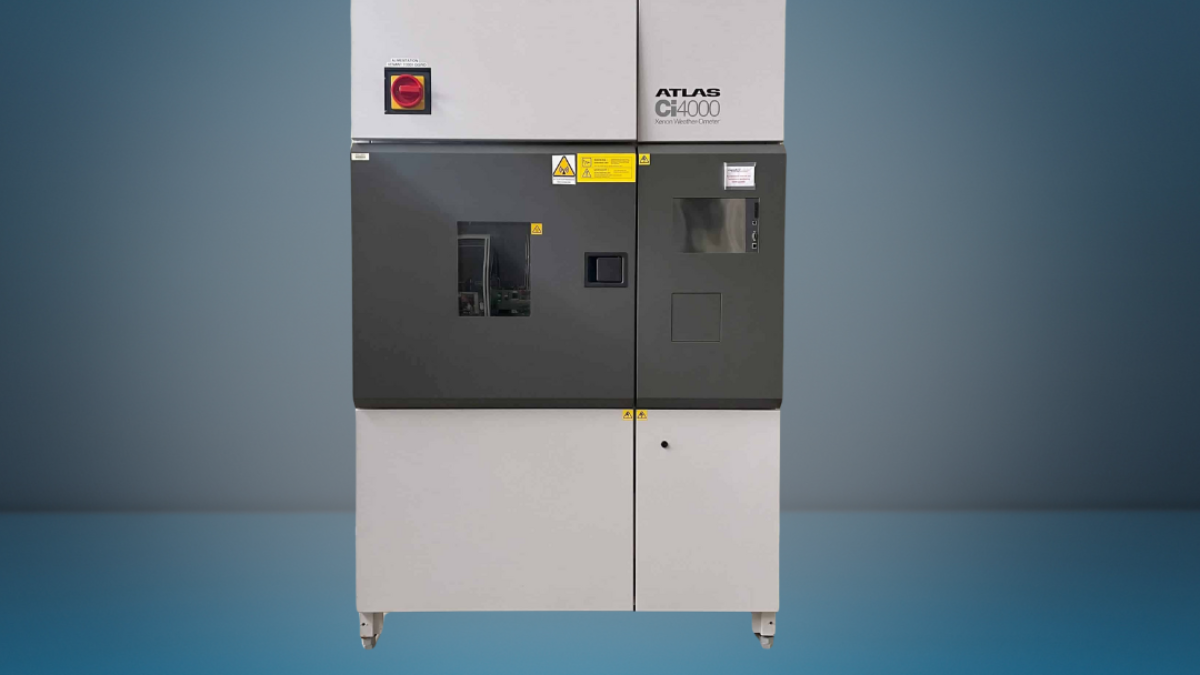
  1. Selecting the Right Testing Equipment: Using a xenon arc testing device capable of simulating the full spectrum of sunlight and controlling temperature, humidity, and moisture settings according to ASTM D7869.
  2. Setting Up Test Parameters: Ensuring that the testing conditions such as irradiance, temperature cycling, humidity, and water spray are set according to the specifications in ASTM D7869 to closely mimic real-world exposure.
  3. Evaluating Results: After the exposure cycle, examining the test specimens for changes in color, mechanical properties, surface degradation, or any other criteria relevant to the material being tested.
Xenon Lamp Testing As Per Standard ASTM D7869

Conclusion


FAQ

1. What does the test cycle for ASTM D7869 involve?

ASTM D7869 includes a series of exposure cycles that alternate between light, darkness, moisture (through water spray), and temperature changes. These cycles simulate day-night temperature variations, humidity, and rainfall, providing a realistic assessment of weathering.

2. How does ASTM D7869 simulate outdoor weather conditions?

The standard replicates the solar spectrum, including UV, visible, and infrared light. It also introduces temperature and humidity cycles to mimic day-night changes and incorporates water spray to simulate rain and dew formation.

3. How long does xenon lamp testing as per ASTM D7869 take?

The duration of the testing depends on the specific requirements of the material being evaluated. The exposure time can range from several days to several weeks to replicate years of natural weathering, depending on the test cycle used.

4. What properties are evaluated during ASTM D7869 testing?

Commonly evaluated properties include color fastness, gloss retention, mechanical strength, cracking, chalking, and other forms of surface degradation that occur due to UV radiation, heat, and moisture.

5. How can ASTM D7869 test results be used?

Test results provide valuable information on how materials will perform in outdoor environments. Manufacturers can use this data to enhance product formulations, select appropriate materials, improve coatings, and ensure products meet quality and durability standards.

6. Do I need specialized equipment for ASTM D7869 testing?

Yes, ASTM D7869 requires a xenon arc weathering device equipped to simulate the full solar spectrum and control irradiance, temperature, humidity, and water spray conditions according to the standard's specifications.
Color Measurement Testing As per standard ASTM E1347

Color Measurement Testing As per standard ASTM E1347

Color Measurement Testing As per standard ASTM E1347

Color Measurement Testing as per ASTM E1347: Ensuring Precision in Color Consistency


Introduction

Color Measurement Testing As per standard ASTM E1347

What is ASTM E1347?

ASTM E1347, known as the “Standard Test Method for Color and Color-Difference Measurement by Tristimulus (Filter) Colorimetry,” provides guidelines for measuring the color of materials using tristimulus colorimeters. These devices simulate how the human eye perceives color by filtering light into red, green, and blue wavelengths. ASTM E1347 is vital in quality control, research, and product development to ensure that the color of materials meets specific standards and customer expectations.

Why Color Measurement Matters

Color is a powerful aspect of product identity. In the plastics industry, for example, ensuring that a product maintains its color consistency across different batches is essential for brand recognition and customer trust. In textiles, maintaining precise colors can be the difference between a successful product launch and returns due to customer dissatisfaction.

By using ASTM E1347, industries can maintain stringent control over color differences, ensuring that each product reflects the desired shade and quality. This standard serves as a reliable method for assessing color in an objective, repeatable manner.

Key Aspects of ASTM E1347

  1. Tristimulus Colorimetry: ASTM E1347 specifies the use of tristimulus colorimeters. These instruments use filters that correspond to the human eye’s sensitivity to light, providing a numerical representation of color in terms of the CIE XYZ or CIE LAB color spaces. This approach ensures that color measurements are standardized and can be consistently interpreted.
  2. Controlled Lighting Conditions: The standard emphasizes the importance of standardized lighting conditions during color measurement. It often requires using specific illuminants, such as D65 (representing daylight), to simulate natural lighting conditions and provide consistent color readings. This helps avoid discrepancies caused by different ambient lighting environments.
  3. Sample Preparation: Preparing the sample correctly is crucial to obtaining accurate measurements. ASTM E1347 outlines that the sample’s surface should be clean, smooth, and free of contaminants, such as dust, oils, or residues, that can affect the reflectance of light and, consequently, the color reading. Uniformity in sample thickness and texture is also emphasized to ensure repeatable results.
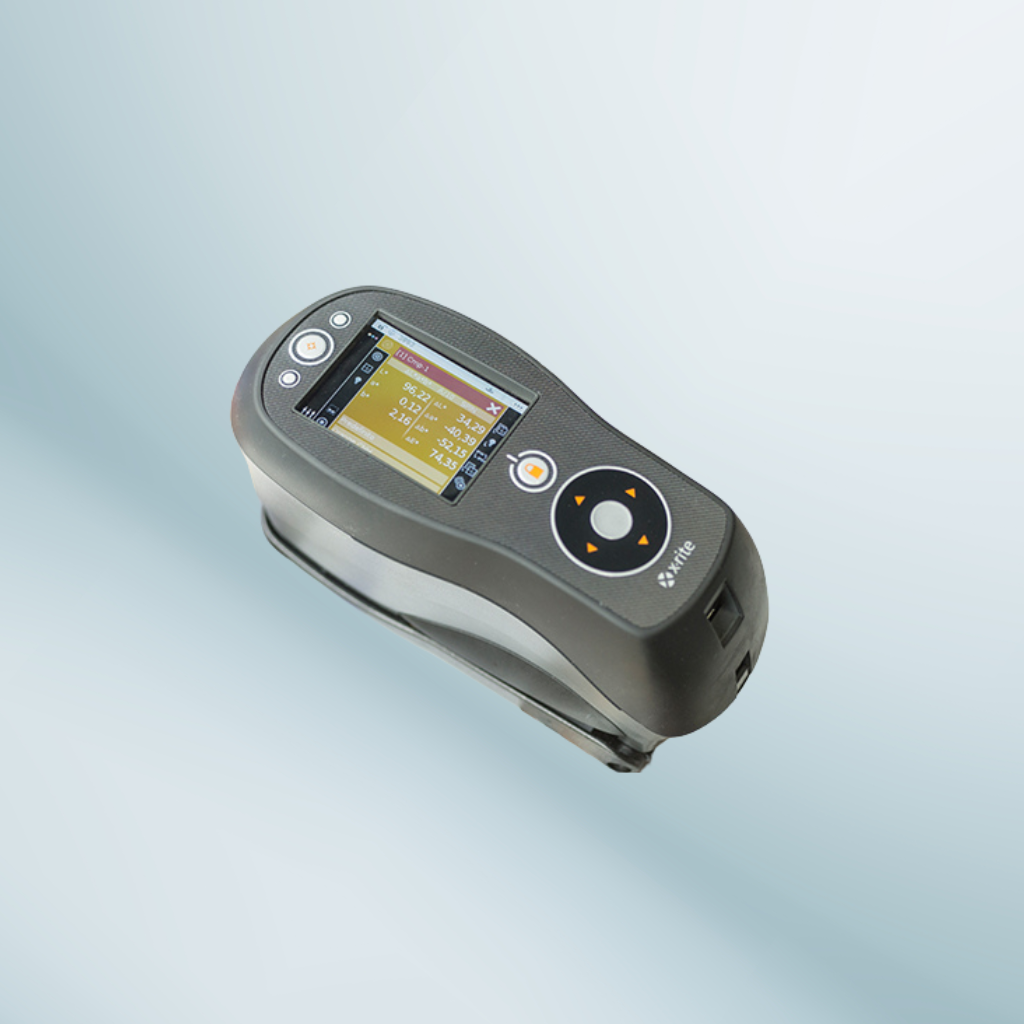
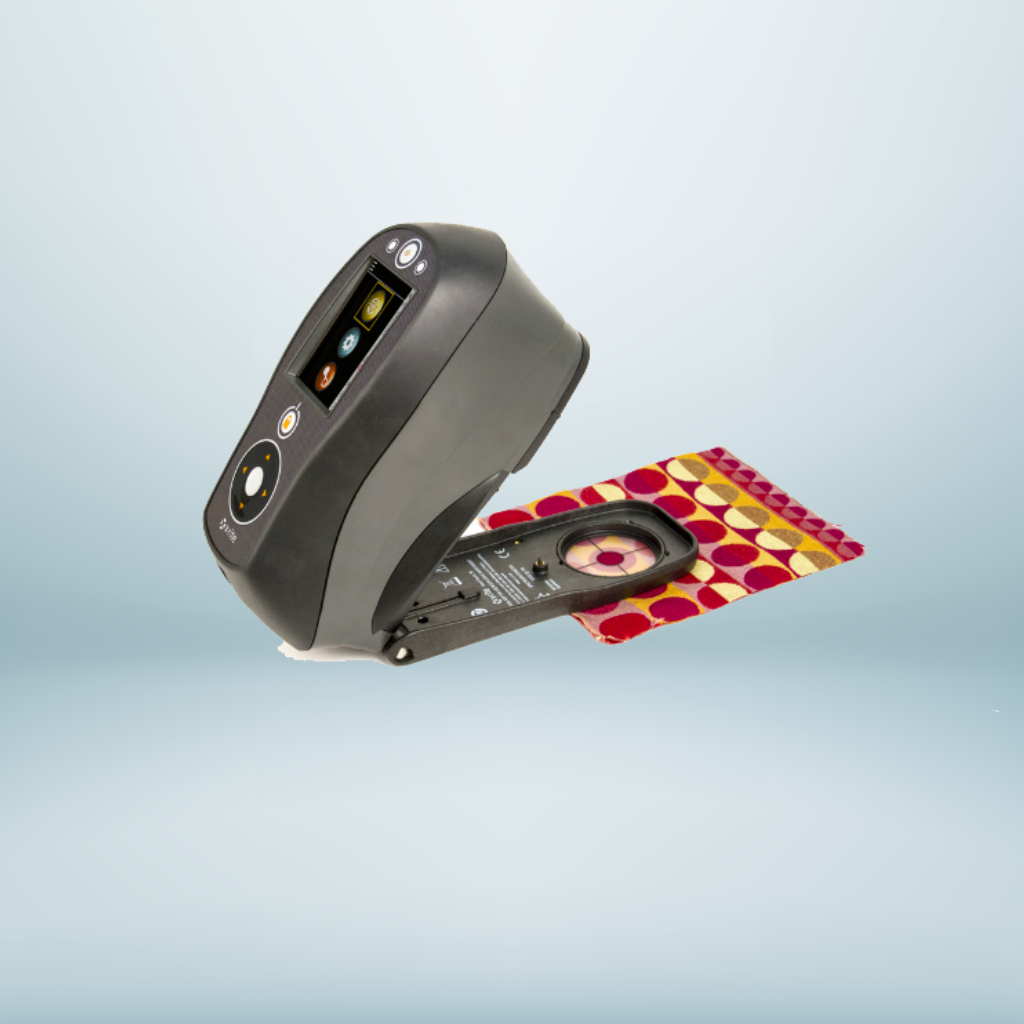
  4. Measurement Procedure: The procedure involves placing the sample in the instrument’s measurement area. The colorimeter measures the reflected or transmitted light through specific filters that mimic the RGB channels of human vision. The data is then processed to yield color coordinates, allowing the precise comparison of the sample’s color to a reference or standard.
  5. Interpreting Results: ASTM E1347 uses color coordinates to quantify differences in color, often using the ΔE (delta E) value to express the difference between the measured sample and the reference. The lower the ΔE value, the closer the sample’s color is to the target. This numerical approach helps manufacturers easily identify and correct color inconsistencies.

Applications of ASTM E1347

  • Plastics and Polymers: Plastic products need consistent colors for both functional and aesthetic purposes. ASTM E1347 allows manufacturers to ensure that products like automotive parts, consumer goods, and packaging materials meet specific color tolerances, reducing the likelihood of customer dissatisfaction.

  • Textiles and Fabrics: In the textile industry, maintaining exact colors throughout the production process is crucial. ASTM E1347 assists in color matching during dyeing and finishing processes, ensuring that the final product’s color matches design specifications.

  • Coatings and Paints: For paints and coatings, color consistency is critical to brand quality. ASTM E1347 enables manufacturers to measure and control the color of paints, coatings, and finishes, ensuring uniform appearance and meeting customer expectations.

  • Printing: In printing, ASTM E1347 is used to verify color accuracy in printed materials, ensuring that the final output aligns with the design specifications.

Benefits of Using ASTM E1347

  1. Improved Quality Control: By providing a standardized method for color measurement, ASTM E1347 allows manufacturers to monitor and control color variations during production, ensuring consistent product quality.
  2. Enhanced Product Consistency: Following ASTM E1347 ensures that products maintain their intended color, which is crucial for brand identity and customer satisfaction.
  3. Ease of Communication: The standard’s use of numerical color data facilitates clear communication about color requirements between different stakeholders, such as suppliers, manufacturers, and quality control teams.
  4. Inter-Laboratory Consistency: Because ASTM E1347 provides a universal method for color measurement, results can be compared reliably between different laboratories and production facilities, ensuring consistency across locations.

Tips for Effective Color Measurement

  • Regular Calibration: To maintain accuracy, regularly calibrate the colorimeter using the manufacturer’s recommended procedures.
  • Consistent Environment: Conduct measurements in a controlled environment to minimize the influence of external factors, such as ambient lighting and temperature.
  • Proper Sample Handling: Handle samples carefully to avoid contamination or damage that could alter the color reading.


Color Measurement Testing As per standard ASTM E1347

Conclusion


FAQ

1. How does ASTM E1347 ensure accurate color measurement?

ASTM E1347 sets guidelines for standardized lighting conditions, sample preparation, and measurement procedures. It emphasizes using calibrated equipment and controlled environments to obtain reliable and repeatable color measurements.

2. How often should a colorimeter be calibrated when using ASTM E1347?

Regular calibration is essential for maintaining accurate color measurements. It's recommended to calibrate the colorimeter according to the manufacturer's guidelines or whenever there is a noticeable deviation in color readings.

3. Can ASTM E1347 be used for both solid and liquid materials?

Yes, ASTM E1347 can be applied to measure the color of both solid and liquid materials, as long as the sample can be properly prepared and measured using a tristimulus colorimeter.

4. How does lighting affect color measurement in ASTM E1347?

Lighting conditions greatly influence color perception. ASTM E1347 requires using standardized illuminants, like D65 (daylight), to ensure consistent color readings and minimize variations caused by different ambient lighting.
Horizontal Flammability Testing As per standard UL 94 HB

Horizontal Flammability Testing As per standard UL 94 HB

Horizontal Flammability Testing As per standard UL 94 HB

Exploring Horizontal Flammability Testing (UL 94 HB) for Material Safety


Introduction

Horizontal Flammability Testing As per standard UL 94 HB

What is UL 94 HB?

UL 94 is a globally recognized standard for safety testing, developed by Underwriters Laboratories, to classify materials based on their flammability characteristics. The HB (Horizontal Burn) rating is part of this series, and it specifically measures the burning rate of materials positioned in a horizontal orientation. UL 94 HB is the most basic level of the UL 94 tests and is often used as an initial benchmark for determining the flame resistance of a material.

Why Horizontal Flammability Testing Matters

Materials, especially plastics, are widely used in applications such as electronics, automotive parts, and consumer goods, where fire resistance is crucial. A product that easily catches fire or spreads flames quickly poses significant safety hazards. Horizontal flammability testing provides a way to evaluate how materials behave when exposed to a flame, offering critical insights into their fire safety performance.

The Testing Process

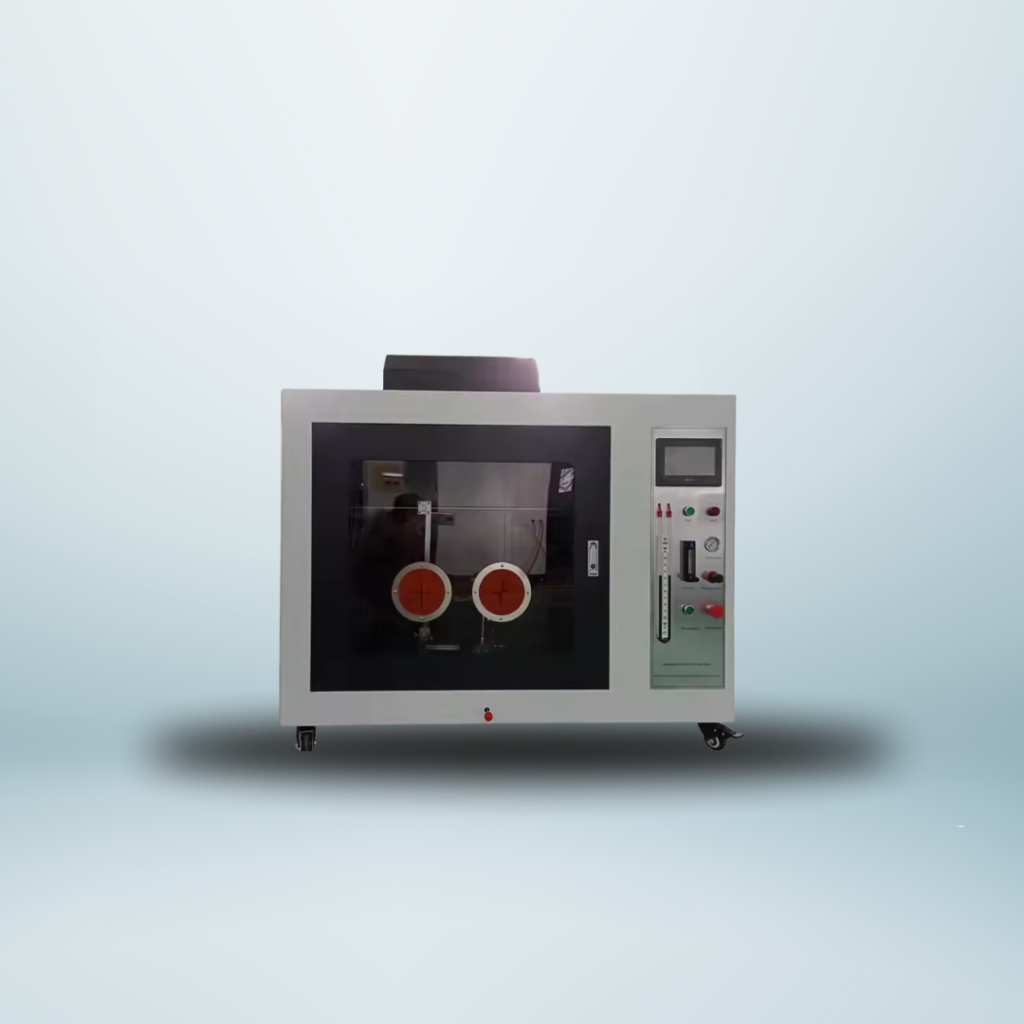
Horizontal Flammability Testing as per UL 94 HB follows a well-defined protocol to ensure accuracy and repeatability:

  1. Sample Preparation: The material sample is cut into standard dimensions, typically 125 mm x 13 mm, with a thickness of no more than 13 mm. Samples are conditioned in a controlled environment before the test to ensure consistent results.
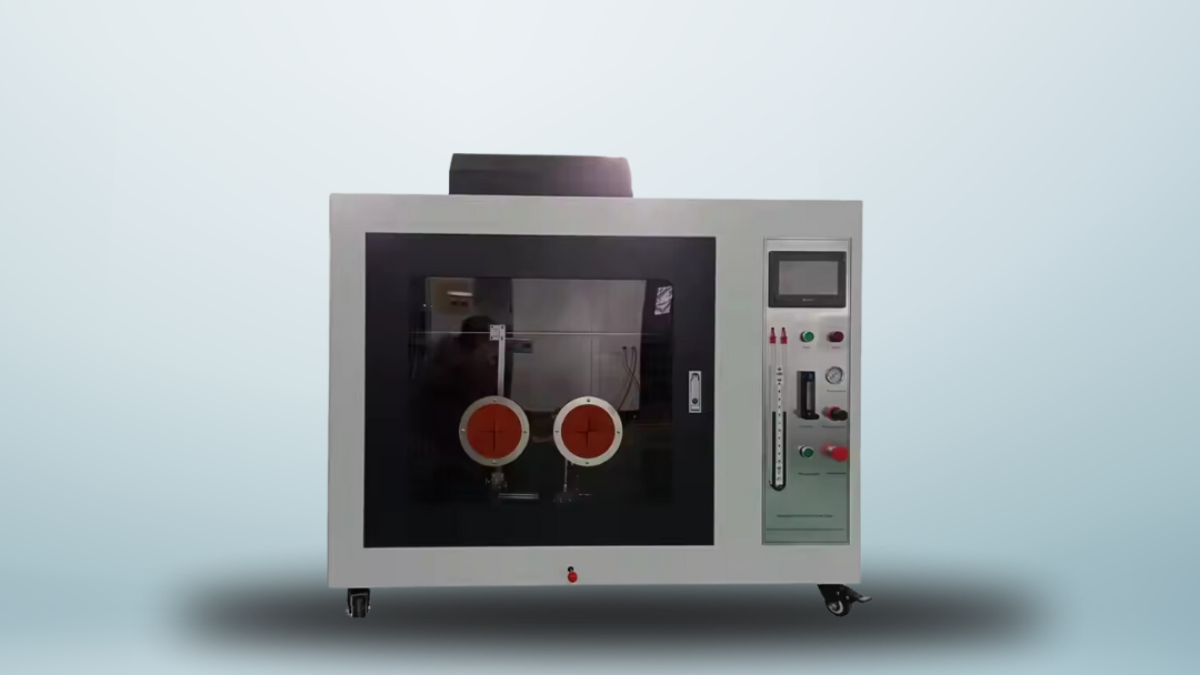
  2. Test Setup: The sample is mounted horizontally, and a flame is applied to one end for 30 seconds.
  3. Burn Rate Calculation: After the flame is removed, the time it takes for the flame to travel a set distance across the sample is recorded. The burning rate is then calculated in millimeters per minute.

Interpreting Results and Classification

Materials tested under UL 94 HB are classified based on their burning rate and behavior when exposed to flame. To pass, the material must meet the following conditions:

  • For specimens less than 3 mm thick, the burning rate should be slower than 40 mm/min.
  • For specimens 3 mm or thicker, the burning rate must be slower than 75 mm/min.
  • The material must self-extinguish before burning a distance of 75 mm if it doesn’t meet the above criteria.

If the material meets these requirements, it earns the UL 94 HB classification, indicating that it has basic flame resistance suitable for lower-risk applications.

Applications of UL 94 HB

While the UL 94 HB classification is the most lenient flame resistance rating, it is suitable for products and materials that are not exposed to high-risk fire environments. These include:

  • Consumer electronics: Plastic enclosures, casings, and internal components.
  • Automotive parts: Interior trim, dashboard components, and other non-critical plastic parts.
  • Household appliances: External plastic components for items such as fans, microwaves, and kitchen appliances.

Why UL 94 HB is Essential for Product Safety

Testing materials for flammability is crucial to preventing fire hazards in everyday products. UL 94 HB testing helps manufacturers assess the basic fire resistance of their materials, enabling them to select materials that meet the required safety standards for their intended application. This test is also a cost-effective way for manufacturers to ensure their products comply with regulations while minimizing risks.

  • Consumer Confidence: Products that meet UL 94 HB standards demonstrate a commitment to safety, boosting consumer trust.
  • Regulatory Compliance: Many industries require materials to meet specific flammability standards, and UL 94 HB ensures that these basic requirements are met.
  • Enhanced Product Design: Knowing the flammability characteristics of materials allows engineers to design safer, more reliable products.
Horizontal Flammability Testing As per standard UL 94 HB

Conclusion


FAQ

Q1: What are the criteria for passing UL 94 HB testing?

A1: For materials thinner than 3 mm, the burning rate must be less than 40 mm/min. For materials 3 mm or thicker, the rate must be less than 75 mm/min. Additionally, the material should self-extinguish before burning 75 mm if it doesn't meet the rate criteria.

Q2: Why is UL 94 HB important for manufacturers?

A2: UL 94 HB ensures that materials meet basic fire safety standards, helping manufacturers reduce fire hazards, meet regulatory requirements, and improve consumer safety.

Q3: What types of products require UL 94 HB certification?

A3: Products such as electrical enclosures, automotive parts, consumer electronics, and some building materials require UL 94 HB certification to ensure safety and compliance.

Q4: Is UL 94 HB the only flammability test in the UL 94 series?

A4: No, UL 94 includes other tests such as UL 94 V (Vertical Burn) and UL 94 5V, which are more stringent and test materials in different orientations for higher levels of fire resistance.
Vertical Flammability Testing As per standard ASTM D 6413

Vertical Flammability Testing As per standard ASTM D 6413

Vertical Flammability Testing As per standard ASTM D 6413

Understanding Vertical Flammability Testing as per ASTM D6413: A Key to Material Safety

Introduction

Vertical Flammability Testing As per standard ASTM D 6413

What is ASTM D6413?

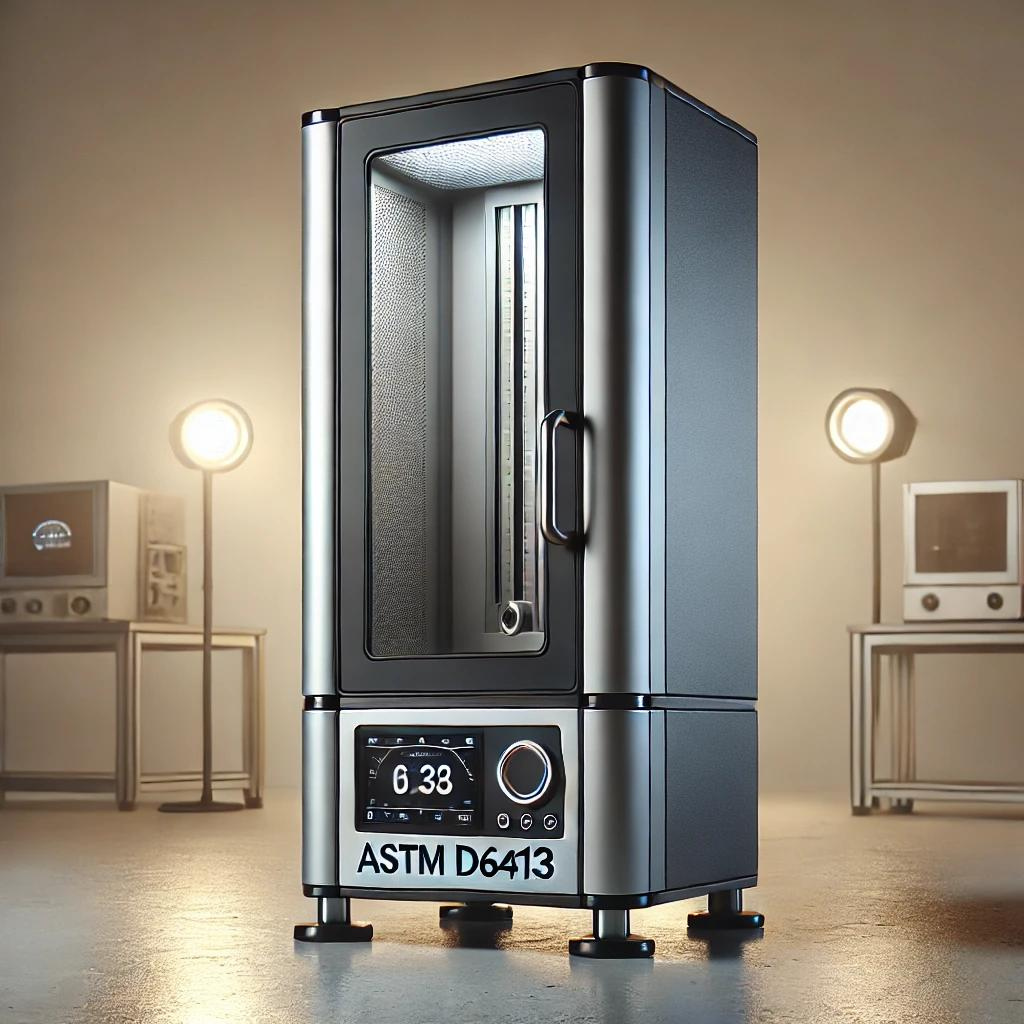
ASTM D6413 is a test that measures the vertical flame resistance of materials, especially textiles, to ensure they meet certain safety criteria. It assesses two main parameters:

  1. Afterflame Time: The duration that a material continues to burn after the flame source is removed.
  2. Char Length: The distance from the material’s edge to the highest point damaged by the flame.

This test method is especially useful for fabrics that are used in environments where there is a risk of fire, such as protective gear, industrial fabrics, and various forms of transportation materials.

The Testing Process: How Does ASTM D6413 Work?

The ASTM D6413 test is conducted in a controlled lab environment to provide accurate and consistent results. Here’s a step-by-step outline of how the test is performed:

  1. Sample Preparation: The material sample is cut to specific dimensions, typically 3 inches wide and 12 inches long.
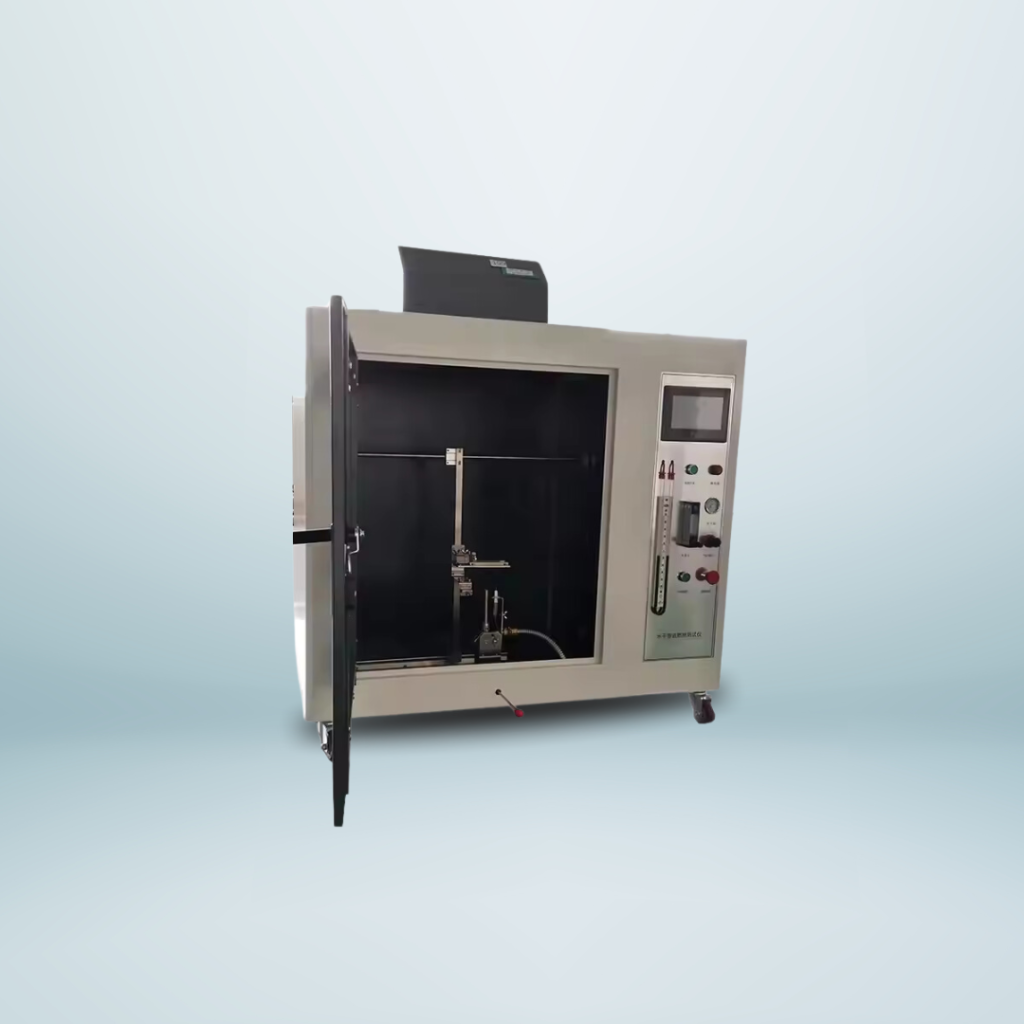
  2. Exposure to Flame: The sample is suspended vertically and exposed to a flame at its lower edge for 12 seconds. This mimics the kind of exposure fabrics might experience in real-world fire scenarios.
  3. Measurement of Afterflame and Afterglow: Once the flame source is removed, the time it takes for the material to stop burning and glowing is recorded.
  4. Char Length Measurement: The length of the charred area is measured to evaluate how far the fire traveled up the material.
  5. Pass/Fail Criteria: The material passes the test if it meets industry standards for afterflame time and char length, ensuring that it will perform adequately in fire-prone environments.

Why Vertical Flammability Testing is Critical

Vertical flammability testing is vital for several reasons:

  • Safety Assurance: It ensures that materials used in critical environments—such as firefighting gear, industrial uniforms, or vehicle interiors—provide enough protection against flames.

  • Compliance with Regulations: Many industries are required to meet specific fire resistance standards. ASTM D6413 helps manufacturers ensure that their products comply with these safety regulations.

  • Product Development and Innovation: The test also plays a key role in the development of new flame-resistant materials, helping manufacturers fine-tune their products for maximum safety.

Industries that Rely on ASTM D6413

Several industries require vertical flammability testing to ensure their products are fire-resistant. These include:

  • Personal Protective Equipment (PPE): Fire-resistant clothing for industrial workers, firefighters, and military personnel must pass ASTM D6413 testing to ensure adequate protection.

  • Transportation: Materials used in the interiors of aircraft, trains, and automobiles must meet strict flame resistance standards to prevent fires from spreading in the event of an accident.

  • Public Spaces: Upholstery, curtains, and other textiles used in theaters, hotels, and public transportation must pass flame resistance tests to ensure public safety.

Key Benefits of ASTM D6413 Testing

  1. Enhanced Fire Safety: Materials that pass ASTM D6413 testing significantly reduce the risk of fire spread, which is crucial in high-risk environments.
  2. Reliable Data: The standard provides a consistent method for evaluating the flame resistance of textiles, allowing manufacturers to improve their products based on precise test results.
  3. Regulatory Compliance: Ensuring materials meet fire resistance standards helps manufacturers avoid legal penalties and ensures the safety of end-users.
Vertical Flammability Testing As per standard ASTM D 6413

Conclusion


FAQ

1. What materials can be tested using ASTM D6413?

ASTM D6413 is commonly used to test textiles, fabrics, and other flexible materials. These include fabrics for personal protective equipment (PPE), upholstery in public spaces, and transportation interiors.

2. What are afterflame time and char length?

Afterflame time is the duration the material continues to burn after the flame is removed. Char length measures the distance from the material's edge to the furthest point damaged by the flame.

3. How does a material pass ASTM D6413 testing?

For a material to pass ASTM D6413, it must meet industry-specific criteria for afterflame time and char length. These standards vary depending on the material's intended use.

4. Is ASTM D6413 testing mandatory?

In many industries, ASTM D6413 testing is required by regulatory standards to ensure that materials meet safety requirements for flame resistance. Failure to comply can result in penalties and pose significant safety risks.
Oxygen Index Testing As per standard ASTM D2863

Oxygen Index Testing As per standard ASTM D2863

Oxygen Index Testing As per standard ASTM D2863

Understanding Oxygen Index Testing According to ASTM D2863


Introduction:

Oxygen Index Testing As per standard ASTM D2863

Purpose of Oxygen Index Testing:

The primary goal of oxygen index testing is to evaluate the flame retardancy of a material. The test measures the Limiting Oxygen Index (LOI), which is the minimum concentration of oxygen in a nitrogen-oxygen mixture that will sustain combustion. The higher the LOI value, the more flame-retardant the material, as it requires a greater amount of oxygen to maintain a flame.

Why is Oxygen Index Testing Important?

Flammability is a critical factor in material selection, especially in industries where safety is a top priority. Knowing the oxygen index of a material helps engineers and designers make informed decisions to minimize the risk of fire-related accidents. The test results are also crucial for meeting regulatory standards and ensuring compliance with fire safety codes.

The ASTM D2863 Test Procedure:

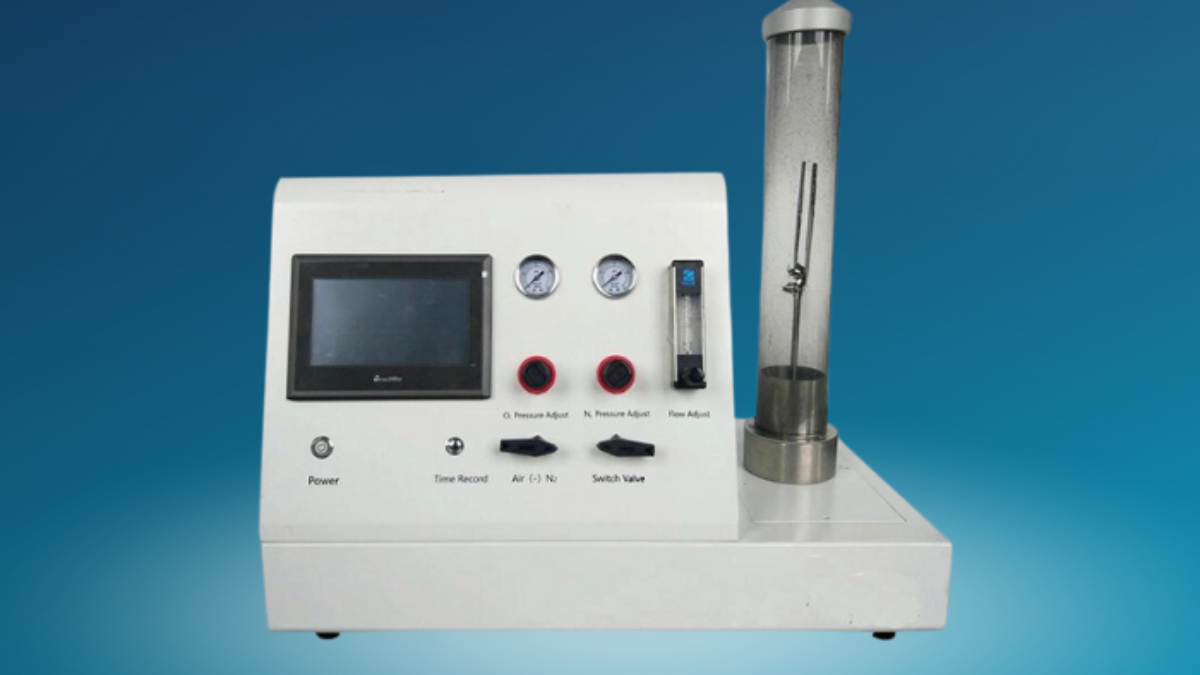
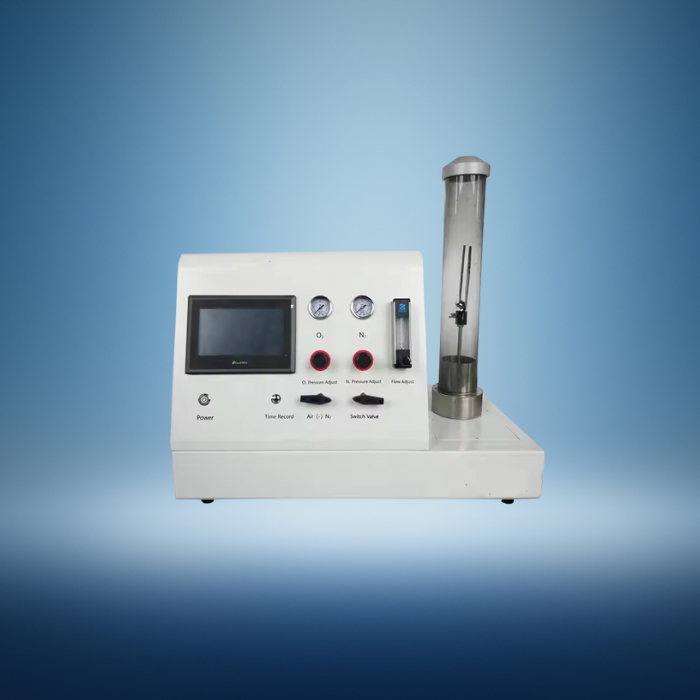
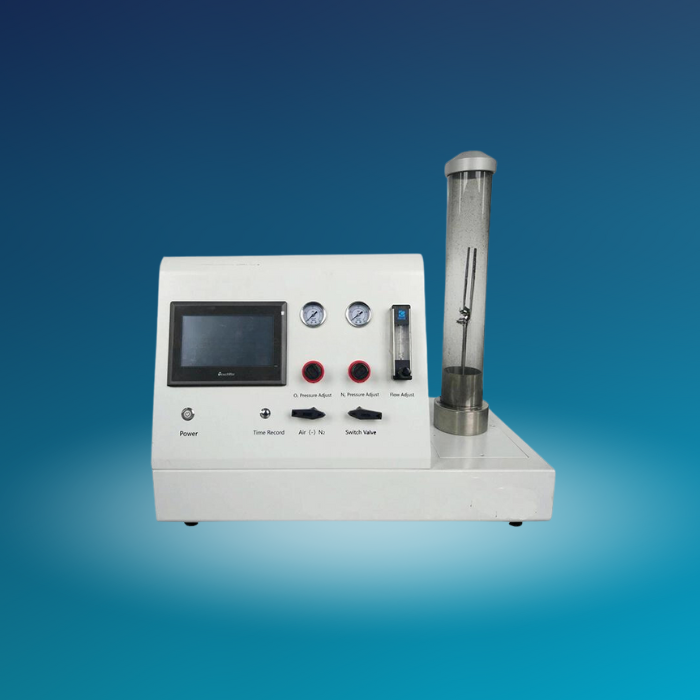
  1. Test Setup: The test is performed using a specialized apparatus where the material sample is placed in a vertical glass column. A controlled flow of oxygen and nitrogen gas is introduced into the column.
  2. Ignition: The material is ignited at the top using a standardized flame. The technician adjusts the oxygen level in the mixture to find the minimum concentration at which the flame can be sustained.
  3. Observation: The sample is observed to determine whether it continues to burn or self-extinguishes. If the flame is sustained, the oxygen concentration is reduced until combustion is no longer possible.
  4. Result Calculation: The Oxygen Index (OI) is calculated as the percentage of oxygen in the gas mixture at which the material can just continue to burn. This value helps classify the material’s fire resistance.

What LOI Values Mean:

  • LOI < 20%: Materials with an oxygen index of less than 20% are considered highly flammable. They require a low oxygen concentration to ignite and continue burning, making them unsuitable for environments where fire safety is critical.

  • LOI 20-30%: These materials are moderately flame-resistant. While they do not ignite easily, they can still burn in higher oxygen environments.

  • LOI > 30%: Materials with an oxygen index above 30% are highly flame-retardant. They need a much higher oxygen concentration to sustain a flame and are often used in applications requiring strict fire safety measures.

Applications of Oxygen Index Testing:

  • Construction Industry: Oxygen index testing helps in selecting flame-retardant building materials, such as insulation and wall panels, ensuring compliance with fire codes.

  • Aerospace: In aircraft construction, it is critical to use materials that are difficult to ignite or burn. The LOI values provide engineers with the information needed to choose materials that enhance safety.

  • Automotive: In the automotive industry, interior materials, such as seats and dashboards, are subjected to oxygen index testing to reduce the risk of fire in the event of accidents or electrical failures.

  • Electronics: The plastic components used in electronic devices are tested to ensure that they resist ignition, thereby reducing fire hazards during usage.

Benefits of Oxygen Index Testing:

  • Ensures Compliance: Many industries have stringent fire safety standards. Conducting oxygen index testing helps manufacturers meet these regulations and avoid potential penalties.

  • Improves Safety: By identifying materials with higher LOI values, manufacturers can produce safer products that reduce the risk of fire-related incidents.

  • Cost-Effective Material Selection: Knowing the flammability characteristics of materials allows for better decision-making in the early stages of product design, potentially reducing costs associated with recalls or safety redesigns.

Oxygen Index Testing As per standard ASTM D2863

Conclusion:


FAQ

1. How is Oxygen Index Testing conducted?

A material sample is placed in a vertical glass column, where it is exposed to a controlled flow of oxygen and nitrogen. The sample is ignited, and the oxygen concentration is adjusted to find the minimum level that sustains combustion.

2. What does a higher LOI value indicate?

A higher LOI value indicates that the material requires a higher oxygen concentration to sustain combustion, making it less flammable and more flame-retardant.

3. What types of materials are tested with ASTM D2863?

Typically, plastics and other combustible materials are tested using ASTM D2863 to evaluate their flammability and suitability for applications requiring fire resistance.

4. In which industries is Oxygen Index Testing most commonly used?

Oxygen Index Testing is commonly used in the aerospace, automotive, construction, electronics, and packaging industries, where fire safety is a critical concern.