Login With Mobile OTP


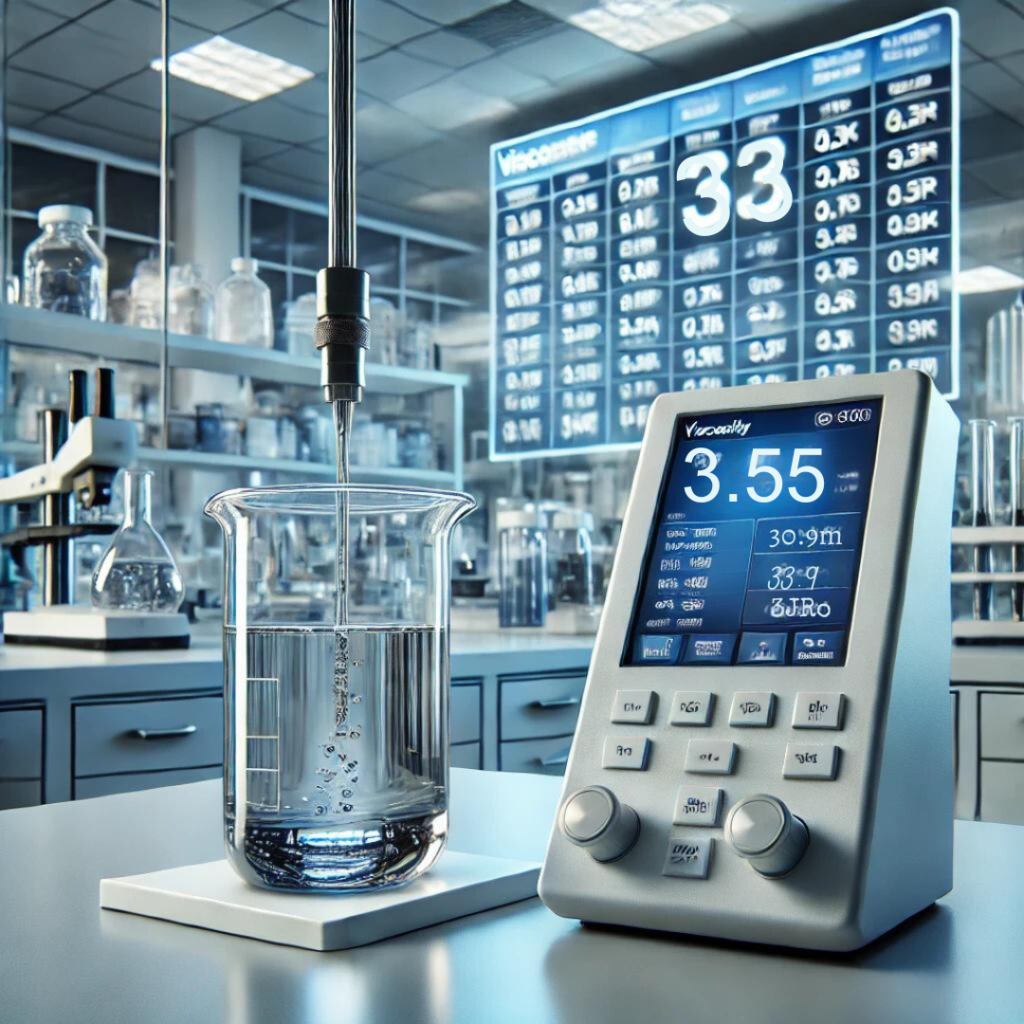
Viscosity Testing As Per ASTM D5225

Viscosity Testing As Per ASTM D5225

Viscosity Testing As Per ASTM D5225

Comprehensive Guide to Viscosity Testing According to ASTM D5225

Introduction to Viscosity in Polymers:

Viscosity Testing As Per ASTM D5225

What is ASTM D5225?

ASTM D5225 outlines the manner for figuring out the viscosity of dilute polymer solutions. It’s especially important for assessing polymers that reveal non-Newtonian behavior, which means their viscosity varies with the charge of shear. By measuring the viscosity, this check gives precious insight right into a polymer’s molecular weight and its distribution, which can be crucial elements in figuring out the polymer’s mechanical power, sturdiness, and processability.

Importance of Viscosity Testing:

Viscosity testing is a vital a part of polymer evaluation for several motives:

  • Process Optimization: Viscosity data permits producers to optimize processing situations like molding, extrusion, and casting. It enables control parameters consisting of flow quotes and processing speeds.
  • Quality Control: Consistent viscosity measurements are key to making sure that unique batches of polymers hold the identical cloth properties, thereby making sure product consistency.
  • Material Selection: Viscosity values offer vital facts when deciding on polymers for specific programs. For instance, excessive-viscosity substances can be higher desirable for applications requiring high electricity, while low-viscosity substances can be selected for applications requiring easy drift and shaping.
  • Performance Prediction: By know-how the glide conduct of polymers beneath special situations, producers can are expecting how substances will perform in real-global programs.

Procedure for Viscosity Testing in ASTM D5225:

  1. Sample Preparation: The polymer pattern is first dissolved in a suitable solvent to create a solution. This step is important because any impurities or inconsistencies in sample coaching can have an effect on the accuracy of the check.
  2. Viscosity Measurement: The viscosity of the polymer solution is measured using a viscometer, normally a rotational viscometer or a capillary viscometer. These instruments apply a regarded pressure to the solution and degree its resistance to float, making an allowance for the calculation of viscosity.
  3. Test Conditions: Viscosity measurements are fantastically depending on temperature and shear fee, so ASTM D5225 specifies that tests have to be carried out underneath controlled conditions to ensure correct and repeatable effects.
  4. Data Interpretation: The viscosity effects obtained from the check provide records approximately the polymer’s molecular weight. A better viscosity typically shows a higher molecular weight, which in turn influences the polymer’s mechanical houses.

Applications of Viscosity Testing:

  • Plastics Processing: Whether for injection molding or extrusion, understanding a polymer’s viscosity is vital for figuring out the appropriate processing situations.
  • Product Development: Viscosity trying out is regularly utilized in R&D to develop new polymer formulations or improve existing ones. It facilitates expect how polymers will behave all through processing and in their very last programs.
  • Performance Enhancement: Viscosity checking out is key in improving product overall performance by means of adjusting polymer compositions to optimize flow, energy, or flexibility.

Benefits of ASTM D5225:

  • Consistency: This standardized take a look at technique ensures that viscosity measurements are steady across extraordinary labs and industries, allowing for similar information.
  • Precision: By following ASTM D5225, producers can obtain particular viscosity readings, which are critical for process manage and product high-quality.
  • Reliability: The method’s recognition on controlled conditions and careful sample education makes it a dependable method to know-how the houses of polymer solutions.
Viscosity Testing As Per ASTM D5225

Conclusion


FAQ

1. How is viscosity measured in ASTM D5225?

Viscosity is measured using a rotational or capillary viscometer. These devices apply a known force to the polymer solution and measure its resistance to flow, providing a viscosity value.

2. What factors affect the viscosity of polymers?

Temperature, shear rate, and molecular weight are key factors that influence a polymer’s viscosity. Controlled conditions during testing ensure accurate and reliable measurements.

3. How does viscosity testing benefit manufacturers?

Viscosity testing helps manufacturers optimize processing parameters such as extrusion speed and molding conditions, ensuring product consistency and reducing defects.
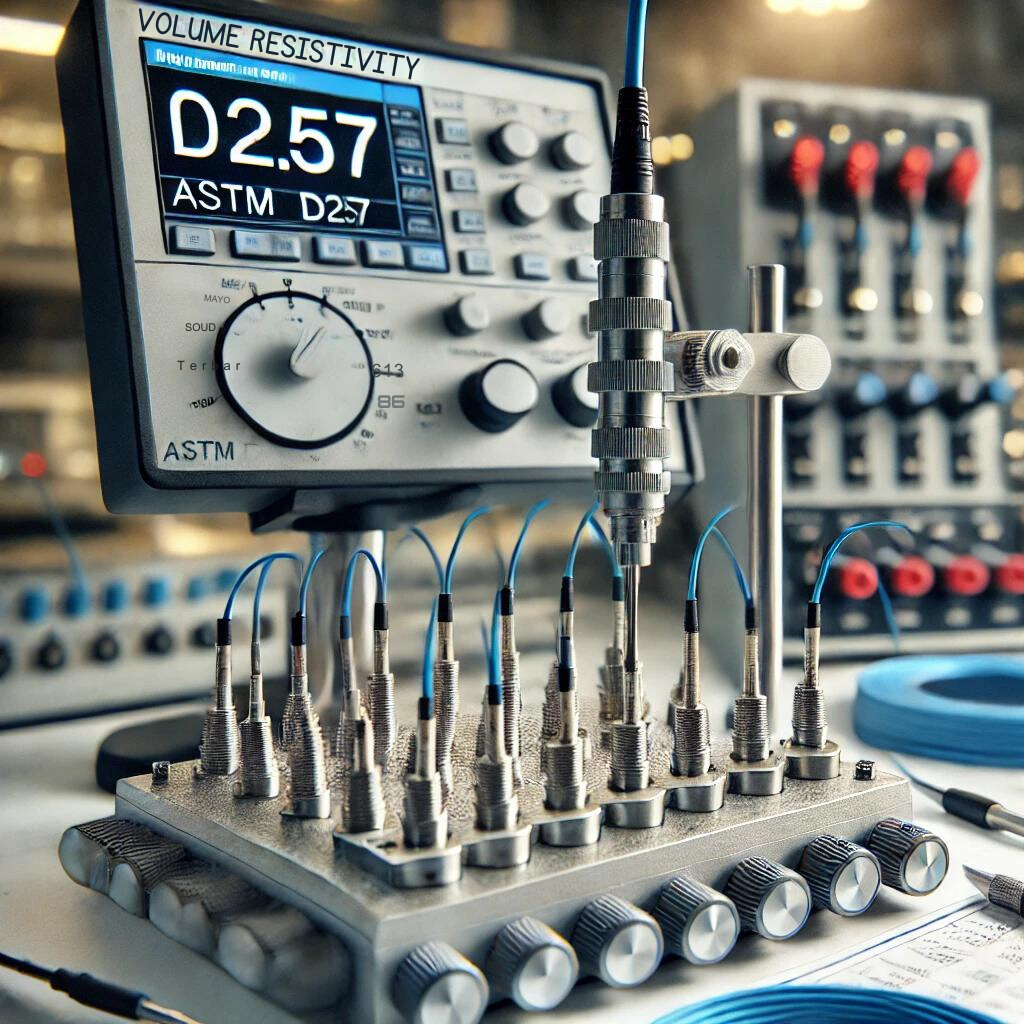
Volume Resistivity Testing As Per ASTM D257

Volume Resistivity Testing As Per ASTM D257

Volume Resistivity Testing As Per ASTM D257

Maximizing Insulation Efficiency: Volume Resistivity Testing as per ASTM D257


Introduction

Volume Resistivity Testing As Per ASTM D257

What Is Volume Resistivity?

Volume resistivity refers to the resistance to electrical current that a material offers through its volume. It’s expressed in ohm-centimeters (Ω·cm) and serves as a critical indicator of how well a material can function as an electrical insulator. Materials with high resistivity values are more effective at preventing the flow of electrical currents, making them essential in electrical systems that require strong insulation.

The ASTM D257 Standard: A Benchmark for Accuracy

ASTM D257 provides a standardized procedure for measuring the volume resistivity of solid insulating materials. This ensures consistency and accuracy across tests, enabling manufacturers to confidently compare materials and certify their performance for specific applications. The test is particularly valuable in industries where electrical insulation is critical, such as electronics, telecommunications, automotive, and energy.

How the ASTM D257 Test Is Performed

Volume resistivity testing as per ASTM D257 follows a straightforward process involving precise instrumentation. Here’s a breakdown of the steps:

  1. Sample Preparation: The material to be tested is prepared in a standardized form, ensuring that it fits within the specifications of the test. Surface treatment may be required to remove contaminants that could affect results.
  2. Electrode Setup: Electrodes are applied to the material to create a uniform electric field. Depending on the type of material, the setup may vary slightly to ensure proper contact and minimize measurement errors.
  3. Applying Voltage: A known voltage is applied across the material sample.
  4. Measuring Current: The resulting current that flows through the material is measured with precision equipment. The lower the current, the higher the material’s volume resistivity.
  5. Calculating Resistivity: Using the measured current, the dimensions of the sample, and the applied voltage, the volume resistivity is calculated.

Why Volume Resistivity Matters

Volume resistivity is an essential property for insulating materials, as it directly influences their effectiveness in preventing electrical conduction. For applications like high-voltage cables, transformers, electronic circuits, and insulation for sensitive components, a material’s ability to resist electrical flow helps maintain system reliability and safety.

Inadequate insulation can lead to short circuits, electrical failures, and even fires. By adhering to ASTM D257, manufacturers can ensure that their insulating materials provide optimal protection under various environmental conditions, including temperature, humidity, and electrical stress.

Industries Benefiting from ASTM D257 Testing

Many industries depend on ASTM D257 testing for material qualification:

  • Electronics: Ensuring that components, circuit boards, and enclosures are well-insulated and perform reliably under electrical stress.

  • Automotive: Testing the insulation of cables and electronic systems in vehicles, especially in electric and hybrid vehicles where high-voltage systems are prevalent.

  • Telecommunications: Evaluating the insulation of wiring and components to ensure durability and performance in high-stakes communication environments.

  • Energy Sector: Testing materials used in power generation and distribution to prevent breakdowns in electrical insulation, which can cause outages and equipment damage.

Factors Influencing Volume Resistivity

The volume resistivity of a material can be affected by several factors, and ASTM D257 ensures these are accounted for during testing:

  • Temperature: As temperature increases, the resistivity of insulating materials may decrease, leading to reduced effectiveness. ASTM D257 helps assess performance across different temperatures.

  • Moisture: Many insulating materials absorb moisture, which can significantly lower their resistivity. This test helps identify materials that remain stable in humid environments.

  • Contaminants: Dust, oils, and other surface contaminants can alter resistivity readings. Proper surface preparation before testing ensures accurate results.

Volume Resistivity Testing As Per ASTM D257

Conclusion


FAQ

1. How is Volume Resistivity Calculated?

The test applies a known voltage to the material and measures the current flowing through it. The volume resistivity is then calculated based on the material’s dimensions and the measured current.

2. What factors can affect the results of Volume Resistivity Testing?

Factors like temperature, humidity, and surface contamination can affect the test results. Proper sample preparation and controlled environmental conditions help ensure accurate measurements.

3. How does temperature impact volume resistivity?

Increased temperatures generally reduce the resistivity of insulating materials. ASTM D257 testing can include measurements at various temperatures to evaluate performance under different conditions.
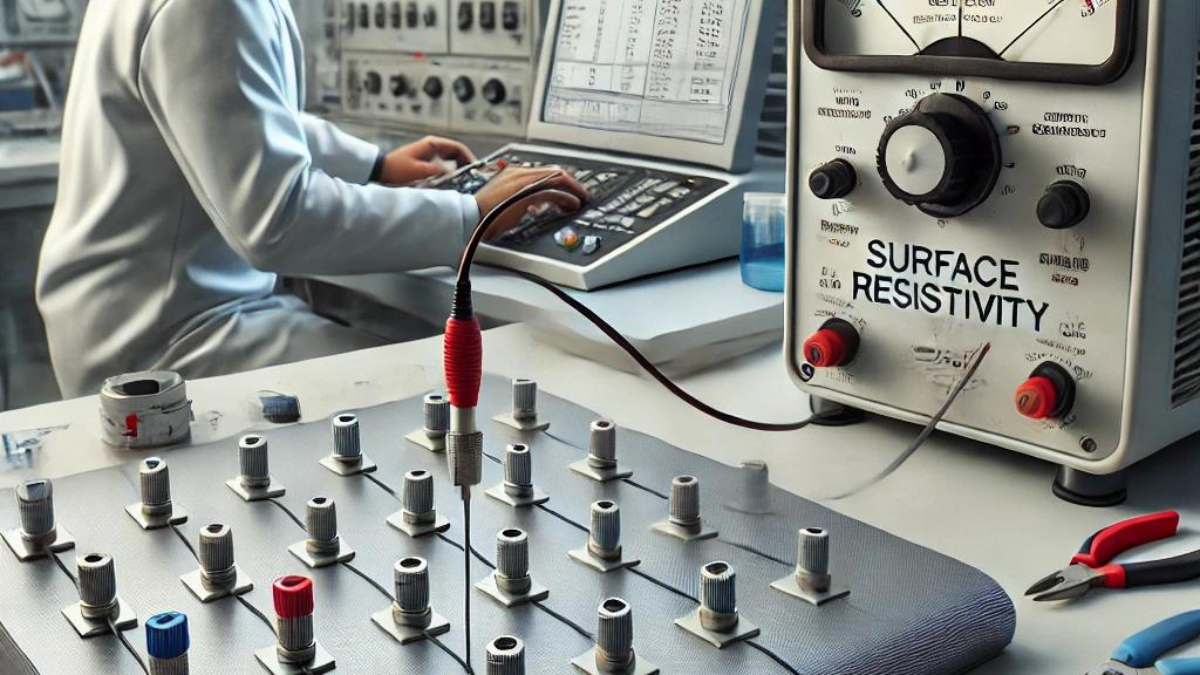
Surface Resistivity Testing As Per ASTM D257

Surface Resistivity Testing As Per ASTM D257

Surface Resistivity Testing As Per ASTM D257

Ensuring Material Integrity: Surface Resistivity Testing According to ASTM D257


Introduction

Surface Resistivity Testing As Per ASTM D257

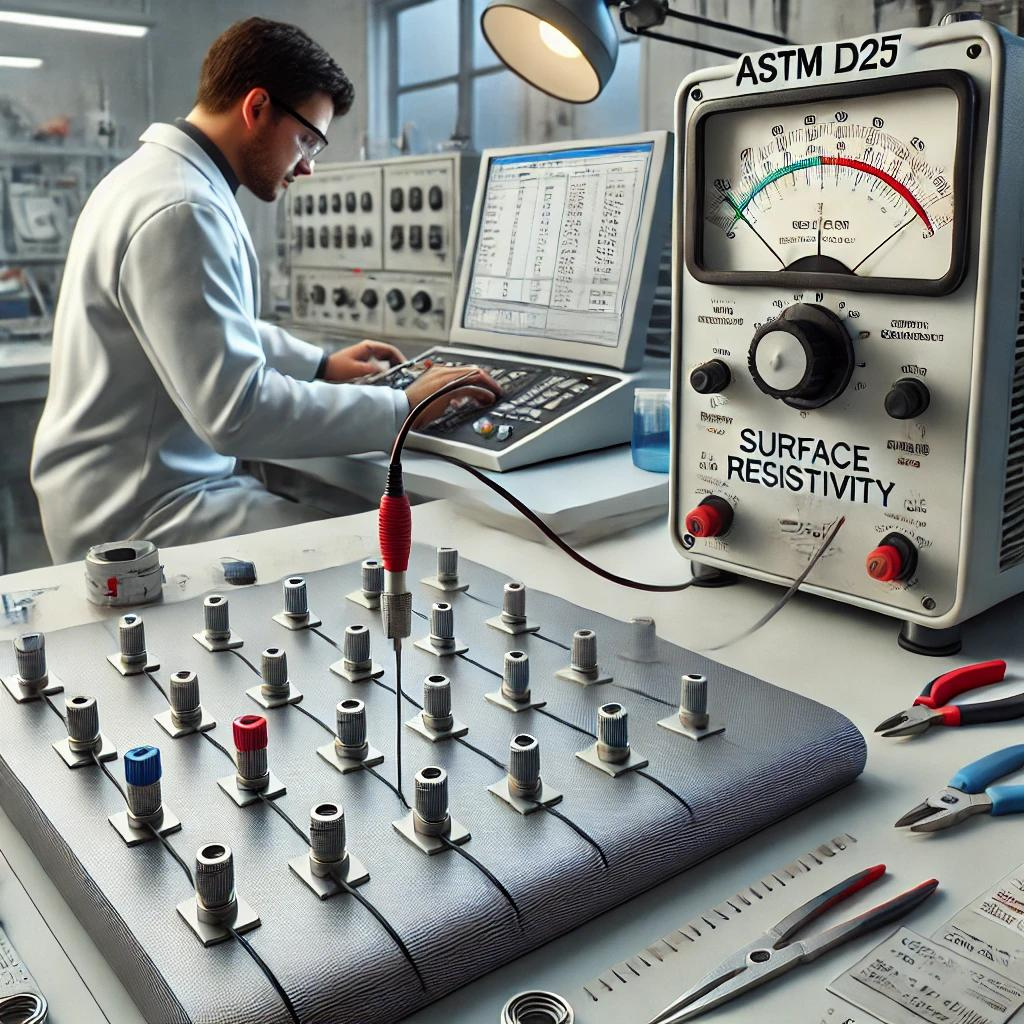
What is Surface Resistivity? Surface resistivity refers to the electrical resistance of a material along its surface. It is crucial for materials that are used as insulators in electrical and electronic applications. The measurement is expressed in ohms per square (Ω/□) and reflects how well a material prevents the flow of electrical current across its surface.

High surface resistivity indicates that the material is a good insulator, making it suitable for use in products like electrical insulators, coatings for electronics, and insulating materials in construction. On the other hand, materials with lower surface resistivity are more conductive and may be used in applications where controlled conductivity is needed.

ASTM D257: The Gold Standard for Surface Resistivity Testing ASTM D257, titled “Standard Test Methods for DC Resistance or Conductance of Insulating Materials,” provides a standardized method for measuring the surface resistivity and volume resistivity of insulating materials. This standard ensures that the testing process is consistent, repeatable, and accurate across different laboratories and industries.

The ASTM D257 test method helps in determining the following:

  • Surface Resistivity (ρs): Resistance to electrical current along the surface of the material.
  • Volume Resistivity (ρv): Resistance to electrical current through the body or volume of the material.

These properties are essential for evaluating the effectiveness of materials used in electrical insulation and determining their ability to prevent leakage currents that can lead to short circuits or component failure.

The Importance of Surface Resistivity Testing:

  • Electrical Safety: Insulating materials are crucial for preventing electrical hazards such as short circuits, sparks, or electric shocks. Surface resistivity testing ensures that these materials perform as expected under various environmental conditions.
  • Product Reliability: By measuring surface resistivity, manufacturers can ensure that materials used in sensitive applications like circuit boards, high-voltage systems, and consumer electronics are reliable and meet performance standards.
  • Quality Control: ASTM D257 provides a consistent testing methodology, ensuring that products meet stringent quality requirements and comply with industry regulations.

The Surface Resistivity Testing Process:

  1. Sample Preparation: The test material is cleaned to remove any contaminants that could affect the accuracy of the results. The specimen should have a smooth, flat surface for precise measurement.
  2. Electrode Placement: Electrodes are placed on the surface of the material, creating a defined path for the electric current. The geometry and placement of the electrodes are standardized according to ASTM D257.
  3. Voltage Application: A direct current (DC) voltage is applied to the electrodes, and the current that passes across the surface of the material is measured.
  4. Resistivity Calculation: Surface resistivity is calculated by dividing the applied voltage by the measured current, with adjustments for the geometry of the test setup.

Factors Affecting Surface Resistivity:

  • Environmental Conditions: Surface resistivity is highly sensitive to humidity and temperature. Higher humidity can reduce resistivity by allowing more current to flow along the surface of the material, while low temperatures can increase resistivity.
  • Material Properties: The inherent properties of the material, including its composition and thickness, play a significant role in its resistivity. Understanding these factors helps engineers select the right materials for specific applications.

Applications of Surface Resistivity Testing:

  • Electronics Manufacturing: Surface resistivity testing is widely used in the electronics industry to ensure that materials like printed circuit boards (PCBs) and coatings meet ESD (electrostatic discharge) requirements. High resistivity helps protect sensitive electronic components from electrostatic damage.
  • Aerospace and Automotive: Insulating materials in these industries are tested for their ability to withstand high voltages and prevent electrical failures in safety-critical systems.
  • Building Materials: Insulating paints and coatings used in construction are tested for surface resistivity to ensure they provide adequate protection against electrical hazards in industrial and residential buildings.
Surface Resistivity Testing As Per ASTM D257

Conclusion


FAQ

1. How is surface resistivity measured?

Surface resistivity is measured by applying a direct current (DC) voltage across a material’s surface using electrodes and calculating the resistance based on the resulting current flow.

2. What factors affect surface resistivity?

Humidity, temperature, material composition, and surface cleanliness can all impact surface resistivity results. Controlled environmental conditions are essential for accurate testing.

3. How does ASTM D257 help with product compliance?

ASTM D257 provides a consistent testing method, helping manufacturers ensure that their materials meet industry standards and regulatory requirements for electrical insulation.
Melt Flow Index Test As Per Standard ASTM D1238

Melt Flow Index Test As Per Standard ASTM D1238

Melt Flow Index Test As Per Standard ASTM D1238

Unlocking the Value of Melt Flow Index Testing with ASTM D1238


Introduction

Melt Flow Index Test As Per Standard ASTM D1238

What is the Melt Flow Index Test?

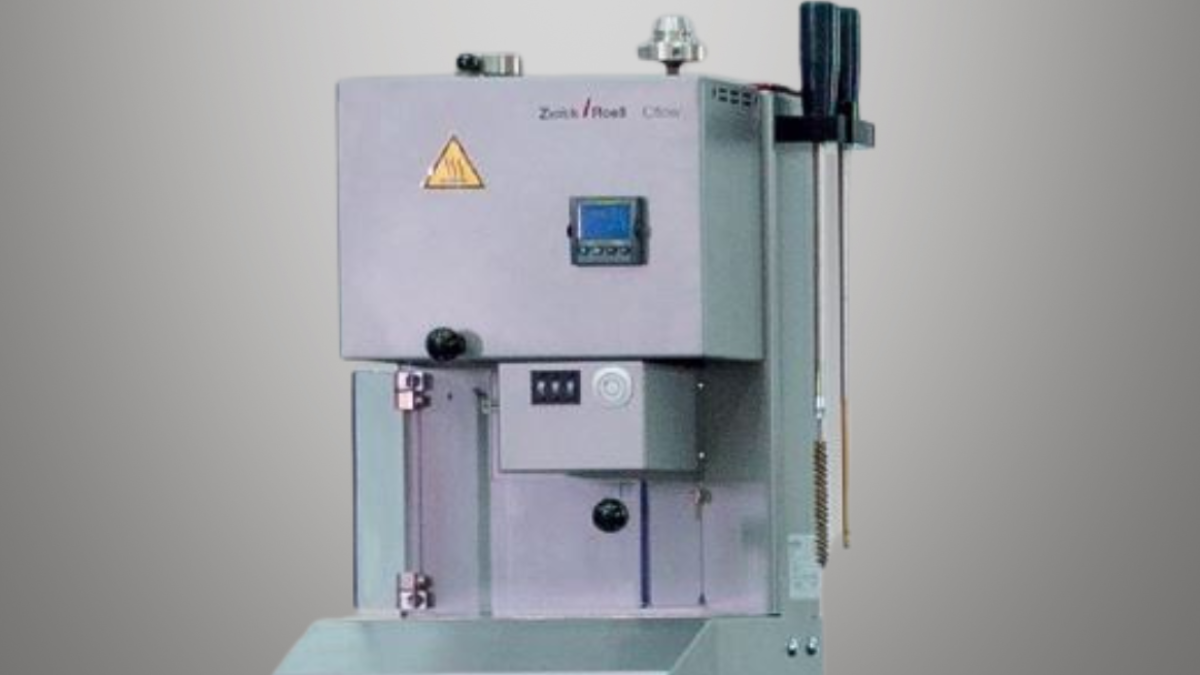
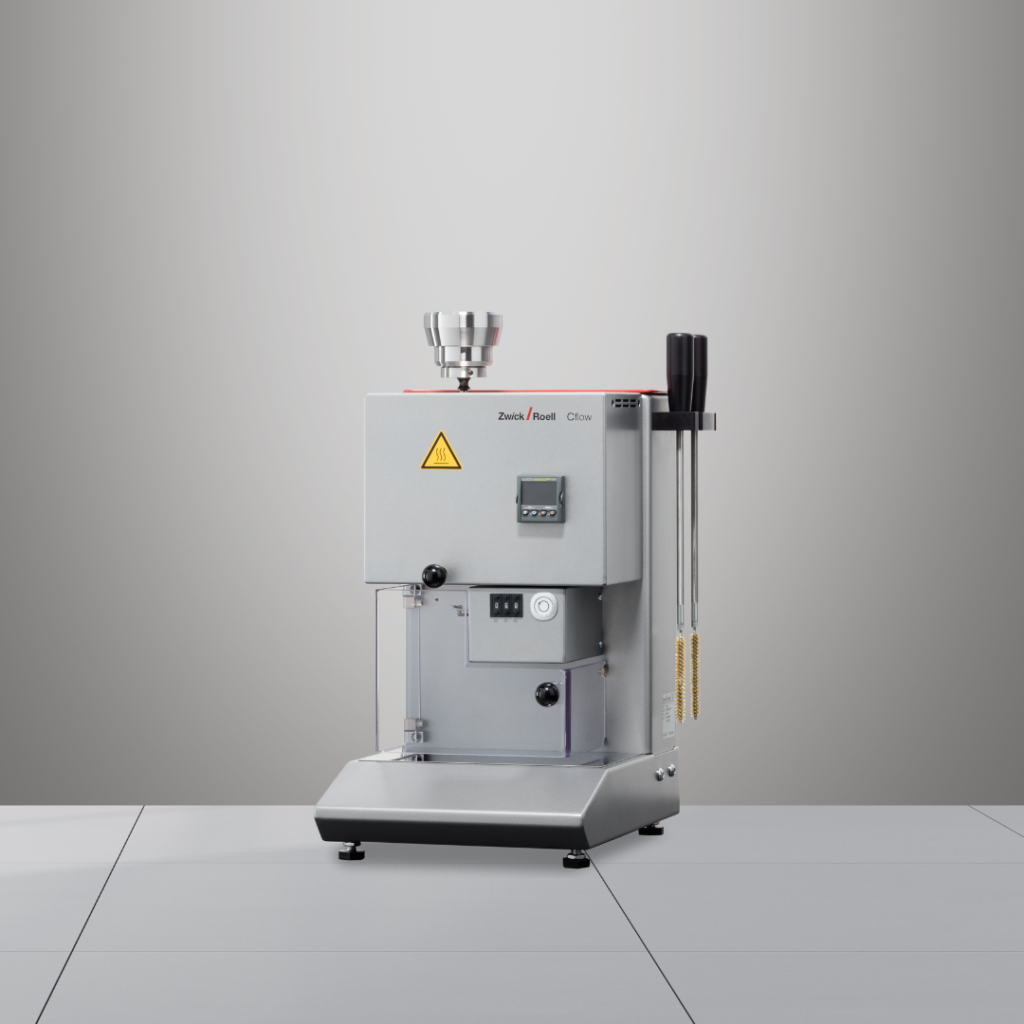
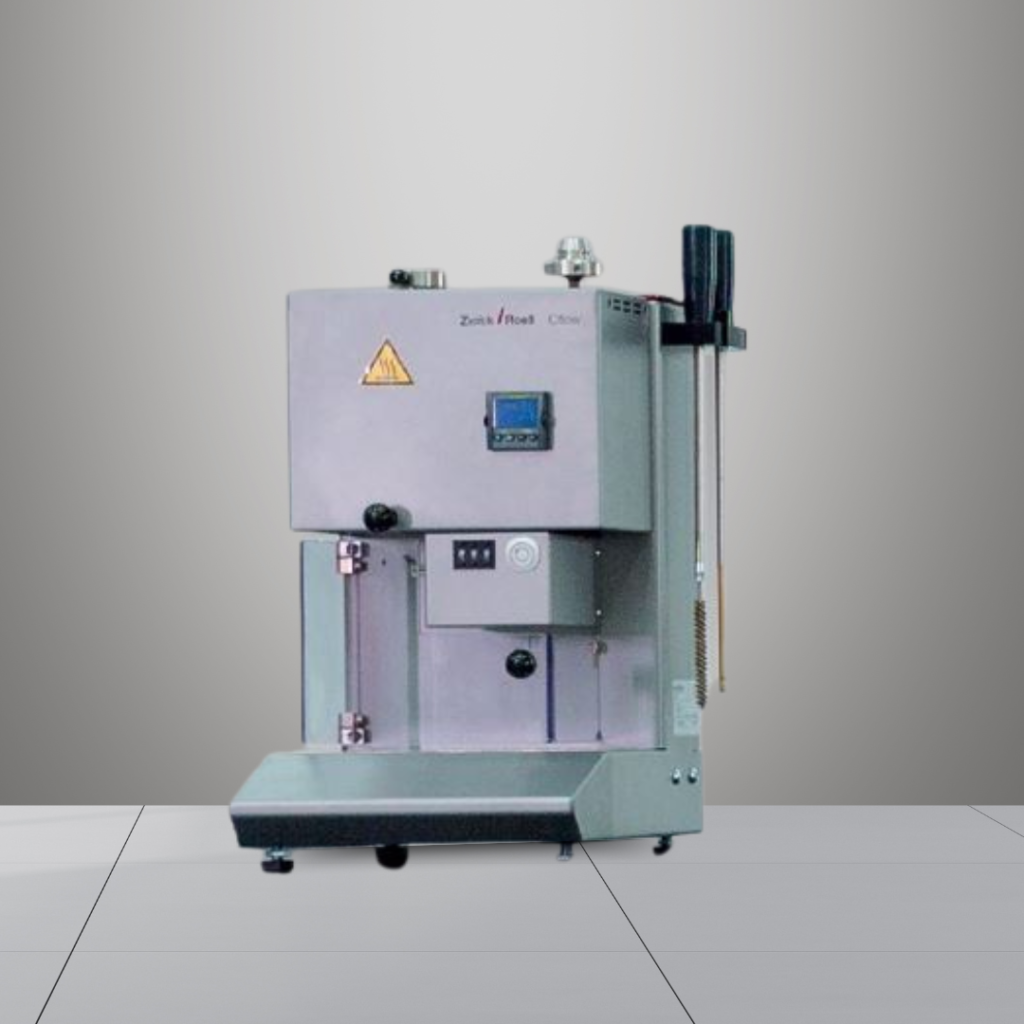
The Melt Flow Index (MFI) is a measurement of how easily a thermoplastic polymer can flow when subjected to heat and pressure. The test determines how much of the polymer extrudes through a small die over a set period, typically 10 minutes, under specific temperature and load conditions. The result is expressed in grams per 10 minutes, providing a numerical value to describe the material’s viscosity in its molten form.

Why is MFI Testing Important?

Understanding a polymer’s MFI is vital for manufacturers for several reasons:

  1. Processing Consistency: Different polymers and even batches of the same material can vary in their melt flow characteristics. Knowing the MFI helps ensure that materials behave consistently during processing, reducing variability in the final product.
  2. Material Selection: The MFI value plays a crucial role in selecting materials for specific applications. For example, a high MFI polymer is ideal for thin-walled products requiring fast-flowing materials, while low MFI materials are often chosen for structural applications where higher strength is needed.
  3. Quality Control: Regular MFI testing ensures that materials meet specific standards and performance requirements. Any deviation from expected MFI values can indicate changes in material composition, potential contamination, or degradation.
  4. Cost Efficiency: By optimizing processing parameters based on MFI data, manufacturers can reduce waste, lower energy consumption, and improve production efficiency.

How is the MFI Test Performed According to ASTM D1238?

The ASTM D1238 standard provides detailed procedures to ensure accuracy and repeatability in the MFI test. Here’s an overview of the key steps involved:

  1. Specimen Preparation: A sample of the thermoplastic material is heated in a precisely controlled chamber to the appropriate temperature for the material type.
  2. Application of Force: A standard weight (often between 2.16 kg and 21.6 kg, depending on the polymer) is applied to the material, pushing it through a die with a fixed diameter.
  3. Measurement: The molten material is extruded through the die over a specific period (typically 10 minutes), and the mass of material extruded is recorded. This mass is then converted to the MFI value, expressed in grams per 10 minutes.

This simple yet effective test offers critical information on the flow characteristics of the polymer, making it an indispensable tool in plastic material evaluation.

Practical Applications of MFI Data

The results of MFI testing have far-reaching implications in plastic manufacturing, including:

  • Injection Molding: In this process, the material’s MFI must be carefully controlled to ensure the polymer fills molds efficiently and evenly. Materials with a high MFI are better suited for producing complex, thin-walled components, while lower MFI materials are ideal for thicker, more robust parts.

  • Extrusion: The MFI value helps adjust process parameters like extrusion speed and temperature, allowing manufacturers to fine-tune the production of films, pipes, and other continuous products.

  • Blown Film Production: In film blowing applications, polymers with the correct MFI are essential to achieve the desired thickness and clarity without defects.

Melt Flow Index Test As Per Standard ASTM D1238

Trust Kiyo R&D Center for Comprehensive MFI Testing


FAQ

1. What are the typical applications of MFI testing?

MFI testing is commonly used in industries such as automotive, packaging, electronics, and medical devices. It helps ensure that materials used in injection molding, extrusion, and film blowing meet the required performance specifications for their intended application.

2. How can MFI variations affect production?

Variations in MFI can lead to inconsistencies in the processing of polymers, resulting in defective products, increased waste, or inefficient production. Regular MFI testing helps maintain uniformity in material performance across different batches.

3. Can MFI testing be used for quality control?

Yes, MFI testing is a critical tool for quality control. By comparing the MFI of different material batches, manufacturers can ensure that the polymer’s flow characteristics remain consistent, identifying any potential issues such as contamination or material degradation.
UV Lamp Testing As Per Standard ASTM D4329

UV Lamp Testing As Per Standard ASTM D4329

UV Lamp Testing As Per Standard ASTM D4329

UV Lamp Testing for Plastics: Ensuring Longevity with ASTM D4329


Introduction

UV Lamp Testing As Per Standard ASTM D4329

What is ASTM D4329?

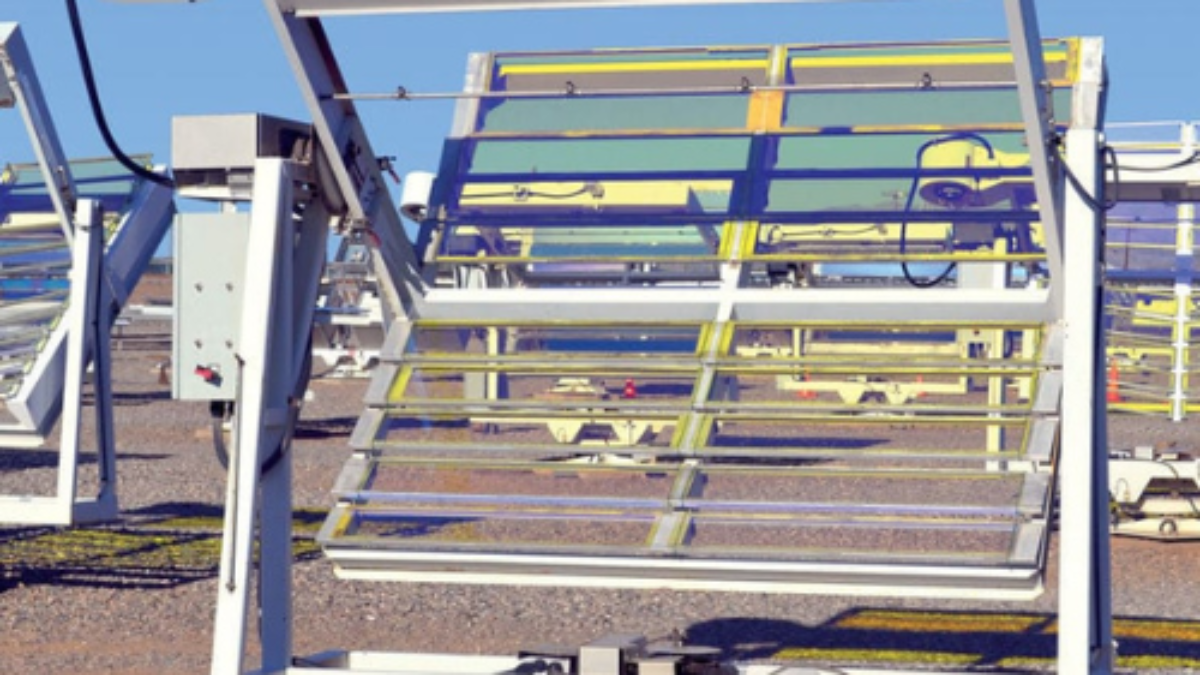
ASTM D4329 is a standard testing method developed by ASTM International to simulate the effects of UV light exposure on plastics under controlled laboratory conditions. It provides detailed protocols for accelerated weathering tests, where plastics are exposed to cycles of UV radiation and moisture to replicate the damaging effects of prolonged outdoor exposure. By following this standard, manufacturers and engineers can predict how their materials will perform when subjected to the sun’s UV rays over long periods, often condensing years of exposure into weeks or months.

The Importance of UV Lamp Testing

Ultraviolet (UV) radiation is one of the most damaging environmental factors for polymers and plastics. It can break down chemical bonds within the material, leading to:

  • Color fading: UV exposure often results in noticeable changes in color, which can be a significant issue for consumer-facing products.
  • Loss of mechanical properties: Prolonged UV exposure can reduce the strength, flexibility, and durability of plastic materials.
  • Surface degradation: UV radiation can cause cracking, chalking, and loss of surface gloss, negatively impacting a product’s aesthetic and functional qualities.

Industries that manufacture outdoor products, automotive components, construction materials, and packaging materials must ensure their products are resistant to these UV effects. ASTM D4329 provides the necessary guidelines to simulate this type of degradation and assess material performance accurately.

The Process of UV Lamp Testing as per ASTM D4329

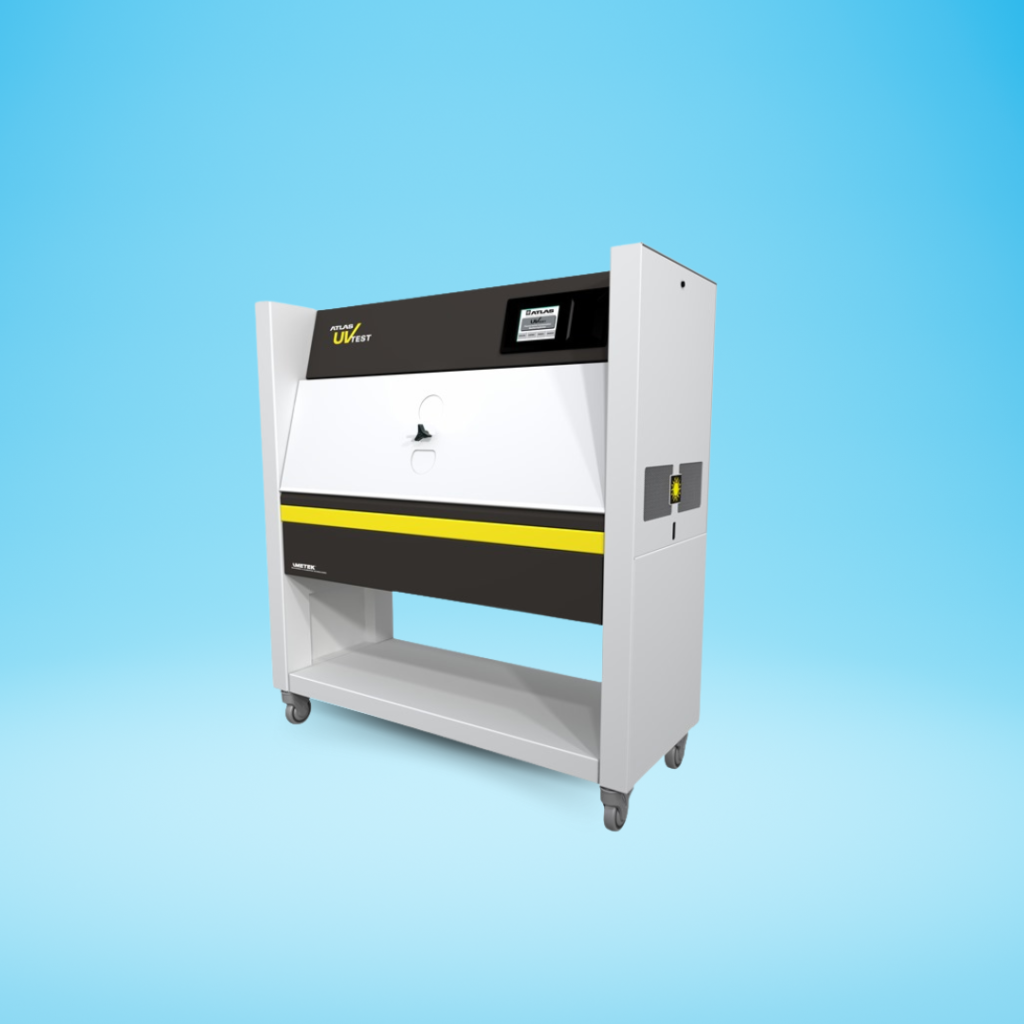
The testing process under ASTM D4329 involves subjecting plastic specimens to cycles of UV radiation and moisture to simulate real-world weather conditions. The test apparatus uses fluorescent UV lamps that emit radiation similar to the UV spectrum found in sunlight, with controlled temperature and humidity to create repeatable and reliable test conditions.

Here’s an overview of how the process works:

  1. UV Exposure: The specimens are exposed to UV radiation, usually using UVA-340 or UVB-313 lamps. These lamps replicate the most damaging portions of sunlight, particularly UV radiation that causes the most rapid degradation in plastics.
  2. Moisture Exposure: To simulate the effects of dew and rain, the plastic specimens are subjected to periods of condensation or water spray. This phase alternates with the UV exposure to mimic natural weather cycles.
  3. Controlled Temperature: During testing, the temperature inside the UV exposure chamber is closely regulated to simulate outdoor heat levels. Higher temperatures can accelerate the aging process and affect how plastics respond to UV radiation.
  4. Test Duration: The test can run anywhere from 500 to 2,000 hours, depending on the material being tested and the application requirements. These exposure times are designed to simulate months or even years of outdoor exposure.
  5. Post-Test Evaluation: After completing the test cycles, the plastic specimens are evaluated for signs of degradation. This includes checking for color changes, surface cracking, and loss of mechanical properties like tensile strength and elasticity. These measurements allow manufacturers to assess how well their materials will hold up under real-world conditions.

Applications of ASTM D4329

UV lamp testing is essential for a wide range of industries that rely on durable plastics in outdoor environments. Some common applications include:

  • Automotive components: Exterior automotive parts such as bumpers, trim, and dashboards must endure long-term exposure to sunlight without losing their color, strength, or structural integrity.
  • Building and construction: Roofing materials, siding, and outdoor furniture are continually exposed to UV radiation, and testing ensures these products remain aesthetically pleasing and functional over time.
  • Outdoor consumer goods: Products like playground equipment, patio furniture, and sports gear must be UV-resistant to ensure safety and longevity.
  • Packaging: Plastic packaging used in outdoor environments or under direct sunlight must maintain its integrity to protect the product inside.

Benefits of ASTM D4329 UV Testing

  1. Improved Product Durability: UV testing helps manufacturers identify materials that will last longer when exposed to sunlight, reducing the risk of premature failure in the field.
  2. Cost Savings: By identifying materials with superior UV resistance during the design phase, manufacturers can avoid costly recalls or product replacements due to UV-related failures.
  3. Customer Satisfaction: Products that retain their color, strength, and appearance after years of outdoor exposure are more likely to meet or exceed customer expectations.
  4. Regulatory Compliance: Many industries, especially automotive and construction, require compliance with ASTM D4329 as part of their quality and safety standards. Meeting these standards ensures that products will perform as expected in real-world conditions.
UV Lamp Testing As Per Standard ASTM D4329

Conclusion


FAQ

1. How long does a UV test last?

The duration of a UV test can vary depending on the material and application but typically ranges from 500 to 2,000 hours, simulating months or years of outdoor exposure.

2. What are the key parameters evaluated after UV exposure?

After testing, materials are evaluated for changes in color, gloss, surface integrity (cracking), and mechanical properties such as tensile strength and flexibility.

3. How does UV lamp testing differ from real outdoor exposure?

UV lamp testing accelerates the effects of sunlight and moisture by using controlled cycles in a chamber, which condenses months or years of natural exposure into a much shorter period.
Accelerated Weathering Test As Per ASTM D4364

Accelerated Weathering Test As Per ASTM D4364

Accelerated Weathering Test As Per ASTM D4364

Protecting Products from Environmental Degradation: The Role of ASTM D4364 Accelerated Weathering Test


Introduction

Accelerated Weathering Test As Per ASTM D4364

What is the ASTM D4364 Accelerated Weathering Test?

The ASTM D4364 test is a controlled laboratory procedure that mimics outdoor environmental conditions to measure the degradation of nonmetallic materials, particularly plastics and coatings, under UV light exposure, temperature extremes, and moisture. The accelerated test environment is designed to reproduce the combined effects of sunlight (UV), rain, and dew at a faster rate, giving a snapshot of how a material will perform over years of outdoor exposure in just weeks or months.

Why is Weathering Testing Important?

Materials exposed to outdoor conditions can deteriorate due to the complex interactions between UV light, moisture, and heat. Over time, these factors can lead to cracking, fading, embrittlement, or even complete failure of products. For industries such as automotive, construction, and consumer goods, where products are expected to last for years under these harsh conditions, ensuring durability is critical. By conducting weathering tests, manufacturers can identify potential weaknesses in materials, adjust formulations, and enhance product longevity.

How Does the Test Work?

The test involves placing material samples in a specialized chamber where they undergo cycles of UV radiation, condensation, and temperature changes to replicate outdoor weathering conditions. The main components of the test include:

  • UV Light Exposure: UV radiation is the primary cause of material degradation in outdoor environments. UV lamps in the test chamber emit wavelengths similar to natural sunlight, accelerating the photodegradation process that can cause materials to fade, lose strength, or crack.
  • Moisture and Condensation: By introducing moisture cycles through water spray or condensation, the test mimics the effects of rain and dew. These moisture cycles can contribute to surface deterioration, weakening the material over time.
  • Temperature Variations: Controlled temperature cycles simulate the thermal stresses materials endure during day-night cycles and seasonal changes, helping identify temperature-induced cracking, warping, or other thermal damage.

The accelerated nature of this test allows manufacturers to observe potential long-term effects, such as discoloration, loss of flexibility, surface chalking, and cracking, in a fraction of the time required for natural weathering.

Applications of ASTM D4364 Testing

The ASTM D4364 test is widely applicable across various industries that use plastic or polymer-based products exposed to outdoor environments. Some key applications include:

  1. Automotive and Transportation: Exterior parts such as trim, bumpers, and mirror housings undergo significant exposure to sunlight and moisture. Testing these components ensures they retain color, strength, and performance over time.
  2. Building Materials: Roofing materials, siding, windows, and paints all experience constant weather exposure. ASTM D4364 helps manufacturers assess how these materials will hold up against UV damage, thermal cycling, and moisture, ensuring the longevity of buildings and infrastructure.
  3. Consumer Goods: Outdoor furniture, playground equipment, and sporting goods are exposed to the elements, requiring enhanced durability. Weathering tests help improve product lifespans and reduce the likelihood of material failure.
  4. Coatings and Paints: UV exposure can cause coatings to fade or lose adhesion, while temperature changes and moisture can cause blistering and peeling. ASTM D4364 testing ensures that these coatings meet durability standards and maintain aesthetic and protective properties over time.

Benefits of Accelerated Weathering Testing

  • Faster Time-to-Market: Since the test condenses years of outdoor exposure into weeks, manufacturers can identify and address potential weaknesses early in the product development phase, speeding up time-to-market.

  • Improved Product Performance: By understanding how materials degrade over time, manufacturers can optimize formulations to enhance UV resistance, moisture protection, and thermal stability.

  • Cost Savings: Early detection of potential material failures can lead to more efficient product designs and materials, reducing warranty claims, product recalls, and long-term maintenance costs.

  • Customer Satisfaction: Products that maintain their appearance, strength, and functionality over time lead to greater customer satisfaction and fewer returns due to premature failure.

Post-Test Analysis

After completing the weathering cycles, materials are carefully inspected for signs of degradation. Common evaluations include:

  • Visual Inspection: Identifying color changes, surface cracking, and gloss loss.
  • Physical Property Testing: Assessing changes in tensile strength, elongation, and impact resistance.
  • Microscopic Examination: Analyzing surface structure changes and microscopic cracks that may lead to future failures.

These results provide critical data on the material’s long-term performance and offer manufacturers insights into how to improve material formulations and designs.

Accelerated Weathering Test As Per ASTM D4364

Conclusion


FAQ

1. What environmental conditions are simulated in the test?

The test chamber simulates UV radiation, moisture (rain, dew, or condensation), and fluctuating temperatures to mimic the effects of sunlight, rain, and thermal stress in outdoor environments.

2. What kind of degradation does the test assess?

ASTM D4364 measures various types of material degradation, including color fading, surface chalking, cracking, brittleness, loss of flexibility, and reductions in mechanical strength.

3. How are the results of the test evaluated?

After exposure, the material samples are inspected for physical changes, such as cracking or fading. Mechanical properties, like tensile strength and elongation, may also be measured to assess changes in performance.
High Pressure Water Wash Testing As Per ASTM D570

High Pressure Water Wash Testing As Per ASTM D570

High Pressure Water Wash Testing As Per ASTM D570

Enhancing Material Performance Through High Pressure Water Wash Testing as per ASTM D570

Introduction

High Pressure Water Wash Testing As Per ASTM D570

What is ASTM D570?

ASTM D570 is the standardized test method for determining the water absorption characteristics of plastic materials. This method involves exposing test specimens to water under specified conditions and then measuring the amount of water absorbed. By providing consistent testing procedures, ASTM D570 helps manufacturers and researchers evaluate how much water a plastic material can absorb when subjected to prolonged exposure or high-pressure water.


Importance of High Pressure Water Wash Testing:

Water absorption can compromise the mechanical properties of materials like plastics, leading to swelling, cracking, or loss of strength. In industries like electronics, automotive, and aerospace, where moisture resistance is crucial, understanding a material’s water absorption capabilities can prevent failures and costly repairs. High Pressure Water Wash Testing ensures that materials are suited for their intended applications, especially in environments exposed to high humidity or direct water contact.


The Testing Process:

The ASTM D570 test procedure involves several steps:

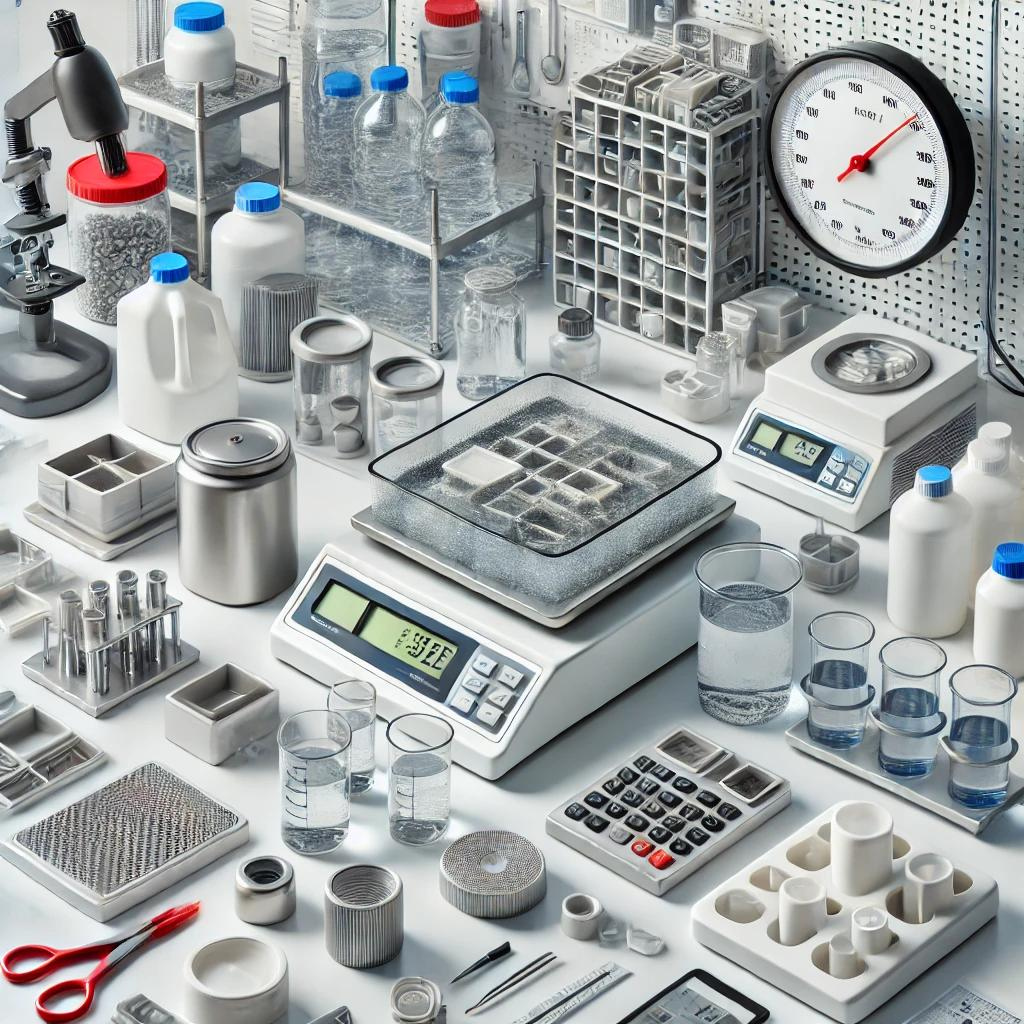
  • Specimen Preparation: Test specimens are cut to specific dimensions, typically in the form of a square or circular piece of plastic.
  • Drying and Conditioning: Specimens are dried in an oven to remove moisture before the test to establish a baseline.
  • Water Immersion or Exposure: Specimens are submerged in water or subjected to high-pressure water washing for a specified period, either at room temperature or elevated temperatures.
  • Final Measurement: After the water exposure, the weight of the specimen is measured again to calculate the percentage of water absorbed.

Benefits of ASTM D570 Testing for Materials:

  • Improved Product Reliability: The test ensures that the materials used in critical applications can withstand exposure to water without significant degradation, ensuring longer-lasting products.
  • Optimized Material Selection: Manufacturers can use the results to select the most suitable materials for applications in wet environments, reducing the risk of material failure.
  • Compliance with Industry Standards: Adhering to ASTM D570 ensures that products meet industry requirements for moisture resistance, which is especially important for certifications and product warranties.

Applications Across Industries:

High Pressure Water Wash Testing is crucial in many sectors, including:

  • Construction: Ensuring that plastic materials used in insulation, roofing, and piping systems maintain their integrity under moisture exposure.
  • Automotive: Testing materials used in vehicle interiors, electronics housings, and exterior components to prevent water damage.
  • Marine: Verifying that plastic components used in boats and underwater applications resist water absorption and maintain performance.


High Pressure Water Wash Testing As Per ASTM D570

Conclusion


FAQ

1. What industries benefit from ASTM D570 testing?

Industries like automotive, construction, electronics, and marine benefit from this testing as it ensures that the plastic materials used in their products can withstand exposure to water without deteriorating.

2. What are the key outcomes of ASTM D570 testing?

The test provides data on how much water a material absorbs, helping manufacturers select materials that will perform reliably in wet or high-humidity environments. It also ensures that materials comply with durability and performance standards.

3. How does water absorption affect material performance?

Water absorption can weaken materials, causing swelling, cracking, or loss of mechanical strength. ASTM D570 testing ensures that the materials used maintain their properties and structural integrity even after prolonged water exposure.
Sanitizer Resistance Testing As Per ASTM G 22

Sanitizer Resistance Testing As Per ASTM G 22

Sanitizer Resistance Testing As Per ASTM G 22

 Why ASTM G 22 Sanitizer Resistance Testing is Crucial for Plastic Materials

Introduction

Sanitizer Resistance Testing As Per ASTM G 22

What is ASTM G 22?

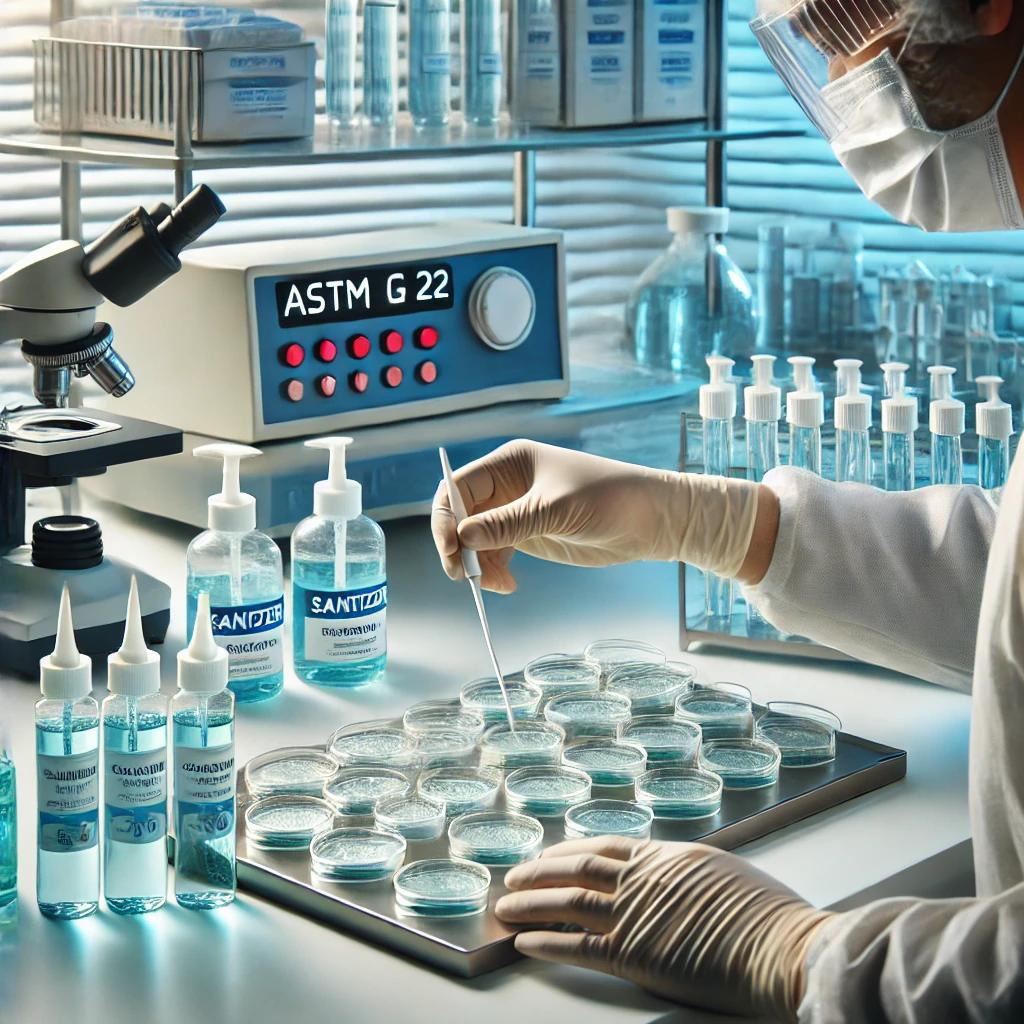
ASTM G 22 is a widely recognized test method developed to assess the resistance of plastic materials to bacterial growth, specifically targeting their performance under microbial exposure in conjunction with sanitizers. This standard is essential for products that must maintain integrity, cleanliness, and safety over time, even in environments with high microbial activity.

The standard focuses on exposing plastics to bacterial cultures, most commonly Pseudomonas aeruginosa, a microorganism known for its ability to thrive in difficult conditions, including on surfaces exposed to harsh cleaning agents.

Why Sanitizer Resistance Testing Matters

In an increasingly hygiene-conscious world, plastic materials used in medical devices, packaging, surfaces, and equipment need to be resilient against both bacteria and frequent cleaning with disinfectants and sanitizers. ASTM G 22 testing ensures that these materials can withstand microbial growth without degrading, cracking, or losing structural integrity. Without proper testing, materials may become breeding grounds for bacteria or deteriorate under regular sanitizer exposure, posing health risks or product failures.

How ASTM G 22 Testing Works

The ASTM G 22 test involves a series of controlled steps designed to simulate real-world exposure to bacteria and sanitizers:

  1. Material Sample Preparation: Plastic samples are first sterilized to eliminate any pre-existing microbes that could affect the results.
  2. Bacterial Exposure: The test materials are inoculated with Pseudomonas aeruginosa. This bacteria is selected for its ability to survive and grow in hostile environments, making it an ideal candidate for testing material resistance.
  3. Incubation Period: The inoculated plastic samples are then incubated for a defined period, typically at conditions optimal for bacterial growth.
  4. Post-Incubation Examination: After the incubation period, the samples are inspected for any signs of bacterial colonization, damage, or degradation. The degree of microbial growth and any material deterioration is carefully evaluated to determine the material’s resistance.
  5. Results Analysis: If the material withstands the test without significant bacterial growth or degradation, it is considered to have passed the ASTM G 22 standard for sanitizer resistance.

Industries Benefiting from ASTM G 22 Testing

Healthcare: In hospitals and clinics, plastic materials in medical devices, surgical tools, and patient environments need to be sanitized frequently. Materials that can resist both bacteria and the repeated use of disinfectants ensure safer environments for patients and healthcare workers.

Food and Beverage: Plastics used in food processing equipment, packaging, and surfaces are exposed to strict cleaning protocols. ASTM G 22 testing ensures that these materials can endure constant exposure to sanitizers without harboring bacteria or becoming compromised over time.

Consumer Products: Everyday products such as cleaning equipment, kitchenware, and personal care items made from plastic must also meet hygiene standards. Testing ensures these products can be safely used and cleaned, maintaining their durability.

The Benefits of Passing ASTM G 22 Testing

  1. Enhanced Safety: By ensuring that plastics are resistant to microbial growth, manufacturers help reduce contamination risks, creating safer environments for consumers and workers.
  2. Improved Durability: Plastics that pass ASTM G 22 testing demonstrate long-term durability even under harsh sanitizing conditions, reducing product degradation and extending their lifespan.
  3. Regulatory Compliance: Meeting the ASTM G 22 standard ensures that products comply with regulatory requirements for cleanliness and material performance, especially in healthcare and food-related industries.
  4. Increased Marketability: Products that are proven to withstand microbial exposure and sanitizer use are more appealing to markets that prioritize hygiene and safety, providing a competitive edge.

Why Choose ASTM G 22 Testing for Your Materials?

As consumer awareness of hygiene and cleanliness continues to grow, manufacturers must meet stringent standards to remain competitive and ensure product safety. ASTM G 22 provides a robust method for testing the microbial and chemical resistance of plastic materials, helping manufacturers develop products that excel in both performance and safety.

At Kiyo R&D, we specialize in sanitizer resistance testing and other material performance evaluations, offering comprehensive testing solutions to ensure your products meet the highest standards. Our expert team can help you understand how your materials perform under microbial stress and exposure to sanitizers, ensuring compliance with ASTM G 22 and other critical standards.


Sanitizer Resistance Testing As Per ASTM G 22

Conclusion


FAQ

1. What materials can be tested under ASTM G 22?

ASTM G 22 is primarily used for testing various types of plastic materials, including those used in medical devices, packaging, containers, and other products exposed to frequent sanitization.

2. How long does ASTM G 22 testing take?

The duration of ASTM G 22 testing depends on the incubation period and the complexity of the material being tested. The entire process typically takes several days to complete.

3. What are the key benefits of passing ASTM G 22 testing?

Passing ASTM G 22 ensures the plastic material is resistant to bacterial growth and chemical exposure from sanitizers, enhancing product durability, safety, and regulatory compliance.
Acid and Base Resistance Testing As Per ASTM D543

Acid and Base Resistance Testing As Per ASTM D543

Acid and Base Resistance Testing As Per ASTM D543

Exploring Acid and Base Resistance Testing: ASTM D543 Standard

Introduction

Acid and Base Resistance Testing As Per ASTM D543

Overview of ASTM D543

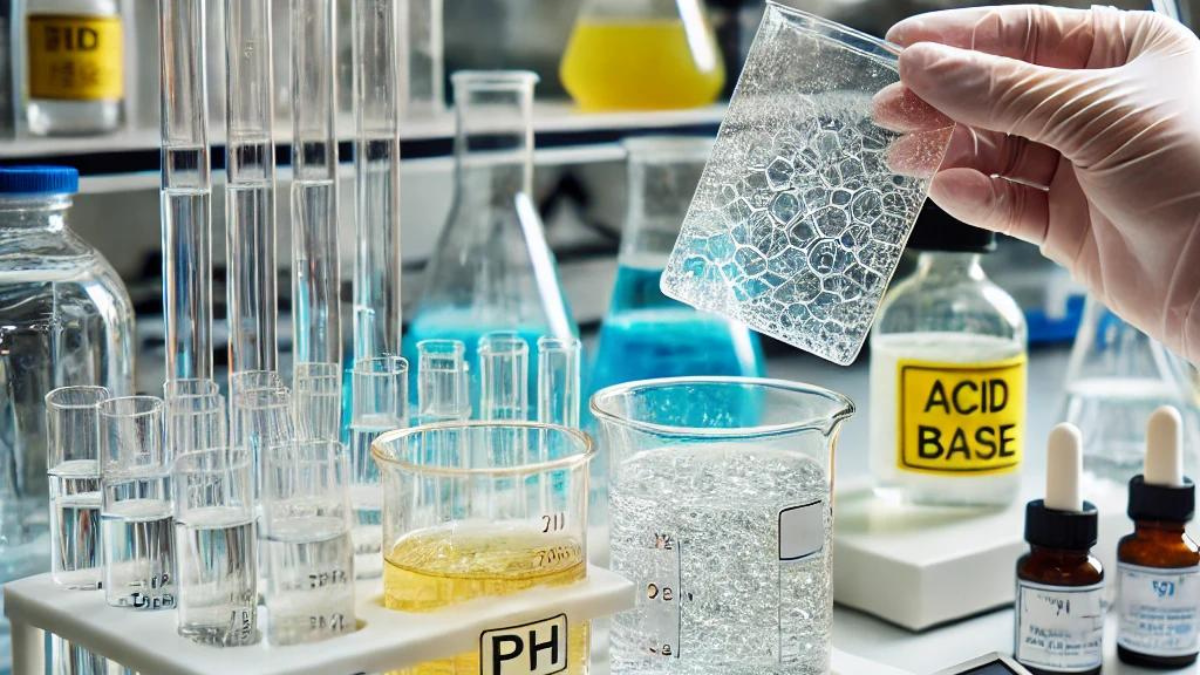
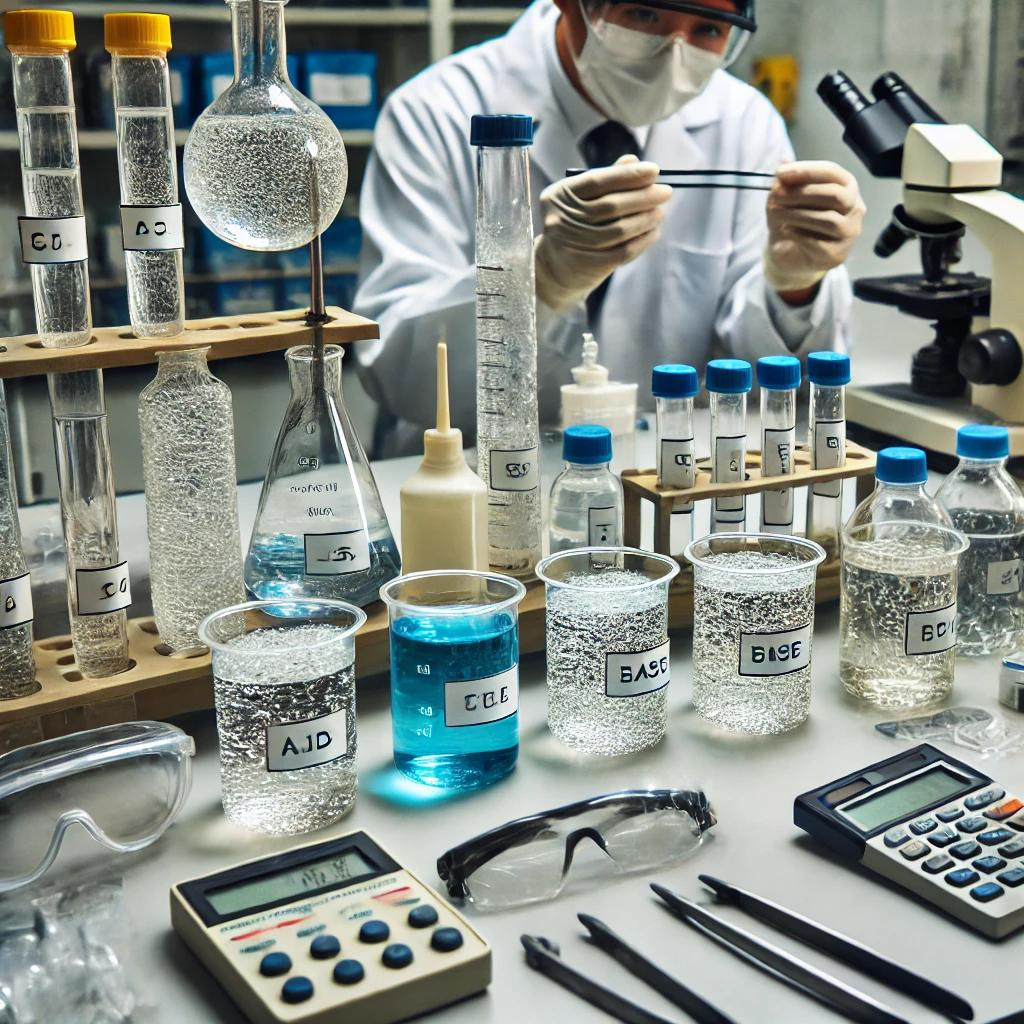
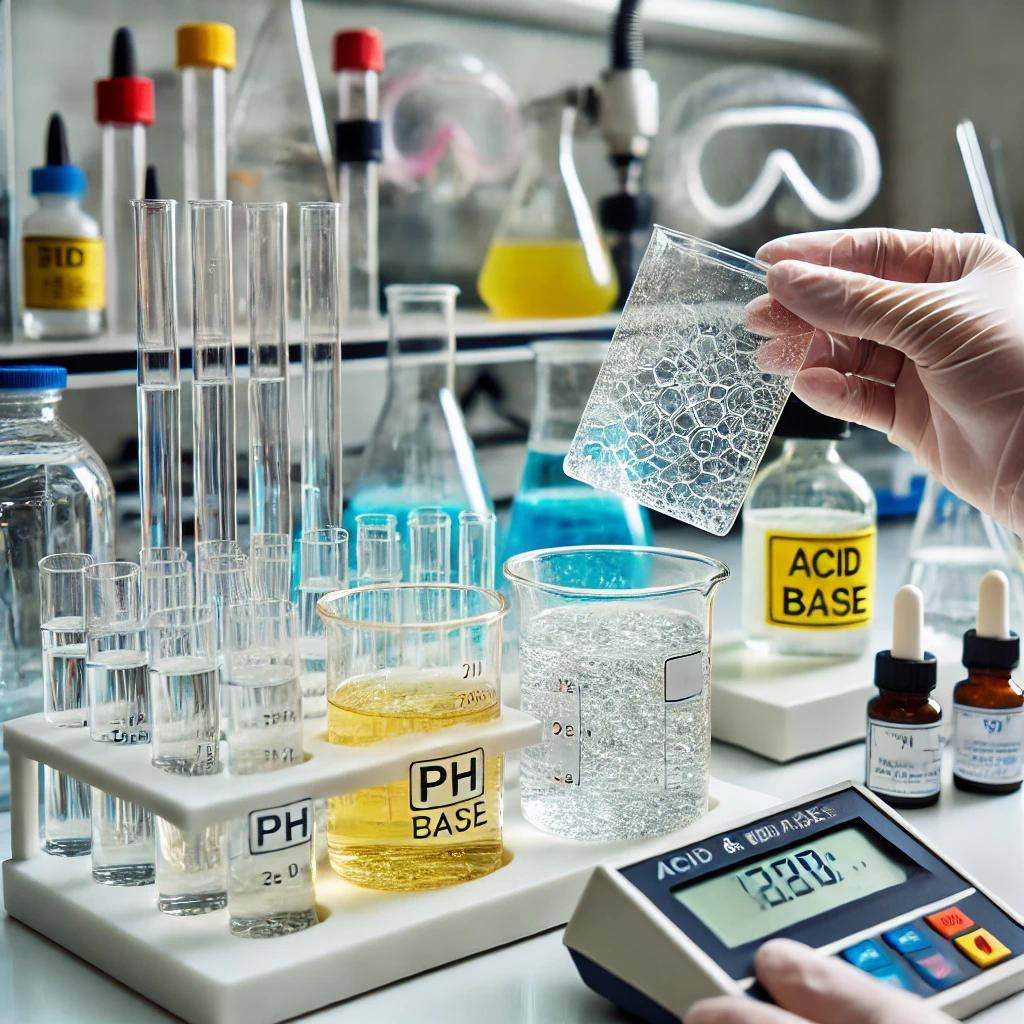
ASTM D543 is a set of standard practices designed to evaluate how plastics perform when exposed to chemicals, particularly acids and bases. This method helps determine the potential for chemical-induced degradation in plastic materials, which is vital for manufacturers across multiple industries. The standard outlines procedures to assess changes in weight, strength, and appearance, providing a reliable means to predict a material’s lifespan under chemical stress.

Importance of Acid and Base Resistance Testing

Materials exposed to aggressive chemical environments can experience significant degradation, leading to failure in applications such as pipes, containers, and medical equipment. Testing for acid and base resistance ensures that plastics retain their structural and mechanical properties even after prolonged exposure to harsh chemicals. The results of these tests are critical for industries like automotive, construction, chemical processing, and healthcare, where material failure could lead to safety risks or costly replacements.

Testing Procedure Under ASTM D543

  1. Sample Preparation: The first step in ASTM D543 testing involves the preparation of plastic samples, which are cut into standardized shapes and sizes to ensure consistency. The material used should represent the intended product or application to get accurate results.
  2. Chemical Exposure: Once prepared, the samples are immersed in a series of chemical solutions, which include acids and bases of varying concentrations. Common chemicals used in this testing include:
  3. Acids: Hydrochloric acid, sulfuric acid
  4. Bases: Sodium hydroxide, potassium hydroxide These samples remain submerged for a specified time to simulate long-term exposure conditions.
  5. Post-Exposure Evaluation: After the exposure period, the plastic samples are removed, cleaned, and inspected. Three main properties are assessed:
  6. Weight Change: A measurement of how much mass the sample has gained or lost due to chemical interaction.
  7. Mechanical Properties: The tensile strength and flexibility of the material are re-tested to identify any reduction in performance.
  8. Surface Appearance: Visual inspections look for signs of cracking, blistering, discoloration, or other surface defects.
  9. Data Analysis: The changes observed in the plastic material’s weight, tensile strength, and appearance are compared to pre-exposure values. Based on these results, the material is rated on its chemical resistance. Higher resistance indicates less degradation and better performance in real-world applications where exposure to chemicals is expected.

Key Benefits of ASTM D543 Testing

  • Material Selection: Acid and base resistance testing helps manufacturers select the most appropriate plastic materials for specific chemical environments, ensuring long-term product reliability.
  • Cost Efficiency: By selecting materials that are resistant to chemical attack, manufacturers can reduce the risk of costly failures, replacements, or downtime due to material degradation.
  • Safety Compliance: In critical industries like healthcare and chemical processing, using materials that can withstand chemical exposure ensures the safety of both workers and consumers.
  • Product Development: ASTM D543 provides a robust framework for evaluating new plastic materials in research and development, helping companies innovate while maintaining product integrity.

Applications of ASTM D543 Acid and Base Resistance Testing

  • Chemical Processing Equipment: Tanks, pipes, and fittings that handle acidic or alkaline fluids require materials that won’t degrade over time.
  • Automotive Components: Parts like gaskets, seals, and hoses may be exposed to chemicals like battery acids or coolant bases.
  • Medical Devices: Equipment and packaging that come into contact with cleaning agents or bodily fluids need to be tested for chemical resistance to ensure they remain safe and functional.
  • Construction Materials: Building materials, particularly those used in industrial or harsh environments, must maintain their durability despite chemical exposure.
Acid and Base Resistance Testing As Per ASTM D543

Conclusion


FAQ

1. What properties are measured after chemical exposure?

After exposure, key properties such as weight change, tensile strength, and surface appearance are evaluated to determine the extent of chemical degradation and material resistance.

2. How long does the chemical exposure last during testing?

The duration of chemical exposure in ASTM D543 testing can vary depending on the requirements of the test and the expected service life of the material. Exposure typically lasts from hours to days, simulating real-world conditions.

3. What are the potential signs of material degradation after exposure?

Common signs of degradation include weight loss or gain, reduced tensile strength, surface discoloration, cracking, blistering, or swelling. These changes help assess how well a material resists chemical attack.
Friction Coefficient Testing As Per ASTM D1894

Friction Coefficient Testing As Per ASTM D1894

Friction Coefficient Testing As Per ASTM D1894

Unlocking the Importance of Friction Coefficient Testing with ASTM D1894


Introduction

Friction Coefficient Testing As Per ASTM D1894

What is Friction Coefficient Testing as per ASTM D1894?

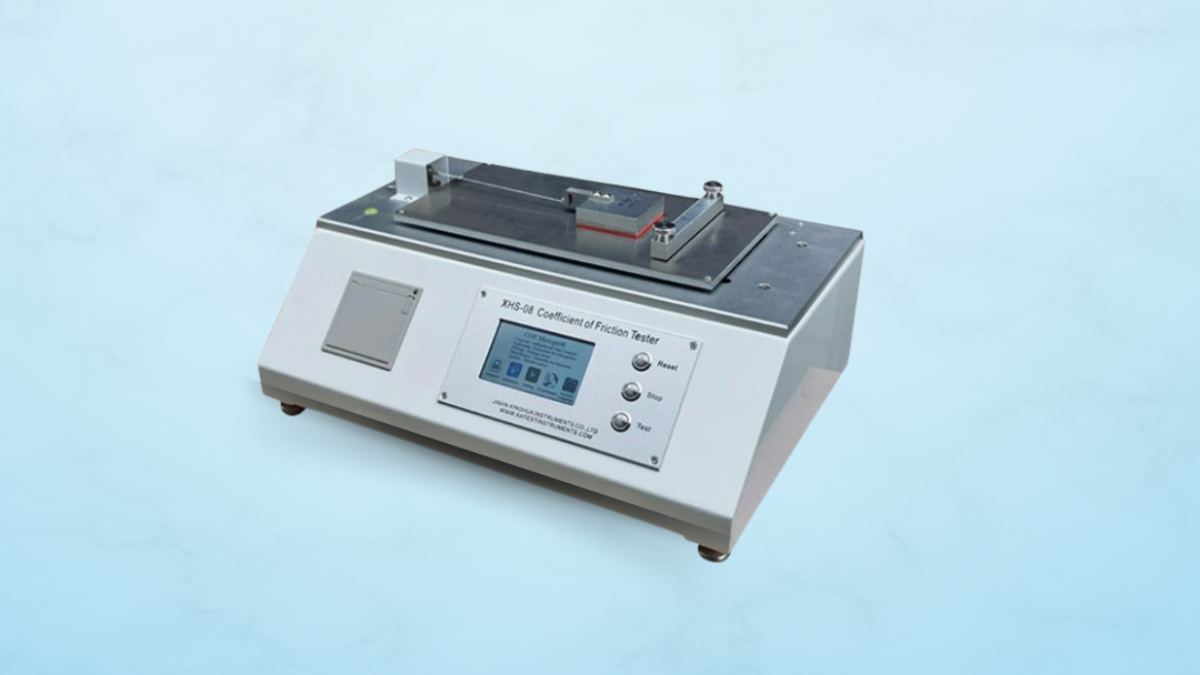
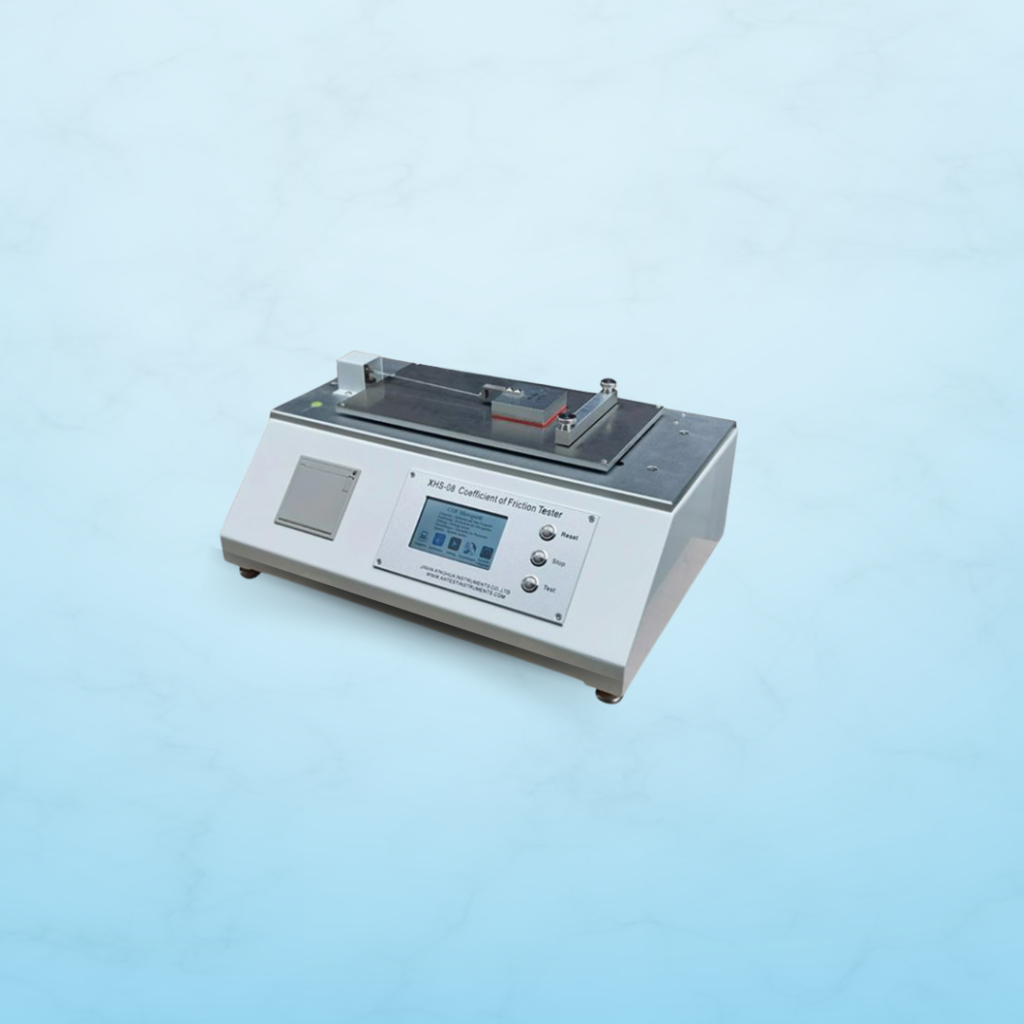
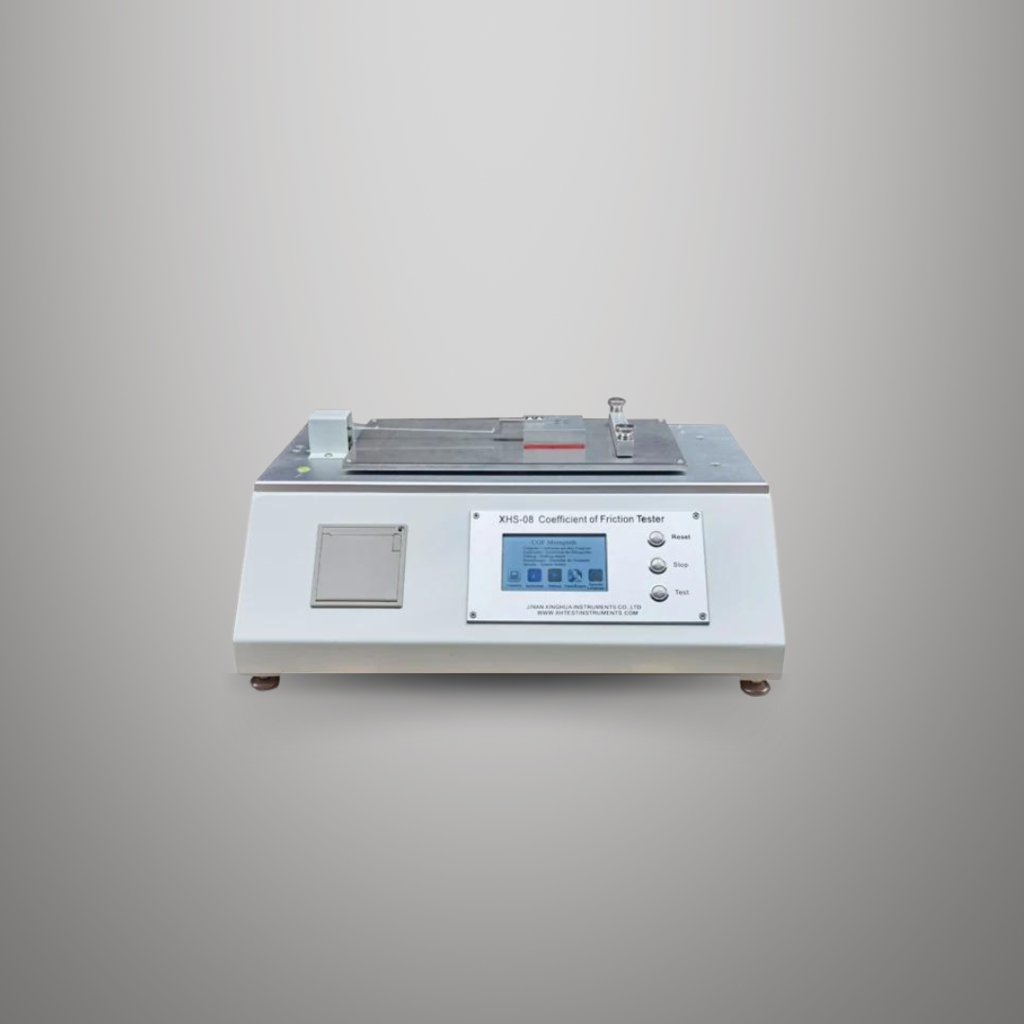
ASTM D1894 provides a standardized method for determining the static and kinetic coefficients of friction (COF) between plastic film or sheeting and other surfaces. It is used to assess how much resistance one material faces when it starts to move (static COF) and continues to move (kinetic COF) against another. These properties are vital for industries where products need to move or slide smoothly without sticking or causing interruptions in processes like packaging, material handling, or automated systems.

Why Do You Need Friction Coefficient Testing?

  1. Optimize Material Performance: Understanding how easily your material will slide against another surface is crucial in applications like packaging and shipping. A material with a high COF might stick or bunch up, whereas a material with a lower COF might move too freely, affecting stability.
  2. Preventing Operational Issues: For industries that rely on machinery to move products, such as the food packaging or automotive sector, precise COF measurements ensure that materials won’t cause blockages or malfunctions.
  3. Improving Product Design: Whether you are designing packaging films or plastic sheeting for protective purposes, knowing the COF can help you fine-tune material properties for better user experience and product performance.

How Does the ASTM D1894 Test Work?

  1. Sample and Sled Setup: The test involves placing a sample of plastic film or sheeting on a testing surface. A sled with a known weight is then placed on top of the sample to apply a controlled load.
  2. Testing Process: A motorized device pulls the sled across the surface at a constant speed. The force needed to start the movement of the sled (static friction) and the force needed to keep it moving (kinetic friction) are measured.
  3. Calculating Results: These forces are used to calculate the static and kinetic coefficients of friction, giving insight into how much resistance the material faces when interacting with other surfaces.

Real-World Applications of Friction Coefficient Testing

  • Packaging Films: Manufacturers use ASTM D1894 testing to ensure their plastic films have the right friction properties to function efficiently in automated packaging lines. Too much friction can cause jams, while too little can result in the films sliding out of place.

  • Conveyor Belts and Material Handling: In operations that rely on conveyor belts, knowing the friction between the belt material and the transported goods is essential for smooth and uninterrupted movement.

  • Textiles and Apparel: When fabrics are treated with plastic sheeting or films, friction testing can determine how comfortably and effectively these materials interact during use, ensuring they meet quality standards.
Benefits of Conducting Friction Coefficient Testing

  • Product Safety: Testing ensures that materials used in consumer products have the correct balance of friction to prevent slippage or unwanted movement during use.
  • Process Efficiency: With accurate friction data, manufacturers can optimize processes, reduce downtime due to material handling issues, and improve operational efficiency.
  • Enhanced Material Design: Engineers can design materials with specific friction characteristics tailored to their application, improving overall product quality and functionality.
Friction Coefficient Testing As Per ASTM D1894

Kiyo R&D Center: Your Partner for ASTM D1894 Testing


FAQ

1. How is the friction coefficient measured?

A plastic film or sheet sample is placed on a surface, and a sled with a known weight is pulled across the surface at a controlled speed. The forces measured during the movement provide the static and kinetic coefficients of friction.

2. What factors influence the friction between materials?

Surface texture, material composition, and environmental factors like temperature and humidity can affect friction. ASTM D1894 testing accounts for these variations to ensure accurate results.

3. How can I use the results from friction coefficient testing?

Results can be used to optimize material formulations, ensure compatibility with automated systems, and improve product design by adjusting friction properties to meet specific application needs.