Login With Mobile OTP


Salt Spray Testing As per ASTM B117

Salt Spray Testing As per ASTM B117

Salt Spray Testing As per ASTM B117

Why Salt Spray Testing is Crucial for Corrosion Protection: A Deep Dive into ASTM B117

Introduction

Salt Spray Testing As per ASTM B117

What is Salt Spray Testing?

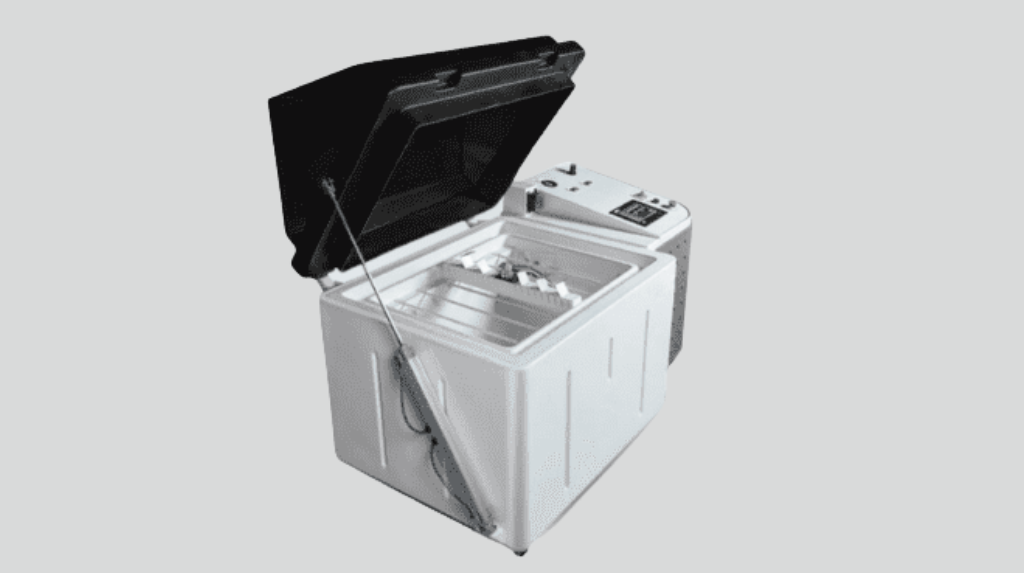
Salt Spray Testing is a laboratory simulation of a corrosive environment used to assess how well a metal or coated surface can resist corrosion. Using a mist of saltwater solution, the test accelerates the corrosion process to identify weaknesses in coatings, finishes, or base materials.

The globally recognized ASTM B117 standard defines the method for conducting this test, making it a benchmark across industries from automotive to aerospace.

🔧 What Materials Are Tested?

  • Painted or powder-coated components

  • Electroplated and galvanized surfaces

  • Metal alloys

  • Plastics with metallic coatings

  • Stainless steel with surface treatments

This test is especially useful for comparing different coatings, monitoring batch-to-batch quality, and validating supplier consistency.

🧰 How is the Test Conducted?

At Kiyo R&D Center & Laboratory, we follow ASTM B117 protocols:

  1. Test Specimens are placed in a specialized chamber.

  2. The chamber maintains a steady environment at 35°C.

  3. A 5% NaCl (sodium chloride) solution is atomized as a continuous fog.

  4. Exposure time ranges from 24 to over 1000 hours, based on customer needs and product specifications.

After exposure, we inspect for visible signs of corrosion — such as rust, pitting, blistering, or coating failure.

🏆 The Value for Manufacturers

Here’s what you gain from Salt Spray Testing:

  • Benchmarking Product Durability

  • Early Detection of Weak Coatings

  • Compliance with International Standards

  • Competitive Advantage in Quality Assurance

In industries like marine engineering, EV components, and construction hardware, the importance of corrosion resistance can’t be overstated. A small failure in coating performance can lead to significant costs and safety risks.

🔬 Trust Kiyo R&D Lab: Your Corrosion Testing Partner

Based in Chennai, Kiyo R&D Lab is equipped with advanced salt spray chambers, experienced staff, and a commitment to quality. We offer detailed reporting, short turnaround times, and strict compliance with ASTM standards.

Additional Services Include:

  • Tensile and Impact Testing

  • FTIR & SEM Analysis

  • Flammability Testing

  • Melt Flow and Thermal Testing

We don’t just test — we help you understand the performance of your materials, enabling better product decisions.

Salt Spray Testing As per ASTM B117

Conclusion


FAQ

Q1: What is Salt Spray Testing?

Salt Spray Testing is a laboratory method to evaluate the corrosion resistance of materials and coatings by exposing them to a controlled salt fog environment.

Q2: What is ASTM B117?

ASTM B117 is an internationally recognized standard that defines the conditions and procedures for conducting Salt Spray (Fog) Testing.

Q3: What materials can be tested with Salt Spray Testing?

Metals, coated or painted surfaces, electroplated parts, galvanized materials, and even certain coated plastics can be tested.

Q4: How long does the test typically take?

Test durations range from 24 to 1000+ hours, depending on client specifications and the level of corrosion resistance required.
Splash Water Testing in Chennai

Splash Water Testing in Chennai

Splash Water Testing in Chennai

Why Splash Water Testing is Essential for Modern Product Development

Introduction

Splash Water Testing in Chennai

🌧️ What is Splash Water Testing?

Splash water testing simulates water contact under controlled conditions to evaluate how well a product resists short-term moisture ingress. Unlike immersion or prolonged exposure testing, splash tests mimic more realistic events like:

  • Rainwater splashes on automotive parts

  • Hose water on outdoor machinery

  • Accidental spills on electronic devices

This makes splash testing critical for day-to-day usage simulation—especially for products designed for outdoor, industrial, or vehicular environments.


🧪 Real-World Impact: Why It Matters

A minor water ingress can lead to major issues—such as short circuits, corrosion, or complete device failure. That’s why splash testing is not just a quality check, but a key part of product validation and risk management.

Some practical benefits include:

  • 📉 Reduced warranty claims due to improved sealing designs

  • ⏱️ Accelerated time to market with validated designs

  • 🛡️ Stronger IP protection ratings (Ingress Protection)

  • 🚀 Increased brand trust and reliability


🔍 How Kiyo R&D Makes a Difference

At Kiyo R&D Center, we don’t just test—we help you improve. Our splash water testing facility in Chennai features:

  • High-precision test chambers replicating real-world splash conditions

  • Customizable parameters to match your specific design and operating environments

  • Comprehensive reports that support design validation, compliance, and certification

Whether you’re launching a new product or validating an existing one, we tailor our methods to match your industry requirements.


🔧 Industries We Serve

Our clients come from a range of industries, including:

  • 🚗 Automotive & Electric Vehicles (EV)

  • ⚙️ Industrial Automation & Machinery

  • 📱 Consumer Electronics & Smart Devices

  • 🔌 Electrical Enclosures & Controls

  • 🏥 Medical and Diagnostic Equipment


📍 Located in Chennai, Serving Across India

Kiyo R&D’s strategically located lab in Chennai supports manufacturers across India with prompt service, expert support, and reliable results.


Splash Water Testing in Chennai

🔗 Let’s Build Water-Resistant Products Together


FAQ

How is splash testing different from waterproof or immersion testing?

Splash testing focuses on short, sudden exposures to water rather than continuous submersion. It's ideal for parts exposed to rain, hose water, or occasional spills.

Can the test conditions be customized?

Yes, at Kiyo R&D, we offer flexible, client-specific test setups to match real-use scenarios, including angle, pressure, temperature, and duration of splash exposure.

Is splash water testing required for IP ratings?

Yes, splash water testing is often part of the process for achieving certain Ingress Protection (IP) ratings, particularly those involving water resistance.
Impact Resistance Test in Chennai

Impact Resistance Test in Chennai

Impact Resistance Test in Chennai

Building Stronger Futures: The Role of Impact Resistance Testing in Chennai’s Industries


Introduction

Impact Resistance Test in Chennai

The Science Behind the Strength

Impact resistance testing measures how well a material can endure a high-rate load without breaking or deforming. Using standardized tests like the Charpy and Izod, laboratories simulate real-world impacts to quantify toughness. These tests help determine the suitability of materials for high-stress applications and safety-critical components.

Chennai’s Need for Resilient Materials

With Chennai being a powerhouse for automotive, electronics, and manufacturing industries, demand for tested and trusted materials is at an all-time high. Manufacturers here rely on rigorous testing to:

  • Maintain global quality benchmarks

  • Reduce warranty claims and failure rates

  • Innovate with new lightweight or sustainable materials

  • Meet growing expectations for durability and safety

Why Partner with a Local Lab?

Choosing a local impact testing lab in Chennai offers significant advantages:

  • Faster turnaround for testing and reporting

  • On-site technical support and consultation

  • Compliance with international standards (ASTM, ISO)

  • Expert analysis tailored to industry-specific needs

Moreover, collaboration with a nearby lab can speed up the R&D cycle, helping businesses bring new products to market faster.

Impact Resistance Test in Chennai

Elevating Product Trust


FAQ

1. How long does the testing process take?

Testing timelines vary, but most certified labs in Chennai offer quick turnaround times depending on sample size and complexity.

2. Can the test be customized based on specific requirements?

Yes, reputable labs can tailor the test parameters to meet industry-specific needs or product applications.

3. Is the testing compliant with international standards?

Yes, labs typically adhere to ASTM, ISO, and BIS standards to ensure reliable and globally accepted results.

4. Where can I get this testing done in Chennai?

You can search for certified materials testing laboratories in Chennai that specialize in mechanical and impact testing services.
Dye Penetration Testing in Chennai

Dye Penetration Testing in Chennai

Dye Penetration Testing in Chennai

Elevating Quality Control with Dye Penetration Testing in Chennai – Kiyo R&D Center & Laboratory

Introduction

Dye Penetration Testing in Chennai

What Makes ASTM F1929 the Gold Standard?

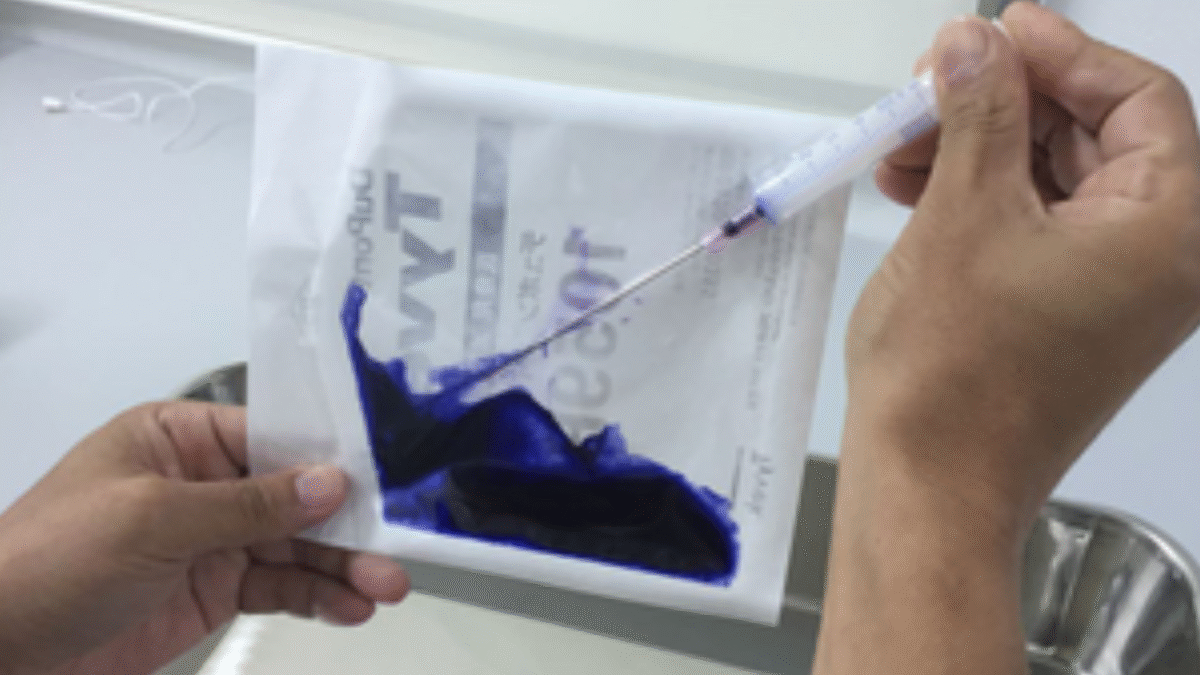
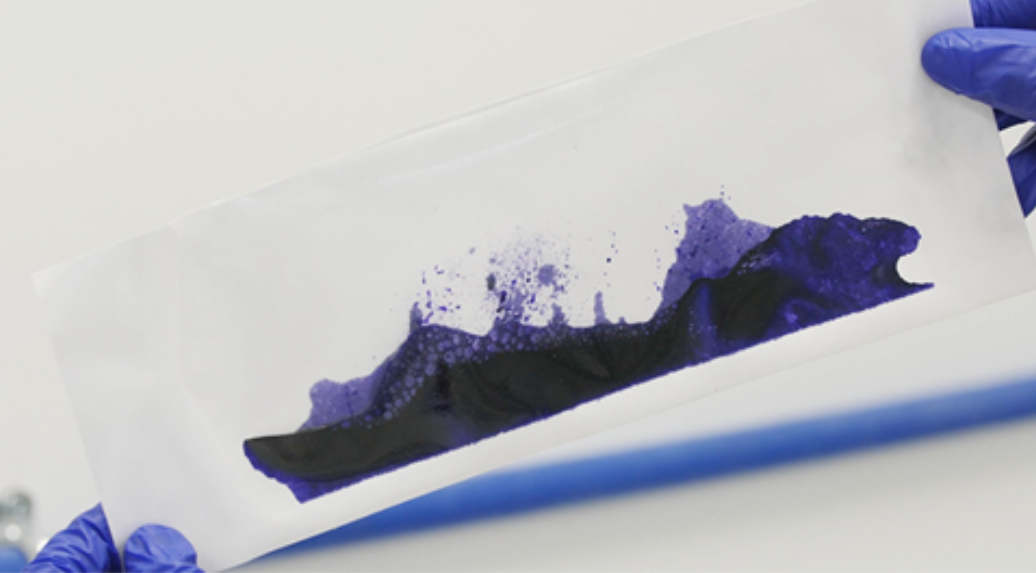
ASTM F1929 specifies procedures for identifying leaks in porous materials using dye penetrants. Although originally developed for medical packaging, it is now broadly used across various sectors to verify seal integrity and manufacturing quality.

Key benefits of following ASTM F1929 at Kiyo R&D include:

  • Standardized defect detection

  • High reproducibility and traceability

  • Compliance with international QA standards

  • Accurate pass/fail reporting


Kiyo R&D’s Expertise in Dye Penetration Testing

At Kiyo R&D Center, our team follows a rigorous testing protocol tailored to meet ASTM F1929. Here’s how we ensure flawless execution:

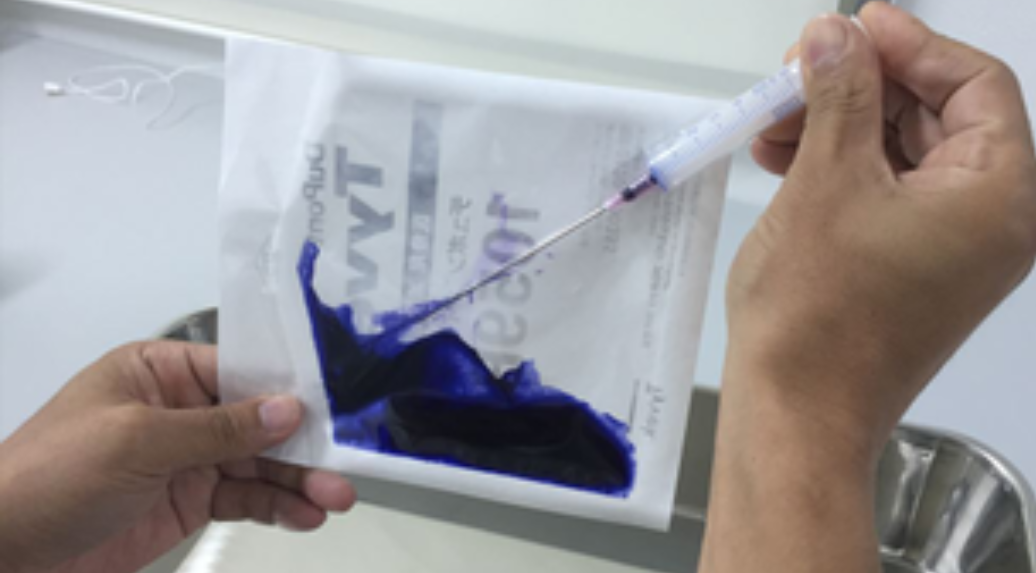
  • Surface Cleaning & Prep: Ensures maximum dye absorption into surface flaws.

  • Dye Application & Dwell Time: Controlled exposure using suitable dye types.

  • Developer Use: Enhances contrast, revealing even micro-level discontinuities.

  • Precision Inspection: Conducted under optimized lighting, including UV if needed.

  • Report Delivery: Detailed, illustrated, and actionable.


Industries That Depend on Our DPT Services

Our Chennai-based lab supports a wide range of industries, including:

  • Medical & Pharma: Testing packaging for sterility assurance

  • Automotive & EV: Spotting porosity and crack issues in cast and welded components

  • Electronics: Ensuring seal integrity of casings and connectors

  • Defense & Aerospace: Validating components under strict quality regimes

  • Oil & Gas: Leak detection in pressure-sensitive parts and joints


Regulatory Compliance Meets Operational Efficiency

Companies choosing Kiyo R&D benefit not only from full ASTM compliance but also from:

  • Certified personnel in non-destructive testing

  • ISO-standard labs ensuring traceable data

  • Quick turnaround ideal for production cycles

  • Confidential consultation for custom testing needs


The Kiyo Advantage: Trust, Technology & Turnaround

Choosing a reliable partner for DPT in Chennai is essential. Kiyo R&D Center offers:

  • Proven accuracy in defect detection

  • State-of-the-art test equipment

  • Custom test solutions for complex material or geometric profiles

  • Prompt reporting that aligns with client QA workflows

Dye Penetration Testing in Chennai

Conclusion


FAQ

1. How long does the Dye Penetration Testing process take?

Turnaround times vary by sample volume and material, but results are typically delivered quickly thanks to Kiyo R&D's efficient workflow.

2. Is Dye Penetration Testing suitable for medical device packaging?

Absolutely. DPT following ASTM F1929 is widely used to validate seals in sterile medical packaging.

3. Can I get a consultation before testing at Kiyo R&D Center?

Yes, expert consultation is available to help select the right testing method and penetrant for your specific application.

4. Is DPT destructive to my parts?

No, Dye Penetration Testing is non-destructive and leaves your components intact and functional.
Coating Adhesion Testing in Chennai

Coating Adhesion Testing in Chennai

Coating Adhesion Testing in Chennai

Why Coating Adhesion Testing is Crucial for Chennai's Industrial Growth

Introduction

Coating Adhesion Testing in Chennai

Coating adhesion testing determines how well a protective or decorative layer sticks to a surface. It’s a simple concept with powerful implications—because no matter how advanced the material, if the coating peels or delaminates, the integrity of the entire product is compromised.

Common Testing Methods

  • Pull-Off Test: Measures the force required to detach the coating.

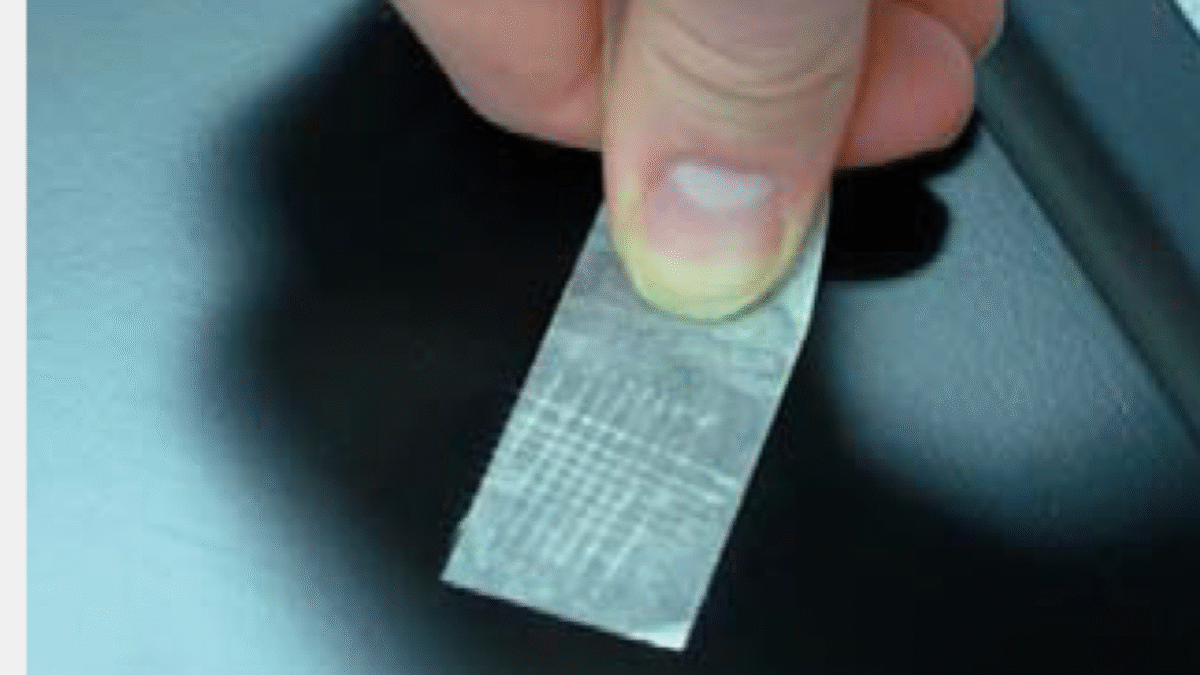
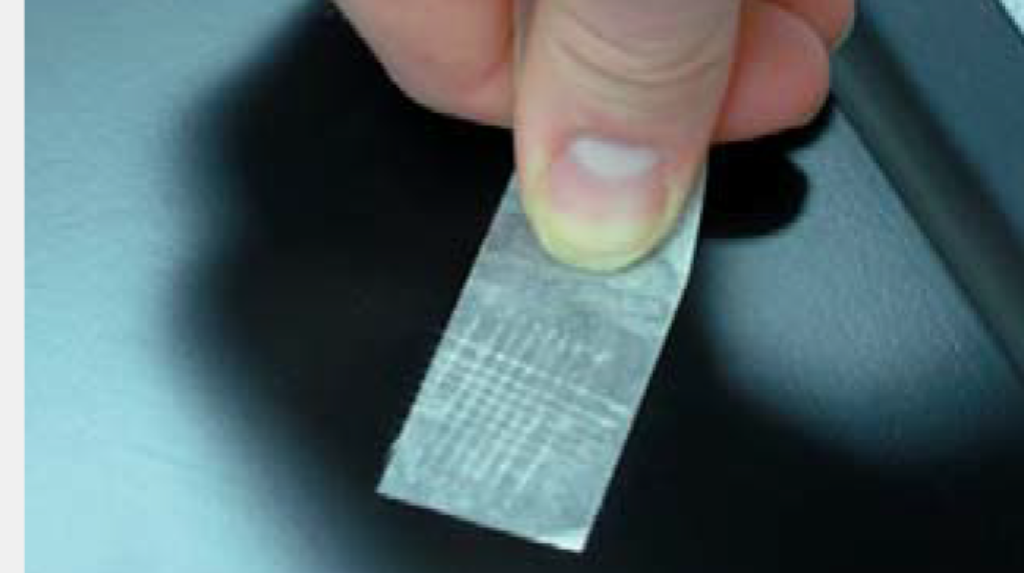
  • Cross-Cut Test: Uses a blade to score and tape to test peeling.

  • Tape Test: A quick field method for assessing adhesion quality.

Chennai’s Environmental Challenges

Being a coastal city, Chennai faces high humidity, saline air, and rapid temperature changes. These elements accelerate corrosion and degrade coatings over time. Adhesion testing helps industries preempt failures by ensuring their coatings can withstand these harsh conditions.

Industries That Can’t Skip Adhesion Testing

  • Automotive: For paint and surface coatings on vehicles.

  • Construction: Structural steel, pipelines, and roofing materials.

  • Marine: Ships and dock infrastructure face extreme corrosion risk.

  • Electronics: PCB coatings and protective films must endure handling and heat.

The Competitive Edge

Businesses that integrate regular adhesion testing into their quality control not only prevent costly defects but also gain credibility with clients and regulators. Testing provides the data you need to make improvements and stay compliant with ISO, ASTM, and BIS standards.

Finding the Right Testing Lab in Chennai

Look for labs that offer:

  • NABL accreditation

  • Fast turnaround

  • Detailed, traceable reports

  • On-site and in-lab services

Coating Adhesion Testing in Chennai

Conclusion


FAQ

1. What is coating adhesion testing?

Coating adhesion testing evaluates how well a coating, such as paint or film, adheres to a surface. It helps prevent peeling, flaking, or failure.

2. Why is adhesion testing important in Chennai?

Chennai's coastal climate increases the risk of corrosion. Adhesion testing ensures coatings can withstand humidity, salt air, and temperature changes.

3. Which industries require adhesion testing?

Common sectors include automotive, construction, marine, electronics, and manufacturing—anywhere surface protection is critical.

4. What are common methods of adhesion testing?

Popular methods include the pull-off test, cross-cut test, and tape test. The choice depends on the coating type and industry standards.

5. How often should adhesion testing be performed?

Frequency depends on the product’s use and industry regulations. It's often done during product development, after surface treatment, or during regular QC checks.
Glove Tensile Strength Testing

Glove Tensile Strength Testing

Glove Tensile Strength Testingur Business

Glove Performance: The Science Behind Tensile Strength Testing at Kiyo R&D Center & Laboratory

Introduction

Glove Tensile Strength Testing

Why Is Tensile Strength Testing Critical?

Gloves face constant mechanical stress — from donning and removal to stretching and gripping. Tensile strength defines a glove’s ability to endure such stress without tearing. Inadequate tensile properties can lead to glove failure, compromising user safety and violating industry standards.

Standards That Govern Tensile Strength

To ensure consistency and reliability, Kiyo R&D Center & Laboratory performs tensile testing in accordance with internationally recognized standards:

  • ASTM D412: This standard evaluates the tensile properties of rubber and elastomeric materials, making it ideal for general-purpose gloves.

  • ASTM D6319: Specifically designed for nitrile examination gloves, this standard outlines mechanical and physical property requirements for medical-grade products.

These tests aren’t just formalities—they are essential checkpoints in a glove’s journey from design to deployment.

Our Testing Process: From Glove to Data

Kiyo R&D Center & Laboratory follows a meticulous multi-step procedure:

  1. Conditioning: Gloves are stabilized under controlled temperature and humidity to eliminate environmental bias.
  2. Specimen Cutting: Using ASTM-approved dies, we cut glove material into precise dumbbell or ring shapes.
  3. Mechanical Testing: Our advanced universal testing machines apply controlled tensile loads until the glove fails.
  4. Data Capture: Real-time stress-strain data is collected, analyzed, and benchmarked against required specifications.

Key Parameters Measured

During testing, we evaluate:

  • Tensile Strength (MPa): The peak stress the material withstands before failure.

  • Elongation at Break (%): How much the glove stretches before it snaps.

  • Modulus at Defined Strains: How resistant the glove is to stretching at various intervals (100%, 200%).

These metrics provide a clear fingerprint of material quality and consistency.

The Kiyo Advantage in Glove Testing

At Kiyo R&D Center & Laboratory, we combine high-precision equipment with expert knowledge to deliver unmatched testing accuracy. Our services are:

  • Standard-Compliant: Adhering to ASTM and ISO protocols.

  • Data-Driven: Delivering comprehensive, easy-to-interpret reports.

  • Efficient: Capable of high-throughput analysis for large production runs.

  • Customizable: Tailored solutions for unique glove materials and applications.

We support businesses across medical, pharmaceutical, automotive, and manufacturing sectors, helping them meet product development, regulatory, and quality assurance goals.

From Compliance to Confidence

Tensile strength is more than a number — it’s a guarantee of reliability. It assures end-users that their gloves will perform under real-world conditions. With Kiyo R&D Center & Laboratory as your testing partner, you don’t just meet standards — you exceed expectations.

Glove Tensile Strength Testing

Conclusion


FAQ

Q1: What does glove tensile strength indicate?

It measures the glove’s ability to resist breaking when stretched, ensuring it performs reliably during use.

Q2: Which standards are followed at Kiyo R&D for glove testing?

We follow ASTM D412 for general rubber gloves and ASTM D6319 for medical-grade nitrile gloves.

Q3: Can Kiyo R&D test different glove materials?

Yes, we test a variety of materials including nitrile, latex, neoprene, and other elastomers.

Q4: What is the difference between ASTM D412 and D6319?

ASTM D412 covers general rubber tensile properties, while ASTM D6319 includes specific requirements for nitrile medical gloves, including aging and elongation tests.

Q5: How fast is the turnaround for test results?

Turnaround time depends on sample volume, but we offer prompt, high-throughput testing with comprehensive reports.
Top Automotive Testing Services in Chennai

Top Automotive Testing Services in Chennai

Top Automotive Testing Services in Chennai

Precision in Motion: How Kiyo R&D Powers the Future of Automotive Innovation


Introduction

Top Automotive Testing Services in Chennai

Why Materials Testing Is Critical in Automotive Engineering

Modern vehicles rely on a complex interplay of materials—from high-strength polymers to advanced composites and metals. Whether it’s for body panels, seals, under-hood components, or electrical enclosures, these materials must pass stringent quality checks to ensure:

  • Passenger safety

  • Performance efficiency

  • Regulatory compliance

  • Durability under stress and aging

That’s where Kiyo R&D Center delivers unmatched value.

Specialized Testing for Every Automotive Challenge

At Kiyo, we go beyond routine testing. Our lab is equipped with advanced tools and a skilled team capable of addressing even the most specialized challenges in automotive R&D. Our core service areas include:

  • 🔹 Tensile & Flexural Strength Testing – Confirming mechanical reliability under load.

  • 🔹 Thermal Testing – Including HDT (Heat Deflection Temperature) and VSP (Vicat Softening Point) to simulate high-temperature conditions.

  • 🔹 Impact Resistance & Vibration Testing – Simulating real-world stress to prevent unexpected failures.

  • 🔹 Flammability Testing – Meeting global standards for interior and exterior part safety.

  • 🔹 FTIR, SEM, DSC, and TGA – Providing chemical fingerprinting and microstructural insights.

These services allow automotive manufacturers to develop smarter materials, reduce failure rates, and improve product life cycles.

Quality that Drives Confidence

Kiyo’s testing protocols are aligned with global standards and industry-specific requirements. We ensure:

  • ISO-compliant procedures

  • Accurate, reproducible test data

  • Fast turnaround times for product development cycles

  • Customized reports and consultations

Our clients trust us not just for testing, but for insights that enhance design, reduce costs, and shorten time-to-market.

Top Automotive Testing Services in Chennai

Partner with Kiyo for Tomorrow’s Mobility


FAQ

Does Kiyo R&D provide test reports for regulatory submissions?

Yes, we provide detailed, standardized test reports suitable for regulatory, compliance, and quality assurance documentation across various markets.

Is Kiyo R&D equipped for electric vehicle (EV) component testing?

Absolutely. We support testing for EV-related materials, including thermal management systems, insulation materials, and lightweight polymer components.

Can I witness the testing process or get real-time updates?

Yes, we accommodate client witnessing upon request and offer progress updates throughout the testing process to ensure transparency and confidence.
Advanced Polymer Testing In Chennai TamilNadu

Advanced Polymer Testing In Chennai TamilNadu

Advanced Polymer Testing In Chennai TamilNadu

Ensuring Quality, Safety, and Innovation Through Advanced Polymer Testing in Chennai TamilNadu.

Introduction

Advanced Polymer Testing In Chennai TamilNadu

The Cornerstone of Polymer Reliability: Why Testing Matters

Imagine a world where the plastic components in your car failed under stress, or the polymers in medical implants degraded prematurely. The consequences could be catastrophic. Polymer testing acts as the gatekeeper, verifying that these vital materials meet the stringent demands of their intended use. Its significance spans across various critical aspects:

  • Safety Assurance: Identifying potential weaknesses and ensuring polymers comply with safety regulations, protecting end-users.
  • Performance Validation: Confirming that materials possess the required mechanical, thermal, and chemical properties for optimal functionality and longevity.
  • Quality Control: Maintaining consistency in polymer production, minimizing defects, and ensuring batch-to-batch uniformity.
  • Research and Development Advancement: Providing crucial data and insights to facilitate the development of novel polymers and the enhancement of existing ones.
  • Regulatory Compliance: Meeting mandatory national and international standards, enabling market access and building consumer confidence.
  • Failure Analysis and Prevention: Investigating product failures to pinpoint root causes, implement corrective measures, and prevent future incidents.

Without access to sophisticated polymer test lab in Chennai facilities, industries would be navigating uncharted territories, risking product failures, financial losses, and, most importantly, compromising safety.

Kiyo R&D Center and Laboratory: Setting the Standard in Chennai’s Polymer Testing Landscape

Nestled in the industrial heart of Chennai, Kiyo R&D Center and Laboratory has established itself as a leading authority in advanced polymer testing. Their unwavering commitment to quality, cutting-edge technology, and a team of highly qualified experts make them the preferred partner for a diverse range of industries seeking reliable and accurate material evaluation.

A Deep Dive into Kiyo R&D’s Comprehensive Testing Portfolio

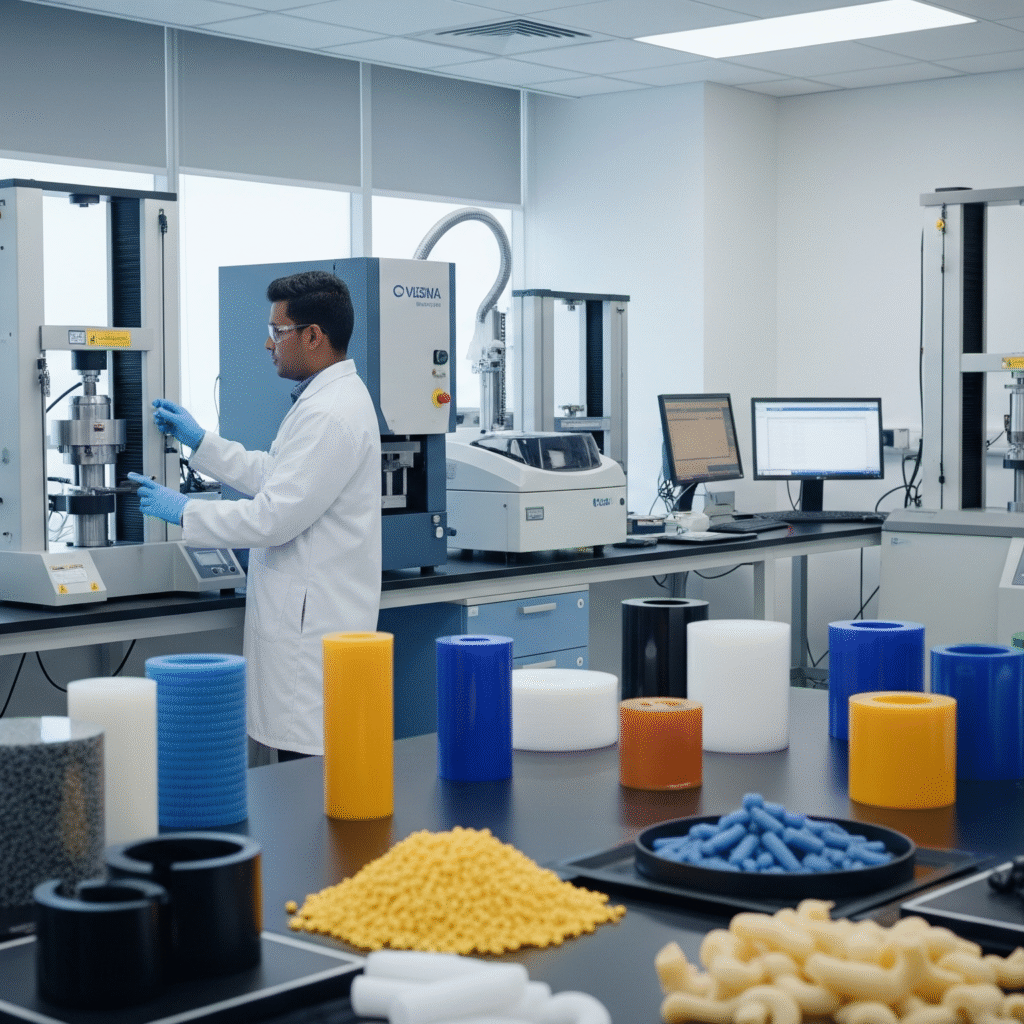
Kiyo R&D Center and Laboratory boasts an extensive array of polymer testing services, meticulously designed to address the diverse needs of their clientele. Their state-of-the-art laboratory is equipped with the latest instrumentation to conduct a wide spectrum of analyses:

1. Delving into Strength and Resilience: Mechanical Testing

Understanding a polymer’s response to physical forces is paramount. Kiyo R&D offers a comprehensive suite of mechanical tests, including:

  • Tensile Testing: Quantifying a material’s strength under stretching forces, its elongation capabilities, and its stiffness. Crucial for applications where the polymer will be subjected to pulling or tensile loads.
  • Flexural Testing: Assessing a polymer’s resistance to bending, an essential parameter for components like pipes, beams, and flexible housings.
  • Impact Testing (Izod & Charpy): Evaluating a material’s ability to withstand sudden shocks or impacts without fracturing, vital for safety-critical components.
  • Hardness Testing (Durometer & Micro Hardness): Measuring a polymer’s resistance to indentation and scratching, indicative of its surface durability and wear resistance.
  • Compression Testing: Determining a material’s behavior under crushing forces, important for load-bearing applications.
  • Shear Testing: Assessing a polymer’s strength when subjected to forces acting parallel to its surface.
  • Tear Resistance Testing: Evaluating a flexible material’s ability to resist tearing, crucial for films, sheets, and fabrics.

2. Unraveling Thermal Behavior: Thermal Analysis

Polymers exhibit unique responses to temperature changes, which significantly impact their processing and end-use performance. Kiyo R&D’s thermal analysis capabilities include:

  • Melt Flow Index (MFI): Measuring the ease with which a molten thermoplastic polymer flows under specific conditions, critical for optimizing molding and extrusion processes.
  • Differential Scanning Calorimetry (DSC): Analyzing the thermal transitions of a polymer (e.g., melting point, glass transition temperature, crystallization) to understand its processing characteristics and application temperature range.
  • Thermogravimetric Analysis (TGA): Determining a polymer’s thermal stability and compositional breakdown by monitoring weight changes as a function of temperature.
  • Dynamic Mechanical Analysis (DMA): Characterizing the viscoelastic properties of polymers as a function of temperature, frequency, and stress, providing insights into their stiffness, damping, and relaxation behavior.
  • Heat Deflection Temperature (HDT) / Vicat Softening Point (VSP): Determining the temperature at which a polymer begins to deform under a specific load, indicating its high-temperature performance limitations.

3. Investigating Composition and Interactions: Chemical Analysis

Understanding the chemical makeup and reactivity of polymers is vital for quality control and problem-solving. Kiyo R&D offers a range of chemical analysis services:

  • Fourier Transform Infrared Spectroscopy (FTIR): Identifying the chemical composition of polymers and detecting the presence of specific functional groups or contaminants.
  • Elemental Analysis: Determining the elemental composition of a polymer material.
  • Filler Content Analysis: Quantifying the amount of inorganic fillers present in a polymer composite, which significantly affects its mechanical properties.
  • Chemical Resistance Testing: Evaluating a polymer’s ability to withstand exposure to various chemicals without degradation.
  • Spectroscopy (UV-Vis, NMR): Providing further insights into the molecular structure and properties of polymers.
  • Chromatography (GC-MS, HPLC): Separating and identifying the components of complex polymer mixtures.

4. Tailored Solutions for Specific Needs: Specialized Testing

Recognizing the unique demands of various industries, Kiyo R&D also provides specialized testing services:

  • Flammability Testing: Assessing a polymer’s resistance to ignition and its burning behavior, crucial for applications where fire safety is paramount.
  • Accelerated Weathering and UV Degradation: Simulating long-term exposure to environmental factors like sunlight, temperature, and humidity to predict the long-term durability of polymers.
  • Electrical Properties Testing: Evaluating a polymer’s dielectric strength, resistivity, and other electrical characteristics, essential for electrical and electronic applications.
  • Ageing Tests: Assessing the long-term performance of polymers under specific temperature and humidity conditions.
  • Migration Testing: Determining the extent to which substances can migrate from a polymer material into a surrounding medium, important for food packaging and medical devices.

The Kiyo R&D Advantage: Why Partner with Them?

Choosing the right polymer test lab in Chennai is crucial. Kiyo R&D Center and Laboratory offers several compelling advantages:

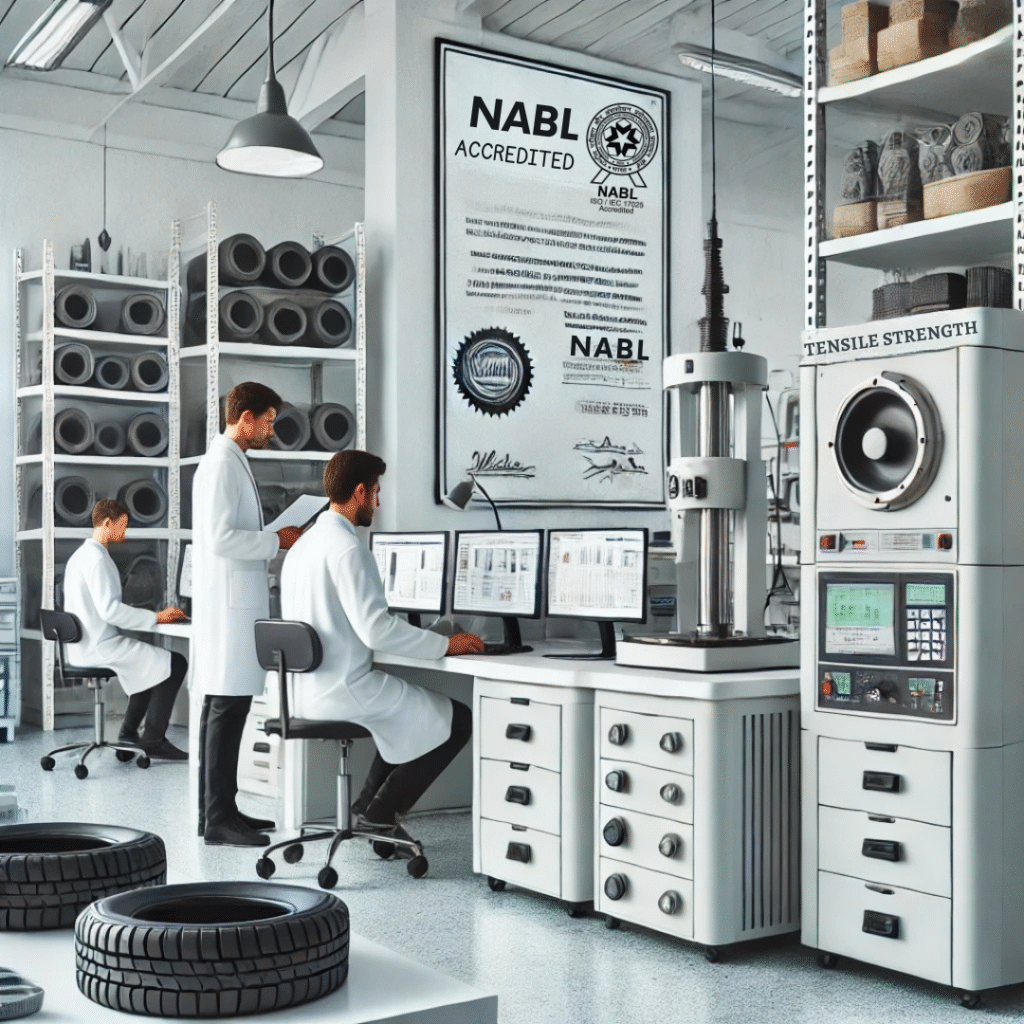
  • NABL Accreditation: Their accreditation to ISO/IEC 17025 standards guarantees the highest level of competence and reliability in their testing procedures.
  • Expert Team: A dedicated team of experienced scientists, engineers, and technicians with in-depth knowledge of polymer science and testing methodologies.
  • Advanced Infrastructure: A well-equipped laboratory with cutting-edge instrumentation ensures accurate, precise, and repeatable results.
  • Comprehensive Service Portfolio: A wide range of testing services under one roof simplifies the testing process for clients.
  • Customer-Focused Approach: They prioritize client needs, offering customized testing solutions, timely results, and expert technical support.
  • Commitment to Quality: Adherence to stringent quality control measures ensures the integrity and reliability of all test data.
  • Strategic Location: Based in Chennai, a major industrial hub, providing easy access for businesses across South India.

Driving Innovation and Ensuring Excellence: The Role of Kiyo R&D

In conclusion, advanced polymer testing is an indispensable element in ensuring the reliability, safety, and innovation of polymer-based products. Kiyo R&D Center and Laboratory in Chennai stands at the forefront of this critical field, providing comprehensive, accurate, and accredited testing services to a diverse range of industries. By partnering with Kiyo R&D, businesses can unlock the full potential of their polymer materials, confidently navigate regulatory landscapes, and ultimately deliver high-quality products that meet the evolving demands of the market. For any organization seeking a trusted and expert polymer test lab in Chennai, Kiyo R&D Center and Laboratory is the clear choice for achieving material excellence.
Advanced Polymer Testing In Chennai TamilNadu

Conclusion


FAQ

1. What is polymer testing and why is it essential?

Polymer testing involves evaluating the physical, mechanical, thermal, chemical, and electrical properties of polymer materials and products. It's essential for ensuring product safety, optimizing performance, maintaining consistent quality, supporting R&D, complying with regulations, and preventing product failures.

2. What types of polymer materials does Kiyo R&D test?

Kiyo R&D tests a wide spectrum of polymer materials, including various thermoplastics (e.g., Polyethylene (PE), Polypropylene (PP), Polyvinyl Chloride (PVC), Polyethylene Terephthalate (PET), Nylon, Acrylonitrile Butadiene Styrene (ABS)), thermosets (e.g., epoxy resins, polyester resins, phenolic resins), elastomers (rubbers), composite materials, and finished polymer products used across diverse industries.

3. Are there specific industry standards that Kiyo R&D adheres to for polymer testing?

Absolutely. Kiyo R&D conducts polymer testing in strict adherence to numerous international and national standards, including those from ASTM (American Society for Testing and Materials), ISO (International Organization for Standardization), BIS (Bureau of Indian Standards), and other industry-specific regulations relevant to sectors like automotive, medical devices, and electronics.

4. What makes Kiyo R&D an "advanced" polymer test lab?

Kiyo R&D is distinguished as an advanced lab due to its possession of state-of-the-art, cutting-edge equipment, its NABL (ISO/IEC 17025) accreditation ensuring global standard compliance, its comprehensive and diverse range of testing services, and the deep expertise of its highly qualified polymer scientists and engineers.

5. Is Kiyo R&D Center and Laboratory an accredited testing facility?

Yes, Kiyo R&D Center and Laboratory holds NABL (National Accreditation Board for Testing and Calibration Laboratories) accreditation. This accreditation confirms their adherence to the ISO/IEC 17025 standard, signifying their technical competence and robust quality management system.
SEM and EDS Analysis Lab in India

SEM and EDS Analysis Lab in India

SEM and EDS Analysis Lab in India

Revealing the Invisible: How SEM & EDS Analysis is Revolutionizing Material Testing in India

Introduction

SEM and EDS Analysis Lab in India

Seeing Beyond the Surface with SEM

Conventional testing methods can only go so far. When your product’s performance depends on microscopic or nanoscopic characteristics, SEM is your answer. By using a focused beam of electrons, SEM creates detailed images of a material’s surface—revealing cracks, defects, phase boundaries, and surface treatments that are otherwise invisible.

Whether you’re developing a new polymer blend, examining a failure point in a metal component, or validating a coating process, SEM imaging gives you the data you need to make informed decisions.


EDS: Unlocking Elemental Clarity

Pairing SEM with EDS analysis gives an added layer of insight. EDS identifies the elemental composition of the materials being scanned, highlighting variations, contaminants, and material mismatches at a microscopic scale.

This is especially valuable in:

  • Contamination analysis

  • Alloy verification

  • Coating and plating thickness inspection

  • Composite material evaluation


Why Industries Choose Kiyo R&D for SEM and EDS Testing

At Kiyo R&D Center & Laboratory, our mission is to provide clients with accurate, actionable data using world-class instruments and technical expertise. Here’s why clients across India rely on us:

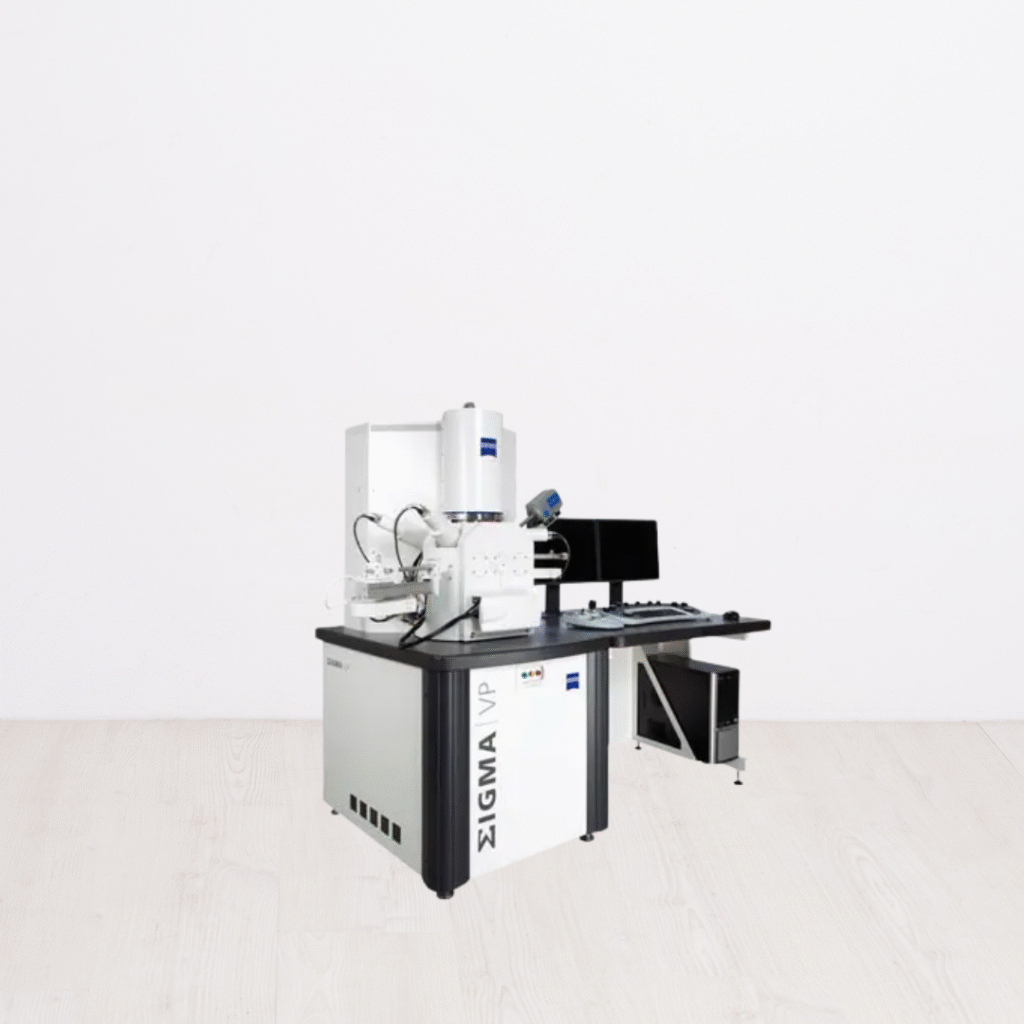
  • ⚙️ State-of-the-Art Equipment – High-resolution SEM with integrated EDS capabilities.

  • 🧪 Cross-Industry Expertise – Trusted by manufacturers in automotive, aerospace, polymers, and electronics.

  • ⏱️ Fast Turnaround Times – Efficient processing to keep your projects on schedule.

  • 📈 Research-Focused Reporting – Detailed, easy-to-understand analysis backed by scientific insight.


Real-World Applications

From R&D to failure analysis and quality control, SEM and EDS analysis play a pivotal role across multiple sectors:

  • Diagnosing failure in critical machine parts

  • Ensuring purity in food-contact plastics

  • Investigating wear patterns in coatings

  • Studying filler dispersion in composites

Whatever the need, SEM and EDS help turn invisible issues into clear solutions.

SEM and EDS Analysis Lab in India

Partner with Kiyo R&D Today


FAQ

What is the sample size requirement for SEM/EDS testing?

Samples typically need to be small (under a few centimeters) and dry. Our team can advise you on sample preparation and requirements.

Do I need to coat my sample before SEM analysis?

Non-conductive samples (like plastics or ceramics) usually require a thin conductive coating (e.g., gold or carbon). Kiyo R&D provides this service as part of the analysis process.

How long does SEM and EDS testing take?

Turnaround time depends on the complexity and number of samples, but results are typically available within 3–5 business days.
NABL Certified Labs in India

NABL Certified Labs in India

NABL Certified Labs in India

Building India’s Industrial Backbone: The Role of NABL Certified Material Testing Labs


Introduction

NABL Certified Labs in India

What Does NABL Certification Signify?

The National Accreditation Board for Testing and Calibration Laboratories (NABL) accredits labs to internationally benchmarked standards such as ISO/IEC 17025. This certification ensures that the lab operates with:

  • Qualified personnel

  • Validated testing methodologies

  • Traceable calibration of equipment

  • Strong quality management systems

In short, NABL certification affirms a lab’s technical competence and reliability, enabling industries to trust the results they receive.


The Kiyo Advantage – Where Precision Meets Performance

At Kiyo R&D Center & Laboratory, our NABL-aligned practices are more than just a badge of honor—they’re part of our daily operational DNA. Here’s what sets us apart:

1. Tailored Testing Solutions

We understand that every material and application is unique. Our testing protocols are adapted to reflect real-world usage, industry needs, and international standards.

2. Wide Testing Capabilities

From mechanical strength and thermal resistance to chemical composition and microstructural analysis, our lab is equipped to perform a wide array of tests such as:

  • Tensile, Flexural, and Impact Testing

  • Rockwell & Vickers Hardness

  • Flammability & Thermal Properties (DSC, TGA, HDT/VSP)

  • Melt Flow Rate, Filler Content & FTIR

  • SEM Imaging & Failure Analysis

3. Quality that Supports Innovation

Whether you’re developing a new polymer blend or validating a metal component’s heat resistance, our data is accurate, repeatable, and traceable—giving engineers and product developers the confidence to innovate.


Why NABL Certification Matters for Your Business

Working with a NABL-certified lab isn’t just about compliance—it’s about risk reduction and strategic assurance:

  • Avoid costly product failures with precise material insights

  • Speed up certifications and approvals with recognized reports

  • Boost customer confidence by demonstrating commitment to quality


Serving the Nation from Chennai, Delivering Across India

Located in Chennai, Kiyo R&D Center & Laboratory serves a diverse range of clients across India. We are proud to be a part of the ecosystem that strengthens India’s industrial growth through scientific excellence.
NABL Certified Labs in India

Final Thought


FAQ

Can I get testing support for custom R&D projects?

Absolutely. We collaborate closely with clients on R&D, product development, material selection, and failure analysis.

Where is your NABL-certified lab located?

Our facility is based in Chennai, but we serve clients across India with quick turnaround times and expert support.

How can I verify Kiyo’s NABL accreditation?

You can visit the official NABL website and search for Kiyo R&D Center & Laboratory in the list of accredited labs by discipline.