“Ultimate Plastic Hardness Testing Services In Kiyo R&D LAB: Precision You Can Trust”
Hardness is one of the simplest mechanical properties to measure, but one of the most misunderstood. Whether you manufacture automotive components, household plastics, electrical parts, pipes, packaging materials or engineering-grade polymers, hardness directly influences how your product performs under real-world stress.
At Kiyo R&D LAB, we provide reliable, NABL-accredited Plastic hardness testing services @ Kiyo R&D LAB to help industries and engineering students validate their materials with confidence. With fast turnaround, precise measurements, and complete compliance to international standards, we ensure your product meets performance, safety, and durability requirements.
This blog walks you through why hardness testing matters, how it works, the types of hardness tests available, and how Kiyo R&D LAB supports your testing and R&D requirements.
What Is Hardness in Plastics and Why Does It Matter?
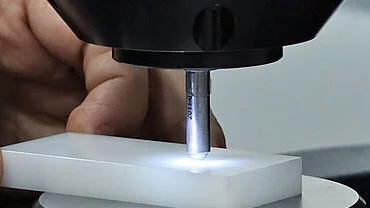
Hardness refers to the resistance of a plastic material to indentation, scratching, or surface penetration. Unlike metals, plastics behave differently under load because their structure is viscoelastic. This means hardness gives valuable insight into:
- Surface durability
- Resistance to wear
- Scratch performance
- Indentation under load
- Ability to withstand handling and assembly
- Material consistency across batches
Manufacturers rely on hardness results to select the right grade of polymer, ensure uniformity during production, and validate end-use performance. For engineering students, hardness is a foundational measurement required in most final-year project validations.
Because hardness directly affects product life, failure points, and customer satisfaction, having accurate and NABL-compliant data is essential.
Where Hardness Testing Is Used in the Industry
Hardness testing plays a crucial role across multiple sectors:
Automotive
Interior trims, dashboards, handles, gaskets, and bushings need consistent surface strength to avoid premature wear.
Electrical & Electronics
Switch housings, connectors, insulators, and PCB supporting components must resist indentation and deformation.
Packaging
Rigid containers, HDPE/PP caps, PET bottles, and film laminates require controlled hardness for sealing, stacking, and transit durability.
Consumer Goods
Buckets, toys, appliance housings, storage containers, and molded parts all need stable hardness to maintain shape and usability.
Engineering Plastics
Nylon, POM, PC, ABS, and composite materials demand hardness validation due to their structural applications.
Rubber & Elastomers
Although softer materials require different scales, hardness helps classify compounds and ensures consistent performance.
At Kiyo R&D LAB, our Plastic hardness testing services @ Kiyo R&D LAB cover all these applications with international-standard testing methods.
Types of Plastic Hardness Tests We Perform
Different materials require different hardness testing techniques. We follow the standards recommended globally:
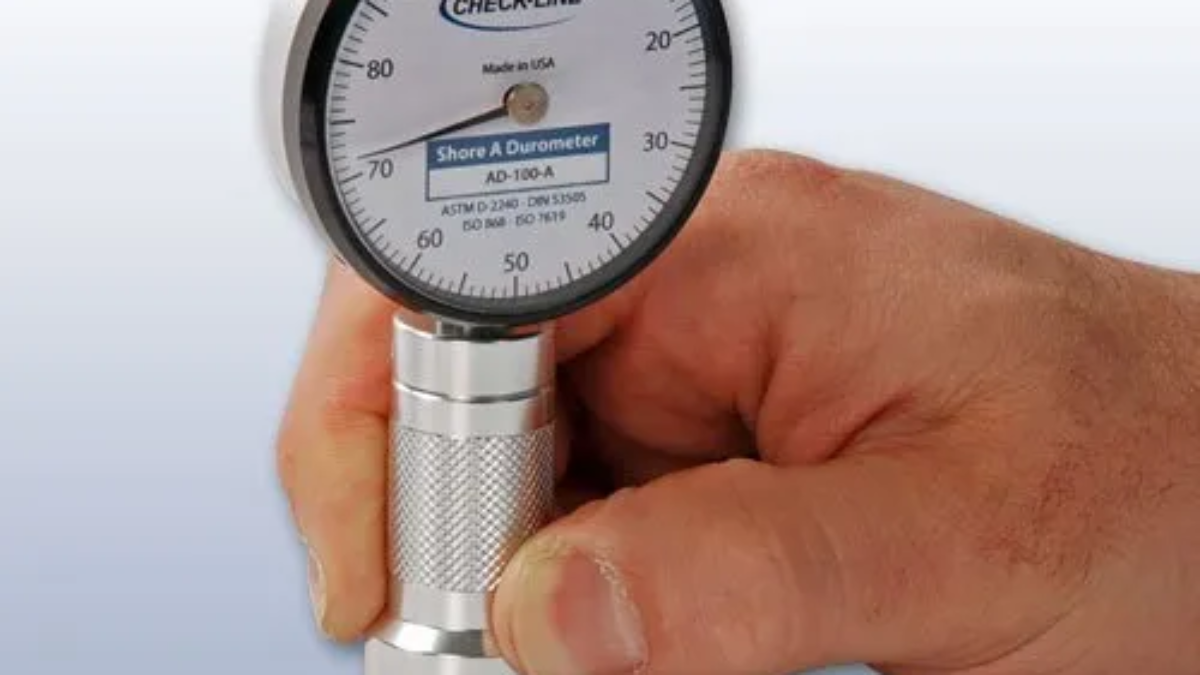
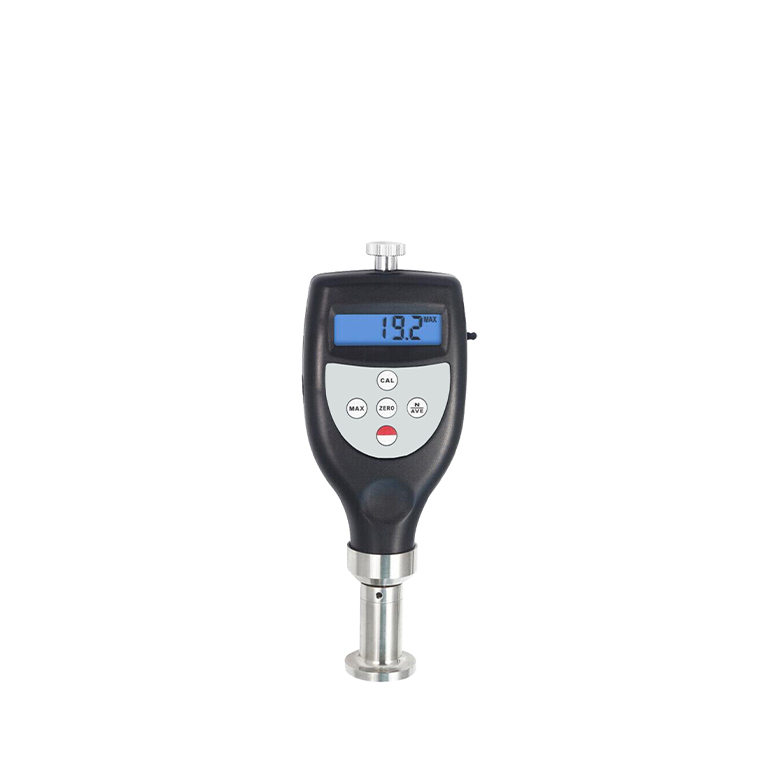
1. Shore Hardness Testing (Shore A & Shore D)
Shore hardness is the most common method used for plastics and rubbers.
- Shore A → For softer materials like TPU, rubber, flexible PVC
- Shore D → For harder plastics like PP, HDPE, ABS, Nylon
Standards followed:
- ASTM D2240
- ISO 868
At Kiyo R&D LAB, we use calibrated durometers with controlled dwell time for precise hardness readings.
2. Rockwell Hardness Testing
Ideal for hard, rigid plastics such as PC, PBT, PMMA, and engineering-grade compounds.
Standards followed:
- ASTM D785
- ISO 2039
Rockwell hardness measures the depth of indentation under specific load conditions, offering highly repeatable results.
3. Barcol Hardness Testing
Primarily used for composites, FRP parts, and reinforced plastics.
Applications:
- Boat hulls
- FRP panels
- Aerospace composites
- Automotive fiber components
Standard: ASTM D2583
Kiyo R&D LAB offers fast Barcol hardness testing for composite manufacturers and students working on polymer composite projects.
4. Micro Hardness (Vickers / Knoop)
Used for thin films, coatings, and small polymer components.
Ensures surface-level precision for advanced research and quality control.
Why Hardness Testing Alone Is Not Enough
Hardness gives a quick understanding of surface behavior, but real material validation requires correlation with other tests. Based on your requirement, we also provide:
- Tensile testing
- Flexural testing
- Impact testing (Izod/Charpy)
- DSC / TGA
- MFI / MVR
- Density
- Compression tests
- Heat deflection temperature
- Vicat softening point
Together, these tests give a complete mechanical and thermal profile of your material.
Through our Plastic hardness testing services @ Kiyo R&D LAB, we guide customers on which combination of tests best suits their application—especially valuable for final-year students who need technical clarity.
The Kiyo R&D LAB Advantage
Kiyo R&D LAB stands out because we combine NABL accreditation, fast service, and deep technical expertise. Here’s what you get when you choose us:
✔️ NABL-Accredited Testing
Your hardness results are recognized for academic submissions, industrial audits, tender requirements, and compliance documentation.
✔️ 1-Day Report Delivery
We understand deadlines. That’s why our reports are delivered with complete data, graphs, and interpretations within 24 hours.
✔️ Precise, Calibrated Equipment
All hardness testers undergo periodic calibration and traceability checks, ensuring accurate results every time.
✔️ Guidance for Students & Researchers
Final-year engineering students often struggle to understand:
- Which tests to select
- How to prepare samples
- How to interpret hardness values
We provide free consultation, helping you complete your R&D journey smoothly.
✔️ Industry-Friendly Support
Our team works closely with QC managers, design engineers, production teams, and R&D departments to identify problems and suggest corrective actions.
Common Customer Questions About Hardness Testing
1. How many samples are required?
Generally 3–5 samples depending on the standard.
2. Can I test both flexible and rigid plastics?
Yes. We offer multiple hardness methods to suit different materials.
3. How fast can I get the report?
Within 1 day, including graphs, methodology, and interpretations.
4. Do you offer student discounts?
Yes—final-year students get 50% OFF and free guidance.
5. Can hardness predict product failure?
Hardness correlates with surface durability but should be combined with tensile, impact, and thermal tests for full evaluation.
Real-World Benefits of Hardness Testing
For Industries:
- Ensures product consistency
- Reduces customer complaints
- Improves durability
- Helps in grade selection during material procurement
- Supports audits and certification processes
For Students:
- Adds credibility to final-year projects
- Helps understand polymer behavior
- Strengthens documentation and viva presentation
- Provides data for research papers
Conclusion
Hardness testing is one of the most essential steps in evaluating plastic performance. With NABL accreditation, fast turnaround, and world-class equipment, Plastic hardness testing services @ Kiyo R&D LAB serve as a dependable solution for industries and engineering students across India.
Whether you’re validating a new material, troubleshooting production issues, or completing your final-year research, hardness testing provides the clarity you need to move forward confidently.
For testing enquiries, student offers, or consultation, Kiyo R&D LAB is ready to support you from sample submission to report interpretation.
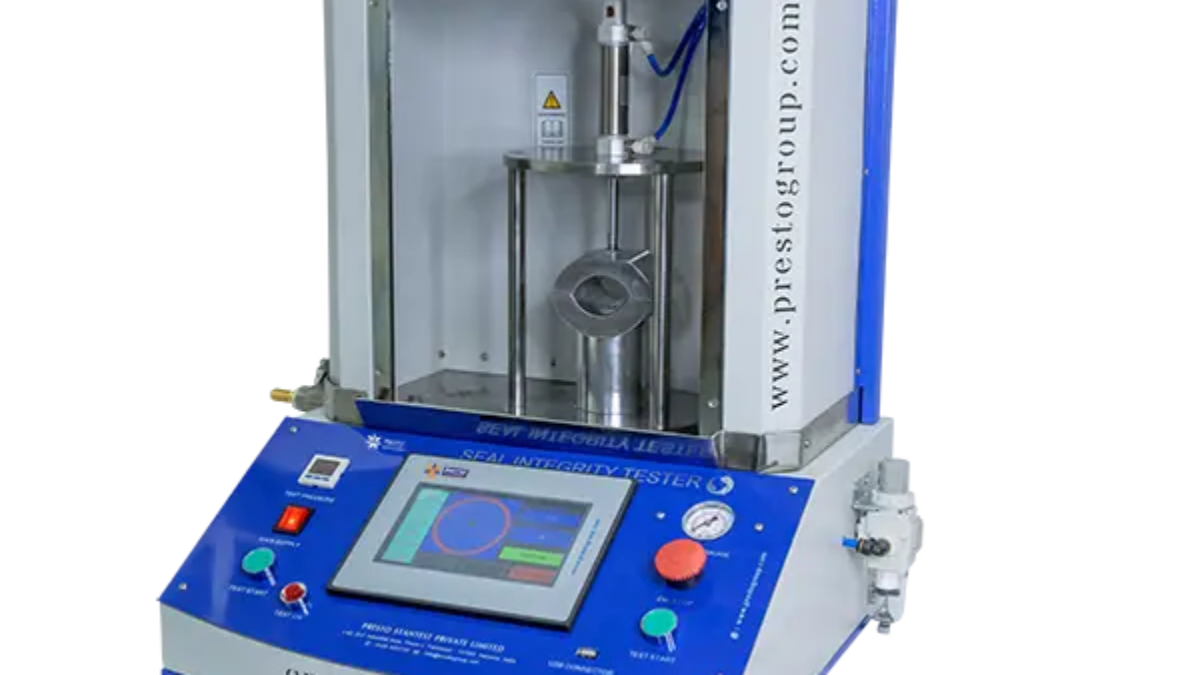
“Package Integrity Testing Services In Kiyo R&D LAB: Ensuring Safe, Strong & Reliable Packaging”
Packaging is not just a layer of protection. It is a silent quality-checker, a safety shield, and a brand promise that your product reaches the customer in perfect condition. Whether you manufacture foods, pharmaceuticals, cosmetics, chemicals, household goods, plastics, or industrial components, one weak point in packaging can lead to leaks, contamination, product failure, customer complaints—or even regulatory action.
This is where Package Integrity Testing Services @ Kiyo R&D LAB become essential. At Kiyo, we help manufacturers scientifically evaluate the strength, durability, sealing performance, and protective capability of their packaging materials. With NABL-aligned testing methods, advanced equipment, and fast turnaround, we support industries in delivering safe and reliable products to market.
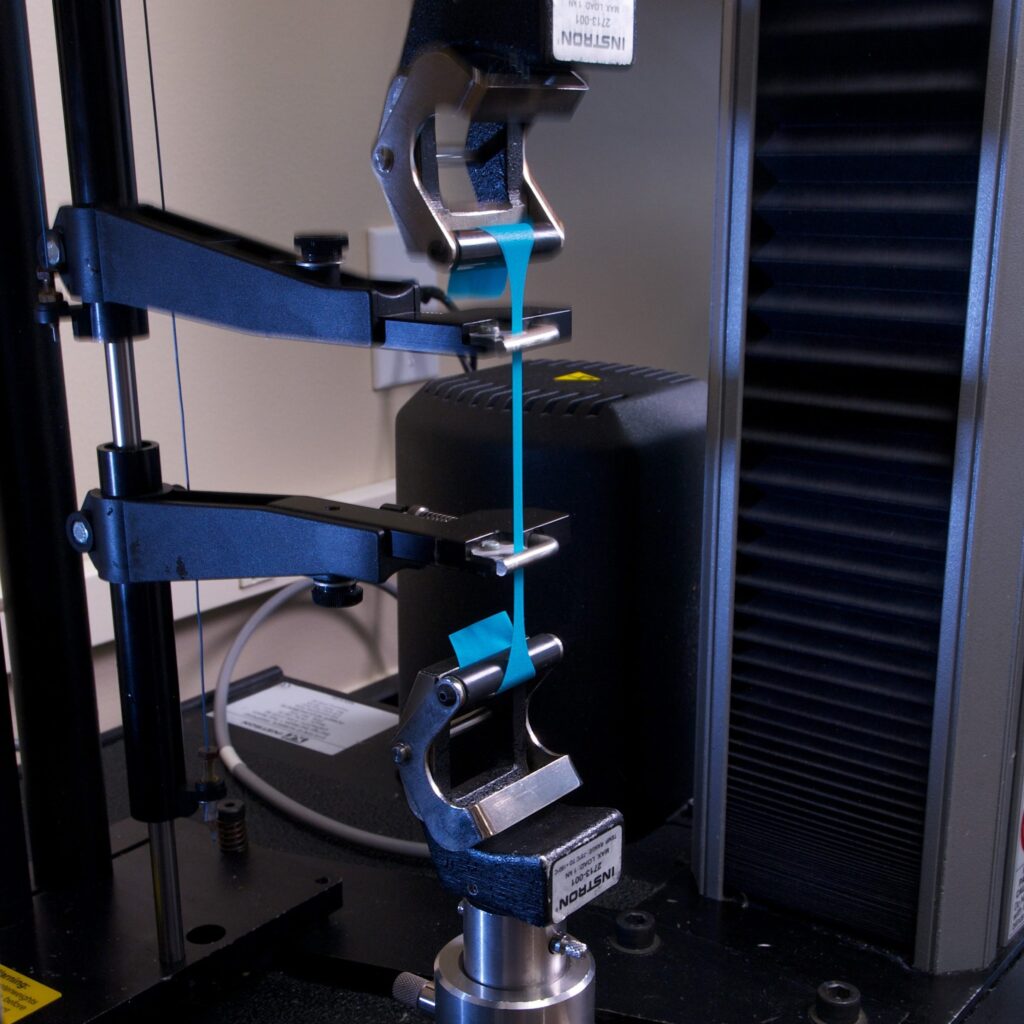
Why Package Integrity Testing Matters
Most brands underestimate the importance of packaging until something goes wrong. In reality, even the best materials can fail due to:
- Poor sealing conditions
- Improper storage
- Long-distance transportation
- Environmental exposure
- Excessive internal pressure or vacuum
- Weak points or pinholes
- Human error during packaging
A reliable package must withstand stress, retain its seal, resist leaks, and preserve product quality throughout its life cycle. Package integrity testing ensures exactly that.
What Is Package Integrity Testing?
Package integrity testing involves a series of standardized scientific methods to evaluate:
- Seal strength
- Leak resistance
- Burst pressure tolerance
- Air-tightness and moisture-tightness
- Vacuum/pressure performance
- Puncture and tear resistance
- Shelf-life and transport durability
At Kiyo R&D LAB, we test flexible packaging, rigid packaging, laminates, pouches, bottles, containers, blisters, sachets, plastic bags, medical packaging, and food packaging—across multiple industries.
Package Integrity Testing Services @ Kiyo R&D LAB
Our laboratory provides a complete suite of integrity evaluations to ensure packaging performs reliably in real-world conditions.
1. Seal Strength Testing
Seal strength determines how well the package seals hold under stress. Weak seals can easily open during transport, causing spoilage or spillage.
We evaluate seal performance based on:
- Heat-seal quality
- Pressure and load resistance
- Opening force
- Peel strength
Industries: Foods, beverages, pharma blister packs, sachets, PET bottle caps, 3-side seal pouches.
2. Leakage Testing
Leakage is the most common failure seen in pouches and containers. Kiyo performs advanced vacuum and pressure leak tests to ensure:
- No pinholes
- No micro-leaks
- No pressure loss
- No air/water/vapor escape
Leak testing is critical for sterile packaging, sealed liquids, medical devices, cosmetics, chemicals, and food pouches.
3. Burst Strength Testing
Burst testing checks how much internal pressure the packaging can withstand before it fails. This helps determine packaging stability during:
- Filling
- Transport
- Storage
- Temperature variations
Applications: Milk packets, snack pouches, vacuum packs, chemical sachets.
4. Tensile & Puncture Testing for Films
Flexible packaging materials undergo mechanical stress during filling, sealing, stocking, and logistics.
We test:
- Film thickness
- Tensile strength
- Elongation
- Tear resistance
- Puncture resistance
These values reveal whether the film is suitable for heavy-duty or long-duration applications.
5. Drop & Impact Testing
Product packages face multiple drops and impacts during transport. A small crack or deformity can compromise product integrity.
Kiyo simulates:
- Vertical drop
- Corner drop
- Edge impact
- Horizontal shock loads
This ensures packaging survives real-world handling.
6. Vacuum Retention & Pressure Decay Tests
These tests help detect micro-leaks and structural weaknesses that are not visible to the naked eye.
Used widely for:
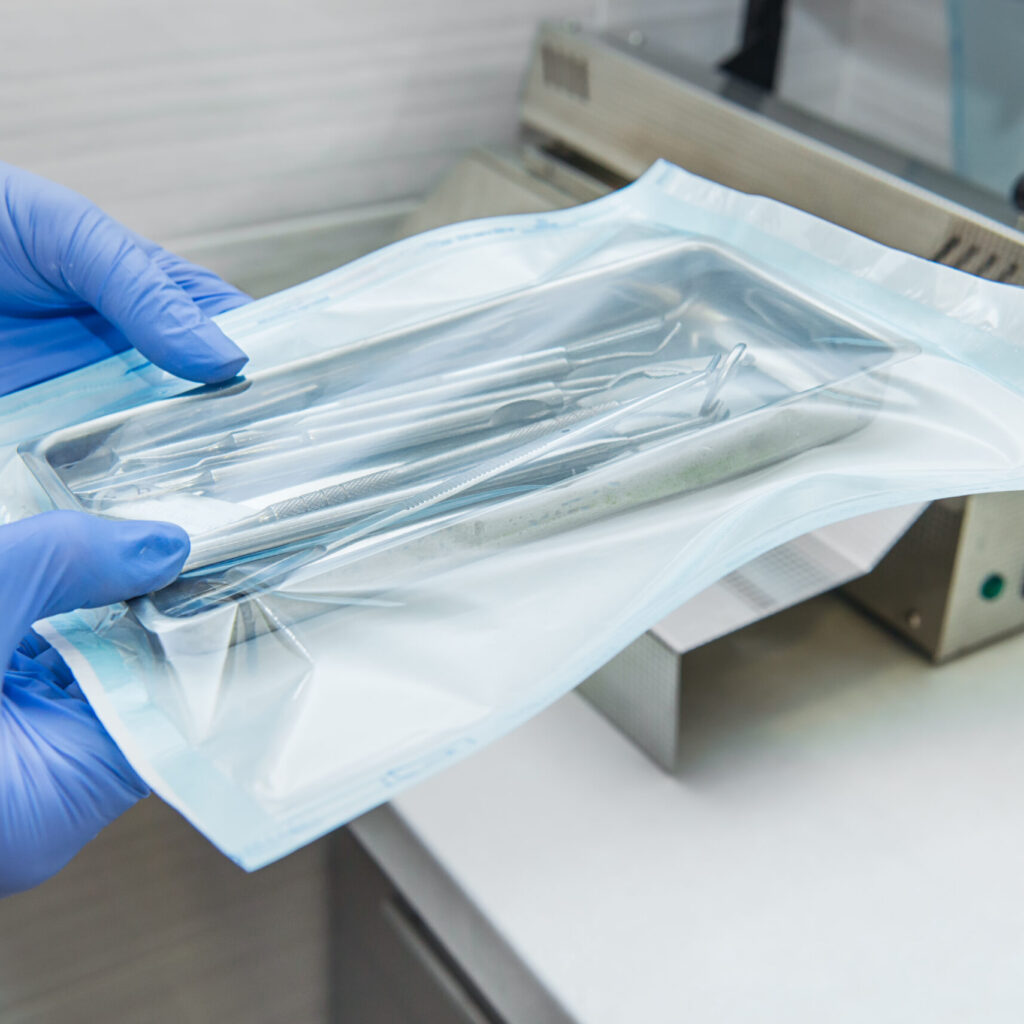
- Medical packaging
- Sterile pouches
- High-value consumer goods
- Airtight food containers
7. Environmental Conditioning & Aging Tests
Packaging materials change behavior under:
- Heat
- Cold
- Humidity
- UV exposure
- Compression
Our conditioning chamber tests ensure packaging can handle diverse environments without losing integrity.
Industries Benefiting from Our Services
Kiyo R&D LAB supports every sector where packaging plays a critical role:
- Food & beverage
- Pharmaceuticals
- FMCG
- Cosmetics
- Household products
- Plastics & polymers
- Chemical packaging
- Medical disposables
- E-commerce & logistics
- Automotive components
- Agriculture & seeds packaging
Whether you use LDPE, HDPE, PP, PET, laminates, blister packs, or paperboard, Kiyo ensures your packaging meets performance expectations.
Why Choose Kiyo R&D LAB for Package Integrity Testing?
You’re not hiring just a testing lab—you’re partnering with a team that takes your product quality personally.
✔ NABL-Aligned Testing Expertise
Our procedures follow ASTM, ISO, and industry-standard methods to ensure regulatory compliance.
✔ Results You Can Trust
We use calibrated equipment and strict quality control for reliable test data.
✔ 1-Day Standard Report Delivery
Kiyo is recognized for fast turnaround supporting urgent production, QC needs, and project deadlines.
✔ Support for Startups & MSMEs
We help new brands validate packaging prototypes, reduce failures, and optimize cost.
✔ Engineering & Technical Guidance
Our experts explain test results, failure modes, and improvement actions clearly—no technical confusion.
✔ Student-Friendly Services
Final-year engineering students receive 50% OFF + free consultation for packaging and material testing projects.
Common Packaging Problems We Help Detect
Manufacturers often discover issues only after a customer complaint. Kiyo helps detect problems early, such as:
- Pinhole leaks
- Weak seals
- Burst failures
- Film tearing
- Poor lamination
- Air ingress
- Moisture migration
- Contamination risks
- Blister seal delamination
- Poor transport durability
Fixing these early saves money, brand reputation, and production time.
How Kiyo’s Testing Helps Improve Your Packaging
With clear insights from Package Integrity Testing Services @ Kiyo R&D LAB, brands can:
- Choose the right materials
- Optimize seal parameters
- Minimize packaging costs without compromising safety
- Reduce return/rejection rates
- Improve product shelf-life
- Enhance consumer safety
- Ensure regulatory compliance
- Improve packaging machine settings
- Maintain consistent quality
Better packaging = better customer experience.
Conclusion
In today’s competitive market, packaging is more than protection—it is your product’s first guarantee of quality. A leak, crack, or weak seal can destroy customer trust instantly. Package Integrity Testing Services @ Kiyo R&D LAB help you eliminate risks, validate packaging strength, and deliver your products safely to customers.
Whether you are a manufacturer, startup, exporter, or engineering student, Kiyo offers accurate testing, fast reporting, and technical support that keep your packaging reliable and compliant.
Your product deserves to be protected the right way.
Your packaging deserves to be tested by professionals.
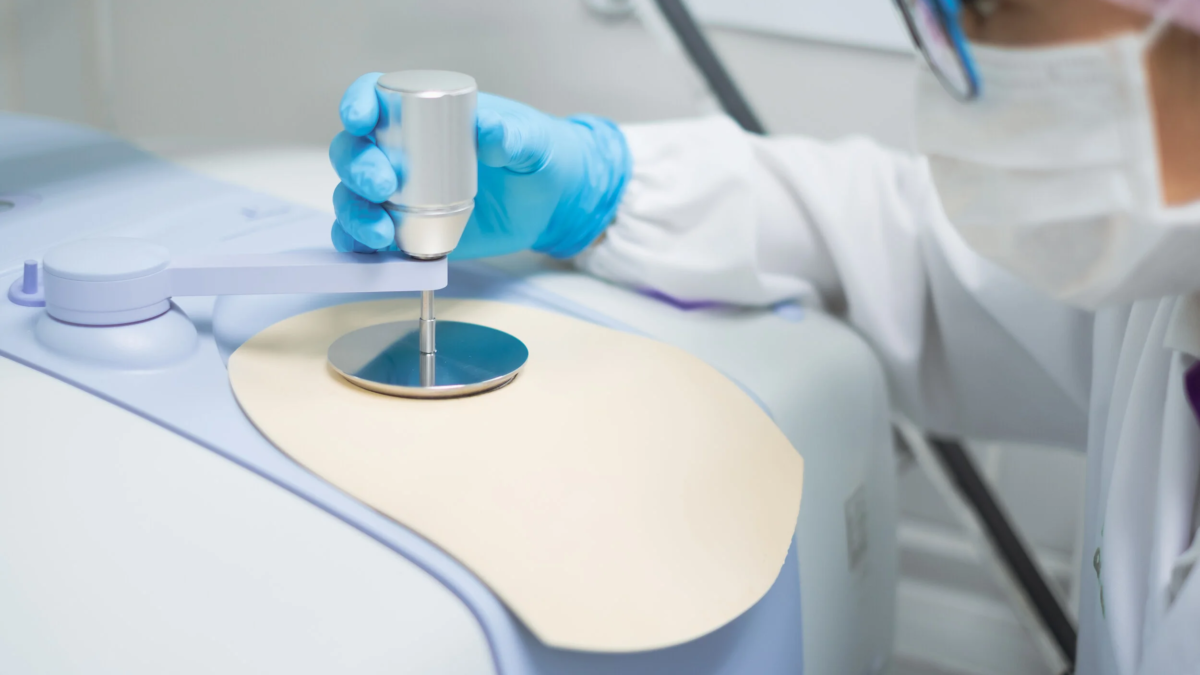
Polymer & Rubber Material Testing Services in India – NABL Certified
Polymers and rubber materials are the silent backbone of modern engineering. They are used in automobiles, electrical components, medical devices, packaging, footwear, sealing systems, industrial machinery, and consumer products. Their properties determine not just the performance of a product, but also its safety, lifespan, and reliability.
However, polymers and rubbers behave differently under stress, heat, load, chemicals, and environmental exposure. This makes scientific testing absolutely essential before these materials are approved for production or market use.
This is where polymer and rubber material testing services in India – Kiyo R&D LAB make a major difference. As a NABL-accredited testing laboratory in Chennai, Kiyo R&D Lab provides a comprehensive suite of mechanical, thermal, and physical tests to ensure that every material grade is validated with precise, industry-standard data.
This blog explores why polymer and rubber testing is important, the major tests performed at Kiyo R&D LAB, the industries that rely on this data, and how accurate testing supports quality, compliance, and innovation.

Why Polymer and Rubber Testing Is Essential
Polymers and rubbers are versatile, but they can also be unpredictable if not properly analyzed. Their mechanical and thermal behavior changes with:
- Temperature variations
- Load and stress conditions
- UV exposure
- Chemical contact
- Aging and wear
- Processing errors
- Improper compounding or additives
Testing removes uncertainty by answering critical questions like:
- Will the material crack under load?
- Will it deform under long-term compression?
- Does it withstand heat without degrading?
- Will it tear or split during application?
- Is the supplier’s material consistent?
- Does it meet the specification defined by the customer or standard?
With polymer and rubber material testing services in India – Kiyo R&D LAB, manufacturers gain scientific data to make confident design, production, and quality decisions.
Industries That Depend on Polymer & Rubber Testing
Polymers and rubber components are used across nearly every sector. Accurate testing is essential for:
1. Automotive & Transportation
Seals, gaskets, bushings, hoses, belts, dashboards, trims, and underbody components.
2. Electrical & Electronics
Insulation materials, conduit pipes, switches, enclosures, and connectors.
3. Medical & Healthcare
Flexible tubes, molded components, containers, and packaging.
4. Construction & Infrastructure
Pipes, sheets, waterproofing membranes, and composite reinforcements.
5. Aerospace & Defense
High-performance elastomers and engineering plastics.
6. Industrial Machinery
Rubber rollers, seals, vibration dampers, and polymer-based wear-resistant parts.
7. Footwear & Consumer Goods
Soles, straps, grips, handles, and ergonomic components.
8. Packaging Industry
Films, laminates, rigid containers, and closure systems.
Each of these industries relies on precise material validation to maintain safety, performance, and compliance.
Key Polymer & Rubber Tests at Kiyo R&D LAB
Kiyo R&D Lab offers a full range of ASTM, ISO, and BIS standard-based tests to analyze mechanical, thermal, and physical properties.
Below are the essential tests included under
polymer and rubber material testing services in India – Kiyo R&D LAB:
1. Tensile Testing (ASTM D638 / ISO 527 for polymers, ASTM D412 for rubber)
Measures:
- Tensile strength
- Elongation at break
- Modulus
- Yield point
- Stress–strain behavior
This test reveals flexibility, stiffness, and load-bearing capacity.
2. Hardness Testing (Shore A, Shore D, IRHD)
Hardness determines resistance to indentation.
Used for:
- Rubber components
- Elastomeric seals
- Thermoplastics
- Polyurethane parts
3. Compression Set & Compression Strength
Compression set shows how much a rubber can recover after deformation, which is critical for seals, gaskets, and cushioning parts.
Compression strength evaluates load-bearing behavior for rigid polymers.
4. Tear Strength (ASTM D624 / ISO 34)
Shows how easily a material tears under stress.
Important for:
- Footwear
- Rubber sheets
- Molded elastomers
- Flexible polymer films
5. Impact Testing (Izod/Charpy – ASTM D256/ISO 179)
Measures resistance to sudden shock or impact.
Used widely for engineering plastics and composite parts.
6. Flexural Testing (ASTM D790 / ISO 178)
Evaluates bending strength and stiffness for rigid plastics, profiles, and structural parts.
7. Abrasion Resistance (DIN, Taber Abrasion)
Tests material durability against wear and friction.
Critical for rubber soles, belts, seals, and industrial components.
8. DSC (Differential Scanning Calorimetry)
Analyzes:
- Melting point
- Crystallization
- Glass transition (Tg)
- Thermal stability
Helps ensure proper processing and material purity.
9. TGA (Thermogravimetric Analysis)
Measures weight loss with temperature.
Used for:
- Additive analysis
- Filler content
- Decomposition temperature
10. MFI / MFR (Melt Flow Index)
Indicates processability of thermoplastics for molding and extrusion.
11. Density & Specific Gravity Testing
Helps identify material grade, consistency, and purity.
How Kiyo R&D Lab Conducts Polymer & Rubber Testing
Testing at Kiyo R&D LAB follows a strict, standardized workflow:
1. Sample Conditioning
Controlled humidity and temperature ensure accurate results.
2. Standard Selection
ASTM, ISO, or BIS standards chosen based on material type and application.
3. High-Precision Testing
Using calibrated UTM machines, hardness testers, thermal analyzers, and specialized equipment.
4. Data Interpretation
Graphs, stress–strain curves, thermal transitions, and degradation points are analyzed.
5. NABL-Compliant Reporting
Reports include:
- Test method
- Equipment details
- Numerical results
- Graphs (where applicable)
- Interpretation and comments
These reports are accepted for internal QA, customer approvals, certification audits, and academic work.
Why Choose Kiyo R&D LAB?
Kiyo R&D Lab stands out in the Indian testing ecosystem thanks to:
✔ NABL-Accredited Laboratory
Your reports are globally accepted.
✔ Wide Material Coverage
Thermoplastics, thermosets, elastomers, composites, rubber compounds, and hybrid materials.
✔ Fast 1-Day Test Reporting
Ideal for production deadlines and student submissions.
✔ Advanced Equipment
High-precision UTM, DSC, TGA, MFI, impact testers, hardness testers & more.
✔ Expert Technical Support
Clear explanation of results and guidance for process optimization.
✔ Industry + Student Friendly
Affordable pricing and flexible support.
✔ Trusted by Leading Manufacturers & Colleges
A proven reputation for accuracy and reliability.
Applications of Test Data from Kiyo R&D LAB
The results from polymer and rubber material testing services in India – Kiyo R&D LAB support:
- Product design optimization
- Material selection for new projects
- Supplier validation
- Quality control and batch approval
- Failure analysis
- Compliance with industry specifications
- Export documentation
- Research and final-year engineering projects
Reliable testing leads to superior product performance and fewer failures in the field.
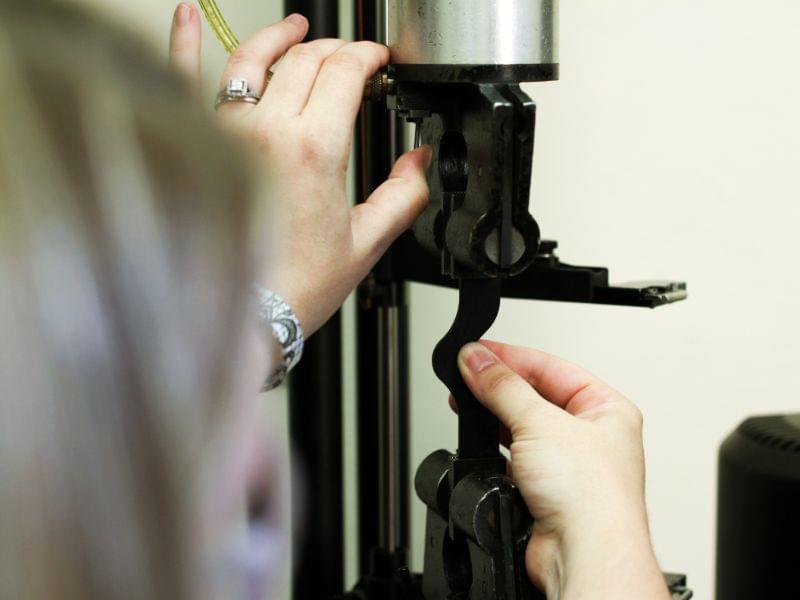
Conclusion
Polymers and rubber materials play a crucial role in modern manufacturing, but their performance cannot be assumed—it must be scientifically verified. Mechanical, thermal, and physical testing ensure the material you use is strong, durable, and reliable enough for its intended function.
With advanced infrastructure, NABL accreditation, and expert technical capability, polymer and rubber material testing services in India – Kiyo R&D LAB provide accurate insights for manufacturers, OEMs, researchers, and students across the country.
If your material matters, testing it matters even more. And Kiyo R&D Lab is ready to help you validate it with confidence.
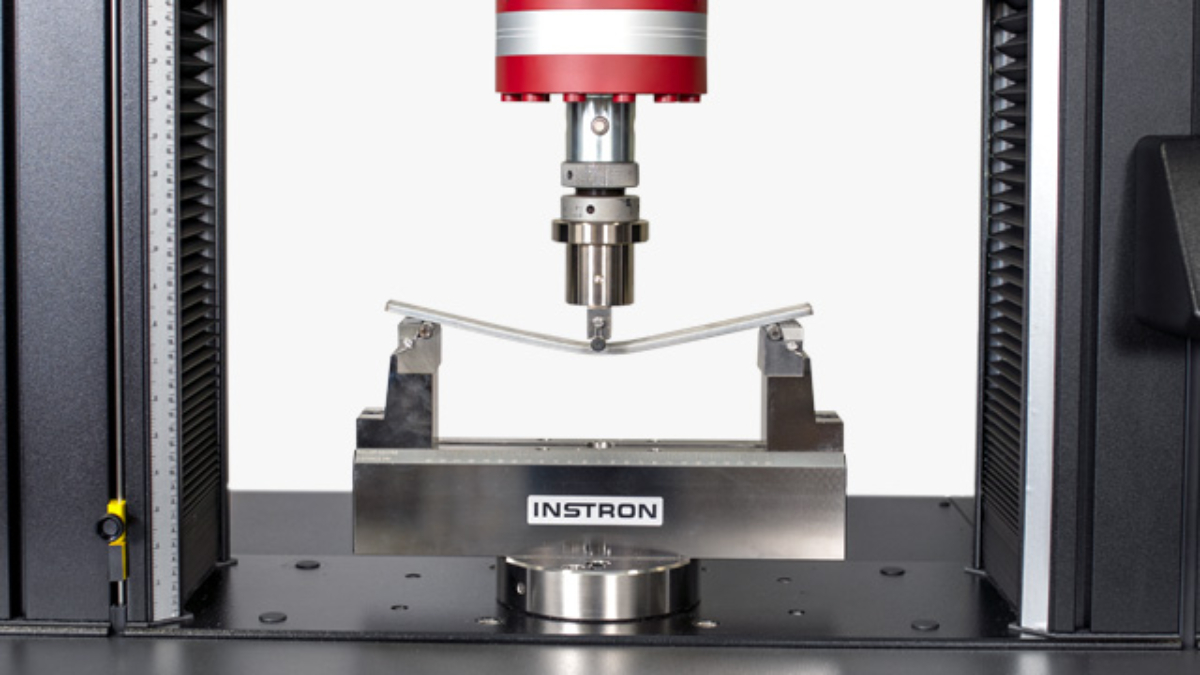
Ultimate Flexural Testing Laboratory Services – Kiyo R&D LAB’s NABL-Certified Precision
When a product bends, it reveals the truth about its strength. Whether it’s a plastic profile, a composite panel, a 3D-printed component, a rubber part, or any structural material, bending forces determine how long it will last and how safely it will perform. That’s exactly why flexural testing laboratory services – Kiyo R&D LAB have become essential for manufacturers, OEMs, R&D teams, and engineering students across India.
Flexural testing is one of the most important mechanical tests used to assess the stiffness, durability, and load-bearing capability of materials. From advanced engineering plastics to composites and construction materials, flexural testing provides insights no other test can offer. At Kiyo R&D Lab, a NABL-accredited testing facility in Chennai, these tests are performed with high accuracy using globally recognized standards such as ASTM D790 and ISO 178.
This blog explains what flexural testing is, why it matters, the industries that depend on it, and how Kiyo R&D LAB delivers accurate, reliable, and fast results for real-world applications.
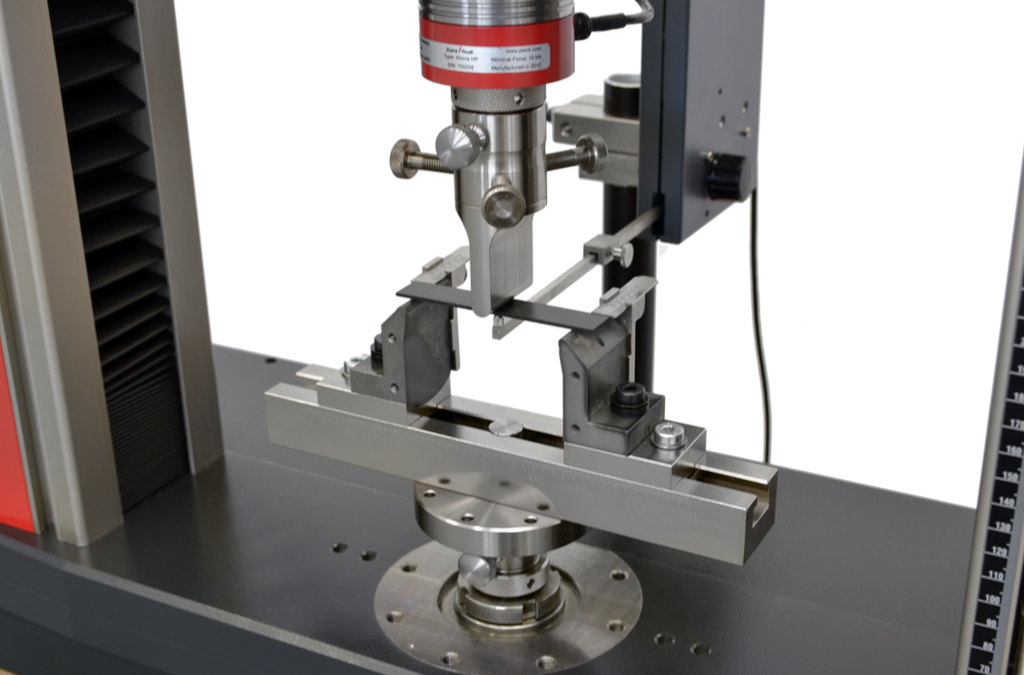
What Is Flexural Testing and Why Does It Matter?
Flexural testing determines how a material behaves when subjected to bending. Unlike tensile or compression tests, flexural testing applies a combination of tension on one side and compression on the other, revealing the true bending performance of a material.
This test helps determine:
- Flexural Strength – maximum stress material can withstand before it fractures
- Flexural Modulus (Stiffness) – how rigid or flexible the material is
- Deflection at Break – how much it bends before failing
- Load–Deflection Curve – the exact bending behavior under increasing loads
Why is this important?
Because products rarely face just pulling or pushing forces in real life. They bend, twist, flex, and absorb dynamic loads — and poor flexural performance leads to cracking, warping, deformation, and catastrophic failures.
This is why industries heavily depend on flexural testing laboratory services – Kiyo R&D LAB to ensure their materials can withstand real-world bending forces.
Where Flexural Testing Is Used
Flexural properties decide the safety and durability of many products, especially those used for load-bearing or structural applications. Some common use cases include:
1. Engineering Plastics
Materials like polycarbonate, nylon, ABS, PBT, HDPE, and polypropylene must meet flexural standards for:
- Automotive trims
- Electrical housings
- Structural components
- Consumer products
2. PVC, CPVC & uPVC Materials
Used in:
- Pipes & fittings
- Door/window profiles
- Construction boards
Flexural testing ensures these products don’t deform or break under bending stress.
3. Composites
FRP, carbon fiber, fiberglass, and sandwich composites rely heavily on flexural data for:
- Aerospace structures
- Wind turbine blades
- Marine components
- Industrial panels
4. Rubber & Elastomers
Rubber materials must show flexibility and resilience without cracking under repeated bending.
5. Packaging & Flexible Sheets
Thermoformed trays, printed packaging, sheets, and foils require flexural stiffness for performance.
6. 3D Printed Parts
Additive manufacturing materials must be tested to ensure reliability under bending.
7. Construction Materials
Boards, panels, WPC, ACP sheets, and insulation materials use flexural testing for load-bearing capability.
No matter the industry, flexural testing is a key quality checkpoint — and Kiyo R&D Lab provides the certification, data, and accuracy needed for compliance.
Flexural Testing Standards Used at Kiyo R&D LAB
Kiyo R&D Lab performs flexural tests strictly according to globally recognized standards:
ASTM D790
Used for rigid and semi-rigid plastics. Provides:
- Flexural strength
- Flexural modulus
- Stress–strain curves
- Break vs. yield behavior
ISO 178
Similar to ASTM but with slight variations in test speed and sample dimensions.
Other standards supported include:
- ISO 14125 (Composites)
- ASTM C393 (Sandwich composites)
- ASTM D7264 (Polymer matrix composites)
The use of proper standards ensures all reports are valid for audits, certifications, and industrial compliance.
How Flexural Testing Works – Step-by-Step
Flexural testing is performed using a Universal Testing Machine (UTM) equipped with a 3-point or 4-point bending fixture.
1. Sample Preparation
The material is cut to exact dimensions specified by the standard.
2. Test Setup
- The sample is placed on two support points.
- A loading nose applies downward force at the center or at two points.
3. Applying Load
The UTM applies bending force gradually while recording:
- Load applied
- Deflection
- Bending stress
- Failure point
4. Interpretation
The machine automatically generates:
- Flexural strength
- Flexural modulus
- Load-deflection curve
- Break mode (brittle, ductile, cracking, delamination)
5. Report Generation
Kiyo R&D Lab provides detailed, traceable, NABL-compliant reports.
Why Flexural Testing Is Critical for Manufacturers
Manufacturers choose flexural testing laboratory services – Kiyo R&D LAB because bending performance determines:
- Product safety
- Load-bearing reliability
- Long-term durability
- Resistance to warping and cracking
- Suitability for structural applications
- Compliance with customer or market standards
Machines, molds, material grades, and production processes all impact flexural properties. Testing helps detect:
- Poor-quality raw materials
- Incorrect processing temperature
- Inconsistent additives
- Weak composite layups
- Defective molds
- Supplier batch deviations
Flexural testing is not “optional”—it is a core requirement for quality assurance.
Why Choose Kiyo R&D Lab for Flexural Testing?
Kiyo R&D Lab has earned trust across South India due to its:
✔ NABL Accreditation
Test reports are globally accepted and audit-ready.
✔ High-Precision Equipment
UTM with bending fixtures calibrated for accuracy.
✔ Fastest Turnaround
Most reports delivered within 1 business day.
✔ Support for All Material Types
Plastics, composites, rubber, polymers, laminates, WPC, ACP, 3D printed materials, and more.
✔ Industry + Student Friendly
Affordable pricing plus clear report explanation.
✔ ASTM, ISO & BIS Standard Testing
All tests follow international protocols.
✔ Trusted by Top Manufacturers & Colleges
Used by leading industries and engineering institutions.
Applications of Flexural Testing Data
Customers use the results from flexural testing laboratory services – Kiyo R&D LAB for:
- Material selection
- Supplier evaluation
- Batch quality control
- Failure investigation
- Structural analysis
- Product design optimization
- Engineering projects
- Compliance and certification
Strong flexural data = stronger products.
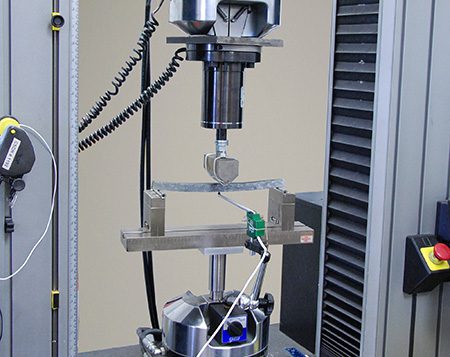
Conclusion
Flexural testing is one of the most revealing mechanical tests for any material used in load-bearing or structural applications. Whether you’re working with plastics, composites, rubber, PVC, or 3D printed parts, bending strength determines how well your product performs in the real world.
With advanced equipment, NABL accreditation, and rapid reporting, flexural testing laboratory services – Kiyo R&D LAB offer manufacturers and students reliable, accurate, and audit-ready mechanical data.
If your product bends, flexes, supports weight, or faces real-world mechanical stress, flexural testing is not optional — it’s essential.

Ultimate DSC Testing Laboratory Services – Kiyo R&D LAB’s Precision Thermal Analysis
Every material used in engineering, manufacturing, packaging, medical devices, plastics, or composites has one common requirement — it must perform consistently under temperature changes. Whether it’s exposed to heat during processing or during real-world application, the material’s response to temperature directly affects its quality, performance, and durability.
This is where DSC testing laboratory services – Kiyo R&D LAB become essential. Differential Scanning Calorimetry (DSC) is one of the most powerful thermal analytical techniques used globally. It helps manufacturers, OEMs, product developers, and engineering students understand how their materials behave when heated or cooled — revealing critical insights that cannot be obtained from mechanical tests alone.
As a NABL-accredited testing facility in Chennai, Kiyo R&D Lab offers precise and reliable DSC analysis for plastics, polymers, composites, rubber, laminates, adhesives, coatings, fibers, packaging materials, and more. If you want to validate material stability, processing conditions, or quality consistency, DSC is the test you cannot skip.
This blog explores what DSC testing is, why it’s important, the industries that depend on it, and how Kiyo R&D Lab provides accurate, fast, and industry-compliant thermal analysis.

What Is DSC Testing?
DSC (Differential Scanning Calorimetry) measures how much heat a material absorbs or releases when subjected to controlled temperature changes. In simple terms, DSC tells you:
- When a material melts
- When it crystallizes
- When it undergoes phase transitions
- How stable it is when exposed to heat
- Whether its formulation is consistent
- How it behaves during processing
DSC provides a thermal “fingerprint” of a material.
Every material has characteristic thermal properties. If those properties shift, it indicates contamination, degradation, improper compounding, or low-quality additives. This is why DSC testing laboratory services – Kiyo R&D LAB are widely used for quality control, R&D, and failure analysis.
Key Parameters Measured in DSC Testing
DSC analysis can generate a wide range of thermal properties depending on the material type. Some of the most important parameters include:
1. Glass Transition Temperature (Tg)
Shows when a material shifts from rigid to rubbery. Critical for:
- Plastics
- Coatings
- Rubbers
- Composites
Incorrect Tg affects flexibility, durability, and heat resistance.
2. Melting Temperature (Tm)
Determines the temperature at which a material melts. Essential for:
- Injection molding
- Extrusion
- Thermoforming
3. Crystallization Temperature (Tc)
Important for semi-crystalline materials like:
- PET
- Nylon
- PP
- PBT
Tc affects processing window and mechanical properties.
4. Enthalpy (ΔH)
Indicates energy absorption during melting or crystallization. Used to assess:
- Degree of crystallinity
- Material purity
- Additive effects
5. Oxidative Stability
Shows how resistant a material is to thermal oxidation.
6. Thermal Stability & Degradation Onset
Helps detect stability issues, contamination, or material aging.
These insights make DSC a critical tool for material selection, quality verification, and R&D development.
Why DSC Testing Is Important
Many product failures occur due to poor thermal performance, not mechanical defects. Even a small change in thermal behavior can cause:
- Warping or deformation
- Brittleness
- Cracking
- Poor processing
- Inconsistency between batches
- Reduced shelf-life
- Failure in end-use
DSC testing helps detect these issues early.
DSC is essential for:
- Comparing multiple supplier materials
- Failure analysis
- Validating polymer batches
- Determining processing temperatures
- Ensuring product consistency
- Understanding material behavior in high-temperature applications
- Supporting technical documentation for students and industries
That’s why industries trust DSC testing laboratory services – Kiyo R&D LAB for reliable thermal characterization.
Industries That Rely on DSC Testing
DSC is used across almost every sector that works with thermally sensitive materials.
1. Plastics & Polymer Industry
To check grade consistency, melting point, crystallinity, and processing behavior.
2. Packaging Industry
Especially for PET, multilayer films, food packaging & heat-resistant materials.
3. Automotive
To verify thermal stability of engineering plastics used under the hood or near heat sources.
4. Electrical & Electronics
Material safety demands stable thermal behavior.
5. Composites & Aerospace
DSC helps evaluate curing, glass transition, and resin performance.
6. Adhesives, Paints & Coatings
Thermal transitions define how these materials bond or cure.
7. Rubber & Elastomers
DSC helps measure curing characteristics and aging behavior.
8. Pharma & Food
DSC is used to analyze purity, polymorphism & thermal transitions.
9. Academic & Research Institutions
To support experimental studies and final-year projects.
How DSC Testing Works at Kiyo R&D Lab
Kiyo R&D Lab follows globally accepted DSC testing procedures using advanced instruments and strict calibration protocols.
1. Sample Preparation
Small pieces of material (usually 1–10 mg) are placed in aluminum or hermetic pans.
2. Controlled Heating / Cooling
The sample is heated or cooled at a controlled rate (commonly 10°C/min).
3. Heat Flow Measurement
The DSC instrument detects heat absorbed or released by the material.
4. Graph Interpretation
A thermogram (heat flow vs temperature) is generated, showing:
- Tg
- Tm
- Tc
- Thermal transitions
- Exothermic & endothermic peaks
5. Comprehensive Reporting
Kiyo R&D Lab provides:
- Exact transition temperatures
- Peak enthalpies
- Graphs and plots
- Interpretation of results
- NABL compliance
This makes the report useful for production, QC, R&D, and academic use.
Why Choose Kiyo R&D LAB for DSC Testing?
Kiyo R&D Lab is one of Tamil Nadu’s most trusted thermal analysis laboratories for good reason:
✔ NABL-Accredited Testing Facility
Ensures industry-standard accuracy and globally accepted reports.
✔ Advanced DSC Equipment
High precision, calibrated instruments for accurate thermal transitions.
✔ Fast Turnaround
Most reports delivered within 1 working day.
✔ Suitable for All Materials
Plastics, polymers, composites, rubbers, films, fibers, coatings, and more.
✔ Standard-Compliant Testing
ASTM, ISO, BIS — fully traceable results.
✔ Experienced Technical Team
Experts who understand polymer science and material behavior.
✔ Affordable Pricing
Friendly for industries, startups, and engineering students.
Whether you’re troubleshooting a material failure or verifying material quality, DSC testing laboratory services – Kiyo R&D LAB provide the clarity you need.
Applications of DSC Test Data
DSC test results support multiple business and research goals:
- Material identification
- Grade comparison
- Batch consistency checks
- Polymer crystallinity analysis
- Thermal degradation detection
- Processing optimization
- Selection of molding and extrusion temperatures
- Failure investigation
- Product R&D and development
- Academic documentation
DSC brings science directly into your material decision-making.

Conclusion
In an era where materials are expected to perform reliably under varying temperatures, DSC testing has become a critical part of quality assurance. It reveals the thermal fingerprint of a material — helping manufacturers avoid defects, maintain consistency, and optimize processing.
With advanced equipment, NABL accreditation, expert technicians, and a rapid turnaround, DSC testing laboratory services – Kiyo R&D LAB offer unparalleled reliability for industries and engineering students alike.
If your business or project involves polymers, composites, packaging films, rubber, adhesives, or any thermally sensitive material, DSC testing is not optional — it is essential.

Thermal Testing for PVC Materials In Kiyo R&D LAB – Ensuring Heat Stability, Performance & Safety in Modern Applications
Polyvinyl Chloride (PVC) is one of the most widely used polymers in India, especially in construction, plumbing, electrical cables, packaging, automotive interiors, flooring, and industrial components. While PVC offers excellent durability and processing flexibility, its real performance depends heavily on how it behaves under temperature variations. Heat can affect PVC in many ways — from softening, deformation, and discoloration to complete material breakdown.
This is why thermal testing for PVC materials @ Kiyo R&D LAB plays a crucial role in quality control, material validation, R&D development, and compliance with global standards. Whether you are a PVC pipe manufacturer, cable producer, construction material supplier, or engineering student working on a project, understanding the thermal behavior of PVC is non-negotiable.
In this blog, we explore why thermal testing is essential, the major tests used to evaluate PVC, industries that depend on these results, and how Kiyo R&D Lab provides accurate, NABL-accredited thermal testing for PVC materials with fast turnaround.

Why Thermal Testing of PVC Materials Is Essential
PVC is sensitive to heat — both during processing and end-use. When exposed to high temperatures, PVC can undergo:
- Softening
- Thermal degradation
- Color change due to dehydrochlorination (HCl release)
- Loss of mechanical properties
- Dimensional instability
- Brittleness at lower temperatures
- Warping or deformation
Thermal testing helps manufacturers understand:
- The temperature at which PVC begins to soften
- How much heat the material can withstand before breaking down
- Whether stabilizers and additives are working correctly
- Suitable processing temperatures in extrusion or molding
- Safe operating limits for real-world applications
- Consistency between production batches
Accurately measuring these properties ensures safer, stronger, and longer-lasting PVC products.
The thermal testing for PVC materials @ Kiyo R&D LAB gives precise data needed to meet ASTM, ISO, BIS, and global regulatory standards.
Key Thermal Tests Performed for PVC @ Kiyo R&D LAB
Kiyo R&D Lab offers a complete suite of thermal tests for evaluating PVC raw materials, compounds, and finished products. Each test is conducted using calibrated equipment and follows international testing standards.
Below are the major thermal tests applicable for PVC:
1. Differential Scanning Calorimetry (DSC)
DSC is one of the most important thermal analysis tools for PVC. It helps measure:
- Glass Transition Temperature (Tg)
- Melting Temperature (Tm)
- Heat capacity changes
- Crystallinity (for semi-crystalline PVC grades)
- Processing behavior
For PVC, the glass transition temperature (Tg) is crucial as it determines flexibility and brittleness.
DSC results help manufacturers ensure correct formulation and processing parameters.
2. Thermogravimetric Analysis (TGA)
TGA measures the weight loss of PVC as it is heated. It helps determine:
- Thermal stability
- Decomposition temperature
- Stabilizer effectiveness
- Residue content
- Multi-step degradation behavior
PVC releases hydrogen chloride gas (HCl) during thermal breakdown. TGA accurately pinpoints the temperature where degradation begins.
This test is essential for PVC pipes, cables, profiles, films, and medical-grade PVC.
3. Vicat Softening Point Test (ASTM D1525 / ISO 306)
The Vicat softening temperature helps determine:
- Heat distortion resistance
- Ability of PVC to maintain shape under load
- Suitability for hot-water applications
- Grade selection (uPVC, CPVC, rigid, or flexible PVC)
This is a key test for PVC pipes, fittings, profiles, and sheets.
4. Heat Deflection Temperature (HDT) Test
HDT measures the temperature at which PVC deforms under a specified load. It indicates:
- Load-bearing capacity at elevated temperatures
- Dimensional stability
- Long-term thermal reliability
HDT is crucial for CPVC and uPVC materials used in plumbing, electrical components, and industrial applications.
5. Heat Aging Test (Oven Aging / Air Oven Test)
This test exposes PVC materials to elevated temperatures for extended durations to evaluate:
- Color change
- Cracking or embrittlement
- Loss of flexibility
- Effectiveness of heat stabilizers
- Long-term thermal stability
It is especially important for PVC cable insulation, profiles, and outdoor applications.
6. Thermal Conductivity Testing
PVC’s ability to conduct heat determines its suitability in:
- Insulation
- Cable sheathing
- Construction panels
- Flooring materials
Accurate thermal conductivity data supports energy-efficiency and safety requirements.
7. Gelation and Fusion Temperature (for PVC Processing)
During extrusion or molding, PVC must reach proper fusion levels. Testing ensures:
- Correct processing temperature
- Avoidance of under- or over-gelation
- Optimal surface finish and dimensional accuracy
This helps manufacturers fine-tune production settings.
Industries That Depend on Thermal Testing for PVC
Thermal behavior affects nearly every application of PVC. The following industries rely heavily on thermal testing for PVC materials @ Kiyo R&D LAB:
1. PVC Pipe & Fittings Industry
Thermal stability and softening point determine:
- Pressure rating
- Hot/cold water performance
- Service life
2. Cable & Electrical Industry
PVC insulation must maintain flexibility and resist thermal degradation.
3. Construction & Building Materials
For window profiles, flooring, doors, and cladding — heat resistance affects durability.
4. Automotive
PVC trims and interior components must withstand cabin temperatures.
5. Packaging & Films
Thermal testing ensures safe processing and heat performance.
6. Healthcare & Medical Devices
Thermal stability ensures sterilization compatibility.
7. R&D Centers & Universities
Researchers require thermal analysis for material development and academic projects.
Why Choose Kiyo R&D Lab for PVC Thermal Testing?
Kiyo R&D Lab is trusted by top manufacturers, student groups, and OEMs across India. Here’s why:
✔ NABL-Accredited Thermal Testing Laboratory
Ensures globally accepted, audit-ready test reports.
✔ Advanced Thermal Testing Equipment
DSC, TGA, HDT/Vicat, Heat Aging Chambers, Thermal Conductivity Meters.
✔ Fast Turnaround — 1-Day Reporting
Ideal for urgent industrial needs and student project timelines.
✔ Expertise in PVC, CPVC, UPVC & Flexible PVC
Deep understanding of formulation and behavior.
✔ Standard-Based Testing (ASTM, ISO, BIS)
All tests follow globally recognized procedures.
✔ Affordable Pricing + Professional Support
Budget-friendly testing for students and startups.
Applications of Thermal Testing Data
Thermal test results are crucial for:
- Material selection
- Formulation improvement
- Processing optimization
- Quality control
- Failure analysis
- Long-term product performance prediction
- Regulatory compliance
- Academic research
Accurate data helps avoid failures, reinforce quality, and strengthen product design.

Conclusion
PVC is a versatile polymer, but its performance is only as strong as its thermal stability. Whether used in pipes, cables, construction products, packaging films, automobile interiors, or consumer goods, PVC must be tested thoroughly for heat resistance and thermal behavior.
Thermal testing for PVC materials @ Kiyo R&D LAB ensures your materials meet the highest standards of safety, durability, and consistency. With NABL accreditation, advanced thermal analysis instruments, and a fast turnaround time, Kiyo R&D Lab delivers reliable results you can trust.
If your project involves PVC — testing isn’t optional. It’s essential.

Plastic Mechanical Testing Services @ Kiyo R&D LAB
Plastics are everywhere—automobiles, consumer products, electronics, medical devices, packaging, construction materials, aerospace parts, and more. But behind every plastic product you see, there is a long chain of quality checks that ensures it performs the way it was designed to. That’s where plastic mechanical testing services @ Kiyo R&D LAB play a crucial role.
As a NABL-accredited testing laboratory in Chennai, Kiyo R&D Lab supports manufacturers, OEMs, startups, R&D teams, and final-year engineering students with precise, reliable, and global-standard testing services for all types of polymers and composites. Whether it’s determining strength, durability, stiffness, toughness, or failure behavior, mechanical testing reveals exactly how a material will behave in the real world.
In this blog, let’s break down why mechanical testing is essential, the major tests offered, the industries that rely on these results, and how Kiyo R&D Lab delivers fast, accurate, and traceable reports you can trust.

Why Mechanical Testing of Plastics Is Important
Plastic components are expected to withstand mechanical loads—pulling, bending, compressing, impacting, or twisting—without failing. Mechanical testing helps you understand:
- Strength under different loading conditions
- Material stiffness and elasticity
- How much energy it can absorb before breaking
- Deformation behavior under compressive or tensile stress
- Failure points and structural limitations
- Suitability of material for end-use applications
If you are a manufacturer, choosing the wrong material or ignoring mechanical properties can result in product failure, customer complaints, warranty claims, or safety issues. If you’re a student working on a final-year project, accurate data strengthens your research and helps you justify your design decisions.
This is why plastic mechanical testing services @ Kiyo R&D LAB are widely trusted by industries and academic institutions across India.
Comprehensive Mechanical Testing Services Offered
Kiyo R&D Lab offers a complete range of mechanical tests as per ASTM, ISO, and BIS standards. Each test is performed using calibrated equipment and supervised by qualified experts.
Below are the key mechanical tests available:
1. Tensile Strength Test (ASTM D638 / ISO 527)
This is one of the most important mechanical tests for plastics.
It measures:
- Tensile strength
- Elongation at break
- Young’s modulus
- Stress–strain curve behavior
This test helps determine how a plastic material performs when pulled. Industries like automotive, electronics, consumer goods, and product design rely heavily on this data.
Kiyo R&D Lab uses state-of-the-art Universal Testing Machines (UTM) to deliver precise and reproducible tensile test results.
2. Flexural Strength Test (ASTM D790 / ISO 178)
Flexural or bending tests help understand how much a plastic can bend before breaking. These results are crucial for products that undergo structural bending, such as:
- Instrument panels
- Plastic housings
- Packaging boards
- Consumer product bodies
The test provides flexural strength, flexural modulus, and load–deflection behavior.
3. Compression Test (ASTM D695)
Compression tests simulate forces that push materials together. This is essential for:
- Packaging products
- Plastic blocks
- Structural components
- Transport & stacking load analysis
Kiyo R&D Lab’s compression test results help you evaluate how plastics withstand crushing loads.
4. Impact Strength Test (Izod/Charpy – ASTM D256 / ISO 179)
Impact resistance tells you how tough your material is when subjected to a sudden force. This test determines:
- Impact strength
- Notched vs un-notched behavior
- Brittle vs ductile failure
Industries like automotive, helmets, electrical housings, and safety equipment depend on accurate impact test values.
5. Hardness Test (Shore A / Shore D / Rockwell)
Hardness tests measure a material’s resistance to indentation. The test is crucial for rubbery plastics, engineering plastics, elastomers, and polyurethane components.
Depending on material type, Kiyo R&D Lab performs:
- Shore A
- Shore D
- Rockwell Hardness
6. Tear Strength Test (ASTM D624)
Tear resistance is essential for flexible materials like:
- Films
- Sheets
- Thermoplastic elastomers
- Rubber components
This test helps evaluate how a plastic behaves when a tear propagates under load.
7. Abrasion Resistance Test
Used to evaluate the wear behavior of plastic parts exposed to friction. Essential for consumer goods, automotive components, and wear-resistant applications.
8. Creep Test / Stress Relaxation
Long-term loading behavior of plastics is tested using creep and relaxation measurements. This helps engineers choose the right material for sustained load-bearing applications.
Industries That Depend on Mechanical Testing
1. Automotive & Transportation
For bumpers, dashboards, trims, under-the-hood parts, connectors, and lightweight components.
2. Plastics & Polymer Manufacturers
To validate resin quality, batch consistency, and product specifications.
3. Electrical & Electronics
For switches, housings, connectors, insulating materials, and appliance components.
4. Packaging & FMCG
To ensure films, bottles, containers, and caps meet strength and durability requirements.
5. Construction & Infrastructure
For pipes, sheets, profiles, insulation materials, and safety equipment.
6. R&D Centers & Startups
To evaluate new materials, formulations, and product prototypes.
7. Engineering Students & Colleges
Final-year projects require accurate mechanical data for project validation and presentations.
This wide usage shows the critical role played by plastic mechanical testing services @ Kiyo R&D LAB in multiple sectors.
Why Choose Kiyo R&D Lab?
Here’s what makes Kiyo R&D Lab stand out:
✔ NABL Accredited Laboratory
Ensures globally accepted, audit-ready, and highly reliable test reports.
✔ Fastest Turnaround — Reports in 1 Day
Ideal for industry requirements, urgent deliveries, and student project deadlines.
✔ Advanced Equipment + Skilled Experts
All tests follow ASTM/ISO standards using calibrated, high-precision instruments.
✔ Competitive Pricing
Affordable testing services without compromising quality.
✔ Support for Students (Final-Year Projects)
Special guidance, 50% discount offers, and consultation support.
✔ Trusted by Top Colleges & Brands
Over the years, many leading engineering colleges and manufacturers have relied on the lab for mechanical testing.
Applications of Mechanical Test Data in Real Projects
Accurate mechanical test results help in:
- Material selection and validation
- Product design decisions
- Failure analysis and re-engineering
- Quality assurance
- R&D development
- Supplier evaluation
- Academic research
Mechanical testing is not just a quality check—it is the foundation of safe and reliable product development.

Conclusion
Mechanical testing is essential for ensuring the performance and reliability of plastic materials in today’s demanding applications. With its NABL-accredited expertise, advanced equipment, and quick turnaround time, Kiyo R&D Lab is one of the most trusted testing laboratories in India. Whether you are a manufacturer, researcher, or student, the comprehensive plastic mechanical testing services @ Kiyo R&D LAB offer accurate insights to strengthen your product quality, innovation, and market confidence.
If you need tensile, impact, flexural, compression, hardness, or any other polymer testing service, Kiyo R&D Lab is fully equipped to support you with reliable results—fast.

ASTM D256 Izod Test Lab In Kiyo R&D LAB
In the world of plastics and engineering materials, impact resistance is one property that can’t be ignored. A material might look strong under slow, steady load — but the real danger comes from sudden impact. A dropped product, a snapped component, a hit during assembly, or an accidental strike on the shop floor — these real-world events can cause brittle failure if the material is not impact-resistant.
To evaluate this critical property, industries rely on the ASTM D256 Izod test, one of the most trusted global standards to measure impact strength of plastics and polymer materials. And when you need reliable, audit-ready, NABL-backed impact testing, choosing the ASTM D256 Izod test lab @ Kiyo R&D LAB gives you the accuracy and credibility your project demands.
This blog breaks down everything — what Izod impact testing is, why it matters, how the test is performed, which industries need it, and why Kiyo R&D Lab is one of the most trusted labs for Izod testing in India.

ASTM D256 Izod Test Lab @ Kiyo R&D LAB – Accurate Impact Strength Testing for Plastics & Engineering Polymers
🔨 What Is the ASTM D256 Izod Impact Test?
The ASTM D256 standard defines how to measure the impact resistance of plastic materials using the Izod method. The test measures how much energy a material can absorb before it breaks when struck by a pendulum hammer.
In simple words:
It tells you how tough or brittle your material is during sudden impact.
The result is expressed in:
- J/m (Joules per meter)
- kJ/m²
- ft-lb/in
This single value helps engineers understand whether the material will crack, break, deform, or survive real-world sudden forces.
The ASTM D256 Izod test lab @ Kiyo R&D LAB uses calibrated equipment, controlled environment, and trained technicians to deliver highly accurate and repeatable Izod values.
🧠 Why Impact Testing Is So Important
Tensile strength and hardness alone do not tell the full story of material performance. A product may:
- withstand steady load
- feel strong in hand
- pass visual QC inspections
BUT still fail instantly when dropped or hit.
Examples:
- A plastic electrical switch cracking on impact
- A molded automotive clip breaking during assembly
- A home appliance component snapping at low temperature
- A packaging material tearing when struck
This is why buyers, suppliers, and manufacturers depend on the ASTM D256 Izod test lab @ Kiyo R&D LAB — to quantify toughness accurately before material approval.
🧪 How the Izod Impact Test Is Performed at Kiyo R&D Lab
The process is scientific, precise, and executed exactly as per ASTM D256:
1. Sample Preparation
- Standard size: 64 × 12.7 × 3.2 mm (varies based on material and standard method)
- Samples may be notched or unnotched
The notch acts like a stress concentrator, helping evaluate the weakest point of the material.
2. Conditioning
Samples are kept at controlled temperature and humidity before testing — essential for plastics, as behavior changes with moisture and temperature.
3. Pendulum Impact
A heavy pendulum swings down and strikes the sample with defined energy.
4. Break Type & Energy Absorption
The machine measures:
- How much energy is absorbed before break
- Type of break (complete, partial, hinge, non-break)
- Impact strength value
5. Reporting
Your test report includes:
- Test method
- Notch type
- Pendulum energy
- Impact strength
- Break mode
- Observations
This is why industries choose ASTM D256 Izod test lab @ Kiyo R&D LAB for trusted and audit-ready results.
🔍 What Materials Can Be Tested?
The Izod test is typically used for:
✔ Thermoplastics
HDPE, LDPE, PP, PVC, ABS, PC, Nylon, PET, PBT, PMMA, etc.
✔ Engineering Plastics
Polycarbonate, glass-filled nylon, acetal, reinforced polymers.
✔ Composites
Fiber-reinforced materials, molded composite sheets, FRP components.
✔ Molded Components
Injection-molded parts, clips, housings, thin sections.
✔ Masterbatches & Compounds
To compare toughness of different formulations.
If your material can break under impact, it can be evaluated at the ASTM D256 Izod test lab @ Kiyo R&D LAB.
🏭 Which Industries Need Izod Impact Testing?
Impact testing is widely demanded by:
Automotive Industry
For bumpers, trims, under-the-hood parts, clips, fasteners, dashboards, and connectors.
Electrical & Electronics
Switch housings, plugs, sockets, enclosures, consumer appliances.
Packaging
Rigid containers, bottles, caps, lids, protective casings.
Consumer Goods
Toys, kitchen products, accessories, hardware items.
Construction & Infrastructure
Pipes, fittings, profiles, reinforcement components.
Engineering Colleges
For final-year projects and academic research using polymers and plastics.
These industries frequently rely on the ASTM D256 Izod test lab @ Kiyo R&D LAB to validate material toughness and ensure product reliability.
🏅 Why Choose Kiyo R&D Lab for Izod Impact Testing?
Here’s what makes the difference:
✔ NABL Accredited Facility
Accuracy that is trusted by auditors, clients, cross-functional teams, and international buyers.
✔ High-Precision Impact Testing Machine
Calibrated pendulum system, adjustable masses, and controlled environment.
✔ Strict ASTM D256 Compliance
Ensures your results are consistent with global specifications.
✔ Fast Turnaround Time (1–2 days)
Ideal for urgent shipment approvals or project submissions.
✔ Experts in Polymer Material Science
Guidance on interpreting results, comparing materials, and understanding break patterns.
✔ Supports R&D, QC, and Failure Analysis
Perfect for comparing new formulations, assessing supplier quality, or diagnosing brittle failures.
When industries look for reliable impact testing, they often choose ASTM D256 Izod test lab @ Kiyo R&D LAB because the data is trustworthy, clean, and professionally interpreted.
📊 What Your Izod Test Report Includes
A complete test report typically contains:
- ASTM D256 method reference
- Sample dimensions
- Conditioning details
- Notch type and depth
- Pendulum energy
- Impact strength results
- Break mode observations
- Comparison data (if multiple samples)
- Analyst and technical reviewer signatures
This makes the report fully audit-ready, perfect for supplier qualification and buyer documentation.
🧠 How Izod Data Helps Your Product
Toughness is one of the most misunderstood but crucial properties.
Accurate Izod impact testing helps you:
🔹 Compare two different polymer grades
🔹 Validate imported or supplier materials
🔹 Approve materials for production
🔹 Ensure safety in critical components
🔹 Optimize your polymer formulation
🔹 Avoid brittle failure during shipment or assembly
When you choose a ASTM D256 Izod test lab @ Kiyo R&D LAB, you get dependable data that directly improves product quality.

⭐ Final Thoughts
Impact strength defines how a product performs in real life — not just in controlled lab conditions. If your component snaps, cracks, or shatters upon sudden force, the entire product fails. That’s why industries rely on a professional ASTM D256 Izod test lab @ Kiyo R&D LAB to receive accurate, repeatable, NABL-aligned impact testing results.
With high-precision equipment, expert technicians, fast reporting, and deep experience in polymer and material science, Kiyo R&D Lab ensures that your product is backed by strong, dependable data — helping you build safer, tougher, and more reliable components.

Chemical Lab Analysis Services – Kiyo R&D Lab: Ensuring Purity, Quality & Compliance
Why Your Next Project Needs Chemical Lab Analysis Services – Kiyo R&D Lab
In today’s fast-moving landscape of manufacturing, product development and regulatory compliance, cutting corners on testing is simply not an option. Whether you’re developing a new material, verifying raw ingredients or analysing a failed component, the value of rigorous chemical analysis is hard to overstate. That’s where chemical lab analysis services – Kiyo R&D Lab come into play, and why choosing the right partner matters.

What exactly are chemical lab analysis services?
Chemical lab analysis services refer to the detailed examination of materials, substances or finished products to determine their composition, purity, properties and suitability for the intended application. These services go beyond surface inspections— they dig deep into chemistry, trace elements, contamination, process residues and more.
In the case of Kiyo R&D Lab, the service is tailored for a wide range of industries and use-cases—from raw material qualification, formulation verification, compliance checks and failure analysis.
Why this matters: the risks you’re avoiding
Skipping or under-investing in chemical analysis might save costs in the short term—but it opens you up to much larger risks:
- Using incorrect or sub-par materials may lead to product failure, warranty claims or safety incidents. As one source puts it: “It ensures that the materials used comply with requirements … it determines if any unwanted elements are present in the materials or products.”
- Regulatory compliance failures: Many industries must meet strict chemical composition, heavy-metal, solvent-residue or additive limits.
- Brand damage & time-to-market delays: If you discover contamination or an out-of-spec batch late, you may need to recall, reprocess or halt shipments.
- Innovation roadblocks: When you’re developing new formulations or materials, having accurate analytical data empowers you to move faster and with greater confidence.
How chemical lab analysis services – Kiyo R&D Lab work
When you partner with Kiyo R&D Lab, you can expect a structured process designed to deliver actionable data. While exact workflows may vary depending on your sample and objectives, typical steps include:
- Define the objective: Do you need raw material verification? Finished product compliance? Failure investigation? The clearer the goal, the better the scope.
- Sampling & submission: You send or deliver the sample(s) with brief context: what the material is, any known issues, specifications you expect.
- Method selection: Kiyo’s team selects appropriate techniques—spectroscopy, chromatography, elemental analysis, trace detection—aligned with your industry and target standard.
- Testing & analysis: The sample is processed in the lab, data gathered, conditions logged (especially if time/temperature/aging are relevant).
- Report & interpretation: You receive a clear, decision-ready report. Not just “X meets spec” but “Here’s your gap, here’s what you should watch, here’s what we found”.
- Follow-up: Based on results you may decide supplier action, reformulation, production hold, or further testing. Kiyo’s team can help interpret the data and plan next steps.
Typical services offered
Chemical lab analysis services at Kiyo cover a wide swath of capabilities. Examples include (but aren’t limited to):
- Raw material purity and identity checks
- Trace element / heavy metal analysis in raw materials or finished goods
- Residual solvent analysis (especially for polymers, adhesives, coatings)
- Contaminant or foreign particle identification (microscopy + chemical fingerprinting)
- Comparative analysis of competing formulations (benchmarking)
- Failure analysis of chemical origin (corrosion products, material degradation, poor compatibility)
- Compliance checks: verifying against internal specs, industry standards (ASTM, ISO, BIS) or regulatory lists.
Who benefits? Who should engage these services?
Any business that uses materials or produces products where chemical composition matters should make this a priority. Specific segments:
- Manufacturers of plastics, polymers, coatings, adhesives: to ensure raw materials are as claimed, additives are within spec and performance will be stable.
- Automotive, aerospace & heavy industry: critical components cannot fail due to undetected impurities or sub-standard metals/polymers.
- Consumer goods, cosmetics, packaging: regulatory scrutiny around chemicals, heavy metals, solvent residues is increasing.
- Start-ups & R&D departments: if you are doing formulation development, you’ll want chemistry data to optimise performance and avoid surprises.
- Quality assurance / procurement teams: When sourcing from new or overseas suppliers, chemical lab analysis services provide an objective verification of chemistry claims.
What sets Kiyo R&D Lab apart?
Selecting a good lab is about more than equipment—it’s about reliability, clarity and whether you get usable insight. With chemical lab analysis services – Kiyo R&D Lab, you benefit from:
- Experienced analytical chemists and technicians who understand both the test and the business context (not just “here’s your number”, but “here’s what it means”).
- Decision-ready reporting: clear pass/fail or gap notes, suggestions for next steps, not just raw data.
- Flexibility: Whether you have a single urgent sample or a batch of materials to screen, the lab can adjust.
- Clear communication: Many labs deliver reports that are hard to decipher. Kiyo aims to translate the data into business-relevant language.
- Local + accessible support: Being regionally based means you may get faster turn-around, easier sample handling, more context-aware consulting.
How to get started and what you should ask
When you contact Kiyo R&D Lab (or any lab for that matter), to maximise value ask:
- What methods will you use to analyse the sample? Are they aligned with the relevant standard (ASTM/ISO) or custom for our case?
- What is the detection limit / sensitivity of the method for the contaminants we care about?
- What is the turnaround time, and are there expedited options?
- Will we get raw data + interpreted results + conclusions?
- How will confidentiality / sample retention be handled?
- If this is failure analysis, will there be discussion/call to review findings and suggest next steps?
- What sample preparation is required (size, form, number of units) and are there any additional costs?
A quick real-world example
Imagine you’re a manufacturer of rubber gaskets. You find some gaskets failing prematurely after three months on the shelf. You suspect a chemical issue (maybe contaminant, incomplete cure, incompatible compound). You send failed and good parts to Kiyo R&D Lab under “chemical lab analysis services – Kiyo R&D Lab”, explain the age, usage conditions, expected spec. The lab runs chemistry checks (trace metals, additives, residual monomer), cross-compares with good parts, and finds elevated residual monomer and a trace metal contamination that correlated with failure. With that data in hand you can ask your compounder to adjust cure, the supplier to clean upstream, and avoid a costly recall. The upfront test cost is much smaller than the risk of unplanned failure.

Final word
In a world where margins are squeezed, launch timelines are tight and regulation is ever-increasing, investing in quality chemical lab analysis services is not optional—it’s strategic. By choosing chemical lab analysis services – Kiyo R&D Lab, you’re not just paying for tests, you’re getting insight. Insight that helps you meet specs, reduce risk, accelerate decisions and avoid hidden costs.
If you’re about to engage a new supplier, launching a new product, or chasing down a quality issue—reach out. Get the chemistry right so everything else falls into place.

“From Design to Durability – Kiyo R&D Lab’s Trusted Mechanical Testing Services in India”
Strength Meets Science – Mechanical Testing Services in India – Kiyo R&D Lab
Every product, from an aircraft component to a simple plastic part, must prove one thing before it’s trusted — its strength. In a world driven by performance and reliability, understanding how materials respond to force, pressure, and impact is non-negotiable. That’s where mechanical testing services come in.
In India’s fast-growing manufacturing and research landscape, Kiyo R&D Lab has emerged as a leader in providing precise and certified mechanical testing services. With a NABL-accredited facility based in Chennai, the lab supports industries, universities, and innovators with data-driven insights that ensure every product stands the test of time.

What Are Mechanical Testing Services?
Mechanical testing is the process of determining how materials behave under different physical forces such as tension, compression, bending, and impact. It reveals vital characteristics like strength, elasticity, hardness, and toughness.
The purpose is simple: to evaluate whether a material can perform reliably in real-world conditions.
Common types of mechanical tests include:
- Tensile Testing: Measures how much force a material can withstand before it breaks.
- Compression Testing: Determines how a material behaves under crushing loads.
- Flexural Testing: Evaluates bending strength and stiffness.
- Impact Testing: Assesses a material’s ability to absorb energy before fracturing.
- Hardness Testing: Measures surface resistance using Shore, Rockwell, or Vickers scales.
These tests provide valuable insights for product design, quality assurance, and compliance with standards such as ASTM, ISO, and BIS.
Why Mechanical Testing Matters
The integrity of any structure, component, or product begins with its material. Without accurate mechanical testing, even high-quality materials can fail unexpectedly, leading to costly recalls or safety hazards.
For example:
- An automotive manufacturer must ensure chassis materials can endure vibration and impact.
- A construction company needs to confirm that concrete and steel meet load-bearing standards.
- A plastic packaging producer wants to know that films won’t tear or deform during use.
Each of these industries relies on mechanical testing services in India – Kiyo R&D Lab to deliver precise, traceable, and accredited test results that drive both innovation and safety.
Kiyo R&D Lab – A Trusted Name in Mechanical Testing
At Kiyo R&D Lab, mechanical testing is not just a procedure — it’s a science of precision. Every test conducted is backed by advanced technology, NABL accreditation, and years of expertise in materials characterization.
Here’s what makes Kiyo R&D Lab stand out among testing laboratories in India:
- NABL Accreditation: Certified as per ISO 17025 standards, ensuring international reliability and traceability.
- Wide Testing Range: Covers plastics, rubber, composites, metals, coatings, and construction materials.
- Fast Turnaround: Get certified reports within 1 working day for most tests.
- Advanced Equipment: State-of-the-art Universal Testing Machines (UTM), Impact Testers, Hardness Testers, and Flexural Rigs.
- Expert Team: Skilled engineers and analysts who interpret data and explain results clearly.
- Educational Support: Special project testing programs for final-year engineering students with up to 50% discounts.
Whether you’re developing a new material or validating an existing one, Kiyo R&D Lab ensures that every measurement reflects accuracy and trust.
Core Mechanical Testing Capabilities
Kiyo R&D Lab offers a complete suite of mechanical tests designed to meet the requirements of diverse industries and research needs.
1. Tensile Testing
This is one of the most fundamental mechanical tests. It measures how a sample reacts when stretched until it breaks. Data such as tensile strength, elongation, and yield point help determine the material’s ability to perform under tension — crucial for polymers, metals, and composites.
2. Compression Testing
Used to analyze how materials behave under compressive loads. This is vital for packaging materials, rubbers, foams, and construction components. The test helps in optimizing design strength and preventing deformation failures.
3. Flexural and Bend Testing
This test measures a material’s resistance to bending. It’s especially important for plastics, composites, and coated materials where stiffness and flexibility both matter.
4. Impact Testing
Conducted using Charpy or Izod methods, this test determines a material’s toughness — or how well it can absorb energy before fracturing. Industries like automotive and aerospace depend heavily on this data for safety-critical applications.
5. Hardness Testing
Kiyo R&D Lab offers Shore, Rockwell, and Vickers hardness testing to assess surface resistance and durability. This helps in quality control of rubber, plastic, and metal products.
By combining all these tests, Kiyo R&D Lab provides a 360-degree view of material behavior — from initial deformation to complete failure.
Industries That Depend on Kiyo R&D Lab
Mechanical testing plays a critical role in almost every sector that uses engineered materials.
Kiyo R&D Lab supports clients across multiple industries including:
- Automotive Manufacturing – Testing components for vibration, strength, and crash safety.
- Aerospace & Defense – Ensuring materials meet extreme performance standards.
- Construction & Infrastructure – Evaluating metals, cement, and composite reinforcements.
- Plastic & Polymer Industries – Verifying tensile, flexural, and thermal properties.
- Rubber & Elastomer Producers – Testing seals, gaskets, and hoses for elasticity and compression set.
- Paints & Coatings – Assessing adhesion and mechanical film integrity.
- Academic Institutions – Providing lab testing for research and final-year engineering projects.
With this wide client base, Kiyo R&D Lab has become a trusted partner for both industrial clients and educational organizations.
Ensuring Accuracy and Reliability
At Kiyo R&D Lab, testing accuracy is a matter of principle. Every result goes through strict verification to ensure consistency and repeatability.
The lab follows these quality practices:
- Instrument Calibration: All equipment is periodically calibrated against NABL-traceable standards.
- Environmental Control: Tests are conducted under stable temperature and humidity conditions.
- Digital Report System: Results are managed through secure, digital workflows for traceability.
- Expert Review: Every report is verified by qualified engineers before release.
These measures make the lab’s certificates valid across industries, audits, and research submissions.
Empowering Students and Researchers
Kiyo R&D Lab also supports education by offering practical testing opportunities for engineering students. Final-year B.E., B.Tech., and M.Tech. students from universities such as Anna University, SRM, and Sathyabama regularly collaborate with Kiyo for their project testing requirements.
The lab’s team helps students interpret data, prepare technical reports, and understand real-world testing principles — ensuring they gain both academic credit and industrial exposure.
Certified Results That Inspire Confidence
Every report from Kiyo R&D Lab carries NABL accreditation, ensuring it’s recognized across India and abroad. The data includes parameters, stress-strain graphs, and interpretations, presented in a professional and easy-to-understand format.
The lab’s ability to deliver accurate results in record time has made it one of the most preferred destinations for mechanical testing services in India.

Conclusion
Mechanical testing is more than just breaking samples — it’s about building trust in materials. From the automotive and construction industries to polymer and research sectors, every reliable product begins with data that proves its strength.
Kiyo R&D Lab stands as one of India’s most dependable providers of mechanical testing services, combining advanced equipment, technical expertise, and fast turnaround times. Whether you’re validating a prototype, optimizing production quality, or completing a student project, Kiyo R&D Lab ensures your materials meet the highest standards of performance and precision.