
Flexural Testing Secrets

Flexural Testing Secrets

Flexural Testing Secrets

Flexural Testing Secrets: The Backbone of Material Performance

Introduction

Flexural testing is a cornerstone of materials testing, providing critical insights into the strength and flexibility of materials. At Kiyo R&D Center & Laboratory, we specialize in delivering precise and thorough flexural testing services, ensuring that materials meet the highest standards of quality and performance for a wide range of applications.

Understanding Flexural Testing

Flexural testing, often referred to as bend testing, is essential for determining a material’s resistance to deformation under load. This test evaluates the force required to bend a specimen and measures the material’s flexural strength, modulus, and strain. The results from this test are pivotal for understanding how materials will perform under real-world conditions, whether in construction, automotive, or aerospace industries.

The Process of Flexural Testing

At Kiyo R&D Center & Laboratory, our flexural testing procedure is designed to produce accurate and dependable results. Here’s a breakdown of our process:

  1. Sample Preparation: The material sample is meticulously prepared according to standardized dimensions and specifications to ensure consistency and accuracy in the test outcomes.

  2. Test Setup: The prepared sample is placed in the flexural testing machine, supported at both ends. The machine applies a central load, inducing a bending force on the sample.

  3. Loading and Measurement: As the load is applied, the machine records the force and the deflection (bending) experienced by the sample. This data is then used to calculate the material’s flexural strength and modulus.

  4. Data Analysis: Our skilled technicians analyze the data to ascertain the material’s performance characteristics, helping to identify its suitability for specific applications and its overall durability.

Why Flexural Testing Matters

Flexural testing is vital for several reasons:

  • Quality Assurance: It ensures that materials comply with the required strength and flexibility standards, which is crucial for safety and performance in their end-use applications.

  • Material Development: Manufacturers use flexural testing data to innovate and improve materials, driving advancements across various industries.

  • Failure Analysis: Understanding material behavior under stress allows for the prediction of potential failure points, facilitating necessary design adjustments to prevent failures.

Secrets to Accurate Flexural Testing

Achieving precise results in flexural testing involves several key factors:

  • Proper Sample Preparation: Ensuring samples are free from defects and conform to standardized dimensions is crucial for consistent and accurate results.

  • Calibrated Equipment: Utilizing well-maintained and calibrated testing machines is essential for obtaining precise measurements.

  • Expert Technicians: Skilled technicians with deep knowledge of the testing process and material behavior are vital for reliable data analysis.

At Kiyo R&D Center & Laboratory, we are committed to excellence in flexural testing. Our state-of-the-art equipment, experienced team, and stringent testing protocols ensure that we deliver the highest quality results to our clients.

Conclusion

Flexural testing is an essential aspect of materials testing, providing valuable insights into the strength and flexibility of materials. It plays a critical role in quality assurance, material development, and failure analysis. At Kiyo R&D Center & Laboratory, we are dedicated to offering top-tier flexural testing services, helping our clients achieve superior performance and reliability in their materials.


 

Flexural Testing Secrets

FAQ

1. What standards are used for flexural testing?

Flexural testing is conducted according to various industry standards, including ASTM D790 for plastics and ISO 178 for plastics, among others. These standards specify the test procedures, sample dimensions, and data reporting methods to ensure consistency and reliability.

2. How can I interpret the results of a flexural test?

The results of a flexural test typically include the flexural strength (the maximum stress experienced by the sample), the flexural modulus (a measure of the material's stiffness), and the flexural strain (the deformation experienced by the sample). These metrics help determine the material’s suitability for specific applications.

3. What are common applications of flexural testing?

Flexural testing is commonly used in industries such as construction, automotive, aerospace, and manufacturing. It helps in material selection, quality control, and research and development by providing crucial information about the material’s performance under load.
Tensile Testing Importance

Tensile Testing Importance

Tensile Testing Importance

The Critical Importance of Tensile Testing in Material Engineering

Introduction

In the world of material science and engineering, ensuring the reliability and strength of materials is paramount. At Kiyo R&D Center & Laboratory, we understand the critical role that tensile testing plays in achieving this goal. Tensile testing is a cornerstone of material analysis, providing vital data that impacts a wide range of industries.

What is Tensile Testing?

Tensile testing involves applying a controlled tension to a material specimen until it fractures. This process allows us to measure various mechanical properties such as tensile strength, yield strength, and elongation. These properties are essential for understanding how a material will behave under different types of stress and load conditions.

Key Benefits of Tensile Testing

  1. Enhancing Material Selection: By understanding the tensile properties of materials, engineers can make informed decisions when selecting materials for specific applications. This ensures that the chosen materials will perform reliably under expected conditions.
  2. Improving Product Safety: In industries where safety is a top priority, such as aerospace and automotive, tensile testing helps identify materials that can withstand extreme stresses. This testing is crucial for preventing material failures that could lead to accidents or structural failures.
  3. Ensuring Compliance: Many industries have stringent regulations regarding material performance. Tensile testing ensures that materials meet these regulatory requirements, helping manufacturers avoid penalties and recalls.
  4. Optimizing Manufacturing Processes: Understanding a material’s tensile properties can lead to more efficient manufacturing processes. Manufacturers can optimize the amount of material used, reducing waste and lowering production costs.

Why Choose Kiyo R&D Center & Laboratory?

At Kiyo R&D Center & Laboratory, we pride ourselves on our state-of-the-art tensile testing capabilities. Our expert team uses the latest equipment and techniques to provide accurate and reliable results. We work closely with our clients to understand their specific needs and deliver tailored testing solutions.

Our commitment to quality and innovation drives us to continuously improve our testing methods and stay ahead of industry trends. Whether you are developing a new product or ensuring the quality of existing materials, our tensile testing services provide the data you need to succeed.

Conclusion

Tensile testing is an indispensable part of material engineering, providing the insights necessary to ensure safety, compliance, and performance. At Kiyo R&D Center & Laboratory, we are dedicated to delivering the highest standards of tensile testing, helping our clients achieve excellence in their respective fields. Stay connected with us for more updates and insights into the world of material testing.


Tensile Testing Importance

FAQ

Q1: What properties are measured during a tensile test?

A: Tensile testing measures properties such as ultimate tensile strength (UTS), yield strength, elastic modulus, and elongation. These properties help predict how materials will behave under stress.

Q2: How does tensile testing contribute to product development?

A: Tensile testing provides valuable data that influences material selection, design parameters, and manufacturing processes. It helps in developing safer, more reliable, and innovative products.

Q3: Can tensile testing help in cost optimization?

A: Yes, by understanding the tensile properties of materials, manufacturers can optimize material usage, reduce waste, and lower production costs, leading to overall efficiency improvements.
Heavy Metal Analysis Lab In Chennai

Heavy Metal Analysis Lab In Chennai

Heavy Metal Analysis Lab In Chennai

Unveiling the Excellence of the Heavy Metal Analysis Lab in Chennai

Introduction

In the vibrant city of Chennai, a premier heavy metal analysis lab has become a cornerstone of innovation and precision in material testing. This state-of-the-art facility is dedicated to providing accurate and reliable analysis, ensuring the highest standards of safety and compliance across various industries.

The Importance of Heavy Metal Analysis

Heavy metal analysis is crucial for safeguarding public health and the environment. Contaminants like lead, mercury, cadmium, and arsenic can have severe toxic effects, making their detection and control essential. This lab plays a vital role in identifying these harmful substances, thereby protecting consumers and maintaining regulatory compliance.

Advanced Techniques and Equipment

Inductively Coupled Plasma Mass Spectrometry (ICP-MS)

ICP-MS is a leading technique used in the lab for its unmatched sensitivity and precision. Capable of detecting trace elements at parts-per-trillion (ppt) levels, ICP-MS is essential for thorough quality control and contamination monitoring.

Atomic Absorption Spectroscopy (AAS)

The lab also employs AAS, a reliable method for analyzing metals in various matrices. Known for its accuracy and robustness, AAS is ideal for routine testing and quality assurance processes.

X-Ray Fluorescence (XRF)

XRF provides a rapid and non-destructive way to determine the elemental composition of a wide range of materials. This technique is invaluable for quick screening and comprehensive analysis, ensuring detailed insights into material composition.

Comprehensive Testing Services

The Chennai lab offers an extensive range of testing services, tailored to meet the specific needs of different industries:

  • Environmental Testing: Assessing soil, water, and air samples to ensure environmental safety and regulatory compliance.
  • Industrial Testing: Evaluating raw materials, intermediates, and finished products for heavy metal content.
  • Pharmaceutical Testing: Ensuring that medicinal products adhere to strict safety and quality standards.
  • Consumer Goods Testing: Verifying the safety of products such as toys, electronics, and packaging.

Commitment to Quality and Accuracy

The lab’s commitment to quality is reflected in its adherence to international standards and rigorous quality control measures. A team of highly skilled scientists and technicians ensures that every analysis is conducted with the utmost precision and reliability.

Innovation and Research

Beyond routine testing, the lab is a hub for ongoing innovation and research. By investing in cutting-edge technologies and developing new methodologies, the lab stays at the forefront of heavy metal analysis, continuously improving its services to meet the evolving needs of clients and industries.

Conclusion

As Chennai continues to flourish as a hub of scientific and industrial excellence, the heavy metal analysis lab remains dedicated to ensuring the safety and compliance of materials across various sectors. With advanced techniques, comprehensive services, and a strong commitment to quality, the lab is an essential partner for businesses seeking reliable and precise analysis.


Heavy Metal Analysis Lab In Chennai

FAQ

Q1: What types of samples can be tested for heavy metals?

A1: The lab can test a wide range of samples, including soil, water, air, raw materials, intermediates, finished products, pharmaceuticals, and consumer goods.

Q2: How accurate are the testing methods used in the lab?

A2: The lab uses highly sensitive and precise techniques, ensuring accurate detection of trace elements at parts-per-billion (ppb) or even parts-per-trillion (ppt) levels.

Q3: What industries benefit from heavy metal analysis?

A3: Industries such as environmental monitoring, manufacturing, pharmaceuticals, consumer goods, and more benefit from heavy metal analysis.
Paper Testing Lab in Chennai

Paper Testing Lab in Chennai

Paper Testing Lab in Chennai

Unmatched Precision: Chennai’s Premier Paper Testing Lab

Discover Excellence in Paper Testing

Located in the vibrant city of Chennai, our Paper Testing Lab is a hub of innovation and expertise. We are dedicated to providing top-tier testing services that ensure the highest standards of quality for all types of paper products. Our advanced facilities and skilled team are here to support your paper testing needs with accuracy and reliability.

Comprehensive Testing Services

Moisture Content Testing

Moisture content significantly impacts the performance and durability of paper. Our lab uses precise methods to measure moisture levels, ensuring that your paper products maintain optimal quality.

Grammage Testing

Grammage testing determines the weight per unit area of paper, a crucial factor in assessing its suitability for various applications. Our tests ensure that your paper products meet the required specifications.

Opacity Testing

Opacity is a vital characteristic for printing and packaging papers. Our lab assesses the opacity of paper to ensure it meets industry standards, providing clarity and quality in end-use applications.

Smoothness Testing

The smoothness of paper affects printability and overall feel. Our smoothness testing services guarantee that your paper products provide the desired tactile experience and performance.

Why Our Lab Stands Out

  1. Cutting-Edge Equipment: We utilize the latest technology to deliver precise and dependable testing results.
  2. Experienced Professionals: Our team consists of experts with extensive knowledge and experience in paper testing.
  3. Quality Assurance: We maintain rigorous quality control measures to ensure the highest level of accuracy in our testing processes.
  4. Tailored Services: We provide customized testing solutions to meet the specific needs of our clients, delivering actionable insights.

Leading the Way in Paper Testing

At our Paper Testing Lab, we are committed to advancing the science of paper testing. Through continuous research and development, we stay at the forefront of industry advancements, offering cutting-edge solutions to our clients. Whether you are involved in manufacturing, supplying, or researching paper products, our lab is your trusted partner for achieving excellence.

Join Us in Elevating Paper Quality

We invite you to explore our services and see how our expertise can benefit your projects. With a focus on precision and innovation, we are proud to be Chennai’s premier paper testing lab, setting new benchmarks in quality and performance.


Paper Testing Lab in Chennai

FAQ

1. Can you provide customized testing solutions?

Yes, we offer tailored testing services to meet the specific needs of our clients. We work closely with you to understand your requirements and provide detailed insights and actionable recommendations based on the test results.

2. What industries do you serve?

We serve a wide range of industries including printing, packaging, manufacturing, and research institutions. Our testing services are designed to support any application that requires high-quality paper products.

3. How do I submit paper samples for testing?

To submit paper samples for testing, you can contact our lab to arrange for sample submission. We will provide you with detailed instructions on how to prepare and send your samples to ensure accurate and reliable testing.
Material Identification Lab in Chennai

Material Identification Lab in Chennai

Material Identification Lab in Chennai

Unlocking the Secrets of Material Science: The Material Identification Lab in Chennai

Introduction

Welcome to Kiyo R&D Center & Laboratory’s Material Identification Lab in Chennai, where innovation meets precision. As a leader in comprehensive materials testing, our Chennai facility stands at the forefront of material science, equipped with advanced technology and staffed by expert scientists dedicated to delivering accurate and reliable results.


Why Material Identification is Crucial

In the ever-evolving industrial landscape, understanding material composition and properties is vital. Whether you operate in the automotive, aerospace, construction, or another sector, the integrity and performance of materials can significantly influence your project’s success. Our Material Identification Lab in Chennai provides the insights needed to ensure quality, safety, and compliance.


Our Comprehensive Testing Services

Our Chennai lab offers a wide range of material identification and testing services to meet diverse industry needs:

Tensile Testing

  • Purpose: Evaluate material strength and elasticity.
  • Application: Ensures materials meet performance and durability standards.

Flexural Testing

  • Purpose: Measure the bending strength of materials.
  • Application: Essential for applications requiring flexibility and resilience.

Flammability Testing

  • Purpose: Determine material fire resistance.
  • Application: Crucial for safety in various industries.

Filler/Ash Content Testing

  • Purpose: Analyze material composition to identify fillers and inorganic content.
  • Application: Impacts performance and quality.

Melt Flow Rate Testing

  • Purpose: Assess viscosity and flow characteristics of polymers.
  • Application: Essential for manufacturing processes.

HDT/VSP Testing

  • Purpose: Evaluate heat deflection temperature and Vicat softening point.
  • Application: Understands the thermal behavior of plastics.

FTIR (Fourier Transform Infrared Spectroscopy)

  • Purpose: Identify chemical compounds within materials.
  • Application: Provides precise compositional analysis.

SEM (Scanning Electron Microscopy)

  • Purpose: High-resolution imaging and elemental analysis.
  • Application: Detailed material characterization.

TGA (Thermogravimetric Analysis)

  • Purpose: Measure property changes as a function of temperature.
  • Application: Vital for stability assessments.

DSC (Differential Scanning Calorimetry)

  • Purpose: Analyze thermal transitions in materials.
  • Application: Understands material behavior under varying conditions.

Vibration Testing

  • Purpose: Ensure materials withstand mechanical stresses and vibrations.
  • Application: Critical for real-world usage scenarios.

Impact Testing

  • Purpose: Evaluate toughness and impact resistance of materials.
  • Application: Ensures endurance against sudden forces.

Thermal Testing

  • Purpose: Assess thermal properties of materials.
  • Application: Ensures performance under different temperatures.

Commitment to Quality and Innovation

At Kiyo R&D Center & Laboratory, quality and innovation are at the core of our operations. Our Chennai lab adheres to stringent quality standards, ensuring precision and accuracy in every test and analysis. We continuously invest in advanced technology and training to remain at the cutting edge of material science research.


Partner with Us

By choosing our Material Identification Lab in Chennai, you partner with a team committed to your success. We offer customized testing solutions tailored to your specific needs, delivering results that help you make informed decisions about your materials and products.


Material Identification Lab in Chennai

FAQ

1. What is tensile testing?

Tensile testing is a method used to evaluate the strength and elasticity of materials by applying a pulling force until the material breaks. This test helps ensure that materials meet performance and durability standards.

2. What is the difference between HDT and VSP testing?

HDT (Heat Deflection Temperature) testing measures the temperature at which a material deforms under a specified load. VSP (Vicat Softening Point) testing determines the temperature at which a plastic sample softens. Both tests are used to understand the thermal behavior of plastics.

3. How does FTIR work?

FTIR (Fourier Transform Infrared Spectroscopy) identifies chemical compounds within materials by measuring their infrared absorption spectra. This provides precise compositional analysis and helps in identifying the material's chemical structure.
PLASTIC TESTING LAB IN CHROMEPET

PLASTIC TESTING LAB IN CHROMEPET

PLASTIC TESTING LAB IN CHROMEPET

The Science Behind Plastic Testing at Kiyo R&D Center & Laboratory, Chromepet

Introduction

Plastic materials are omnipresent in modern life, from everyday household items to critical components in aerospace and automotive industries. Ensuring these materials meet stringent quality and performance standards is essential. Kiyo R&D Center & Laboratory in Chromepet stands out as a premier facility for comprehensive plastic testing, providing valuable insights and reliable data to our clients.

Understanding the Need for Plastic Testing

Plastic testing is essential for several reasons:

  • Safety and Compliance: Ensuring materials meet regulatory standards and are safe for use.
  • Durability: Assessing how materials will perform under various conditions over time.
  • Quality Control: Identifying defects and ensuring consistency in production.

Our Specialized Testing Services

Kiyo R&D Center & Laboratory offers a wide range of testing services tailored to the unique properties and applications of plastic materials:

1. Tensile Testing

Evaluating the tensile strength and elongation properties of plastics to determine their performance under stress.

2. Flexural Testing

Assessing the ability of plastic materials to resist bending forces, crucial for structural applications.

3. Flammability Testing

Testing the fire resistance of plastics to ensure they meet safety standards.

4. Melt Flow Rate Testing

Analyzing the flow properties of thermoplastics, essential for processing and quality control.

5. Thermal Testing

Determining the thermal resistance and stability of plastics through HDT and VSP tests.

6. Fourier Transform Infrared Spectroscopy (FTIR)

Identifying the chemical composition and contaminants in plastic materials.

7. Scanning Electron Microscopy (SEM)

Providing detailed images of plastic surfaces to detect defects and analyze morphology.

8. Thermogravimetric Analysis (TGA)

Measuring weight changes in plastics under heat to determine thermal stability and composition.

9. Differential Scanning Calorimetry (DSC)

Assessing phase transitions, crystallinity, and thermal stability of plastics.

10. Vibration Testing

Simulating real-world stresses to ensure the durability and reliability of plastic materials.

11. Impact Testing

Evaluating the toughness and impact resistance of plastics, crucial for safety-critical applications.

Our Commitment to Excellence

At Kiyo R&D Center & Laboratory, we are dedicated to providing precise and reliable testing services. Our team of experts employs advanced technologies and follows strict protocols to ensure accurate results. We are continually upgrading our methodologies to stay at the forefront of the plastic testing industry.

Advancing Material Science

Through rigorous testing and analysis, Kiyo R&D Center & Laboratory plays a pivotal role in advancing material science. Our comprehensive testing services provide critical data that helps manufacturers innovate and improve the quality of their plastic products.

Join Us in Chromepet

Kiyo R&D Center & Laboratory in Chromepet invites you to explore our state-of-the-art facilities and expert services. We are committed to helping you achieve the highest standards of quality and performance in your plastic materials. Visit our website or follow us on social media for more insights and updates on our latest advancements.


FAQ

What industries do you serve?

We serve a wide range of industries, including automotive, aerospace, construction, consumer goods, and more. Our testing services are designed to meet the specific needs of each industry.

How long does it take to get test results?

The turnaround time for test results depends on the specific tests required and the volume of samples. Generally, we strive to provide results within a few business days. Please contact us for more precise timelines based on your specific needs.

Are your testing methods accredited?

Yes, our laboratory follows internationally recognized standards and protocols to ensure the accuracy and reliability of our test results. We are committed to maintaining the highest quality standards.
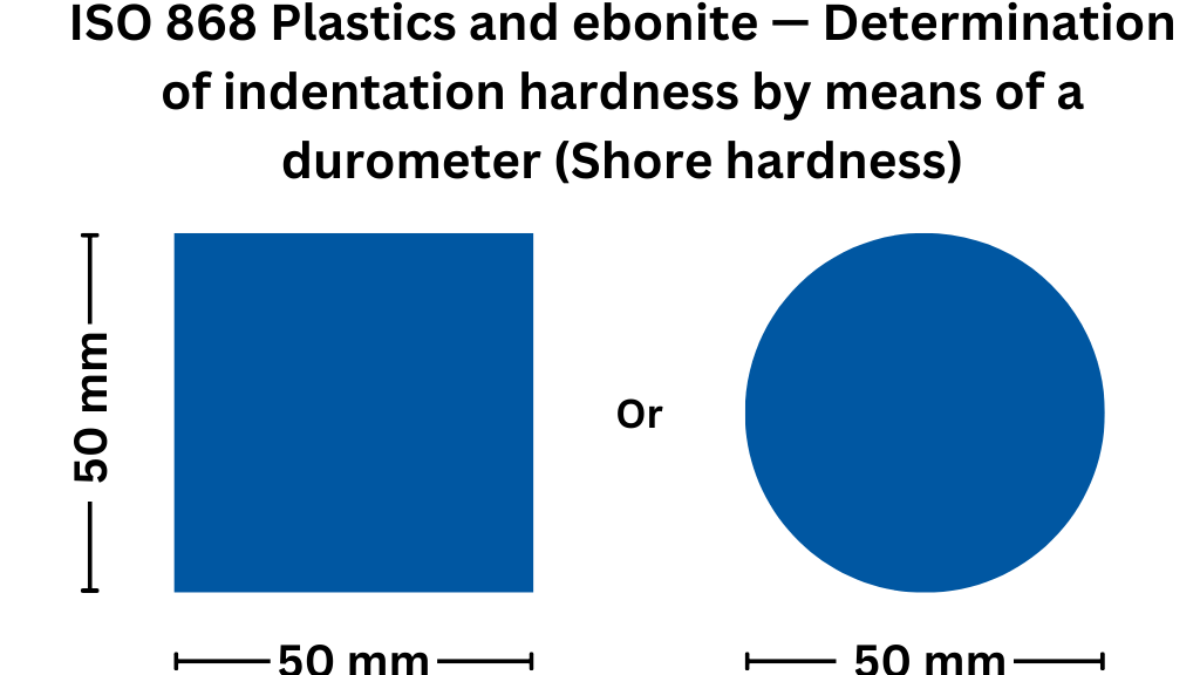
ISO 868 Plastics and ebonite — Determination of indentation hardness by means of a durometer (Shore hardness)

ISO 868 Plastics and ebonite — Determination of indentation hardness by means of a durometer (Shore hardness)

ISO 868 Plastics and ebonite — Determination of indentation hardness by means of a durometer (Shore hardness)

Mastering Material Hardness with ISO 868 at Kiyo R&D Center & Laboratory

Introduction

In the realm of materials testing, determining the hardness of plastics and ebonite is a fundamental task that influences product quality and performance. At Kiyo R&D Center & Laboratory, we utilize the ISO 868 standard to perform precise Shore hardness testing. This blog explores the significance of ISO 868 and how we implement it to ensure our clients receive accurate hardness measurements.

The Essence of ISO 868

ISO 868 is an international standard that provides a method for measuring the indentation hardness of plastics and ebonite using a durometer, commonly known as Shore hardness. This standard is vital for industries that depend on precise material properties to meet their quality and performance requirements.

The Role of Shore Hardness Testing

Shore hardness testing is integral for understanding a material’s resistance to indentation. This test helps determine a material’s rigidity, flexibility, and overall durability. It is particularly crucial for applications where hardness affects performance, such as in automotive components, consumer goods, and medical devices.

Our Testing Process

At Kiyo R&D Center & Laboratory, we adhere to the ISO 868 standard to ensure precise hardness testing. Our process involves:

  1. Sample Preparation: The sample is prepared according to ISO 868 specifications, ensuring a smooth surface free from irregularities.
  2. Calibration: We calibrate the durometer to guarantee accurate measurements.
  3. Measurement: The durometer indenter is pressed into the sample, and the hardness value is read from the durometer’s scale. Different Shore scales (A or D) may be used based on the material.
  4. Data Analysis: We analyze the results to determine the material’s hardness profile, providing insights into its suitability for various applications.

Applications Across Industries

Shore hardness testing is essential across numerous industries. In the automotive sector, rubber components’ hardness impacts safety and performance. In the medical field, the hardness of plastic parts in medical devices is critical for functionality and safety.

Why Choose Us?

Kiyo R&D Center & Laboratory is dedicated to providing accurate materials testing services. Our strict adherence to ISO 868 ensures reliable data, helping our clients make informed decisions. With advanced equipment and a skilled team, we offer exceptional Shore hardness testing services.

Conclusion

ISO 868 is crucial for determining the hardness of plastics and ebonite. At Kiyo R&D Center & Laboratory, we follow this standard meticulously, ensuring precise and reliable results. Stay connected with our blog for more insights into our testing procedures and services.


ISO 868 Plastics and ebonite — Determination of indentation hardness by means of a durometer (Shore hardness)

FAQ

1. What is ISO 868?

ISO 868 is an international standard that specifies the method for determining the indentation hardness of plastics and ebonite using a durometer.

2. What types of Shore hardness scales are used?

The most common Shore hardness scales used are Shore A and Shore D. Shore A is typically used for softer materials, while Shore D is used for harder materials.

3. How does Kiyo R&D Center & Laboratory ensure accurate testing?

We adhere strictly to the ISO 868 standard, calibrate our equipment regularly, and follow meticulous sample preparation and testing procedures to ensure precise and reliable results.
ASTM D 2240 Standard Test Method for Rubber Property—Durometer Hardness

ASTM D 2240 Standard Test Method for Rubber Property—Durometer Hardness

ASTM D 2240 Standard Test Method for Rubber Property—Durometer Hardness

Exploring the ASTM D 2240 Standard Test Method for Rubber Property—Durometer Hardness

Introduction

At Kiyo R&D Center & Laboratory, we prioritize precision and accuracy in material testing to ensure that our clients receive reliable data for their products. One of the critical tests we conduct is the ASTM D 2240 Standard Test Method for Rubber Property—Durometer Hardness. This method is essential for understanding the hardness of rubber and elastomers, which impacts their performance in various applications.

What is ASTM D 2240?

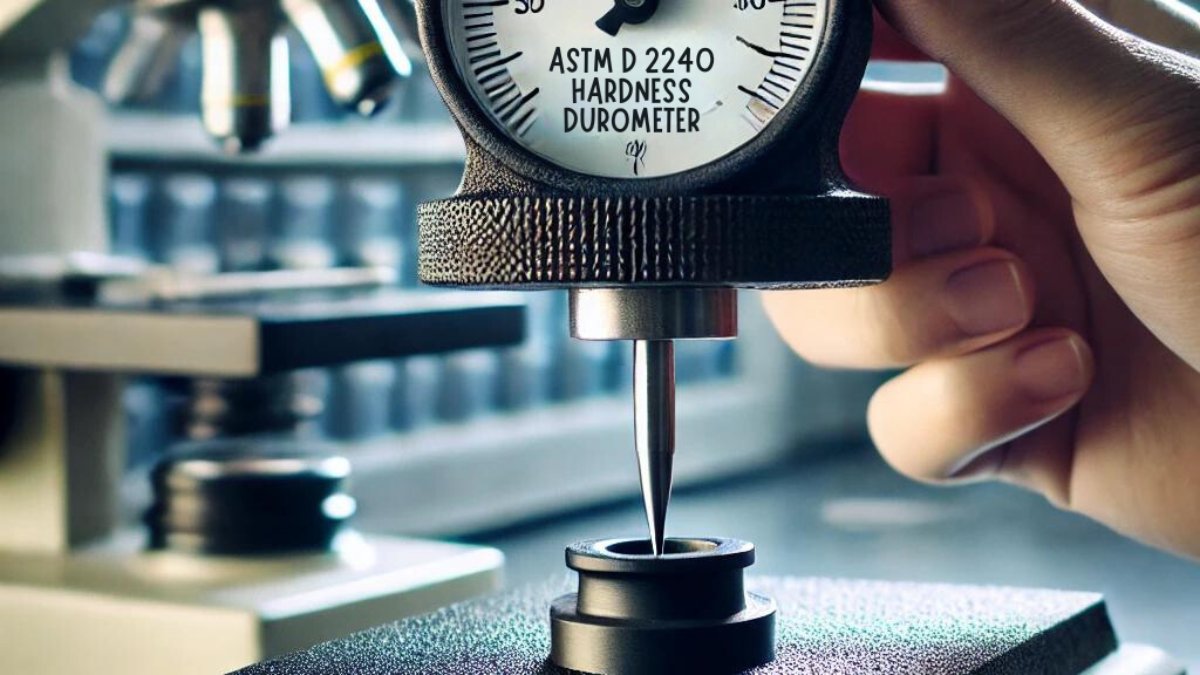
The ASTM D 2240 standard outlines the procedure for measuring the hardness of rubber and elastomeric materials using a durometer. A durometer is an instrument designed to indent the material’s surface and measure its resistance to deformation. This resistance is recorded as a hardness value, which helps in assessing the material’s rigidity and suitability for specific uses.

Why is Durometer Hardness Important?

Durometer hardness testing plays a crucial role in several areas:

  1. Material Selection: Different applications demand specific hardness levels. For example, softer rubber may be ideal for cushioning, while harder rubber is necessary for structural components.
  2. Quality Assurance: Consistent hardness is vital for product quality. Variations in hardness can affect a product’s performance and longevity.
  3. Standard Compliance: Meeting industry standards like ASTM D 2240 ensures products fulfill regulatory and customer requirements.

The Testing Procedure

At Kiyo R&D Center & Laboratory, our durometer hardness testing involves the following steps:

  1. Sample Preparation: The material sample is prepared according to ASTM D 2240 guidelines, ensuring a smooth, clean surface free from defects.
  2. Durometer Selection: We select the appropriate durometer type (e.g., Type A for softer materials, Type D for harder materials) based on the material’s hardness range.
  3. Measurement: The durometer is applied to the material’s surface with a specified force, and the hardness value is recorded. Multiple readings are taken for accuracy.
  4. Analysis: The recorded values are analyzed to determine the material’s hardness characteristics, aiding in material selection and quality control.

Applications of Durometer Hardness Testing

Durometer hardness testing is essential in various industries:

  • Automotive: Testing tires, gaskets, and seals to ensure they meet performance and safety standards.
  • Aerospace: Evaluating elastomeric components in aircraft for reliability under extreme conditions.
  • Medical Devices: Ensuring rubber materials in medical products comply with regulatory standards.
  • Consumer Goods: Assessing rubber components in products like footwear and household items for durability and comfort.

Innovation in Durometer Hardness Testing

At Kiyo R&D Center & Laboratory, we continuously invest in advanced testing technologies to enhance the precision and reliability of our durometer hardness tests. Our modern facilities and skilled technical team ensure we deliver accurate and consistent results, empowering our clients to make informed decisions about their materials and products.

Conclusion

The ASTM D 2240 Standard Test Method for Rubber Property—Durometer Hardness is a critical tool for evaluating the hardness and performance of rubber and elastomeric materials. Kiyo R&D Center & Laboratory is dedicated to upholding this standard, providing high-quality testing services that help our clients achieve their objectives and maintain a competitive edge.

Discover more about our durometer hardness testing services and their benefits by exploring our website or consulting with our expert team. Together, we can ensure the reliability and excellence of your rubber materials and products.

ASTM D 2240 Standard Test Method for Rubber Property—Durometer Hardness

FAQ

How is the ASTM D 2240 test performed?

The test involves preparing the material sample, selecting the appropriate durometer, applying the durometer to the material's surface with a specified force, and recording the hardness value. Multiple readings are taken to ensure accuracy.

What industries benefit from durometer hardness testing?

Durometer hardness testing is used in various industries, including automotive, aerospace, medical devices, and consumer goods, to ensure the reliability and performance of rubber components.

How does Kiyo R&D Center & Laboratory ensure accurate testing?

At Kiyo R&D Center & Laboratory, we use state-of-the-art equipment and methodologies, along with a skilled technical team, to deliver precise and consistent durometer hardness test results.
Plastic and Rubber Testing Laboratory in Chennai

Plastic and Rubber Testing Laboratory in Chennai

Plastic and Rubber Testing Laboratory in Chennai

Excellence in Material Testing: Discover Kiyo R&D Center and Laboratory


Introduction

In the heart of Chennai’s industrial sector, Kiyo R&D Center and Laboratory stands as a leader in plastic and rubber testing. Our laboratory is committed to delivering unparalleled precision and reliability, helping clients across various industries achieve superior product quality. This blog explores the specialized capabilities and services of Kiyo R&D Center and Laboratory that set us apart as the top plastic and rubber testing laboratory in Chennai.

Advanced Testing Facilities

Kiyo R&D Center and Laboratory boasts advanced testing facilities that are at the forefront of material science innovation. Our laboratory is equipped with sophisticated testing equipment that can accurately assess the durability, flexibility, and resistance properties of plastics and rubbers. Whether it’s conducting stress-strain analyses or evaluating environmental impact resistance, our facilities are designed to handle complex testing requirements with utmost precision.

Dedicated to Quality Assurance

At Kiyo R&D Center and Laboratory, maintaining the highest standards of quality is our priority. We operate under stringent compliance with international testing standards, ensuring that each test we perform is both accurate and reliable. Our dedication to quality assurance makes Kiyo R&D Center and Laboratory a trusted name in the plastic and rubber testing industry in Chennai.

A Team of Experts

The backbone of Kiyo R&D Center and Laboratory is our team of expert technicians and scientists. With extensive training and experience in plastic and rubber testing, our team ensures that every analysis is performed meticulously. Their expertise not only ensures high-quality testing results but also provides valuable insights that aid our clients in enhancing their product designs.

Tailored Client Solutions

Understanding that each client has unique needs, Kiyo R&D Center and Laboratory offers tailored testing solutions. We work closely with our clients to understand their specific requirements and customize our services to suit their needs perfectly. This client-centric approach has cemented our reputation as the go-to plastic and rubber testing laboratory in Chennai.

Conclusion

Kiyo R&D Center and Laboratory is your partner in ensuring the highest quality and compliance for plastic and rubber products. Our advanced facilities, commitment to quality, expert team, and customized service approach make us the best choice for comprehensive material testing in Chennai. Choose Kiyo R&D Center and Laboratory and ensure your products are tested by the best.

Plastic and Rubber Testing Laboratory in Chennai

FAQ

1. Are the testing methods at Kiyo R&D compliant with international standards?

Absolutely. Kiyo R&D Center and Laboratory adheres to global testing standards such as ASTM and ISO. Our methods are regularly updated and audited to comply with the latest industry standards and regulatory requirements.

2. Does Kiyo R&D Center and Laboratory offer any consulting services to help choose the right tests?

Yes, we offer consulting services to assist clients in selecting the appropriate tests based on their specific requirements and industry standards. Our experts are available to guide you through the testing process and ensure that the chosen tests will meet your needs and objectives.

3. What industries does Kiyo R&D Center and Laboratory typically serve?

Kiyo R&D Center and Laboratory serves a diverse range of industries including automotive, aerospace, manufacturing, consumer goods, and healthcare, among others. We are equipped to handle the specific testing needs of various sectors requiring plastic and rubber material analysis.
Rubber Testing - Metal Testing Lab in Chennai

Rubber Testing – Metal Testing Lab in Chennai

Rubber Testing - Metal Testing Lab in Chennai

Unmatched Expertise in Rubber and Metal Testing in Chennai

Introduction

At Kiyo R&D Center & Laboratory, we specialize in providing comprehensive rubber and metal testing services in Chennai. Our advanced testing capabilities and dedicated team of experts ensure that we deliver precise and reliable results to meet the demanding requirements of various industries.

Specialized Testing Capabilities

Our laboratory is equipped with cutting-edge technology to perform a wide array of tests, ensuring that our clients receive accurate and comprehensive data on their materials.

1. Hardness Testing: Hardness testing measures the resistance of a material to deformation, providing critical insights into its wear resistance and durability. This test is essential for materials used in applications subjected to constant stress and friction.

2. Compression Testing: Compression testing evaluates the behavior of materials under compressive loads. It is crucial for materials used in structural applications, ensuring they can withstand the forces they will encounter in service.

3. Fatigue Testing: Fatigue testing assesses the durability of materials under cyclic loading conditions. This test is vital for components that experience repeated stress, helping to predict their lifespan and performance over time.

4. Creep Testing: Creep testing determines the deformation of materials under sustained load and temperature conditions. It is essential for materials used in high-temperature environments, such as power plants and aerospace applications.

5. Chemical Analysis: Chemical analysis identifies the composition of materials, ensuring they meet specific chemical requirements. This analysis is crucial for quality control and material verification in various industries.

Cutting-Edge Analytical Tools

At Kiyo R&D Center & Laboratory, we employ advanced analytical tools to provide detailed insights into material properties. Our testing services go beyond standard mechanical tests to include sophisticated techniques for a thorough understanding of materials.

FTIR Spectroscopy: FTIR spectroscopy is used to identify organic and inorganic compounds in materials. It provides detailed information about the chemical structure and composition, aiding in material development and quality control.

SEM Imaging: SEM imaging offers high-resolution visualization of material surfaces, revealing intricate details about the microstructure. This technique is indispensable for failure analysis and material characterization.

Quality Assurance and Compliance

We are committed to maintaining the highest standards of quality in all our testing services. Our laboratory follows strict quality control protocols and complies with international testing standards to ensure the accuracy and reliability of our results.

Serving a Wide Range of Industries

Kiyo R&D Center & Laboratory supports a diverse array of industries, including automotive, aerospace, electronics, and construction. Our expertise in rubber and metal testing helps our clients develop high-performance materials that meet stringent industry standards.

Conclusion

Kiyo R&D Center & Laboratory is your trusted partner for rubber and metal testing in Chennai. Our commitment to precision, innovation, and quality ensures that we deliver the highest standard of testing services. Rely on us for all your material testing needs and experience the excellence that sets us apart.


Rubber Testing - Metal Testing Lab in Chennai

FAQ

Q1: How do you ensure the accuracy of your test results?

A1: We follow stringent quality control protocols, utilize advanced testing equipment, and adhere to international testing standards to ensure the accuracy and reliability of our results.

Q2: Can you provide customized testing services?

A2: Yes, we offer customized testing services tailored to meet the specific needs and requirements of our clients across various industries.

Q3: What industries do you serve?

A3: We serve a wide range of industries, including automotive, aerospace, construction, electronics, and more, providing specialized testing solutions for each sector.