Gloss as per Standard MS 300-55

Gloss as per Standard MS 300-55

Gloss as per Standard MS 300-55

The Significance of Gloss in Material Testing: A Deep Dive into Standard MS 300-55


Introduction

Gloss as per Standard MS 300-55

Understanding Gloss

Gloss refers to the ability of a surface to reflect light in a mirror-like manner. This property is essential in determining the visual appeal of products, making it a critical parameter in industries such as automotive, consumer electronics, and home appliances. The level of gloss can range from high (shiny) to low (matte), each serving different purposes and preferences.

Key Elements of Standard MS 300-55

  1. Scope and Relevance: Standard MS 300-55 is applicable to a wide array of materials, including but not limited to plastics, metals, and coatings. It provides a universal approach to gloss measurement, ensuring consistency in quality control processes.
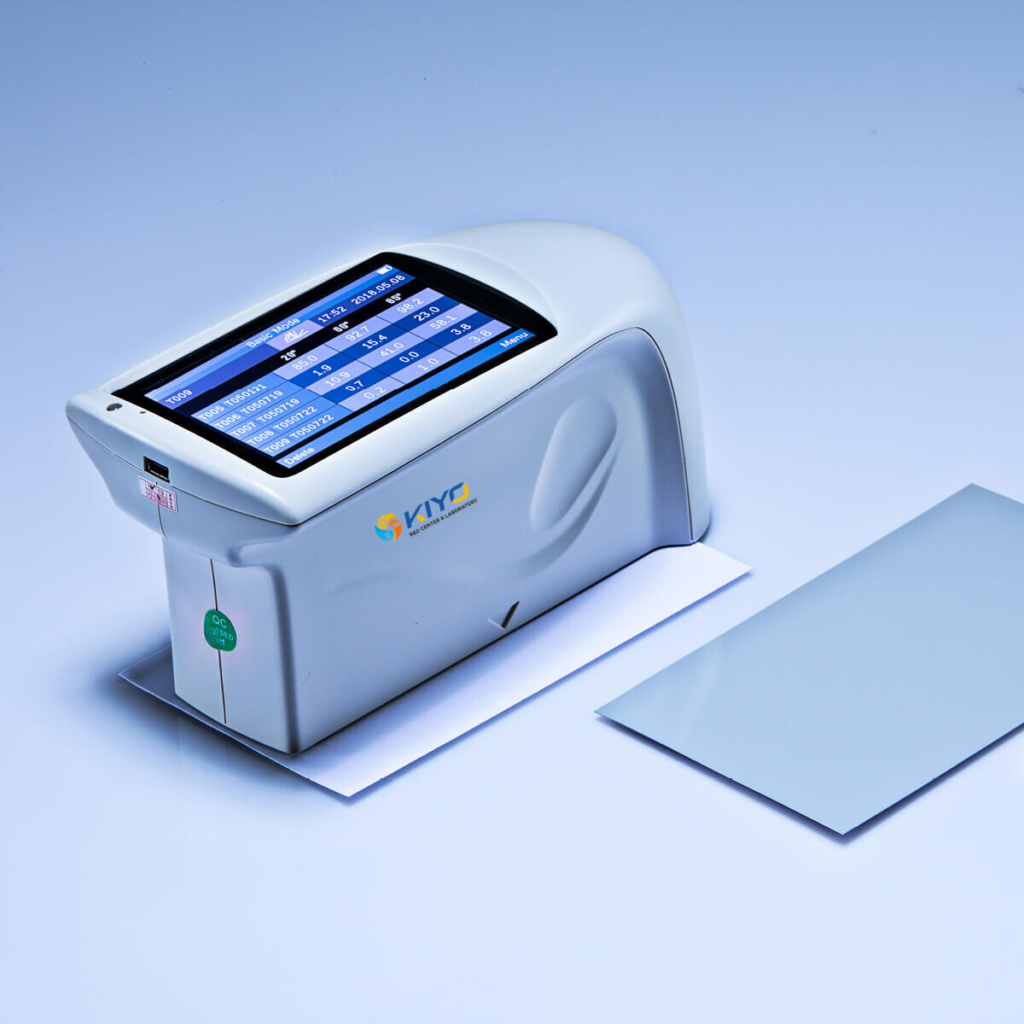
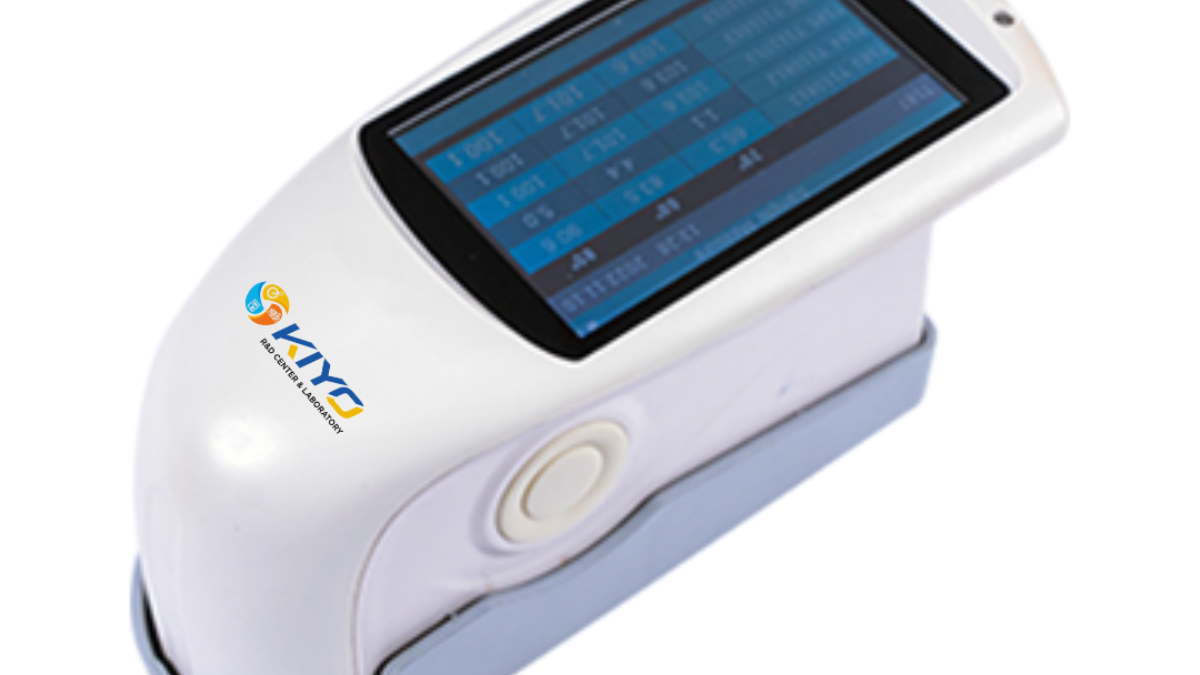
  2. Measurement Techniques: The standard employs a glossmeter, an instrument designed to measure the reflection of light from a surface. The glossmeter operates at specific angles—20°, 60°, and 85°—to accommodate different levels of gloss:
    • 20°: Suitable for high-gloss surfaces.
    • 60°: The general-purpose angle, used for a broad range of gloss levels.
    • 85°: Best for low-gloss surfaces.
  3. Sample Preparation: Proper sample preparation is critical. Surfaces must be clean, free of scratches, and dry to ensure accurate readings. The standard outlines meticulous procedures for preparing samples to eliminate any variables that could affect the measurement.
  4. Calibration and Maintenance: Regular calibration of glossmeters using standard reference materials is mandated by MS 300-55. This ensures the accuracy and reliability of measurements, with specific guidelines provided for calibration procedures.
  5. Measurement Protocol: Detailed instructions are provided for conducting measurements. This includes the positioning of the glossmeter, the number of readings required, and the method for calculating the average gloss value. The standard advocates for multiple readings to account for surface inconsistencies.
  6. Reporting Standards: Transparency in reporting is emphasized. Results should include the measurement angle, average gloss value, and any deviations or anomalies. This detailed reporting aids in quality control and product comparison.

Applications in Industry

  • Automotive: In the automotive sector, gloss is crucial for the exterior and interior finishes of vehicles. High gloss levels are often associated with premium quality, enhancing the vehicle’s aesthetic appeal.
  • Consumer Electronics: Gloss impacts the visual and tactile experience of electronic devices. High gloss surfaces are common in smartphones and tablets, where appearance plays a significant role in consumer preference.
  • Home Appliances: From refrigerators to washing machines, the gloss of the surface can influence the perceived cleanliness and modernity of the product.

Benefits of Adhering to MS 300-55

By following Standard MS 300-55, manufacturers can achieve several benefits:

  • Consistency: Uniform gloss measurements across batches ensure product consistency.
  • Quality Assurance: Accurate gloss measurement aids in maintaining high quality, meeting industry standards, and customer expectations.
  • Reproducibility: The standard ensures that gloss measurements are reproducible, providing reliable data for quality control.
Gloss as per Standard MS 300-55

Conclusion


FAQ

1. How often should glossmeters be calibrated?

Glossmeters should be calibrated regularly using standard reference materials with known gloss values. The frequency of calibration depends on the usage and manufacturer recommendations.

2. What information should be included in gloss measurement reports?

Reports should include the measurement angle, average gloss value, any deviations observed, and details about the sample preparation and measurement conditions.

3. In which industries is gloss measurement particularly crucial?

Gloss measurement is vital in the automotive, plastics, and consumer goods industries. It ensures the quality and visual appeal of products such as vehicle finishes, plastic components, and electronic devices.
Volatile Organic Compounds- MS 300-55

Volatile Organic Compounds- MS 300-55

Volatile Organic Compounds- MS 300-55

Ensuring Safety and Compliance with the MS 300-55 VOC Standard


Introduction

Volatile Organic Compounds- MS 300-55

Understanding VOCs

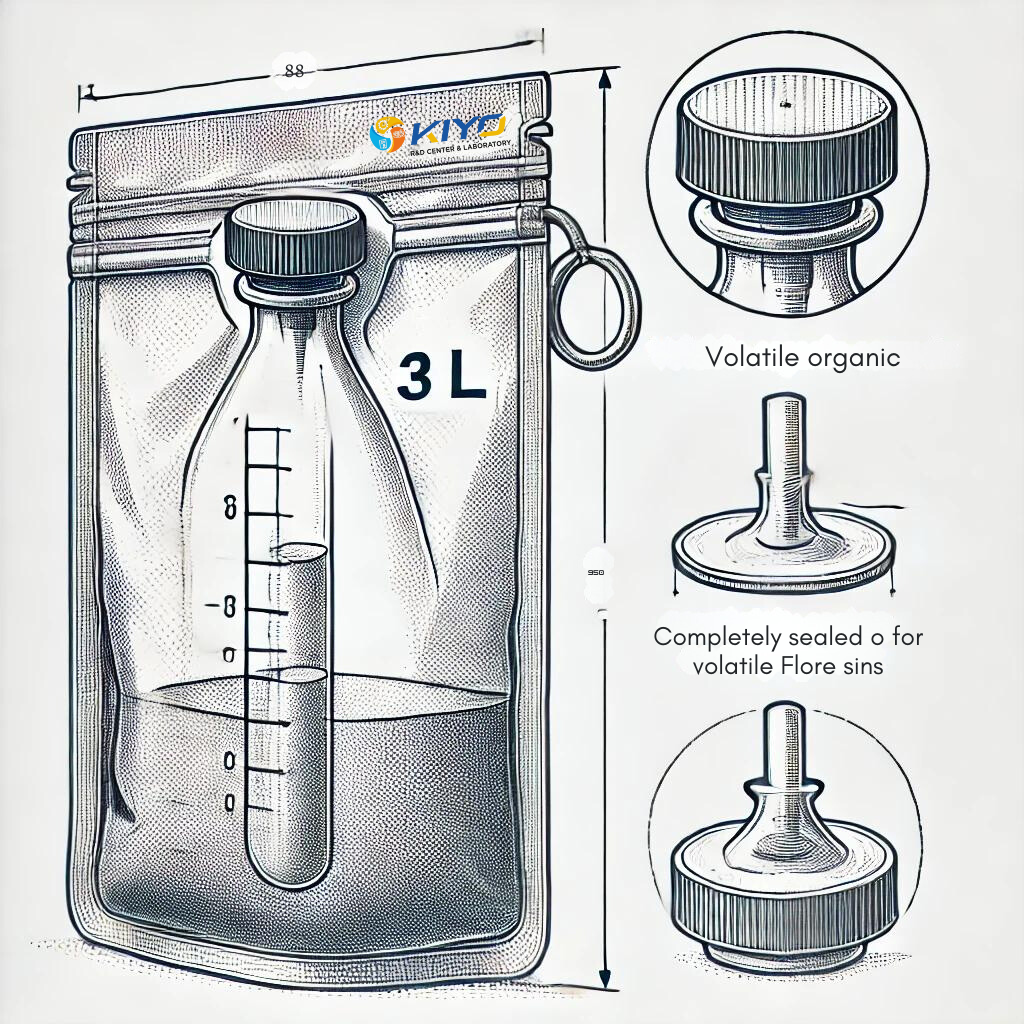
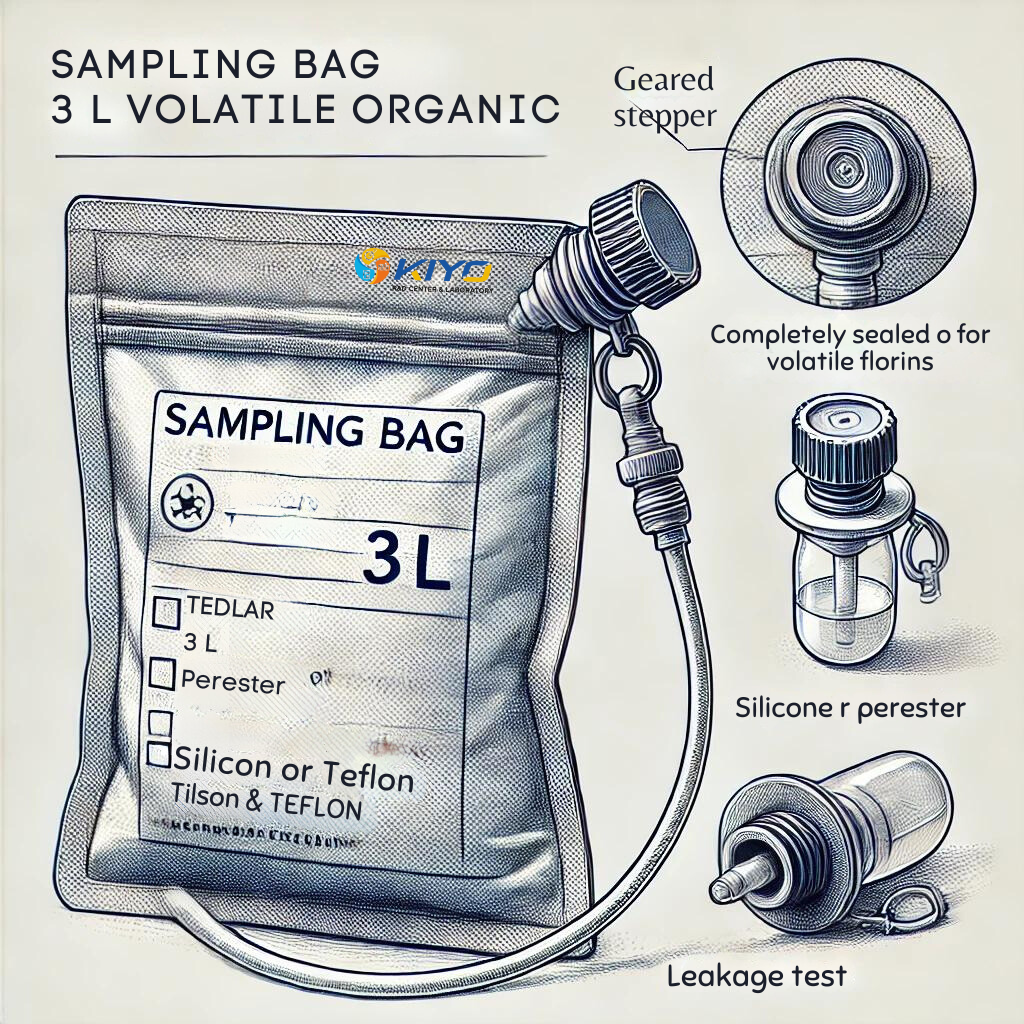
VOCs are organic chemicals that have a high vapor pressure at room temperature, leading to significant vaporization and release into the atmosphere. Common sources include paints, coatings, adhesives, and cleaning agents. Exposure to VOCs can lead to various health issues, including respiratory problems, headaches, and eye irritation. Additionally, VOCs contribute to environmental issues such as air pollution and the formation of ground-level ozone.

The MS 300-55 Standard: A Comprehensive Approach

The MS 300-55 standard provides detailed guidelines for the assessment and management of VOC content in products. It is designed to help manufacturers, suppliers, and regulatory bodies ensure that VOC levels are within safe and acceptable limits.

  1. Objective and Scope
    • The MS 300-55 standard aims to protect public health and the environment by regulating the VOC content in products. It covers a wide range of materials and provides a clear methodology for testing and compliance.
  2. Testing Methodology
    • The standard outlines the specific procedures for VOC testing, including sample preparation, equipment calibration, and analytical methods. This ensures consistency and accuracy in the measurement of VOC levels.
  3. Equipment Requirements
    • Advanced analytical instruments are required to accurately measure VOC content. The MS 300-55 standard specifies the types of equipment that should be used and the necessary calibration procedures to maintain their precision.
  4. Data Analysis and Interpretation
    • Accurate data analysis is crucial for determining compliance with the MS 300-55 standard. The standard provides guidelines for interpreting the results and reporting them in a standardized format to ensure transparency and reliability.
  5. Compliance and Certification
    • Products that meet the criteria set by the MS 300-55 standard are certified, indicating that they adhere to stringent VOC regulations. This certification is essential for manufacturers to demonstrate the safety and environmental compliance of their products.

Benefits of the MS 300-55 Standard

  • Health and Safety

    • By regulating VOC levels, the MS 300-55 standard helps protect consumers and workers from harmful exposure, promoting a safer environment.
  • Environmental Sustainability

    • Compliance with the standard reduces the release of VOCs into the atmosphere, contributing to better air quality and environmental protection.
  • Regulatory Compliance

    • Adhering to the MS 300-55 standard ensures that products meet local and international regulations, avoiding legal complications and potential fines.
  • Market Advantage

    • Certification under the MS 300-55 standard can enhance a product’s marketability, as consumers increasingly prioritize environmentally friendly and safe products.

Implementing the MS 300-55 Standard

For manufacturers looking to comply with the MS 300-55 standard, it is essential to partner with a reputable testing laboratory. Kiyo R&D Center & Laboratory offers comprehensive VOC testing services, utilizing state-of-the-art equipment and methodologies to ensure accurate and reliable results.

Our team of experts is dedicated to helping you navigate the complexities of VOC regulations and achieve compliance with the MS 300-55 standard. By choosing Kiyo R&D Center & Laboratory, you can be confident in the safety, quality, and environmental compliance of your products.


Volatile Organic Compounds- MS 300-55

Conclusion


FAQ

What types of equipment are used for VOC testing according to MS 300-55?

Advanced analytical instruments are required for accurate VOC measurement. The standard outlines the types of equipment and calibration procedures necessary to maintain high accuracy and reliability in test results.

How are VOC test results reported?

The MS 300-55 standard provides guidelines for analyzing and reporting VOC test results. This ensures that the data is presented consistently and transparently.

What are the benefits of complying with the MS 300-55 standard?

Compliance with the MS 300-55 standard protects health, enhances environmental sustainability, ensures regulatory adherence, and improves market competitiveness through certification.

How can a company achieve MS 300-55 certification?

Companies can achieve MS 300-55 certification by partnering with a reputable testing laboratory that follows the standard's guidelines for VOC testing and analysis. The laboratory will provide the necessary testing, data analysis, and certification services.
Fogging - MS 300-54

Fogging – MS 300-54

Fogging - MS 300-54

The Role of Fogging - MS 300-54 Testing in Material Quality Assurance

Introduction:

Fogging - MS 300-54

Understanding the Test Process:

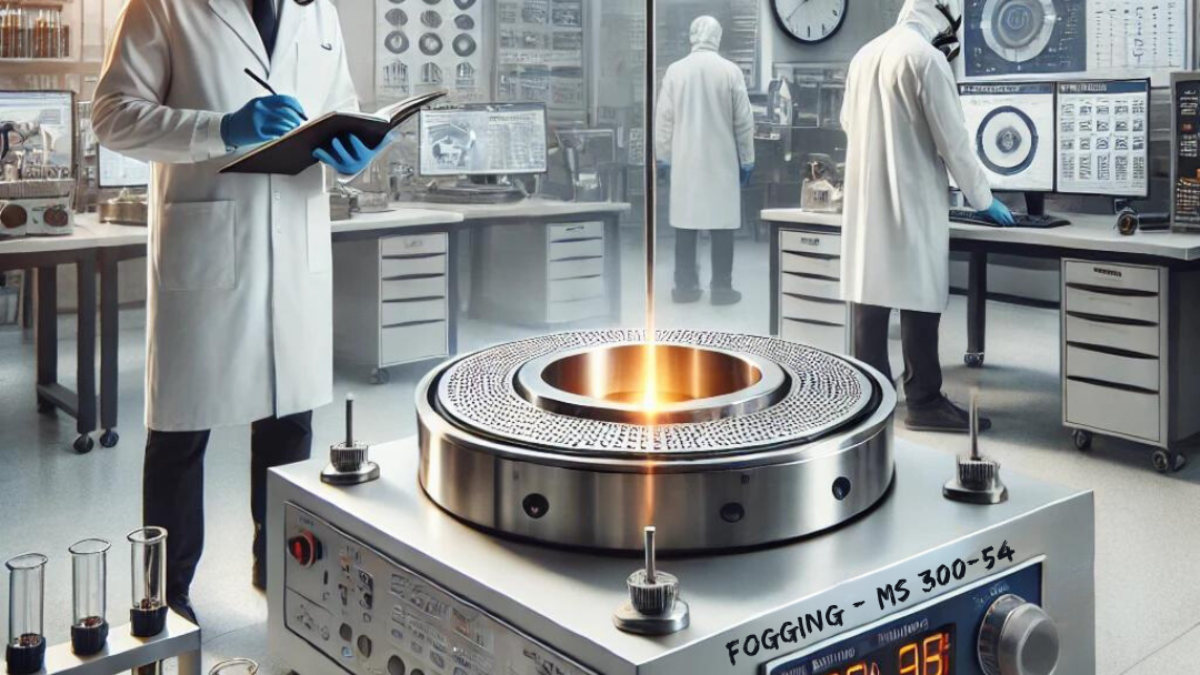
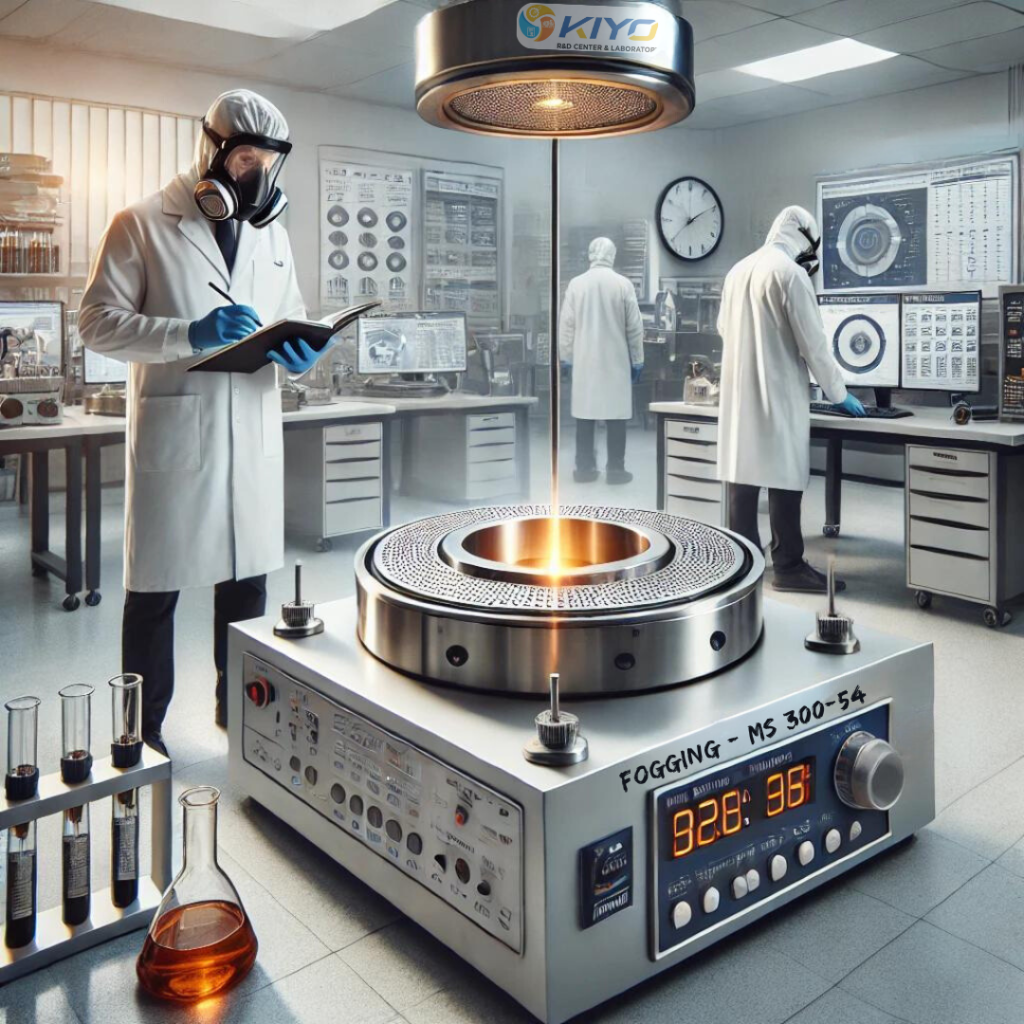
The Fogging – MS 300-54 test involves placing a sample material on a heated metal plate to simulate operational conditions. As the material is heated, any volatile substances it emits are captured on a cooler surface, allowing us to measure the degree of fogging. This setup mimics real-world scenarios where materials are exposed to varying temperatures.

At Kiyo R&D Center & Laboratory, our advanced facilities are equipped with the latest technological tools to conduct this test with high precision. We use sophisticated temperature sensors and control systems to monitor the testing environment meticulously, ensuring reliable and reproducible results.

Importance Across Industries

This test is essential for the automotive industry, where interior components must not emit substances that could fog up windshields, potentially obstructing the driver’s view. In aerospace, clear visibility of instrumentation is crucial, and materials must be rigorously tested to prevent any fogging that could impair functionality.

Additionally, the Fogging – MS 300-54 test is valuable in other sectors such as electronics, where clarity of screens and optical components is critical. Any industry relying on materials that must remain clear under heat exposure will find this test indispensable.

Fogging - MS 300-54

Conclusion:


FAQ

1. What are the common materials tested with the Fogging - MS 300-54 method?

Common materials include plastics, rubbers, and other polymers used in automotive interiors, aerospace components, electronics, and consumer products where clarity and performance under heat are critical.

2. How can the results of the Fogging - MS 300-54 test be used?

The results help manufacturers make informed decisions about material selection and product design, ensuring that the materials used do not compromise visibility or performance under operational conditions.

3. How long does the Fogging - MS 300-54 test take?

The duration of the test can vary depending on the material and specific testing conditions. Typically, the process involves sample preparation, testing, and detailed analysis, which can take several hours to a few days.

4. Can the Fogging - MS 300-54 test be customized for specific requirements?

Yes, at Kiyo R&D Center & Laboratory, we can customize the test parameters to meet specific client requirements and industry standards, ensuring relevant and accurate results for your application.

5. How do I learn more about the Fogging - MS 300-54 test at Kiyo R&D Center & Laboratory?

For more detailed information and specific inquiries, please refer to our official website or reach out to our customer service team through the provided contact channels.
Odor For Interior Materials - MS 300-34

Odor For Interior Materials – MS 300-34

Odor For Interior Materials - MS 300-34

Revolutionizing Odor Control: MS 300-34 for Interior Materials

Introduction

Odor For Interior Materials - MS 300-34

Understanding the Odor Problem

Odors in interior materials can stem from various sources, including manufacturing processes, environmental factors, and everyday usage. Traditional methods of dealing with these odors often fail to deliver long-term solutions, leaving users dissatisfied. MS 300-34 addresses this gap with its advanced technology.

Why MS 300-34 Stands Out

  • Innovative Technology: MS 300-34 employs a unique approach to neutralize odor-causing molecules at the source, ensuring a fresh environment without the need for masking agents.

  • Extended Freshness: With its long-lasting effects, MS 300-34 maintains a pleasant atmosphere for extended periods, reducing the frequency of reapplications and enhancing overall user comfort.

  • Eco-Friendly Formulation: Our product is crafted with non-toxic ingredients, making it safe for use and gentle on both the environment and materials.

Applications Across Industries

Whether used in automotive interiors, furniture, or building materials, MS 300-34 offers versatile applications. Its effectiveness ensures that all types of interior materials benefit from a cleaner, fresher environment.

Future-Forward Solutions

As we continue to innovate, MS 300-34 represents just one example of our commitment to advancing technology. We are dedicated to exploring new possibilities and developing solutions that meet the evolving needs of our clients.

Odor For Interior Materials - MS 300-34

Conclusion


FAQ

1. Can MS 300-34 be used on all interior materials?

Yes, MS 300-34 is versatile and can be applied to various components of a vehicle’s interior, including seat fabrics, floor mats, and headliners.

2. What are the benefits of using MS 300-34 for automakers?

Automakers benefit from MS 300-34 by offering a vehicle with an odor-free interior, enhancing customer satisfaction, gaining a competitive edge, and contributing to a sustainable automotive industry.

3. How is MS 300-34 different from traditional odor control methods?

Unlike traditional products that mask odors, MS 300-34 eliminates the odor-causing molecules, providing a more effective and lasting solution for maintaining a fresh vehicle interior.
Heavy Metal and Hazardous Substance As Per MS 210-05

Heavy Metal and Hazardous Substance As Per MS 210-05

Heavy Metal and Hazardous Substance As Per MS 210-05

Ensuring Product Safety and Compliance with MS 210-05: Heavy Metal and Hazardous Substance Testing

Introduction

Heavy Metal and Hazardous Substance As Per MS 210-05

Understanding MS 210-05

MS 210-05 is a comprehensive standard designed to ensure that products do not contain dangerous levels of substances such as lead, cadmium, mercury, and hexavalent chromium. These substances are known for their toxicity and potential health risks, making their detection and control vital for ensuring product safety.

The Importance of Testing

Testing for heavy metals and hazardous substances is essential for several reasons:

Health and Safety: The presence of toxic substances in products can lead to severe health issues, including neurological damage, respiratory problems, and cancer. Ensuring that products are free from these harmful substances protects both consumers and workers from potential health hazards.

Regulatory Compliance: Various international regulations, such as the Restriction of Hazardous Substances (RoHS) directive in the European Union, enforce strict limits on hazardous substances in products. Compliance with these regulations is crucial for market access and avoiding legal penalties.

Environmental Protection: Hazardous substances can cause significant environmental damage, contaminating soil, water, and air. Rigorous testing ensures that products are environmentally friendly and sustainable.

Advanced Testing Methods

At Kiyo R&D Center & Laboratory, we employ advanced analytical methods to detect and quantify heavy metals and hazardous substances. Techniques such as Atomic Absorption Spectroscopy (AAS), Inductively Coupled Plasma Mass Spectrometry (ICP-MS), and X-Ray Fluorescence (XRF) Spectroscopy are used to ensure precise and reliable results. These methods are highly sensitive and capable of detecting trace levels of metals, making them ideal for thorough testing.


Heavy Metal and Hazardous Substance As Per MS 210-05

Our Commitment to Compliance


FAQ

Q1: Who needs to comply with MS 210-05?

A1: Industries such as electronics, automotive, and consumer goods must comply with MS 210-05 to ensure their products are free from hazardous substances.

Q2: How often should products be tested for heavy metals and hazardous substances?

A2: Regular testing should be conducted based on production cycles, material changes, and regulatory updates to ensure continuous compliance.

Q3: What are the consequences of non-compliance with MS 210-05?

A3: Non-compliance can lead to health hazards, environmental damage, legal penalties, and loss of market access due to failure to meet regulatory standards.

Q4: How can Kiyo R&D Center & Laboratory assist with MS 210-05 compliance?

A4: Kiyo R&D provides comprehensive testing services using advanced facilities and expert analysis to ensure precise and reliable results for compliance.
Scuffing Test as per MS 210-05

Scuffing Test as per MS 210-05

Scuffing Test as per MS 210-05

A Key to Material Excellence: The Hyundai MS 210-05 Scuffing Test

The Role of Scuffing Tests in Automotive Materials

Scuffing Test as per MS 210-05

Why Scuffing Tests Matter

Scuffing tests play a significant role in:

  • Ensuring Longevity: By simulating the wear conditions materials encounter, these tests predict their lifespan.
  • Maintaining Quality: Consistent test results ensure materials meet high industry standards.
  • Cost Efficiency: Identifying durable materials helps reduce maintenance and replacement costs.

The MS 210-05 Standard

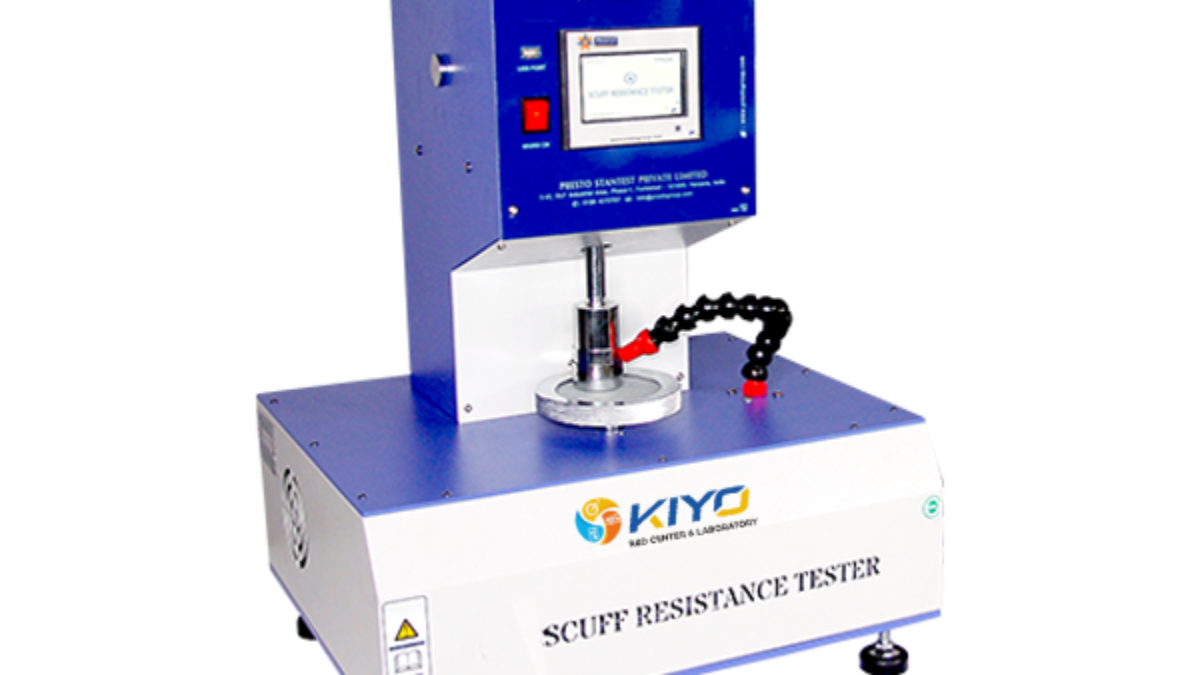
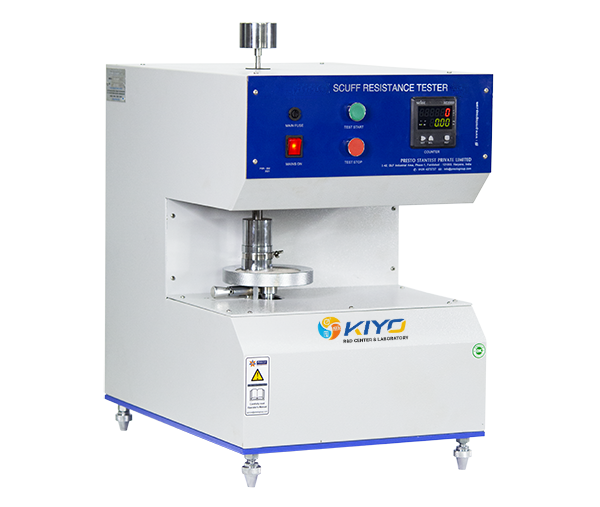
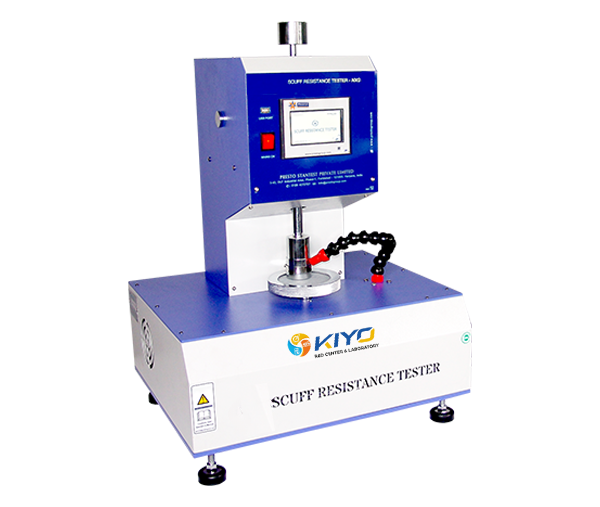
The Hyundai standard MS 210-05 outlines the specific procedures for conducting scuffing tests. It provides a uniform approach to evaluating wear resistance, ensuring reliable and consistent results.

Scuffing Test Procedure

  1. Specimen Preparation: Samples are prepared to the exact dimensions required.
  2. Equipment Setup: The testing apparatus is calibrated for precise conditions.
  3. Testing: Specimens undergo repeated surface contact to mimic wear and tear.
  4. Assessment: Signs of scuffing, such as surface damage and material transfer, are evaluated.

Benefits of MS 210-05

Adhering to the MS 210-05 standard provides several advantages:

  • Reliable Data: Consistent methodology ensures dependable results.
  • Enhanced Material Selection: Helps identify materials with superior wear resistance.
  • Quality Assurance: Confirms materials meet stringent automotive standards.


Scuffing Test as per MS 210-05

Kiyo R&D Center & Laboratory's Expertise


FAQ

Why is the scuffing test important?

The scuffing test is crucial for ensuring the durability and longevity of materials used in automotive applications. It helps in identifying materials that can withstand harsh conditions, ensuring high quality and reducing costs associated with frequent repairs and replacements.

What materials are typically tested using the scuffing test?

Materials commonly tested include various metals, plastics, and coatings used in automotive components. These materials are chosen for their application in parts that undergo significant wear and friction, such as gears, bearings, and surface coatings.

How does Kiyo R&D Center & Laboratory ensure the accuracy of the scuffing test?

At Kiyo R&D Center & Laboratory, we adhere strictly to the Hyundai MS 210-05 standard. Our testing protocols involve precise calibration of equipment, controlled testing environments, and thorough evaluation of results to ensure accuracy and reliability.

Can the scuffing test results be used to improve material performance?

Yes, the results from scuffing tests are invaluable in guiding the development of new materials and coatings that offer enhanced durability. By understanding how materials perform under stress, engineers can make informed decisions to improve material properties and performance.
Weatherability Test as Per MS 210-05

Weatherability Test as Per MS 210-05

Weatherability Test as Per MS 210-05

Weatherability Testing for Automotive Materials: Adhering to MS 210-05 Hyundai Standards


Introduction

Weatherability Test as Per MS 210-05

Understanding Weatherability Testing

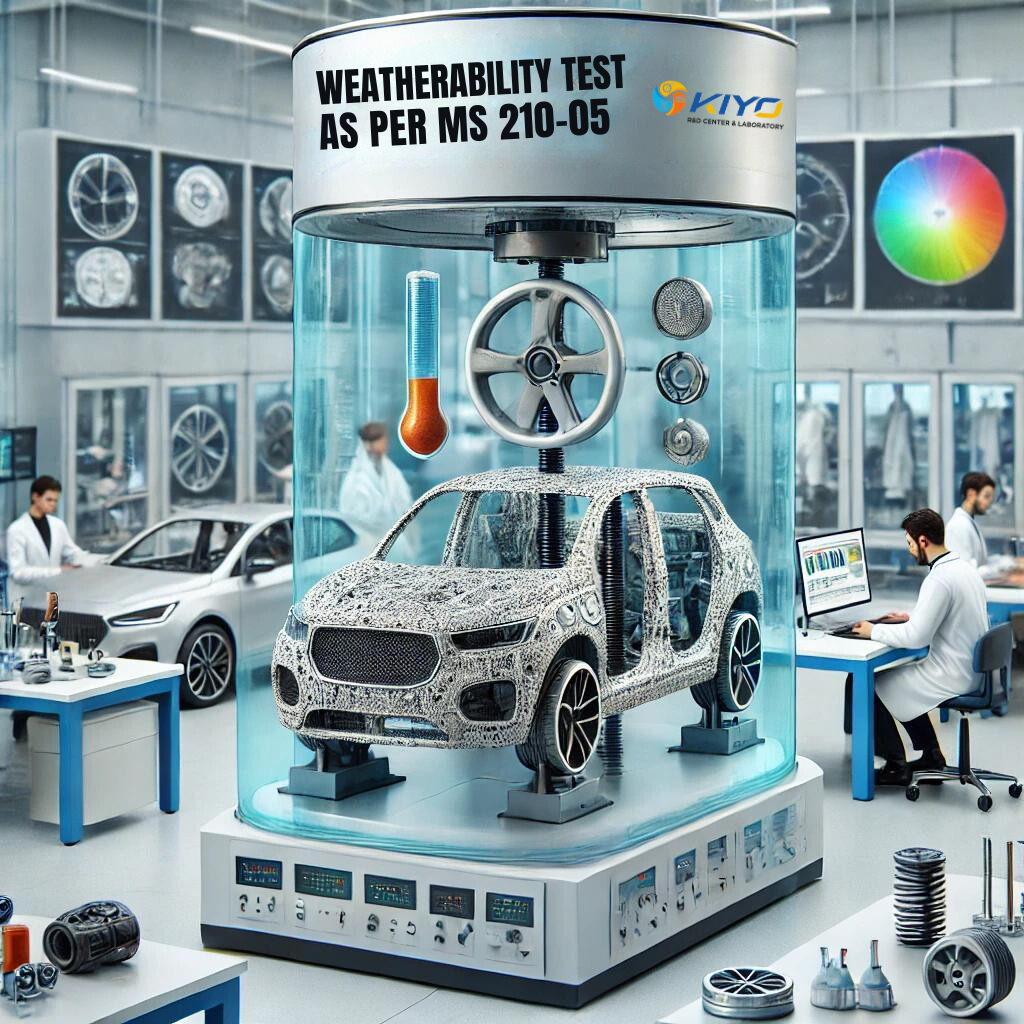
Weatherability testing examines a material’s ability to endure exposure to environmental factors such as UV radiation, temperature changes, and moisture. For automotive materials, this testing ensures that components can withstand harsh conditions without compromising performance or appearance.

The MS 210-05 Standard

The MS 210-05 standard provides a structured approach to weatherability testing, ensuring consistency and reliability in test results. Adherence to this standard is crucial for manufacturers aiming to produce high-quality, durable automotive components.

Testing Procedure Overview

  1. Sample Preparation: Samples are conditioned to meet standard requirements.
  2. Exposure: Samples are subjected to controlled UV light, temperature variations, and moisture to simulate real-world conditions.
  3. Evaluation: Post-exposure, samples are assessed for changes in physical and aesthetic properties.

Significance of Weatherability Testing

Weatherability testing is essential for several reasons:

  • Durability Assurance: Ensures materials can endure environmental conditions without degrading.
  • Aesthetic Maintenance: Helps in selecting materials that retain their appearance despite exposure to harsh conditions.
  • Standard Compliance: Demonstrates commitment to industry standards, enhancing market competitiveness.

Benefits of Weatherability Testing

  1. Product Longevity: Ensures materials last longer, reducing the need for frequent replacements.
  2. Enhanced Customer Satisfaction: Durable, high-quality materials lead to greater consumer trust and satisfaction.
  3. Cost Efficiency: Reduces long-term maintenance and replacement costs.

Weatherability Testing at Our Facility

Our facility provides comprehensive weatherability testing services, adhering strictly to the MS 210-05 standard. Our state-of-the-art equipment and experienced team ensure precise and reliable results.


Weatherability Test as Per MS 210-05

Conclusion


FAQ

1. How does weatherability testing impact product development

By identifying materials that perform well under environmental stress, manufacturers can select or improve materials to enhance product durability and quality, resulting in better-performing products in the market.

2. Can weatherability testing predict the lifespan of automotive materials?

While it doesn't provide an exact lifespan, weatherability testing offers valuable insights into how materials will perform under prolonged exposure to environmental conditions, helping predict their long-term durability.

3. How often should weatherability testing be performed?

Frequency depends on material innovation cycles and regulatory changes. Regular testing ensures materials continue to meet evolving standards and performance expectations.

4. What types of materials are tested for weatherability in the automotive industry?

Common materials include plastics, paints, coatings, fabrics, and composites used in interior and exterior automotive components.
Wet-Soiling and Cleanability Test as Per MS 210-05

Wet-Soiling and Cleanability Test as Per MS 210-05

Wet-Soiling and Cleanability Test as Per MS 210-05

Comprehensive Guide to Wet-Soiling and Cleanability Testing as Per MS 210-05

Introduction

Wet-Soiling and Cleanability Test as Per MS 210-05

What is Wet-Soiling and Cleanability Testing?

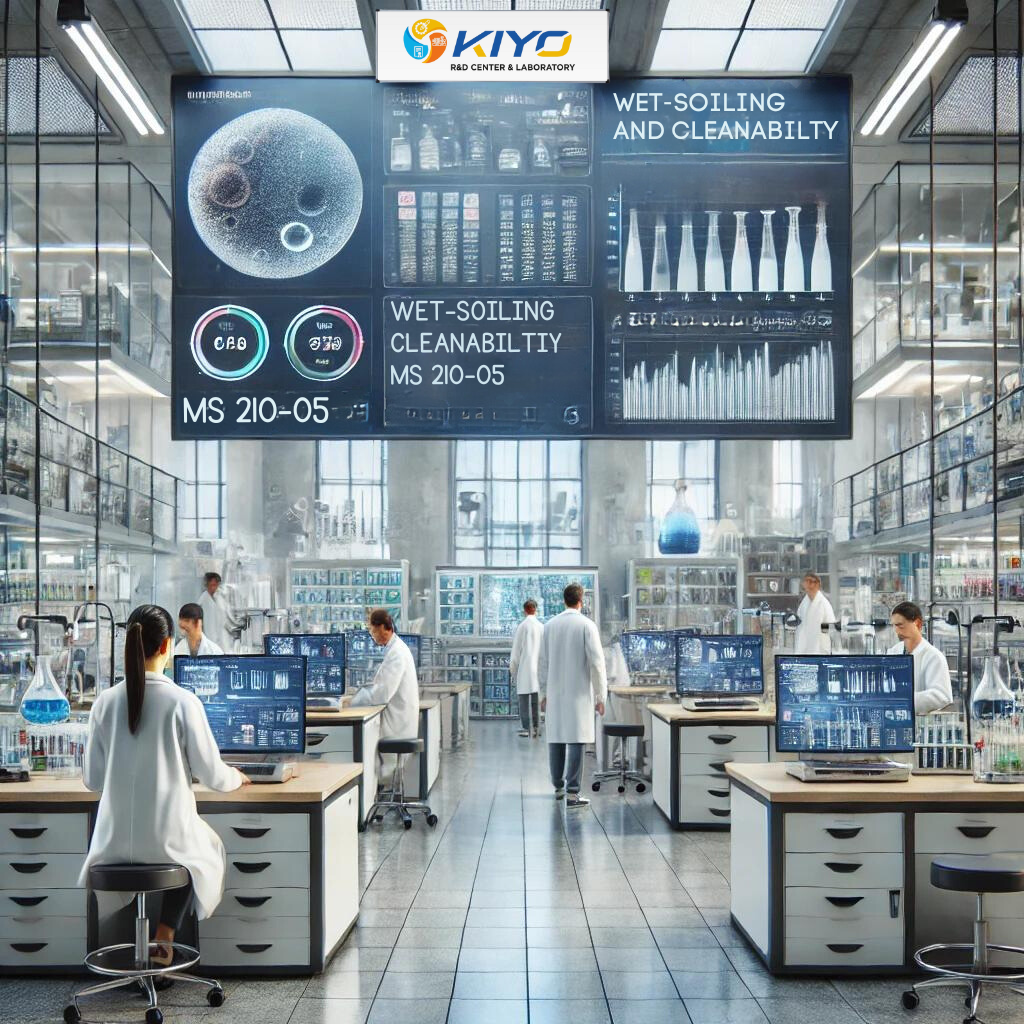
Wet-soiling and cleanability testing is a standardized process that simulates real-world conditions to assess the durability and maintenance of fabrics. It involves two main steps:

  • Soiling: Fabric samples are intentionally soiled using a standardized soiling agent. This process ensures uniform application and consistency across different samples.
  • Cleaning: The soiled fabrics are then subjected to a cleaning regimen. This step measures the fabric’s ability to release the soiling agent and return to its original condition.

Why is This Testing Important?

In industries such as automotive, home furnishings, and commercial textiles, the appearance and cleanliness of materials are critical. Consumers expect materials that not only look good but also withstand regular use and cleaning. The MS 210-05 standard provides a reliable framework to test these properties, ensuring that fabrics can meet these high standards.

By performing wet-soiling and cleanability testing, manufacturers can:

  • Ensure Durability: Fabrics that resist soiling and clean easily tend to last longer, maintaining their appearance and functionality over time.
  • Improve Customer Satisfaction: Products that stay clean and look good after repeated use are more likely to satisfy customers and reduce returns.
  • Meet Industry Standards: Adhering to recognized standards like MS 210-05 demonstrates a commitment to quality and reliability.

How the Testing is Conducted at Our Laboratory

At Our Laboratory, we utilize advanced techniques and state-of-the-art equipment to perform wet-soiling and cleanability tests. Our process is designed to be rigorous and precise, providing reliable results that you can trust.

Testing Steps:

  1. Sample Preparation: Fabric samples are conditioned and prepared according to the requirements of the MS 210-05 standard.
  2. Application of Soiling Agent: A controlled amount of a standardized soiling agent is applied to each sample.
  3. Cleaning Process: The samples are cleaned using a specified procedure to remove the soiling agent.
  4. Evaluation: The cleaned samples are evaluated for any remaining soil, and their overall appearance is assessed.

Benefits of Choosing Kiyo R&D Center & Laboratory

Kiyo R&D Center & Laboratory is dedicated to delivering high-quality testing services that adhere to industry standards, including the MS 210-05. Our expert team and cutting-edge facilities ensure that every test is conducted with the utmost accuracy and reliability.

Why Choose Us:

  • Expertise: Our team of experienced professionals is well-versed in the latest testing methods and standards.
  • Advanced Facilities: We use state-of-the-art equipment to ensure precise and reliable test results.
  • Comprehensive Reports: Our detailed reports provide valuable insights, helping you understand the performance of your materials.


Wet-Soiling and Cleanability Test as Per MS 210-05

Conclusion


FAQ

Q1: What does the cleaning process involve?

A1: The cleaning process involves subjecting the soiled fabric samples to a specified cleaning regimen, which simulates real-life cleaning conditions to evaluate the fabric’s ability to release soil.

Q2: How are the test results evaluated?

A2: After cleaning, the fabric samples are evaluated for any residual soil and their overall appearance is assessed. This evaluation helps in determining the fabric’s cleanability and its ability to maintain its appearance after soiling.

Q3: Why choose Kiyo R&D Center & Laboratory for this testing?

A3: Kiyo R&D Center & Laboratory offers expert testing services with advanced facilities, ensuring precise and reliable results. Our adherence to the MS 210-05 standard guarantees high-quality evaluations.

Q4: How can wet-soiling and cleanability testing improve customer satisfaction?

A4: By ensuring fabrics resist soiling and can be easily cleaned, manufacturers can offer products that maintain their appearance and functionality over time, leading to higher customer satisfaction and reduced returns.
Erichsen Scratch Test as Per MS 210-05

Erichsen Scratch Test as Per MS 210-05

Erichsen Scratch Test as Per MS 210-05

Ensuring Material Durability with the Scratch Test as Per MS 210-05: Hyundai's High Standard


Introduction

Erichsen Scratch Test as Per MS 210-05

Overview of the Scratch Test

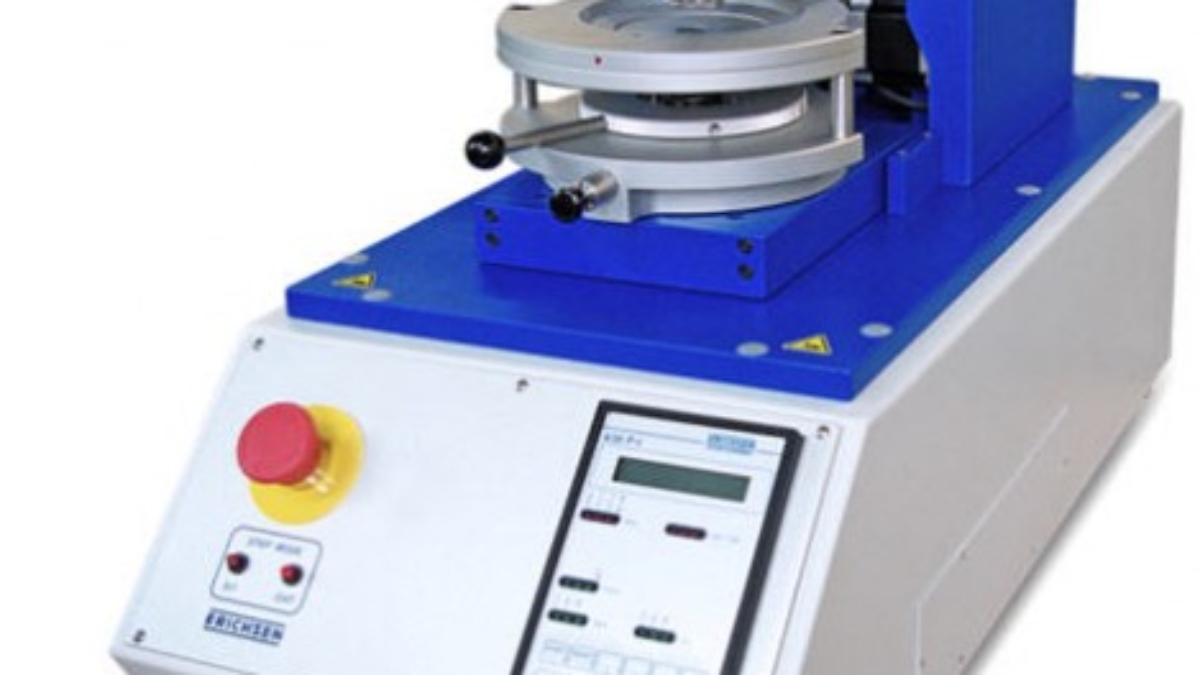
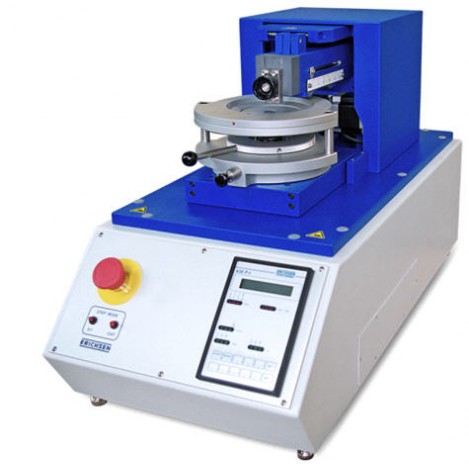
The Scratch Test assesses the scratch resistance of various coatings and surfaces. The test involves a controlled process where a diamond-tipped tool is dragged across the material’s surface under a specified load. The resulting scratch is then examined for its depth, width, and overall appearance, providing critical insights into the material’s durability and suitability for different applications.

Importance of MS 210-05

MS 210-05 is a Hyundai standard that sets rigorous requirements for the scratch resistance of materials used in automotive applications. This standard ensures that materials can withstand everyday use and maintain their quality and performance over time. Adherence to MS 210-05 means that materials have been tested to meet Hyundai’s high-quality standards.

Detailed Testing Procedure

The testing procedure involves several essential steps:

  1. Sample Preparation: Samples are prepared according to specific dimensions and surface conditions to ensure consistency and accuracy during testing.
  2. Test Execution: Using a precision scratch tester, the sample undergoes a controlled scratch under the required load. The diamond tip is meticulously maintained to guarantee uniformity.
  3. Evaluation and Analysis: After scratching, the sample is analyzed using advanced microscopy techniques to measure the scratch’s dimensions and assess the material’s performance.
  4. Reporting: Comprehensive reports are generated, documenting the test conditions, results, and compliance with MS 210-05. These reports offer valuable insights for material selection and quality assurance.

Advantages of the Scratch Test

  • Quality Assurance: Ensures that materials meet high standards of durability and performance.
  • Informed Material Selection: Helps manufacturers select the best materials for their applications, reducing the risk of premature wear and tear.
  • Compliance: Meeting Hyundai’s MS 210-05 standard demonstrates a commitment to quality and reliability, which is vital in the competitive automotive industry.

Why Choose Kiyo R&D Center & Laboratory?

At our laboratory, we excel in materials testing and are dedicated to upholding industry standards like MS 210-05. Our state-of-the-art facilities and experienced team ensure that every test is conducted with precision and accuracy, providing you with reliable and actionable results.


Erichsen Scratch Test as Per MS 210-05

Conclusion


FAQ

1. What equipment is used for the Scratch Test?

A precision scratch tester with a diamond-tipped tool is used to perform the controlled scratch on the material's surface.

2. How are the test results evaluated?

Post-scratch, the sample is analyzed using advanced microscopy techniques to measure the scratch's dimensions and assess the material’s performance.

3. What industries benefit from the Scratch Test?

Primarily the automotive industry, but any industry requiring durable and high-performance materials can benefit from this test.

4. Why choose Kiyo R&D Center & Laboratory for this test?

Our laboratory offers state-of-the-art facilities and experienced professionals to ensure precise and reliable testing, adhering to standards like Hyundai's MS 210-05.

5. How does adhering to MS 210-05 benefit manufacturers?

It demonstrates a commitment to quality and reliability, helping manufacturers ensure their materials meet high standards of durability and performance.

6. Where can I learn more about Kiyo R&D’s testing services?

Stay tuned to our blog and follow our latest updates for more insights into our testing services and standards.
Wear Resistance Test as Per MS 210-05

Wear Resistance Test as Per MS 210-05

Wear Resistance Test as Per MS 210-05

Wear Resistance Test According to MS 210-05 Hyundai Standards


Introduction
Wear Resistance Test as Per MS 210-05

The Essence of Wear Resistance Testing

Wear resistance testing evaluates a material’s ability to withstand abrasion, erosion, and other forms of mechanical wear. By replicating real-world conditions, this test offers insights into how materials will perform under stress, thus helping in predicting their lifespan and maintenance needs.

Key Features of the MS 210-05 Hyundai Standard

The MS 210-05 standard outlines specific methodologies for wear resistance testing, ensuring uniformity in procedures and results. This standard is particularly valuable for industries where material endurance is critical, such as automotive, aerospace, and manufacturing.

Step-by-Step Testing Procedure

  1. Sample Preparation: Samples are prepared to meet the exact specifications detailed in the MS 210-05 standard, ensuring consistency in test conditions.
  2. Machine Setup: The wear testing machine is calibrated according to the standard’s guidelines. The sample is positioned correctly, ready for the test.
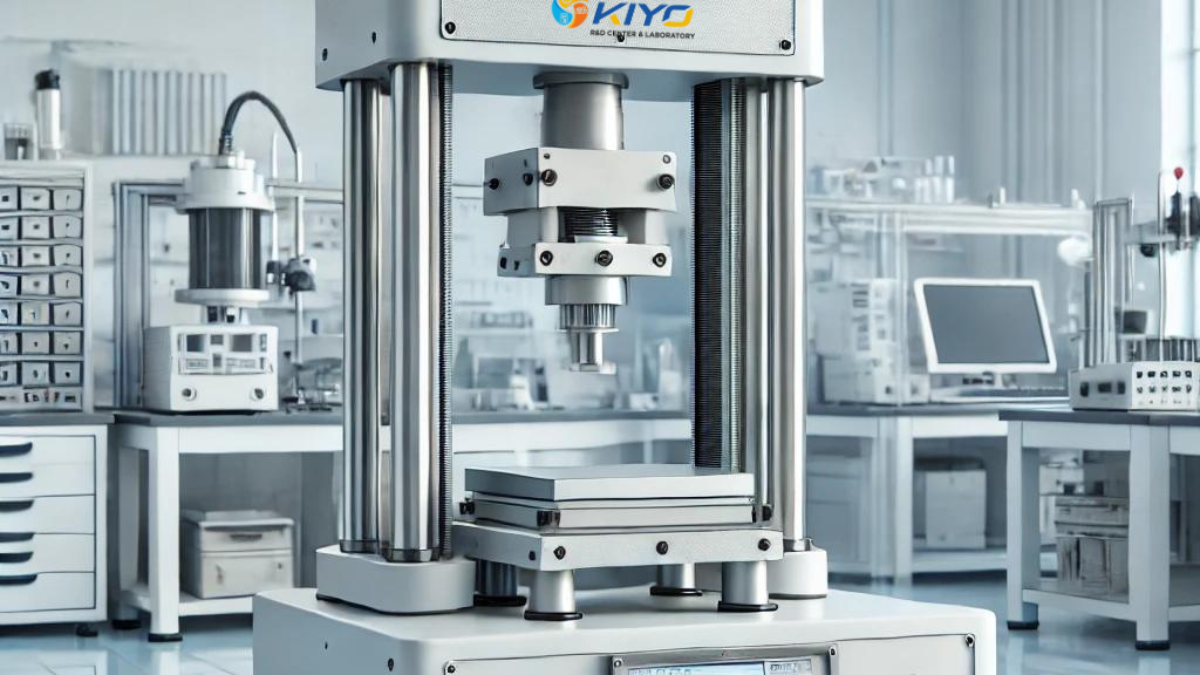
  3. Execution: The machine applies a controlled load to the sample using a reciprocating mechanism. This simulates the wear and tear the material would experience in real-world applications.
  4. Data Collection: Throughout the test, data on wear rate, depth, and volume loss is meticulously recorded. This data is pivotal in assessing the material’s wear resistance.
  5. Analysis: Post-testing, the data is analyzed to interpret the material’s performance. Visual aids like charts and graphs often accompany this analysis, providing a clear picture of wear characteristics.

Practical Applications

Wear resistance testing is indispensable in several sectors:

  • Automotive Industry: Ensures longevity and reliability of components such as engine parts and brake systems.
  • Aerospace Sector: Evaluates materials used in aircraft and spacecraft, where material failure is not an option.
  • Manufacturing: Assesses the durability of tools and machinery parts, which are subjected to continuous wear.

Technological Advances in Wear Testing

With the advent of new technologies, wear testing has seen significant advancements. Modern machines now offer enhanced precision, better control, and comprehensive data collection capabilities, making the testing process more efficient and reliable.


Wear Resistance Test as Per MS 210-05

Conclusion


FAQ

How is the wear resistance test conducted according to MS 210-05?

The test involves preparing the sample, setting up the wear testing machine, applying a specified load using a reciprocating mechanism, collecting data on wear rate, and analyzing the results.

What types of data are collected during a wear resistance test?

Data on wear rate, depth, and volume loss are recorded to understand the material's resistance to wear.

How do advancements in technology affect wear resistance testing?

Technological advancements enhance precision, control, and data collection capabilities, making the testing process more efficient and reliable.