Rubber Testing Laboratory in Chennai -Kiyo R&D labs

Rubber Testing Laboratory in Chennai -Kiyo R&D labs

Rubber Testing Laboratory in Chennai -Kiyo R&D labs

Comprehensive Rubber Testing in Chennai: Elevating Product Quality and Performance

Introduction

Rubber Testing Laboratory in Chennai -Kiyo R&D labs

The Importance of Rubber Testing

Rubber checking out is crucial to evaluating how rubber substances perform beneath actual-international conditions. This technique includes multiple kinds of exams, every designed to degree a specific property or performance issue of the rubber. Without comprehensive trying out, manufacturers threat producing substances that may fail upfront, causing giant safety and monetary repercussions.

The following are a number of the important thing testing services provided via advanced laboratories in Chennai, together with Kiyo R&D Labs.

Types of Rubber Testing Services

1. Physical and Mechanical Testing

Physical and mechanical trying out is vital for information how a rubber material will perform beneath strain, stress, or other physical forces. These exams assist decide the cloth’s hardness, elasticity, abrasion resistance, and fatigue homes. Key tests encompass compression set, flexural testing, and tear electricity. These mechanical tests are crucial for rubber merchandise that need to endure heavy loads or repetitive use, such as automobile components, commercial seals, and vibration dampeners.

2. Chemical Analysis and Composition Testing

Rubber composition performs a vital function in its overall performance and sturdiness. Chemical analysis facilitates hit upon the presence of numerous additives, consisting of fillers, plasticizers, and additives, making sure the rubber’s chemical makeup is in line with specifications. It also can perceive any impurities or inconsistencies that can cause product failure. Advanced laboratories use state-of-the-art tools like FTIR (Fourier-transform infrared spectroscopy) to evaluate the rubber’s molecular shape and chemical composition, imparting perception into the first-rate and reliability of the fabric.

three. Thermal Analysis

Rubber merchandise are often exposed to a wide variety of temperatures, whether or not in automotive engines, industrial machinery, or out of doors environments. Thermal evaluation evaluates how rubber materials react to exceptional temperature situations, making sure they can face up to both warmth and bloodless without degradation. Key assessments consist of differential scanning calorimetry (DSC) and thermogravimetric evaluation (TGA), which degree how the fabric changes in weight or shape at numerous temperatures. These insights are invaluable for manufacturers growing rubber products for excessive-temperature programs.

4. Environmental Testing

Rubber merchandise are constantly uncovered to environmental stressors consisting of humidity, UV radiation, and fluctuating temperatures. Environmental trying out simulates these conditions to assess how properly the rubber fabric plays through the years. For example, expanded ageing exams can reveal rubber to UV mild or ozone to are expecting its lengthy-time period sturdiness. By know-how how rubber behaves in exclusive environments, manufacturers can make certain that their products keep their integrity and performance over time.

5. Aging and Weathering Testing

Prolonged exposure to external elements like warmness, sunlight, ozone, and chemicals can purpose rubber to degrade, becoming brittle, cracked, or discolored. Aging and weathering checks are designed to simulate those long-time period effects in a managed environment, offering a predictive measure of the rubber’s lifespan. These assessments help manufacturers recognize the fabric’s durability and resistance to put on, ensuring that their merchandise will continue to perform properly in the area.

6. Regulatory Compliance Testing

For rubber products to be bought each in India and across the world, they have to follow various safety and performance requirements. Regulatory compliance trying out guarantees that the rubber cloth meets the specified specifications, whether or not it’s for automotive, aerospace, medical gadgets, or patron products. With policies becoming stricter across industries, this testing is crucial for corporations looking to stay aggressive in global markets. It guarantees that producers now not most effective meet industry-specific necessities however also keep away from steeply-priced consequences or product recalls.

Why You Need a Professional Rubber Testing Laboratory

For manufacturers, ensuring the excellent of rubber merchandise isn’t pretty much passing tests—it is approximately safeguarding the reliability and reputation of their products in the marketplace. High-first-rate rubber checking out can prevent defects, enhance product performance, and improve safety, assisting groups supply advanced merchandise to their clients. In a dynamic business town like Chennai, choosing a laboratory prepared with cutting-edge checking out facilities could make all of the distinction.

Kiyo R&D Labs, one in all Chennai’s surest rubber checking out laboratories, gives a wide array of testing services, consisting of physical and mechanical testing, chemical evaluation, thermal evaluation, environmental checking out, and regulatory compliance assessments. With years of revel in in substances trying out and a commitment to handing over particular consequences, Kiyo R&D Labs is trusted with the aid of manufacturers across industries for their complete rubber checking out wishes.

Rubber Testing Laboratory in Chennai -Kiyo R&D labs

Conclusion


FAQ

What industries gain from rubber trying out?

Rubber checking out is vital for a wide variety of industries, including automobile, aerospace, creation, scientific devices, electronics, and consumer items. Any industry that makes use of rubber additives can advantage from trying out to make certain cloth nice and overall performance.

How lengthy does it take to acquire test effects?

The timeline for test effects depends on the precise exams being carried out. However, we aim to provide timely and accurate effects for all our clients. You can touch us to speak about your precise venture and predicted delivery time.

Can you take a look at how rubber reacts to environmental elements like UV and humidity?

Yes, our environmental testing services simulate actual-global situations, which includes UV publicity, humidity, and temperature modifications, to assess how your rubber merchandise will carry out through the years in harsh environments.
Plastic Testing Laboratories in Tambaram

Plastic Testing Laboratories in Tambaram

Plastic Testing Laboratories in Tambaram

The Critical Role of Plastic Testing in Product Development

Introduction

Plastic Testing Laboratories in Tambaram

Why Plastic Testing is Essential

Every enterprise that is predicated on plastic additives – from automobile to healthcare – requires substances that meet precise overall performance criteria. Without thorough testing, plastic substances can fail, main to highly priced recalls, safety risks, or underperforming products.

Some of the maximum crucial reasons for conducting plastic checking out encompass:

  • Safety Compliance: Many industries have strict safety rules, mainly in applications like medical devices and automobile parts. Testing ensures that the substances used meet these safety standards.
  • Durability and Performance: Plastic components want to resist mechanical pressure, environmental conditions, and ageing. Testing guarantees the substances can manage those stresses without failure.
  • Quality Assurance: For manufacturers, ensuring steady pleasant throughout manufacturing batches is crucial. Testing enables preserve excessive product standards and minimizes variations that could have an effect on overall performance.

Types of Plastic Testing

Plastic checking out laboratories offer a huge variety of testing offerings designed to measure different fabric homes. Some of the important thing exams include:

  • Flexural Testing: Assesses how tons a plastic material can bend earlier than it breaks, critical for applications wherein flexibility is needed.
  • Tensile Testing: Measures the electricity and elongation of plastics under stretching forces, indicating how a lot load the material can undergo before failing.
  • Thermal Analysis: Includes checks like Differential Scanning Calorimetry (DSC) and Thermogravimetric Analysis (TGA) to measure heat resistance, melting points, and thermal stability.
  • Melt Flow Index (MFI) Testing: Determines how without difficulty a plastic can be processed for the duration of manufacturing by using measuring the fee of go with the flow of melted polymer.
  • Flammability Testing: Ensures that plastics used in touchy packages, such as electronics and creation, meet hearth protection necessities.

Each of those assessments gives important insights into the material’s conduct, helping manufacturers choose the right kind of plastic for his or her merchandise.

Advanced Techniques for Plastic Testing

In addition to the usual checks, leading laboratories also use superior techniques to offer a greater complete evaluation of plastic materials. These consist of:

  • FTIR Spectroscopy: This technique identifies the chemical composition of a plastic fabric, detecting any components, fillers, or contaminants that can have an effect on its properties.
  • Scanning Electron Microscopy (SEM): SEM presents precise images of the plastic’s surface and inner shape, presenting insights into ability weaknesses, manufacturing defects, or reasons for failure.
  • Thermal Mechanical Analysis (TMA): TMA measures how a fabric expands or contracts with adjustments in temperature, which is crucial for know-how its performance in temperature-touchy environments.

With those state-of-the-art checking out methods, producers can benefit a deeper expertise of the way their plastic substances will carry out under actual-international situations.

Partnering with a Trusted Testing Lab

Choosing the proper plastic checking out laboratory is critical for obtaining dependable, correct outcomes. An experienced lab will not handiest behavior the vital assessments but also offer professional insights and suggestions, helping producers optimize their materials for overall performance and price-efficiency.

A depended-on lab may also be well-versed in industry standards, making sure that each one exam comply with applicable ISO, ASTM, or other regulatory suggestions. This know-how guarantees that materials are tested to the best standards of protection and performance.

Plastic Testing Laboratories in Tambaram

Kiyo R&D Center: Your Expert in Plastic Testing


FAQ

What standards do your assessments follow?

Our plastic trying out offerings follow more than a few global standards, inclusive of ASTM, ISO, and other regulatory suggestions. We make sure that each one checks are performed to meet the very best requirements for accuracy and reliability.

How long does the checking out system take?

The testing duration relies upon at the type of check and the complexity of the fabric evaluation. Standard tests typically take a few days to per week, while more complicated or specialized checks may require extra time. We intention to provide green and timely outcomes without compromising high-quality.

Can you help with failure analysis?

Yes, we offer failure analysis offerings to pick out the reasons of cloth defects or product screw ups. Using advanced techniques like SEM and FTIR, we can offer targeted insights into why a material failed and provide recommendations for improvements.
Plastic Product Testing Lab

Plastic Product Testing Lab ​

Plastic Product Testing Lab ​

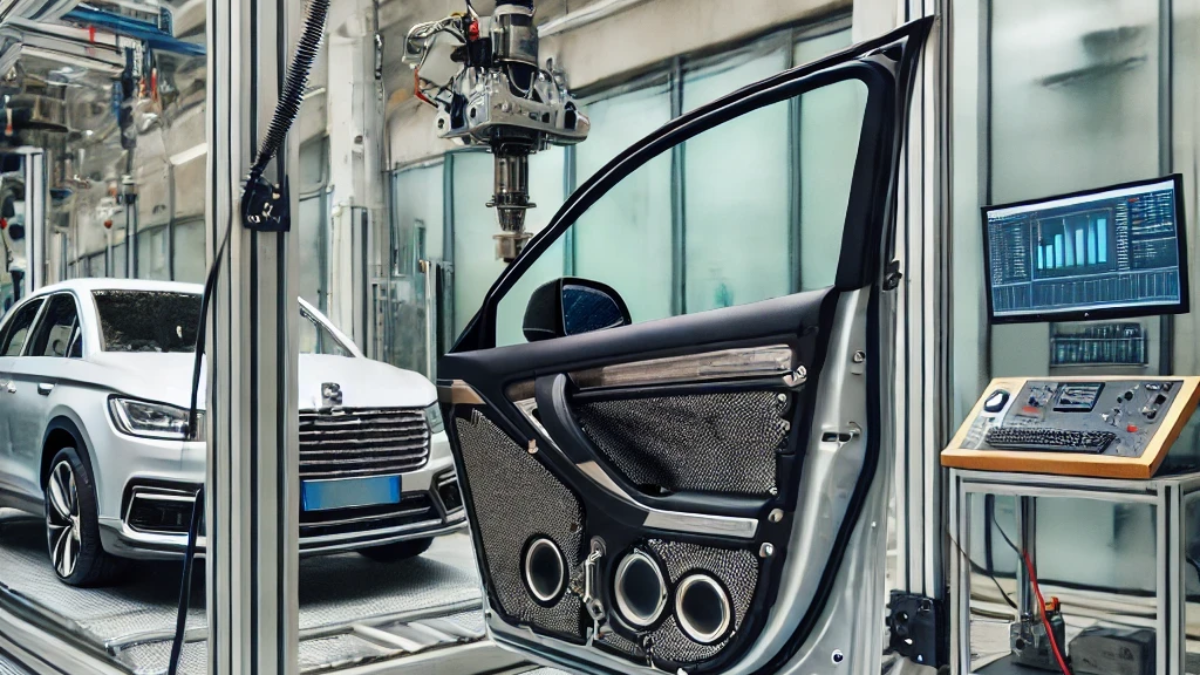
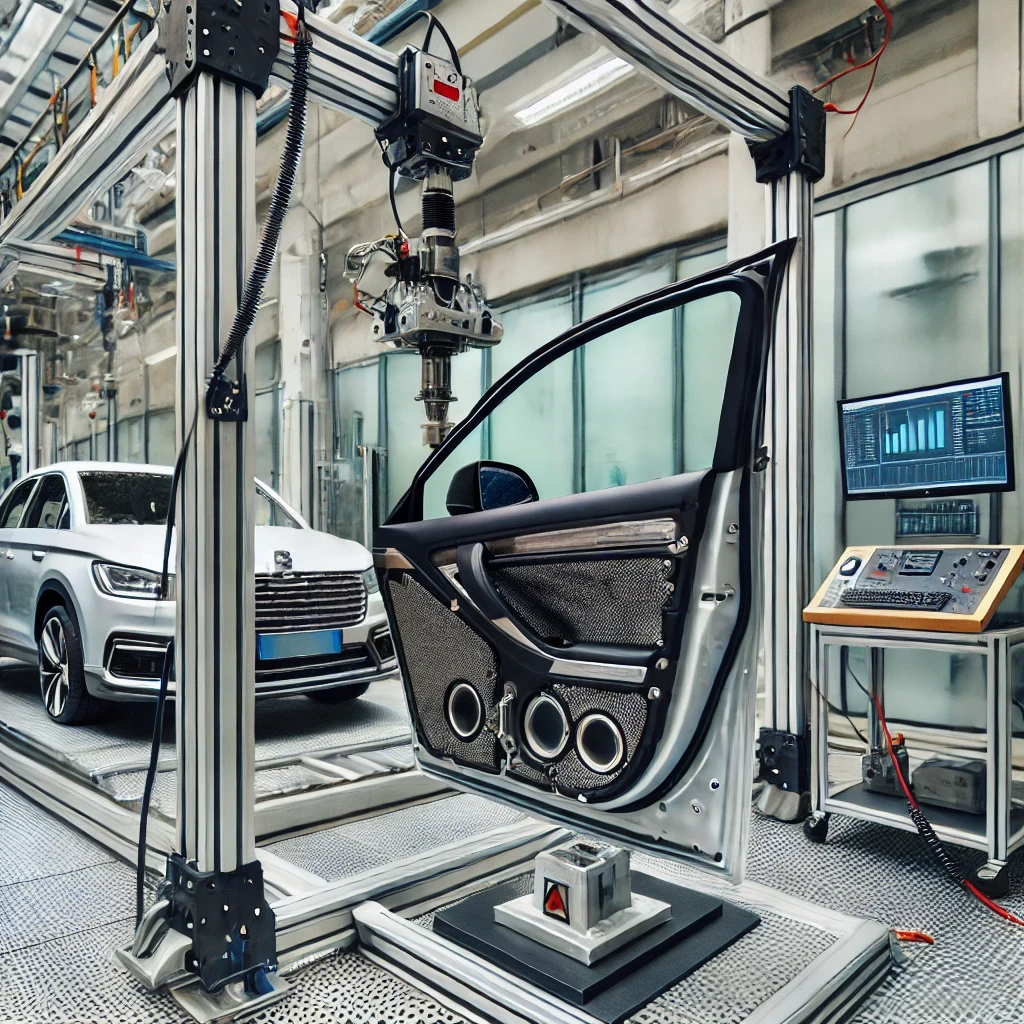
Performance Testing for Automotive Door Outside Handles: Ensuring Quality and Longevity

Introduction

Plastic Product Testing Lab

The Need for Door Handle Performance Testing

Automotive door handles are subjected to a whole lot of stresses—mechanical forces from ordinary use, exposure to fluctuating temperatures, and get in touch with with environmental elements like UV rays and moisture. If a door cope with fails, it no longer best impacts the consumer revel in however also can gift a safety threat.

Performance testing is crucial because it allows:

  • Enhance Durability: Handles ought to characteristic smoothly over the automobile’s lifespan without breaking, cracking, or deforming.
  • Ensure User Safety: Handles need to perform reliably, even underneath stress, to avoid any protection risks associated with malfunctioning components.
  • Verify Compliance with Standards: Testing guarantees that door handles meet automotive enterprise guidelines for strength, impact resistance, and fabric integrity.

Critical Performance Tests for Door Outside Handles

To assure that plastic door handles are strong and can endure real-world situations, our lab plays numerous rigorous overall performance checks. Each take a look at is designed to copy the stresses handles will encounter in normal use and excessive conditions.

1. Tensile Testing

Tensile testing evaluates the strength of the plastic fabric whilst subjected to pulling forces. This check simulates the strain implemented when a person pulls on the door take care of to open the car. It facilitates manufacturers decide the most force the cope with can tolerate without breaking or deforming, ensuring it can endure every day utilization.

2. Impact Resistance Testing

Impact resistance trying out measures the door deal with’s capability to resist sudden shocks or blows. This test is crucial for assessing how the manage reacts when a door is slammed shut or in minor collisions. It facilitates make sure the deal with remains purposeful and intact, even if subjected to surprising forces.

3. Fatigue Testing

Over time, the repeated use of door handles can result in cloth fatigue, causing cracks or structural weakness. Fatigue checking out replicates the manage’s day by day operation with the aid of making use of cyclical pressure to it, simulating hundreds of open-and-near cycles. The intention is to evaluate how long the cope with can endure repetitive mechanical stresses without displaying signs and symptoms of damage.

4. Thermal and Environmental Resistance Testing

Thermal testing topics the door take care of to a wide range of temperatures to evaluate its performance in intense warmness and cold. Automotive door handles must hold their structural integrity and functionality whether or not exposed to freezing iciness situations or the blazing summer sun. This check additionally consists of humidity resistance to make certain the deal with does now not warp, crack, or degrade whilst exposed to moisture over time.

5. UV and Weathering Testing

Outdoor car components like door handles are constantly exposed to daylight, that can degrade plastic materials over the years. UV trying out simulates extended exposure to sunlight to evaluate the handle’s resistance to UV radiation. This guarantees that the plastic won’t grow to be brittle, discolored, or weakened due to lengthy-term sun exposure.

6. Chemical Resistance Testing

Automotive door handles frequently come into touch with quite a few chemical substances, consisting of cleaning merchandise, fuel, oil, and street salts. Chemical resistance checking out ensures that the plastic material used for the handle does not deteriorate or lose its aesthetic and practical properties while uncovered to those substances.

The Benefits of Comprehensive Performance Testing

By carrying out thorough overall performance checks on door handles, automobile producers can drastically enhance product reliability and customer satisfaction. Key blessings of working with a professional testing lab consist of:

  • Increased Product Lifespan: Testing guarantees that door handles can face up to years of use, minimizing the danger of failure or the need for replacements.
  • Enhanced Safety and Reliability: Through rigorous checking out, manufacturers can be confident that door handles will characteristic nicely below ordinary and excessive situations, ensuring vehicle occupants’ safety.
  • Regulatory Compliance: Our testing services help ensure that every one automotive additives meet industry standards and policies, decreasing the danger of non-compliance issues.
  • Cost Efficiency: Identifying weaknesses in substances or layout early thru trying out allows producers avoid high-priced product recalls or redesigns
Plastic Product Testing Lab

Conclusion


FAQ

1. Why is thermal resistance testing important for door handles?

Automotive door handles face extreme temperature variations. Thermal resistance testing ensures that handles can maintain their shape, strength, and functionality in both high-heat and freezing conditions without warping or cracking.

2.How does UV testing protect door handles from sun damage?

UV testing simulates long-term exposure to sunlight. This helps assess how the plastic material reacts to prolonged UV radiation, ensuring the handle doesn’t discolor, weaken, or become brittle over time.

3.What is chemical resistance testing, and why is it necessary?

Chemical resistance testing ensures that the plastic used in door handles can withstand exposure to substances like cleaning agents, gasoline, and road salts, without degrading or losing functionality.

4.How long does performance testing for door handles usually take?

The time required for testing depends on the complexity of the tests being performed, but a typical performance testing cycle for door handles can range from a few days to a couple of weeks.

5. Can performance testing help improve the design of automotive door handles?

Yes. Performance testing can identify potential weaknesses or areas for improvement in the material or design, allowing manufacturers to make adjustments early in the production process, reducing the risk of product failure.
Viscosity Testing As Per ASTM D5225

Viscosity Testing As Per ASTM D5225

Viscosity Testing As Per ASTM D5225

Comprehensive Guide to Viscosity Testing According to ASTM D5225

Introduction to Viscosity in Polymers:

Viscosity Testing As Per ASTM D5225

What is ASTM D5225?

ASTM D5225 outlines the manner for figuring out the viscosity of dilute polymer solutions. It’s especially important for assessing polymers that reveal non-Newtonian behavior, which means their viscosity varies with the charge of shear. By measuring the viscosity, this check gives precious insight right into a polymer’s molecular weight and its distribution, which can be crucial elements in figuring out the polymer’s mechanical power, sturdiness, and processability.

Importance of Viscosity Testing:

Viscosity testing is a vital a part of polymer evaluation for several motives:

  • Process Optimization: Viscosity data permits producers to optimize processing situations like molding, extrusion, and casting. It enables control parameters consisting of flow quotes and processing speeds.
  • Quality Control: Consistent viscosity measurements are key to making sure that unique batches of polymers hold the identical cloth properties, thereby making sure product consistency.
  • Material Selection: Viscosity values offer vital facts when deciding on polymers for specific programs. For instance, excessive-viscosity substances can be higher desirable for applications requiring high electricity, while low-viscosity substances can be selected for applications requiring easy drift and shaping.
  • Performance Prediction: By know-how the glide conduct of polymers beneath special situations, producers can are expecting how substances will perform in real-global programs.

Procedure for Viscosity Testing in ASTM D5225:

  1. Sample Preparation: The polymer pattern is first dissolved in a suitable solvent to create a solution. This step is important because any impurities or inconsistencies in sample coaching can have an effect on the accuracy of the check.
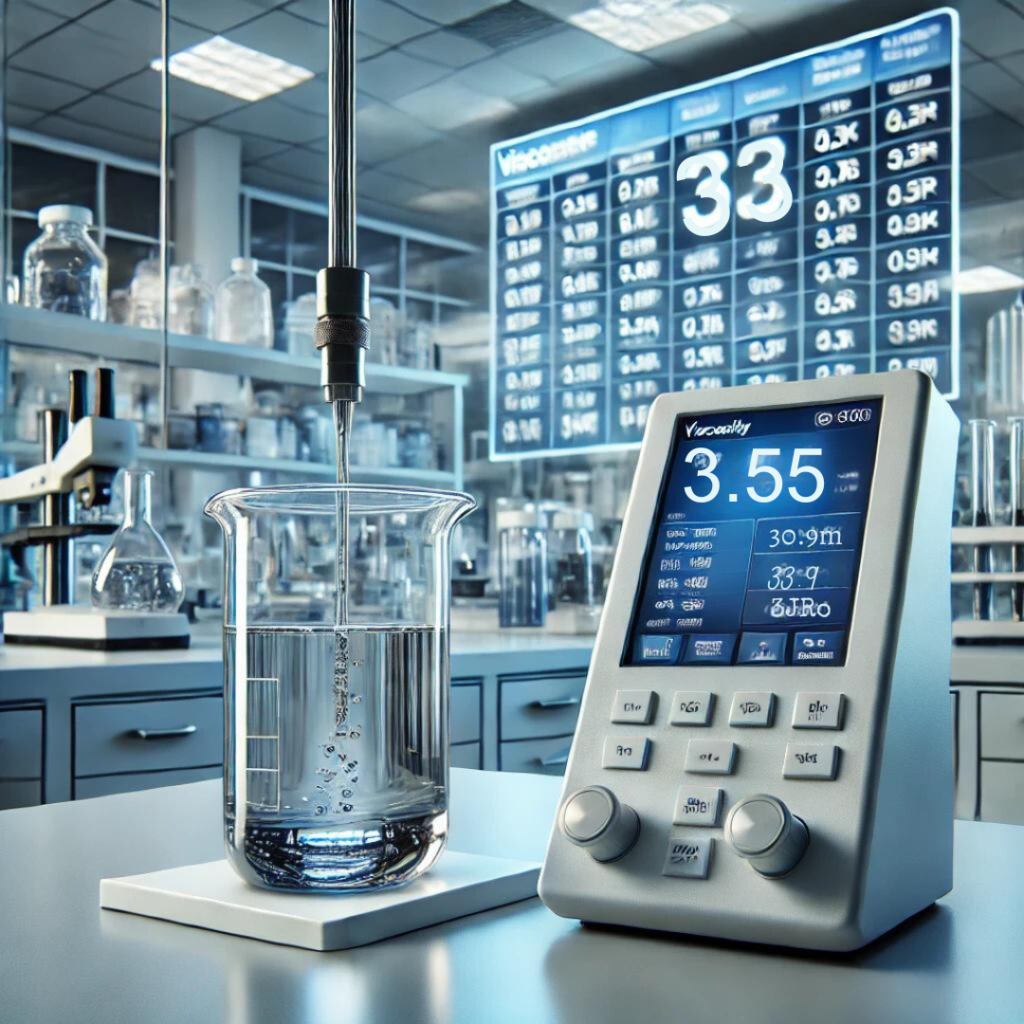
  2. Viscosity Measurement: The viscosity of the polymer solution is measured using a viscometer, normally a rotational viscometer or a capillary viscometer. These instruments apply a regarded pressure to the solution and degree its resistance to float, making an allowance for the calculation of viscosity.
  3. Test Conditions: Viscosity measurements are fantastically depending on temperature and shear fee, so ASTM D5225 specifies that tests have to be carried out underneath controlled conditions to ensure correct and repeatable effects.
  4. Data Interpretation: The viscosity effects obtained from the check provide records approximately the polymer’s molecular weight. A better viscosity typically shows a higher molecular weight, which in turn influences the polymer’s mechanical houses.

Applications of Viscosity Testing:

  • Plastics Processing: Whether for injection molding or extrusion, understanding a polymer’s viscosity is vital for figuring out the appropriate processing situations.
  • Product Development: Viscosity trying out is regularly utilized in R&D to develop new polymer formulations or improve existing ones. It facilitates expect how polymers will behave all through processing and in their very last programs.
  • Performance Enhancement: Viscosity checking out is key in improving product overall performance by means of adjusting polymer compositions to optimize flow, energy, or flexibility.

Benefits of ASTM D5225:

  • Consistency: This standardized take a look at technique ensures that viscosity measurements are steady across extraordinary labs and industries, allowing for similar information.
  • Precision: By following ASTM D5225, producers can obtain particular viscosity readings, which are critical for process manage and product high-quality.
  • Reliability: The method’s recognition on controlled conditions and careful sample education makes it a dependable method to know-how the houses of polymer solutions.
Viscosity Testing As Per ASTM D5225

Conclusion


FAQ

1. How is viscosity measured in ASTM D5225?

Viscosity is measured using a rotational or capillary viscometer. These devices apply a known force to the polymer solution and measure its resistance to flow, providing a viscosity value.

2. What factors affect the viscosity of polymers?

Temperature, shear rate, and molecular weight are key factors that influence a polymer’s viscosity. Controlled conditions during testing ensure accurate and reliable measurements.

3. How does viscosity testing benefit manufacturers?

Viscosity testing helps manufacturers optimize processing parameters such as extrusion speed and molding conditions, ensuring product consistency and reducing defects.
Volume Resistivity Testing As Per ASTM D257

Volume Resistivity Testing As Per ASTM D257

Volume Resistivity Testing As Per ASTM D257

Maximizing Insulation Efficiency: Volume Resistivity Testing as per ASTM D257


Introduction

Volume Resistivity Testing As Per ASTM D257

What Is Volume Resistivity?

Volume resistivity refers to the resistance to electrical current that a material offers through its volume. It’s expressed in ohm-centimeters (Ω·cm) and serves as a critical indicator of how well a material can function as an electrical insulator. Materials with high resistivity values are more effective at preventing the flow of electrical currents, making them essential in electrical systems that require strong insulation.

The ASTM D257 Standard: A Benchmark for Accuracy

ASTM D257 provides a standardized procedure for measuring the volume resistivity of solid insulating materials. This ensures consistency and accuracy across tests, enabling manufacturers to confidently compare materials and certify their performance for specific applications. The test is particularly valuable in industries where electrical insulation is critical, such as electronics, telecommunications, automotive, and energy.

How the ASTM D257 Test Is Performed

Volume resistivity testing as per ASTM D257 follows a straightforward process involving precise instrumentation. Here’s a breakdown of the steps:

  1. Sample Preparation: The material to be tested is prepared in a standardized form, ensuring that it fits within the specifications of the test. Surface treatment may be required to remove contaminants that could affect results.
  2. Electrode Setup: Electrodes are applied to the material to create a uniform electric field. Depending on the type of material, the setup may vary slightly to ensure proper contact and minimize measurement errors.
  3. Applying Voltage: A known voltage is applied across the material sample.
  4. Measuring Current: The resulting current that flows through the material is measured with precision equipment. The lower the current, the higher the material’s volume resistivity.
  5. Calculating Resistivity: Using the measured current, the dimensions of the sample, and the applied voltage, the volume resistivity is calculated.

Why Volume Resistivity Matters

Volume resistivity is an essential property for insulating materials, as it directly influences their effectiveness in preventing electrical conduction. For applications like high-voltage cables, transformers, electronic circuits, and insulation for sensitive components, a material’s ability to resist electrical flow helps maintain system reliability and safety.

Inadequate insulation can lead to short circuits, electrical failures, and even fires. By adhering to ASTM D257, manufacturers can ensure that their insulating materials provide optimal protection under various environmental conditions, including temperature, humidity, and electrical stress.

Industries Benefiting from ASTM D257 Testing

Many industries depend on ASTM D257 testing for material qualification:

  • Electronics: Ensuring that components, circuit boards, and enclosures are well-insulated and perform reliably under electrical stress.

  • Automotive: Testing the insulation of cables and electronic systems in vehicles, especially in electric and hybrid vehicles where high-voltage systems are prevalent.

  • Telecommunications: Evaluating the insulation of wiring and components to ensure durability and performance in high-stakes communication environments.

  • Energy Sector: Testing materials used in power generation and distribution to prevent breakdowns in electrical insulation, which can cause outages and equipment damage.

Factors Influencing Volume Resistivity

The volume resistivity of a material can be affected by several factors, and ASTM D257 ensures these are accounted for during testing:

  • Temperature: As temperature increases, the resistivity of insulating materials may decrease, leading to reduced effectiveness. ASTM D257 helps assess performance across different temperatures.

  • Moisture: Many insulating materials absorb moisture, which can significantly lower their resistivity. This test helps identify materials that remain stable in humid environments.

  • Contaminants: Dust, oils, and other surface contaminants can alter resistivity readings. Proper surface preparation before testing ensures accurate results.

Volume Resistivity Testing As Per ASTM D257

Conclusion


FAQ

1. How is Volume Resistivity Calculated?

The test applies a known voltage to the material and measures the current flowing through it. The volume resistivity is then calculated based on the material’s dimensions and the measured current.

2. What factors can affect the results of Volume Resistivity Testing?

Factors like temperature, humidity, and surface contamination can affect the test results. Proper sample preparation and controlled environmental conditions help ensure accurate measurements.

3. How does temperature impact volume resistivity?

Increased temperatures generally reduce the resistivity of insulating materials. ASTM D257 testing can include measurements at various temperatures to evaluate performance under different conditions.
Surface Resistivity Testing As Per ASTM D257

Surface Resistivity Testing As Per ASTM D257

Surface Resistivity Testing As Per ASTM D257

Ensuring Material Integrity: Surface Resistivity Testing According to ASTM D257


Introduction

Surface Resistivity Testing As Per ASTM D257

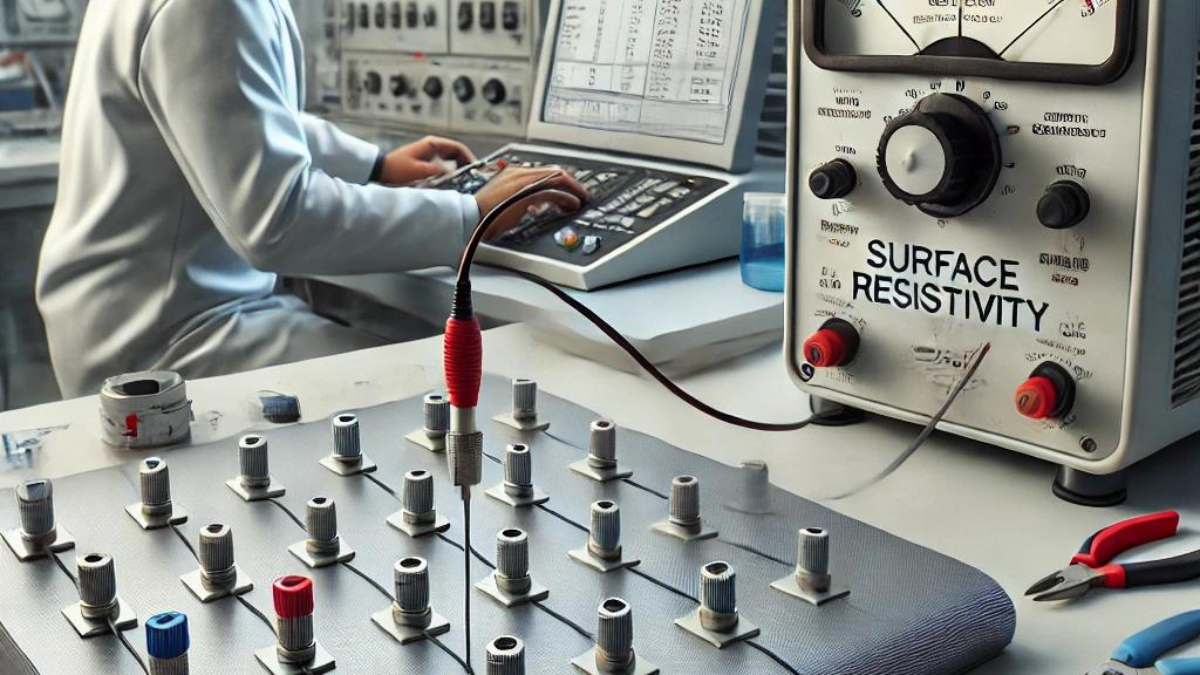
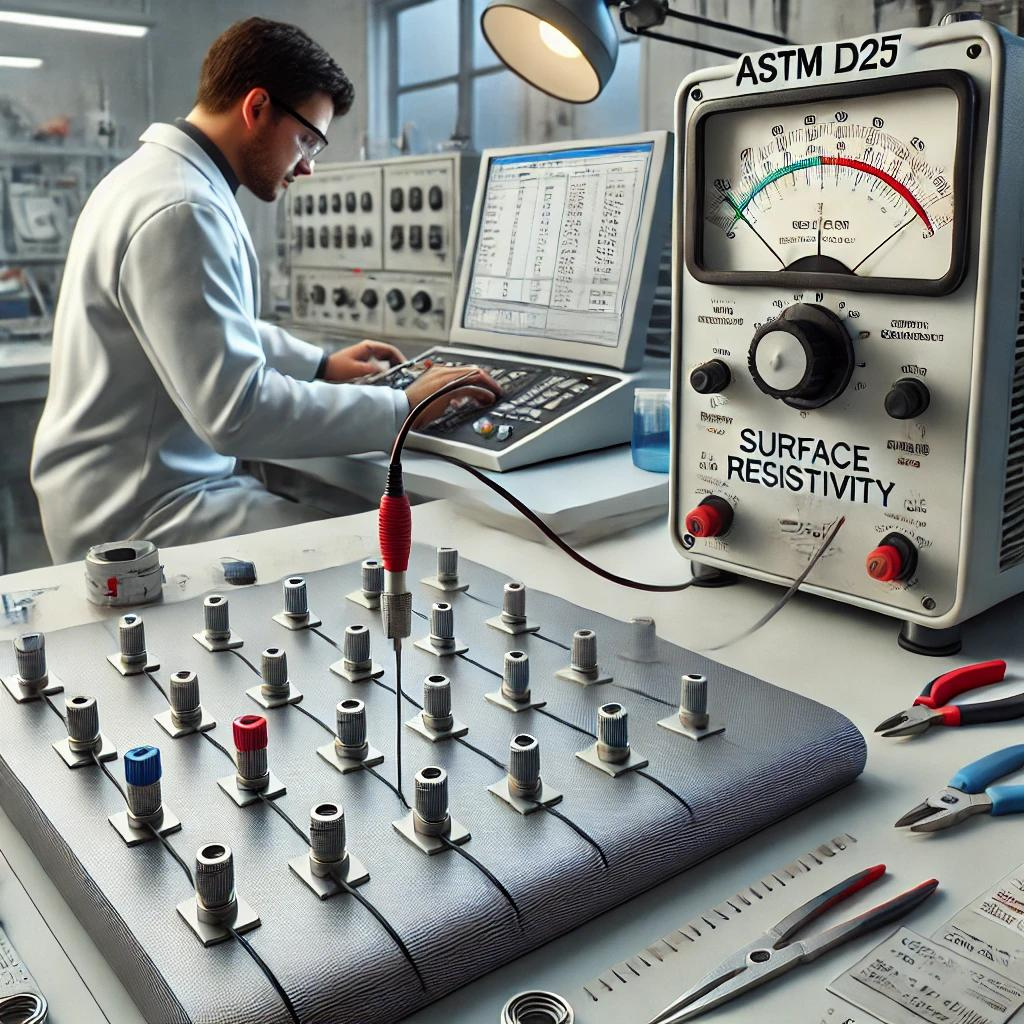
What is Surface Resistivity? Surface resistivity refers to the electrical resistance of a material along its surface. It is crucial for materials that are used as insulators in electrical and electronic applications. The measurement is expressed in ohms per square (Ω/□) and reflects how well a material prevents the flow of electrical current across its surface.

High surface resistivity indicates that the material is a good insulator, making it suitable for use in products like electrical insulators, coatings for electronics, and insulating materials in construction. On the other hand, materials with lower surface resistivity are more conductive and may be used in applications where controlled conductivity is needed.

ASTM D257: The Gold Standard for Surface Resistivity Testing ASTM D257, titled “Standard Test Methods for DC Resistance or Conductance of Insulating Materials,” provides a standardized method for measuring the surface resistivity and volume resistivity of insulating materials. This standard ensures that the testing process is consistent, repeatable, and accurate across different laboratories and industries.

The ASTM D257 test method helps in determining the following:

  • Surface Resistivity (ρs): Resistance to electrical current along the surface of the material.
  • Volume Resistivity (ρv): Resistance to electrical current through the body or volume of the material.

These properties are essential for evaluating the effectiveness of materials used in electrical insulation and determining their ability to prevent leakage currents that can lead to short circuits or component failure.

The Importance of Surface Resistivity Testing:

  • Electrical Safety: Insulating materials are crucial for preventing electrical hazards such as short circuits, sparks, or electric shocks. Surface resistivity testing ensures that these materials perform as expected under various environmental conditions.
  • Product Reliability: By measuring surface resistivity, manufacturers can ensure that materials used in sensitive applications like circuit boards, high-voltage systems, and consumer electronics are reliable and meet performance standards.
  • Quality Control: ASTM D257 provides a consistent testing methodology, ensuring that products meet stringent quality requirements and comply with industry regulations.

The Surface Resistivity Testing Process:

  1. Sample Preparation: The test material is cleaned to remove any contaminants that could affect the accuracy of the results. The specimen should have a smooth, flat surface for precise measurement.
  2. Electrode Placement: Electrodes are placed on the surface of the material, creating a defined path for the electric current. The geometry and placement of the electrodes are standardized according to ASTM D257.
  3. Voltage Application: A direct current (DC) voltage is applied to the electrodes, and the current that passes across the surface of the material is measured.
  4. Resistivity Calculation: Surface resistivity is calculated by dividing the applied voltage by the measured current, with adjustments for the geometry of the test setup.

Factors Affecting Surface Resistivity:

  • Environmental Conditions: Surface resistivity is highly sensitive to humidity and temperature. Higher humidity can reduce resistivity by allowing more current to flow along the surface of the material, while low temperatures can increase resistivity.
  • Material Properties: The inherent properties of the material, including its composition and thickness, play a significant role in its resistivity. Understanding these factors helps engineers select the right materials for specific applications.

Applications of Surface Resistivity Testing:

  • Electronics Manufacturing: Surface resistivity testing is widely used in the electronics industry to ensure that materials like printed circuit boards (PCBs) and coatings meet ESD (electrostatic discharge) requirements. High resistivity helps protect sensitive electronic components from electrostatic damage.
  • Aerospace and Automotive: Insulating materials in these industries are tested for their ability to withstand high voltages and prevent electrical failures in safety-critical systems.
  • Building Materials: Insulating paints and coatings used in construction are tested for surface resistivity to ensure they provide adequate protection against electrical hazards in industrial and residential buildings.
Surface Resistivity Testing As Per ASTM D257

Conclusion


FAQ

1. How is surface resistivity measured?

Surface resistivity is measured by applying a direct current (DC) voltage across a material’s surface using electrodes and calculating the resistance based on the resulting current flow.

2. What factors affect surface resistivity?

Humidity, temperature, material composition, and surface cleanliness can all impact surface resistivity results. Controlled environmental conditions are essential for accurate testing.

3. How does ASTM D257 help with product compliance?

ASTM D257 provides a consistent testing method, helping manufacturers ensure that their materials meet industry standards and regulatory requirements for electrical insulation.
Melt Flow Index Test As Per Standard ASTM D1238

Melt Flow Index Test As Per Standard ASTM D1238

Melt Flow Index Test As Per Standard ASTM D1238

Unlocking the Value of Melt Flow Index Testing with ASTM D1238


Introduction

Melt Flow Index Test As Per Standard ASTM D1238

What is the Melt Flow Index Test?

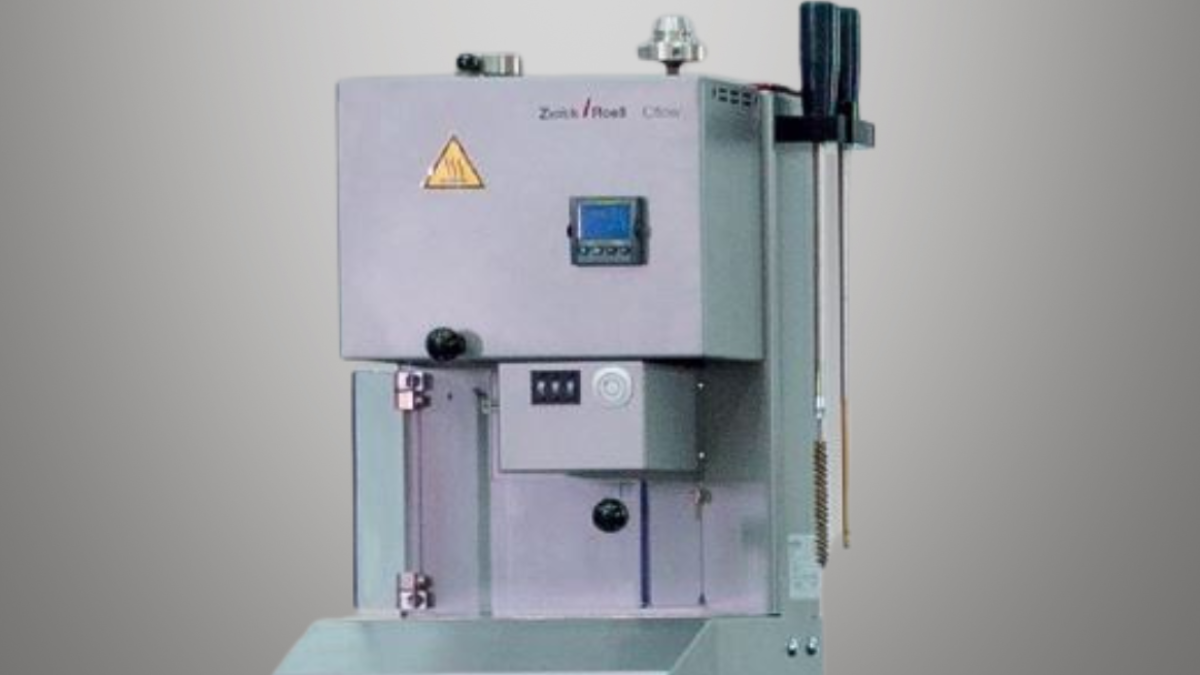
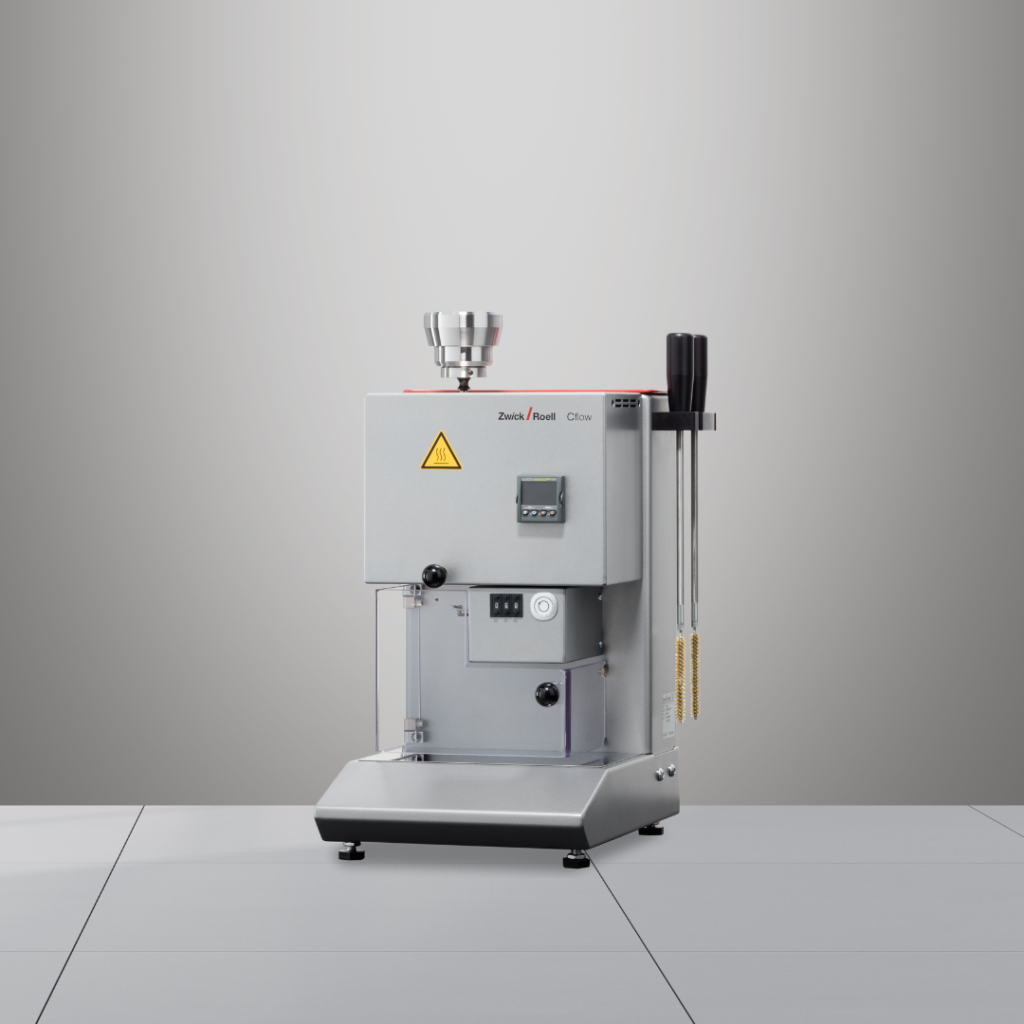
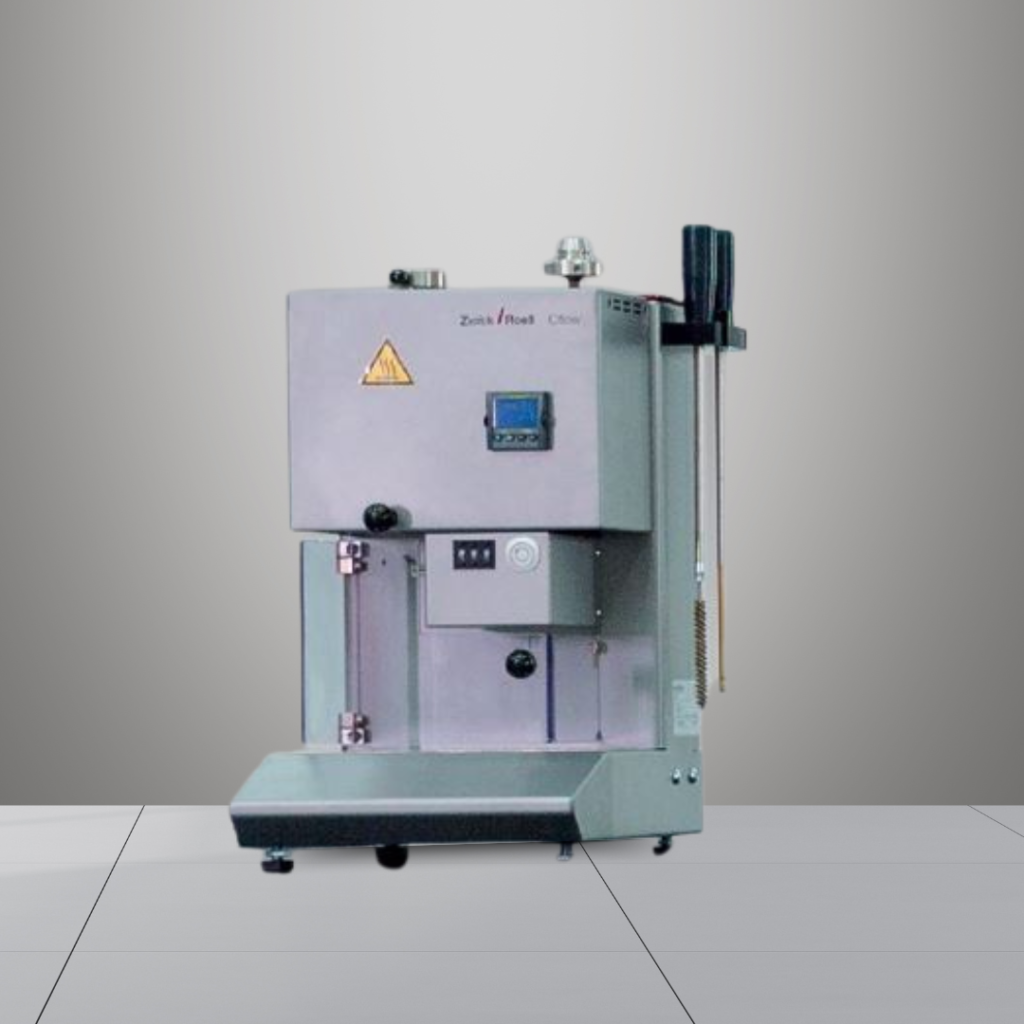
The Melt Flow Index (MFI) is a measurement of how easily a thermoplastic polymer can flow when subjected to heat and pressure. The test determines how much of the polymer extrudes through a small die over a set period, typically 10 minutes, under specific temperature and load conditions. The result is expressed in grams per 10 minutes, providing a numerical value to describe the material’s viscosity in its molten form.

Why is MFI Testing Important?

Understanding a polymer’s MFI is vital for manufacturers for several reasons:

  1. Processing Consistency: Different polymers and even batches of the same material can vary in their melt flow characteristics. Knowing the MFI helps ensure that materials behave consistently during processing, reducing variability in the final product.
  2. Material Selection: The MFI value plays a crucial role in selecting materials for specific applications. For example, a high MFI polymer is ideal for thin-walled products requiring fast-flowing materials, while low MFI materials are often chosen for structural applications where higher strength is needed.
  3. Quality Control: Regular MFI testing ensures that materials meet specific standards and performance requirements. Any deviation from expected MFI values can indicate changes in material composition, potential contamination, or degradation.
  4. Cost Efficiency: By optimizing processing parameters based on MFI data, manufacturers can reduce waste, lower energy consumption, and improve production efficiency.

How is the MFI Test Performed According to ASTM D1238?

The ASTM D1238 standard provides detailed procedures to ensure accuracy and repeatability in the MFI test. Here’s an overview of the key steps involved:

  1. Specimen Preparation: A sample of the thermoplastic material is heated in a precisely controlled chamber to the appropriate temperature for the material type.
  2. Application of Force: A standard weight (often between 2.16 kg and 21.6 kg, depending on the polymer) is applied to the material, pushing it through a die with a fixed diameter.
  3. Measurement: The molten material is extruded through the die over a specific period (typically 10 minutes), and the mass of material extruded is recorded. This mass is then converted to the MFI value, expressed in grams per 10 minutes.

This simple yet effective test offers critical information on the flow characteristics of the polymer, making it an indispensable tool in plastic material evaluation.

Practical Applications of MFI Data

The results of MFI testing have far-reaching implications in plastic manufacturing, including:

  • Injection Molding: In this process, the material’s MFI must be carefully controlled to ensure the polymer fills molds efficiently and evenly. Materials with a high MFI are better suited for producing complex, thin-walled components, while lower MFI materials are ideal for thicker, more robust parts.

  • Extrusion: The MFI value helps adjust process parameters like extrusion speed and temperature, allowing manufacturers to fine-tune the production of films, pipes, and other continuous products.

  • Blown Film Production: In film blowing applications, polymers with the correct MFI are essential to achieve the desired thickness and clarity without defects.

Melt Flow Index Test As Per Standard ASTM D1238

Trust Kiyo R&D Center for Comprehensive MFI Testing


FAQ

1. What are the typical applications of MFI testing?

MFI testing is commonly used in industries such as automotive, packaging, electronics, and medical devices. It helps ensure that materials used in injection molding, extrusion, and film blowing meet the required performance specifications for their intended application.

2. How can MFI variations affect production?

Variations in MFI can lead to inconsistencies in the processing of polymers, resulting in defective products, increased waste, or inefficient production. Regular MFI testing helps maintain uniformity in material performance across different batches.

3. Can MFI testing be used for quality control?

Yes, MFI testing is a critical tool for quality control. By comparing the MFI of different material batches, manufacturers can ensure that the polymer’s flow characteristics remain consistent, identifying any potential issues such as contamination or material degradation.
UV Lamp Testing As Per Standard ASTM D4329

UV Lamp Testing As Per Standard ASTM D4329

UV Lamp Testing As Per Standard ASTM D4329

UV Lamp Testing for Plastics: Ensuring Longevity with ASTM D4329


Introduction

UV Lamp Testing As Per Standard ASTM D4329

What is ASTM D4329?

ASTM D4329 is a standard testing method developed by ASTM International to simulate the effects of UV light exposure on plastics under controlled laboratory conditions. It provides detailed protocols for accelerated weathering tests, where plastics are exposed to cycles of UV radiation and moisture to replicate the damaging effects of prolonged outdoor exposure. By following this standard, manufacturers and engineers can predict how their materials will perform when subjected to the sun’s UV rays over long periods, often condensing years of exposure into weeks or months.

The Importance of UV Lamp Testing

Ultraviolet (UV) radiation is one of the most damaging environmental factors for polymers and plastics. It can break down chemical bonds within the material, leading to:

  • Color fading: UV exposure often results in noticeable changes in color, which can be a significant issue for consumer-facing products.
  • Loss of mechanical properties: Prolonged UV exposure can reduce the strength, flexibility, and durability of plastic materials.
  • Surface degradation: UV radiation can cause cracking, chalking, and loss of surface gloss, negatively impacting a product’s aesthetic and functional qualities.

Industries that manufacture outdoor products, automotive components, construction materials, and packaging materials must ensure their products are resistant to these UV effects. ASTM D4329 provides the necessary guidelines to simulate this type of degradation and assess material performance accurately.

The Process of UV Lamp Testing as per ASTM D4329

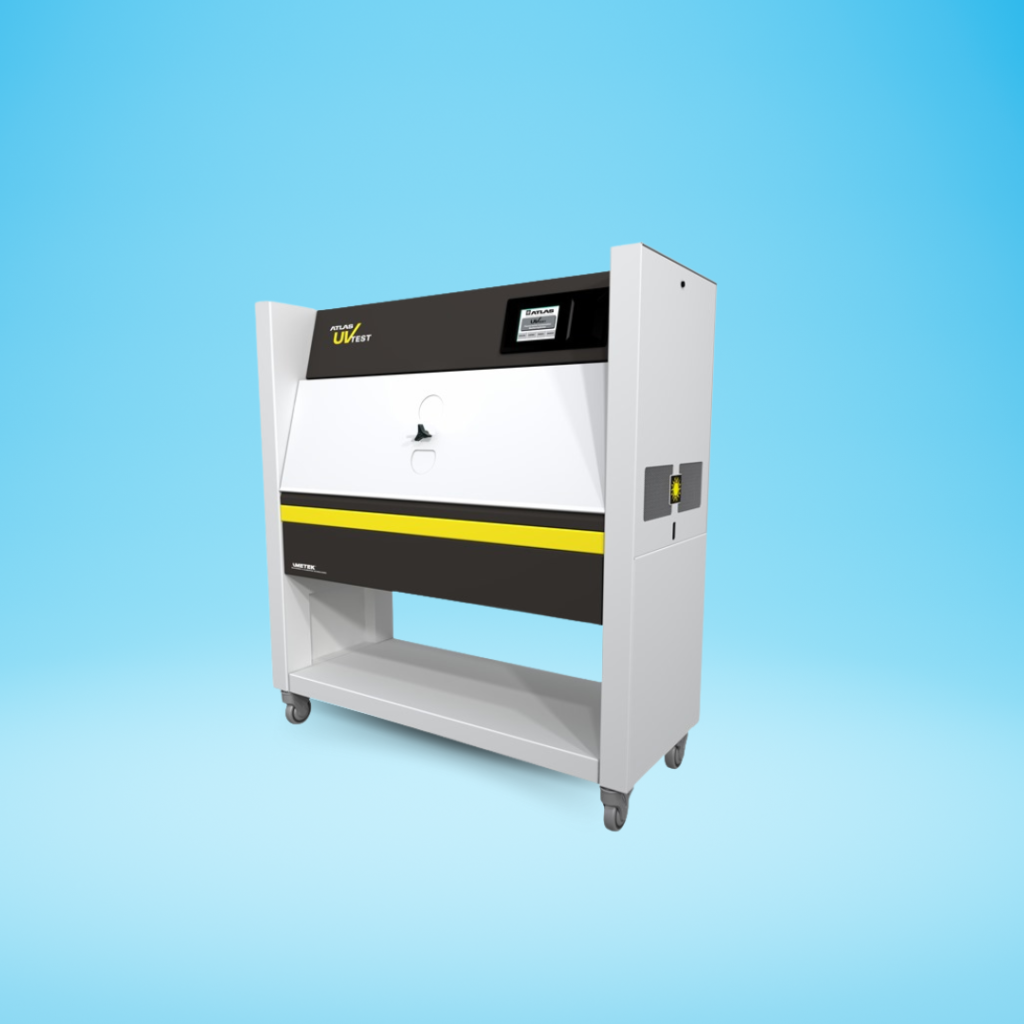
The testing process under ASTM D4329 involves subjecting plastic specimens to cycles of UV radiation and moisture to simulate real-world weather conditions. The test apparatus uses fluorescent UV lamps that emit radiation similar to the UV spectrum found in sunlight, with controlled temperature and humidity to create repeatable and reliable test conditions.

Here’s an overview of how the process works:

  1. UV Exposure: The specimens are exposed to UV radiation, usually using UVA-340 or UVB-313 lamps. These lamps replicate the most damaging portions of sunlight, particularly UV radiation that causes the most rapid degradation in plastics.
  2. Moisture Exposure: To simulate the effects of dew and rain, the plastic specimens are subjected to periods of condensation or water spray. This phase alternates with the UV exposure to mimic natural weather cycles.
  3. Controlled Temperature: During testing, the temperature inside the UV exposure chamber is closely regulated to simulate outdoor heat levels. Higher temperatures can accelerate the aging process and affect how plastics respond to UV radiation.
  4. Test Duration: The test can run anywhere from 500 to 2,000 hours, depending on the material being tested and the application requirements. These exposure times are designed to simulate months or even years of outdoor exposure.
  5. Post-Test Evaluation: After completing the test cycles, the plastic specimens are evaluated for signs of degradation. This includes checking for color changes, surface cracking, and loss of mechanical properties like tensile strength and elasticity. These measurements allow manufacturers to assess how well their materials will hold up under real-world conditions.

Applications of ASTM D4329

UV lamp testing is essential for a wide range of industries that rely on durable plastics in outdoor environments. Some common applications include:

  • Automotive components: Exterior automotive parts such as bumpers, trim, and dashboards must endure long-term exposure to sunlight without losing their color, strength, or structural integrity.
  • Building and construction: Roofing materials, siding, and outdoor furniture are continually exposed to UV radiation, and testing ensures these products remain aesthetically pleasing and functional over time.
  • Outdoor consumer goods: Products like playground equipment, patio furniture, and sports gear must be UV-resistant to ensure safety and longevity.
  • Packaging: Plastic packaging used in outdoor environments or under direct sunlight must maintain its integrity to protect the product inside.

Benefits of ASTM D4329 UV Testing

  1. Improved Product Durability: UV testing helps manufacturers identify materials that will last longer when exposed to sunlight, reducing the risk of premature failure in the field.
  2. Cost Savings: By identifying materials with superior UV resistance during the design phase, manufacturers can avoid costly recalls or product replacements due to UV-related failures.
  3. Customer Satisfaction: Products that retain their color, strength, and appearance after years of outdoor exposure are more likely to meet or exceed customer expectations.
  4. Regulatory Compliance: Many industries, especially automotive and construction, require compliance with ASTM D4329 as part of their quality and safety standards. Meeting these standards ensures that products will perform as expected in real-world conditions.
UV Lamp Testing As Per Standard ASTM D4329

Conclusion


FAQ

1. How long does a UV test last?

The duration of a UV test can vary depending on the material and application but typically ranges from 500 to 2,000 hours, simulating months or years of outdoor exposure.

2. What are the key parameters evaluated after UV exposure?

After testing, materials are evaluated for changes in color, gloss, surface integrity (cracking), and mechanical properties such as tensile strength and flexibility.

3. How does UV lamp testing differ from real outdoor exposure?

UV lamp testing accelerates the effects of sunlight and moisture by using controlled cycles in a chamber, which condenses months or years of natural exposure into a much shorter period.
Accelerated Weathering Test As Per ASTM D4364

Accelerated Weathering Test As Per ASTM D4364

Accelerated Weathering Test As Per ASTM D4364

Protecting Products from Environmental Degradation: The Role of ASTM D4364 Accelerated Weathering Test


Introduction

Accelerated Weathering Test As Per ASTM D4364

What is the ASTM D4364 Accelerated Weathering Test?

The ASTM D4364 test is a controlled laboratory procedure that mimics outdoor environmental conditions to measure the degradation of nonmetallic materials, particularly plastics and coatings, under UV light exposure, temperature extremes, and moisture. The accelerated test environment is designed to reproduce the combined effects of sunlight (UV), rain, and dew at a faster rate, giving a snapshot of how a material will perform over years of outdoor exposure in just weeks or months.

Why is Weathering Testing Important?

Materials exposed to outdoor conditions can deteriorate due to the complex interactions between UV light, moisture, and heat. Over time, these factors can lead to cracking, fading, embrittlement, or even complete failure of products. For industries such as automotive, construction, and consumer goods, where products are expected to last for years under these harsh conditions, ensuring durability is critical. By conducting weathering tests, manufacturers can identify potential weaknesses in materials, adjust formulations, and enhance product longevity.

How Does the Test Work?

The test involves placing material samples in a specialized chamber where they undergo cycles of UV radiation, condensation, and temperature changes to replicate outdoor weathering conditions. The main components of the test include:

  • UV Light Exposure: UV radiation is the primary cause of material degradation in outdoor environments. UV lamps in the test chamber emit wavelengths similar to natural sunlight, accelerating the photodegradation process that can cause materials to fade, lose strength, or crack.
  • Moisture and Condensation: By introducing moisture cycles through water spray or condensation, the test mimics the effects of rain and dew. These moisture cycles can contribute to surface deterioration, weakening the material over time.
  • Temperature Variations: Controlled temperature cycles simulate the thermal stresses materials endure during day-night cycles and seasonal changes, helping identify temperature-induced cracking, warping, or other thermal damage.

The accelerated nature of this test allows manufacturers to observe potential long-term effects, such as discoloration, loss of flexibility, surface chalking, and cracking, in a fraction of the time required for natural weathering.

Applications of ASTM D4364 Testing

The ASTM D4364 test is widely applicable across various industries that use plastic or polymer-based products exposed to outdoor environments. Some key applications include:

  1. Automotive and Transportation: Exterior parts such as trim, bumpers, and mirror housings undergo significant exposure to sunlight and moisture. Testing these components ensures they retain color, strength, and performance over time.
  2. Building Materials: Roofing materials, siding, windows, and paints all experience constant weather exposure. ASTM D4364 helps manufacturers assess how these materials will hold up against UV damage, thermal cycling, and moisture, ensuring the longevity of buildings and infrastructure.
  3. Consumer Goods: Outdoor furniture, playground equipment, and sporting goods are exposed to the elements, requiring enhanced durability. Weathering tests help improve product lifespans and reduce the likelihood of material failure.
  4. Coatings and Paints: UV exposure can cause coatings to fade or lose adhesion, while temperature changes and moisture can cause blistering and peeling. ASTM D4364 testing ensures that these coatings meet durability standards and maintain aesthetic and protective properties over time.

Benefits of Accelerated Weathering Testing

  • Faster Time-to-Market: Since the test condenses years of outdoor exposure into weeks, manufacturers can identify and address potential weaknesses early in the product development phase, speeding up time-to-market.

  • Improved Product Performance: By understanding how materials degrade over time, manufacturers can optimize formulations to enhance UV resistance, moisture protection, and thermal stability.

  • Cost Savings: Early detection of potential material failures can lead to more efficient product designs and materials, reducing warranty claims, product recalls, and long-term maintenance costs.

  • Customer Satisfaction: Products that maintain their appearance, strength, and functionality over time lead to greater customer satisfaction and fewer returns due to premature failure.

Post-Test Analysis

After completing the weathering cycles, materials are carefully inspected for signs of degradation. Common evaluations include:

  • Visual Inspection: Identifying color changes, surface cracking, and gloss loss.
  • Physical Property Testing: Assessing changes in tensile strength, elongation, and impact resistance.
  • Microscopic Examination: Analyzing surface structure changes and microscopic cracks that may lead to future failures.

These results provide critical data on the material’s long-term performance and offer manufacturers insights into how to improve material formulations and designs.

Accelerated Weathering Test As Per ASTM D4364

Conclusion


FAQ

1. What environmental conditions are simulated in the test?

The test chamber simulates UV radiation, moisture (rain, dew, or condensation), and fluctuating temperatures to mimic the effects of sunlight, rain, and thermal stress in outdoor environments.

2. What kind of degradation does the test assess?

ASTM D4364 measures various types of material degradation, including color fading, surface chalking, cracking, brittleness, loss of flexibility, and reductions in mechanical strength.

3. How are the results of the test evaluated?

After exposure, the material samples are inspected for physical changes, such as cracking or fading. Mechanical properties, like tensile strength and elongation, may also be measured to assess changes in performance.
High Pressure Water Wash Testing As Per ASTM D570

High Pressure Water Wash Testing As Per ASTM D570

High Pressure Water Wash Testing As Per ASTM D570

Enhancing Material Performance Through High Pressure Water Wash Testing as per ASTM D570

Introduction

High Pressure Water Wash Testing As Per ASTM D570

What is ASTM D570?

ASTM D570 is the standardized test method for determining the water absorption characteristics of plastic materials. This method involves exposing test specimens to water under specified conditions and then measuring the amount of water absorbed. By providing consistent testing procedures, ASTM D570 helps manufacturers and researchers evaluate how much water a plastic material can absorb when subjected to prolonged exposure or high-pressure water.


Importance of High Pressure Water Wash Testing:

Water absorption can compromise the mechanical properties of materials like plastics, leading to swelling, cracking, or loss of strength. In industries like electronics, automotive, and aerospace, where moisture resistance is crucial, understanding a material’s water absorption capabilities can prevent failures and costly repairs. High Pressure Water Wash Testing ensures that materials are suited for their intended applications, especially in environments exposed to high humidity or direct water contact.


The Testing Process:

The ASTM D570 test procedure involves several steps:

  • Specimen Preparation: Test specimens are cut to specific dimensions, typically in the form of a square or circular piece of plastic.
  • Drying and Conditioning: Specimens are dried in an oven to remove moisture before the test to establish a baseline.
  • Water Immersion or Exposure: Specimens are submerged in water or subjected to high-pressure water washing for a specified period, either at room temperature or elevated temperatures.
  • Final Measurement: After the water exposure, the weight of the specimen is measured again to calculate the percentage of water absorbed.

Benefits of ASTM D570 Testing for Materials:

  • Improved Product Reliability: The test ensures that the materials used in critical applications can withstand exposure to water without significant degradation, ensuring longer-lasting products.
  • Optimized Material Selection: Manufacturers can use the results to select the most suitable materials for applications in wet environments, reducing the risk of material failure.
  • Compliance with Industry Standards: Adhering to ASTM D570 ensures that products meet industry requirements for moisture resistance, which is especially important for certifications and product warranties.

Applications Across Industries:

High Pressure Water Wash Testing is crucial in many sectors, including:

  • Construction: Ensuring that plastic materials used in insulation, roofing, and piping systems maintain their integrity under moisture exposure.
  • Automotive: Testing materials used in vehicle interiors, electronics housings, and exterior components to prevent water damage.
  • Marine: Verifying that plastic components used in boats and underwater applications resist water absorption and maintain performance.


High Pressure Water Wash Testing As Per ASTM D570

Conclusion


FAQ

1. What industries benefit from ASTM D570 testing?

Industries like automotive, construction, electronics, and marine benefit from this testing as it ensures that the plastic materials used in their products can withstand exposure to water without deteriorating.

2. What are the key outcomes of ASTM D570 testing?

The test provides data on how much water a material absorbs, helping manufacturers select materials that will perform reliably in wet or high-humidity environments. It also ensures that materials comply with durability and performance standards.

3. How does water absorption affect material performance?

Water absorption can weaken materials, causing swelling, cracking, or loss of mechanical strength. ASTM D570 testing ensures that the materials used maintain their properties and structural integrity even after prolonged water exposure.