Reciprocating Abrasion Testing in Chennai

Reciprocating Abrasion Testing in Chennai

Reciprocating Abrasion Testing in Chennai

Reciprocating Abrasion Testing: A Key to Material Longevity and Performance

Introduction

Reciprocating Abrasion Testing in Chennai

Understanding Reciprocating Abrasion Testing

Reciprocating Abrasion Testing is designed to simulate actual-global frictional wear skilled via materials all through use. It includes back-and-forth motion of a trying out floor against a cloth pattern below a managed force, velocity, and environmental conditions.

This take a look at helps measure fabric loss, surface degradation, and coefficient of friction, making it a dependable technique for assessing wear resistance.

Key Features of Reciprocating Abrasion Testing

✔ Simulates actual-existence friction and put on situations

✔ Helps in fabric selection for high-wear programs

✔ Measures wear loss, surface roughness, and friction coefficient

✔ Provides insights for enhancing material coatings and surface remedies

Why is Reciprocating Abrasion Testing Important?

Materials uncovered to regular motion and friction can fail upfront, leading to expanded protection prices, decreased efficiency, and safety hazards. Here’s why this check is essential:

🔹 Improves Material Selection

Manufacturers can pick out the nice substances that provide ideal wear resistance for specific packages.

🔹 Enhances Product Longevity

Materials that skip the check ensure longer service existence, decreasing the chance of untimely failure.

🔹 Ensures Regulatory Compliance

Many industries require abrasion resistance checking out to fulfill ASTM, ISO, and DIN standards.

🔹 Reduces Downtime & Maintenance Costs

Testing helps pick out materials that require less common replacements, saving time and expenses in production.


How is Reciprocating Abrasion Testing Conducted?

The check technique follows a established technique to simulate real-world put on conditions as it should be.

1. Specimen Preparation

  • A sample of the fabric is ready and established onto a check platform.
  • The sample is cleaned and conditioned to make sure accuracy.

2. Test Setup & Load Application

  • The take a look at system applies a described pressure/load the usage of an abrasive floor or a counterpart material (consisting of a metal pin or ceramic block).
  • Environmental conditions including lubrication, temperature, and humidity can be controlled.

 3. Reciprocating Motion & Wear Generation

  • The system moves the abrasive fabric to and fro over the take a look at pattern at a managed pace and stress.
  • The range of cycles and applied pressure are set based on take a look at requirements.

4. Wear Measurement & Analysis

  • The test evaluates wear loss, friction coefficient, and surface harm.
  • Techniques like weight loss measurement, floor profilometry, and scanning electron microscopy (SEM) assist examine consequences.

Industries That Benefit from Reciprocating Abrasion Testing

🚗 Automotive Industry

  • Testing put on resistance of engine components, gears, brake pads, and transmission components.
  • Ensuring long-lasting coatings and lubricated additives.

✈ Aerospace Industry

  • Evaluating plane coatings, landing tools substances, and excessive-pressure structural elements.
  • Testing superior substances for intense put on resistance.

🏭 Industrial & Manufacturing Sector

  • Ensuring the sturdiness of device components, conveyor belts, and sliding mechanisms.
  • Selecting put on-resistant materials for seals, gaskets, and bearings.

🏥 Medical Devices

  • Wear trying out of joint implants (hip, knee, and dental implants).
  • Ensuring biocompatibility and sturdiness of surgical gadgets and prosthetics.

Standards Used in Reciprocating Abrasion Testing

Several worldwide trying out requirements outline methodologies for correct and repeatable effects:

📌 ASTM G133 – Reciprocating Wear Testing Standard

📌 ISO 7148-2 – Tribological Properties of Solid Materials

📌 DIN 50324 – Friction and Wear Testing Methods

These standards make certain constant, enterprise-authorised testing for precise results.


Factors Affecting Reciprocating Abrasion Testing Results

Several elements have an impact on the effectiveness of put on resistance trying out:

✔ Material Composition – Harder substances normally display higher abrasion resistance.

✔ Surface Roughness – Smoother surfaces reduce friction and put on.

✔ Applied Load & Speed – Higher hundreds accelerate put on however offer sensible conditions.

✔ Lubrication & Temperature – These elements effect put on behavior in real-world packages.

Why Choose Kiyo R&D Center & Laboratory for Reciprocating Abrasion Testing in Chennai?

At Kiyo R&D Center & Laboratory, we provide excessive-precision Reciprocating Abrasion Testing with current gadget and professional analysis.

✔ State-of-the-Art Testing Facilities – Ensuring correct and dependable effects

✔ Experienced Professionals – Delivering expert material put on evaluation

✔ Industry-Compliant Standards – ASTM, ISO, and DIN-compliant checking out

✔ Customized Testing Solutions – Tailored to specific enterprise desires

We assist industries optimize their materials for maximum sturdiness and wear resistance.
Reciprocating Abrasion Testing in Chennai

Conclusion


FAQ

1. What materials can be tested using Reciprocating Abrasion Testing?

Metals, polymers, coatings, ceramics, composites, and biomedical materials like joint implants and prosthetics.

2. How do I interpret the test results?

Results include wear volume, coefficient of friction, surface degradation, and weight loss analysis. Lower wear indicates better material durability.

3. How long does the test take?

The test duration depends on factors like load, cycles, and material properties, ranging from a few hours to several days for comprehensive analysis.
Dielectric Strength Test in Chennai

Dielectric Strength Test in Chennai

Dielectric Strength Test in Chennai

Dielectric Strength Testing in Chennai: Ensuring Electrical Insulation & Safety

Introduction

Dielectric Strength Test in Chennai

What is Dielectric Strength?

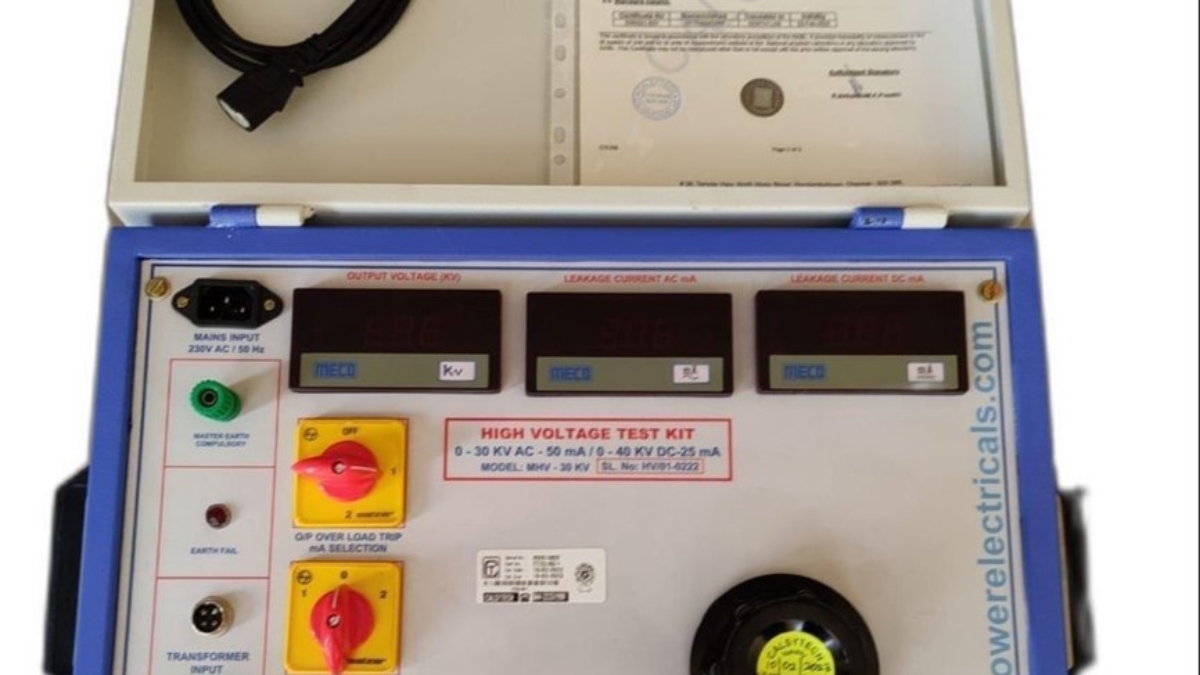
Dielectric strength refers back to the most voltage an insulating fabric can undergo earlier than it breaks down and lets in electrical cutting-edge to pass via. It is measured in kilovolts according to millimeter (kV/mm) and is a crucial property for materials utilized in electrical and electronic packages.

Key Formula

Dielectric Strength=Breakdown VoltageMaterial ThicknessDielectric Strength = fracBreakdown VoltageMaterial ThicknessDielectric Strength=Material ThicknessBreakdown Voltage​

Where:

  • Breakdown Voltage (V): The voltage at which the fabric fails
  • Material Thickness (mm): The thickness of the insulating sample

A better dielectric energy shows a better insulating fabric able to withstanding higher voltages without failure.


Why is Dielectric Strength Testing Important?

1. Electrical Safety & Compliance

  • Prevents electrical screw ups, quick circuits, and breakdowns
  • Ensures compliance with IEC, ASTM, IS, and UL protection standards

2. Quality Control & Product Certification

  • Confirms the insulation overall performance of substances like plastics, rubber, and coatings
  • Guarantees excessive-voltage patience for customer electronics, transformers, and switchgear

3. Industrial Applications & Reliability

  • Essential for industries together with power era, electronics, automobile, aerospace, and scientific gadgets
  • Helps manufacturers pick the nice insulating materials for excessive-voltage packages

How is Dielectric Strength Testing Performed?

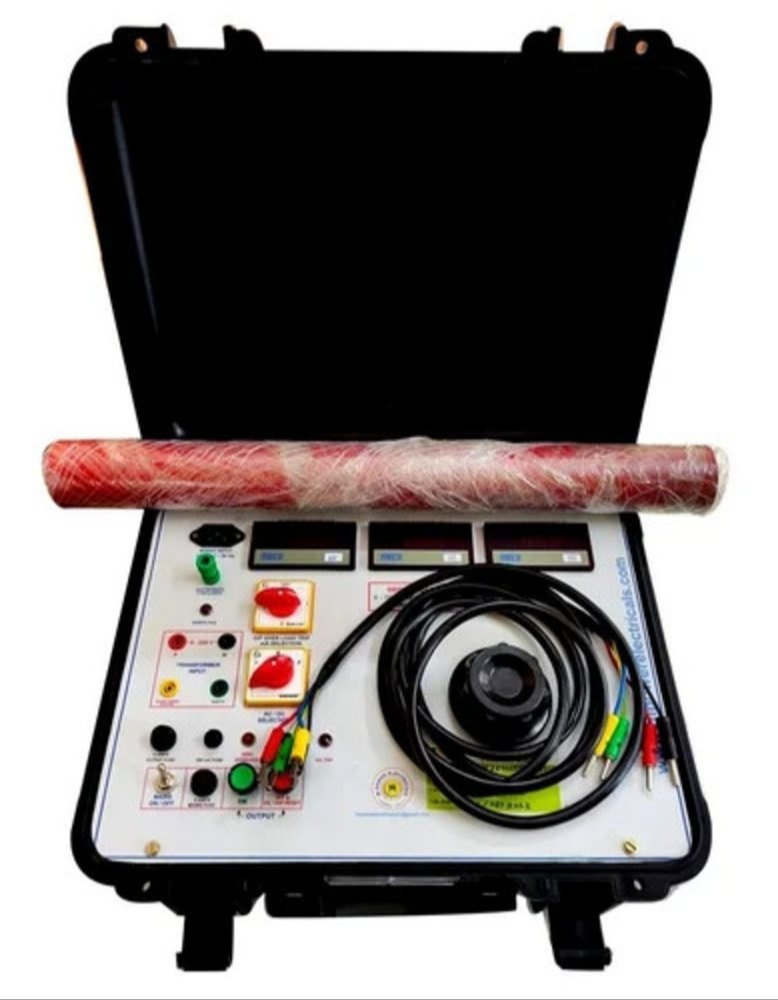
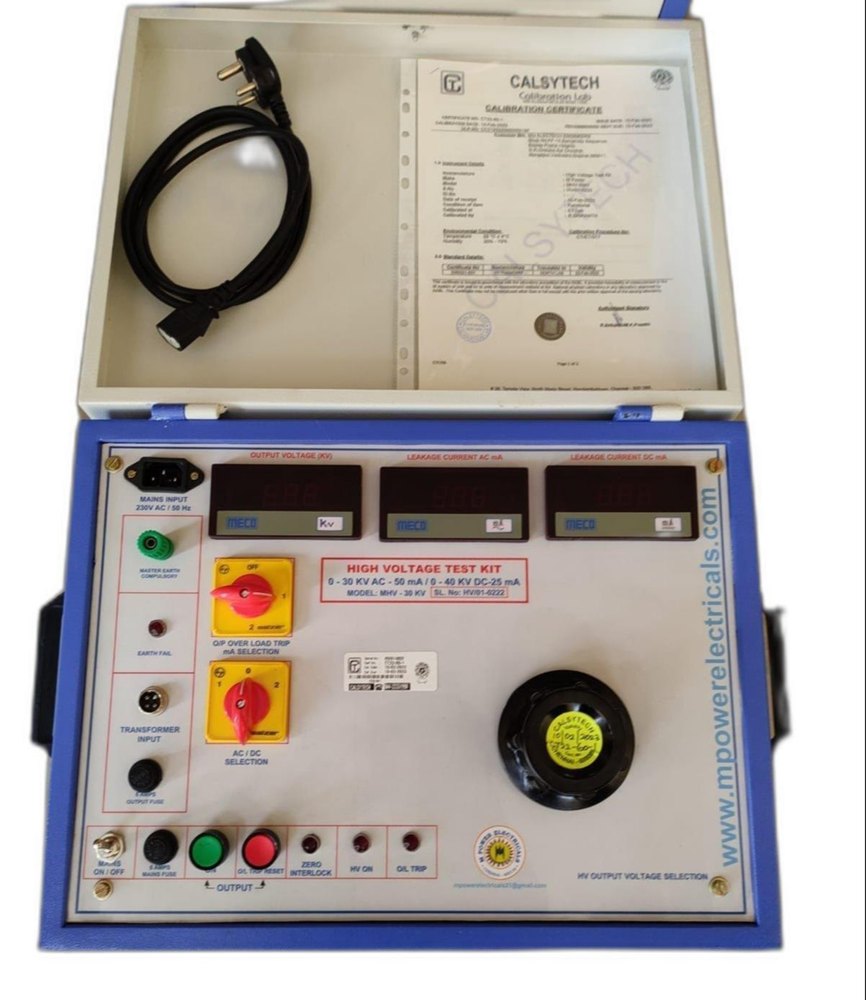
At KIYO R&D Center & Laboratory in Chennai, we conduct dielectric electricity tests the use of superior checking out equipment to ensure specific and accurate consequences.

Step-by using-Step Testing Process

Sample Preparation

  • The insulating fabric is reduce into standardized take a look at samples.

Test Setup in Dielectric Testing Equipment

  • The sample is placed among electrodes in a managed environment.

Voltage Application

  • A gradually growing AC or DC voltage is applied to the material.

Breakdown Detection

  • The check continues until the cloth breaks down, allowing modern to skip.

Recording & Analysis

  • The breakdown voltage is recorded, and the dielectric energy is calculated.

International Standards for Dielectric Strength Testing

Our tests observe enterprise-identified standards together with:

ASTM D149 – Dielectric breakdown voltage checking out for electrical insulation substances

IEC 60243 – Standard for trying out the dielectric electricity of strong insulating substances

UL 746A – Testing polymeric substances utilized in electrical programs

Industries That Require Dielectric Strength Testing

1. Electrical & Electronics Industry

  • Ensuring insulation integrity for cables, wires, PCB coatings, and transformers

2. Automotive & Aerospace Sector

  • Testing high-voltage EV batteries, ignition systems, and plane wiring

3. Power & Energy Industry

  • Ensuring the sturdiness of circuit breakers, insulators, and switchgear

4. Plastics & Polymer Manufacturing

  • Evaluating the insulating houses of PVC, rubber, and composite materials

5. Medical & Consumer Electronics

  • Verifying insulation protection in clinical-grade plastics, chargers, and electricity adapters

Where to Get Dielectric Strength Testing in Chennai?

If you’re seeking out a depended on dielectric energy trying out provider in Chennai, KIYO R&D Center & Laboratory gives:

State-of-the-artwork trying out system

ISO-licensed and enterprise-widespread checking out tactics

Detailed check reports for compliance & certification

Expert analysis for cloth improvement

We offer dielectric energy trying out for plastics, rubber, coatings, electrical components, and insulating materials, making sure compliance with global protection standards.

Dielectric Strength Test in Chennai

Conclusion


FAQ

1. What are the standard testing methods for dielectric strength?

Dielectric strength testing follows international standards like: ✔ ASTM D149 – Dielectric breakdown voltage testing ✔ IEC 60243 – Solid insulating materials testing ✔ UL 746A – Polymeric materials electrical insulation testing

2. Which industries require dielectric strength testing?

Industries that need dielectric testing include: Electrical & Electronics – PCB coatings, wires, cables, transformers Automotive & Aerospace – EV batteries, ignition systems, insulation materials Power & Energy – Circuit breakers, switchgear, insulators Medical & Consumer Electronics – Power adapters, electrical enclosures

3. Where can I get dielectric strength testing in Chennai?

KIYO R&D Center & Laboratory in Chennai offers precise dielectric strength testing for electrical insulation materials, plastics, rubber, and more. Our tests comply with global safety and quality standards to help businesses ensure product reliability.
Compression Testing Lab in Chennai

Compression Testing Lab in Chennai

Compression Testing Lab in Chennai

High-Precision Compression Testing Services in Chennai

Introduction

Compression Testing Lab in Chennai

What is Compression Testing?

Compression testing out measures a material’s capacity to resist compressive loads. It allows analyse:

  • Compressive Strength – The maximum pressure a material can undergo earlier than failure.
  • Elastic Modulus – The stiffness of the material and the way it recovers after compression.
  • Yield Strength – The strain stage at which everlasting deformation begins.
  • Failure Mode – Identifying whether or not the fabric cracks, deforms, or buckles under stress.

These houses are important for making sure that substances used in structural and cargo-bearing applications can face up to required forces.

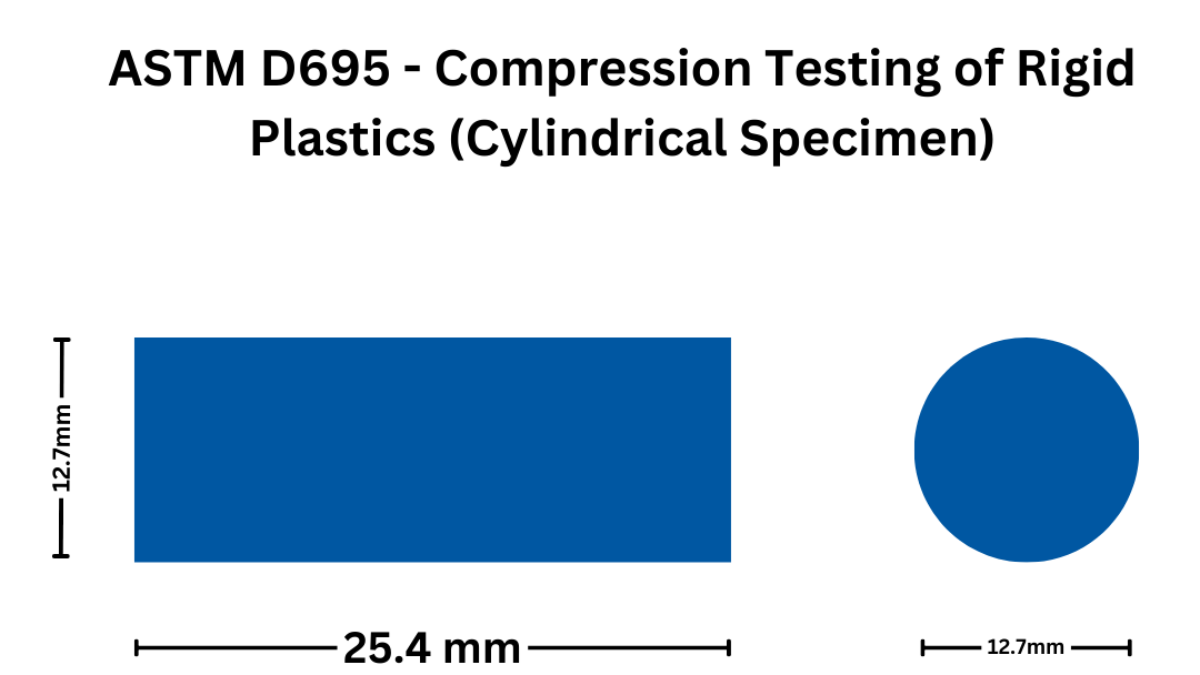
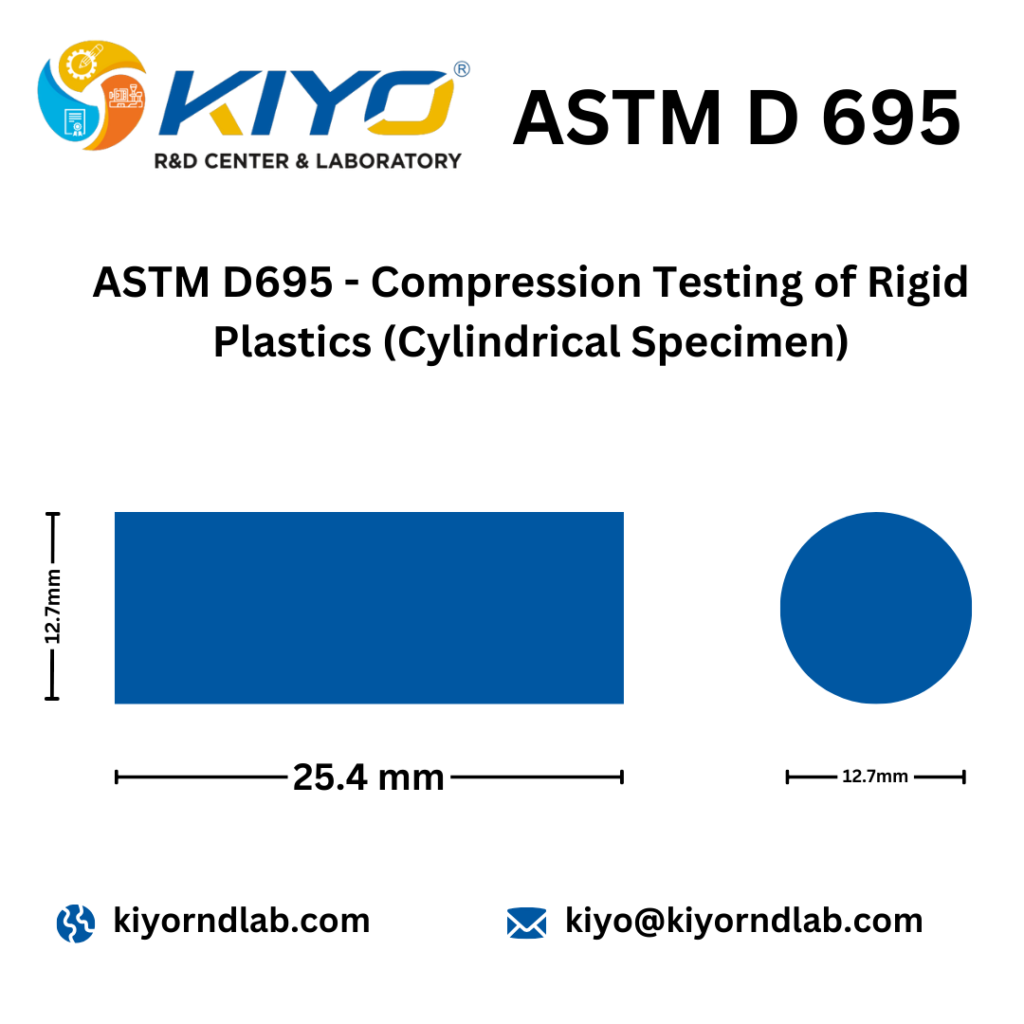
Importance of ASTM D695 in Compression Testing

ASTM D695 is the globally identified fashionable for evaluating the compressive residences of inflexible plastics. Following this standard guarantees consistency and accuracy in results.

Key Aspects of ASTM D695 Compliance:

  • Specimen Preparation: Precise dimensions and conditioning necessities are observed for uniformity.
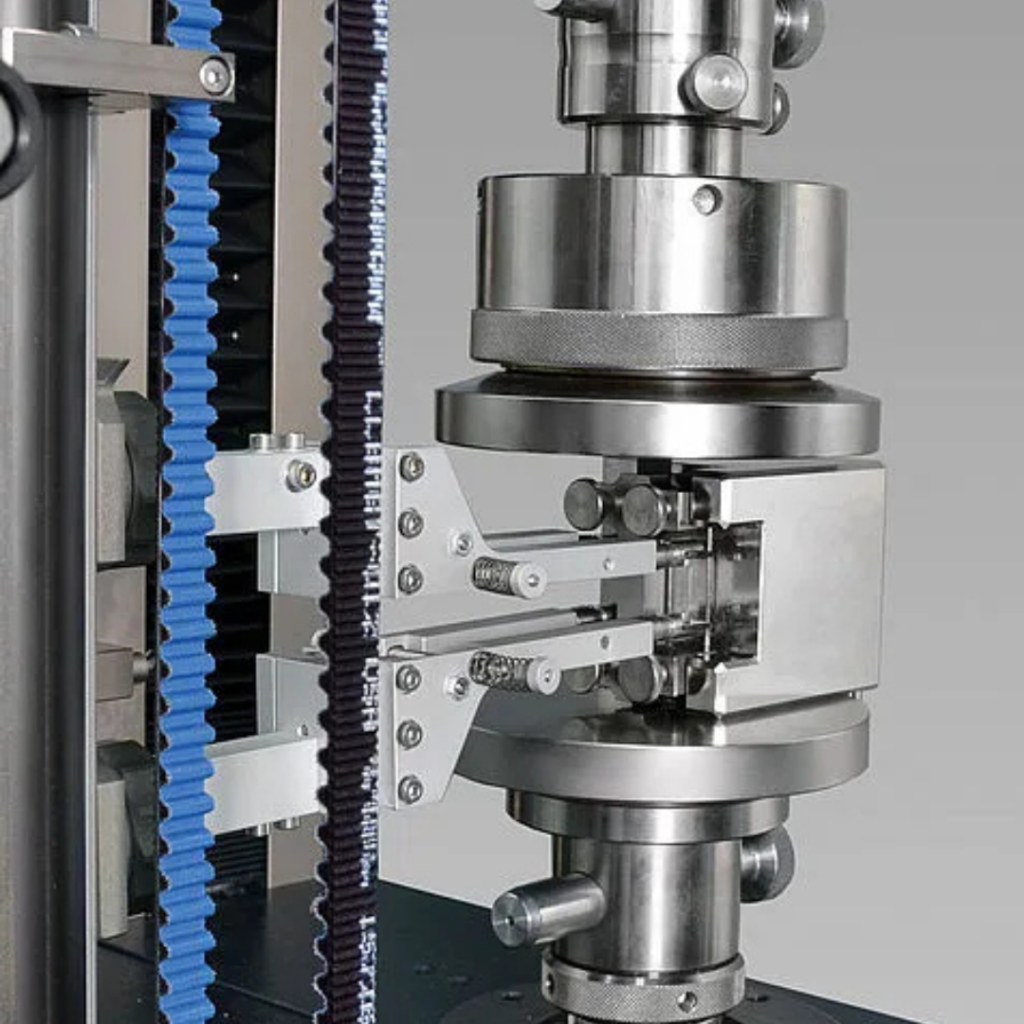
  • Testing Procedure: A controlled compressive pressure is applied to the material till deformation or failure happens.
  • Data Analysis: Measurements which includes compressive yield strength, strain-stress conduct, and failure points are recorded for assessment.

By adhering to ASTM D695, industries can make certain that take a look at results are accurate and align with worldwide material performance standards.

Advantages of Professional Compression Testing Services

Choosing a specialised laboratory for compression testing gives several blessings:

  • Advanced Testing Equipment: High-precision machines able to handling plastics, metals, composites, and different materials.
  • Expert Analysis: Skilled professionals interpret consequences with precision, ensuring reliable data.
  • Detailed Reporting: Comprehensive reports with graphical evaluation, stress-strain curves, and technical insights.
  • Fast Turnaround: Efficient testing tactics assist industries meet first-rate manipulate and challenge cut-off dates.

These services guide industries in improving fabric fine, optimizing product layout, and ensuring compliance with enterprise standards.

Applications of Compression Testing

Compression testing is vital across various sectors to validate material sturdiness and overall performance.

Common Industry Applications:

  • Automotive: Evaluating plastic and steel components for structural integrity.
  • Construction: Assessing building substances like concrete, composites, and polymers for load-bearing programs.
  • Aerospace: Testing lightweight, excessive-energy materials used in plane systems.
  • Packaging: Ensuring packaging materials withstand external pressures during garage and transport.
  • Consumer Goods: Verifying the sturdiness of rigid plastics and other manufactured products.

This testing out enables groups ensure that their materials meet the specified safety and performance criteria for quit-use packages.

Compression Testing Lab in Chennai

Conclusion


FAQ

1. What is compression testing?

Compression testing is a mechanical test used to determine a material's ability to withstand compressive forces. It measures properties like compressive strength, modulus of elasticity, and yield strength.

2. Why is compression testing important?

It ensures that materials can endure applied loads without failure, making it essential for industries like construction, automotive, aerospace, and manufacturing.

3. Which materials can be tested using compression testing?

Common materials tested include plastics, metals, composites, concrete, rubber, and foam. The test determines their resistance to crushing forces.
Pencil Hardness Testing in Chennai

Pencil Hardness Testing in Chennai

Pencil Hardness Testing in Chennai

Why Pencil Hardness Testing is Essential for Surface Coatings in Chennai

Introduction

Pencil Hardness Testing in Chennai

What Makes Pencil Hardness Testing Unique?

Pencil hardness testing is easy, efficient, and enormously particular. It uses a chain of pencils with varying hardness ranges (ranging from 9H to 6B) to assess how resistant a material is to scratches. The technique is ruled by using worldwide requirements like ASTM D3363 and ISO 15184, making sure consistency in outcomes.

Unlike other complex testing strategies, pencil hardness trying out is simple and value-effective, making it ideal for industries along with automobile, electronics, and production.


Industries in Chennai Benefiting from Pencil Hardness Testing

  1. Automotive Sector:

Chennai, frequently known as the “Detroit of India,” houses numerous automobile producers. From making sure scratch-resistant paint to durable dashboard coatings, pencil hardness trying out is critical in maintaining product pleasant.

  1. Electronics Manufacturing:

With Chennai emerging as an electronics production hub, scratch resistance checking out is important for display coatings and device casings, ensuring long-lasting client merchandise.

  1. Construction Materials:

For tiles, panels, and indoors surfaces, pencil hardness trying out ensures surfaces can face up to wear and tear, contributing to higher structural integrity and aesthetic appeal.

How Pencil Hardness Testing Supports Manufacturers

  1. Improves Product Reputation:

Scratch-resistant surfaces decorate product sturdiness and purchaser delight.

  1. Compliance with Global Standards:

By adhering to global trying out norms, Chennai-based producers can meet export and regulatory necessities effects.

  1. Cost Savings:

Testing coatings early within the improvement procedure reduces the threat of disasters in later tiers, saving time and sources.

Pencil Hardness Testing in Chennai

Conclusion


FAQ

1. What standards govern pencil hardness testing?

Pencil hardness testing typically adheres to standards like ASTM D3363 and ISO 15184, which ensure uniform testing procedures and reliable results.

2. How is the pencil hardness test performed?

The test involves using pencils of different hardness levels to scratch the material's surface. The hardest pencil that doesn’t leave a mark determines the surface's hardness rating.

3. Is pencil hardness testing cost-effective?

Yes, it is a simple and cost-effective method for assessing surface durability, requiring minimal equipment while providing precise and reliable results.
Water Bath For Sample Conditioning

Water Bath For Sample Conditioning

Water Bath For Sample Conditioning

Understanding the Importance of Water Bath for Sample Conditioning

Introduction

water bath for sample conditioning

What Is a Water Bath for Sample Conditioning?

A water bathtub is a laboratory equipment designed to maintain specific and consistent temperatures by immersing samples in water. It is typically used for conditioning samples earlier than exams such as tensile, effect, or thermal checking out. The conditioning manner lets in substances to stabilize in controlled environments, lowering variability in checking out outcomes.

Why Is Sample Conditioning Important?

Sample conditioning is a critical step in checking out processes because substances regularly behave in another way beneath varying temperature and humidity conditions. By the usage of a water bathtub, you could:

  • Mimic Real-World Conditions: Materials like plastics, rubber, and composites may additionally revel in sizeable assets adjustments when exposed to heat or bloodless. Conditioning samples at managed temperatures ensures check effects are reflective of real overall performance.
  • Enhance Test Accuracy: Stabilizing samples in a water tub reduces inconsistencies due to uncontrolled environmental elements, leading to more reliable information.
  • Meet Testing Standards: Many industry standards, including ASTM and ISO, require unique pre-conditioning of samples at controlled temperatures.

Key Features of a Water Bath

A top notch water bathtub for sample conditioning generally consists of:

  1. Temperature Control: Precision thermostats allow for accurate temperature settings, often starting from room temperature to one hundred degree Celsius or higher.
  2. Uniform Heating: Advanced water flow ensures even temperature distribution at some point of the bath, preventing localized heating or cooling.
  3. Capacity and Versatility: Water baths come in numerous sizes, accommodating a couple of samples or large specimens as wanted.
  4. Durability: Stainless metallic construction resists corrosion, making sure lengthy-time period reliability.
  5. Safety Features: Overheating safety and virtual displays make the water bath consumer-friendly and secure.

Applications of Water Baths in Sample Conditioning

Water baths are widely used across industries and research areas, such as:

  • Material Testing: Conditioning plastics, rubber, and metals to make certain correct mechanical or thermal belongings testing.
  • Pharmaceutical Research: Preparing samples for dissolution, solubility, or balance research.
  • Food and Beverage Quality Testing: Conditioning food merchandise underneath unique thermal situations.
  • Chemical Analysis: Preparing reagents or samples for unique chemical reactions.

Best Practices for Using a Water Bath

To make certain best overall performance and pattern reliability, consider those recommendations:

  1. Choose the Right Temperature: Follow the precise conditioning necessities to your sample type and checking out standard.
  2. Monitor and Maintain Water Levels: Regularly check water tiers to save you overheating or gadget harm.
  3. Clean Regularly: Prevent algae or sediment build-up with the aid of cleansing the bath regularly.
  4. Calibrate Periodically: Ensure the temperature manage machine is accurate by calibrating the device periodically.

How Kiyo R&D Center & Laboratory Can Help

At Kiyo R&D Center & Laboratory, we apprehend the significance of specific sample conditioning in fabric trying out. Our advanced facilities function cutting-edge water baths designed to meet the strictest enterprise requirements. Whether you require conditioning for tensile testing, impact testing, or thermal evaluation, we’re geared up to deal with your wishes with precision and care.

Water Bath For Sample Conditioning

Conclusion


FAQ

1. What is a water bath for sample conditioning?

A water bath is a laboratory apparatus used to maintain samples at precise and consistent temperatures by immersing them in water. It is widely used for conditioning materials before testing to ensure uniform temperature exposure.

2. Why is sample conditioning important before testing?

Sample conditioning stabilizes materials under controlled temperature and humidity conditions. This ensures test results are reliable, repeatable, and reflective of real-world performance, meeting industry standards like ASTM or ISO.

3. What types of materials can be conditioned in a water bath?

Water baths are suitable for a wide range of materials, including plastics, rubber, composites, metals, food products, pharmaceuticals, and chemicals.

4. What temperature ranges can water baths maintain?

Most water baths can maintain temperatures from ambient levels to approximately 100°C. Some specialized models may support higher temperatures.
NABL Accredited Labs in Chennai

NABL Accredited Labs in Chennai

NABL Accredited Labs in Chennai

Discover the Importance of NABL Accredited Labs in Chennai

Introduction

NABL Accredited Labs in Chennai

What is NABL Accreditation?

NABL accreditation signifies that a laboratory meets the stringent requirements of ISO/IEC 17025, the global general for checking out and calibration. This ensures the reliability, accuracy, and repeatability of the effects added by using these labs. Businesses that depend upon NABL Accredited Labs in Chennai can with a bit of luck vouch for the great in their materials and products.

Key Benefits of NABL Accreditation:

  1. Global Recognition: NABL-accepted outcomes are well-known across the world, making it less complicated for agencies to increase into global markets.
  2. Regulatory Compliance: Labs offer outcomes that align with regulatory norms, minimizing dangers of non-compliance.
  3. Customer Confidence: High-exceptional checking out builds consider amongst customers and stakeholders.
  4. Enhanced Process Efficiency: Reliable take a look at consequences assist in optimizing substances and production procedures.

Comprehensive Testing Services Available in NABL Accredited Labs in Chennai

1. Plastic Testing Services

Plastics are indispensable to numerous industries, which includes automobile, electronics, and packaging. NABL Accredited Labs in Chennai offer a huge range of trying out services to assess the properties of plastic substances:

  • Mechanical Testing: Tensile, flexural, and effect assessments compare the energy and sturdiness of plastics.
  • Thermal Testing: Tests along with HDT (Heat Deflection Temperature) and VSP (Vicat Softening Point) assist decide the thermal performance of materials.
  • Melt Flow Rate Testing: Measures the flow characteristics of plastic underneath warmth and pressure that is essential for manufacturing packages.
  • Chemical Analysis: Advanced strategies like FTIR (Fourier Transform Infrared Spectroscopy) pick out chemical compositions and impurities in plastics.

These offerings are essential for industries aiming to beautify product quality and observe strict requirements.

2. Rubber Testing Services

Rubber materials are extensively utilized in car elements, industrial system, and clinical devices. NABL-authorised rubber testing labs in Chennai provide services that consist of:

  • Hardness Testing: Measures the resilience and versatility of rubber materials.
  • Aging and Degradation Testing: Evaluates the outcomes of environmental factors consisting of heat, UV, and humidity on rubber.
  • Thermal and Chemical Testing: Techniques like TGA (Thermo gravimetric Analysis) and DSC (Differential Scanning Calorimetry) offer insights into thermal stability and cloth composition.
  • Tensile and Tear Strength Testing: Ensures rubber merchandise can face up to physical stresses.


Why Choose NABL Accredited Labs for Material Testing?

Chennai is domestic to a developing quantity of NABL-permitted labs focusing on cloth testing for plastics and rubbers. Here’s why deciding on these labs makes a distinction:

  • Accurate Results: Advanced generation and standardized methods ensure consistent and specific take a look at consequences.
  • Expert Professionals: Skilled technicians and researchers supply tremendous evaluation tailor-made to enterprise needs.
  • Broad Testing Capabilities: From physical to chemical and thermal homes, permitted labs offer end-to-quit trying out solutions.
  • Reduced Risks: Early identification of fabric flaws prevents expensive manufacturing errors and product disasters.

Leading NABL Accredited Labs in Chennai: Spotlight on Kiyo R&D Center and Laboratory

Among the NABL Accredited Labs in Chennai, Kiyo R&D Center and Laboratory stands proud for its contemporary offerings in fabric testing. Known for its expertise in plastic checking out labs in Chennai and rubber checking out labs in Chennai, Kiyo combines advanced device with a dedication to turning in dependable outcomes. Their services empower industries to innovate, hold compliance, and exceed quality requirements.


Industries That Benefit from NABL Accredited Labs in Chennai

NABL-authorized checking out offerings are vital throughout a extensive variety of industries:

  1. Automotive: Ensuring the quality of plastic and rubber components utilized in cars.
  2. Construction: Testing materials for structural reliability and long-term performance.
  3. Consumer Electronics: Evaluating the protection and sturdiness of plastic casings and elements.
  4. Medical Devices: Ensuring compliance with stringent regulations for medical-grade plastics and rubbers.

With the developing demand for incredible materials, those labs play a vital function in assisting industrial growth in Chennai.


Advanced Testing Techniques Used through NABL Accredited Labs

NABL-authorized labs leverage contemporary era to supply unique effects. Some of the superior strategies include:

  • SEM (Scanning Electron Microscopy): Provides specified imaging to investigate fabric surface and structural integrity.
  • FTIR Spectroscopy: Identifies chemical compositions and impurities.
  • Dynamic Mechanical Analysis (DMA): Evaluates material conduct under mechanical pressure.
  • Impact Testing: Determines the potential of materials to withstand sudden forces or affects.
NABL Accredited Labs in Chennai

Conclusion: NABL Accredited Labs in Chennai – A Pillar of Industrial Excellence


FAQ

1. What industries gain from NABL-authorized rubber trying out labs in Chennai?

Automotive, healthcare, production, and industrial equipment industries rely upon NABL labs for reliable rubber cloth overall performance assessment.

2. Can NABL-permitted labs assist with regulatory compliance?

Yes, NABL labs provide test outcomes that comply with domestic and international regulatory standards, assisting businesses avoid consequences and delays.

3. How do I discover the first-rate NABL-accredited lab in Chennai?

Look for labs with know-how for your required trying out, inclusive of plastic or rubber evaluation, and take a look at for superior technology and customer reviews.
Viscosity Testing in Chennai

Viscosity Testing in Chennai

Viscosity testing in Chennai

Viscosity Testing in Chennai: Your Partner in Quality Assurance

Introduction

Viscosity Testing in Chennai

Why Viscosity Testing Matters

Viscosity testing measures a fluid’s resistance to flow, providing insights into its behavior under various conditions. This testing is crucial for:

  • Product Quality: Ensures the fluid performs as expected in its intended application.
  • Regulatory Compliance: Adheres to international standards such as ISO 1133 for polymers​.
  • Process Optimization: Helps manufacturers fine-tune production processes for better efficiency and cost savings.

Applications of Viscosity Testing

Viscosity impacts a wide range of industries, including:

  1. Lubricants: Ensures engine oils and industrial fluids deliver optimal performance under varying conditions.
  2. Polymers and Plastics: Evaluates the melt flow index of thermoplastics for manufacturing consistency.
  3. Food and Beverages: Maintains texture and consistency in products like sauces, syrups, and dairy.
  4. Chemicals and Paints: Tests adhesives, coatings, and resins for uniform application and durability.
  5. Pharmaceuticals: Monitors flow properties of liquid formulations to ensure precise dosing and consistency.

Viscosity Testing Services at Kiyo R&D Center

Kiyo R&D Center and Laboratory offers state-of-the-art viscosity testing in Chennai, equipped to handle diverse requirements with unmatched precision. Key features of Kiyo’s services include:

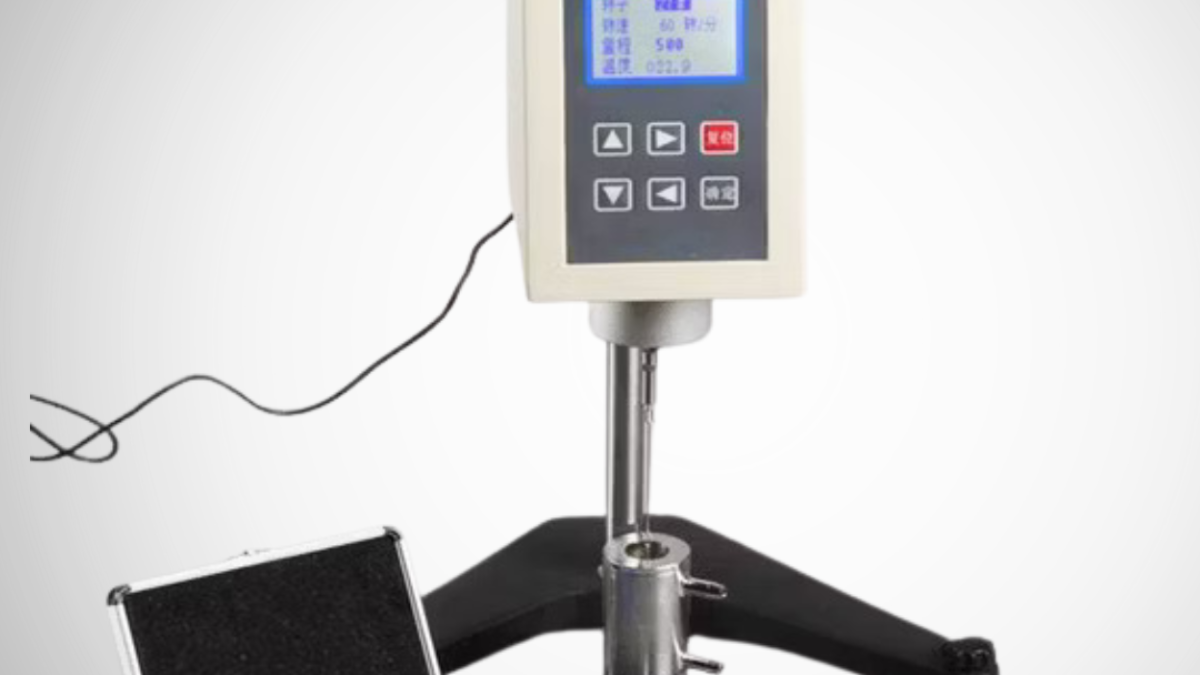
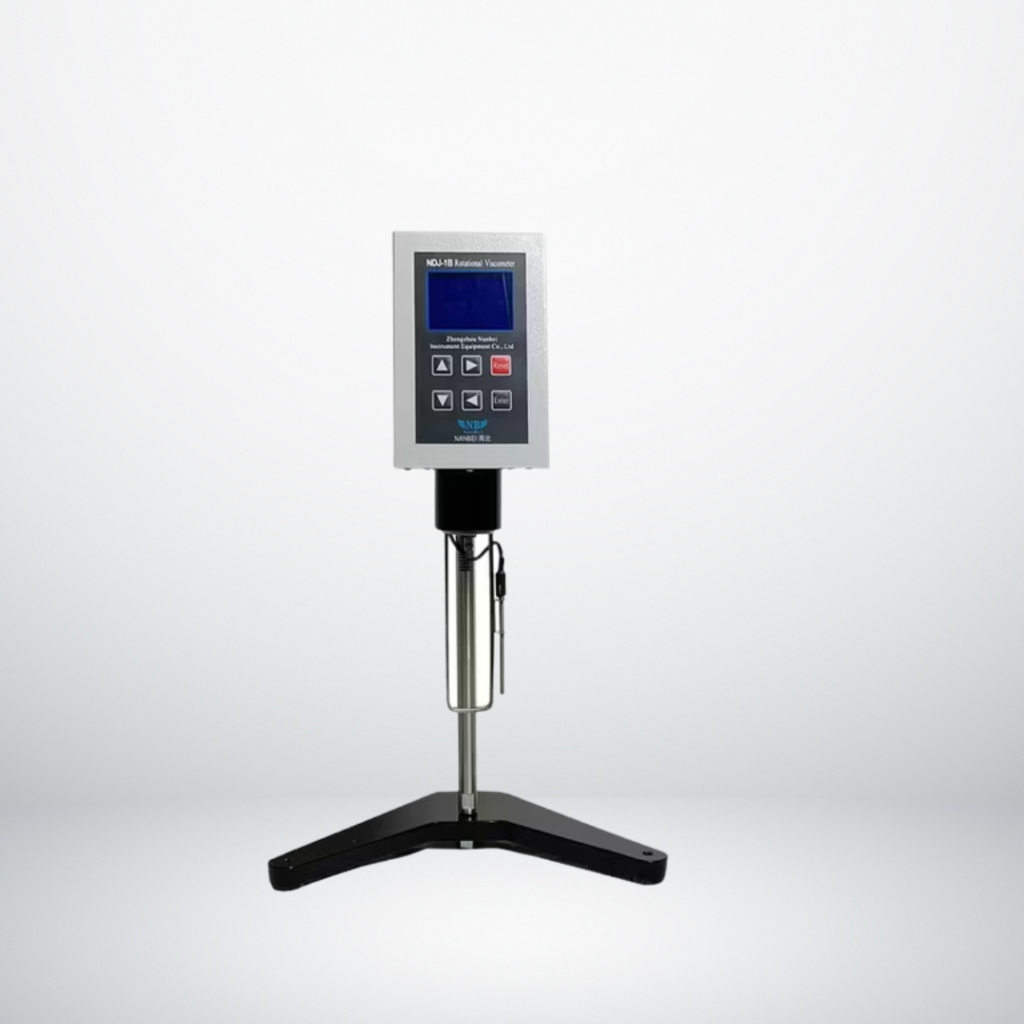
  1. Advanced Equipment: Using rotational viscometers, capillary viscometers, and melt flow index testers, Kiyo ensures accurate measurements tailored to your material’s needs.
  2. ISO-Compliant Testing: Adhering to international standards like ISO 1133 and ISO 3451, Kiyo delivers results that meet global regulatory requirements​​.
  3. Quick Turnaround Times: Located in Chennai, Kiyo provides rapid testing and reporting to minimize delays in production cycles.
  4. Comprehensive Reporting: Detailed reports include test methodology, measured values, and compliance analysis, empowering businesses with actionable insights.

The Testing Process at Kiyo

Kiyo R&D Center follows a streamlined process to ensure precise and efficient viscosity testing:

  1. Sample Submission: Clients submit material samples along with specific testing requirements.
  2. Testing Execution: Samples are analyzed using advanced equipment, tailored to the material type and application.
  3. Result Compilation: Detailed reports highlight viscosity values, compliance status, and recommendations for process improvement.

Why Chennai’s Industries Choose Kiyo for Viscosity Testing?

  1. Expertise: A team of seasoned professionals ensures accurate testing and insightful analysis.
  2. Reliability: State-of-the-art infrastructure and adherence to international standards guarantee dependable results.
  3. Convenience: As a Chennai-based facility, Kiyo is easily accessible to local industries, offering faster service and personalized support.

Viscosity Testing: A Cornerstone of Industrial Excellence

Whether you’re manufacturing automotive lubricants, processing food products, or developing polymers, understanding the viscosity of your materials is critical for success. Reliable testing ensures your products meet quality standards and perform as intended.

Viscosity Testing in Chennai

Conclusion


FAQ

1. What is included in the viscosity test report?

The report typically includes: Test methodology. Measured viscosity values. Compliance with relevant standards. Observations and recommendations.

2. How can I submit samples for viscosity testing at Kiyo?

You can contact Kiyo R&D Center and Laboratory in Chennai to schedule sample submission. Our team will guide you through the process and address any specific requirements.

3. How long does the testing process take?

The duration depends on the sample type and test complexity. Kiyo ensures quick turnaround times to minimize delays for industries.

4. Is Kiyo equipped to test materials under international standards?

Yes, Kiyo adheres to globally recognized standards like ISO 1133, ISO 3451, and others​​, ensuring compliance and reliable results.

5. Why is viscosity testing important for industries in Chennai?

Chennai is a hub for diverse industries like automotive, polymers, food, and chemicals. Viscosity testing ensures materials meet quality standards, optimize performance, and comply with global regulations.
Colorimetry Analyzer in Chennai

Colorimetry Analyzer in Chennai

Colorimetry Analyzer in Chennai

Exploring the Impact of Colorimetry Analyzer in Chennai’s Material Testing Industry

Introduction

Colorimetry Analyzer in Chennai

What is a Colorimetry Analyzer?

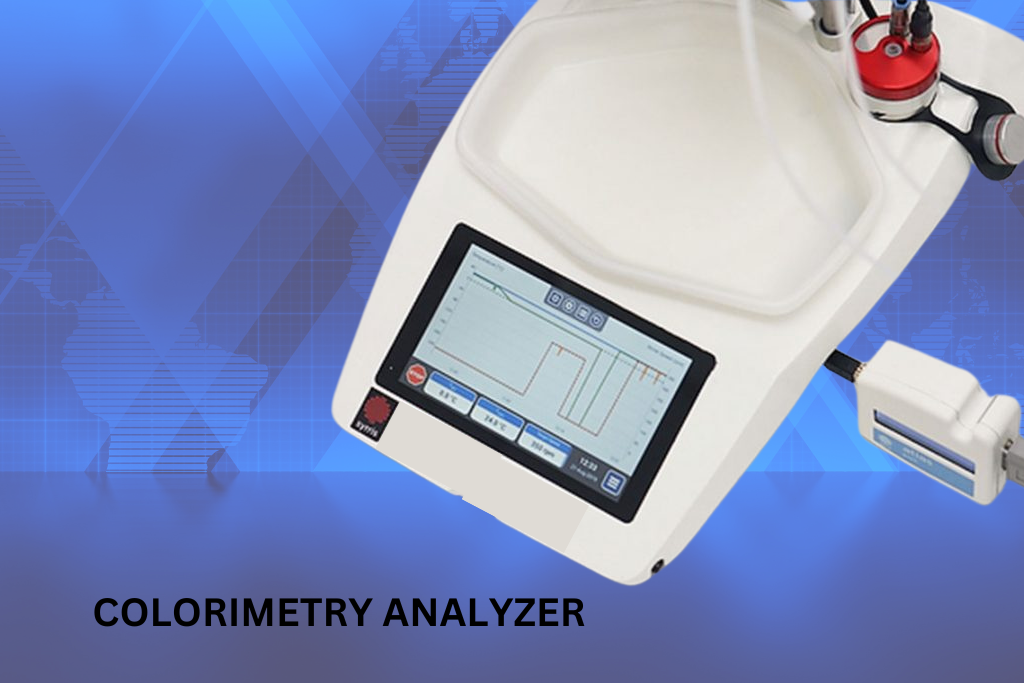
A Colorimetry Analyzer is a specialized instrument that measures and evaluates the color of materials with unmatched precision. By breaking down colors into their constituent components, it provides quantitative data that helps industries meet strict color standards.

In sectors like plastics and rubber, color consistency is not just about aesthetics but also about ensuring material properties remain consistent throughout the production process. From identifying color deviations to ensuring compliance with industry standards, this device plays a critical role.

The Role of Colorimetry in Plastic Testing Labs in Chennai

Plastics are among the most widely used materials in various industries, including automotive, packaging, and consumer goods. Each of these sectors demands stringent quality controls, with color uniformity being a key parameter.

In Chennai, plastic testing labs use Colorimetry Analyzers to:

  • Detect color variations during production.
  • Assess the impact of additives or fillers on material appearance.
  • Ensure color stability in harsh environmental conditions, such as UV exposure or high temperatures.

The Importance of Colorimetry in Rubber Testing Labs in Chennai

Rubber products, ranging from industrial gaskets to tires, often require precise color standards for functionality and quality. In Chennai’s rubber testing labs, the Colorimetry Analyzer is vital for:

  • Identifying contaminants or impurities that alter color.
  • Monitoring the consistency of colorants used in production.
  • Ensuring the final product aligns with customer or regulatory specifications.

For example, in the production of rubber seals for aerospace applications, color analysis helps detect inconsistencies that could affect the material’s performance under stress. The Colorimetry Analyzer enables manufacturers to maintain strict quality assurance protocols, ensuring product reliability.

Advantages of Using Colorimetry Analyzer in Chennai’s Testing Labs

The use of Colorimetry Analyzers in material testing offers several benefits:

  1. Precision: Provides exact color data, reducing subjectivity in quality assessments.
  2. Efficiency: Speeds up the testing process, allowing for quicker corrections in production.
  3. Versatility: Adapts to a wide range of materials, including plastics, rubbers, and paints.
  4. Cost Savings: Minimizes material wastage and rework by detecting issues early.
  5. Regulatory Compliance: Ensures adherence to international standards for exported goods.

Kiyo R&D Center & Laboratory: A Leader in Colorimetry Analysis

Among Chennai’s advanced testing facilities, Kiyo R&D Center and Laboratory stands out for its comprehensive approach to material analysis. Equipped with state-of-the-art Colorimetry Analyzers, Kiyo offers unmatched expertise in testing plastics, rubbers, and composites. Whether it’s ensuring color uniformity or detecting material inconsistencies, their team delivers precise results that empower manufacturers to meet industry standards.

As a trusted plastic testing lab in Chennai and a leading rubber testing lab in Chennai, Kiyo R&D Center is the ideal partner for businesses striving for quality and innovation.

Why Colorimetry Analysis Matters in Today’s Market

In a globalized market, maintaining consistent quality is non-negotiable. Customers expect products to not only perform well but also look flawless. With a Colorimetry Analyzer, manufacturers in Chennai can achieve:

  • Superior product appeal.
  • Better brand reputation through consistent quality.
  • Competitive advantage in local and international markets.

Whether you’re producing plastic containers for consumer use or rubber components for industrial applications, colorimetric analysis is key to standing out.

Colorimetry Analyzer in Chennai

Conclusion


FAQ

1. How does a Colorimetry Analyzer work?

It quantifies color properties based on standardized color spaces, providing precise data for evaluating material consistency.

2. Can Colorimetry Analyzers detect impurities in materials?

Yes, they can identify impurities or inconsistencies that alter the material's color, helping ensure high-quality standards.

3. What makes Kiyo R&D Center ideal for color analysis?

Kiyo R&D Center in Chennai offers advanced equipment and expertise for accurate colorimetric analysis of plastics and rubbers.

4. How does color consistency impact product performance?

In materials like rubber, color consistency often correlates with chemical stability and functional reliability.

5. What is the purpose of a Colorimetry Analyzer in material testing?

A Colorimetry Analyzer ensures precise color measurement and consistency in materials like plastics and rubber, aiding in quality control and compliance.
NABL Laboratory in Chennai

NABL Laboratory in Chennai

NABL Laboratory in Chennai

NABL Laboratory in Chennai: The Gateway to Precision Testing for Plastics and Rubber

Introduction

NABL Laboratory in Chennai

What Makes NABL Accreditation Essential?

The National Accreditation Board for Testing and Calibration Laboratories (NABL) affords accreditation to trying out centers primarily based on their technical competence and adherence to global standards like ISO/IEC 17025. This certification ensures that the laboratory’s consequences are specific, dependable, and identified globally.

Why pick out a NABL-approved lab?

  • Credibility: NABL accreditation is a trademark of best, ensuring that the laboratory follows stringent protocols.
  • Global Acceptance: Materials examined in NABL-licensed labs are typical throughout industries global.
  • Consistency: The consequences from those labs are reproducible, presenting producers with confidence of their materials and tactics.

Plastic Testing Lab in Chennai: A Backbone for Innovation

With plastic being a cornerstone of modern-day industry, producers require accurate testing to ensure their merchandise meet overall performance requirements. A plastic testing lab in Chennai offers specialised offerings that cater to various industrial needs.

Key Testing Services for Plastics

  1. Tensile Testing: Evaluates the strength and elasticity of plastic substances beneath applied strain.
  2. Flexural Testing: Determines the potential of a plastic material to resist deformation beneath load.
  3. Melt Flow Rate (MFR) Testing: Assesses the go with the flow conduct of thermoplastics for better manner manage.
  4. HDT and VSP Testing: Ensures that plastics preserve integrity beneath unique temperature and pressure situations.
  5. Thermal Analysis: Advanced strategies like Differential Scanning Calorimetry (DSC) and Thermogravimetric Analysis (TGA) assist in knowledge thermal stability and transitions.

Industries such as car, electronics, and packaging rely heavily on the offerings provided by way of these labs to make sure that their plastic components meet stringent best requirements.

Rubber Testing Lab in Chennai: Ensuring Strength and Durability

Rubber is integral in critical packages, from car tires to industrial seals. A rubber testing lab in Chennai offers complete solutions to help industries preserve product performance and durability.

Key Testing Services for Rubber

  1. Hardness Testing: Measures the resistance of rubber to indentation, essential for packages like seals and gaskets.
  2. Compression Set Testing: Evaluates the capability of rubber to preserve its unique shape after prolonged compression.
  3. Abrasion Resistance Testing: Ensures rubber additives can face up to wear and tear.
  4. Tensile and Elongation Testing: Determines the power and versatility of rubber materials.
  5. Dynamic Fatigue Testing: Simulates real-lifestyles stress situations to evaluate the long-term performance of rubber merchandise.

By leveraging these services, producers can make certain their products are long lasting, safe, and appropriate for the meant application.

NABL Laboratories in Chennai: Supporting a Range of Industries

Automotive

The car enterprise in Chennai blessings immensely from NABL-accepted labs, making sure that additives like tires, hoses, and dashboards meet rigorous protection and overall performance benchmarks.

Aerospace

Testing services for plastics and rubber are essential in aerospace applications, where fabric integrity underneath severe situations is critical.

Medical Devices

In the clinical zone, accurate testing ensures that plastic and rubber additives used in gadgets and gadget are secure and biocompatible.

Packaging

NABL-accredited labs help packaging manufacturers in verifying the power, durability, and resistance of materials, improving product safety.

Kiyo R&D Center and Laboratory: A Leader in Material Testing

Among the NABL-authorised laboratories in Chennai, Kiyo R&D Center and Laboratory stands proud for its determination to precision and innovation. Renowned for its understanding in checking out plastics, rubber, and metals, Kiyo R&D offers clients with complete testing answers tailor-made to their particular wishes.

Key highlights of Kiyo R&D:

  • Wide Testing Range: From tensile testing to advanced thermal evaluation, the lab covers all vital testing offerings.
  • Industry Expertise: Experienced experts supply actionable insights and specific reviews.
  • Customer-Centric Approach: Kiyo R&D prioritizes timely transport and remarkable customer support.

Choosing the Right NABL Laboratory in Chennai

When choosing a laboratory for your testing desires, don’t forget the subsequent:

  1. Accreditation: Ensure the lab holds NABL certification to your required checking out services.
  2. Service Range: Look for labs that provide complete trying out for plastics, rubber, and different materials.
  3. Technology: Advanced system and methodologies make sure specific outcomes.
  4. Reputation: A trusted lab with superb purchaser evaluations can assure pleasant results.
NABL Laboratory in Chennai

Conclusion


FAQ

What are the key services of a rubber checking out lab in Chennai?

Rubber trying out consists of hardness, tensile, compression, abrasion resistance, and dynamic fatigue testing.

How do I select the great NABL lab in Chennai?

Look for NABL accreditation, advanced technology, enterprise understanding, and a strong reputation in cloth checking out.

Can NABL labs help with regulatory compliance?

Yes, NABL labs ensure your materials and merchandise meet each countrywide and global regulatory necessities.

What makes Kiyo R&D Center a reliable NABL lab in Chennai?

Kiyo R&D offers superior trying out, expert steerage, and consumer-targeted answers for plastics, rubber, and metals.
Arc Resistance Testing in Chennai

Arc Resistance Testing in Chennai

Arc Resistance Testing in Chennai

Everything You Need to Know About Arc Resistance Testing in Chennai

Introduction

Arc Resistance Testing in Chennai

What is Arc Resistance Testing?

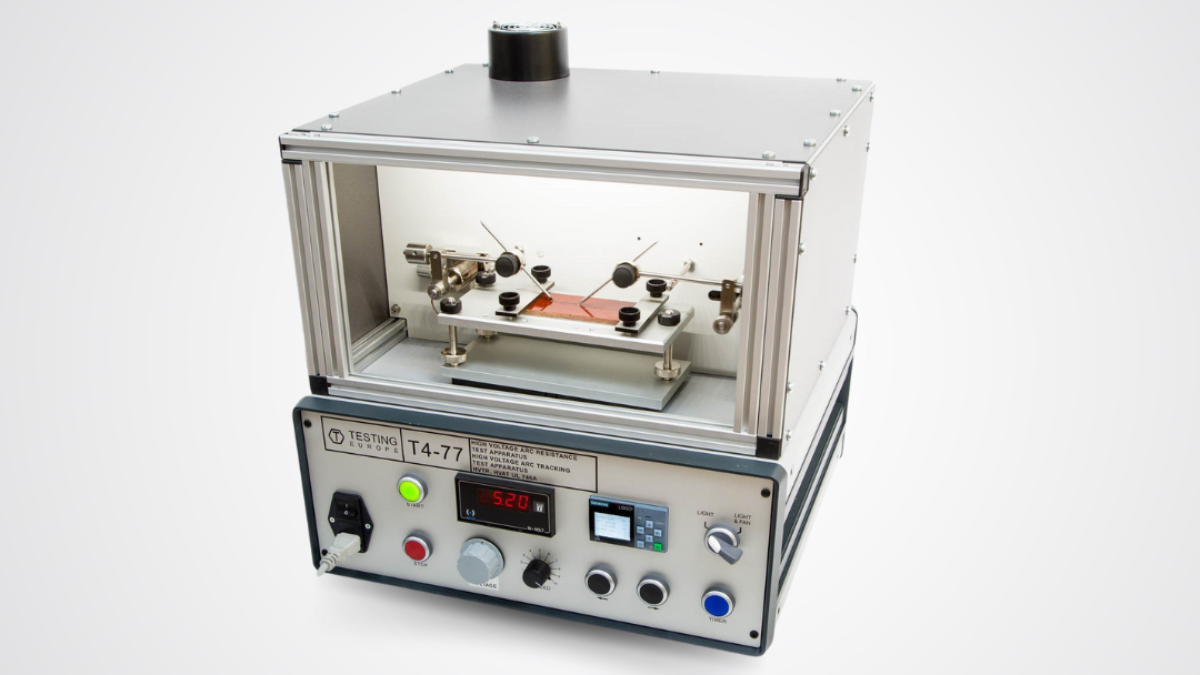
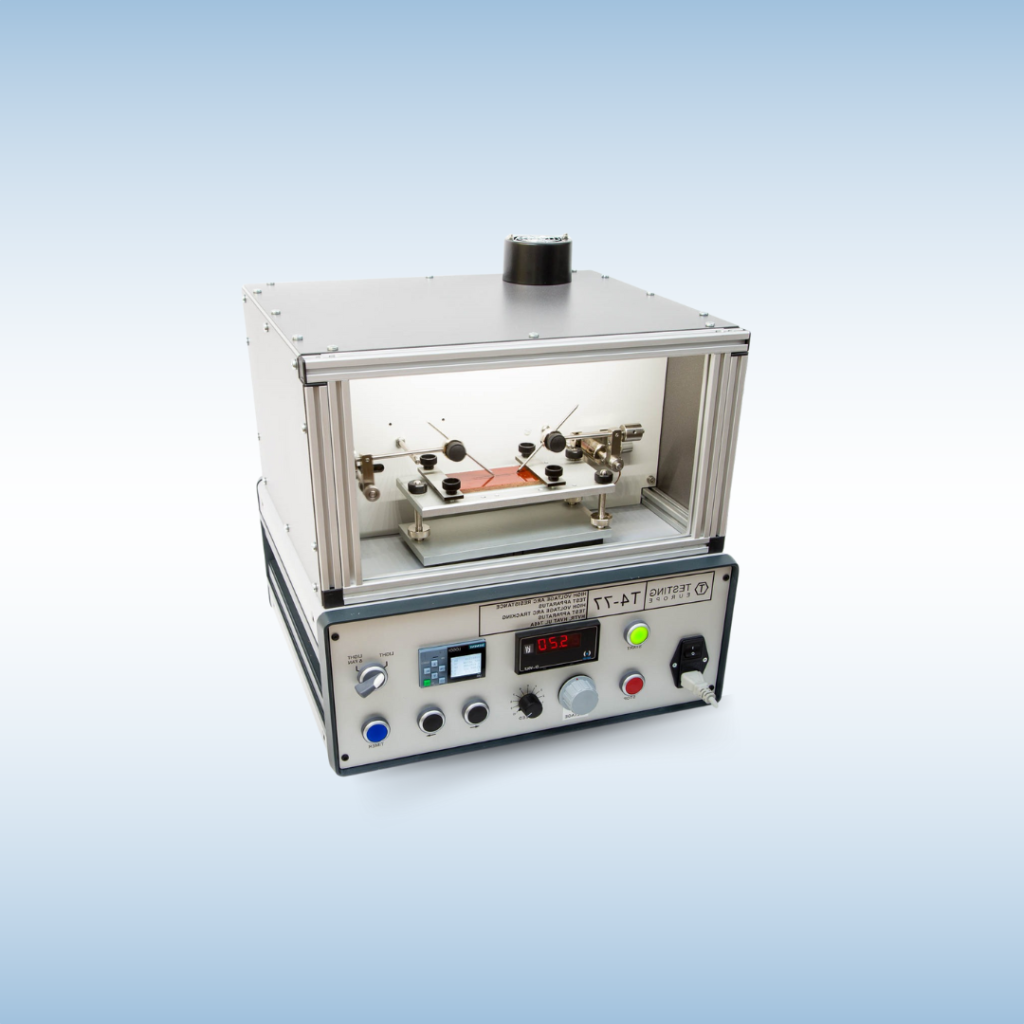
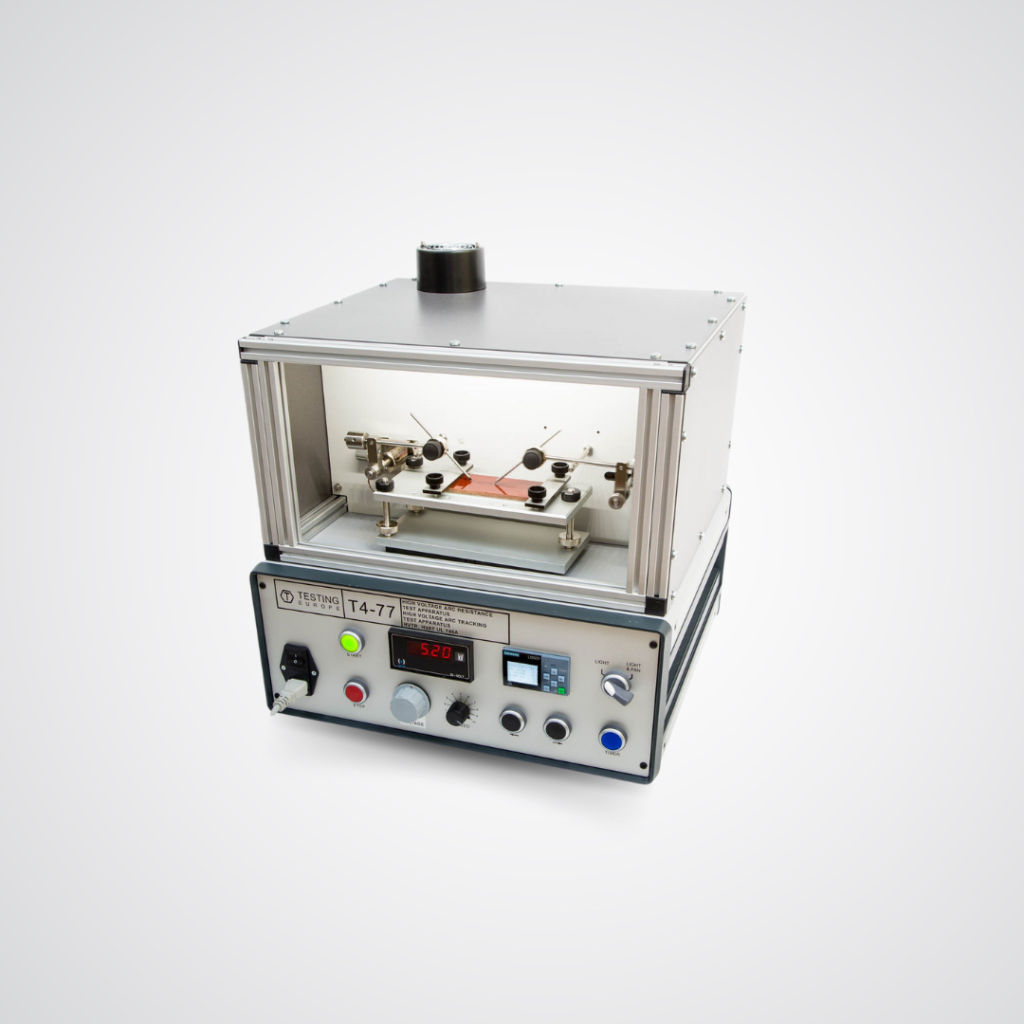
Arc resistance trying out determines how properly a fabric can face up to an electric powered arc’s energy without forming a conductive pathway. It evaluates the insulating residences of materials underneath high-voltage situations, making it fundamental for industries handling electrical programs.

The manner measures the fabric’s patience in seconds and enables manufacturers make certain their products meet global protection and overall performance requirements.


Why is Arc Resistance Testing Essential?

  1. Enhances Safety: Identifies substances that face up to electrical breakdown, reducing the chance of hearth or accidents.
  2. Supports Innovation: Enables engineers to pick the exceptional substances for current designs.
  3. Ensures Compliance: Meets international standards such as ASTM D495, required for regulatory certifications.
  4. Improves Product Longevity: Helps in choosing durable substances that withstand electric pressure over the years.

Industries Relying on Arc Resistance Testing

  1. Electrical and Electronics: Ensures safe and sturdy insulating substances for circuit boards, switchgear, and other components.
  2. Automotive: Validates electric connectors and insulators for hybrid and electric cars.
  3. Construction: Assesses materials utilized in wiring, insulation, and fixtures.
  4. Consumer Goods: Tests insulating components in home home equipment and electronic gadgets.

Arc Resistance Testing in Chennai: Why It’s Critical

As a leading industrial metropolis, Chennai has a high call for for exceptional cloth checking out offerings. Arc Resistance Testing in Chennai is a important provider for industries that produce or make use of electrical components. With a thriving surroundings of producing and research, the city boasts numerous laboratories ready with cutting-edge technology to perform this take a look at correctly.

For producers, working with a reliable plastic checking out lab in Chennai or rubber trying out lab in Chennai guarantees that substances are examined underneath stringent situations, yielding correct effects for actual-world overall performance.


How Arc Resistance Testing Works

The take a look at involves placing a material sample between two electrodes and exposing it to a high-voltage arc. The length earlier than the arc creates a conductive direction on the material’s surface is measured. A longer arc resistance time suggests better insulating homes that is critical for making sure protection and sturdiness in electrical systems.


Factors to Consider When Choosing a Testing Lab

  1. Accreditation: Ensure the lab meets worldwide requirements like ISO/IEC 17025.
  2. Expertise: Look for skilled technicians and a demonstrated tune report in arc resistance trying out.
  3. Equipment: Advanced technology guarantees particular and reliable results.
  4. Comprehensive Services: Opt for labs that offer a variety of checking out services, consisting of tensile, thermal, and impact testing.

The Role of Plastic and Rubber Testing in Arc Resistance

Materials like plastics and rubbers are broadly used in electric packages because of their insulating houses. However, no longer all plastics and rubbers are created identical. Testing their arc resistance ensures they could resist harsh conditions and maintain overall performance through the years.

If you’re seeking out a specialised plastic trying out lab in Chennai or a rubber trying out lab in Chennai, ensure the ability you pick has information in arc resistance testing.


Leading Arc Resistance Testing Services in Chennai

When it comes to superb arc resistance checking out, Kiyo R&D Center and Laboratory is a depended on name in Chennai. Known for its revolutionary method and unique consequences, Kiyo provides complete cloth checking out services that cater to diverse industries. Their professional group ensures your materials meet the highest safety and performance requirements.

Arc Resistance Testing in Chennai

Conclusion


FAQ

1. How is Arc Resistance Testing executed?

The test entails exposing a material to a excessive-voltage arc and measuring the time it resists forming a conductive route.

2. What different tests can complement Arc Resistance Testing?

Tensile testing, thermal evaluation, flammability checking out, and impact trying out are commonplace complementary assessments to make certain complete material evaluation.

3. Can Arc Resistance Testing be carried out for plastics and rubbers?

Yes, plastics and rubbers are regularly examined for arc resistance, as they're broadly utilized in electrical insulation and different safety-crucial applications.

4. What standards govern Arc Resistance Testing?

Standards like ASTM D495 define the approaches and criteria for arc resistance testing, ensuring international compliance and consistency.