Chemical Resistance Test Services in Oragadam
Material Chemical Resistance Testing Services in Oragadam – Kiyo R&D LAB
Chemical Resistance Test Services
In many industrial applications, materials are not only exposed to mechanical stress but also to aggressive chemical environments. Chemicals such as acids, alkalis, oils, solvents, and cleaning agents can slowly degrade materials, leading to reduced performance or complete failure. That is why industries rely on chemical resistance test services in Oragadam – Kiyo R&D LAB to ensure that materials can withstand real-world exposure conditions.
At Kiyo R&D LAB, chemical resistance testing is performed to evaluate how materials behave when exposed to different chemicals over time. This testing helps manufacturers select the right materials, improve product performance, and avoid costly failures.
What is Chemical Resistance Testing?
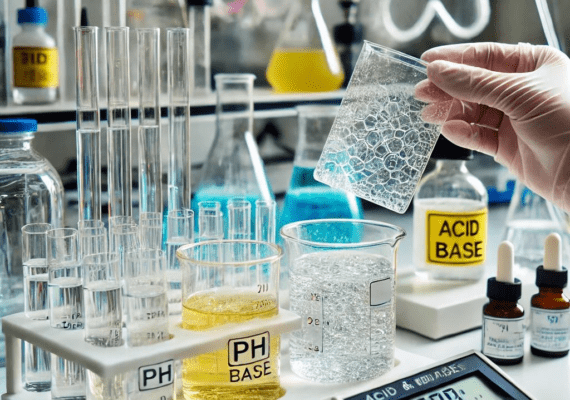
Chemical resistance testing measures how a material reacts when it comes into contact with specific chemicals under controlled conditions. The test evaluates physical, mechanical, and visual changes that occur after exposure.
These changes may include swelling, cracking, discoloration, weight loss, or reduction in strength. Understanding these effects is essential for predicting how materials will perform in actual environments.
How Chemical Resistance Testing Works
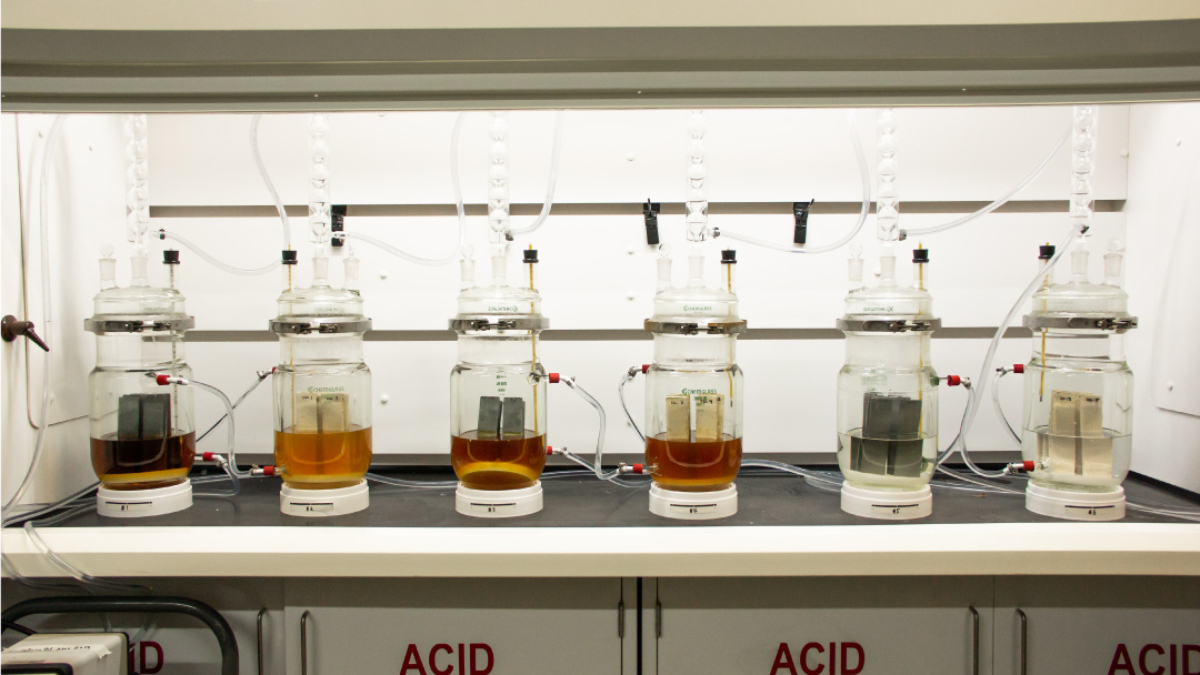
The testing process involves exposing a material sample to a specific chemical for a defined period under controlled temperature and environmental conditions. After exposure, the material is analyzed to identify any changes.
Key parameters evaluated during testing include weight variation, dimensional changes, surface condition, and mechanical strength. These results help determine whether the material is suitable for its intended application.
With chemical resistance test services in Oragadam – Kiyo R&D LAB, testing is carried out using standardized methods to ensure consistent and reliable results.
Applications of Chemical Resistance Testing
Chemical resistance testing is widely used in industries where materials are exposed to harsh environments. In the automotive industry, components must resist fuels, lubricants, and coolants. In plastic manufacturing, materials are tested for resistance to chemicals used during processing and usage. In the medical field, materials must withstand disinfectants and sterilization chemicals.
Coatings and paints are also tested to ensure they can resist corrosion and chemical attack. This wide range of applications makes chemical resistance test services in Oragadam – Kiyo R&D LAB essential for ensuring product reliability.
Materials That Can Be Tested
Chemical resistance testing is suitable for various materials, including plastics, polymers, rubber, coatings, composites, and treated metals. Each material reacts differently depending on the type of chemical and exposure conditions.
Testing helps identify these reactions early, allowing manufacturers to make improvements before the product reaches the market.
Why Businesses Choose Kiyo R&D LAB
Accurate chemical resistance testing requires controlled conditions and precise measurement. Not all laboratories can maintain this level of accuracy.
Kiyo R&D LAB ensures reliable results by following ASTM and ISO standards, using calibrated equipment, and maintaining strict quality control procedures. The lab provides clear and detailed reports that help businesses make informed decisions.
Fast turnaround time also ensures that testing does not delay production or project timelines.
Benefits of Chemical Resistance Testing
Testing chemical resistance before product launch offers several advantages. It helps identify material weaknesses, improves product durability, and reduces the risk of failure in real-world conditions.
It also ensures compliance with industry standards and improves customer confidence. By using chemical resistance test services in Oragadam – Kiyo R&D LAB, businesses can avoid costly repairs, replacements, and product recalls.
When Should Chemical Resistance Testing Be Performed?
Chemical resistance testing should be conducted during product development, before final production, and during quality control checks. It is also useful when changing materials or suppliers, as well as during failure analysis.
Testing early in the process helps prevent issues later, saving both time and cost.
Why Oragadam is a Key Location for Testing Services
Oragadam is a major industrial hub near Chennai, with strong presence in automotive, manufacturing, and engineering sectors. This increases the need for reliable chemical resistance test services in Oragadam – Kiyo R&D LAB to ensure material quality and performance.
Work With Kiyo R&D Lab
If your product is exposed to chemicals, resistance testing is essential. Choosing chemical resistance test services in Oragadam – Kiyo R&D LAB ensures that your materials are tested under realistic conditions, helping you deliver durable and high-performance products.
FAQ
Why is chemical resistance testing important?
It helps prevent material degradation, improves product reliability, and ensures compliance with industry standards.
What materials can be tested?
Materials such as plastics, rubber, coatings, composites, and metals can be tested for chemical resistance.
What parameters are evaluated during testing?
Parameters include weight change, dimensional variation, surface condition, and mechanical strength.
Can chemical resistance testing improve product quality?
Yes, it helps identify weaknesses and allows manufacturers to improve material performance.
Why choose Kiyo R&D LAB?
Kiyo R&D LAB provides accurate testing, reliable results, and fast reporting using advanced equipment.