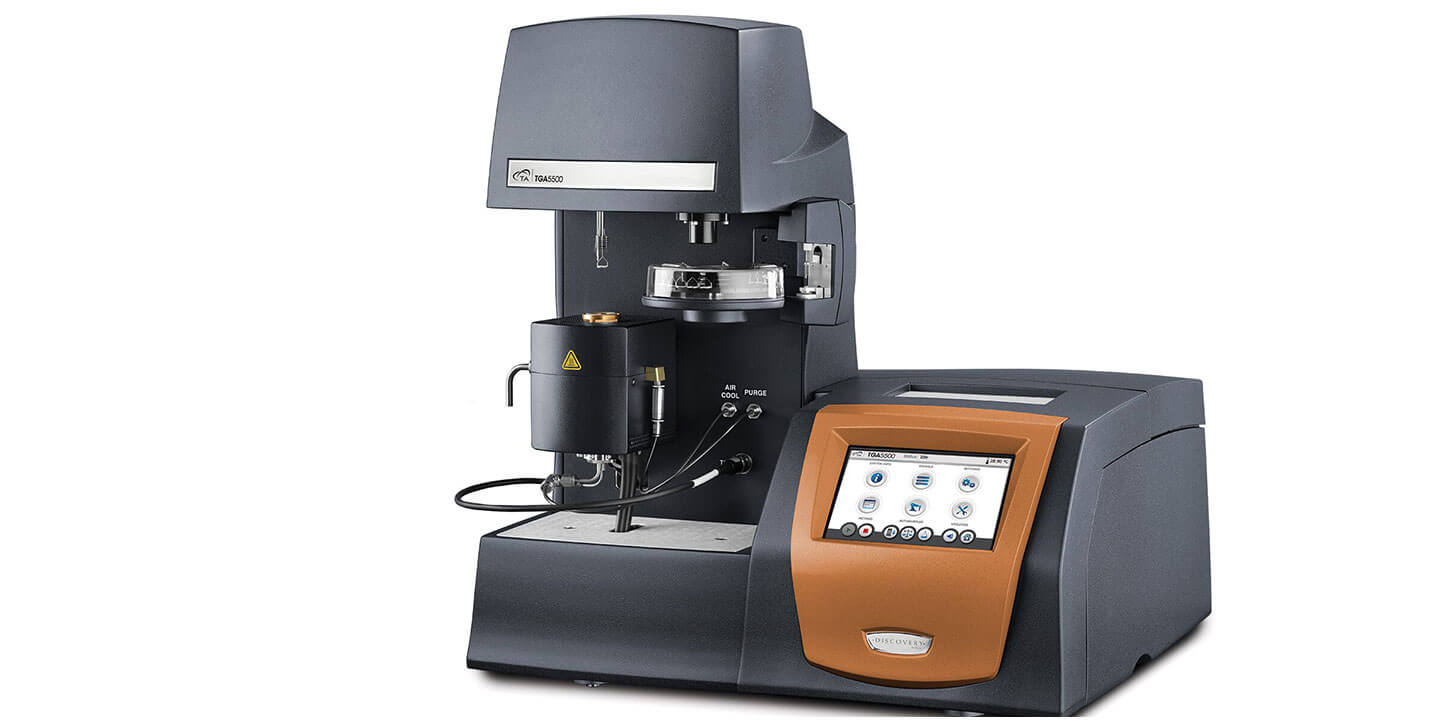
Scanning Electron Microscopy Analysis in Oragadam | Kiyo R&D Center & Laboratory

Scanning Electron Microscopy Analysis in Oragadam | Kiyo R&D Center & Laboratory

Scanning Electron Microscopy Analysis in Oragadam

Best SEM Testing Lab in Oragadam for Failure Analysis & Material Study

Scanning Electron Microscopy Analysis

Material problems are not always visible on the surface. A plastic part may crack because of poor bonding, a metal component may fail due to micro-level defects, or a coating may peel because of poor surface structure. Normal visual inspection cannot reveal these details. This is why scanning electron microscopy analysis in Oragadam – Kiyo R&D Center & Laboratory is important for industries that need accurate material investigation.

Kiyo R&D Center & Laboratory provides SEM analysis support for metals, plastics, polymers, composites, coatings, powders, particles, and failed components. SEM helps customers see surface morphology, fracture features, particle shapes, coating defects, and microstructural details with high magnification and clarity.

Scanning Electron Microscopy Analysis in Oragadam | Kiyo R&D Center & Laboratory

What is Scanning Electron Microscopy Analysis?

Scanning Electron Microscopy, commonly called SEM, is an advanced imaging technique used to study material surfaces at very high magnification. Instead of using visible light like a normal microscope, SEM uses a focused electron beam to scan the sample surface and generate detailed images.

In simple terms, SEM analysis helps you see what cannot be seen with the naked eye or ordinary optical microscopes. It is especially useful when the issue is related to surface damage, fracture behavior, contamination, particle structure, or micro-level defects.

Why SEM Analysis is Important

Trying to solve a material failure without microscopic evidence is weak problem-solving. Many failures happen because of defects that are too small to see directly. SEM gives visual proof and helps reduce guesswork.

By choosing scanning electron microscopy analysis in Oragadam – Kiyo R&D Center & Laboratory, customers can:

  • Study fracture surfaces after failure
  • Identify cracks, voids, pores, and surface defects
  • Analyze powder and particle morphology
  • Investigate coating defects and surface damage
  • Support product development and quality control
  • Improve root cause analysis for failed components

How SEM Analysis Works

The SEM analysis process starts with sample review and preparation. Depending on the material, the sample may need cleaning, drying, cutting, mounting, or coating. Once prepared, the sample is placed inside the SEM chamber. A focused electron beam scans the surface, and the emitted signals are used to generate high-resolution images.

The images are then studied to understand surface texture, fracture pattern, particle distribution, coating condition, or defect morphology. If elemental composition is also required, SEM can be combined with EDAX/EDS analysis.

Applications of SEM Analysis in Oragadam

SEM is widely used across industrial and research applications. In failure analysis, it helps identify fracture patterns, fatigue features, brittle failure, ductile tearing, and surface damage. In powders and particles, it helps observe shape, size, agglomeration, and distribution.
For coatings, SEM can reveal cracks, delamination, surface roughness, and layer defects. For polymers and plastics, it can support fracture investigation, filler distribution study, and surface defect analysis. For metals, it helps observe corrosion, wear, microstructural features, and failure surfaces.

SEM with EDAX / EDS Analysis

SEM gives high-resolution images, but sometimes imaging alone is not enough. You may also need to know what elements are present in a specific area. That is where EDAX, EDS, or EDX analysis becomes useful.

SEM with EDAX analysis can help identify contamination, foreign particles, coating elements, corrosion products, fillers, and deposits. For example, if a failed part has unknown particles on the surface, SEM can show the particle shape while EDAX can identify the elemental composition.

Why Choose Kiyo R&D Center & Laboratory?

Not every SEM image is useful. A clear image without correct interpretation can still lead to wrong decisions. Kiyo R&D Center & Laboratory focuses on proper imaging, application understanding, and practical reporting.

Key advantages:
  • SEM analysis for metals, plastics, coatings, composites, powders, and particles
  • Support for material failure analysis and surface investigation
  • SEM with EDAX/EDS support when elemental analysis is required
  • Professional reports with useful technical observations
  • Fast turnaround and customer-focused testing support

The goal is simple: help customers see the problem clearly and make better technical decisions.

Scanning Electron Microscopy Analysis in Oragadam | Kiyo R&D Center & Laboratory

Work With Kiyo R&D Lab

Scanning Electron Microscopy is one of the most powerful tools for surface and microstructure analysis. It helps industries investigate failures, study defects, observe particles, and understand material behavior at high magnification.

If you are looking for reliable scanning electron microscopy analysis in Oragadam – Kiyo R&D Center & Laboratory, our team can support your requirements with high-resolution imaging, technical interpretation, and related SEM-EDAX analysis support.

FAQ

Where can I get scanning electron microscopy analysis in Oragadam?

You can get scanning electron microscopy analysis in Oragadam at Kiyo R&D Center & Laboratory for metals, plastics, polymers, coatings, composites, powders, particles, and failed components.

What is SEM analysis used for in material testing?

SEM analysis is used to study surface morphology, fracture features, cracks, pores, coating defects, particle shape, powder structure, corrosion damage, wear patterns, and micro-level material defects.

How is scanning electron microscopy different from a normal microscope?

A normal microscope uses visible light and has limited magnification. SEM uses an electron beam and provides much higher magnification, better depth of field, and detailed surface imaging.

Can SEM analysis be used for powder and particle characterization?

Yes. SEM is useful for powder and particle analysis because it can show particle shape, size, surface texture, agglomeration, and distribution. This is useful in materials, coatings, pharmaceuticals, and research applications.

When should I choose SEM analysis and when should I choose EDAX analysis?

Choose SEM analysis when you need to observe surface features, cracks, particles, or fracture morphology. Choose EDAX analysis when you need elemental composition, contamination identification, or foreign particle analysis. Many cases need both.

Why choose Kiyo R&D Center & Laboratory for SEM analysis in Oragadam?

Kiyo R&D Center & Laboratory provides SEM analysis with high-resolution imaging, practical interpretation, SEM-EDAX support, and professional reporting for quality control, failure investigation, and research applications.

FTIR Spectrometer Testing in Chennai | Kiyo R&D Center & Laboratory

FTIR Spectrometer Testing in Chennai | Kiyo R&D Center & Laboratory

FTIR Spectrometer Testing in Chennai

Best FTIR Analysis Services in Chennai for Polymers & Coatings

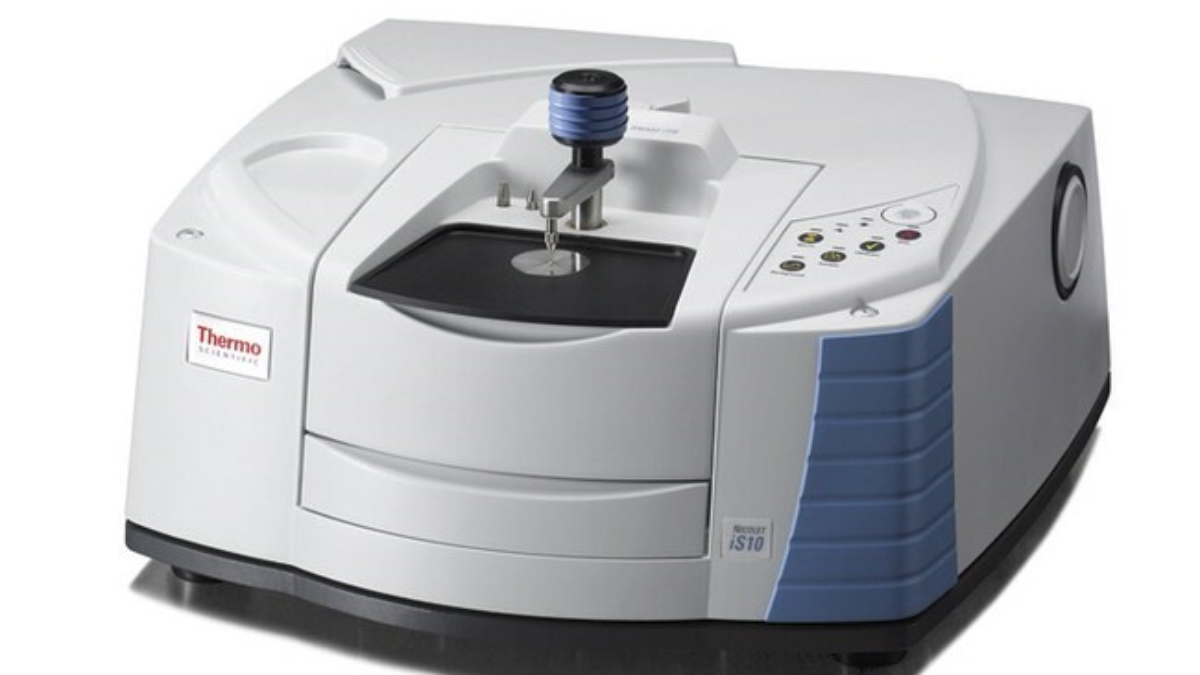
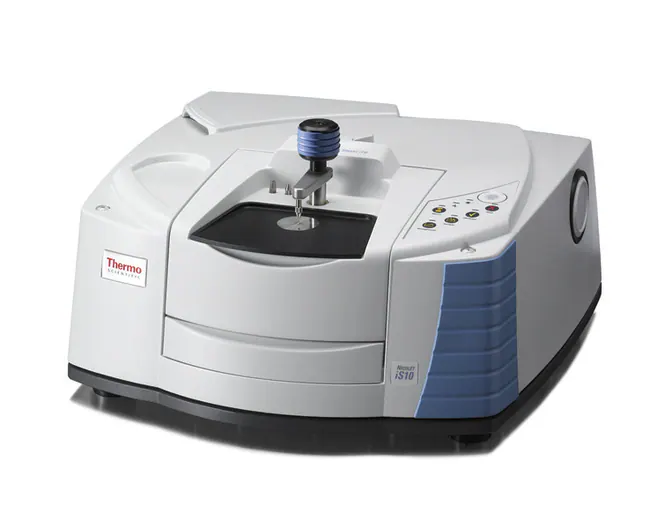
Fourier Transform Infrared FTIR Spectrometer Testing

When a material is unknown, contaminated, mismatched, or suspected to be the reason for product failure, guessing is a bad decision. You need chemical identification based on actual data. That is where fourier transform infrared FTIR spectrometer testing in Chennai – Kiyo R&D Center & Laboratory becomes highly useful for manufacturers, quality teams, researchers, and product developers.

Kiyo R&D Center & Laboratory provides FTIR testing support for plastics, polymers, rubber, coatings, adhesives, oils, residues, powders, and industrial materials. FTIR analysis helps identify functional groups and chemical bonding patterns, giving valuable information about what a material is and how it may differ from an expected reference sample.

FTIR Spectrometer Testing in Chennai | Kiyo R&D Center & Laboratory

What is FTIR Spectrometer Testing?

Fourier Transform Infrared spectroscopy, commonly known as FTIR, is a chemical analysis technique used to identify materials based on how they absorb infrared radiation. Every material has a unique absorption pattern, often called a fingerprint spectrum.

In simple terms, FTIR testing helps answer one direct question: what is this material made of? This makes it useful for polymer identification, raw material verification, contamination analysis, coating studies, and failure investigation.

Why FTIR Testing is Important

Many product problems begin with wrong material selection, supplier variation, contamination, or chemical mismatch. If you do not verify the material, you are only depending on paperwork or supplier claims. That is weak quality control.

By choosing fourier transform infrared FTIR spectrometer testing in Chennai – Kiyo R&D Center & Laboratory, customers can:

  • Identify unknown materials and residues
  • Verify polymer and rubber composition
  • Compare failed samples with approved samples
  • Detect contamination or foreign substances
  • Support customer complaint and failure analysis
  • Improve incoming material inspection

FTIR is especially useful when fast, practical chemical identification is required before deeper analysis or decision-making.

How FTIR Spectrometer Testing Works

FTIR testing works by passing infrared radiation through or across the sample. Different chemical bonds absorb infrared energy at different wavelengths. The instrument records these absorptions and creates a spectrum with characteristic peaks.

The spectrum is then compared with known reference data or a control sample. This helps identify the material type or detect differences between two samples. For example, a good sample and a failed sample can be compared to check whether chemical changes, contamination, or material substitution may have occurred.

Applications of FTIR Testing in Chennai

FTIR is widely used across manufacturing and R&D because it gives fast and useful chemical information. It is commonly used for plastic identification, rubber analysis, adhesive verification, coating analysis, oil and grease residue identification, packaging material study, and foreign particle investigation.

For plastic and polymer industries, FTIR helps identify materials such as PP, PE, PVC, PET, ABS, nylon, polycarbonate, polyurethane, and other polymer families. For coatings and adhesives, it helps compare formulations and check whether an unknown film or residue matches the expected material.

Internal Linking Structure for SEM, TGA and EDAX Pages

To improve SEO strength, this FTIR page should be connected with related material characterization services. Internal links help Google understand that Kiyo R&D Center & Laboratory offers a complete testing and analysis cluster, not just one isolated service.

Use these links naturally inside the blog:

Example: FTIR can identify organic materials such as polymers, adhesives, oils, and coatings. But if the contamination is inorganic or metallic, EDAX analysis may be more useful. If the sample failure involves surface cracks, particles, or fracture features, SEM analysis can support visual investigation. If thermal degradation or filler percentage is suspected, TGA analysis can add stronger evidence.

Why Choose Kiyo R&D Center & Laboratory?

Not every lab gives useful FTIR results. Some labs only provide a spectrum without proper interpretation. That is not enough. A useful FTIR report should help the customer understand what the material likely is and how the result supports the actual problem.

Key advantages of Kiyo R&D Center & Laboratory:
  • FTIR testing for polymers, rubber, coatings, adhesives, residues, and powders
  • Practical interpretation of spectra
  • Comparison of unknown samples with reference materials
  • Support for failure analysis and contamination study
  • Related testing support through SEM, TGA, and EDAX analysis
  • Professional reporting for quality and technical use

The real value is not just identifying peaks. The real value is helping you make the next correct technical decision.

Business Benefits of FTIR Testing

Using fourier transform infrared FTIR spectrometer testing in Chennai – Kiyo R&D Center & Laboratory helps businesses reduce material-related risk. It can prevent wrong material usage, identify contamination early, support supplier quality checks, and help solve customer complaints faster.

FTIR testing is useful for:

  • Incoming raw material verification
  • Product development and formulation comparison
  • Complaint investigation
  • Reverse engineering support
  • Failure analysis
  • Quality control documentation

If your material identity is uncertain, FTIR is often the right starting point.

FTIR Spectrometer Testing in Chennai | Kiyo R&D Center & Laboratory

Work With Kiyo R&D lab

FTIR spectrometer testing is a powerful and practical method for identifying materials and understanding chemical composition. It is especially valuable for polymers, coatings, rubber, adhesives, residues, and unknown substances.

If you are looking for reliable fourier transform infrared FTIR spectrometer testing in Chennai – Kiyo R&D Center & Laboratory, our team can support your requirements with accurate analysis, useful interpretation, and related services such as SEM analysis, TGA analysis, and EDAX analysis.

FAQ

Can FTIR testing identify plastic materials?

Yes. FTIR testing can help identify many common plastic materials such as PP, PE, PVC, PET, ABS, nylon, polycarbonate, polyurethane, and other polymer families by comparing their infrared spectra.

What is the difference between FTIR and EDAX analysis?

FTIR mainly identifies organic chemical bonds and polymer-type materials. EDAX identifies elemental composition such as metals, inorganic particles, and mineral-based contamination. In many failure cases, both tests may be needed.

Can TGA analysis be combined with FTIR testing?

Yes. TGA analysis can support FTIR by showing thermal stability, decomposition behavior, filler content, and weight loss pattern of the material.

How much sample is needed for FTIR testing?

The required sample quantity depends on the material type and testing mode. Usually, FTIR can be performed with a small amount of solid, powder, film, liquid, or residue sample.

Why choose Kiyo R&D Center & Laboratory for FTIR testing in Chennai?

Kiyo R&D Center & Laboratory provides FTIR testing with practical interpretation, professional reporting, and related support through SEM, TGA, and EDAX analysis for deeper material investigation.

EDS Energy Dispersive Spectroscopy Analysis in Oragadam | Kiyo R&D LAB

EDS Energy Dispersive Spectroscopy Analysis in Oragadam | Kiyo R&D LAB

EDS Energy Dispersive Spectroscopy Analysis in Oragadam

Best EDS Analysis Lab in Oragadam for Material Composition | Kiyo R&D LAB

EDS Energy Dispersive Spectroscopy

When a material fails, the real reason is often hidden deep within its composition. Surface-level inspection is not enough. You need to know what elements are present, whether contamination exists, and whether the material matches the expected specification. That is exactly where EDS energy dispersive spectroscopy analysis in Oragadam – Kiyo R&D LAB becomes important.

At Kiyo R&D LAB, we provide advanced elemental analysis support for industries working with metals, polymers, coatings, composites, powders, and engineered materials. Our EDS analysis is commonly used along with SEM imaging to give both surface morphology and elemental composition in one study. For businesses that need real answers instead of guesswork, this service is a practical tool for quality control, failure investigation, and material verification.

EDS Energy Dispersive Spectroscopy Analysis in Oragadam | Kiyo R&D LAB

What is EDS Energy Dispersive Spectroscopy Analysis?

EDS, also called EDX or commonly referred to in industry as EDAX analysis, is a material characterization technique used to identify the elemental composition of a sample. It is usually attached to a scanning electron microscope, where the sample is exposed to an electron beam. The material then emits characteristic X-rays, and those signals are analyzed to determine which elements are present.

In plain language, EDS tells you what your sample is made of at a localized area. That makes it extremely useful when you need to check whether a material contains the right elements, whether unwanted contamination is present, or why a component failed during use.

Why Industries Need EDS Analysis

Too many material decisions are made based on supplier claims, assumptions, or incomplete data. That is careless. If you are serious about product quality, you need proof. With EDS energy dispersive spectroscopy analysis in Oragadam – Kiyo R&D LAB, manufacturers and product developers can verify elemental composition before problems become expensive.

EDS analysis is widely useful for:

  • Identifying unknown particles or residues
  • Investigating material failure and fracture surfaces
  • Checking coating composition
  • Comparing raw materials from different suppliers
  • Detecting contamination in production samples
  • Supporting research and development for new materials

If your component performance depends on composition, skipping elemental analysis is poor practice. You are not saving money. You are increasing risk.

How EDS Analysis Works at Kiyo R&D LAB

The testing process begins with sample review and preparation. Depending on the material type, the sample may be cleaned, mounted, or sectioned to make it suitable for analysis. It is then placed inside the SEM chamber, where the electron beam interacts with the surface. The EDS detector captures X-ray signals and converts them into an elemental spectrum.

Our technical team studies the spectrum, identifies elemental peaks, and interprets the result based on the material and application. If required, elemental mapping can also be used to show where specific elements are distributed across the sample surface. This helps clients understand not just what is present, but where it is present.

Applications of EDS Energy Dispersive Spectroscopy Analysis in Oragadam

EDS analysis is useful across multiple industrial sectors. In automotive and engineering industries, it helps verify alloy composition and identify contaminants in failed parts. In plastics and polymer applications, it helps detect fillers, additives, and foreign particles. In coatings and surface engineering, it supports the study of deposited layers, corrosion products, and coating inconsistencies.

Electronics manufacturers use EDS to analyze solder joints, deposits, and foreign matter on components. Research teams use it for new material development. Quality teams use it to compare batch-to-batch consistency. In every case, the logic is the same: when the composition matters, EDS matters.

Why Choose Kiyo R&D LAB for EDS Analysis in Oragadam?

Choosing a lab is not about picking whoever gives the lowest price. Cheap analysis that leads to wrong interpretation is useless. Kiyo R&D LAB focuses on accuracy, technical clarity, and meaningful reporting.

Our lab supports clients with:

  • Advanced analysis support for metals, plastics, coatings, and composites
  • SEM-linked EDS capability for combined morphology and elemental insight
  • Practical interpretation of results, not just raw spectra
  • Testing support aligned with industrial quality expectations
  • Fast turnaround and professional reporting

This matters because most clients do not just want a graph. They want to know what went wrong, whether the sample passed expectation, and what action to take next.

Internal Linking Structure for Better SEO and Page Authority

To strengthen SEO and improve user navigation, this page should connect naturally with related service pages. Internal links help search engines understand service relationships and keep visitors on the website longer. For this blog, the most relevant internal links are SEM, TGA, and EDAX-related service pages.

You can place internal links like this within the blog or near the conclusion:

These links should not be stuffed randomly. They should appear where they genuinely help the reader understand related services. For example, when explaining surface morphology, link to the SEM page. When discussing elemental analysis with thermal behavior, link to the TGA page. When targeting alternate search habits, link the EDAX page naturally.

EDS Energy Dispersive Spectroscopy Analysis in Oragadam | Kiyo R&D LAB

Work With Kiyo R&D Lab

EDS is one of the most useful tools for material characterization when composition matters. It helps identify elements, detect contamination, support failure analysis, and verify whether a sample meets expectations. For companies that cannot afford wrong assumptions, EDS energy dispersive spectroscopy analysis in Oragadam – Kiyo R&D LAB offers a practical and reliable solution.

Whether you are working on product development, complaint analysis, incoming inspection, or research, Kiyo R&D LAB can support you with clear results and useful technical insight. If you need a deeper study, you can also explore our related services such as SEM analysis, TGA analysis, and SEM with EDAX analysis.

FAQ

Where can I get EDS analysis services in Oragadam for plastics or metal samples?

If you are looking for EDS energy dispersive spectroscopy analysis in Oragadam for plastics, metals, coatings, powders, or composite samples, Kiyo R&D LAB can support elemental analysis requirements with technically relevant reporting.

What is the difference between EDS, EDX, and EDAX analysis?

In practice, these terms are often used interchangeably in industry. EDS and EDX both refer to energy dispersive X-ray-based elemental analysis. EDAX is also widely used as a common market term, although technically it is associated with instrument branding in some contexts.

Can EDS analysis be used for coating and surface layer evaluation?

Yes. EDS is useful for checking coating composition, deposited elements, oxidation products, and localized elemental distribution on surfaces. It can help identify inconsistencies or unwanted material presence.

Can EDS analysis detect all elements in a sample?

EDS can detect many elements, but it has limitations, especially for very light elements and very low concentrations. The suitability depends on the material, detector capability, and analysis objective.

Why should I choose Kiyo R&D LAB for EDS analysis in Oragadam?

Kiyo R&D LAB supports clients with practical elemental analysis, related SEM-based study support, industrial relevance, and professional reporting. The point is not just generating data, but helping clients make better technical decisions.

Flexural Strength Test Services in Oragadam – Accurate Bending Testing | Kiyo R&D LAB

Flexural Strength Test Services in Oragadam – Accurate Bending Testing | Kiyo R&D LAB

Flexural Strength Test Services in Oragadam

ASTM D790 Flexural Testing Services in Oragadam – Kiyo R&D LAB

Flexural Strength Test Services

In real-world applications, materials rarely experience only straight pulling or compression forces. More often, they are subjected to bending loads that can lead to deformation or failure over time. Components such as plastic parts, composite panels, and structural elements are particularly sensitive to bending stress. This is why industries rely on flexural strength test services in Oragadam – Kiyo R&D LAB to evaluate how materials perform under bending conditions.

At Kiyo R&D LAB, flexural strength testing is conducted to measure a material’s ability to resist deformation and fracture when subjected to bending loads. This helps manufacturers ensure that their products will perform reliably in real-world conditions.

Flexural Strength Test Services in Oragadam – Accurate Bending Testing | Kiyo R&D LAB

What is Flexural Strength Testing?

Flexural strength testing measures the maximum stress a material can withstand before it breaks when bent. It is also used to determine stiffness and resistance to deformation.

This type of testing is especially important for materials used in load-bearing applications. Unlike tensile testing, which measures pulling strength, flexural testing focuses on bending behavior, which is often more relevant in practical scenarios.

With flexural strength test services in Oragadam – Kiyo R&D LAB, businesses can accurately evaluate material performance under bending stress.

How Flexural Strength Testing Works

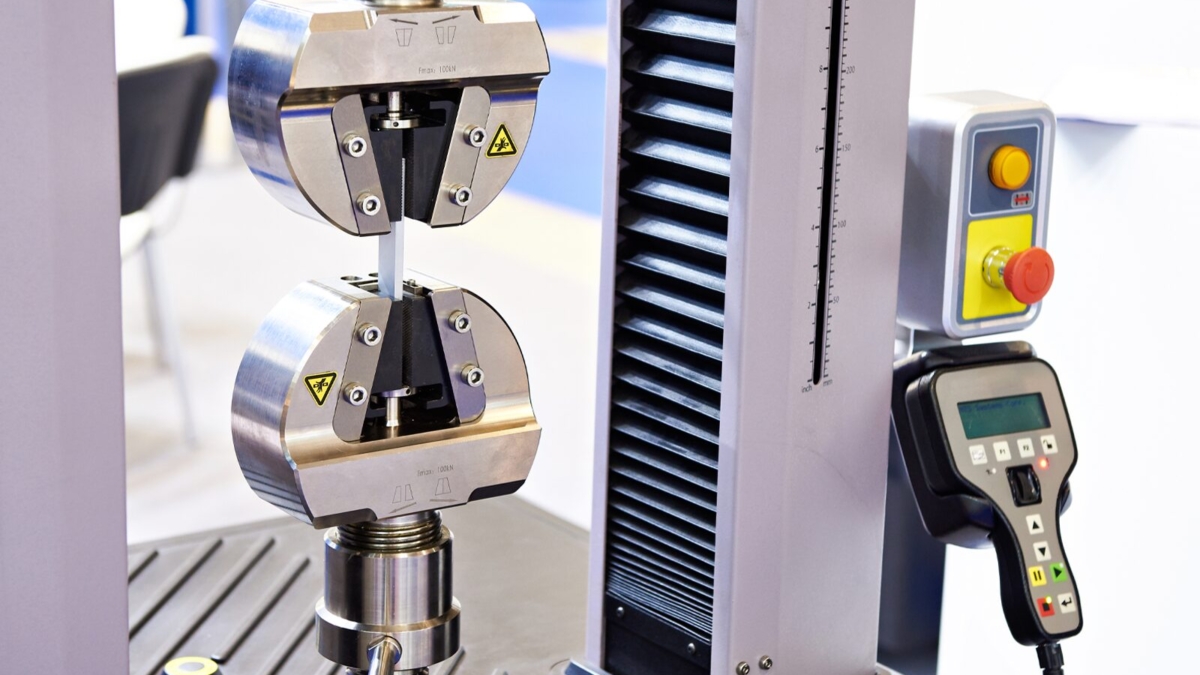
The testing process typically involves placing a sample on two supports and applying a load at the center. This setup is commonly known as a three-point bending test.

As the load increases, the material begins to bend. The test continues until the material either deforms permanently or fractures. The stress at this point is recorded as the flexural strength.

The test also provides additional information such as flexural modulus, which indicates the stiffness of the material, and deflection behavior under load.

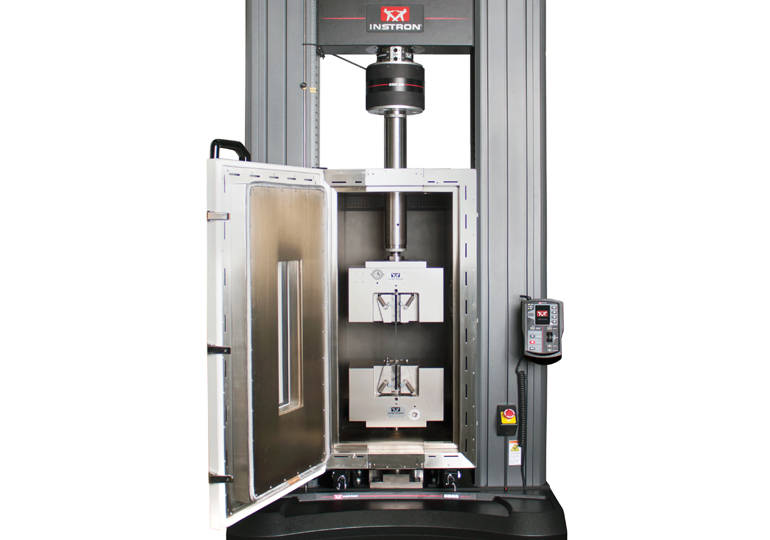
At Kiyo R&D LAB, flexural strength test services in Oragadam – Kiyo R&D LAB are performed using calibrated universal testing machines to ensure accurate and repeatable results.

Applications of Flexural Strength Testing

Flexural testing is widely used in industries where materials are subjected to bending forces. In plastic manufacturing, it helps evaluate the performance of molded components. In composite materials, it is used to assess structural strength and durability.

In construction, flexural testing ensures that materials can handle load-bearing applications. In automotive industries, it helps verify the resistance of components to bending and deformation.

This makes flexural strength test services in Oragadam – Kiyo R&D LAB essential for product validation and quality control.

Materials That Can Be Tested

Flexural strength testing can be performed on a wide range of materials including plastics, polymers, composites, ceramics, and certain metals. Each material responds differently to bending, and testing helps determine its suitability for specific applications.

Why Businesses Choose Kiyo R&D LAB

Accurate flexural testing requires proper sample preparation, precise equipment, and controlled testing conditions. Not all laboratories can maintain this level of accuracy.

Kiyo R&D LAB follows ASTM D790 and ISO standards to ensure reliable results. The lab uses calibrated equipment and experienced technicians to deliver accurate and repeatable data.

Clear reporting and fast turnaround time help businesses make informed decisions without delaying production.

Benefits of Flexural Strength Testing

Flexural testing provides valuable insights into material performance. It helps identify weak materials, improve product design, and reduce the risk of failure under bending stress.

It also ensures compliance with industry standards and improves overall product reliability. By using flexural strength test services in Oragadam – Kiyo R&D LAB, businesses can enhance durability and performance.

When Should Flexural Testing Be Performed?

Flexural testing should be conducted during material selection, product development, and quality control. It is also important when changing materials or suppliers and during failure analysis.

Performing testing at the right stage helps prevent issues and ensures consistent product performance.

Why Oragadam is a Key Location for Testing Services

Oragadam is a major industrial hub near Chennai, with strong presence in plastics, automotive, and manufacturing industries. These sectors require materials that can withstand bending forces.

This increases the demand for reliable flexural strength test services in Oragadam – Kiyo R&D LAB to ensure product quality and performance.

Flexural Strength Test Services in Oragadam – Accurate Bending Testing | Kiyo R&D LAB

Work With Kiyo R&D Lab

If your product is exposed to bending loads, flexural strength testing is essential. Choosing flexural strength test services in Oragadam – Kiyo R&D LAB ensures that your materials are tested accurately, helping you deliver durable and reliable products.


FAQ

What is a three-point bending test?

It is a test where a sample is supported at two points and loaded at the center to measure bending strength.

What standards are used for flexural testing?

ASTM D790 and ISO standards are commonly used for flexural strength testing.

Which industries use flexural strength testing?

Plastic, automotive, construction, and manufacturing industries use flexural testing.

Why choose Kiyo R&D LAB?

Kiyo R&D LAB provides accurate testing, advanced equipment, and reliable results with fast reporting.

EDX Analysis Services in Oragadam | Elemental Testing – Kiyo R&D LAB

EDX Analysis Services in Oragadam | Elemental Testing – Kiyo R&D LAB

EDX Analysis Services in Oragadam

EDX Analysis Lab in Oragadam, Chennai | Accurate Elemental Testing

EDX Analysis Services

In modern manufacturing, material quality is everything. Even a small variation in composition can lead to major product failures. This is where EDX analysis services in Oragadam – Kiyo R&D LAB play a crucial role.

EDX (Energy Dispersive X-ray Analysis) helps industries understand exactly what their materials are made of. Whether you are working with metals, polymers, coatings, or electronic components, accurate elemental analysis is essential for maintaining product reliability.

EDX Analysis Services in Oragadam | Elemental Testing – Kiyo R&D LAB

What is EDX Analysis?

EDX analysis is an advanced material characterization technique used to identify the elemental composition of a sample. It works by detecting X-rays emitted from the material when exposed to an electron beam.

In simple terms, EDX tells you:

  • Which elements are present in a material
  • The approximate quantity of each element
  • Whether contamination or impurities exist

This makes EDX analysis services in Oragadam – Kiyo R&D LAB essential for industries that demand high accuracy and quality.

Why EDX Analysis is Important for Industries

Industries in Oragadam operate in a highly competitive environment, especially in automotive, electronics, and manufacturing sectors. A small defect in material composition can lead to product failure, rejection, or customer complaints.

Using EDX analysis services in Oragadam – Kiyo R&D LAB, companies can proactively identify issues before they become costly problems.

  • Ensure raw material quality
  • Verify supplier consistency
  • Reduce product failures
  • Improve overall product performance

If you are only testing after a failure occurs, you are already too late.

Applications of EDX Analysis

EDX analysis is widely used across various industries where material performance is critical.

  • Automotive: Component failure analysis and wear studies
  • Electronics: PCB contamination and solder joint analysis
  • Polymers: Additive and filler identification
  • Metals: Alloy composition verification and corrosion studies
  • Coatings: Layer composition and defect analysis

Ignoring material-level analysis is a mistake that leads to repeated failures and increased costs.

EDX vs Traditional Testing Methods

Traditional testing methods often provide bulk composition data but fail to detect localized variations or contamination.

EDX analysis offers:

  • Micro-level elemental detection
  • Fast and accurate results
  • Localized analysis of specific areas
  • Integration with SEM for detailed insights

This is why industries prefer EDX analysis services in Oragadam – Kiyo R&D LAB over conventional methods.

How EDX Helps in Failure Analysis

Failure analysis is one of the most important applications of EDX testing. When a product fails, the actual cost includes downtime, rework, and loss of customer trust.

With EDX analysis services in Oragadam – Kiyo R&D LAB, companies can:

  • Identify foreign particles or contaminants
  • Detect corrosion-causing elements
  • Verify incorrect material usage
  • Analyze coating failures

This allows businesses to fix the root cause instead of repeating the same mistake.

Why Choose Kiyo R&D LAB in Oragadam

Not all testing labs deliver meaningful insights. Many provide raw data without proper interpretation.

EDX analysis services in Oragadam – Kiyo R&D LAB stand out due to:

  • Advanced EDX instrumentation
  • Integration with SEM for deeper analysis
  • Experienced technical experts
  • Accurate and reliable reports
  • Fast turnaround time

The focus is not just on testing, but on delivering actionable insights that help businesses make better decisions.

EDX Analysis Services in Oragadam | Elemental Testing – Kiyo R&D LAB

Work With Kiyo R&D Lab

Material composition plays a critical role in product performance. Relying on assumptions can lead to costly mistakes.

With EDX analysis services in Oragadam – Kiyo R&D LAB, industries gain precise insights into elemental composition, helping improve quality, reduce failures, and enhance reliability.

Investing in accurate material testing is not an expense—it is a smart business decision.

FAQ

What is EDX analysis used for?

EDX analysis is used to identify and measure the elemental composition of materials for quality control, failure analysis, and contamination detection.

How fast is EDX testing?

EDX works best for solid materials such as metals, polymers, coatings, and composites.

Can EDX detect contamination?

Yes, EDX can detect even small amounts of contamination or unwanted elements in a material.

Why choose Kiyo R&D LAB?

Kiyo R&D LAB provides accurate testing, expert analysis, and fast turnaround for industrial applications.

EDAX Analysis Services in Oragadam – Accurate Elemental Testing | Kiyo R&D LAB

EDAX Analysis Services in Oragadam – Accurate Elemental Testing | Kiyo R&D LAB

EDAX Analysis Services in Oragadam

EDAX Material Analysis Services in Oragadam – Kiyo R&D LAB

EDAX Analysis Services

In material testing, surface appearance often tells only a small part of the story. Many failures happen because of incorrect composition, contamination, or material inconsistency at a microscopic level. These issues cannot be identified through visual inspection alone. That is why industries rely on edax analysis services in Oragadam – Kiyo R&D LAB to understand the true composition of materials before problems occur.

At Kiyo R&D LAB, EDAX (Energy Dispersive X-ray Analysis) is used to identify and quantify the elements present in a material. This helps manufacturers verify quality, detect impurities, and ensure that materials meet required specifications.

EDAX Analysis Services in Oragadam – Accurate Elemental Testing | Kiyo R&D LAB

What is EDAX Analysis?

EDAX analysis is an advanced technique used to determine the elemental composition of materials. It works by detecting X-rays emitted from a sample when it is exposed to an electron beam.

Each element produces a unique X-ray signal, allowing the system to identify and measure the concentration of elements present in the sample. This makes EDAX a powerful tool for material identification and quality control.

With edax analysis services in Oragadam – Kiyo R&D LAB, businesses can obtain accurate composition data without damaging the material.

How EDAX Analysis Works

The process begins by placing a sample inside an analytical instrument, often combined with a scanning electron microscope. An electron beam is directed onto the sample surface.

This interaction causes the material to emit X-rays. These X-rays are captured and analyzed to determine the elements present in the material.

The result is a spectrum that shows the composition and relative concentration of each element. This data helps in understanding material properties and performance.

Applications of EDAX Analysis

EDAX analysis is widely used in industries where material composition is critical. In metallurgy, it is used to verify alloy composition and detect impurities. In electronics, it helps identify contamination that can affect performance.

In coatings and paints, EDAX is used to analyze elemental distribution and identify defects. In polymers and composites, it helps detect fillers and additives.

This makes edax analysis services in Oragadam – Kiyo R&D LAB essential for quality control, research, and failure analysis.

Materials That Can Be Analyzed

EDAX analysis can be performed on a wide range of materials including metals, alloys, plastics, polymers, ceramics, coatings, and composite materials. Each material can be analyzed to determine its elemental composition and ensure quality standards are met.

Why Businesses Choose Kiyo R&D LAB

Accurate EDAX analysis requires advanced equipment and skilled interpretation of results. Not all laboratories can provide reliable insights.

Kiyo R&D LAB ensures precision by using calibrated instruments, following standardized procedures, and employing experienced analysts. The lab provides clear and detailed reports that help businesses make informed decisions.

Fast turnaround time ensures that testing supports production and development without delays.

Benefits of EDAX Analysis

EDAX analysis provides detailed insights into material composition. It helps identify unknown materials, detect impurities, and verify quality. It also supports failure analysis and improves product reliability.

By using edax analysis services in Oragadam – Kiyo R&D LAB, businesses can reduce risks, improve quality, and ensure consistent performance.

When Should EDAX Analysis Be Used?

EDAX analysis should be used during raw material verification, product development, and quality control. It is also useful for identifying unknown samples and analyzing failures.

Performing EDAX testing at the right stage helps prevent issues before they affect production or product performance.

Why Oragadam is a Key Location for EDAX Testing

Oragadam is a major industrial hub near Chennai, with strong presence in automotive, electronics, and manufacturing industries. These sectors require accurate material analysis to maintain quality and performance.

This increases the demand for reliable edax analysis services in Oragadam – Kiyo R&D LAB to support industrial growth and innovation.

EDAX Analysis Services in Oragadam – Accurate Elemental Testing | Kiyo R&D LAB

Work With Kiyo R&D Lab

If understanding material composition is important for your business, EDAX analysis is essential. Choosing edax analysis services in Oragadam – Kiyo R&D LAB ensures accurate results, improved product quality, and reduced risk of failure.


FAQ

How accurate is EDAX analysis?

It provides highly accurate results when performed using calibrated instruments and proper procedures.

How long does EDAX testing take?

The duration depends on the sample complexity, but results are usually delivered quickly.

When should EDAX testing be performed?

It should be used during development, quality control, failure analysis, and material identification.

Why choose Kiyo R&D LAB?

Why choose Kiyo R&D LAB?
SEM EDX Analysis Services in Oragadam – Advanced Material Testing | Kiyo R&D LAB

SEM EDX Analysis Services in Oragadam – Advanced Material Testing | Kiyo R&D LAB

SEM EDX Analysis Services in Oragadam

SEM with EDX Elemental Analysis Services in Oragadam – Kiyo R&D LAB

Scanning Electron Microscope with Energy Dispersive X-Ray Analysis Services

In advanced material testing, many critical issues are not visible at the surface level. Failures often originate at microscopic or even nanoscopic levels, where small defects, contamination, or compositional variations can lead to major problems. That is why industries rely on scanning electron microscope with energy dispersive x ray analysis services in Oragadam – Kiyo R&D LAB to understand materials in depth.

At Kiyo R&D LAB, SEM (Scanning Electron Microscope) combined with EDX (Energy Dispersive X-ray Analysis) provides detailed insights into both surface structure and elemental composition. This combination allows industries to identify root causes of failures and improve material performance.

SEM EDX Analysis Services in Oragadam – Advanced Material Testing | Kiyo R&D LAB

What is SEM with EDX Analysis?

SEM is a high-resolution imaging technique used to examine the surface of materials. It provides detailed images that reveal micro-level features such as cracks, fractures, and coating defects.

EDX is an analytical technique used alongside SEM to determine the elemental composition of a material. It detects and quantifies the elements present in the sample.

Together, SEM and EDX provide a complete understanding of both structure and composition.

How SEM-EDX Analysis Works

The testing process begins by placing a sample inside the SEM chamber. A focused electron beam scans the surface, producing high-resolution images of the material.

At the same time, X-rays emitted from the sample are analyzed using EDX to determine the elements present. This provides both visual and chemical data in a single analysis.

With scanning electron microscope with energy dispersive x ray analysis services in Oragadam – Kiyo R&D LAB, testing is performed using advanced instruments to ensure accurate and reliable results.

Applications of SEM-EDX Analysis

SEM-EDX analysis is widely used across industries where detailed material analysis is required. In the automotive sector, it helps identify failure points and coating defects. In electronics, it is used to inspect components and detect contamination.

In metallurgy, SEM-EDX is used to study microstructures and analyze alloy composition. In polymers and coatings, it helps evaluate surface properties and identify additives or impurities.

This makes scanning electron microscope with energy dispersive x ray analysis services in Oragadam – Kiyo R&D LAB essential for research, quality control, and failure analysis.

Materials That Can Be Analyzed

SEM-EDX analysis is suitable for a wide range of materials including metals, alloys, plastics, polymers, ceramics, coatings, and composite materials. Each material can be analyzed for both surface structure and elemental composition.

Why Businesses Choose Kiyo R&D LAB

Accurate SEM-EDX analysis requires advanced equipment and expert interpretation. Not all laboratories can deliver reliable insights.

Kiyo R&D LAB ensures precision by using high-quality instruments, following standardized procedures, and employing experienced analysts. The lab provides clear and actionable reports that help businesses understand their materials better.

Fast turnaround time ensures that analysis supports production and decision-making processes without delays.

Benefits of SEM-EDX Analysis

SEM-EDX analysis provides detailed insights into material properties. It helps identify defects, detect contamination, and understand material composition at a microscopic level.

It also supports failure analysis, improves product quality, and helps in selecting the right materials for specific applications. By using scanning electron microscope with energy dispersive x ray analysis services in Oragadam – Kiyo R&D LAB, businesses can reduce risks and improve reliability.

When Should SEM-EDX Analysis Be Used?

SEM-EDX analysis should be used when detailed material understanding is required. It is especially useful during failure analysis, product development, quality control, and when identifying unknown materials or contaminants.

It is also valuable for investigating defects that cannot be detected through conventional testing methods.

Why Oragadam is a Key Location for Advanced Testing

Oragadam is a major industrial hub near Chennai, with strong presence in automotive, electronics, and manufacturing industries. These sectors require advanced material analysis to maintain quality and performance.

This increases the demand for reliable scanning electron microscope with energy dispersive x ray analysis services in Oragadam – Kiyo R&D LAB to support innovation and product development.

SEM EDX Analysis Services in Oragadam – Advanced Material Testing | Kiyo R&D LAB

Work With Kiyo R&D Lab

If detailed material analysis is important for your business, SEM-EDX testing is essential. Choosing scanning electron microscope with energy dispersive x ray analysis services in Oragadam – Kiyo R&D LAB ensures accurate insights, better product quality, and reduced risk of failure.


FAQ

Why is SEM-EDX analysis important?

It helps identify defects, analyze composition, detect contamination, and improve product quality.

Is SEM-EDX testing destructive?

SEM-EDX testing is generally non-destructive, though minimal sample preparation may be required.

How accurate is SEM-EDX analysis?

It provides highly accurate results when performed using calibrated instruments and proper procedures.

Can SEM-EDX detect contamination?

Yes, it can identify impurities and contamination at a microscopic level.

Why choose Kiyo R&D LAB?

Kiyo R&D LAB provides advanced testing, accurate results, and reliable reporting with fast turnaround time.

Impact Test Charpy Services in Oragadam – Accurate Toughness Testing | Kiyo R&D LAB

Impact Test Charpy Services in Oragadam – Accurate Toughness Testing | Kiyo R&D LAB

Impact Test Charpy Services in Oragadam

ASTM E23 Impact Testing Services in Oragadam – Kiyo R&D LAB

Impact Test Charpy Services

In many industrial applications, materials are exposed not only to steady loads but also to sudden impacts, shocks, and dynamic forces. A material that performs well under static conditions may fail instantly when subjected to impact if its toughness is insufficient. This type of failure is often unexpected and can lead to serious safety issues and costly damage. That is why industries rely on impact test charpy services in Oragadam – Kiyo R&D LAB to evaluate how materials behave under sudden force.

At Kiyo R&D LAB, Charpy impact testing is carried out to measure the energy absorbed by a material during fracture. This helps determine whether a material is suitable for applications where impact resistance is critical.

Impact Test Charpy Services in Oragadam – Accurate Toughness Testing | Kiyo R&D LAB

What is Charpy Impact Testing?

Charpy impact testing is a standardized method used to evaluate the toughness of a material. It measures the amount of energy a material can absorb before it fractures when struck by a sudden force.

In this test, a notched specimen is placed horizontally and struck by a pendulum hammer. The energy absorbed during the fracture is calculated and used to assess material performance.

With impact test charpy services in Oragadam – Kiyo R&D LAB, businesses can accurately determine whether materials are brittle or ductile under impact conditions.

How Charpy Impact Testing Works

The testing process involves preparing a standard notched sample and placing it in a testing machine. A pendulum hammer is released from a fixed height, striking the sample and causing it to break.

The energy absorbed during this process is measured and recorded. Higher energy absorption indicates a tougher material, while lower energy absorption indicates brittleness.

This data is critical for understanding how materials behave in real-world conditions where sudden forces are common.

Applications of Charpy Impact Testing

Charpy impact testing is widely used in industries where material toughness is essential. In the automotive industry, it is used to test structural components that must withstand sudden impacts. In construction, it ensures that materials used in buildings and bridges can handle dynamic loads.

In metal and alloy industries, it helps determine the suitability of materials for structural applications. Pipeline and pressure vessel industries also rely on impact testing to ensure safety under operating conditions.

This makes impact test charpy services in Oragadam – Kiyo R&D LAB a critical part of quality assurance processes.

Materials That Can Be Tested

Charpy impact testing can be performed on a wide range of materials including metals, alloys, steel, stainless steel, plastics, and composite materials. Each material responds differently to impact, and testing helps determine its suitability for specific applications.

Why Businesses Choose Kiyo R&D LAB

Accurate impact testing requires proper sample preparation, precise equipment, and controlled testing conditions. Not all laboratories can ensure this level of accuracy.

Kiyo R&D LAB follows ASTM E23 and ISO standards to ensure reliable results. The lab uses calibrated machines and experienced technicians to deliver accurate and repeatable data.

Clear reporting and fast turnaround time help businesses make quick and informed decisions without delaying production.

Benefits of Charpy Impact Testing

Impact testing provides valuable insights into material performance. It helps identify weak materials, improve product design, and reduce the risk of sudden failure.

It also ensures compliance with industry standards and improves overall product safety. By using impact test charpy services in Oragadam – Kiyo R&D LAB, businesses can enhance reliability and durability.

When Should Charpy Impact Testing Be Performed?

Charpy testing should be performed during material selection, product development, and quality control. It is also important when changing materials or suppliers and during failure analysis.

Testing at the right stage helps prevent costly issues and ensures consistent performance.

Why Oragadam is a Key Location for Testing Services

Oragadam is a major industrial hub near Chennai, with strong presence in automotive, manufacturing, and engineering industries. These sectors require materials that can withstand impact and dynamic forces.

This increases the demand for reliable impact test charpy services in Oragadam – Kiyo R&D LAB to ensure product quality and safety.

Impact Test Charpy Services in Oragadam – Accurate Toughness Testing | Kiyo R&D LAB

Work With Kiyo R&D Lab

If your product is exposed to sudden forces, Charpy impact testing is essential. Choosing impact test charpy services in Oragadam – Kiyo R&D LAB ensures that your materials are tested accurately, helping you deliver safe and reliable products.


FAQ

What materials can be tested using Charpy impact testing?

Materials such as metals, alloys, steels, plastics, and composites can be tested.

What does the Charpy test measure?

It measures the energy absorbed by a material during fracture, indicating its toughness.

Can Charpy testing improve product quality?

Yes, it helps identify weak materials and improve design for better performance.

When should Charpy testing be performed?

It should be performed during development, production, quality checks, and failure analysis.

Why choose Kiyo R&D LAB?

Kiyo R&D LAB provides accurate testing, advanced equipment, and reliable results with fast reporting.

COF Testing Services in Oragadam – Accurate Friction Testing | Kiyo R&D LAB

COF Testing Services in Oragadam – Accurate Friction Testing | Kiyo R&D LAB

COF Testing Services in Oragadam

ASTM D1894 COF Testing Services in Oragadam – Kiyo R&D LAB

COF Testing Services

In many industrial products, performance is not only about strength or durability—it is also about how surfaces interact. Whether it is packaging films, plastic sheets, laminates, or coated materials, friction plays a critical role in functionality. If friction is too high, materials may stick or jam during processing. If it is too low, products may slip or lose control during handling. That is why industries rely on cof testing services in Oragadam – Kiyo R&D LAB to measure and control friction behavior accurately.

At Kiyo R&D LAB, COF (Coefficient of Friction) testing is performed using advanced equipment to evaluate how materials behave under controlled sliding conditions. This helps manufacturers ensure consistent performance and avoid production issues.

COF Testing Services in Oragadam – Accurate Friction Testing | Kiyo R&D LAB

What is COF Testing?

COF testing measures the coefficient of friction between two surfaces. It determines how easily one material slides over another and is expressed as a numerical value.

There are two main types of COF measurements. Static COF measures the force required to start movement, while dynamic COF measures the force required to maintain movement. Both values are important for understanding material behavior.

With cof testing services in Oragadam – Kiyo R&D LAB, businesses can ensure that their materials meet required performance standards.

How COF Testing Works

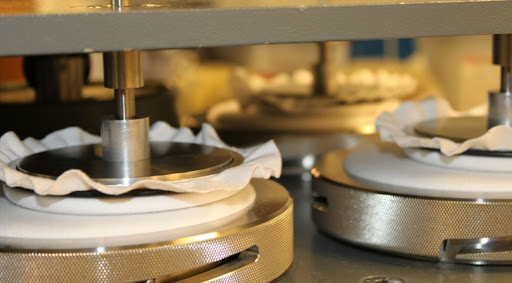
The testing process involves placing a sample material on a flat surface and pulling a sled across it at a controlled speed. The instrument measures the resistance during movement and calculates the coefficient of friction.

The results help determine whether the material is suitable for its intended application. Accurate testing requires controlled conditions, calibrated equipment, and proper sample preparation.

Applications of COF Testing

COF testing is widely used in industries where surface interaction affects performance. In the packaging industry, it ensures smooth movement of films during processing and packaging operations. In plastic manufacturing, it helps control handling and processing behavior. In textiles, it determines surface smoothness and comfort.

Coatings and laminates are also tested to ensure proper friction properties. This makes cof testing services in Oragadam – Kiyo R&D LAB essential for maintaining product quality.

Materials That Can Be Tested

COF testing can be performed on a variety of materials including plastic films, sheets, paper, rubber, coated surfaces, laminates, and textiles. Each material has unique friction characteristics, and testing helps optimize performance for specific applications.

Why Businesses Choose Kiyo R&D LAB

Friction testing may seem simple, but achieving accurate results requires precise control of testing conditions. Small variations in speed, load, or surface condition can affect results.

Kiyo R&D LAB ensures accuracy by following ASTM D1894 standards, using calibrated instruments, and maintaining strict testing procedures. The lab provides clear and reliable reports that help businesses make informed decisions.

Fast turnaround time ensures that testing does not delay production or project timelines.

Benefits of COF Testing

COF testing provides several advantages. It helps improve product performance, reduce production issues, and ensure consistency in material behavior. It also enhances user experience by ensuring smooth handling and operation.

By using cof testing services in Oragadam – Kiyo R&D LAB, businesses can avoid costly errors and improve overall product quality.

When Should COF Testing Be Performed?

COF testing should be performed during product development, before final production, and during quality control checks. It is also important when changing materials or suppliers and during failure analysis.

Testing at the right stage helps identify issues early and prevents problems in production and usage.

Why Oragadam is a Key Location for COF Testing

Oragadam is a rapidly growing industrial hub near Chennai, with strong presence in plastics, packaging, and manufacturing industries. These industries require precise control of friction properties to ensure product performance.

This is why cof testing services in Oragadam – Kiyo R&D LAB are critical for maintaining quality and consistency.

COF Testing Services in Oragadam – Accurate Friction Testing | Kiyo R&D LAB

Work With Kiyo R&D Lab

If your product depends on surface interaction, COF testing is essential. Choosing cof testing services in Oragadam – Kiyo R&D LAB ensures that your materials are tested accurately, helping you deliver reliable and high-performance products.


FAQ

Why is COF testing important?

COF testing ensures proper material performance, prevents sticking or slipping issues, and improves production efficiency.

What is the difference between static and dynamic COF?

Static COF measures the force required to start movement, while dynamic COF measures the force required to maintain movement.

Which industries use COF testing?

Packaging, plastics, textiles, coatings, and manufacturing industries use COF testing.

What standard is used for COF testing?

ASTM D1894 is commonly used for coefficient of friction testing.

Why choose Kiyo R&D LAB?

Kiyo R&D LAB offers accurate testing, advanced equipment, and reliable results with fast reporting.

Chemical Resistance Test Services in Oragadam – Accurate Testing | Kiyo R&D LAB

Chemical Resistance Test Services in Oragadam – Accurate Testing | Kiyo R&D LAB

Chemical Resistance Test Services in Oragadam

Material Chemical Resistance Testing Services in Oragadam – Kiyo R&D LAB

Chemical Resistance Test Services

In many industrial applications, materials are not only exposed to mechanical stress but also to aggressive chemical environments. Chemicals such as acids, alkalis, oils, solvents, and cleaning agents can slowly degrade materials, leading to reduced performance or complete failure. That is why industries rely on chemical resistance test services in Oragadam – Kiyo R&D LAB to ensure that materials can withstand real-world exposure conditions.

At Kiyo R&D LAB, chemical resistance testing is performed to evaluate how materials behave when exposed to different chemicals over time. This testing helps manufacturers select the right materials, improve product performance, and avoid costly failures.

Chemical Resistance Test Services in Oragadam – Accurate Testing | Kiyo R&D LAB

What is Chemical Resistance Testing?

Chemical resistance testing measures how a material reacts when it comes into contact with specific chemicals under controlled conditions. The test evaluates physical, mechanical, and visual changes that occur after exposure.

These changes may include swelling, cracking, discoloration, weight loss, or reduction in strength. Understanding these effects is essential for predicting how materials will perform in actual environments.

How Chemical Resistance Testing Works

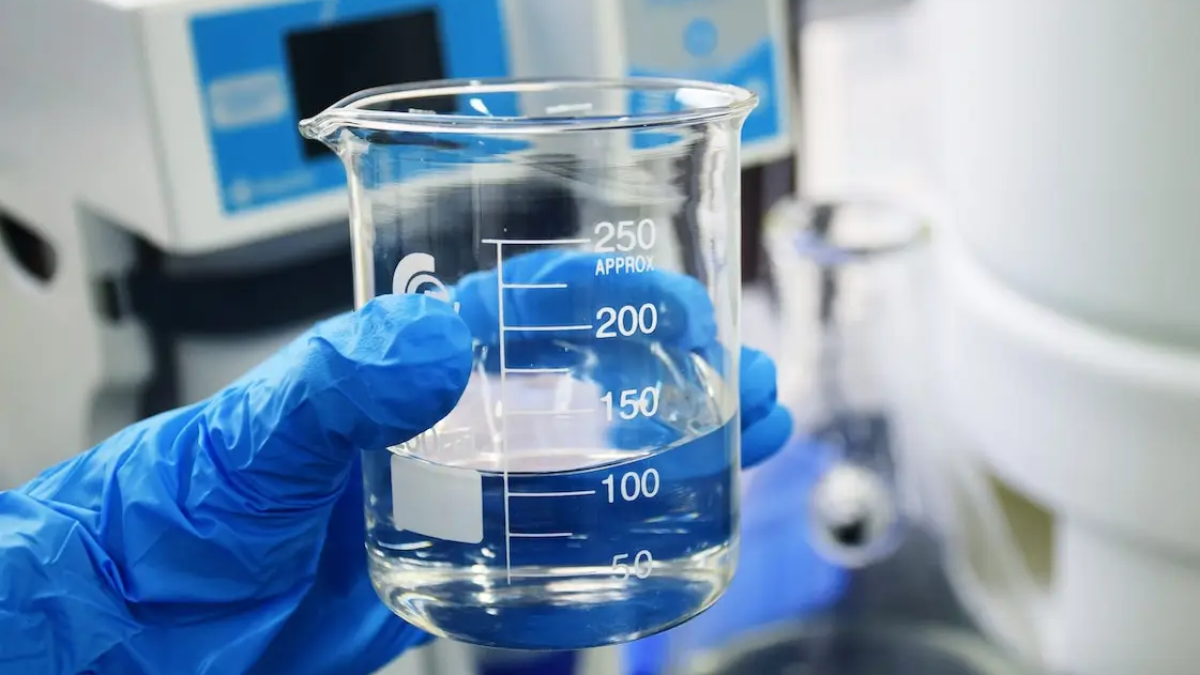
The testing process involves exposing a material sample to a specific chemical for a defined period under controlled temperature and environmental conditions. After exposure, the material is analyzed to identify any changes.

Key parameters evaluated during testing include weight variation, dimensional changes, surface condition, and mechanical strength. These results help determine whether the material is suitable for its intended application.

With chemical resistance test services in Oragadam – Kiyo R&D LAB, testing is carried out using standardized methods to ensure consistent and reliable results.

Applications of Chemical Resistance Testing

Chemical resistance testing is widely used in industries where materials are exposed to harsh environments. In the automotive industry, components must resist fuels, lubricants, and coolants. In plastic manufacturing, materials are tested for resistance to chemicals used during processing and usage. In the medical field, materials must withstand disinfectants and sterilization chemicals.

Coatings and paints are also tested to ensure they can resist corrosion and chemical attack. This wide range of applications makes chemical resistance test services in Oragadam – Kiyo R&D LAB essential for ensuring product reliability.

Materials That Can Be Tested

Chemical resistance testing is suitable for various materials, including plastics, polymers, rubber, coatings, composites, and treated metals. Each material reacts differently depending on the type of chemical and exposure conditions.

Testing helps identify these reactions early, allowing manufacturers to make improvements before the product reaches the market.

Why Businesses Choose Kiyo R&D LAB

Accurate chemical resistance testing requires controlled conditions and precise measurement. Not all laboratories can maintain this level of accuracy.

Kiyo R&D LAB ensures reliable results by following ASTM and ISO standards, using calibrated equipment, and maintaining strict quality control procedures. The lab provides clear and detailed reports that help businesses make informed decisions.

Fast turnaround time also ensures that testing does not delay production or project timelines.

Benefits of Chemical Resistance Testing

Testing chemical resistance before product launch offers several advantages. It helps identify material weaknesses, improves product durability, and reduces the risk of failure in real-world conditions.

It also ensures compliance with industry standards and improves customer confidence. By using chemical resistance test services in Oragadam – Kiyo R&D LAB, businesses can avoid costly repairs, replacements, and product recalls.

When Should Chemical Resistance Testing Be Performed?

Chemical resistance testing should be conducted during product development, before final production, and during quality control checks. It is also useful when changing materials or suppliers, as well as during failure analysis.

Testing early in the process helps prevent issues later, saving both time and cost.

Why Oragadam is a Key Location for Testing Services

Oragadam is a major industrial hub near Chennai, with strong presence in automotive, manufacturing, and engineering sectors. This increases the need for reliable chemical resistance test services in Oragadam – Kiyo R&D LAB to ensure material quality and performance.

Chemical Resistance Test Services in Oragadam – Accurate Testing | Kiyo R&D LAB

Work With Kiyo R&D Lab

If your product is exposed to chemicals, resistance testing is essential. Choosing chemical resistance test services in Oragadam – Kiyo R&D LAB ensures that your materials are tested under realistic conditions, helping you deliver durable and high-performance products.


FAQ

Why is chemical resistance testing important?

A small river named Duden flows

It helps prevent material degradation, improves product reliability, and ensures compliance with industry standards.

What materials can be tested?

Materials such as plastics, rubber, coatings, composites, and metals can be tested for chemical resistance.

What parameters are evaluated during testing?

Parameters include weight change, dimensional variation, surface condition, and mechanical strength.

Can chemical resistance testing improve product quality?

Yes, it helps identify weaknesses and allows manufacturers to improve material performance.

Why choose Kiyo R&D LAB?

Kiyo R&D LAB provides accurate testing, reliable results, and fast reporting using advanced equipment.