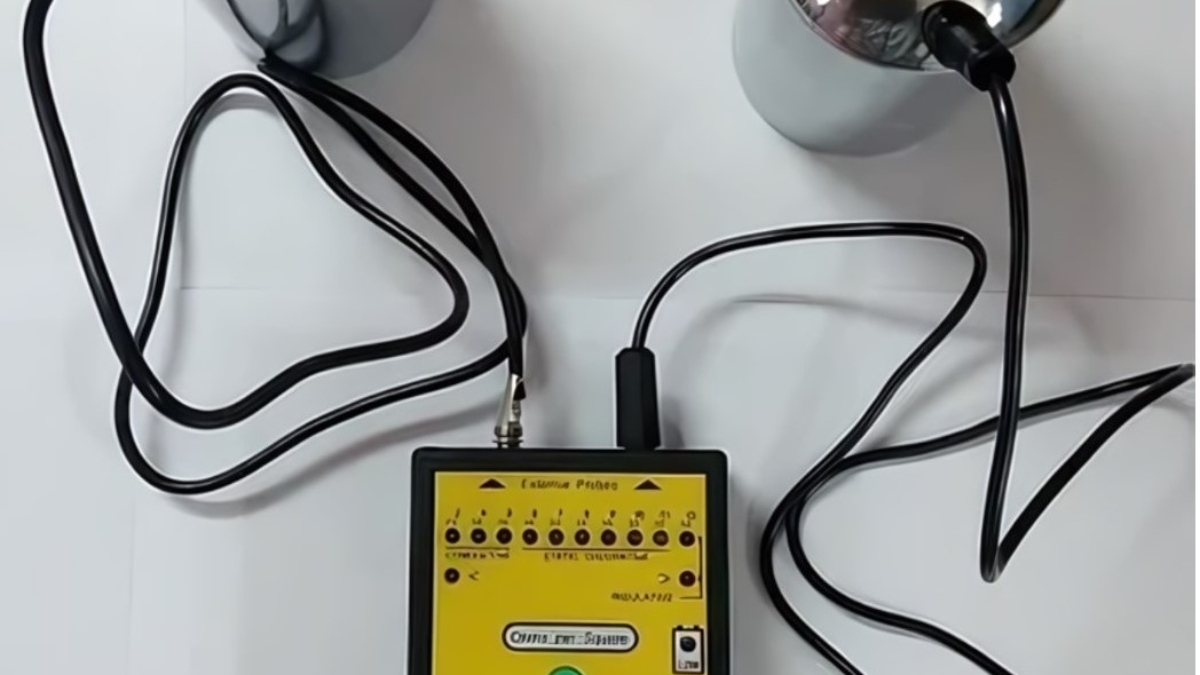
Surface Resistivity Testing As per IS 3396

Surface Resistivity Testing As per IS 3396

Surface Resistivity Testing As per IS 3396

Why Surface Resistivity Testing Matters: A Deep Dive into IS 3396 Standards


Introduction

Surface Resistivity Testing As per IS 3396

Understanding Surface Resistivity

Surface resistivity is a measure of how well a material resists electrical current flowing across its surface. The results are typically expressed in ohms per square (Ω/□) and help classify materials into:

  • Insulative materials (≥ 10¹² Ω/□)

  • Static dissipative materials (10⁵ to 10¹¹ Ω/□)

  • Conductive materials (≤ 10⁴ Ω/□)

These values are crucial in preventing electrostatic discharge (ESD), which can damage sensitive components in electronics and create safety hazards.


📘 What Does IS 3396 Define?

IS 3396, established by the Bureau of Indian Standards (BIS), outlines the method for determining surface resistivity in solid electrical insulating materials, primarily those made of plastic, rubber, or polymer composites.

It includes guidelines for:

  • Sample preparation

  • Test electrode configuration

  • Voltage application

  • Environmental controls such as humidity and temperature

At Kiyo, we strictly follow these parameters to ensure repeatable and compliant test results.


🧪 Industries That Rely on Surface Resistivity Testing

Surface resistivity testing is indispensable for several applications, including:

  • Electronics manufacturing – for PCBs, connectors, and enclosures

  • Automotive interiors – ensuring safety from static shocks

  • Packaging materials – especially for ESD-sensitive components

  • Flooring and mats – in cleanrooms and control panels

  • Defense equipment – where insulation properties are mission-critical


🧰 Kiyo’s Testing Highlights

At Kiyo R&D Center & Laboratory, our Surface Resistivity Testing includes:

  • High-precision measurement instruments

  • IS 3396-compliant procedures

  • Detailed test reports with interpretation

  • Quick turnaround for development and compliance needs

We help clients meet both national and global product requirements while maintaining quality, consistency, and safety.
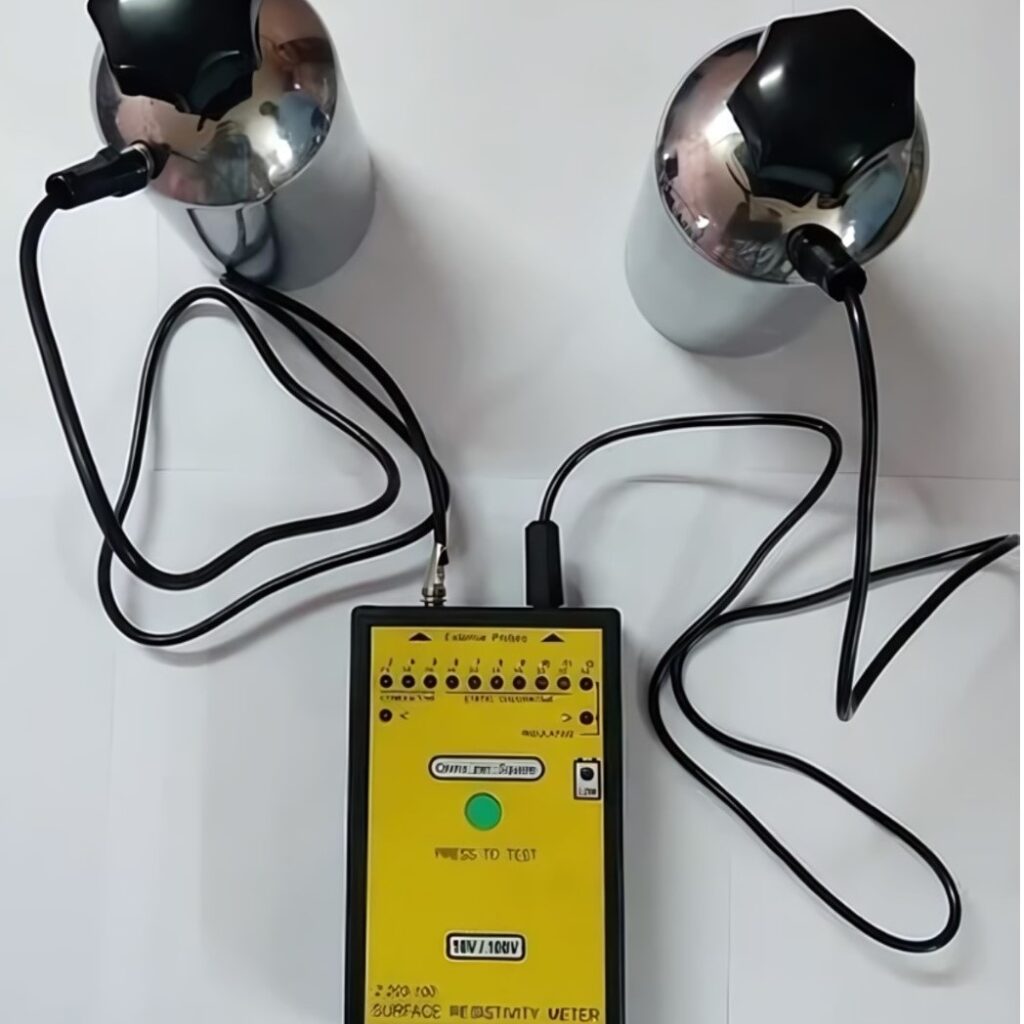
Surface Resistivity Testing As per IS 3396

✅ Partner With Experts You Can Trust


FAQ

1. How is the test conducted?

A voltage is applied across electrodes placed on the material's surface in a controlled environment. The resulting current is measured to calculate resistivity.

2. What are the test conditions specified by IS 3396?

IS 3396 specifies environmental controls (like humidity and temperature), electrode configuration, sample conditioning, and test voltage to ensure consistency.

3. What is the measurement unit used?

Surface resistivity is measured in ohms per square (Ω/□), indicating resistance across a unit square of the material surface.
Fading Resistance Test in Chennai

Fading Resistance Test in Chennai

Fading Resistance Test in Chennai

Why Fading Resistance Testing is Crucial for Product Excellence – Now in Chennai


Introduction

Fading Resistance Test in Chennai

🌞 What Causes Fading?

Fading occurs when materials—especially pigments, dyes, and polymers—break down under prolonged exposure to sunlight or artificial UV light. This can lead to:

  • Discoloration and yellowing

  • Surface degradation or cracking

  • Loss of gloss and finish

  • Compromised structural integrity

Such changes can not only reduce the visual appeal but also affect the material’s performance and consumer trust.


🔍 The Role of Fading Resistance Testing

Fading Resistance Testing simulates real-world exposure to ultraviolet (UV) or xenon light, enabling manufacturers to predict how long a material will maintain its appearance. Our testing includes:

  • Controlled lighting conditions (UVA, UVB, Xenon Arc)

  • Regulated temperature and humidity

  • Long exposure durations to simulate extended outdoor use

We help clients evaluate changes in color, gloss, haze, and mechanical properties over time.


🌐 Applications Across Industries

Industries that heavily rely on aesthetics and performance over time benefit the most from fading resistance testing, including:

  • Automotive: Dashboard panels, seat trims, plastic covers

  • Consumer Goods: Plastic casings, bottles, packaging

  • Construction: Wall panels, roofing materials, external coatings

  • Textiles: Sportswear, curtains, uniforms

  • Electronics: Housings for outdoor equipment and devices


🏭 Why Kiyo R&D Center in Chennai?

Kiyo R&D offers state-of-the-art accelerated weathering chambers, expert analysis, and adherence to global standards like ASTM D2565, ISO 4892, and more. Our Chennai facility is strategically positioned to serve manufacturers across South India with:

  • Fast, accurate test results

  • Customized test plans for R&D or QA

  • Compliance support for exports and certifications

  • Experienced engineers and material scientists


✨ Assurance Through Testing

“Fading may be natural. But with the right testing, it doesn’t have to be inevitable.”

With our advanced Fading Resistance Testing capabilities, Kiyo R&D helps you extend the life and reliability of your products, enhancing your brand value and building customer confidence.

Fading Resistance Test in Chennai

📞 Ready to Get Started?


FAQ

1. What standards are used in this test?

Tests are performed to recognized international standards like ASTM D2565, ISO 4892-2, and ISO 105-B02, among others.

2. What equipment is used in fading resistance testing?

We use Xenon Arc and UV weathering chambers to simulate sunlight and environmental conditions for accelerated aging.

3. How long does the test take?

Test duration can vary from hours to several days or weeks, depending on the standard, client needs, and exposure requirements.
Abrasion Resistance As Per MS 343-16

Abrasion Resistance As Per MS 343-16

Abrasion Resistance As Per MS 343-16

How MS 343-16 Abrasion Resistance Testing Validates Material Performance

Introduction

Abrasion Resistance As Per MS 343-16

🧩 The Role of MS 343-16 in Product Validation

MS 343-16 is more than just a test method—it’s a performance benchmark. Whether you’re producing a car dashboard, a shoe sole, or an industrial gasket, the ability of that component to resist surface wear determines its practical value.

This Malaysian standard ensures testing is repeatable, reliable, and applicable across a broad range of polymer-based products.


🧪 Test Principles: Simulating Real-Life Wear

The MS 343-16 method evaluates how a material reacts when an abrasive force is applied in a controlled, repetitive manner. Our process includes:

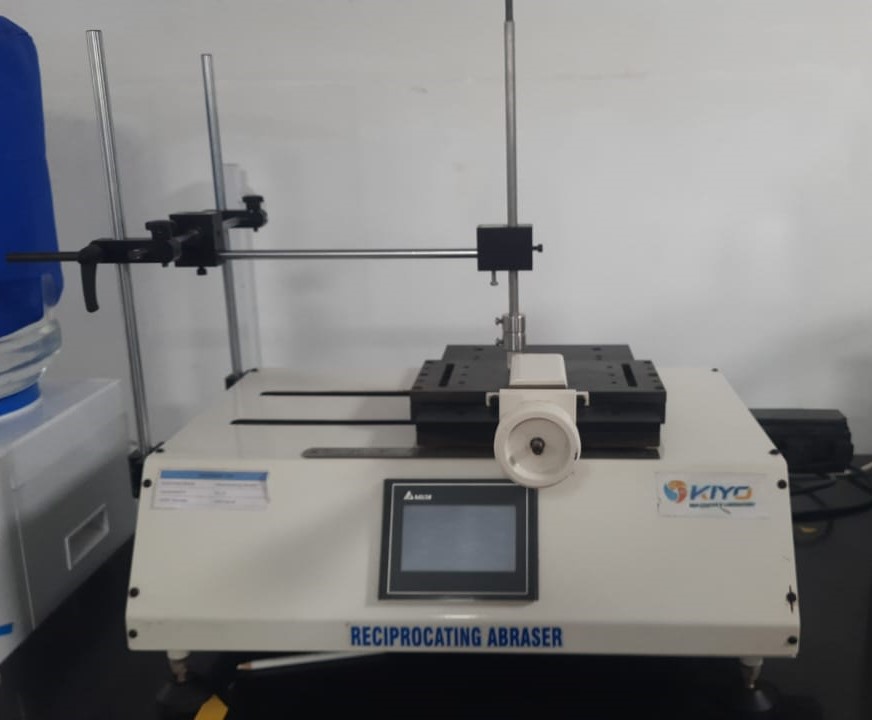
  • Securing the sample on a reciprocating platform

  • Using a standardized abrasive material (e.g., sandpaper)

  • Applying constant load and motion cycles

  • Quantifying the wear by visual inspection or weight loss

This approach effectively mimics the kinds of friction that occur during product usage, offering a realistic prediction of in-field performance.


🚀 Where It Matters Most: Real-World Applications

Some real-life scenarios where abrasion resistance is critical include:

  • Automotive trims and interior parts – where consistent touch points lead to surface degradation.

  • Footwear soles – which must endure continuous contact with rough surfaces.

  • Consumer electronics casings – to maintain aesthetics and durability.

  • Seals and gaskets – especially in mechanical systems with moving parts.

Testing to MS 343-16 helps engineers and designers make better choices about material selection and product design.


📊 Turning Data into Action

Once testing is complete, the results allow stakeholders to:

  • Identify material weaknesses early in the design stage

  • Optimize compositions or coatings for improved performance

  • Meet regulatory or client-specific durability standards

  • Reduce warranty claims and product returns

At Kiyo R&D Lab, we provide detailed test reports with quantitative wear data, failure observations, and recommendations.


🌟 Why Trust Kiyo R&D Center?

We bring a combination of:

  • ✔️ Advanced testing infrastructure

  • ✔️ Adherence to local and international standards

  • ✔️ Experienced materials scientists and lab technicians

  • ✔️ A commitment to quality and innovation

Reciprocating Abrasion Testing in Chennai

🧭 Future-Proof Your Products


FAQ

Q1: What does abrasion resistance tell us about a material?

A: It indicates how well a material can resist wear caused by friction or contact with rough surfaces—critical for evaluating long-term performance.

Q2: Why use MS 343-16 specifically for abrasion testing?

A: MS 343-16 provides a standardized and locally recognized method that ensures consistency, repeatability, and industry relevance in Malaysia and beyond.

Q3: What industries rely most on abrasion resistance data?

A: Automotive, electronics, construction, footwear, and consumer goods industries commonly depend on abrasion resistance data for product validation.
Stain Resistance Testing In Chennai

Stain Resistance Testing In Chennai

Stain Resistance Testing In Chennai

Elevate Product Quality with Stain Resistance Testing in Chennai – Kiyo R&D Center & Laboratory

Introduction

Stain Resistance Testing In Chennai

Understanding Stain Resistance Testing

Stain resistance testing evaluates a material’s capability to withstand staining substances such as oils, inks, food spills, or chemicals. The results help manufacturers enhance product performance, ensuring surfaces remain pristine after prolonged use or exposure to harsh environments.

Why Chennai-Based Kiyo R&D is the Trusted Testing Partner?

Kiyo R&D Center & Laboratory stands out with its cutting-edge facilities and commitment to global quality benchmarks. Whether you’re validating a new product or refining an existing one, our tests ensure compliance with leading standards such as:

  • MS 343-16 (Malaysia’s national plastic material standard)

  • ISO 105 series (international textile and surface performance standards)

  • ASTM D1308, ASTM D4828 (standard methods for coatings and washable fabrics)

Testing Procedure Highlights

Our stain resistance testing methodology includes:

  1. Preparing and conditioning the material sample.
  2. Applying specified staining agents like coffee, ink, or sebum.
  3. Allowing exposure time as defined by the relevant standard.
  4. Cleaning the sample and evaluating discoloration or residual staining.
  5. Reporting results using color change scales or visual grading metrics.

Industries That Benefit Most

  • Automotive: Ensuring interiors maintain their finish and appeal.

  • Textiles: Validating fabric performance against common household stains.

  • Construction Materials: Testing coatings and laminates used in kitchens, hospitals, and public spaces.

  • Consumer Goods: Improving resistance of gadgets, plastics, and appliances to daily wear.

Why Standards Matter: MS 343-16, ISO & ASTM ?

Compliance isn’t just a regulatory checkbox—it’s a quality guarantee. At Kiyo R&D, every stain resistance test adheres to the most relevant and updated standards:

  • MS 343-16 ensures testing procedures for plastics used in Malaysia’s industries are robust and traceable.

  • ISO 105-X12 and ISO 105-A03 provide consistent methods for evaluating stain fastness in textiles.

  • ASTM D1308 and D4828 test surface coatings and fabrics under practical, reproducible conditions.

Start Your Stain Resistance Testing with Kiyo R&D Today

Our lab in Chennai delivers fast, accurate, and insightful reports tailored to your industry needs. Whether you’re developing new materials or improving existing formulations, we provide the technical support you need to meet market expectations.


Stain Resistance Testing In Chennai

Conclusion


FAQ

Q1: What is the purpose of stain resistance testing?

Stain resistance testing determines how well a material can resist staining from substances like food, oils, and chemicals, which is vital for maintaining product appearance and performance.

Q2: Which industries benefit most from stain resistance testing?

Industries such as automotive, textiles, consumer electronics, home appliances, and building materials benefit significantly from stain resistance evaluations.

Q3: What testing standards does Kiyo R&D follow?

We conduct stain resistance tests in compliance with MS 343-16, ISO 105 series, and ASTM standards such as D1308 and D4828 to ensure global quality adherence.

Q4: How are stain resistance tests performed?

Tests involve applying staining agents to conditioned samples, allowing a defined contact period, cleaning the surface, and assessing any residual stains.

Q5: Can I test both natural and synthetic materials?

Yes, Kiyo R&D tests a wide variety of materials including plastics, fabrics, coated surfaces, composites, and elastomers.
Car Product Testing Lab in Chennai

Car Product Testing Lab in Chennai

Car Product Testing Lab in Chennai

Driving Reliability: The Critical Role of Automotive Component Testing

Introduction

Car Product Testing Lab in Chennai

Understanding Component Testing

Component testing involves analyzing individual vehicle parts to confirm their safety, performance, and longevity under simulated real-world conditions. This step is essential before mass production, ensuring that manufacturers meet regulatory standards and customer expectations.

Types of Component Testing

  • Melt Flow Rate Testing
    Assesses the flow properties of thermoplastics used in components like bumpers and interior trims, ensuring proper moldability and consistency.

  • HDT/VSP Testing
    Measures the heat deflection and softening points of polymers, vital for parts exposed to high temperatures such as engine bay housings.

  • TGA and DSC Analysis
    These thermal tests reveal stability, degradation, and heat capacity of materials, helping to predict their behavior in harsh environments.

  • Ash Content Testing
    Identifies filler materials in plastics and rubber to ensure material integrity and performance.

  • Noise, Vibration, Harshness (NVH) Testing
    Enhances comfort and product perception by reducing unwanted vibrations and noise in cabins.

Benefits to OEMs and Suppliers

By investing in precise component testing:

  • Quality improves, reducing the risk of defects.

  • Costs are controlled through fewer recalls and rework.

  • Innovation accelerates by enabling better material selection and design validation.

Car Product Testing Lab in Chennai

The Kiyo R&D Advantage


FAQ

1. Do you offer custom testing solutions for R&D projects?

Absolutely. We collaborate closely with clients to design and execute tailored test programs based on unique development goals.

2. Are your test reports suitable for certification or regulatory submission?

Yes, we provide comprehensive reports that meet regulatory and industry requirements, suitable for certification and audits.

3. How can I request a quote or start a project?

Please visit our official website and contact our team through the provided inquiry forms for personalized assistance.
Flammability Specimen Preparation As Per FMVSS 302

Flammability Specimen Preparation As Per FMVSS 302

Flammability Specimen Preparation As Per FMVSS 302

Accurate Flammability Specimen Preparation in Chennai – Kiyo RND Lab

Introduction

Flammability Specimen Preparation As Per FMVSS 302

Why Flammability Specimen Preparation Matters

The accuracy of a flammability test is only as good as the specimen being tested. Improper cutting, incorrect sizing, or uneven surfaces can invalidate results. That’s why the Federal Motor Vehicle Safety Standard (FMVSS) 302 clearly outlines strict requirements for specimen dimensions, conditioning, and surface quality.

For industries operating under regulatory requirements, poor specimen prep can lead to failed audits, rejected parts, and delayed production.


FMVSS 302 Standard – Key Specimen Criteria

At Kiyo R&D Lab, we strictly adhere to the following requirements when preparing flammability specimens:

  • Dimensions: 356 mm (length) × 102 mm (width)

  • Thickness: Original material thickness or custom-moulded to specification

  • Surface: Smooth edges, defect-free, with no signs of contamination

  • Conditioning: Specimens are conditioned at 23°C ± 2°C and 50% RH ± 5% for 24 hours before testing

 Our Flammability Specimen Services

We offer end-to-end specimen preparation tailored for FMVSS 302 testing, including:

✔️ Precision Cutting

Our lab uses specialized cutting tools to achieve exact size and clean edges, ensuring dimensional accuracy and test reliability.

✔️ Custom Thickness Moulding

For non-standard materials or R&D needs, we mould specimens to specific thicknesses. This service is ideal for foams, layered polymers, and pre-production samples.

✔️ Material Compatibility

We prepare flammability specimens from:

  • Thermoplastics and thermosets

  • Foams and textile composites

  • Rubber sheets and polymer laminates

Why Choose Kiyo R&D Center & Laboratory?

As one of the most trusted names in material testing services in Chennai, Kiyo R&D Center & Laboratory offers:

  • Full compliance with FMVSS 302 and related international standards

  • Custom moulding and cutting options

  • Quick turnaround and accurate reporting

  • End-to-end testing services including specimen preparation and certified flammability testing

We are committed to helping manufacturers, R&D teams, and suppliers get dependable testing results that support safe and efficient product development.


Who We Serve

Our flammability specimen preparation services support a wide range of sectors:

  • Automotive Interiors & Components

  • Electrical and Consumer Appliance Manufacturers

  • Interior Panel and Foam Producers

  • Aerospace and Transport Equipment

  • Plastics & Rubber Product Manufacturers

Flammability Specimen Preparation As Per FMVSS 302

Conclusion


FAQ

Q1: What is FMVSS 302?

FMVSS 302 is the Federal Motor Vehicle Safety Standard that defines the flammability performance requirements for materials used in vehicle interiors.

Q2: Why is specimen preparation important for flammability testing?

Proper preparation ensures accurate test results. Incorrect dimensions or poor surface finish can invalidate your flammability test.

Q3: What are the standard specimen dimensions for FMVSS 302?

356 mm in length, 102 mm in width, with the material’s original or specified thickness.

Q4: Do you offer custom thickness specimen preparation?

Yes, we offer custom thickness moulding for clients requiring non-standard or R&D-based sample preparation.

Q5: Which materials can be prepared for flammability testing?

We prepare specimens from plastics, rubber, foams, textiles, and composite sheets used in automotive and industrial applications.
Product Testing Lab in Tamil Nadu

Product Testing Lab in Tamil Nadu

Product Testing Lab in Tamil Nadu

Choosing the Right Product Testing Lab in Tamil Nadu

Introduction

Product Testing Lab in Tamil Nadu

Kiyo R&D Center and Laboratory – Tamil Nadu’s Trusted Testing Partner

Among the many testing facilities in the region, Kiyo R&D Center and Laboratory stands out as a leading hub for material testing, validation, and failure analysis. Based in Tamil Nadu, Kiyo R&D is known for its comprehensive service portfolio and commitment to quality, supporting companies of all sizes with dependable, precise testing solutions.

Key Testing Services Offered

Kiyo R&D Center supports manufacturers and innovators with a wide range of critical tests, including:

  • Tensile, Flexural, and Impact Testing – Essential for evaluating mechanical properties of plastics, rubber, and composites.

  • Flammability Testing – Helps ensure safety in automotive, electronics, and consumer goods.

  • Melt Flow Index (MFI/MFR) – Determines processability of thermoplastics.

  • Filler Content and Ash Analysis – Key for material verification and quality control.

  • Thermal Testing (DSC, TGA, HDT, VSP) – Assesses how materials behave under temperature and stress.

  • FTIR and SEM – Identifies chemical structure and microstructure of materials.

  • Vibration and Fatigue Testing – Validates product durability for real-world use.

Why Tamil Nadu’s Industry Relies on Product Testing

Tamil Nadu is a major industrial hub, hosting clusters of automotive, electronics, textile, and polymer manufacturers. In this environment, precision testing and validation help:

  • Meet domestic and international regulatory standards

  • Avoid product recalls or failures

  • Accelerate innovation cycles

  • Improve end-user satisfaction

By working with an experienced product testing lab in Tamil Nadu, companies can build products that are not only innovative but also reliable and market-ready.

Advantages of Working with Kiyo R&D Center

✅ State-of-the-Art Infrastructure

Kiyo’s facility is equipped with modern instruments and automated test systems, ensuring high accuracy and reproducibility of results.

✅ Expert Team

With specialists in materials science, polymer technology, and mechanical testing, Kiyo R&D offers insightful analysis beyond just data reporting.

✅ Fast Turnaround & Transparent Reporting

Test results are delivered quickly with detailed, easy-to-understand reports that support decision-making across R&D and production teams.

✅ Customized Testing Solutions

Each project is handled with a tailored approach, whether you need a single test or a full validation protocol.

Supporting Diverse Industries Across Tamil Nadu

Kiyo R&D serves companies in:

  • Automotive and transportation

  • Packaging and plastics

  • Electrical and electronic components

  • Consumer products

  • Aerospace and defense

  • Construction materials

  • Medical devices

Product Testing Lab in Tamil Nadu

Conclusion


FAQ

1. What is the role of a product testing lab in Tamil Nadu?

A product testing lab ensures that materials and components meet safety, quality, and regulatory standards, supporting industries across Tamil Nadu.

2. Why should I choose Kiyo R&D Center for testing services?

Kiyo R&D Center is a reputed lab in Tamil Nadu offering precise, ISO-compliant testing for plastics, rubber, metals, and components, backed by expert analysis.

3. What types of tests does Kiyo R&D offer?

Kiyo provides mechanical testing (tensile, impact), thermal analysis (DSC, TGA), chemical analysis (FTIR, ash content), flammability, MFR, HDT, SEM, and more.

4. Do you support testing for regulatory certifications?

Yes, Kiyo R&D conducts tests according to ISO, ASTM, and BIS standards, helping clients achieve regulatory and industry certifications.

5. Can Kiyo R&D handle bulk testing for manufacturing?

Yes, the lab accommodates both small sample validation and large-scale batch testing to support production and quality control processes.
Car Part Testing Lab in Chennai

Car Part Testing Lab in Chennai

Precision and Performance: Elevating Car Part Reliability with Kiyo R&D in Chennai


Introduction

In the heart of Chennai’s thriving automotive industry, Kiyo R&D Center & Laboratory stands as a beacon of excellence in car part testing. With a robust infrastructure and a team of experts, we provide critical insights and validation that help automotive manufacturers deliver safer, more durable vehicles.

Car Part Testing Lab in Chennai

Engineering Confidence into Every Component

Every automotive component—whether structural or aesthetic—must perform under extreme conditions. From temperature fluctuations and vibrations to mechanical stress and chemical exposure, the reliability of these parts is non-negotiable. Kiyo R&D empowers manufacturers with accurate, dependable data to ensure their components meet industry demands.

What Sets Kiyo R&D Apart?

Kiyo R&D is more than just a testing facility. It is a partner in innovation, offering:

  • Comprehensive Testing Portfolio: Including mechanical (tensile, flexural), thermal (HDT, VSP, DSC, TGA), chemical (FTIR), and physical (impact, vibration, flammability) evaluations.

  • Material Expertise: Specialized in testing polymers, elastomers, and metals commonly used in automotive applications.

  • Advanced Instrumentation: Equipped with state-of-the-art machinery and constantly updated technology.

  • Client-Centric Approach: Customized testing solutions aligned with specific component functions and end-use environments.

Applications Across the Automotive Spectrum

From bumpers and dashboards to seals and connectors, Kiyo R&D tests components across every vehicle system. Our testing protocols help ensure these parts withstand real-world challenges, enhance safety, and prolong vehicle life.

Car Part Testing Lab in Chennai

Conclusion

As the automotive industry shifts toward electric and autonomous vehicles, Kiyo R&D is evolving too. We are actively expanding our services to address the unique challenges of new materials and technologies, supporting our clients in staying ahead of the curve.

How long does the testing process usually take?

The turnaround time depends on the type and number of tests required. Typical testing can range from a few days to a couple of weeks.


Can you assist with R&D and product development?

Yes, our team supports product development through material selection, performance evaluation, and failure analysis using advanced testing tools.

How can I get a quote or schedule a test?

To get a quote or schedule a test, please search for “Kiyo R&D Laboratory Chennai” online and visit our official website to reach out through our contact form.

Soil Resistance Testing in Chennai

Soil Resistance Testing in Chennai

Soil Resistance Testing in Chennai

soil resistance testing as per MS 343-16

Introduction

Soil Resistance Testing in Chennai

What is Soil Resistance Testing?

Soil resistance testing measures the electrical resistivity of soil to determine its suitability for grounding systems. The lower the resistance, the more effective the soil is at dissipating electrical currents safely into the ground. This directly impacts the safety of equipment and people in facilities ranging from power stations to residential complexes.

Role of MS 343-16 Standard in Soil Testing

The MS 343-16 standard is a benchmark for conducting soil resistance tests. It outlines best practices and procedures for obtaining consistent and meaningful results. The standard recommends specific test methods such as the Wenner and Schlumberger configurations, which are widely recognized for their accuracy in soil analysis.

MS 343-16 helps ensure:

  • Accurate resistivity measurements

  • Proper electrode spacing for realistic data

  • Adjustments for seasonal and environmental factors

  • Standardized reporting for design integration

Soil Conditions in Chennai and Their Impact

Chennai’s diverse geography introduces varied soil types—from saline coastal belts to clay-rich inland zones. These variations significantly influence resistivity. Salty soils, for example, generally have lower resistance, while dry, compact soils may resist current flow more, posing grounding challenges.

Soil resistance testing tailored to Chennai’s conditions allows engineers to design grounding systems that meet performance and safety expectations.

How Kiyo R&D Center Ensures MS 343-16 Compliance

Kiyo R&D Center and Laboratory is a leader in soil resistance testing in Chennai. With deep expertise and state-of-the-art instrumentation, Kiyo R&D follows the MS 343-16 standard meticulously to provide reliable, actionable data for engineers and developers.

Our services include:

  • Field testing using advanced equipment

  • Comprehensive soil profiling and moisture evaluation

  • Detailed reports aligned with international norms

  • Expert recommendations for grounding system design

Use Cases for Soil Resistance Testing

The importance of soil resistance testing as per MS 343-16 extends across industries such as:

  • Electrical utilities

  • Oil and gas facilities

  • Renewable energy farms

  • Telecom towers

  • Data centers

  • Construction and infrastructure development

Soil Resistance Testing in Chennai

Conclusion


FAQ

1. What does soil resistance as per MS 343-16 mean?

It refers to soil resistivity testing conducted following the MS 343-16 standard, which ensures consistent methodology, accurate readings, and reliable data for grounding system design.

2. How does Chennai's soil affect resistance testing results?

Chennai features diverse soil types including clay, sand, and saline coastal soil, each affecting resistance differently. Accurate testing helps in designing systems suited to local conditions.

3. Why choose Kiyo R&D for soil resistance testing?

Kiyo R&D Center offers advanced equipment, expert analysis, and strict adherence to MS 343-16 standards, ensuring reliable data and practical guidance for grounding systems.

4. Is soil resistance testing mandatory for all electrical installations?

While not always legally mandatory, it's essential for compliance, safety, and longevity in installations like substations, data centers, and telecom towers.

5. Can Kiyo R&D provide soil resistance testing for remote or large sites?

Yes, Kiyo R&D offers on-site testing services across various terrains, including remote or large project locations, with full technical support and reporting.
Thermal Shock Testing in Chennai

Thermal Shock Testing in Chennai

Thermal Shock Testing in Chennai

Advanced Thermal Shock Testing in Chennai – Trusted by Industry Leaders

Introduction

Thermal Shock Testing in Chennai

Understanding the Impact of Thermal Shock

Thermal shock occurs when materials are subjected to abrupt temperature changes. These rapid shifts can introduce internal stress, leading to warping, cracks, or catastrophic failure if the material is not designed to withstand such conditions. Through thermal shock testing, these vulnerabilities are identified before products reach the market.

Chennai’s Premier Lab for Thermal Shock Testing

Kiyo R&D Center and Laboratory has established itself as a leader in Chennai’s testing landscape. With decades of combined expertise, the lab offers thermal shock testing services that support product development and quality assurance efforts across numerous sectors.

Utilizing cutting-edge chambers and precise control systems, Kiyo conducts simulations that reflect real-world thermal extremes. These services are conducted in accordance with MS  standards and ISO standards, providing confidence to clients that results are credible and replicable.

Key Standard Applied: Thermal Shock Testing As per standard IEC 60068

A central aspect of Kiyo’s testing protocol is alignment with Thermal Shock Testing As per standard IEC 60068. This international reference guides the procedures for subjecting products to extreme temperature cycling, ensuring that testing reflects globally accepted methodologies.

This compliance is particularly vital for companies exporting products or meeting rigorous client specifications.

What Kiyo Offers

  • Standard-compliant testing: Tests are executed to match the strict requirements of MS, ISO, and IEC protocols.

  • Versatility in materials: Whether it’s polymers, elastomers, composites, or metals, Kiyo adapts testing to suit.

  • Custom temperature profiles: Each product is tested under conditions that simulate actual field environments.

  • Detailed reporting: Clients receive thorough analysis to support design validation or failure diagnostics.

Trusted by Multiple Industries

Kiyo’s thermal shock testing services are trusted across a wide range of industries:

  • Aerospace and defense systems

  • Automotive parts and components

  • Industrial equipment and machinery

  • Electronic and electrical devices

Each of these fields demands products that can endure environmental stress without loss of function—exactly what thermal shock testing helps guarantee.

Why Kiyo R&D Center and Laboratory?

Beyond equipment and compliance, what sets Kiyo apart is its commitment to personalized service and technical excellence. The laboratory team works closely with clients to understand their application, design challenges, and testing objectives.

From early-stage R&D to end-of-line quality assurance, Kiyo provides the data and insights necessary to make informed decisions.

Thermal Shock Testing in Chennai

Conclusion


FAQ

Q1: What is the purpose of thermal shock testing?

Thermal shock testing assesses a product’s ability to resist damage from rapid temperature changes. It is essential for identifying structural weaknesses before a product is deployed in environments with fluctuating temperatures.

Q2: Why choose Kiyo R&D Center and Laboratory in Chennai for thermal shock testing?

Kiyo offers advanced testing services that follow MS, ISO, and Thermal Shock Testing As per standard IEC 60068, ensuring internationally recognized quality and reliability.

Q3: What materials can undergo thermal shock testing at Kiyo R&D?

Kiyo R&D Center tests a wide range of materials including plastics, rubbers, metals, and composites used in various industrial applications.

Q4: Which industries rely on thermal shock testing from Kiyo in Chennai?

Aerospace, automotive, electronics, and industrial manufacturing industries trust Kiyo for comprehensive thermal shock analysis.

Q5: How does thermal shock testing as per IEC 60068 benefit my product?

It ensures that your product can handle rapid thermal fluctuations without performance loss, aligning with global durability and compliance standards.