
Bitumen Flash Point Test Services
Reliable Bitumen Flash Point Testing in Chennai – Kiyo R&D LAB
Introduction
Bitumen is the backbone of modern road construction, waterproofing, and pavement engineering. It binds aggregates together, provides durability, and ensures smooth, long-lasting roads. But behind every strong highway lies a critical safety parameter that many contractors overlook — flash point. If bitumen is overheated during storage, mixing, or transportation, it can release flammable vapors that may ignite suddenly, causing fires, equipment damage, and serious workplace accidents. That is why bitumen flash point test services in Chennai – Kiyo R&D LAB are not just a laboratory formality — they are a safety necessity for every road construction and asphalt manufacturing company. At Kiyo R&D LAB, flash point testing is treated as a precision safety assessment, not a routine checklist. We help contractors, suppliers, and manufacturers ensure that their bitumen is safe to heat, handle, and use — before accidents happen.
Why Bitumen Flash Point Testing Matters
Many road contractors focus only on penetration grade, softening point, or ductility of bitumen. While these are important, they do not tell you whether the material is safe to heat.
Bitumen is often heated to 150–170°C during mixing and paving. If its flash point is too low, vapors can ignite near open flames, heaters, or electrical sparks.
That is why bitumen flash point test services in Chennai – Kiyo R&D LAB are essential for:
Preventing fire hazards at hot mix plants
Ensuring safe bitumen heating and handling
Reducing risk of workplace accidents
Meeting safety and regulatory requirements
Avoiding insurance and legal liabilities
Protecting workers, equipment, and infrastructure
If your asphalt plant or storage tank has ever produced smoke, fumes, or overheating issues, flash point testing should be mandatory in your quality process.
What Is Bitumen Flash Point?
The flash point of bitumen is the lowest temperature at which its vapors ignite momentarily when exposed to a small flame under controlled conditions.
In simple terms:
Below flash point → bitumen is relatively safe
At flash point → vapors can ignite
Above flash point → higher fire risk
That is why industries rely on bitumen flash point test services in Chennai – Kiyo R&D LAB to confirm safe operating temperatures before using bitumen in large-scale projects.
Standard Methods Used for Flash Point Testing
At Kiyo R&D LAB, bitumen flash point testing follows internationally recognized standards, including:
IS 1209 (Part 1) – Pensky-Martens Closed Cup Method
ASTM D93 – Flash Point by Pensky-Martens Closed Cup
IP 34 – Petroleum products flash point testing
These standards ensure that results from bitumen flash point test services in Chennai – Kiyo R&D LAB are reliable, comparable, and acceptable for audits, tenders, and quality approvals.
How the Flash Point Test Is Performed
The process is scientific and carefully controlled:
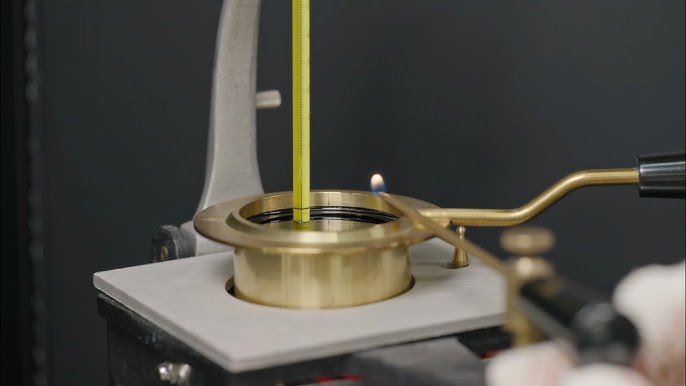
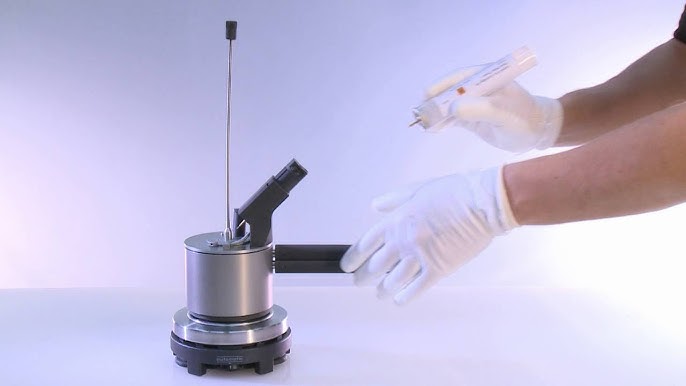
A bitumen sample is placed in a closed cup apparatus.
The temperature is gradually increased at a controlled rate.
At regular intervals, a small flame is introduced above the sample surface.
The lowest temperature at which a flash occurs is recorded as the flash point.
This method closely simulates real heating conditions in asphalt plants, making bitumen flash point test services in Chennai – Kiyo R&D LAB highly relevant to actual field operations.
Why Chennai Industries Prefer Kiyo R&D LAB
Chennai is a major hub for road construction, infrastructure projects, and asphalt manufacturing. Yet not all laboratories offer precise, standard-compliant flash point testing.
This is why bitumen flash point test services in Chennai – Kiyo R&D LAB stand out.
Key advantages of Kiyo R&D LAB:
NABL-accredited testing environment
Calibrated Pensky-Martens apparatus
Experienced materials scientists
Strict adherence to IS/ASTM/IP standards
Fast turnaround time
Clear, easy-to-understand test reports
Technical support for contractors and consultants
At Kiyo R&D LAB, you get safety assurance — not just a number on paper.
Who Needs Bitumen Flash Point Testing?
You should use bitumen flash point test services in Chennai – Kiyo R&D LAB if you are in:
1. Road Construction & Infrastructure
National highways
State highways
City roads
Airport runways
2. Hot Mix Asphalt Plants
Batch mix plants
Drum mix plants
Asphalt contractors
3. Bitumen Suppliers & Refineries
Bitumen producers
Bulk storage tank operators
Transporters
4. Waterproofing & Roofing Contractors
Bitumen-based membranes
Industrial waterproofing applications
If you heat bitumen in any form, flash point testing is critical.
How Flash Point Testing Saves You Money
Many contractors skip testing to save small costs. That is a dangerous and expensive mindset.
A single fire incident at an asphalt plant can cost lakhs in:
Equipment damage
Production downtime
Worker compensation
Insurance claims
Legal penalties
Using bitumen flash point test services in Chennai – Kiyo R&D LAB helps you:
Avoid fire accidents
Reduce operational risks
Improve plant safety compliance
Protect workers and machinery
Strengthen contractor credibility
In simple terms: testing costs little; accidents cost a fortune.
Relationship Between Flash Point and Other Bitumen Properties
Flash point is closely linked to:
Volatile content
Heating history of bitumen
Storage conditions
Grade of bitumen (VG 10, VG 30, VG 40, etc.)
If a batch of bitumen has been overheated or contaminated, flash point values often drop — a clear warning sign that contractors should not ignore.
That is why bitumen flash point test services in Chennai – Kiyo R&D LAB are often combined with penetration, softening point, and viscosity tests for complete quality assurance.
Common Problems Detected by Flash Point Testing
Flash point testing often reveals issues such as:
Overheated bitumen during transport
Poor storage conditions
Contamination with lighter oils
Inferior bitumen grade
Excessive volatile content
If your bitumen behaves unpredictably during heating, flash point testing will expose the real issue.
The Reality Many Contractors Ignore
Many road contractors make risky assumptions:
They trust supplier claims blindly
They skip incoming inspection
They assume all bitumen is safe to heat
They test only after accidents occur
Smart contractors use bitumen flash point test services in Chennai – Kiyo R&D LAB proactively before using any new batch of bitumen.