Hardness is one of the simplest mechanical properties to measure, but one of the most misunderstood. Whether you manufacture automotive components, household plastics, electrical parts, pipes, packaging materials or engineering-grade polymers, hardness directly influences how your product performs under real-world stress.
At Kiyo R&D LAB, we provide reliable, NABL-accredited Plastic hardness testing services @ Kiyo R&D LAB to help industries and engineering students validate their materials with confidence. With fast turnaround, precise measurements, and complete compliance to international standards, we ensure your product meets performance, safety, and durability requirements.
This blog walks you through why hardness testing matters, how it works, the types of hardness tests available, and how Kiyo R&D LAB supports your testing and R&D requirements.
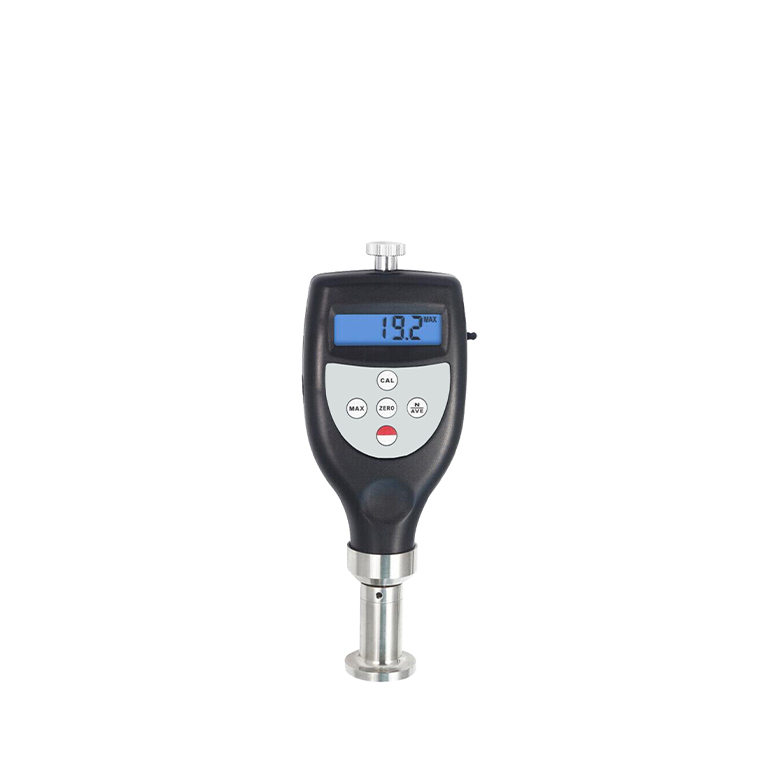
Hardness refers to the resistance of a plastic material to indentation, scratching, or surface penetration. Unlike metals, plastics behave differently under load because their structure is viscoelastic. This means hardness gives valuable insight into:
Manufacturers rely on hardness results to select the right grade of polymer, ensure uniformity during production, and validate end-use performance. For engineering students, hardness is a foundational measurement required in most final-year project validations.
Because hardness directly affects product life, failure points, and customer satisfaction, having accurate and NABL-compliant data is essential.
Hardness testing plays a crucial role across multiple sectors:
Interior trims, dashboards, handles, gaskets, and bushings need consistent surface strength to avoid premature wear.
Switch housings, connectors, insulators, and PCB supporting components must resist indentation and deformation.
Rigid containers, HDPE/PP caps, PET bottles, and film laminates require controlled hardness for sealing, stacking, and transit durability.
Buckets, toys, appliance housings, storage containers, and molded parts all need stable hardness to maintain shape and usability.
Nylon, POM, PC, ABS, and composite materials demand hardness validation due to their structural applications.
Although softer materials require different scales, hardness helps classify compounds and ensures consistent performance.
At Kiyo R&D LAB, our Plastic hardness testing services @ Kiyo R&D LAB cover all these applications with international-standard testing methods.
Different materials require different hardness testing techniques. We follow the standards recommended globally:
Shore hardness is the most common method used for plastics and rubbers.
Standards followed:
At Kiyo R&D LAB, we use calibrated durometers with controlled dwell time for precise hardness readings.
Ideal for hard, rigid plastics such as PC, PBT, PMMA, and engineering-grade compounds.
Standards followed:
Rockwell hardness measures the depth of indentation under specific load conditions, offering highly repeatable results.
Primarily used for composites, FRP parts, and reinforced plastics.
Applications:
Standard: ASTM D2583
Kiyo R&D LAB offers fast Barcol hardness testing for composite manufacturers and students working on polymer composite projects.
Used for thin films, coatings, and small polymer components.
Ensures surface-level precision for advanced research and quality control.
Hardness gives a quick understanding of surface behavior, but real material validation requires correlation with other tests. Based on your requirement, we also provide:
Together, these tests give a complete mechanical and thermal profile of your material.
Through our Plastic hardness testing services @ Kiyo R&D LAB, we guide customers on which combination of tests best suits their application—especially valuable for final-year students who need technical clarity.
Kiyo R&D LAB stands out because we combine NABL accreditation, fast service, and deep technical expertise. Here’s what you get when you choose us:
Your hardness results are recognized for academic submissions, industrial audits, tender requirements, and compliance documentation.
We understand deadlines. That’s why our reports are delivered with complete data, graphs, and interpretations within 24 hours.
All hardness testers undergo periodic calibration and traceability checks, ensuring accurate results every time.
Final-year engineering students often struggle to understand:
We provide free consultation, helping you complete your R&D journey smoothly.
Our team works closely with QC managers, design engineers, production teams, and R&D departments to identify problems and suggest corrective actions.
Generally 3–5 samples depending on the standard.
Yes. We offer multiple hardness methods to suit different materials.
Within 1 day, including graphs, methodology, and interpretations.
Yes—final-year students get 50% OFF and free guidance.
Hardness correlates with surface durability but should be combined with tensile, impact, and thermal tests for full evaluation.
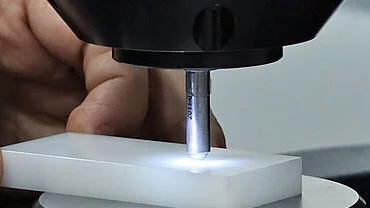
Hardness testing is one of the most essential steps in evaluating plastic performance. With NABL accreditation, fast turnaround, and world-class equipment, Plastic hardness testing services @ Kiyo R&D LAB serve as a dependable solution for industries and engineering students across India.
Whether you’re validating a new material, troubleshooting production issues, or completing your final-year research, hardness testing provides the clarity you need to move forward confidently.
For testing enquiries, student offers, or consultation, Kiyo R&D LAB is ready to support you from sample submission to report interpretation.