
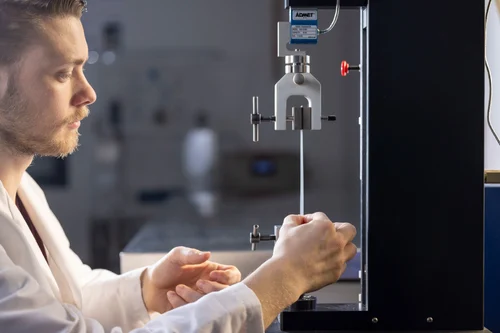
Tensile strength testing measures the resistance of a material to a gradually applied pulling force until it breaks.
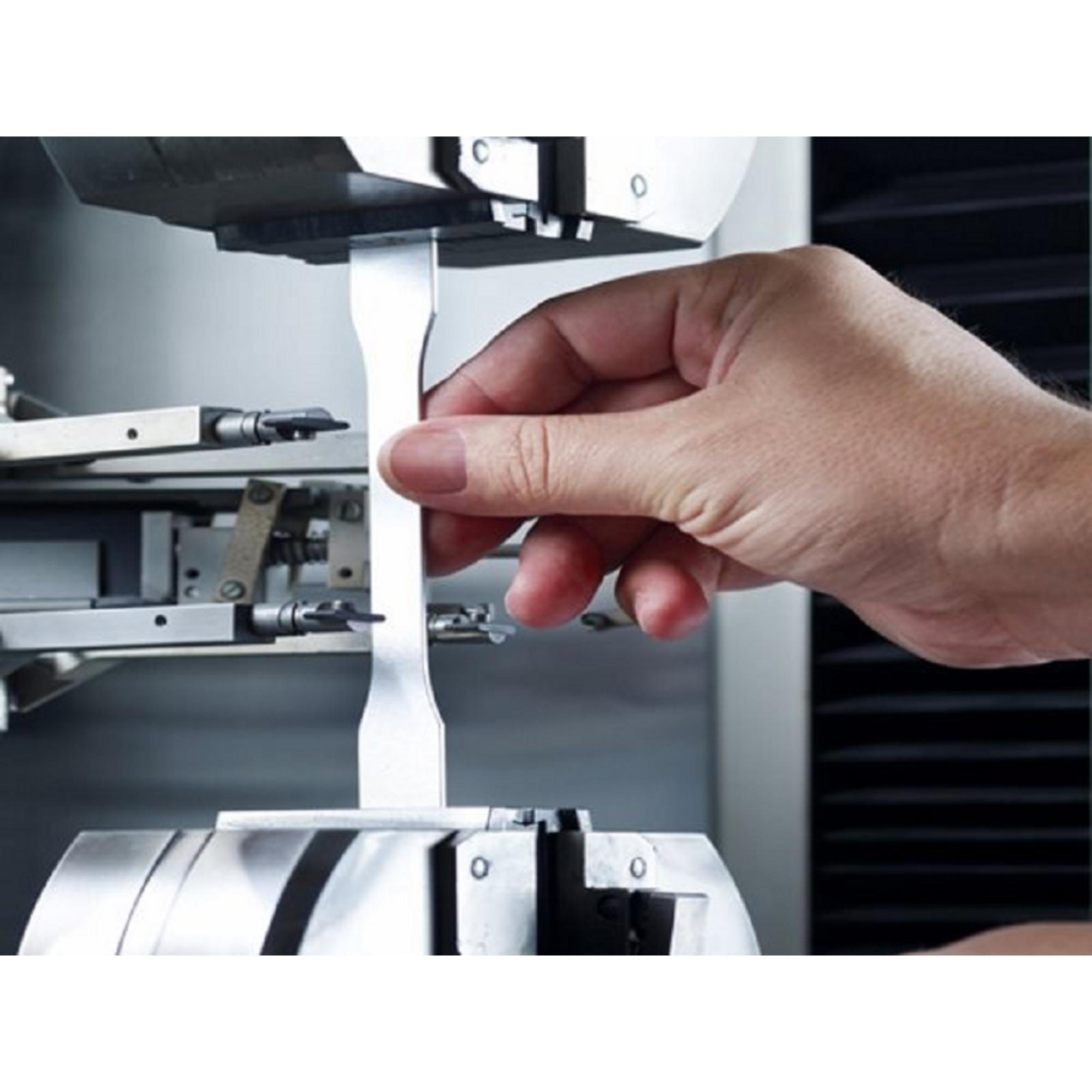
The test is performed using a Universal Testing Machine (UTM). A specimen is clamped between grips and pulled at a controlled rate until fracture. During the test, load and elongation are recorded.
Professional tensile strength tester services in chennai – Kiyo R&D LAB ensure that this process follows standardized methods, controlled test speeds, and calibrated equipment for accurate results.
Many failures in products originate from insufficient tensile performance. A component may appear stable under static conditions but fail under load due to:
Low tensile strength
Poor elongation
Weak bonding
Improper formulation
Inconsistent manufacturing
Tensile testing provides clear data to verify:
Material strength
Ductility
Elastic behavior
Ultimate load capacity
Quality consistency
Using tensile strength tester services in chennai – Kiyo R&D LAB allows manufacturers to validate product performance before it reaches the customer.
At tensile strength tester services in chennai – Kiyo R&D LAB, the following key properties are commonly evaluated:
The maximum stress a material can withstand before breaking.
The point at which permanent deformation begins.
Indicates how much the material stretches before failure.
Measures stiffness and resistance to elastic deformation.
Maximum load at fracture.
Graphical representation of material behavior under load.
These parameters are crucial for design validation and quality control.
Tensile testing applies across multiple materials, including:
Metals (mild steel, stainless steel, alloy steel)
Plastic components
Polymer films
Rubber products
Textiles and fabrics
Packaging materials
Composites
Wires and cables
Adhesives and bonded joints
Whether it is a structural steel rod or a plastic packaging strip, tensile strength determines performance reliability.
Choosing tensile strength tester services in chennai – Kiyo R&D LAB ensures the test is performed according to relevant standards and industry requirements.
Tensile strength testing is widely used in:
Automotive component manufacturing
Construction and structural fabrication
Packaging industries
Plastic and polymer manufacturing
Rubber compounding
Textile industries
Wire and cable manufacturing
Aerospace component supply
If your product faces mechanical load, tensile validation is not optional — it is basic quality control.
Chennai is a major industrial and automotive hub. Manufacturers operate under tight timelines, strict quality audits, and export compliance requirements.
Using tensile strength tester services in chennai – Kiyo R&D LAB offers advantages such as:
Reduced logistics delays
Faster sample evaluation
Quick production approval support
Immediate technical clarification
Support for urgent dispatch needs
Local testing improves operational efficiency.
Tensile testing frequently uncovers problems such as:
Material grade substitution
Poor heat treatment
Weak polymer blending
Inconsistent rubber compounding
Low bonding strength in laminates
Manufacturing defects
Without tensile validation, these problems may only surface after customer complaints.
Data-driven testing helps eliminate risk before delivery.
Tensile testing requires precise control of:
Test speed
Load cell calibration
Specimen preparation
Alignment and gripping
Errors in any of these factors can distort results.
With tensile strength tester services in chennai – Kiyo R&D LAB, you benefit from:
Calibrated Universal Testing Machines
Controlled test parameters
Standard-based testing methods
Clear, traceable documentation
Detailed reporting with graphical output
Support for audit and compliance documentation
Reports typically include:
Sample identification
Standard reference
Test speed
Measured values
Stress-strain graph
Observations
This documentation strengthens vendor approval and customer trust.
In today’s competitive market, customers demand proof — not promises.
If your competitor provides certified tensile data and you do not, you lose credibility instantly.
Using tensile strength tester services in chennai – Kiyo R&D LAB strengthens:
Product reliability
Brand reputation
Audit performance
Export readiness
Technical credibility
Testing is not a cost. It is protection.
The process typically includes:
Sample submission
Specimen verification/preparation
Standard-based tensile testing
Data acquisition
Graph analysis
Report generation
Turnaround time depends on material type and sample quantity, but accuracy and repeatability remain the priority.
We specialize in material and product testing, providing tailored solutions to meet each client’s unique needs.
For quotation or visit