When a material is unknown, contaminated, mismatched, or suspected to be the reason for product failure, guessing is a bad decision. You need chemical identification based on actual data. That is where fourier transform infrared FTIR spectrometer testing in Chennai – Kiyo R&D Center & Laboratory becomes highly useful for manufacturers, quality teams, researchers, and product developers.
Kiyo R&D Center & Laboratory provides FTIR testing support for plastics, polymers, rubber, coatings, adhesives, oils, residues, powders, and industrial materials. FTIR analysis helps identify functional groups and chemical bonding patterns, giving valuable information about what a material is and how it may differ from an expected reference sample.
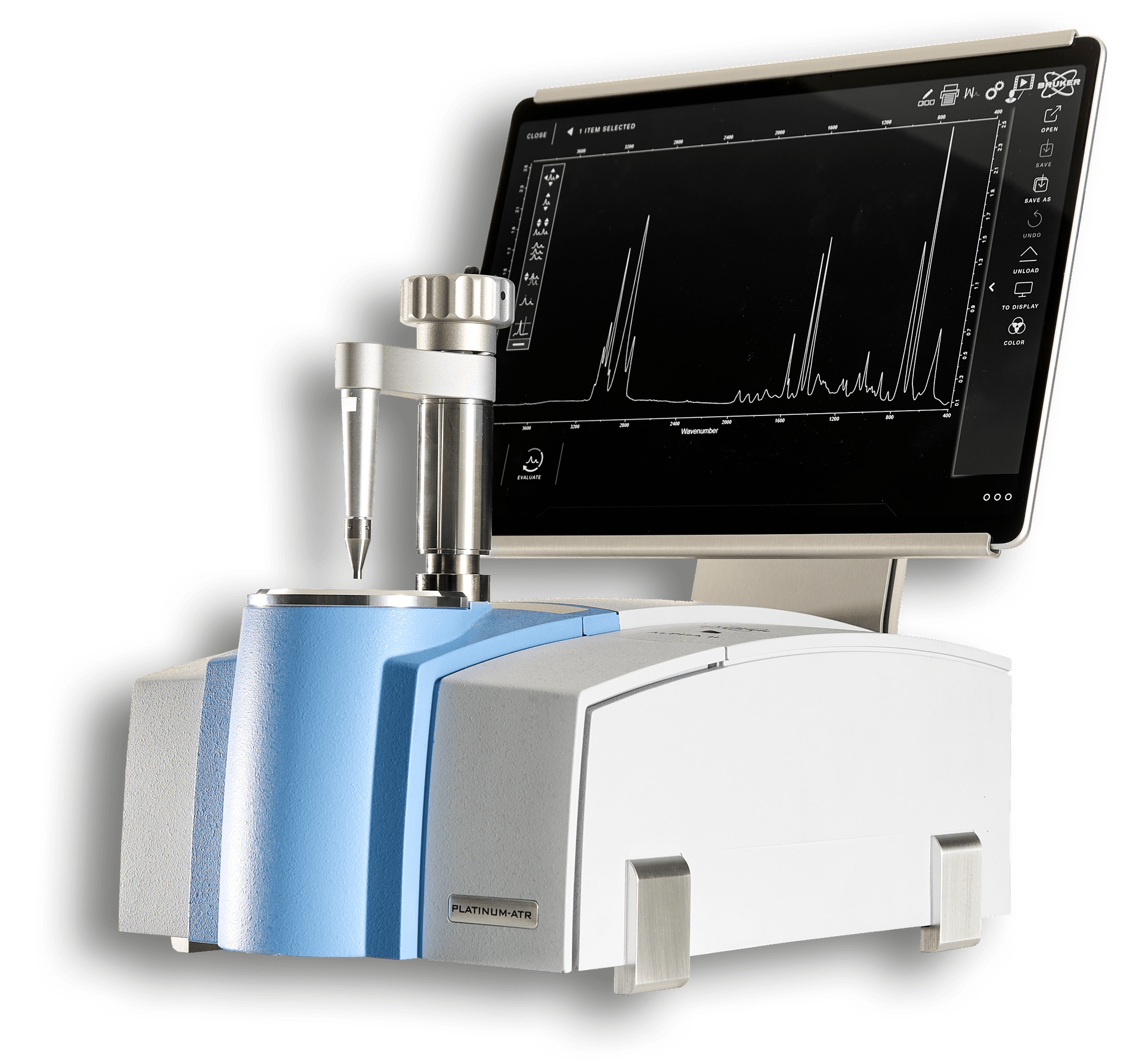
Fourier Transform Infrared spectroscopy, commonly known as FTIR, is a chemical analysis technique used to identify materials based on how they absorb infrared radiation. Every material has a unique absorption pattern, often called a fingerprint spectrum.
In simple terms, FTIR testing helps answer one direct question: what is this material made of? This makes it useful for polymer identification, raw material verification, contamination analysis, coating studies, and failure investigation.
Many product problems begin with wrong material selection, supplier variation, contamination, or chemical mismatch. If you do not verify the material, you are only depending on paperwork or supplier claims. That is weak quality control.
By choosing fourier transform infrared FTIR spectrometer testing in Chennai – Kiyo R&D Center & Laboratory, customers can:
FTIR is especially useful when fast, practical chemical identification is required before deeper analysis or decision-making.
FTIR testing works by passing infrared radiation through or across the sample. Different chemical bonds absorb infrared energy at different wavelengths. The instrument records these absorptions and creates a spectrum with characteristic peaks.
The spectrum is then compared with known reference data or a control sample. This helps identify the material type or detect differences between two samples. For example, a good sample and a failed sample can be compared to check whether chemical changes, contamination, or material substitution may have occurred.
FTIR is widely used across manufacturing and R&D because it gives fast and useful chemical information. It is commonly used for plastic identification, rubber analysis, adhesive verification, coating analysis, oil and grease residue identification, packaging material study, and foreign particle investigation.
For plastic and polymer industries, FTIR helps identify materials such as PP, PE, PVC, PET, ABS, nylon, polycarbonate, polyurethane, and other polymer families. For coatings and adhesives, it helps compare formulations and check whether an unknown film or residue matches the expected material.
To improve SEO strength, this FTIR page should be connected with related material characterization services. Internal links help Google understand that Kiyo R&D Center & Laboratory offers a complete testing and analysis cluster, not just one isolated service.
Use these links naturally inside the blog:
Example: FTIR can identify organic materials such as polymers, adhesives, oils, and coatings. But if the contamination is inorganic or metallic, EDAX analysis may be more useful. If the sample failure involves surface cracks, particles, or fracture features, SEM analysis can support visual investigation. If thermal degradation or filler percentage is suspected, TGA analysis can add stronger evidence.
Not every lab gives useful FTIR results. Some labs only provide a spectrum without proper interpretation. That is not enough. A useful FTIR report should help the customer understand what the material likely is and how the result supports the actual problem.
The real value is not just identifying peaks. The real value is helping you make the next correct technical decision.
Using fourier transform infrared FTIR spectrometer testing in Chennai – Kiyo R&D Center & Laboratory helps businesses reduce material-related risk. It can prevent wrong material usage, identify contamination early, support supplier quality checks, and help solve customer complaints faster.
FTIR testing is useful for:
If your material identity is uncertain, FTIR is often the right starting point.
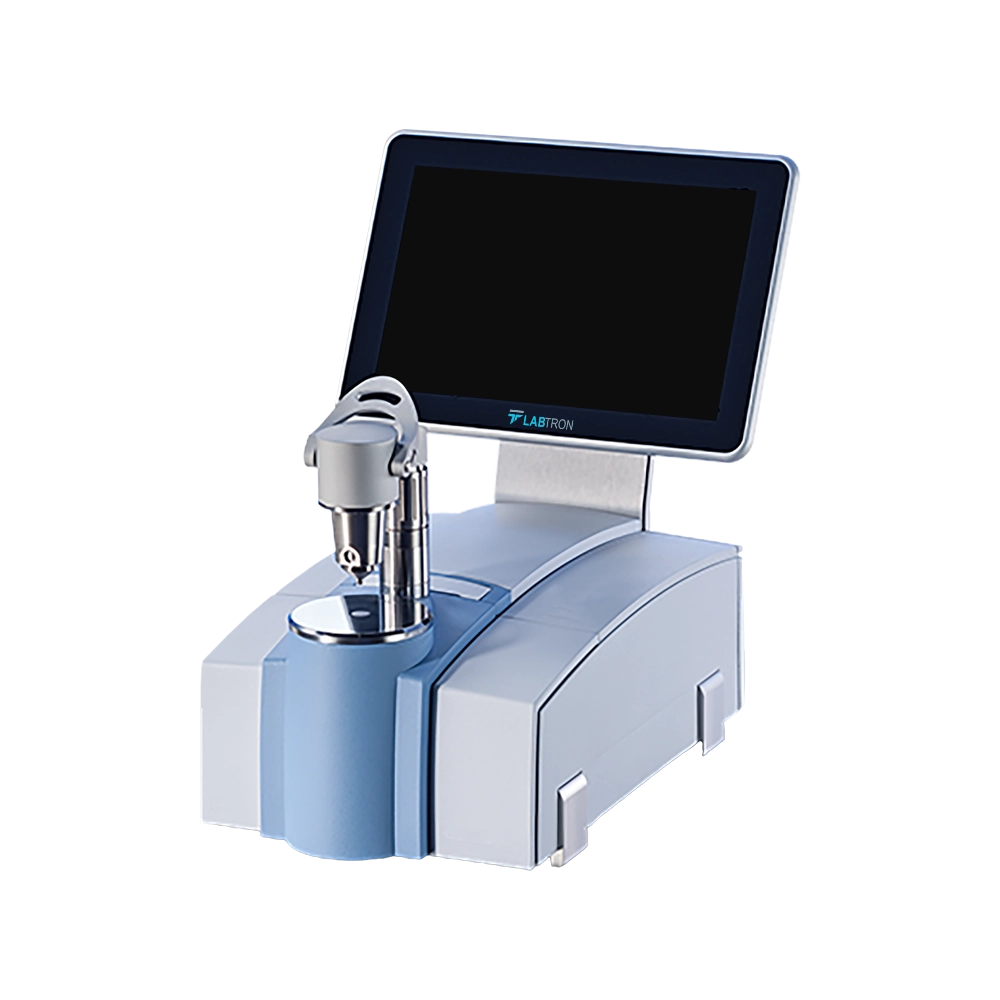
FTIR spectrometer testing is a powerful and practical method for identifying materials and understanding chemical composition. It is especially valuable for polymers, coatings, rubber, adhesives, residues, and unknown substances.
If you are looking for reliable fourier transform infrared FTIR spectrometer testing in Chennai – Kiyo R&D Center & Laboratory, our team can support your requirements with accurate analysis, useful interpretation, and related services such as SEM analysis, TGA analysis, and EDAX analysis.
Yes. FTIR testing can help identify many common plastic materials such as PP, PE, PVC, PET, ABS, nylon, polycarbonate, polyurethane, and other polymer families by comparing their infrared spectra.
FTIR mainly identifies organic chemical bonds and polymer-type materials. EDAX identifies elemental composition such as metals, inorganic particles, and mineral-based contamination. In many failure cases, both tests may be needed.
Yes. TGA analysis can support FTIR by showing thermal stability, decomposition behavior, filler content, and weight loss pattern of the material.
The required sample quantity depends on the material type and testing mode. Usually, FTIR can be performed with a small amount of solid, powder, film, liquid, or residue sample.
Kiyo R&D Center & Laboratory provides FTIR testing with practical interpretation, professional reporting, and related support through SEM, TGA, and EDAX analysis for deeper material investigation.
We specialize in material and product testing, providing tailored solutions to meet each client’s unique needs.
For quotation or visit