Polymers are engineered materials. A material that looks fine can still fail under load, heat, chemicals, or aging. That’s why polymer testing methods in Chennai – Kiyo R&D LAB are important: they turn assumptions into measurable, repeatable data for material selection, supplier approval, and product validation.
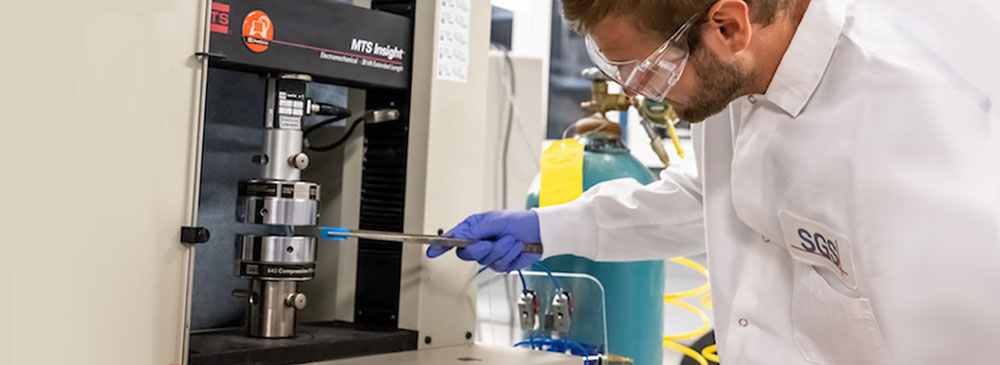
Polymer testing methods are systematic laboratory techniques used to evaluate the mechanical, thermal, chemical, physical, and durability properties of plastic and polymer-based materials.
Using polymer testing methods in Chennai – Kiyo R&D LAB, materials are tested under controlled conditions to determine whether they are suitable for:
Load-bearing applications
Heat exposure
Chemical contact
Long-term service
Safety and compliance requirements
In simple terms, polymer testing answers one core question:
“Will this material actually perform as expected in real use?”
Modern polymers are engineered materials. Small changes in formulation or processing can cause major performance differences.
Without proper polymer testing, companies face:
Premature cracking or brittleness
Excessive deformation or creep
Heat distortion in service
Chemical attack and swelling
Flammability or safety failures
Product rejections and recalls
That’s why industries rely on polymer testing methods in Chennai – Kiyo R&D LAB to reduce risk before production or market release.
Kiyo R&D LAB applies a wide range of polymer testing methods depending on material type, application, and standard requirements.
Mechanical testing evaluates how a polymer behaves under force.
Common mechanical tests include:
Tensile testing – measures strength, elongation, and modulus
Flexural testing – evaluates bending strength and stiffness
Compression testing – checks resistance to crushing loads
Impact testing – assesses resistance to sudden shock
Hardness testing – evaluates surface resistance and consistency
These tests are essential for structural, automotive, and load-bearing polymer components.
Thermal performance is critical for polymers exposed to heat or temperature variation.
Key thermal testing methods include:
DSC (Differential Scanning Calorimetry) – identifies melting, glass transition, and crystallization behavior
TGA (Thermogravimetric Analysis) – evaluates thermal degradation and composition
Heat Deflection Temperature (HDT) – measures deformation under heat and load
Vicat Softening Temperature – determines softening behavior
Thermal testing helps predict how polymers behave during processing and service.
Physical testing methods evaluate basic material characteristics that influence performance.
These include:
Density and specific gravity
Water absorption
Thickness and dimensional stability
Such tests are simple but crucial, especially for quality control and supplier comparison.
Many polymers operate in contact with oils, fuels, solvents, and cleaning agents.
Chemical testing methods help determine:
Resistance to specific chemicals
Swelling or weight change
Loss of mechanical properties after exposure
Using polymer testing methods in Chennai – Kiyo R&D LAB, materials are evaluated for suitability in harsh environments.
Polymers change over time due to heat, moisture, and environmental exposure.
Aging tests evaluate:
Long-term durability
Property retention
Performance after exposure
These methods are critical for outdoor, automotive, and industrial applications.
Some defects are internal and invisible on the surface.
Non-destructive polymer testing methods help detect:
Internal voids
Delamination
Thickness variation
Hidden cracks
NDT is especially useful for molded parts, bonded assemblies, and composites.
For electrical, automotive, and consumer products, fire behavior matters.
Flammability testing methods help assess:
Burning rate
Flame spread
Dripping behavior
These tests support product safety and regulatory compliance.
Fiber-reinforced polymers (GFRP, CFRP, FRP) behave differently from unfilled plastics.
Using polymer testing methods in Chennai – Kiyo R&D LAB, composite materials are evaluated for:
Mechanical performance
Delamination risk
Thermal stability
Manufacturing defects
Composite testing is essential because failures often start internally.
Polymer testing methods at Kiyo R&D LAB are aligned with:
ASTM standards
ISO standards
IS standards
Customer and OEM specifications
Following standards ensures results are repeatable, comparable, and audit-ready.
Polymer testing methods in Chennai – Kiyo R&D LAB support:
Automotive manufacturers and vendors
Electrical and electronics industries
Packaging and consumer product companies
Industrial polymer component manufacturers
Final-year engineering students
Students benefit from real industrial testing exposure instead of theoretical assumptions.
Polymer testing is not just about running equipment. It requires:
Correct test selection
Proper specimen preparation
Controlled conditions
Accurate interpretation
Polymer testing methods in Chennai – Kiyo R&D LAB are trusted because of:
Strong polymer and materials expertise
Wide testing capability under one roof
Clear, decision-oriented reporting
Support for R&D, quality, and academics
The focus is on engineering clarity, not just test numbers.
Ignoring polymer testing often results in:
Field failures
Warranty claims
Safety risks
Compliance issues
Brand damage
Most of these problems can be avoided with proper testing at the right stage.
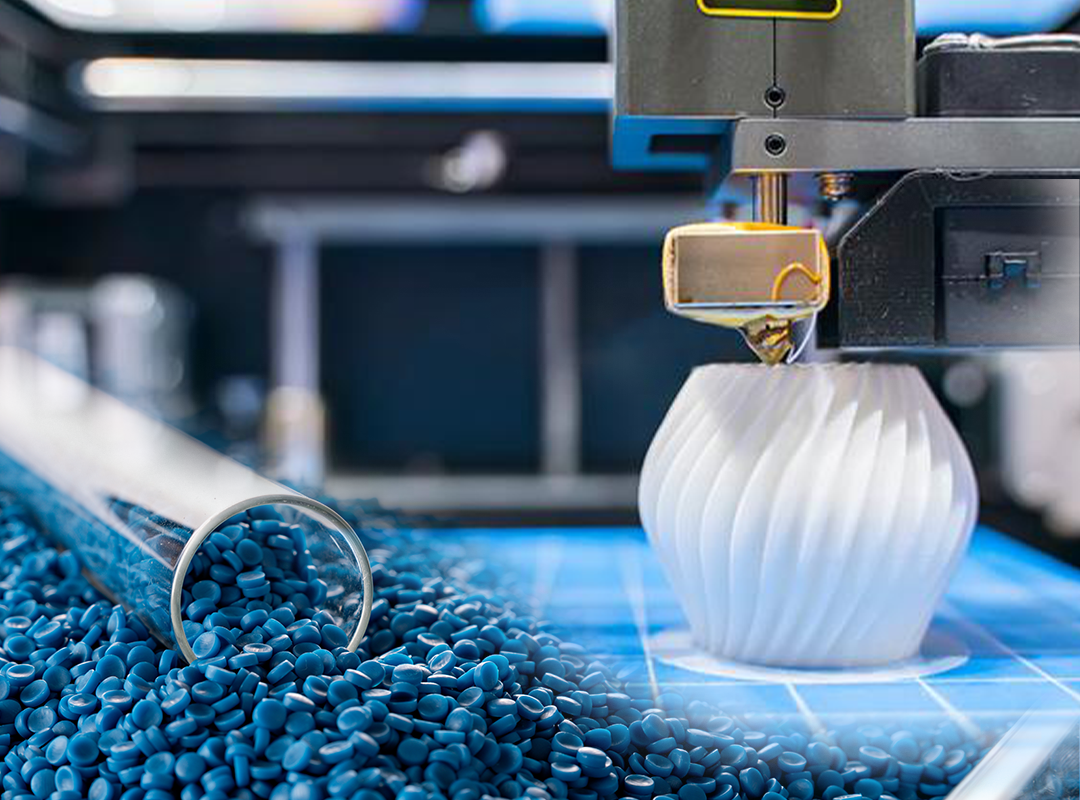
We specialize in material and product testing, providing tailored solutions to meet each client’s unique needs.
For quotation or visit