When a material fails, the real reason is often hidden deep within its composition. Surface-level inspection is not enough. You need to know what elements are present, whether contamination exists, and whether the material matches the expected specification. That is exactly where EDS energy dispersive spectroscopy analysis in Oragadam – Kiyo R&D LAB becomes important.
At Kiyo R&D LAB, we provide advanced elemental analysis support for industries working with metals, polymers, coatings, composites, powders, and engineered materials. Our EDS analysis is commonly used along with SEM imaging to give both surface morphology and elemental composition in one study. For businesses that need real answers instead of guesswork, this service is a practical tool for quality control, failure investigation, and material verification.
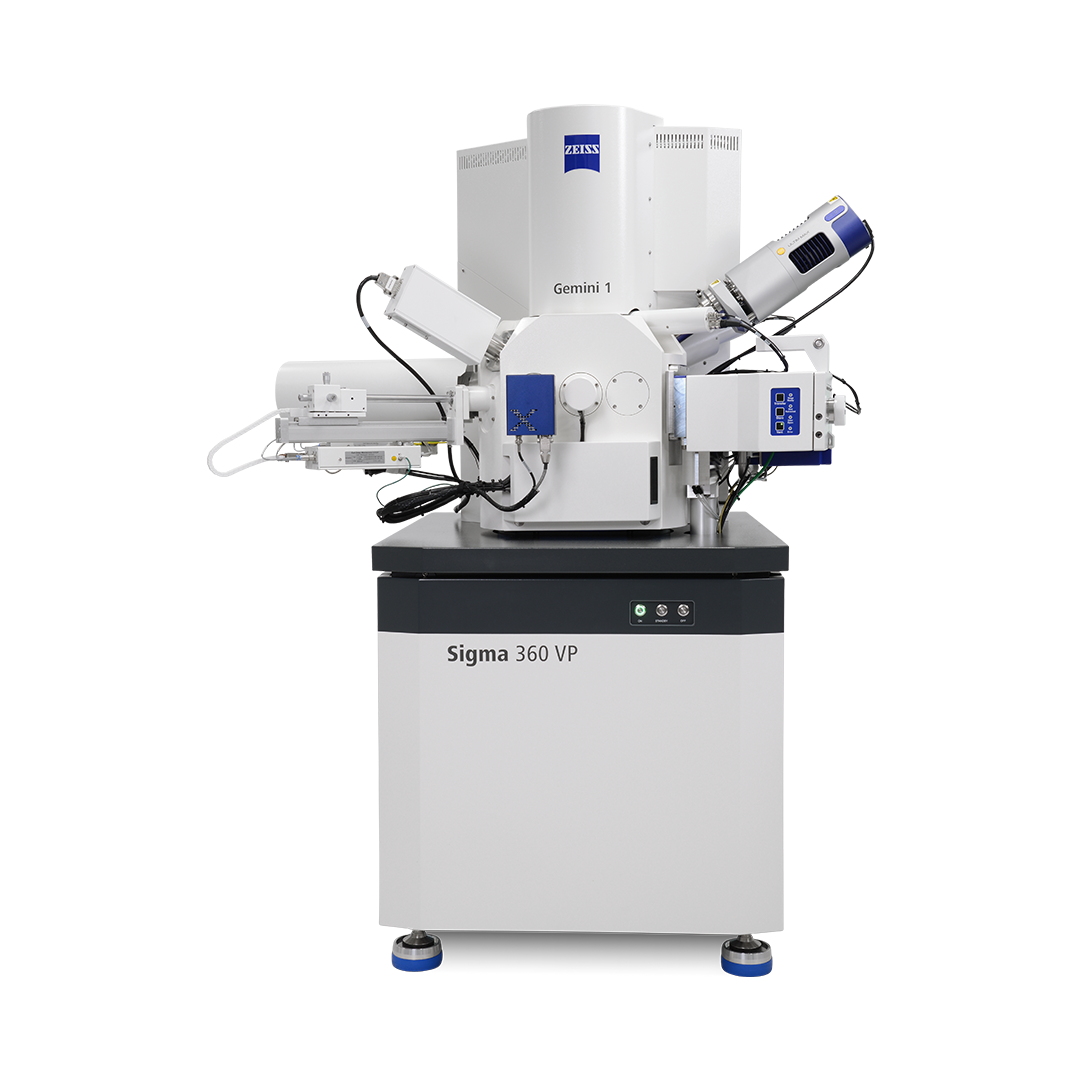
EDS, also called EDX or commonly referred to in industry as EDAX analysis, is a material characterization technique used to identify the elemental composition of a sample. It is usually attached to a scanning electron microscope, where the sample is exposed to an electron beam. The material then emits characteristic X-rays, and those signals are analyzed to determine which elements are present.
In plain language, EDS tells you what your sample is made of at a localized area. That makes it extremely useful when you need to check whether a material contains the right elements, whether unwanted contamination is present, or why a component failed during use.
Too many material decisions are made based on supplier claims, assumptions, or incomplete data. That is careless. If you are serious about product quality, you need proof. With EDS energy dispersive spectroscopy analysis in Oragadam – Kiyo R&D LAB, manufacturers and product developers can verify elemental composition before problems become expensive.
EDS analysis is widely useful for:
If your component performance depends on composition, skipping elemental analysis is poor practice. You are not saving money. You are increasing risk.
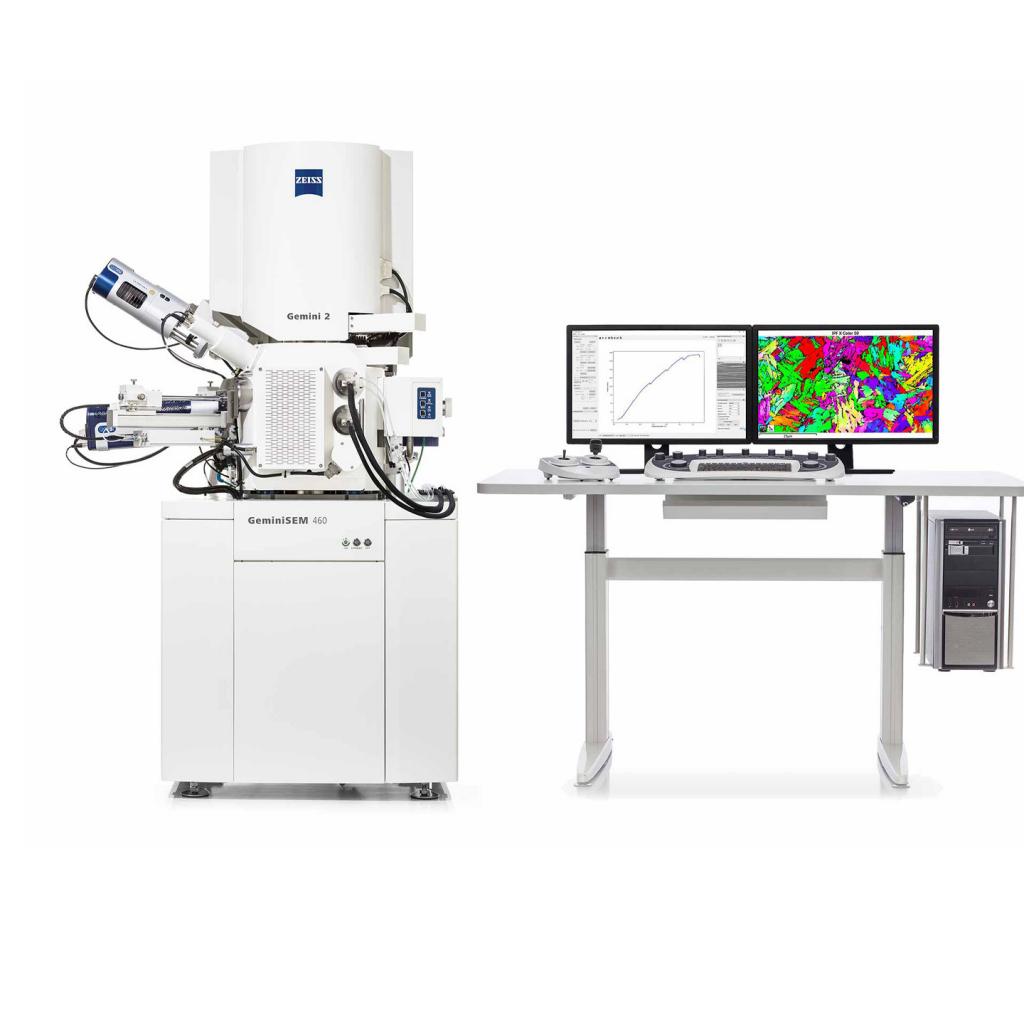
The testing process begins with sample review and preparation. Depending on the material type, the sample may be cleaned, mounted, or sectioned to make it suitable for analysis. It is then placed inside the SEM chamber, where the electron beam interacts with the surface. The EDS detector captures X-ray signals and converts them into an elemental spectrum.
Our technical team studies the spectrum, identifies elemental peaks, and interprets the result based on the material and application. If required, elemental mapping can also be used to show where specific elements are distributed across the sample surface. This helps clients understand not just what is present, but where it is present.
EDS analysis is useful across multiple industrial sectors. In automotive and engineering industries, it helps verify alloy composition and identify contaminants in failed parts. In plastics and polymer applications, it helps detect fillers, additives, and foreign particles. In coatings and surface engineering, it supports the study of deposited layers, corrosion products, and coating inconsistencies.
Electronics manufacturers use EDS to analyze solder joints, deposits, and foreign matter on components. Research teams use it for new material development. Quality teams use it to compare batch-to-batch consistency. In every case, the logic is the same: when the composition matters, EDS matters.
Choosing a lab is not about picking whoever gives the lowest price. Cheap analysis that leads to wrong interpretation is useless. Kiyo R&D LAB focuses on accuracy, technical clarity, and meaningful reporting.
Our lab supports clients with:
This matters because most clients do not just want a graph. They want to know what went wrong, whether the sample passed expectation, and what action to take next.
To strengthen SEO and improve user navigation, this page should connect naturally with related service pages. Internal links help search engines understand service relationships and keep visitors on the website longer. For this blog, the most relevant internal links are SEM, TGA, and EDAX-related service pages.
You can place internal links like this within the blog or near the conclusion:
These links should not be stuffed randomly. They should appear where they genuinely help the reader understand related services. For example, when explaining surface morphology, link to the SEM page. When discussing elemental analysis with thermal behavior, link to the TGA page. When targeting alternate search habits, link the EDAX page naturally.
EDS is one of the most useful tools for material characterization when composition matters. It helps identify elements, detect contamination, support failure analysis, and verify whether a sample meets expectations. For companies that cannot afford wrong assumptions, EDS energy dispersive spectroscopy analysis in Oragadam – Kiyo R&D LAB offers a practical and reliable solution.
Whether you are working on product development, complaint analysis, incoming inspection, or research, Kiyo R&D LAB can support you with clear results and useful technical insight. If you need a deeper study, you can also explore our related services such as SEM analysis, TGA analysis, and SEM with EDAX analysis.
If you are looking for EDS energy dispersive spectroscopy analysis in Oragadam for plastics, metals, coatings, powders, or composite samples, Kiyo R&D LAB can support elemental analysis requirements with technically relevant reporting.
In practice, these terms are often used interchangeably in industry. EDS and EDX both refer to energy dispersive X-ray-based elemental analysis. EDAX is also widely used as a common market term, although technically it is associated with instrument branding in some contexts.
Yes. EDS is useful for checking coating composition, deposited elements, oxidation products, and localized elemental distribution on surfaces. It can help identify inconsistencies or unwanted material presence.
EDS can detect many elements, but it has limitations, especially for very light elements and very low concentrations. The suitability depends on the material, detector capability, and analysis objective.
Kiyo R&D LAB supports clients with practical elemental analysis, related SEM-based study support, industrial relevance, and professional reporting. The point is not just generating data, but helping clients make better technical decisions.
We specialize in material and product testing, providing tailored solutions to meet each client’s unique needs.
For quotation or visit