Two polymer parts can look identical and still behave completely differently. One lasts for years. The other cracks, smells during processing, discolors under heat, or fails in the field. The reason is usually not “bad luck.” It’s chemistry: wrong grade, wrong additives, excess filler, contamination, or degradation.
If you manufacture plastic components, films, packaging, rubber products, composites, or polymer-based parts, you need to know what is inside the material—not what the supplier claims. That is why chemical analysis of polymers in chennai – Kiyo R&D LAB are valuable for quality control, supplier validation, and failure investigation.
Chemical analysis helps answer one simple question: What exactly is this polymer made of? Once you know that, you can fix root causes instead of doing trial-and-error changes in production.
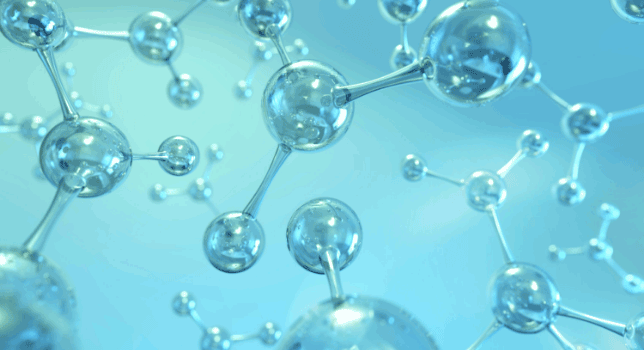
Chemical analysis of polymers is the study of polymer composition and chemical characteristics. The goal is to identify the base polymer
and understand the presence of additives, fillers, plasticizers, stabilizers, contaminants, or degradation by-products.
With chemical analysis of polymers in chennai – Kiyo R&D LAB, manufacturers can confirm whether the material
matches specifications and whether formulation changes are affecting performance.
Many polymer problems start with chemical differences, not mechanical weakness. Common business-impact issues include:
Without chemical analysis, these issues get misdiagnosed, and production teams waste time adjusting machine settings or blaming operators.
Chemical clarity leads to faster decisions and more reliable products.
A well-planned polymer chemical analysis can support many quality and R&D needs. Typical evaluations include:
Confirm whether the base material is PE, PP, PVC, ABS, Nylon, PET, PU, or another polymer type. This is important when purchase
specifications demand a specific resin family or grade.
Additives control durability and processing behavior. Changes in stabilizers or antioxidants can cause early cracking, discoloration,
or poor long-term performance.
In some polymer systems, plasticizers influence flexibility. If plasticizer content is not controlled, products can become too soft,
too stiff, or show unexpected migration and odor.
Fillers like calcium carbonate, talc, silica, and others are common in polymer compounds. Too much filler can reduce strength, impact
resistance, and fatigue life. Chemical analysis supports formulation and supplier consistency checks.
Contaminants may come from recycled feedstock, poor segregation, process residues, or handling. Even small contamination can cause
weak bonding, defects, or performance variation.
If a polymer has been overheated or UV-exposed, chemical changes can occur. Analysis helps confirm whether degradation has begun and
whether the material is stable for the intended use.
With chemical analysis of polymers in chennai – Kiyo R&D LAB, these findings are documented clearly so your
team can take corrective actions based on evidence.
Chemical analysis supports multiple real-world scenarios:
Chennai’s manufacturing ecosystem includes automotive suppliers, plastic molding units, packaging converters, rubber industries, and
specialty materials. Polymer composition matters in all of these sectors.
Local testing reduces turnaround time and helps manufacturers respond quickly to production issues and customer concerns.
Chemical analysis needs correct sampling, proper preparation, validated methods, and careful interpretation. Poor analysis can lead to the
wrong conclusion—which is worse than having no data.
With chemical analysis of polymers in chennai – Kiyo R&D LAB, you receive structured reporting designed for
practical decisions: verifying composition, identifying differences, and supporting troubleshooting or R&D documentation.
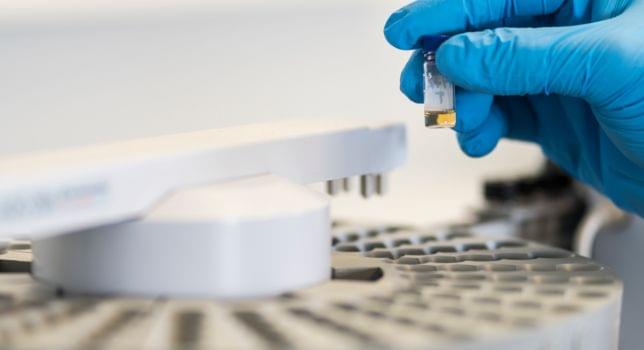
Polymer performance is controlled by chemistry. If you want consistent quality, you must verify material composition—not assume it. Chemical analysis helps prevent failures, improves supplier control, and supports confident product development.
Choose chemical analysis of polymers in chennai – Kiyo R&D LAB to make quality decisions based on evidence and protect your product performance in the real world.
We specialize in material and product testing, providing tailored solutions to meet each client’s unique needs.
For quotation or visit