Rubber Abrasion Test Services in Chennai

DIN / ISO Rubber Abrasion Resistance Testing – Chennai (Kiyo R&D LAB)

Introduction

Rubber components are used in critical applications such as automotive parts, industrial belts, seals, gaskets, footwear soles, and conveyor systems. These products face continuous friction and wear. That’s why abrasion resistance is one of the most important quality parameters for rubber materials.

If you are looking for Rubber abrasion test services in Chennai – Kiyo R&D LAB, you are choosing a lab that supports manufacturers and product developers with reliable wear testing, standard-based methods, and clear reporting for quality control and R&D decisions.
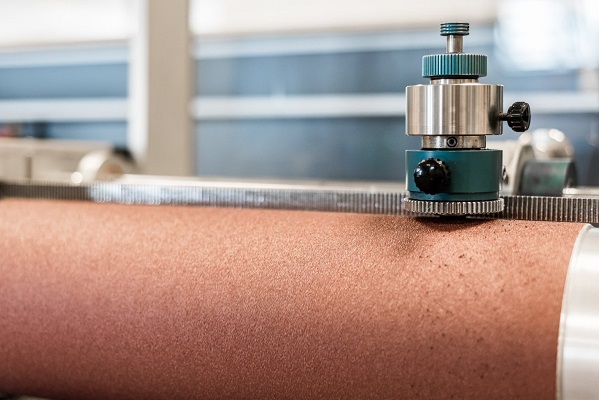
Rubber Abrasion Test Services in Chennai – Kiyo R&D LAB (ASTM/ISO/DIN)

What is Rubber Abrasion Testing?

Rubber abrasion testing is a standardized method used to determine the resistance of rubber materials against wear caused by friction or rubbing. In simple terms, the test measures how much material is lost when rubber is subjected to repeated mechanical abrasion under controlled conditions.

Common products tested include tyres, conveyor belts, rubber flooring, industrial seals and gaskets, rubber rollers, hoses, and footwear components.

Why Rubber Abrasion Testing is Important

  • Evaluate durability: Understand how long a rubber part can perform under friction.
  • Improve product quality: Compare compounds and optimize formulations for better wear resistance.
  • Meet standards and customer specs: Many industries require abrasion resistance data for approvals.
  • Reduce failures and cost: Identify weak compounds before mass production.
  • Boost customer satisfaction: Longer-lasting products improve reliability and brand trust.

Industries That Require Rubber Abrasion Testing

Abrasion resistance matters across automotive, industrial manufacturing, footwear, construction, and polymer R&D. Tyres and rubber mounts face continuous wear; conveyor belts run under abrasive conditions; footwear soles must retain durability and grip; and rubber flooring and insulation materials require dependable abrasion performance.

Common Standards for Rubber Abrasion Testing

Depending on your product and requirement, rubber abrasion testing may follow:

  • ASTM D5963 – Rubber property abrasion resistance
  • ISO 4649 – Abrasion resistance using a rotating cylindrical drum device
  • DIN Abrasion – Widely used method for determining wear resistance of rubber and elastomers

At Kiyo R&D LAB, we follow relevant standard procedures to ensure repeatability and dependable comparisons across batches and compounds.

Testing Equipment Used for Rubber Abrasion Testing

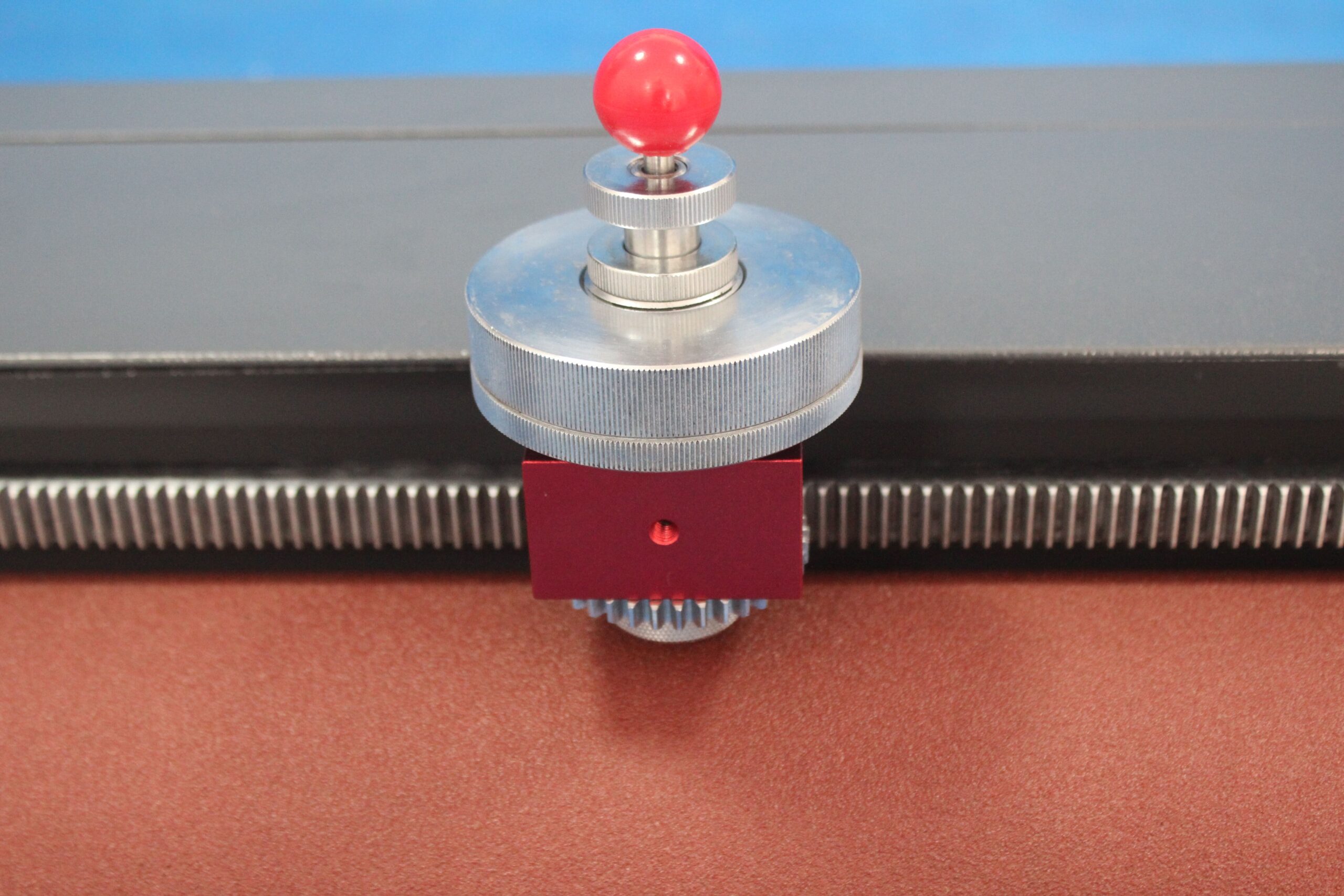
Professional abrasion testing is carried out using dedicated instruments that simulate wear and measure material loss. Typical setups include DIN abrasion testers and other standardized abrasion devices used for rubber wear evaluations.

The goal is simple: produce consistent, comparable wear data that helps you take decisions on compound selection, supplier approvals, and product performance.

How the Rubber Abrasion Test is Performed

  1. Sample preparation: Specimens are prepared to required dimensions as per the chosen standard.
  2. Initial measurement: Weight/volume is recorded before the test.
  3. Abrasion cycle: The specimen is exposed to controlled friction under defined load and conditions.
  4. Material loss calculation: The loss is measured and computed as per standard reporting format.
  5. Result reporting: A clear report is provided for QC acceptance or R&D comparison.

For manufacturers who need dependable results, Rubber abrasion test services in Chennai – Kiyo R&D LAB helps validate durability before production or dispatch.
Why Choose Kiyo R&D LAB in Chennai?

  • Standard-based testing: Procedures aligned with ASTM/ISO/DIN requirements where applicable.
  • Clear reporting: Easy-to-understand results that support QC and product decisions.
  • Industry support: Helpful for automotive, industrial rubber, footwear, and polymer R&D.
  • Practical guidance: Support on sample submission and test selection based on application.

Applications of Rubber Abrasion Testing

  • Tyre tread wear evaluation
  • Conveyor belt durability testing
  • Footwear sole abrasion resistance checks
  • Industrial rubber component qualification
  • Compound comparison for R&D and supplier approval
Rubber Abrasion Test Services in Chennai – Kiyo R&D LAB (ASTM/ISO/DIN)

Conclusion

Abrasion resistance directly affects rubber product life, safety, and performance. With professional testing, you can compare compounds, verify durability, and reduce failures before products reach the market.

If you need Rubber abrasion test services in Chennai – Kiyo R&D LAB, reach out to get standard-based testing and reliable reporting for your rubber materials.

FAQ

What is a rubber abrasion test?

A rubber abrasion test measures how much rubber material wears away when subjected to controlled rubbing/friction under standard test conditions.

Which standards are commonly used for rubber abrasion resistance?

Common standards include ISO 4649, ASTM D5963, and DIN abrasion methods, depending on the product and requirement.

What types of rubber products need abrasion testing?

Tyres, conveyor belts, footwear soles, rubber flooring, industrial seals, gaskets, hoses, and rubber rollers often require abrasion testing.

What do abrasion test results indicate?

Results indicate the rubber’s wear resistance—lower material loss generally means better abrasion resistance and longer service life.

Why should manufacturers do abrasion testing before production?

It helps verify durability, compare compounds, meet customer specs, reduce failures, and improve product reliability.

How do I submit samples for rubber abrasion testing at Kiyo R&D LAB in Chennai?

Share your sample details, application, and standard requirement (if any). The lab guides sample quantity, size, and test method before starting.