Corrosion is one of the most common reasons for product failure in industrial environments. Components exposed to moisture, humidity, coastal atmosphere, chemicals and environmental contaminants can deteriorate faster than expected if the base material or protective coating is not strong enough.
For manufacturers, corrosion failure is not only a technical issue. It can lead to customer complaints, warranty claims, product rejection, safety concerns and brand damage. This is why salt fog testing lab services in Chennai – Kiyo R&D Lab are important for companies that want to verify corrosion resistance before sending products to the market.
Salt fog testing is an accelerated corrosion test used to evaluate how metals, coatings and finished components perform in a controlled salt-laden environment. Instead of waiting for natural corrosion to happen over months or years, industries can use salt fog testing to assess product durability within a controlled laboratory setup.
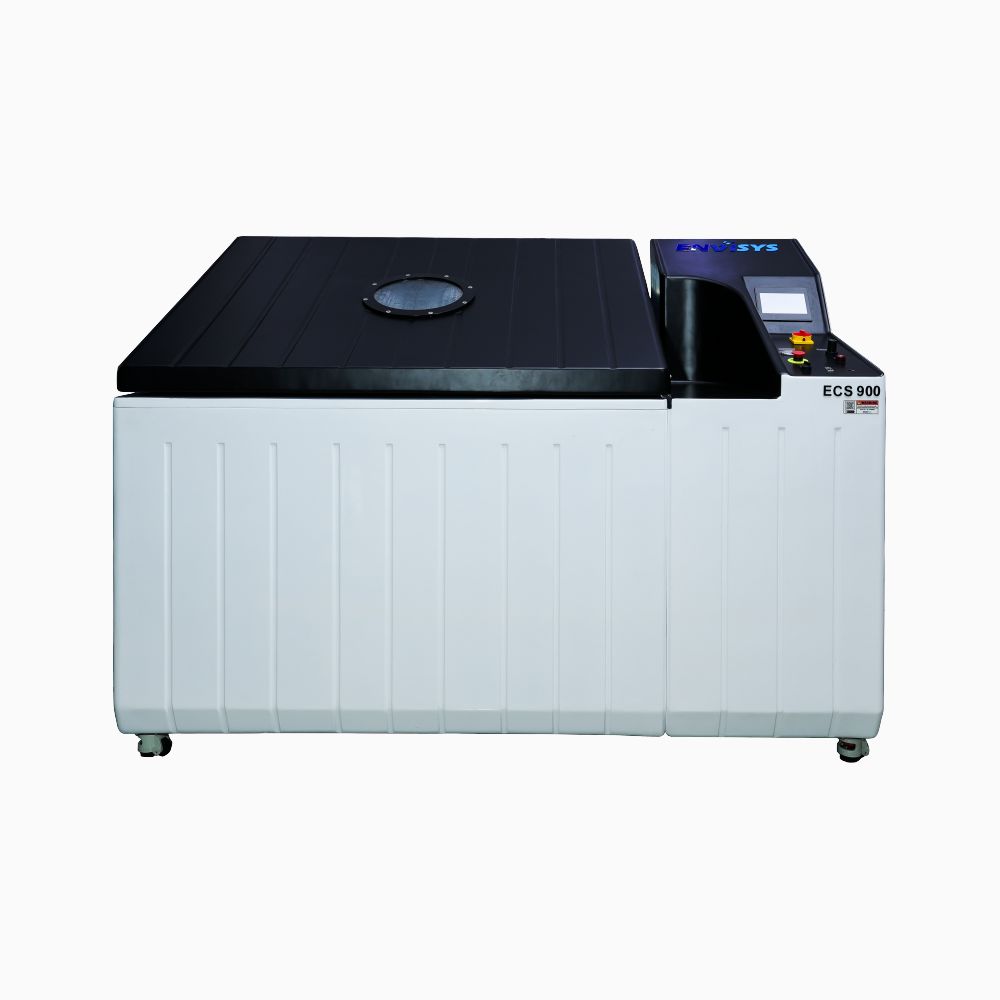
The main purpose of salt fog testing is to check how well a material, coating or finished component resists corrosion under harsh environmental exposure. This test is commonly used by industries where product reliability, surface protection and long-term performance are critical.
Salt fog testing lab services in Chennai are useful for evaluating corrosion resistance of coated metals, painted surfaces, electroplated components, galvanized products, zinc-coated parts, automotive components, fasteners, hardware, marine parts and industrial equipment.
At Kiyo R&D Lab, salt fog testing supports product validation, supplier approval, coating comparison, quality control and customer specification requirements. For industries that deal with outdoor, coastal or humid environments, salt fog testing gives clear evidence about corrosion protection performance.
Salt fog testing is also commonly known as salt spray testing. In this test, samples are exposed to a fine mist of salt solution inside a controlled chamber for a specified duration. The sample surface is then evaluated for corrosion, rust formation, blistering, coating breakdown, staining or other visible changes.
The test helps manufacturers understand whether the protective surface treatment can withstand corrosive conditions. Depending on the product requirement, salt fog testing may be performed for different exposure durations based on customer specification, industry requirement or applicable test standard.
The commonly referenced standards for salt fog and salt spray corrosion testing include ASTM B117 and ISO 9227. OEM-specific corrosion requirements may also be followed depending on the application and customer need.
Automotive components are often exposed to rain, humidity, road contaminants and environmental pollutants. If corrosion protection is poor, the component may lose strength, appearance and functional reliability over time.
Salt fog testing lab services in Chennai – Kiyo R&D Lab support automotive manufacturers and suppliers in evaluating metal brackets, fasteners, clamps, springs, chassis components, painted parts, zinc-plated hardware, underbody components and surface-treated metal products.
Salt fog testing is useful during OEM qualification, supplier approval, new coating validation and product durability studies. It helps manufacturers identify weak coating systems before the product reaches the customer.
Protective coatings are used to prevent corrosion and extend product life. However, coating performance depends on coating type, surface preparation, thickness, curing condition, adhesion quality and environmental exposure.
Salt fog testing helps compare and validate different coating systems such as powder coatings, paint systems, electroplated coatings, zinc plating, nickel plating, chrome plating, conversion coatings and other surface treatments.
By using salt fog testing lab services in Chennai, manufacturers can understand how long a coating system can resist corrosion under accelerated exposure. This helps in selecting the right coating process, improving quality control and reducing field failures.
Electrical and electronic components can lose performance when exposed to moisture and corrosive environments. Corrosion may affect conductivity, contact performance, insulation reliability and overall product safety.
Salt fog testing is useful for electrical connectors, terminals, switches, enclosures, bus bars, control panel components, electrical hardware and communication equipment parts. The test helps identify whether the material or coating can resist corrosive exposure during service.
For electrical and electronics manufacturers, corrosion testing is an important part of product reliability evaluation, especially when products are used in outdoor, industrial, marine or humid environments.
Fasteners and industrial hardware are small components, but their failure can create serious performance problems. Nuts, bolts, screws, washers, anchors, hinges, locks and fittings are often exposed to humidity, outdoor conditions and corrosive surroundings.
Salt fog testing helps evaluate the corrosion resistance of these components and compare different plating or coating systems. It also helps industries verify whether products meet customer expectations before bulk supply.
For fastener manufacturers and hardware suppliers, salt fog testing lab services in Chennai – Kiyo R&D Lab provide useful data for quality approval and product performance improvement.
Product validation should not depend only on dimensional checks, visual inspection or mechanical strength. For metal products and coated components, corrosion resistance is a critical quality parameter.
Salt fog testing supports product qualification, coating approval, supplier validation, production quality control, failure investigation and customer compliance requirements. It helps companies compare approved samples with failed samples and understand whether corrosion resistance has changed due to material, process or coating variation.
At Kiyo R&D Lab, salt fog testing helps industries generate practical corrosion performance data that can support customer approvals and internal quality decisions.
Choosing the right testing laboratory matters because corrosion testing results are often used for product approval, supplier qualification and customer complaint analysis. A laboratory should provide controlled testing, proper sample handling and clear reporting.
Kiyo R&D Lab provides salt fog testing lab services in Chennai for metals, coated surfaces, plated parts, automotive components, electrical parts, fasteners, hardware and industrial products. The service supports product validation, coating performance evaluation, quality control and failure investigation.
Industries choose Kiyo R&D Lab for corrosion testing support, experienced technical evaluation, industry-focused reporting and reliable testing workflow.
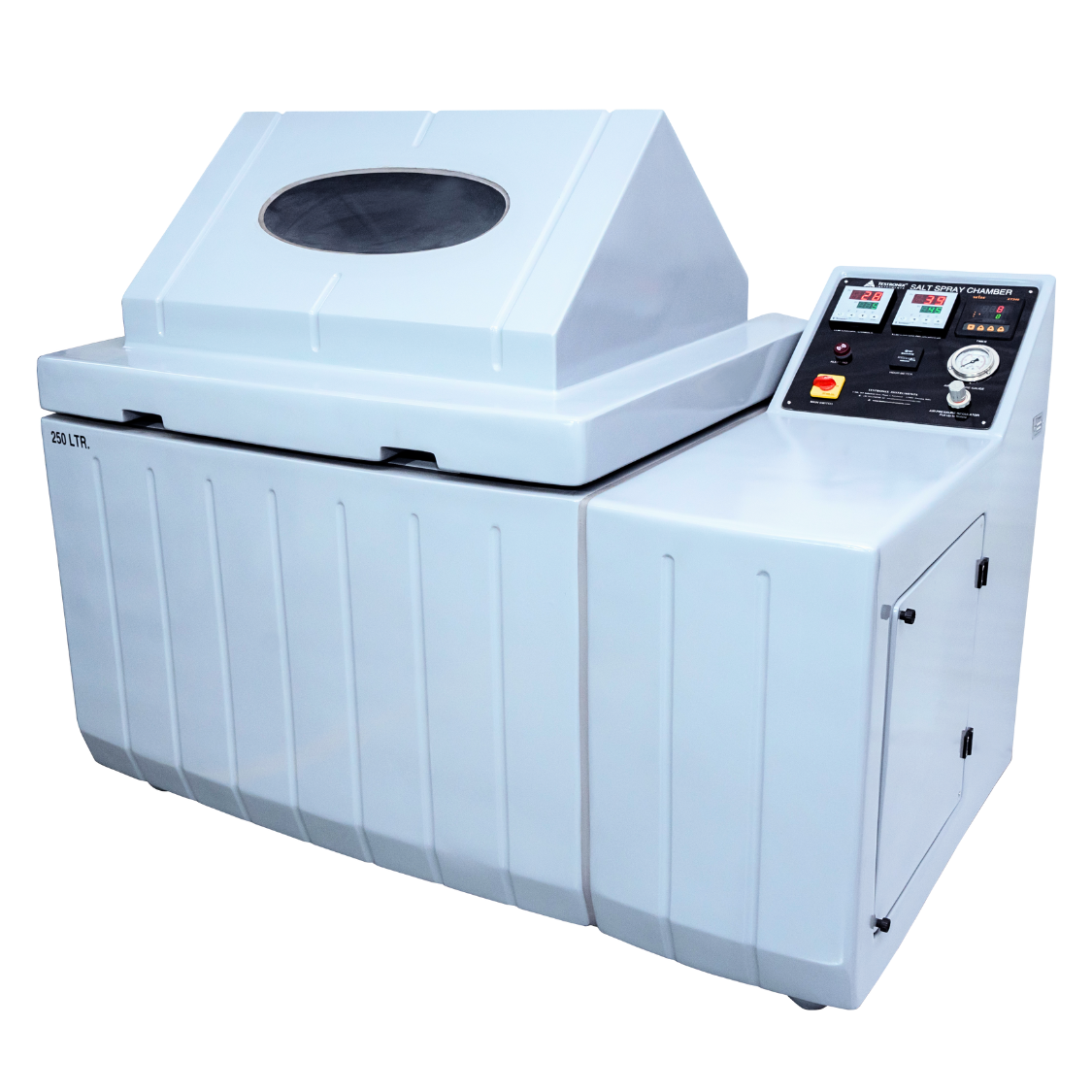
Sample requirements may vary depending on product type, size, coating system and applicable standard. Coated metal panels, plated components, fasteners, automotive parts, electrical components, surface-treated products and finished assemblies can be submitted for salt fog testing.
The technical team reviews the sample condition and recommends suitable testing duration, sample placement and evaluation criteria based on the product application and customer requirement.
We specialize in material and product testing, providing tailored solutions to meet each client’s unique needs.
For quotation or visit