
When a material is exposed to heat, its true behavior becomes visible. Moisture may evaporate, volatile compounds may release, polymers may degrade, and fillers may remain as residue. If this behavior is not tested properly, product decisions become risky. That is why thermogravimetry analysis services in Chennai – Kiyo R&D Lab are important for industries working with plastics, rubber, coatings, composites, packaging, and industrial materials.
At Kiyo R&D Lab, thermogravimetry analysis is used to understand how materials behave under controlled heating conditions. The test helps clients evaluate thermal stability, weight loss, decomposition behavior, moisture content, volatile content, filler content, ash content, and final residue.
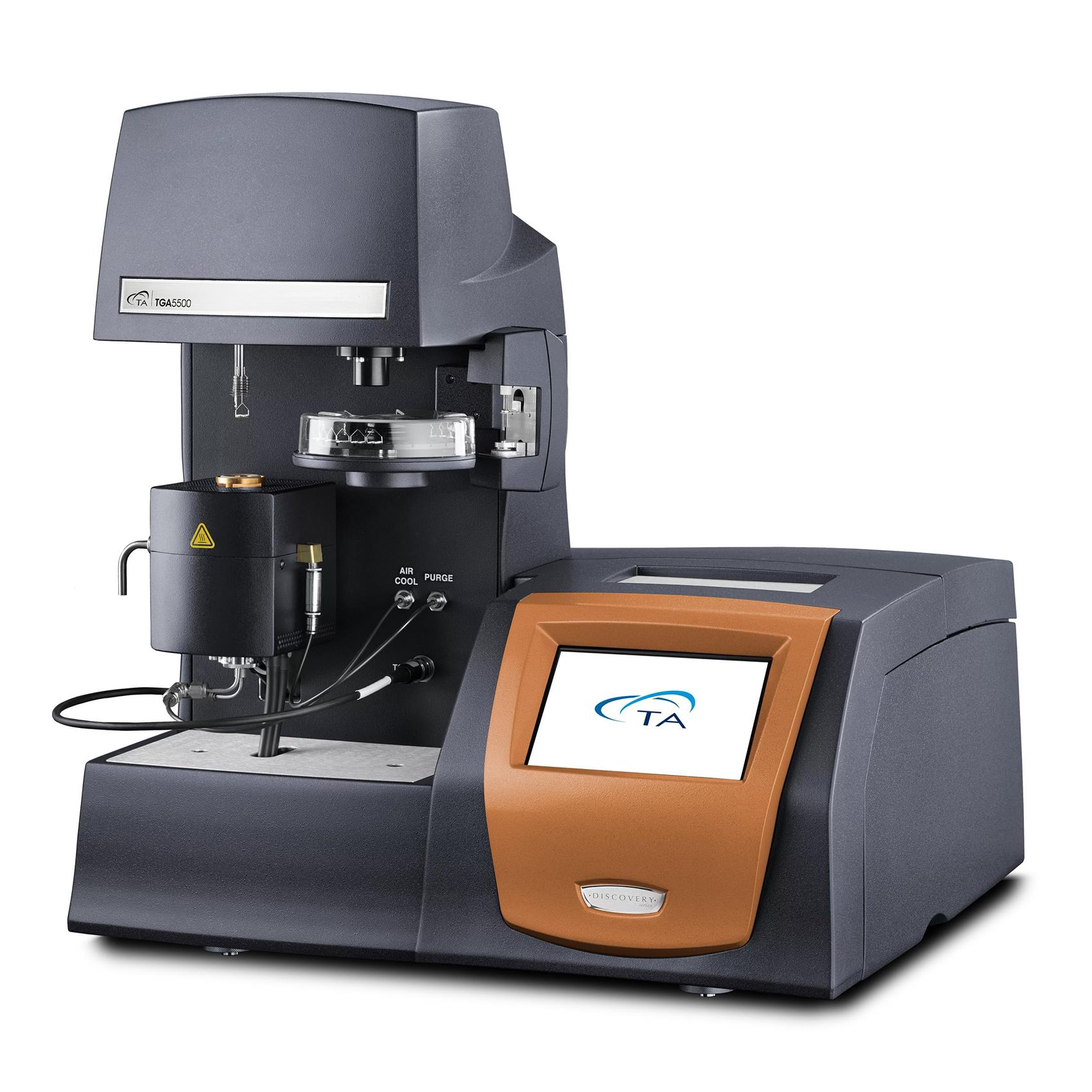
A material may look acceptable at room temperature but fail when exposed to heat during processing, storage, transport, or actual application. This is common in polymers, rubber, coatings, adhesives, and composite materials.
By choosing thermogravimetry analysis services in Chennai – Kiyo R&D Lab, clients can:
Thermogravimetry analysis, commonly connected with TGA testing, measures the change in sample weight as temperature increases. The result is shown as a weight-loss curve that helps explain how a material changes under heat.
At Kiyo R&D Lab, results are interpreted based on the client’s material, application, and testing objective. A graph alone is not enough. The result must help the client take a clear decision.
Thermogravimetry analysis is widely used for plastic, polymer, and rubber materials because these materials often contain fillers, additives, plasticizers, carbon black, stabilizers, and volatile components.
For plastics and polymers, TGA helps evaluate degradation temperature, filler percentage, moisture content, and thermal stability. For rubber and elastomer samples, it can help study volatile loss, polymer degradation, carbon black content, ash content, and residue formation depending on the test method.
Thermogravimetry analysis is also useful for coatings, paints, adhesives, composites, powders, and industrial raw materials. It helps identify how much material is lost during heating and how much remains as residue.
For coatings, it can support formulation comparison and volatile content analysis. For composites, it can support filler and matrix evaluation. For raw materials, it helps verify consistency between different supplier batches.
A professional thermogravimetry analysis services in Chennai – Kiyo R&D Lab process requires controlled testing conditions. A small sample is placed in the TGA instrument and heated under defined conditions. The instrument continuously measures weight change as temperature increases.
Testing conditions such as heating rate, sample quantity, atmosphere, and temperature range can affect the result. That is why proper method control matters.
Clients do not need just a curve. They need answers that support technical and business decisions. Kiyo R&D Lab focuses on practical reporting that helps clients understand material behavior clearly.
Thermogravimetry analysis can help answer:
Incorrect thermal analysis can lead to wrong material approval, poor product design, customer rejection, and repeated failures. This is why testing must be performed carefully with controlled conditions and proper interpretation.
Kiyo R&D Lab focuses on accurate sample handling, controlled heating, reliable measurement, and clear reporting. This makes thermogravimetry analysis services in Chennai – Kiyo R&D Lab useful for quality teams, R&D teams, manufacturers, and supplier approval processes.
Thermogravimetry analysis is useful across industries where heat affects product performance, safety, and reliability.
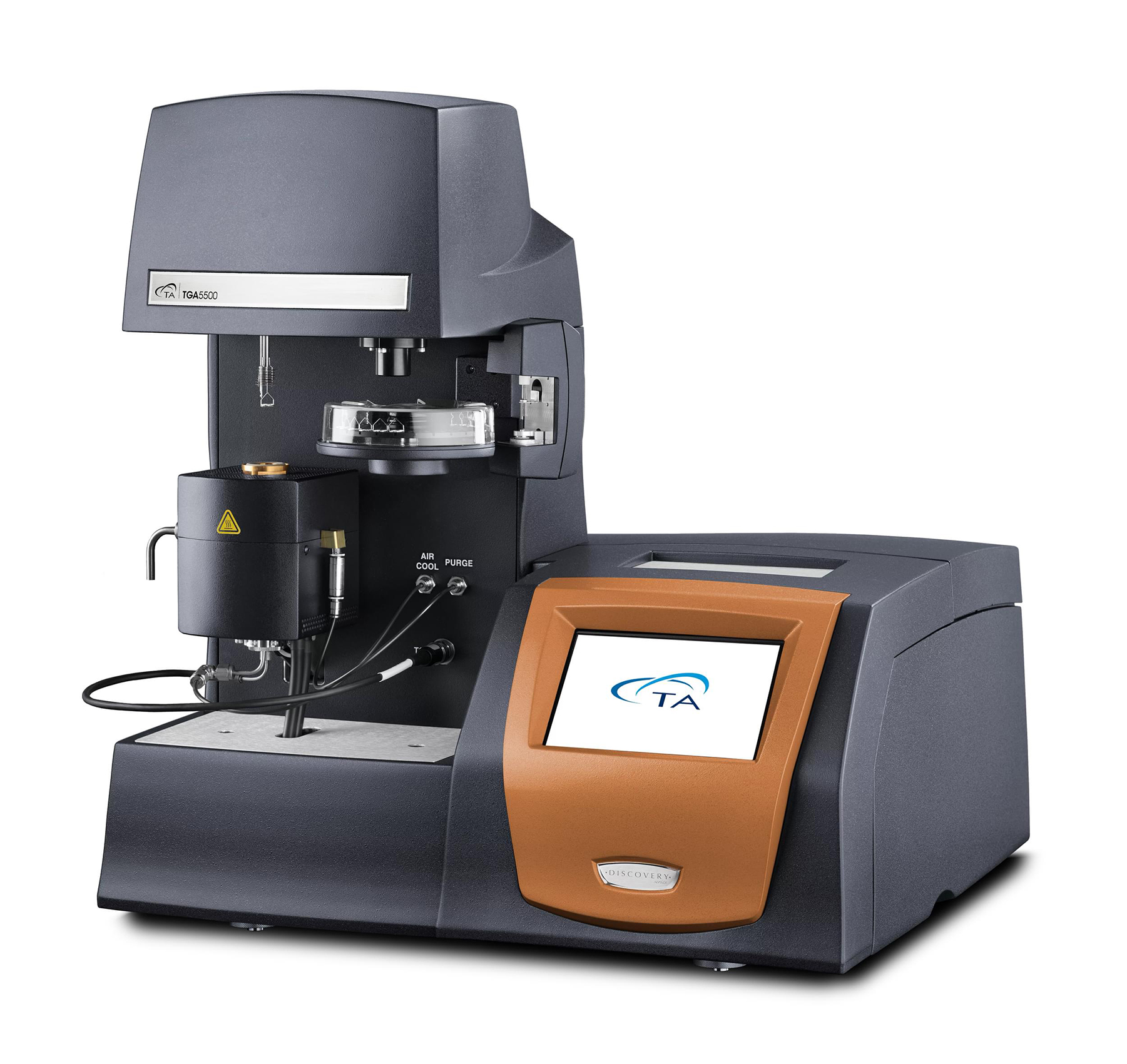
If you are looking for reliable thermogravimetry analysis services in Chennai – Kiyo R&D Lab, our team can support your requirement with accurate TGA testing, practical interpretation, and professional reporting.
Website: www.kiyorndlab.com
Phone: 090876 86986
Thermogravimetry analysis is used to measure weight change in a material during heating. It helps evaluate thermal stability, decomposition behavior, moisture content, volatile content, filler content, ash content, and residue percentage.
Yes. TGA testing can be used for rubber and elastomer materials to evaluate volatile content, polymer degradation, carbon black content, filler content, ash content, and thermal stability depending on the test condition.
Thermogravimetry analysis usually requires only a small quantity of sample. The exact quantity depends on material type, test condition, sample form, and reporting requirement.
Clients should choose Kiyo R&D Lab because the lab provides accurate thermogravimetry analysis, practical interpretation, professional reporting, and technical support for quality control, R&D, supplier approval, and failure investigation.
We specialize in material and product testing, providing tailored solutions to meet each client’s unique needs.
For quotation or visit