
ASTM Standard for Charpy Impact Test

Charpy Impact Test ASTM E23 / ASTM D6110 in Chennai | Kiyo R&D LAB

Introduction

Many material failures don’t happen slowly. They happen suddenly—during a drop, a collision, a shock load, or an unexpected strike. That’s why impact toughness is a key property for metals, plastics, and engineering materials. The Charpy impact test is one of the most widely accepted methods for evaluating how a material behaves under sudden force.

If you are looking for ASTM standard for Charpy impact test – Kiyo R&D LAB, this guide explains what Charpy testing measures, which ASTM standards are commonly used, and how the results support quality control, product development, and material selection.
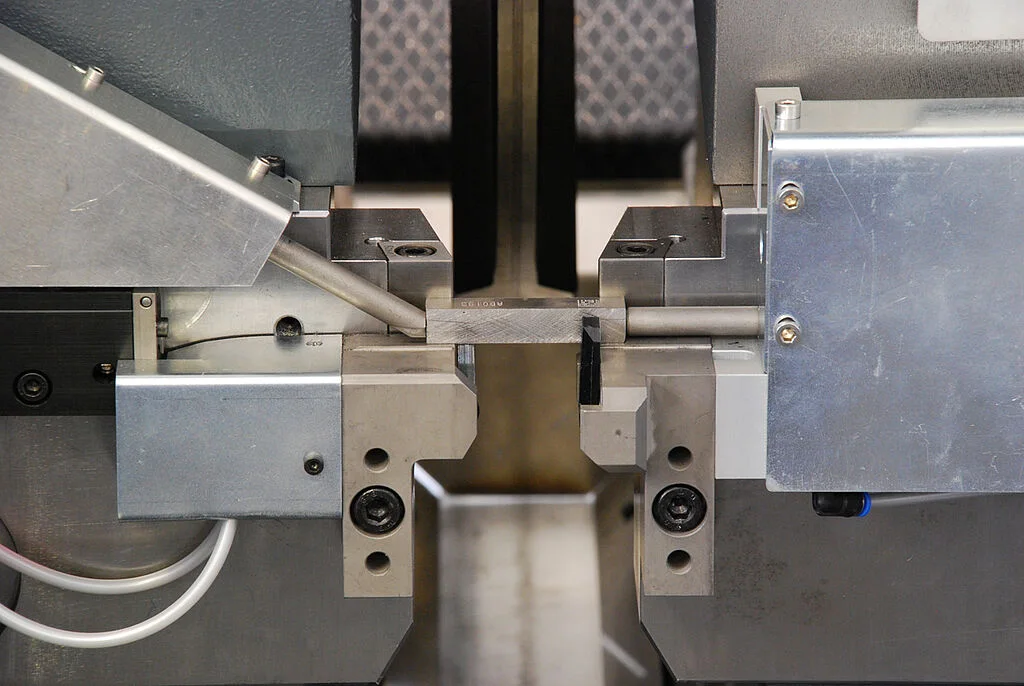
ASTM Standard for Charpy Impact Test – Kiyo R&D LAB (Chennai)

What is the Charpy Impact Test?

The Charpy impact test is a standardized mechanical test used to measure impact toughness. A notched specimen is supported horizontally and struck by a swinging pendulum. The testing machine measures the energy absorbed by the specimen during fracture. Higher absorbed energy generally indicates better resistance to brittle failure.

When testing follows defined methods and specimen requirements, Charpy data becomes a reliable basis for comparing material grades, batches, and processing conditions.

Why Charpy Impact Testing Matters

  • Evaluates toughness: Helps determine whether a material behaves in a brittle or ductile manner.
  • Improves safety: Supports reliable selection of materials for critical and load-bearing parts.
  • Prevents failures: Identifies weak materials or improper processing before products reach the field.
  • Supports compliance: Helps meet customer and industry requirements using standard test methods.
  • Aids R&D: Useful for comparing formulations, heat treatments, or material grades.

ASTM Standards Commonly Used for Charpy Impact Testing

The term “ASTM Charpy standard” can refer to different ASTM methods depending on the material being tested. Here are the most commonly referenced standards:

ASTM E23 (Metals)

ASTM E23 is widely used for Charpy impact testing of metallic materials. It covers specimen requirements (including notches), machine verification aspects, test procedure, and how results are reported.

ASTM D6110 (Plastics)

ASTM D6110 is commonly used to determine the Charpy impact resistance of plastics. It supports evaluation of polymer materials where sudden impact toughness is important for product performance.

At Kiyo R&D LAB, we follow the relevant method based on your material type and requirement, supporting reliable ASTM standard for Charpy impact test – Kiyo R&D LAB reporting.

How the Charpy Impact Test is Performed

  1. Specimen preparation: Samples are prepared as per the chosen ASTM method, including notch type and dimensions.
  2. Specimen setup: The notched specimen is placed horizontally on supports in the impact testing machine.
  3. Impact strike: A pendulum hammer strikes the specimen opposite the notch.
  4. Energy absorbed: The machine measures energy absorbed during fracture, which reflects impact toughness.
  5. Reporting: Results are documented as per the ASTM method with necessary specimen and test details.

Why a Notch is Used in Charpy Testing

The notch creates a controlled stress concentration. This helps initiate fracture at a known location, improving repeatability and allowing meaningful comparison across samples and batches.

Industries That Use Charpy Impact Testing

Charpy testing is widely used wherever materials face sudden loading, shocks, or impact conditions. Common sectors include:

  • Automotive: structural and safety-related components
  • Oil & gas: pipes, fittings, and structural parts exposed to harsh conditions
  • Construction: steel parts and structural materials
  • Plastics & polymers: molded parts, housings, and functional polymer products
  • R&D and materials development: comparing grades, formulations, and processing methods

Why Choose Kiyo R&D LAB in Chennai?

  • Standard-based testing: Testing aligned with relevant ASTM methods for metals or plastics.
  • Clear reporting: Practical reports for QC acceptance, supplier comparison, or development work.
  • Material-focused support: Helpful for metals, plastics, polymer compounds, and industrial parts.
  • Chennai coordination: Efficient support for local manufacturers and product teams.

For reliable ASTM standard for Charpy impact test – Kiyo R&D LAB, share your material type and requirement so the suitable method can be applied.
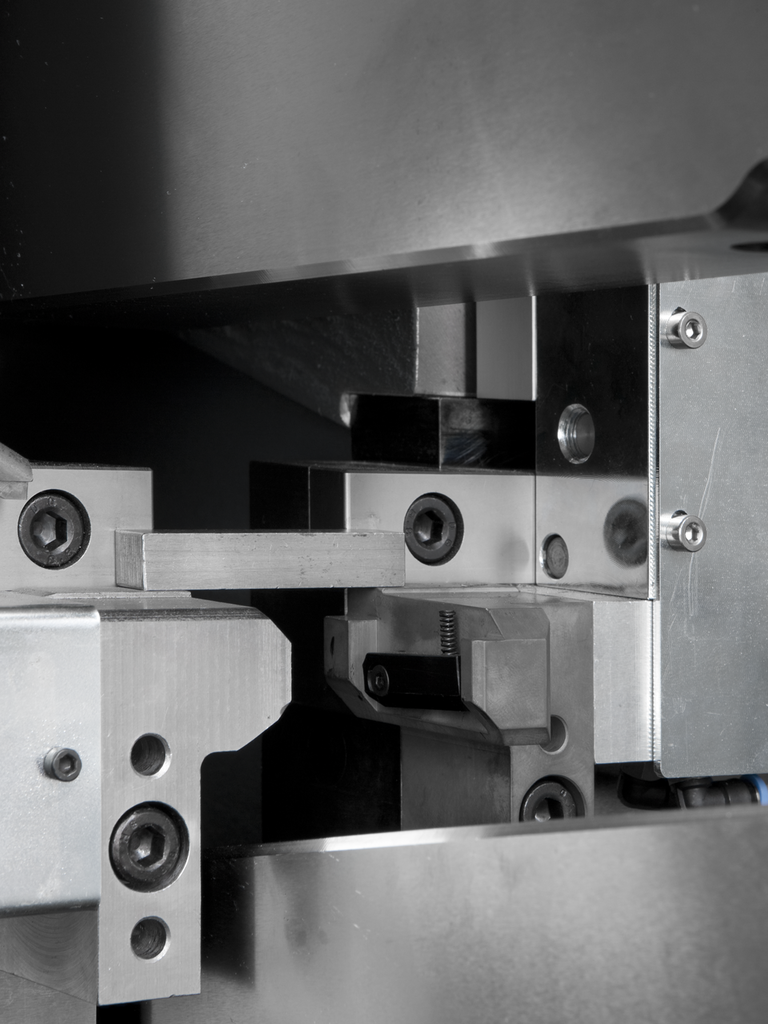
ASTM Standard for Charpy Impact Test – Kiyo R&D LAB (Chennai)

Conclusion

The Charpy impact test is a proven way to evaluate how a material reacts under sudden loading. When performed using the correct ASTM method and specimen requirements, Charpy results become a strong tool for quality control, safety assurance, and material selection.

If you need ASTM standard for Charpy impact test – Kiyo R&D LAB in Chennai, Kiyo R&D LAB supports standard-based Charpy testing for metals and plastics with clear reporting for decision-making.

FAQ

What is the Charpy impact test used for?

It measures the energy absorbed by a notched specimen during fracture under a sudden удар/impact, indicating material toughness.

Which ASTM standard is used for Charpy impact test for metals?

ASTM E23 is commonly used for Charpy impact testing of metallic materials (including specimen requirements and procedure).

Which ASTM standard is used for Charpy impact test for plastics?

ASTM D6110 is commonly used for determining the Charpy impact resistance of plastics.

What is the difference between Charpy and Izod impact tests?

Both measure impact resistance, but specimen orientation, support setup, and striking position differ. Selection depends on standard/specification and application.

Why is a notch used in Charpy testing?

The notch creates a controlled stress concentration so fracture behavior is consistent and comparable across samples.

What information is included in a Charpy impact test report?

Typically it includes absorbed energy values, specimen details, test standard used, test conditions, and observations required by the relevant ASTM method.