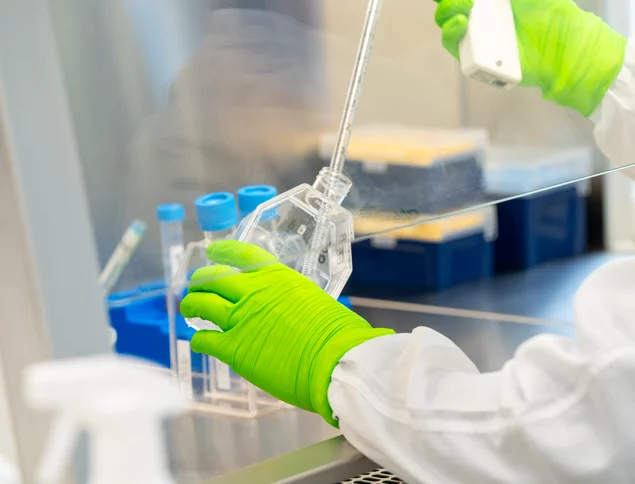
In real manufacturing environments, raw materials vary — even from the same supplier. Small changes in polymer grade, filler content, moisture level, or contamination can completely alter performance.
This is why raw material testing methods in Chennai – Kiyo R&D LAB are used by industries that refuse to gamble with quality.
Proper raw material testing helps you:
Detect defective or substandard materials before production
Reduce scrap and rework costs
Improve consistency in final products
Prevent catastrophic field failures
Strengthen supplier accountability
Support audits, certifications, and customer approvals
Shorten product development cycles
If you are still accepting materials blindly, you are taking unnecessary risk.
Raw material testing is not one single test — it is a structured evaluation of physical, chemical, mechanical, and thermal properties to ensure that incoming materials meet required specifications.
At raw material testing methods in Chennai – Kiyo R&D LAB, testing is selected based on your industry, application, and risk level.
Below are the most critical categories of raw material testing.
This is often the first checkpoint for incoming materials.
Common tests include:
Density
Moisture content
Melt flow index (for polymers)
Ash content
Particle size distribution
Bulk and tapped density
For plastics and polymers, melt flow index is particularly important. A small variation in MFI can change injection molding behavior, shrinkage, and mechanical strength. Kiyo R&D LAB applies internationally recognized standards to ensure reliable results.
Even if raw material looks fine physically, it may fail mechanically under stress.
Typical tests include:
Tensile strength
Flexural strength
Impact resistance
Hardness
Tear resistance
Manufacturers in automotive, electrical, and construction industries rely heavily on these raw material testing methods in Chennai – Kiyo R&D LAB to validate incoming batches before production.
Heat behavior is one of the most overlooked yet critical aspects of raw materials.
At Kiyo R&D LAB, we perform:
DSC (Differential Scanning Calorimetry)
TGA (Thermogravimetric Analysis)
Heat deflection temperature (HDT)
Vicat softening temperature
These tests help determine whether a raw material will perform under real service temperatures or fail prematurely.
If your product is exposed to heat — in vehicles, electronics, or industrial applications — thermal testing is mandatory.
Many raw materials degrade when exposed to chemicals, moisture, or environmental stress.
We test for:
Water absorption
Resistance to oils and fuels
Acid and alkali resistance
Solvent compatibility
UV stability
This is especially important for automotive, industrial coatings, and medical materials.
Sometimes failure is caused by invisible defects — not bulk properties.
Kiyo R&D LAB uses advanced microscopy to detect:
Foreign contamination
Micro-cracks
Voids
Poor bonding
Uneven filler distribution
If you receive inconsistent batches, these raw material testing methods in Chennai – Kiyo R&D LAB help pinpoint the root cause.
Chennai is a major manufacturing hub, yet many companies still send samples to distant cities or depend on basic in-house tests that lack credibility.
This is why raw material testing methods in Chennai – Kiyo R&D LAB are preferred by serious manufacturers.
NABL accreditation — internationally accepted results
Advanced instruments — not outdated equipment
Experienced scientists — real interpretation, not just data
Fast turnaround time — minimal delays
Industry-focused approach — results that actually help production
Support for students and researchers — final-year projects and R&D validation
If you are in Chennai and want reliable raw material testing, Kiyo R&D LAB is built for you.
You should use raw material testing methods in Chennai – Kiyo R&D LAB if you are in:
Automotive manufacturing
Plastic injection molding
Rubber product manufacturing
Composite materials industry
Paints and coatings
Medical device production
Packaging industry
Electrical and electronics
Construction materials
Research institutions and engineering colleges
If you rely on raw materials, you need proper testing.
The workflow is simple and professional:
You submit your raw material sample
We understand your application and risks
We recommend appropriate test methods
Testing is conducted using global standards
You receive a detailed technical report
Optional: guidance for material selection or improvement
We don’t just give you numbers — we help you interpret them.
Most manufacturers test only after failure — which is too late.
Common mistakes include:
Trusting supplier datasheets blindly
Skipping incoming inspection
Relying on visual checks
Avoiding testing to save small costs
Ignoring batch-to-batch variations
Then they face massive losses due to rejections, recalls, or customer complaints.
Smart companies use raw material testing methods in Chennai – Kiyo R&D LAB proactively before production begins.
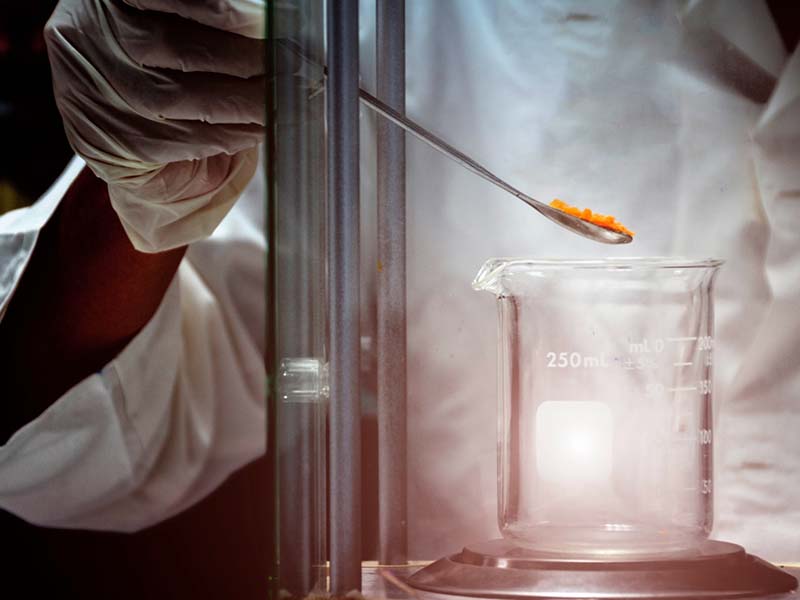
We specialize in material and product testing, providing tailored solutions to meet each client’s unique needs.
For quotation or visit