Many manufacturers assume that supplier certificates are enough. This is a risky assumption.
Even with certification, raw materials can have:
Wrong grade
Batch variation
Contamination
Processing defects
Inconsistent properties
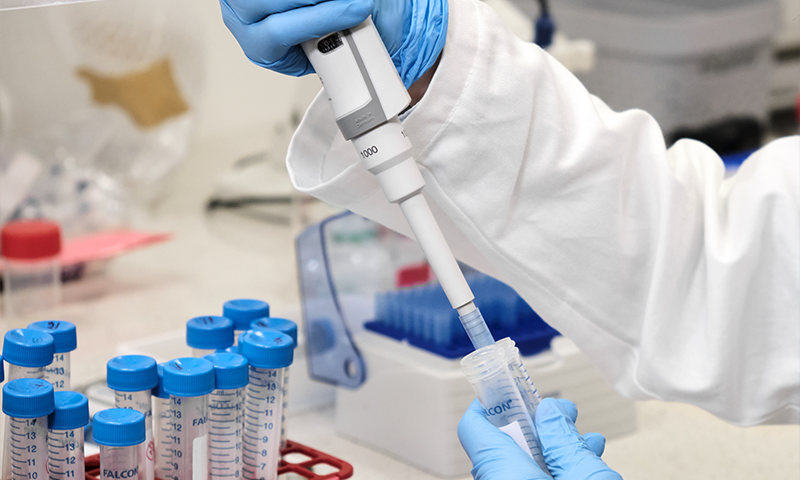
This is why companies search for raw material testing methods in Chennai – Kiyo R&D LAB — to confirm real performance rather than trusting paperwork alone.
Proper testing helps:
Reduce rejection rates
Prevent production breakdowns
Avoid warranty claims
Improve supplier reliability
Ensure compliance with standards
Protect brand reputation
In simple terms, raw material testing methods in Chennai – Kiyo R&D LAB act as a safety net before production begins.
Raw material testing methods are structured laboratory techniques used to evaluate the quality, composition, strength, durability, and safety of incoming materials.
Using raw material testing methods in Chennai – Kiyo R&D LAB, manufacturers can answer critical questions such as:
Is this material the correct grade?
Will it perform under real conditions?
Is it safe for the intended application?
Is it consistent across batches?
Instead of guessing, companies get measurable data.
A reliable raw material testing methods in Chennai – Kiyo R&D LAB covers multiple material categories and test types.
Mechanical testing evaluates how a material behaves under force.
Common mechanical raw material testing methods include:
Tensile testing – measures strength and elongation
Flexural testing – checks bending strength
Compression testing – evaluates crushing resistance
Impact testing – measures toughness
Hardness testing – checks wear resistance
These raw material testing methods in Chennai – Kiyo R&D LAB are critical for plastics, metals, rubber, and composites used in structural or load-bearing applications.
For metals and alloys, verifying chemical composition is essential.
Key methods include:
Positive Material Identification (PMI) using XRF/OES
Spectroscopic analysis
Elemental composition testing
These raw material testing methods in Chennai – Kiyo R&D LAB ensure that the metal truly matches its claimed grade — preventing costly mix-ups.
Heat affects materials significantly.
Thermal raw material testing methods include:
DSC (Differential Scanning Calorimetry)
TGA (Thermogravimetric Analysis)
Heat Deflection Temperature (HDT)
Vicat softening temperature
These tests help predict how polymers behave during processing and service.
Simple properties still matter.
Common physical raw material testing methods in Chennai – Kiyo R&D LAB include:
Density and specific gravity
Water absorption
Dimensional stability
Thickness measurement
These tests are widely used in plastics and composites quality control.
Many raw materials face exposure to oils, fuels, solvents, or cleaning agents.
Chemical resistance testing evaluates:
Swelling
Weight change
Loss of mechanical strength
Surface degradation
This is especially important for automotive, industrial, and electrical components.
Some defects are hidden inside materials.
NDT-based raw material testing methods in Chennai – Kiyo R&D LAB help detect:
Internal voids
Delamination
Thickness variation
Hidden cracks
This is crucial for molded plastics and composite materials.
For steel and coated metals, corrosion resistance is critical.
Common methods include:
Salt spray testing
Humidity testing
Environmental exposure tests
These raw material testing methods in Chennai – Kiyo R&D LAB help predict long-term durability in outdoor conditions.
A strong raw material testing methods in Chennai – Kiyo R&D LAB program does not focus on just one material.
Includes plastic pellets, resins, and compounds.
Tests include:
Tensile strength
Impact resistance
Melt flow index
Thermal stability
Water absorption
Includes steel, aluminum, copper, and alloys.
Tests include:
PMI grade verification
Hardness testing
Tensile testing
Corrosion resistance
Used in seals, gaskets, and automotive components.
Tests include:
Shore hardness
Tensile strength
Elongation
Compression set
Aging resistance
Includes GFRP and CFRP materials.
Tests include:
Flexural strength
Fiber content analysis
Delamination checks
Thermal behavior
Searching for raw material testing methods in Chennai – Kiyo R&D LAB makes sense because local testing offers:
Faster sample submission
Quick turnaround time
Direct technical discussion
Lower logistics cost
Easy repeat testing
Better coordination with suppliers
Instead of sending samples outside, manufacturers get reliable local support.
A trusted raw material testing methods in Chennai – Kiyo R&D LAB follows recognized standards such as:
ASTM
ISO
IS
OEM and customer-specific requirements
This ensures results are globally acceptable and audit-ready.
Small businesses often lack in-house testing facilities.
Kiyo R&D LAB supports startups by:
Providing affordable testing
Guiding material selection
Reducing trial-and-error costs
Helping avoid production failures
For many SMEs, raw material testing methods in Chennai – Kiyo R&D LAB become a cost-effective quality partner.
Many students search for raw material testing methods in Chennai – Kiyo R&D LAB for their projects.
Kiyo R&D LAB helps students by:
Offering real industrial testing
Explaining results clearly
Assisting with technical reports
Providing hands-on lab exposure
Students gain practical knowledge that strengthens their academic work.
Not all labs offer the same quality of testing.
Kiyo R&D LAB stands out because of:
Experienced materials engineers
Advanced testing equipment
Standard-based procedures
Clear, structured reports
Industry-focused approach
Instead of just testing, Kiyo R&D LAB helps clients make better material decisions.
Companies that skip raw material testing methods in Chennai – Kiyo R&D LAB often face:
Production defects
High rejection rates
Customer complaints
Warranty claims
Safety failures
Brand damage
Most of these problems are preventable with early testing.
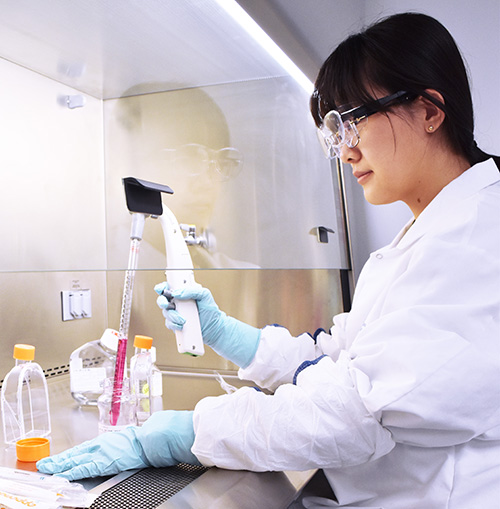
We specialize in material and product testing, providing tailored solutions to meet each client’s unique needs.
For quotation or visit