When polymer products fail, soften too early, warp during processing, or behave inconsistently from batch to batch, the root cause is often thermal behavior—not visible defects. Dsc Analysis of polymers such as Melting point shifts, incomplete crystallization, or unexpected glass transition temperatures quietly undermine performance long before anyone notices a crack or deformation.
This is exactly why DSC analysis of polymers services in Chennai – Kiyo R&D LAB are critical for manufacturers, processors, and R&D teams who need clarity instead of assumptions.
At Kiyo R&D LAB, DSC testing is treated as a decision-making tool, not just a thermal curve on a report. The goal is simple: understand how your polymer behaves when heated, cooled, and processed—because that behavior defines real-world performance.
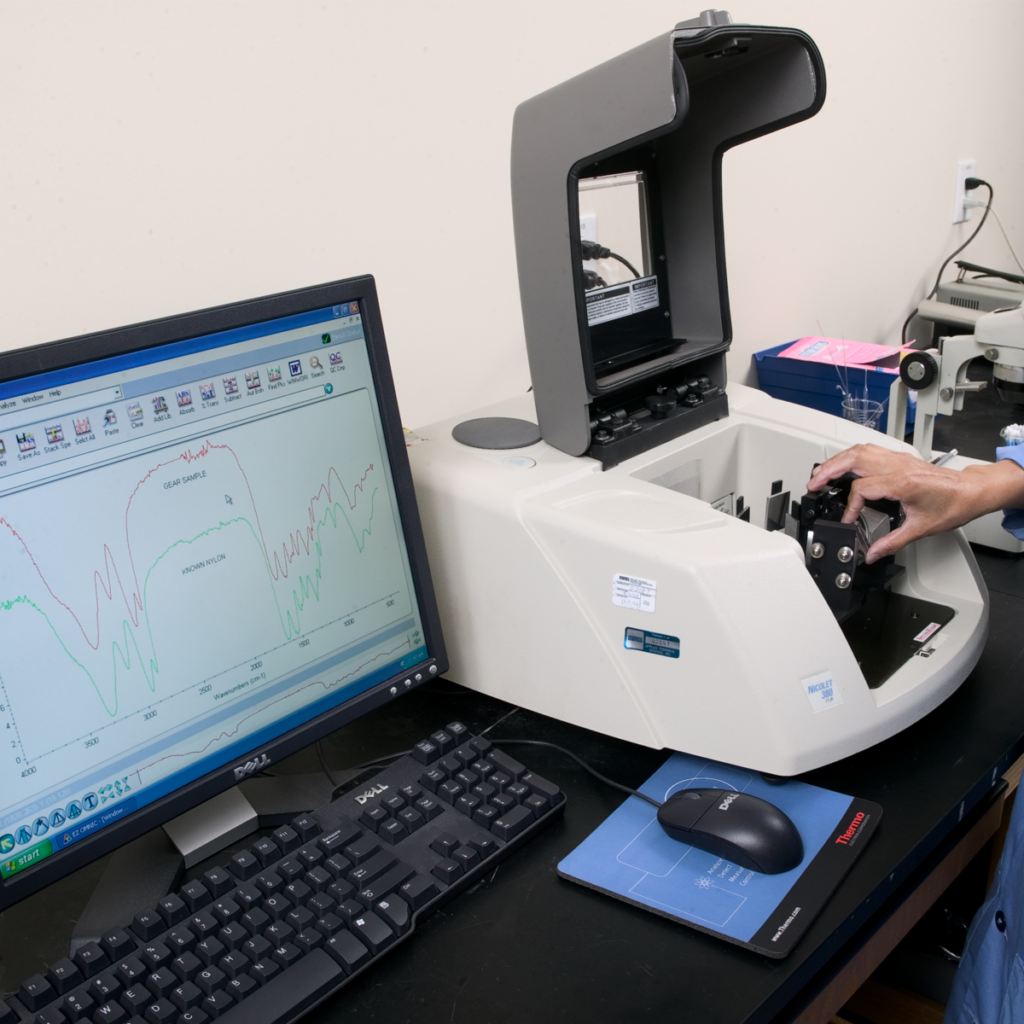
Differential Scanning Calorimetry (DSC) measures how a polymer absorbs or releases heat as temperature changes. In practical terms, DSC helps identify:
These parameters control how a polymer flows during molding, how it solidifies, and how it performs in service. Datasheets provide typical values, but your actual material—with your processing history—often behaves differently.
Many polymer-related problems trace back to thermal mismatch:
DSC analysis reveals whether the issue is due to:
Without DSC data, teams are often adjusting process parameters blindly.
Searching for DSC analysis of polymers services in Chennai usually means time is critical. Manufacturers need:
Kiyo R&D LAB supports Chennai-based industries—including plastics processing, automotive suppliers, packaging manufacturers, and research institutions—with accessible, locally available DSC testing and practical reporting.
DSC analysis at Kiyo R&D LAB is commonly performed for:
Testing can be performed on raw pellets, molded parts, films, sheets, or reprocessed materials—because processing history changes thermal behavior.
Tg defines the temperature range where a polymer transitions from rigid to rubbery behavior. If Tg shifts, impact resistance, stiffness, and dimensional stability shift with it.
Tm controls processing windows. A small change can explain poor flow, incomplete filling, or inconsistent molding results.
Crystallization temperature and enthalpy influence shrinkage, warpage, and cycle time. DSC helps compare how different batches or cooling conditions affect crystallinity.
Crystallinity directly impacts stiffness, chemical resistance, and heat resistance. DSC allows relative comparison between samples—even when everything “looks the same.”
Smart teams use DSC early, not after problems appear. During development, DSC helps:
Early DSC testing often prevents costly mold rework and repeated trial runs.
Batch-to-batch variation is a silent risk in polymer processing. DSC analysis helps identify:
DSC analysis of polymers services in Chennai – Kiyo R&D LAB provide objective thermal fingerprints that help quality teams confirm consistency—or detect problems early.
When a polymer part fails unexpectedly—softening, warping, or losing strength—DSC often reveals what mechanical tests cannot. Changes in Tg, Tm, or crystallinity point directly to:
DSC turns failure analysis from speculation into measurable evidence.
At Kiyo R&D LAB, DSC testing is performed using controlled methods aligned with relevant ASTM, ISO, or customer-defined procedures, depending on application needs.
Standards-based testing ensures:
A thermal curve without method control is just a picture. With standards, it becomes evidence.
A good DSC report does more than show peaks. It should clearly state:
At Kiyo R&D LAB, reports are written so engineers and production teams can use the data, not just file it.
Many labs can generate DSC curves. Fewer labs help you understand what those curves mean for your product.
Kiyo R&D LAB stands out because:
This approach reduces guesswork and accelerates problem-solving.
DSC analysis of polymers services in Chennai – Kiyo R&D LAB are essential for:
If thermal behavior affects your product’s performance, DSC testing is not optional.
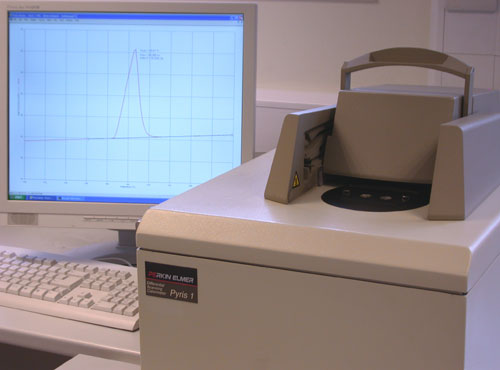
Polymers don’t behave randomly—they behave according to their thermal history. DSC analysis reveals that history and turns hidden transitions into actionable data. Whether you are developing a new product, troubleshooting a processing issue, or validating material consistency, DSC analysis of polymers services in Chennai – Kiyo R&D LAB provide the clarity needed to move forward confidently.
In polymer engineering, thermal understanding is not an advantage—it’s a requirement.