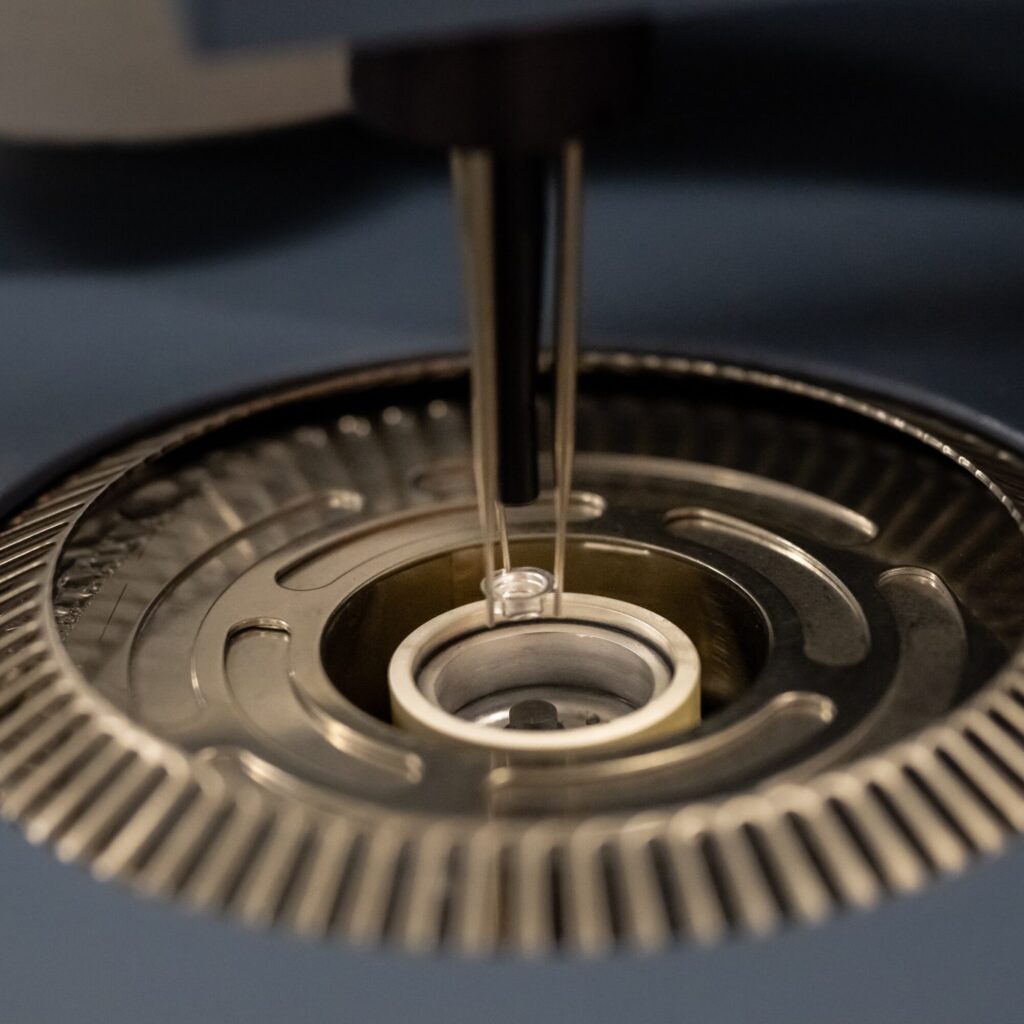
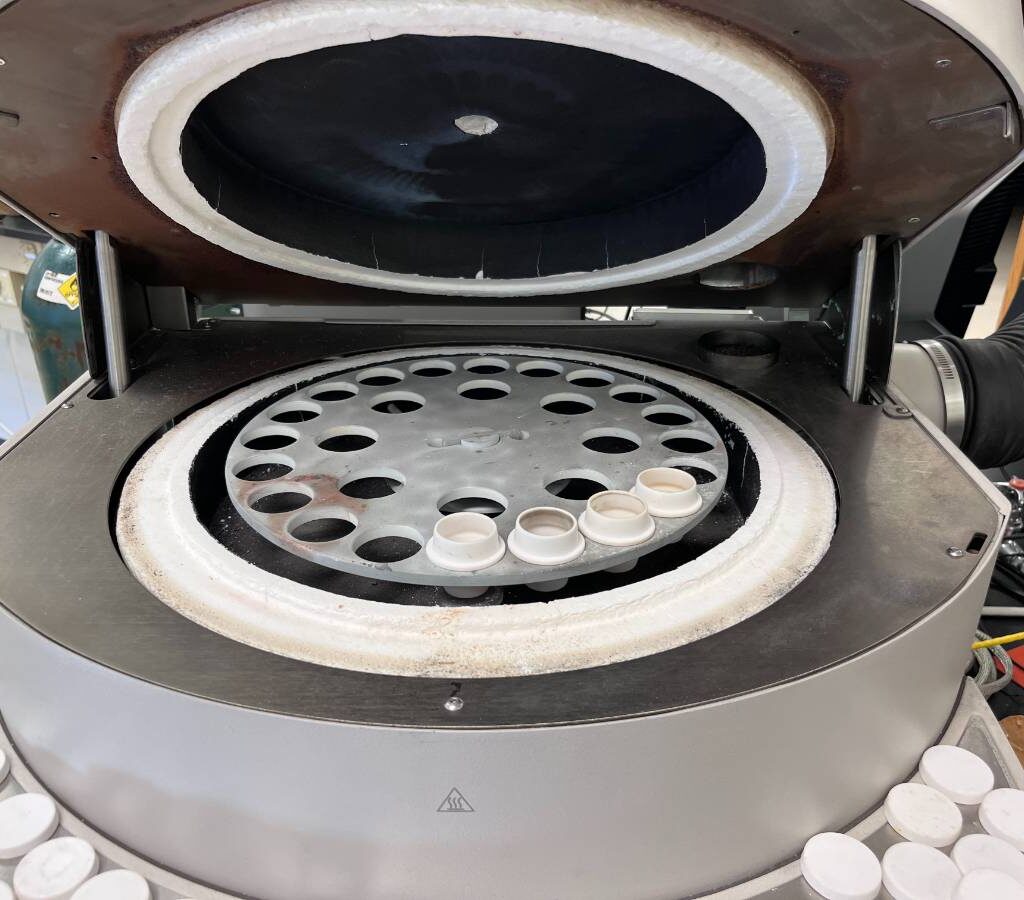
Thermal analysis plays a crucial role in evaluating how materials behave under changing temperatures. One of the most widely used techniques in polymer characterization is Thermogravimetric Analysis (TGA).
In simple terms, TGA measures how a polymer’s weight changes when it is heated, providing valuable insights into its thermal stability, composition, and degradation temperature.
At Kiyo R&D Lab, we offer TGA test for polymer to help industries, manufacturers, and research institutions ensure the safety, reliability, and performance of their materials.
🧭 What Is TGA and Why It’s Important
TGA (Thermogravimetric Analysis) is a method in which a polymer sample is heated at a controlled rate, and its weight loss is recorded as the temperature increases.
This test reveals:
How a polymer reacts to heat
Its thermal degradation point
Volatile content and moisture
Additives or filler content
Residue or ash formation
👉 Why this matters:
It determines whether the polymer can withstand real-world temperature conditions.
It ensures quality control during manufacturing.
It helps in selecting suitable materials for various applications.
🧪 TGA Test for Polymer – Kiyo R&D Lab
At Kiyo R&D Lab, we provide precise and reliable TGA testing for different types of polymers. Our advanced instruments and expert technicians ensure that every test meets international standards such as ASTM, ISO, and BIS.
Our TGA testing service is used by:
Polymer and plastic manufacturers
Automotive and packaging industries
Research institutions and universities
Engineering students for final year projects
Product development teams
We help our clients understand material behavior so they can make informed decisions during design, production, and quality assurance.
🧪 How the TGA Test Works
The TGA test for polymer involves several well-defined steps:
Sample Preparation A small, accurately weighed polymer sample is placed on a sample pan inside the TGA instrument.
Controlled Heating The sample is heated gradually under a controlled temperature program. The heating can be done in air or in an inert atmosphere like nitrogen, depending on the application.
Weight Measurement As the sample heats, it starts to lose weight due to moisture loss, decomposition, or volatilization. The instrument continuously measures this weight change.
Data Recording The TGA curve (weight % vs. temperature) is generated in real time, showing different thermal events in the sample.
Result Interpretation Our expert team analyzes the data to determine:
Thermal stability
Onset degradation temperature
Amount of filler or additives
Residue content
🧠 What TGA Reveals About Polymers
🔸 Thermal Stability: The temperature at which the polymer starts decomposing.
🔸 Composition: Identifying moisture, volatiles, and fillers.
🔸 Degradation Behavior: How the polymer breaks down over temperature.
🔸 Comparative Quality: Check consistency between batches.
🔸 Material Selection: Choose the right polymer for your product’s temperature range.
This data is vital for product engineers, researchers, and quality assurance teams.
🏭 Applications of TGA Testing in Industry
TGA testing is widely used across multiple industries because thermal stability determines performance. Some common applications include:
🚗 Automotive: Evaluating polymers used in engine components and interiors.
🏗️ Construction: Assessing material behavior in harsh climates.
📦 Packaging: Ensuring packaging integrity under various temperature conditions.
🧪 Plastics and Polymers: Testing for quality control and R&D.
🧼 Paints and Coatings: Determining filler content and degradation profiles.
🎓 Academia: Supporting final year and research projects for students.
🧪 TGA Testing Standards We Follow
We follow recognized national and international testing standards to ensure accuracy and reliability:
ASTM E1131 – Standard Test Method for Compositional Analysis by Thermogravimetry
ISO 11358 – Plastics: Thermogravimetry of Polymers
BIS Standards – Bureau of Indian Standards
Our reports are clear, certified, and accepted by industries, universities, and regulatory bodies.
Thermal stability and composition are critical factors in determining how well a polymer will perform in real-world applications. With TGA test for polymer – Kiyo R&D Lab, industries, researchers, and students gain clear, accurate, and reliable data to make informed decisions.
Whether you are in manufacturing, packaging, or academic research, Kiyo R&D Lab is your trusted partner for TGA and other polymer testing services.