The Silent Killer: Why Corrosion Resistance Testing Services in India in Kiyo R&D Lab are Critical for Product Longevity
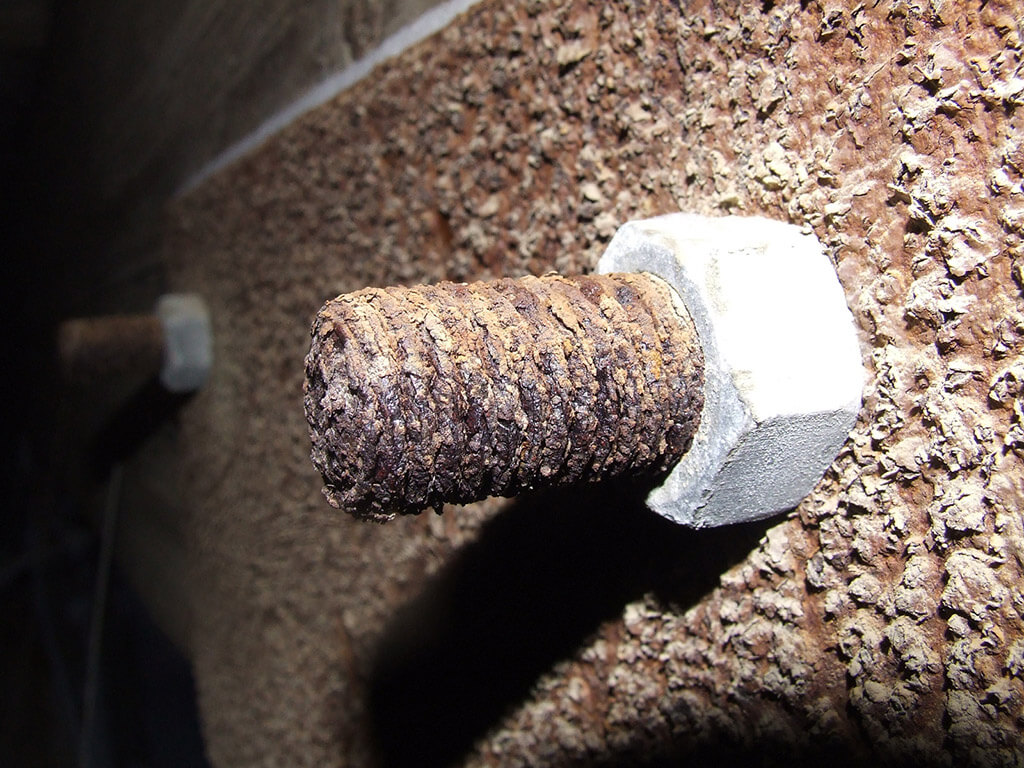
Imagine the heart of a machine—a critical bolt, a welded joint, or a protective coating—slowly being eaten away by an invisible enemy. This enemy is corrosion, the natural process that degrades metal back into its oxide form. It’s a silent, relentless force that causes more than aesthetic damage; it results in catastrophic structural failures, massive economic losses, and major safety hazards across every industry.
For manufacturers in India, who operate in climates ranging from coastal humidity to inland industrial pollution, ensuring material resilience is non-negotiable. That’s why access to precise, reliable corrosion resistance testing services in india in kiyo R&D lab is an essential part of the quality assurance process. Kiyo R&D Lab offers the scientific expertise and advanced chambers necessary to predict how long your product will survive the environment.
The Hidden Enemy: The True Cost of Corrosion
The economic impact of corrosion is staggering. Globally, it’s estimated that corrosion-related costs consume several percentage points of a country’s Gross Domestic Product (GDP). In India, where infrastructure development is booming and automotive production is high, preventing corrosion is paramount for three main reasons:
Safety: In industries like aerospace, construction, and oil and gas, corroded components lead directly to structural failure, pipeline leaks, and potential loss of life.
Economic Loss: Corrosion forces companies to spend huge amounts of money on premature replacement of parts, unexpected maintenance, and downtime. A simple coating failure can lead to the replacement of an entire structural assembly.
Reputation & Warranty: For consumer and automotive products, corrosion is a leading cause of warranty claims. A visible rust spot drastically degrades consumer trust and product value within months.
To protect your investments and your brand, you need expert testing that proves your materials can withstand years of environmental attack.
The Science of Corrosion Testing: Simulating a Lifetime in Days
Since waiting years for a component to rust naturally isn’t feasible, corrosion testing relies on accelerated environmental simulation. This means placing the material in a chamber where conditions (like humidity, temperature, and salt concentration) are intensified to speed up the corrosion process.
What Corrosion Testing Measures:
Protective Coating Integrity: The test determines how long a paint, plating (e.g., chrome, zinc), or powder coating will maintain its barrier function before the underlying metal is exposed and corrosion begins.
Material Suitability: It helps compare different alloys (like stainless steel variants) or surface treatments to see which offers superior resilience in a specific environment.
Failure Mode: It identifies where and how corrosion starts—whether it’s at an edge, a scratch, or a weak point in the coating—allowing engineers to refine the design.
Key Forms of Corrosion Tested:
General Rusting: Uniform surface deterioration (most common on steel).
Pitting Corrosion: Highly localized, deep holes that can cause catastrophic failure without much visible surface damage.
Galvanic Corrosion: Occurs when two dissimilar metals are in contact in an electrolyte (like saltwater), causing one metal to corrode faster than the other.
Key Test Methods at Kiyo R&D Lab
At Kiyo R&D Lab, we utilize advanced, precisely controlled environmental chambers to conduct testing according to major international standards (ASTM, ISO, etc.). When you seek corrosion resistance testing services in india in kiyo R&D lab, you are getting verifiable results from standardized procedures:
1. Salt Spray (Fog) Testing (ASTM B117)
This is the most common and widely recognized method for evaluating protective coatings.
What it does: Samples are placed in a closed chamber and continuously exposed to a fine, dense fog of salt (sodium chloride) solution at an elevated temperature (typically 35°C).
The Result: The test measures the time (in hours) the coating can withstand the salt fog before signs of corrosion (red rust on steel, white corrosion on zinc) appear. This provides a crucial benchmark for quality control.
2. Cyclical Corrosion Testing (CCT)
Recognized as a more realistic simulation of natural environments than constant salt spray.
What it does: The sample undergoes automated cycles of different conditions, typically involving salt fog exposure, high humidity/condensation, and dry-off periods. This mimics the fluctuating conditions (like automotive road exposure) that accelerate natural corrosion.
The Result: CCT tests are excellent for predicting actual performance longevity and validating coatings used in severe outdoor applications.
3. Humidity Testing (ASTM D2247)
Crucial for electronic components and materials sensitive to moisture infiltration.
What it does: Samples are subjected to high humidity (often 95% RH or higher) at a controlled, elevated temperature for long periods.
The Result: Measures the material’s resistance to moisture penetration and its tendency to swell, blister, or suffer electrical failure due to condensation.
Industry Applications Driving Demand in India
As manufacturing quality rises, the demand for certified corrosion resistance testing services in india in kiyo R&D lab spans across critical sectors:
Automotive: Testing painted body panels, fasteners, brake components, and exhaust systems to meet OEM durability standards in high-salt coastal and heavily polluted urban environments.
Marine & Coastal Infrastructure: Verifying coatings and alloys used in port equipment, offshore structures, and materials exposed to saltwater spray.
Electronics & Telecom: Testing enclosures, connectors, and PCB coatings that must operate reliably in India’s high-humidity climates.
Construction & Architecture: Evaluating the protective finishes on structural steel, aluminum window frames, and exterior cladding.
Why Choose Kiyo R&D Lab for Corrosion Testing?
Partnering with Kiyo R&D Lab ensures that your corrosion data is reliable, accurate, and actionable:
1. NABL / ISO 17025 Certified Precision
Our lab operates under the stringent guidelines of NABL/ISO 17025. This accreditation means our corrosion chambers are meticulously calibrated, our procedures are globally standardized (ASTM, ISO, DIN), and your test reports are defensible worldwide.
2. State-of-the-Art Chambers
We maintain large-capacity, fully automated environmental and salt fog chambers capable of running complex cyclical profiles (CCT) necessary for modern standards. This ensures consistency and reproducibility across all test batches.
3. Consultative Approach and Expert Analysis
Corrosion failure is complex. Our expert engineers don’t just send you a pass/fail result. We help analyze the failure mode, provide photographic documentation, and consult with you on potential material or coating solutions, optimizing your product development cycle.
Conclusion: Mitigate Risk, Guarantee Longevity
Corrosion is the single largest threat to the durability and lifespan of manufactured goods. Choosing to invest in accurate corrosion resistance testing services in india in kiyo R&D lab is choosing to mitigate risk, satisfy global compliance requirements, and guarantee that the promise of quality you make to your customers holds true, year after year.
Don’t let the silent killer destroy your reputation. Partner with Kiyo R&D Lab today to build products that withstand the harshest environments.
Ready to protect your products? Contact Kiyo R&D Lab to schedule your corrosion and environmental testing.